
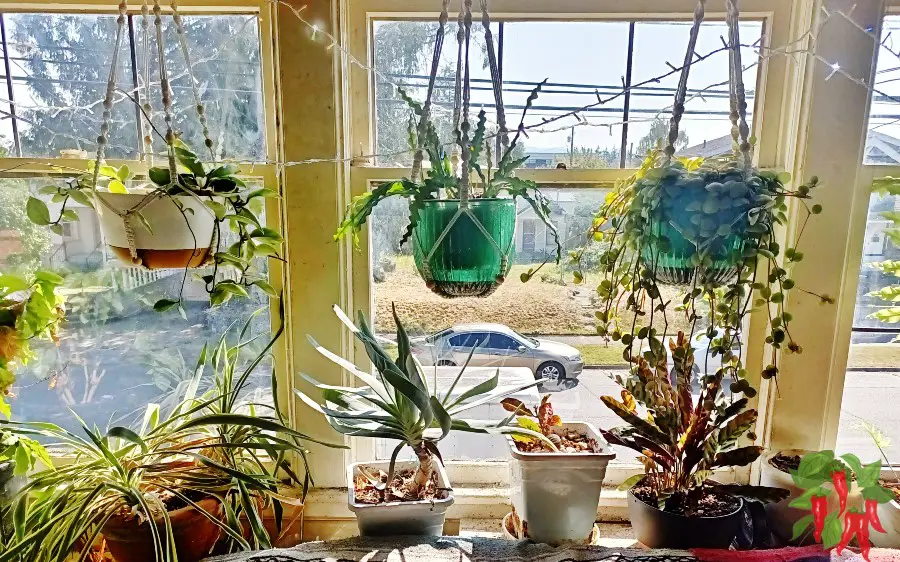
East-facing windows are some of my favorite places for growing tropical plants indoors. In this guide to indoor plants that love east-facing windows, I’ll share 20 of my favorite plants that I grow around my own east-facing windows.
Many of my tropical houseplants do very well with eastern exposure because they get useful morning sunlight without sitting in the stronger afternoon sun that comes through west-facing windows.
In my own setup, most of my houseplants are right at or very close to an eastern window, where they receive useful morning sunlight without the stronger afternoon sun that comes through west-facing windows. My larger plants usually sit about 2–3 feet back, mostly because they need more room.
That combination works for a surprisingly wide range of plants. Hoyas, Lipstick Plants, Philodendrons, Peperomias, ferns, bromeliads, and many other tropical plants can all benefit from the bright morning exposure. Even larger plants such as Monstera and Rubber Plant can do very well a few feet back while still receiving plenty of light from a good eastern window.
I don’t use exact distance from the window as a hard rule. Window size, outdoor shade, season, and the plant itself all make a difference. I prefer to start most plants close to the window where they can take advantage of the available light, then adjust their position if the plant shows that it needs something different.
What You’ll Learn
- Why east-facing windows work so well for many tropical houseplants
- Which indoor plants benefit from gentle morning sunlight
- Which plants can grow close to the glass and which prefer some distance
- How eastern exposure changes between summer and winter
- How to recognize too much or too little light
- How to arrange several houseplants around one east-facing window
Quick Answer
Many tropical and flowering houseplants grow extremely well near east-facing windows. Good choices include Heartleaf Philodendron, Lipstick Plant, Peperomia Hope, Hoya, Fishbone Cactus, Tradescantia Nanouk, African Violet, Peace Lily, Chinese Evergreen, Bird’s Nest Fern, bromeliads, Rubber Plant, Prayer Plant, Rattlesnake Plant, Fittonia, Monstera, Areca Palm, Parlor Palm, Boston Fern, and Baby Rubber Plant. Plants that appreciate brighter light can stay close to the window, while more light-sensitive foliage plants can be positioned farther into the room.
East-Facing Window Plants at a Glance
| Plant | Morning Light | Good Starting Position | Beginner Friendly |
|---|---|---|---|
| Heartleaf Philodendron | Bright morning light | At or near window | ★★★★★ |
| Lipstick Plant | Bright morning light | At or near window | ★★★★☆ |
| Peperomia Hope | Bright morning light | At or near window | ★★★★★ |
| Hoya | Bright morning light | At or near window | ★★★★☆ |
| Fishbone Cactus | Bright morning light | At or near window | ★★★★☆ |
| Tradescantia Nanouk | Bright morning light | At or near window | ★★★★★ |
| African Violet | Gentle morning light | At or near window | ★★★★☆ |
| Peace Lily | Bright/filtered morning light | At or near window | ★★★★☆ |
| Chinese Evergreen | Bright/filtered morning light | At or near window | ★★★★★ |
| Bird’s Nest Fern | Gentle morning light | At or near window | ★★★★☆ |
| Bromeliads | Bright morning light | At or near window | ★★★★☆ |
| Rubber Plant | Bright morning light | 2–3 ft back if large | ★★★★☆ |
| Prayer Plant | Gentle/filtered morning light | At or near window | ★★★★☆ |
| Rattlesnake Plant | Gentle/filtered morning light | At or near window | ★★★☆☆ |
| Fittonia | Gentle/filtered morning light | At or near window | ★★★★☆ |
| Monstera | Bright morning light | 2–3 ft back if large | ★★★★☆ |
| Areca Palm | Bright morning light | 2–3 ft back if large | ★★★★☆ |
| Parlor Palm | Bright/filtered morning light | At window or 2–3 ft back if large | ★★★★★ |
| Boston Fern | Gentle/filtered morning light | At or near window | ★★★★☆ |
| Baby Rubber Plant | Bright morning light | At or near window | ★★★★★ |
These positions are starting points, not strict rules. In my setup, most smaller and medium-sized plants grow right at or very close to the east-facing window. Larger floor plants usually sit about 2–3 feet back, where they still receive plenty of morning light while having enough room to spread out.
Why East-Facing Windows Work So Well for Houseplants
East-facing windows receive their strongest natural light during the morning. As the sun moves across the sky, the direct light moves away from the window and the room transitions to bright indirect light.
That pattern works especially well for many tropical plants. They get several hours of useful morning light without spending the hottest part of the afternoon sitting in direct sun.
In my own setup, most of my smaller and medium-sized tropical plants grow right at or very close to the east-facing window. Larger plants generally sit about 2–3 feet back, mostly because they need more room rather than because they need less light.
I don’t worry about measuring an exact distance for every plant. Healthy compact growth, good leaf color, and flowering when appropriate are much better indicators that a location is working.
1. Heartleaf Philodendron
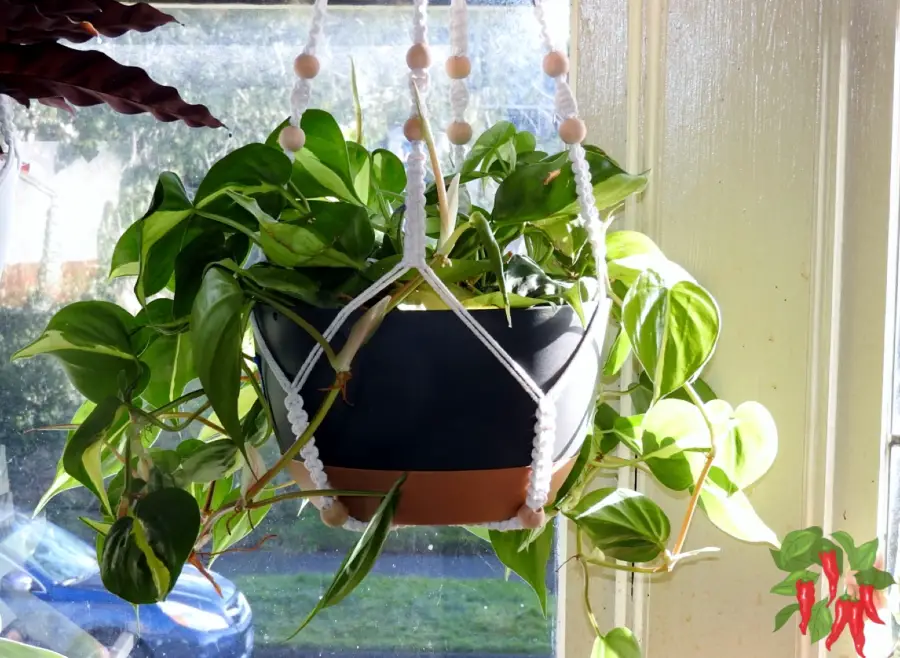
Heartleaf Philodendron is one of the easiest tropical plants to grow near an east-facing window. It appreciates plenty of light without requiring hours of intense afternoon sun, making the gentler morning exposure an excellent match.
Good light helps keep the vines fuller and reduces the stretched growth you sometimes see when Philodendrons are kept too far into a room. You can let the stems trail from a hanging basket or shelf, or train them upward on a pole for a taller, narrower plant.
Best east-window setup: At or near the window where it receives plenty of morning light.
Learn more in my Philodendron Care Indoors Guide.
2. Lipstick Plant
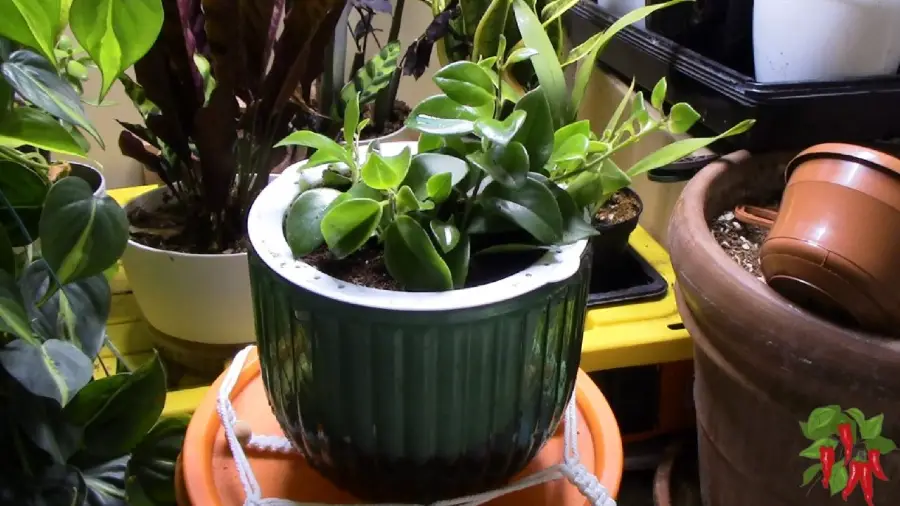
Lipstick Plants are particularly good candidates for eastern exposure because bright light is important for both healthy growth and flowering. Morning sunlight gives them useful light without the prolonged intensity of afternoon sun.
Their trailing growth also makes them ideal for hanging baskets near a window. As the stems become longer, they can cascade downward while the foliage remains close enough to the light.
Best east-window setup: At or close to the window, especially if you want to encourage flowering.
Learn more in my Lipstick Plant Care Indoors Guide, or see my Mona Lisa Lipstick Plant Care Guide.
3. Peperomia Hope
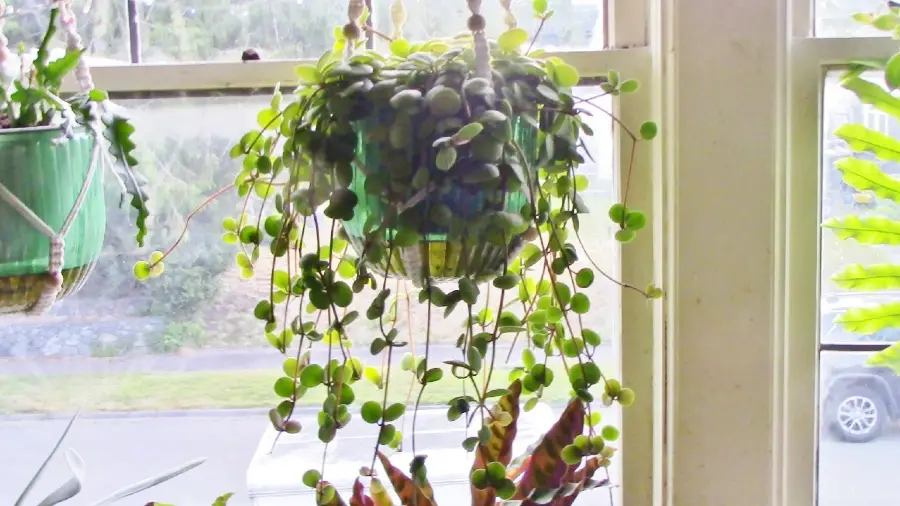
Peperomia Hope is compact enough to take advantage of prime windowsill space. Its rounded leaves grow along gently trailing stems, creating an attractive plant without taking up much room.
Bright morning light can help maintain tighter, fuller growth. It’s also a nice choice when your larger tropical plants have already claimed most of the floor space around the window.
Best east-window setup: On the windowsill or very close to the glass.
Learn more in my Peperomia Hope Care Guide.
4. Hoya
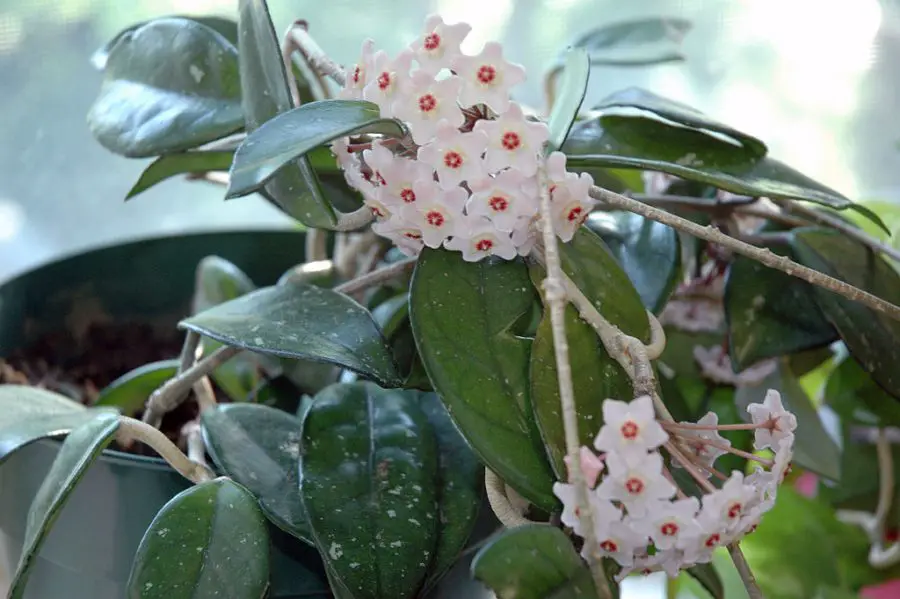
Hoyas appreciate plenty of light, particularly if you want mature plants to flower. An eastern exposure provides the bright conditions they enjoy while avoiding the strongest afternoon sunlight.
Their thick, waxy leaves also help them tolerate occasional dry periods better than many tropical houseplants. Depending on the variety, you can grow a Hoya in a hanging basket, trail it from a shelf, or train the vines around a trellis.
Best east-window setup: At or close to the window where it can make full use of the morning light.
Learn more in my Hoya Plant Care Indoors Guide.
5. Fishbone Cactus
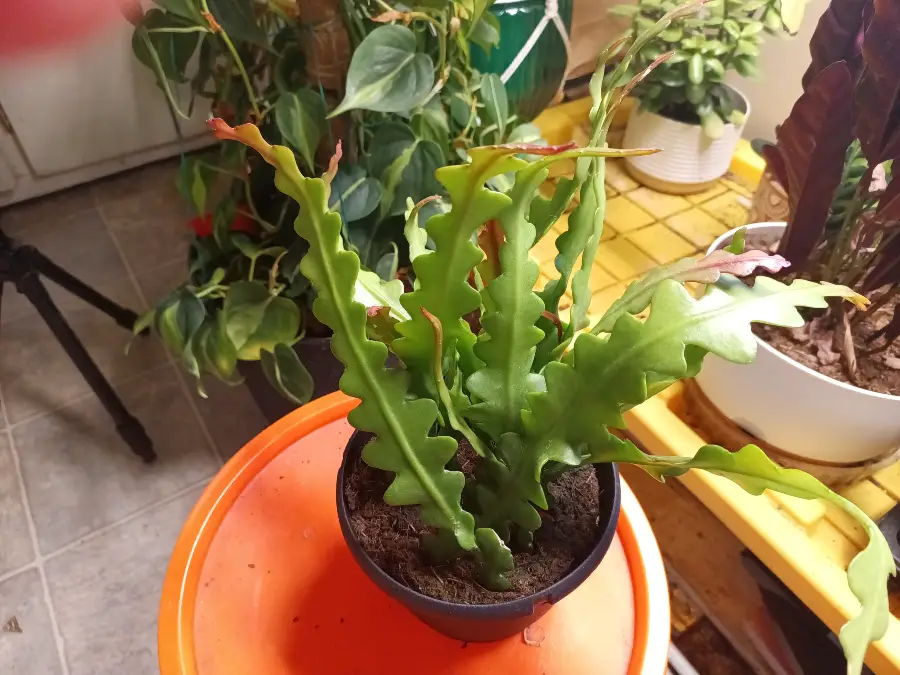
Fishbone Cactus is different from the desert cacti many people picture when they hear the word cactus. It’s an epiphytic cactus, and its unusual zigzag stems grow well with plenty of bright light without requiring an all-day blast of intense sun.
I’ve found eastern exposure to be a very good fit for this plant. As it matures, the long stems can cascade from a hanging basket or elevated container, creating a surprisingly large and dramatic plant.
Best east-window setup: At or near the window with enough room for the stems to spread and eventually hang downward.
Learn more in my Fishbone Cactus Care Guide. You can also see more of my own experience with this plant in my Fishbone Cactus Indoor Setup and Care Routine.
6. Tradescantia Nanouk (Bubble Gum Plant)
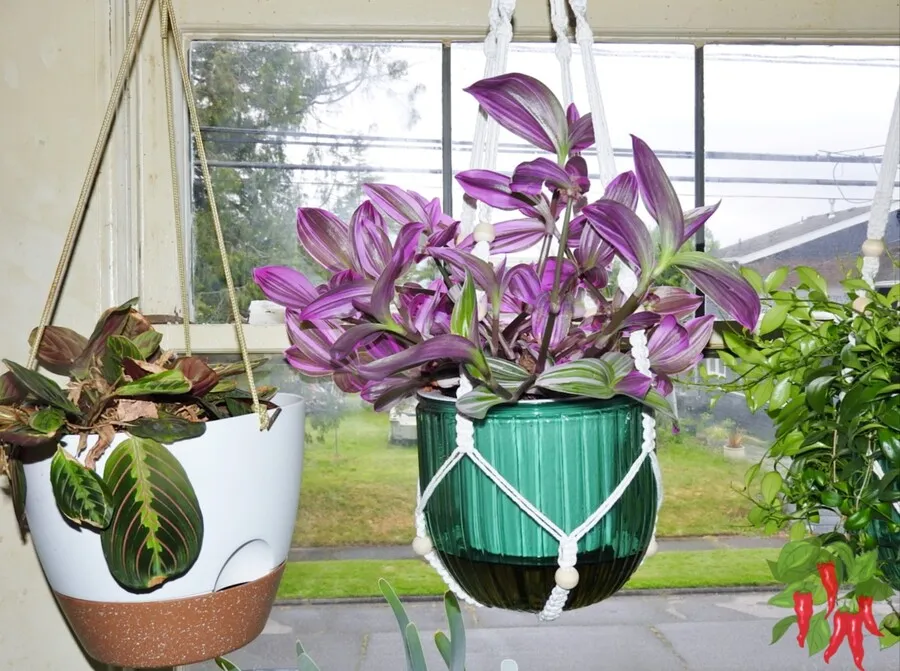
Tradescantia Nanouk, sometimes called Bubble Gum Plant, is another plant I’d give one of the brighter positions around an east-facing window. Good light helps maintain compact growth and the colorful pink, green, and cream foliage that makes this variety stand out.
When Tradescantia doesn’t receive enough light, the stems can stretch and the foliage may become less colorful. A bright eastern window provides plenty of morning light without requiring a full day of direct sun.
Best east-window setup: At or very close to the window.
Learn more in my Bubble Gum Plant Care Guide.
7. African Violet
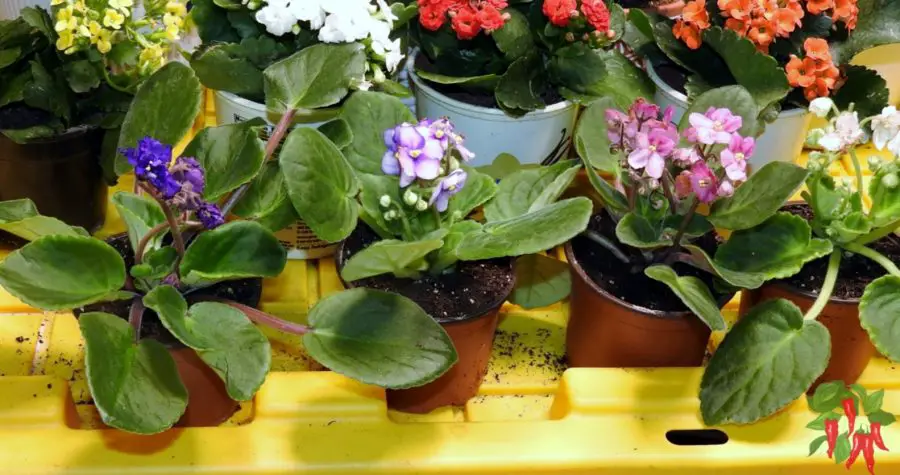
African Violets are classic windowsill plants, and an eastern exposure provides an excellent balance for them. They need enough light to flower well, but their foliage doesn’t need hours of intense afternoon sun.
If an African Violet produces plenty of healthy leaves but few flowers, light is one of the first things I’d consider. Moving it into a brighter eastern window may provide the extra light it needs.
Best east-window setup: On the windowsill or very close to the window.
Learn more in my African Violet Care Indoors Guide.
8. Peace Lily
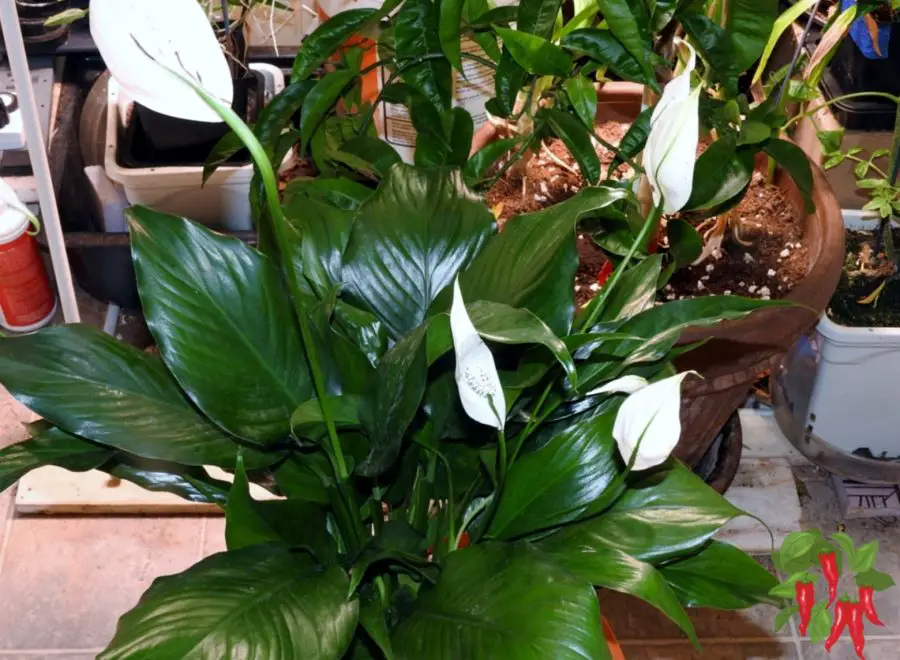
Peace Lilies are often described as low-light plants, but tolerating lower light isn’t the same thing as preferring it. A brighter eastern exposure can support stronger growth and may also help encourage flowering.
You don’t necessarily need to hide a Peace Lily several feet into a dark room. In an east-facing setup, it can take advantage of the available morning light while avoiding the stronger afternoon exposure that can be harder on the foliage.
Best east-window setup: At or near the window, adjusting the position if the foliage shows signs of excessive direct sun.
Learn more in my Peace Lily Care Indoors Guide. If you’re just getting started, see my Peace Lily Care for Beginners Guide, or find answers to common problems in my Peace Lily Care FAQs.
9. Chinese Evergreen
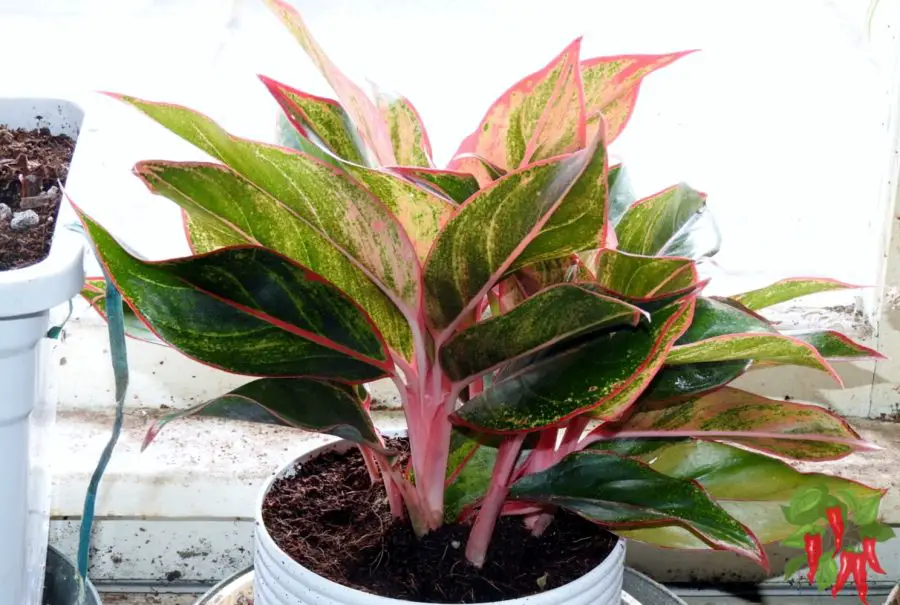
Chinese Evergreen is another plant that’s famous for tolerating lower light but can grow very nicely in a brighter location. An eastern window provides useful morning light without requiring the plant to sit in strong afternoon sun.
Colorful Aglaonema varieties with red, pink, cream, or heavily patterned leaves can particularly benefit from good light because it helps them maintain their coloration.
Best east-window setup: At or near the window. Watch highly variegated varieties and adjust their position if needed.
Learn more in my Chinese Evergreen Care Indoors Guide. If you’re growing one of the colorful varieties, see my Red Chinese Evergreen Care Guide.
10. Bird’s Nest Fern
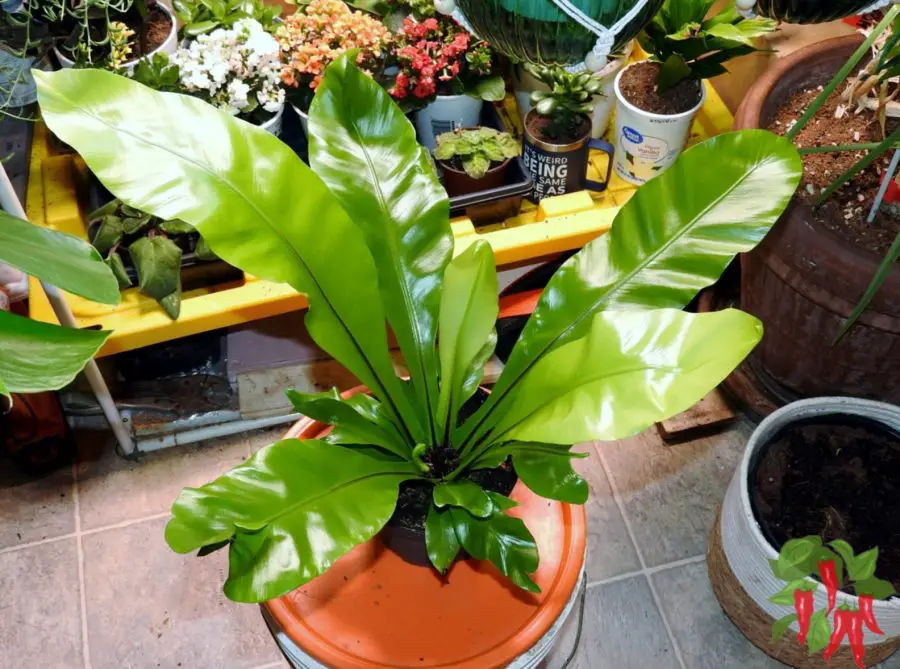
Bird’s Nest Fern enjoys bright light without needing the intense exposure associated with sun-loving plants. Eastern light can work particularly well because the fern gets a bright start to the day followed by gentler indirect light.
Humidity is also important for keeping the broad green fronds looking their best. This is one reason Bird’s Nest Fern fits naturally into a collection of tropical plants grown together around a bright east-facing window.
Best east-window setup: At or near the window, with good humidity and some adjustment if your particular window receives unusually intense direct morning sun.
Learn more in my Bird’s Nest Fern Care Indoors Guide.
11. Bromeliads
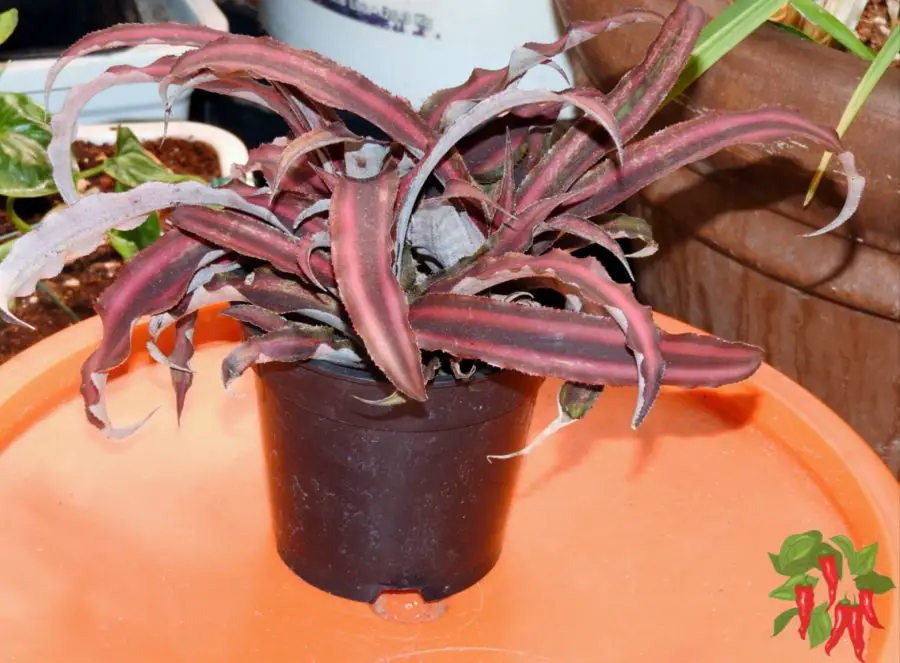
Bromeliads are a natural fit for an east-facing window. Many of the varieties commonly grown indoors appreciate bright light, and the gentler morning exposure can help support colorful foliage and long-lasting flower bracts without subjecting the plants to intense afternoon sun.
They’re also easy to work into a crowded window because many bromeliads have an upright growth habit. You can fit them between trailing plants and smaller pots without taking up much horizontal space.
Best east-window setup: At or near the window where they receive plenty of bright morning light.
Learn more in my Bromeliad Care Indoors Guide.
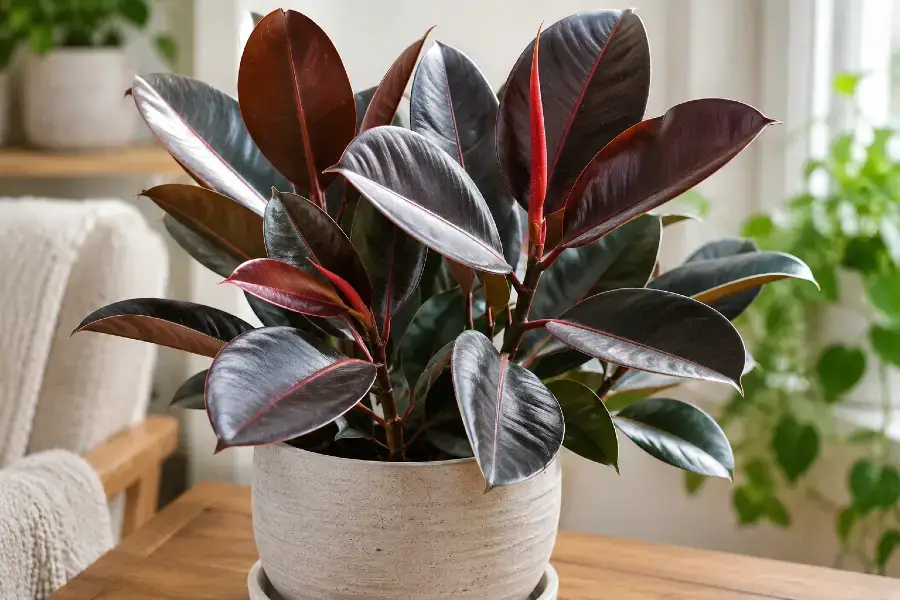
12. Rubber Plant
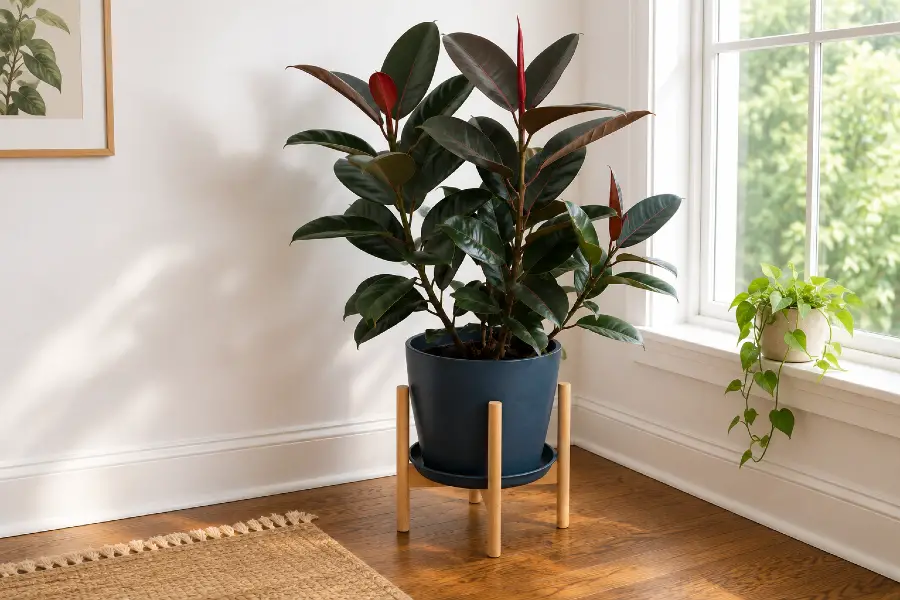
Rubber Plant gives you a larger option for an east-facing room. Its broad, glossy leaves appreciate good light, and a healthy plant can eventually develop into an impressive floor specimen.
Because of its size, this is one of the plants I’d normally position a couple of feet back rather than trying to crowd it against the glass. A good eastern window can still provide plenty of useful light at that distance.
Rubber Plants can also be pruned to control their height and encourage branching, which makes them easier to adapt to the amount of space you have available.
Best east-window setup: Near the window when young or about 2–3 feet back once it becomes a larger floor plant.
Learn more in my Rubber Plant Care Indoors Guide.
13. Prayer Plant
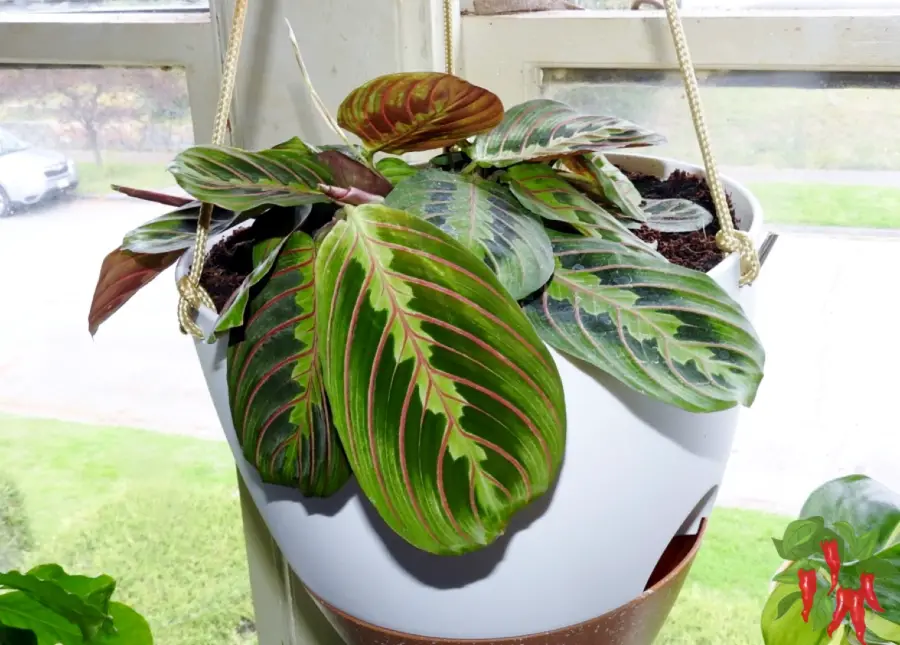
Prayer Plant is another tropical foliage plant that fits nicely into an eastern window collection. Its patterned leaves appreciate bright conditions, but it doesn’t need the intense afternoon sun that can sometimes fade or stress the foliage.
Good humidity also helps Prayer Plants look their best. If you’re already grouping tropical plants together around the window and maintaining higher humidity, you can create a comfortable environment for them.
The plant stays fairly compact, so it’s easy to keep close to the window even when your plant collection starts getting crowded.
Best east-window setup: At or near the window, watching the foliage if the morning sun is unusually strong and unobstructed.
Learn more in my Prayer Plant Care Guide.
14. Rattlesnake Plant
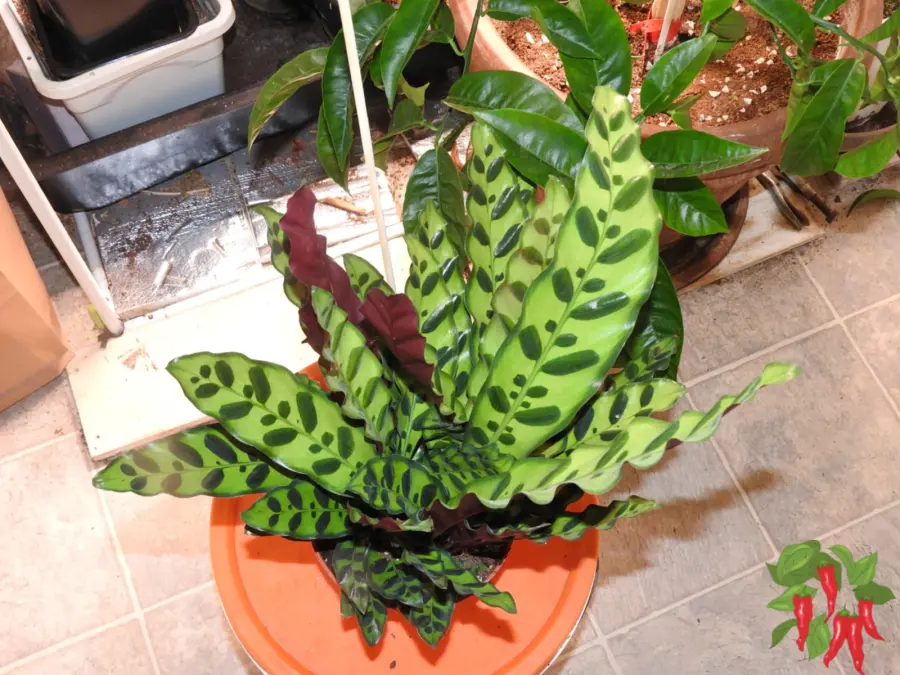
Rattlesnake Plant is grown for its long, patterned leaves with deep green markings and rich purple coloring underneath. Like many tropical foliage plants, it appreciates good light but doesn’t need hours of harsh direct sun.
An eastern exposure gives it useful morning brightness while keeping it away from the hotter afternoon conditions. Humidity is worth paying attention to with this plant because dry indoor air can contribute to crispy leaf edges.
Best east-window setup: At or near the window with moderate to high humidity. Adjust it slightly back if the leaves show signs of too much direct morning sun.
Learn more in my Rattlesnake Plant Indoor Care Guide.
15. Fittonia (Nerve Plant)
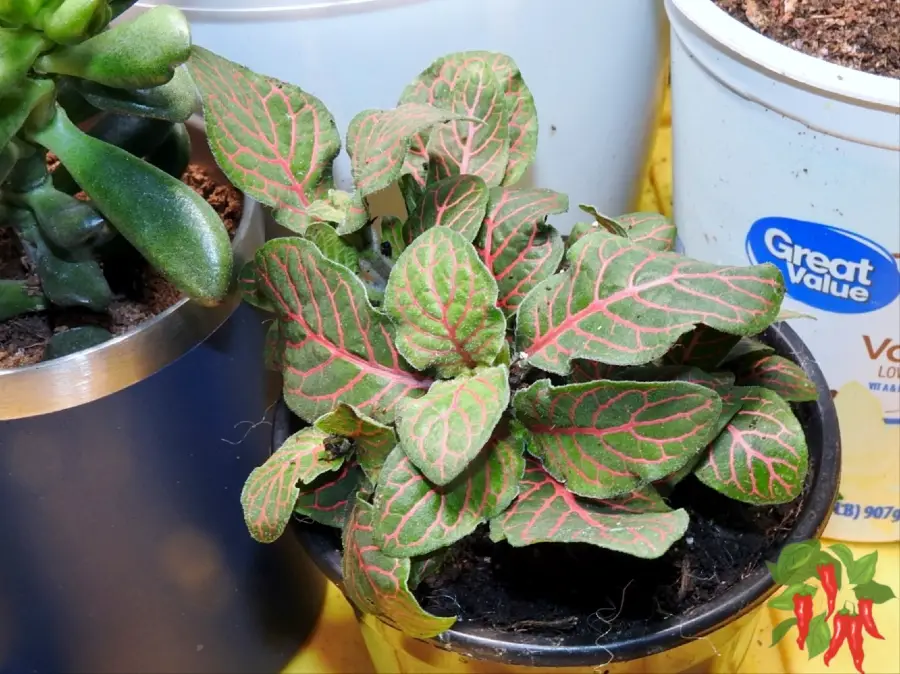
Fittonia, commonly called Nerve Plant, is another compact tropical that can take advantage of the bright conditions around an eastern window. The colorful leaf veins stand out beautifully when the plant receives good light.
Fittonia appreciates consistent moisture and higher humidity, which is why it’s also commonly grown in terrariums. You can certainly grow it outside a terrarium, but you’ll want to pay closer attention to moisture if your indoor air becomes dry.
Its small size makes Fittonia particularly useful for filling spaces between larger plants near the window.
Best east-window setup: At or near the window with good humidity and consistent moisture.
Learn more in my Nerve Plant Care Guide, or see my 10 Fittonia Care Tips for more help keeping Fittonia healthy.
16. Monstera
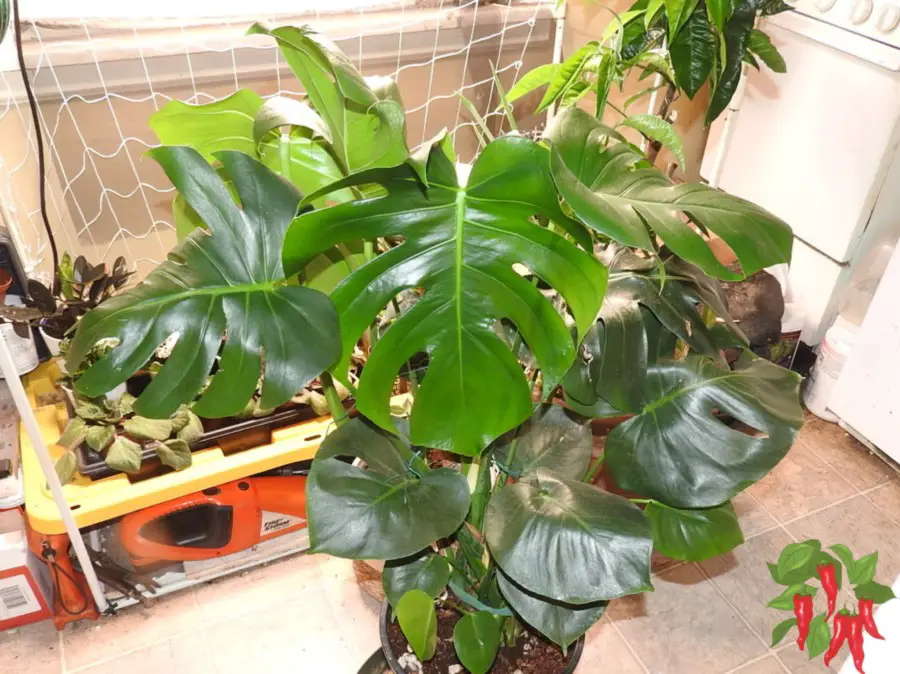
Monstera is one of the best choices if you want a large tropical plant near an east-facing window. Its huge leaves benefit from bright conditions, and good light helps support the strong growth and mature leaf development that make this plant so impressive.
A young Monstera can sit quite close to the window, but mature plants quickly need more room. That’s where the 2–3 feet of space behind the smaller window plants becomes useful.
Give it a sturdy support as it grows and enough room for the leaves to spread. Eventually, a healthy Monstera can become the centerpiece of the entire window area.
Best east-window setup: Near the window when small or about 2–3 feet back as it develops into a large floor plant.
Learn more in my Swiss Cheese Plant Care Guide. You can also explore Different Types of Monstera Plants and my Swiss Cheese Plant FAQs.
17. Areca Palm
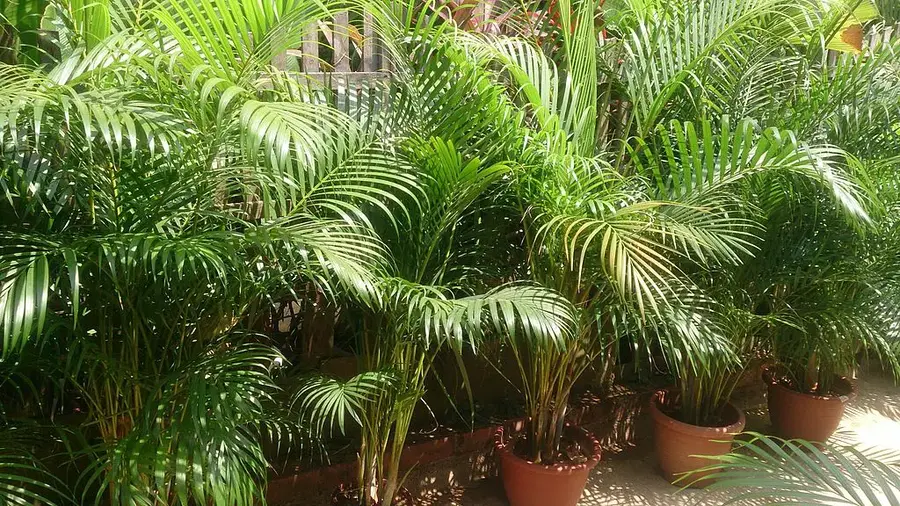
Areca Palm is another excellent way to use the larger space behind your smaller window plants. Its feathery fronds appreciate bright light, and an eastern exposure can provide a good location without subjecting the palm to strong afternoon sun.
These palms can become substantial floor plants indoors, so you’ll want to leave enough room for the fronds to arch outward. They also appreciate more humidity than many tougher foliage plants, especially during winter when indoor heating dries the air.
Best east-window setup: About 2–3 feet back once the palm becomes large, with plenty of room around the fronds.
Learn more in my Areca Palm Care Indoors Guide.
18. Parlor Palm
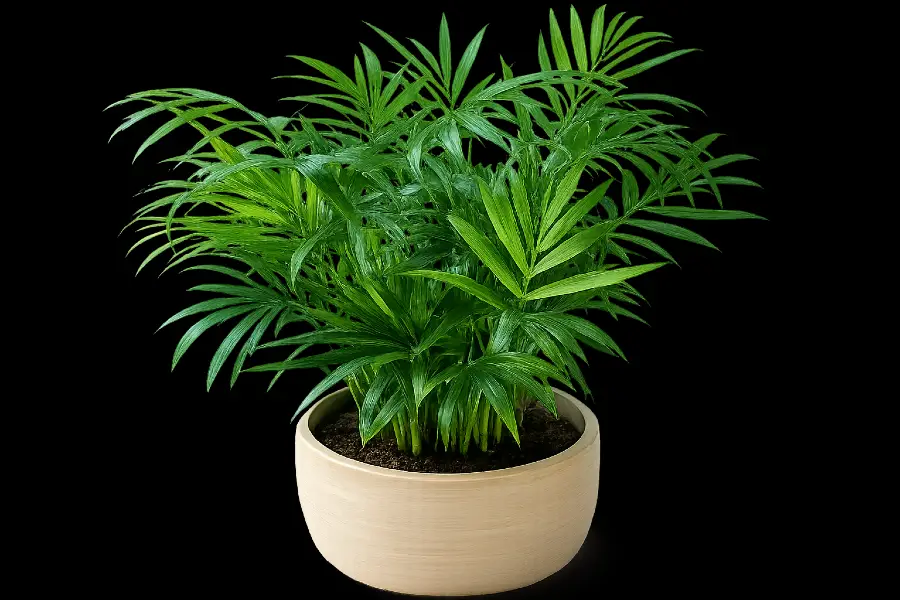
Parlor Palm is more tolerant of moderate light than many indoor palms, but that doesn’t mean it has to live in a dark corner. It can grow very nicely around an eastern window where it receives plenty of useful morning light.
Young plants are compact enough to stay close to the window. As a Parlor Palm matures and develops into a larger specimen, you can move it farther back while still keeping it within the bright eastern exposure.
Best east-window setup: At or near the window when small, or about 2–3 feet back as a larger floor plant.
Learn more in my Parlor Palm Indoor Care Guide.
19. Boston Fern
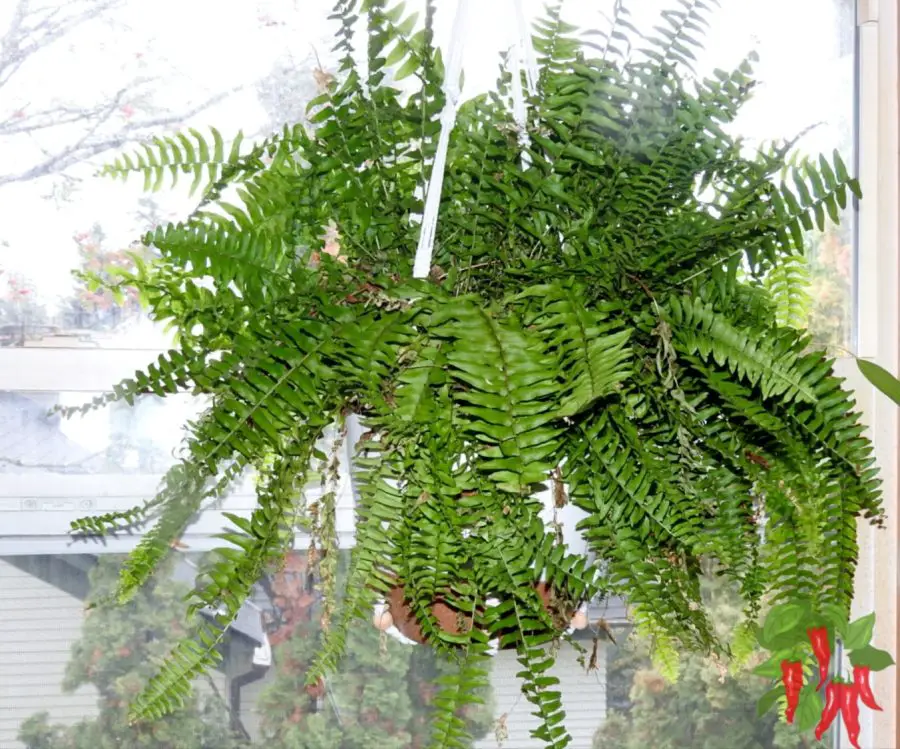
Boston Fern is a great example of a plant that benefits from bright conditions but doesn’t need intense afternoon sunlight. An east-facing window can provide plenty of morning light while keeping the fronds away from the hotter part of the day.
Humidity is particularly important with Boston Ferns. Dry indoor air can quickly lead to brown tips and crispy fronds, so they fit especially well into a tropical plant setup where you’re already maintaining higher humidity.
Boston Ferns can also become much larger than they appear when young. A mature plant can develop long arching fronds and become an impressive hanging plant or even a floor plant displayed on a stand.
Best east-window setup: At or near the window with plenty of humidity and enough room for the fronds to spread.
Learn more in my Boston Fern Care Indoors Guide.
20. Baby Rubber Plant
Baby Rubber Plant, or Peperomia obtusifolia, rounds out the list with another compact plant that’s ideal for the brighter space right around an eastern window.
Its thick, glossy leaves store some moisture, so it doesn’t need constantly wet soil. Good morning light helps keep the plant compact and supports healthy new growth without requiring the intense sun many succulents prefer.
Despite the common name, Baby Rubber Plant isn’t related to the much larger Rubber Plant. It’s a Peperomia that stays relatively small, making it particularly useful when your floor space is already occupied by Monstera, palms, and other larger tropical plants.
Best east-window setup: At or very close to the window.
Learn more in my Baby Rubber Plant Care Guide.
How I Arrange Plants Around an East-Facing Window
Rather than assigning every plant an exact distance from the glass, I find it more useful to work with the space that’s actually available. Most of my small and medium-sized tropical plants stay right at or very close to the east-facing window.
That prime window area works particularly well for plants such as Hoya, Lipstick Plant, Peperomia Hope, Baby Rubber Plant, Tradescantia Nanouk, African Violet, Heartleaf Philodendron, bromeliads, and smaller ferns.
The larger plants naturally form a second layer. Monstera, Rubber Plant, Areca Palm, and other large floor plants can sit roughly 2–3 feet back, where they have room for their leaves and fronds to spread without blocking every smaller plant at the window.
| Location | Good Choices |
|---|---|
| At or near the window | Hoya, Lipstick Plant, Peperomia Hope, Baby Rubber Plant, Tradescantia Nanouk, African Violet, Heartleaf Philodendron, Peace Lily, Chinese Evergreen, Bird’s Nest Fern, Prayer Plant, Rattlesnake Plant, Fittonia, Bromeliads, Fishbone Cactus |
| 2–3 feet back when larger | Monstera, Rubber Plant, Areca Palm, mature Parlor Palm |
| Flexible depending on size | Boston Fern and other plants that may begin near the window but need more room as they mature |
The important part is keeping enough light available for all the plants rather than following an exact measurement. If a large Monstera or palm begins shading smaller plants, rearranging the collection can make better use of the light without moving everything farther from the window.
East-Facing Windows in Summer vs. Winter
One thing I’ve learned from growing tropical plants near windows is that the same location doesn’t provide the same amount of light throughout the year. An east-facing window that seems incredibly bright during summer can provide considerably less usable light during the shorter days of winter.
During spring and summer, most of my plants can stay in their normal positions. Smaller plants remain at or close to the window, while larger plants generally sit about 2–3 feet back.
Winter requires a little more attention. Shorter days mean less total light, and indoor heating can also dry the air. That’s especially noticeable with tropical plants and ferns that appreciate higher humidity.
If a plant that grew well all summer begins stretching or slowing considerably during winter, moving it closer to the window may help. You can always move it back again when stronger spring light returns.
Quick Tip: Watch the plant rather than the calendar. If new growth remains healthy and compact, your location is probably working. If growth becomes weak or stretched, try giving the plant more light.
Signs Your Plant Needs More Light
Even an east-facing window can be too dark if trees, buildings, balconies, or roof overhangs block much of the morning light. Your plants will usually give you clues when they need a brighter position.
- New leaves are noticeably smaller than older leaves.
- Stems become stretched with larger spaces between leaves.
- The plant leans strongly toward the window.
- Variegated or colorful foliage becomes less vibrant.
- Flowering plants produce healthy foliage but few flowers.
- Growth becomes unusually slow during spring and summer.
If you notice these signs, moving the plant closer to the window is usually a better first step than adding more fertilizer. Plants need adequate light to make use of the nutrients you’re giving them.
Can an East-Facing Window Be Too Bright?
It can be, although it’s generally easier to manage than intense afternoon exposure. A large, completely unobstructed eastern window can receive surprisingly strong direct morning sunlight during parts of the year.
Watch more sensitive foliage plants for pale patches, bleaching, or dry areas that appear primarily on the side facing the window. If you see those signs, move the plant back slightly or use a sheer curtain to soften the direct light.
This is another reason I prefer watching individual plants instead of following a rigid rule about how far every species should be from the glass.
Common Mistakes With East-Facing Window Plants
Assuming every east-facing window is identical.
A large unobstructed window can provide dramatically more light than a small eastern window shaded by trees, another building, or a covered porch.
Moving plants too far from the window.
Many plants described as tolerating lower light will grow better with brighter light. In my setup, most smaller and medium-sized tropical plants stay at or close to the eastern window.
Never adjusting plants as they grow.
A small Monstera or palm may fit close to the window when you first bring it home. As it grows, moving it 2–3 feet back gives the plant room to spread while freeing window space for smaller plants.
Ignoring seasonal changes.
Winter light can be much weaker than summer light. A plant that was perfectly positioned in July may benefit from moving closer to the glass in December.
Overwatering when light decreases.
Plants often use water more slowly when growth slows. Don’t automatically maintain the same watering schedule throughout the year. Check the soil and the plant instead.
Forgetting about winter humidity.
Indoor heating can dry the air considerably. Ferns, Prayer Plants, Rattlesnake Plants, Fittonia, and many other tropical plants may appreciate additional humidity during the heating season.
Indoor Plants That Love East-Facing Windows FAQs
Are east-facing windows good for houseplants?
Yes. East-facing windows are excellent for many houseplants because they provide bright morning light followed by less intense indirect light later in the day. This combination works especially well for many tropical foliage and flowering plants.
Can tropical plants sit directly in an east-facing window?
Many can. I keep most of my smaller and medium-sized tropical plants at or very close to my east-facing window. The amount of direct light varies from one home to another, so watch your plants and adjust their position if necessary.
Is east-facing morning sun considered direct sunlight?
Yes. If the sun’s rays shine directly through the window onto the foliage, the plant is receiving direct sunlight. Morning sunlight is generally less intense than afternoon sunlight, which is one reason eastern exposure works so well for many houseplants.
How far should plants be from an east-facing window?
There isn’t one distance that works for every plant or window. In my setup, most smaller plants stay at or near the window, while larger floor plants generally sit about 2–3 feet back. Window size, outdoor shade, season, and the individual plant all affect the best placement.
What are the best flowering plants for an east-facing window?
Lipstick Plant, Hoya, African Violet, and many bromeliads are excellent choices. Good morning light can help flowering plants receive the brightness they need without exposing them to intense afternoon sun.
What are the best large plants for an east-facing window?
Monstera, Rubber Plant, Areca Palm, and mature Parlor Palm are good larger choices. Their size often makes positioning them a couple of feet behind smaller window plants more practical.
Do I need grow lights with an east-facing window?
Not necessarily. A good unobstructed east-facing window can provide enough natural light for many houseplants. Supplemental lighting may be useful during winter or when trees, buildings, balconies, or other obstructions substantially reduce the available light.
Final Thoughts
East-facing windows have become some of my favorite growing spaces because so many tropical houseplants respond well to the combination of bright morning light and gentler conditions later in the day.
I don’t make plant placement more complicated than it needs to be. Most of my smaller and medium-sized plants stay right at or close to the window. Larger plants such as Monstera, Rubber Plant, and palms usually sit about 2–3 feet back where they have enough room to spread out.
The most important thing is to watch how your plants respond. Your particular window may be brighter or darker than mine, and conditions change throughout the year. Healthy new growth, good leaf color, and regular flowering are much better indicators than following an exact distance from the glass.
Once you understand how light moves through your room, an east-facing window can support an impressive collection of tropical plants, flowering houseplants, ferns, palms, and trailing plants without requiring every pot to have exactly the same growing conditions.
Continue Exploring Indoor Plant Care
If you’re choosing plants for a particular space or growing condition, these guides can help you narrow down your options:
- Best Low-Light Houseplants That Actually Thrive — Find plants for areas that don’t receive as much natural light.
- Fast-Growing Indoor Plants for Beginners — Choose houseplants that can fill out your indoor garden more quickly.
- Statement Plants for Indoors — Explore larger and more dramatic plants that can become focal points in a room.
- Humidity-Dependent Plants and Terrarium Systems — Learn more about plants that appreciate consistently humid growing conditions.