

Peace lilies are one of the most popular indoor plants for homes, apartments, and offices because they tolerate typical indoor conditions while adding bold green foliage and long-lasting white blooms.
Learning how to care for a peace lily indoors can help prevent common problems like drooping leaves, yellowing foliage, brown tips, and poor flowering. With the right balance of light, watering, humidity, and drainage, these plants can remain healthy for years.
This guide covers peace lily care indoors, including watering schedules, lighting, repotting, propagation, troubleshooting, flowering problems, and growing peace lilies in water.
What You’ll Learn
- How often to water a peace lily indoors
- The best lighting and placement for healthy growth
- How to prevent yellow leaves, brown tips, and drooping
- When and how to repot peace lilies
- How to encourage flowering indoors
- Whether peace lilies can grow in water long-term
Peace Lily Care For Beginners
If you’re looking for an easy-to-grow houseplant that will add a splash of color to any room, you should consider a Peace Lily.
These beautiful plants are not only easy to care for, but they also purify the air.
This plant is known for its ability to thrive in low light conditions, making it perfect for beginners.
In this blog post, we will teach you everything you need to know about Peace Lily care, from how to plant them to how to keep them healthy and thriving!
About Peace Lily Plants
Peace lilies belong to the Spathiphyllum genus, a group of tropical plants known for their glossy green leaves and distinctive white blooms. These plants are commonly grown indoors because they adapt well to typical household temperatures and lower light conditions.
Most indoor peace lilies grow as compact leafy plants with dark green foliage and upright white spathes surrounding a central flower spike. While they are often treated as flowering houseplants, the foliage itself is one of the main reasons they remain popular indoors.
https://en.wikipedia.org/wiki/Spathiphyllum
Are Peace Lilies Toxic to Pets?
Peace lilies are considered toxic to cats and dogs because they contain calcium oxalate crystals, which can irritate the mouth, tongue, and digestive system if chewed or swallowed.
Common symptoms may include drooling, mouth irritation, pawing at the mouth, vomiting, or difficulty swallowing. While peace lilies are not usually considered deadly, they should still be kept away from pets and small children.
If you grow peace lilies indoors, place them in areas pets cannot easily access, such as shelves, plant stands, or rooms separated from curious animals.
Caring For Your Peace Lily In A Nutshell
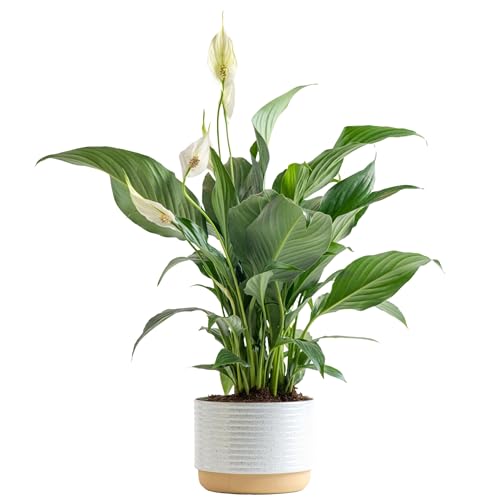
Peace Lily, Live Indoor Plant with Flowers, Easy to Grow Houseplant in Decorative Pot

Peace Lilies prefer indirect sunlight and humid conditions. If you can provide these things, your Peace Lily will be happy!
The next step is to get your hands on some quality potting soil or better yet coco coir.
Peace Lilies are sensitive to chemicals like fluoride often added to tap water.
So it’s important to use a potting mix that is free of fertilizers and pesticides. Once you’ve got your potting soil, you’re ready to plant!
When it comes to Peace Lily care, one of the most important things to remember is that these plants like to be kept moist.
This means that you’ll need to water your Peace Lily on a regular basis. However, be sure not to over-water, as this can lead to problems like root rot.
This is where using coco coir excels. This growing medium can stay moist and still maintain excellent aeration for healthy roots.
If you follow these simple Peace Lily care tips, you’ll have a beautiful and healthy plant that will purify the air in your home!
Not sure if you want to keep houseplants like the Spathiphyllum Peace Lily? Benefits Of Keeping Indoor Plants For Improved Lifestyle (indoorvegetablegrower.com)
Please read on for more specific information about Peace Lily Care for beginners and more experienced indoor gardeners.
How to Care for Peace Lilies (Spathiphyllum)
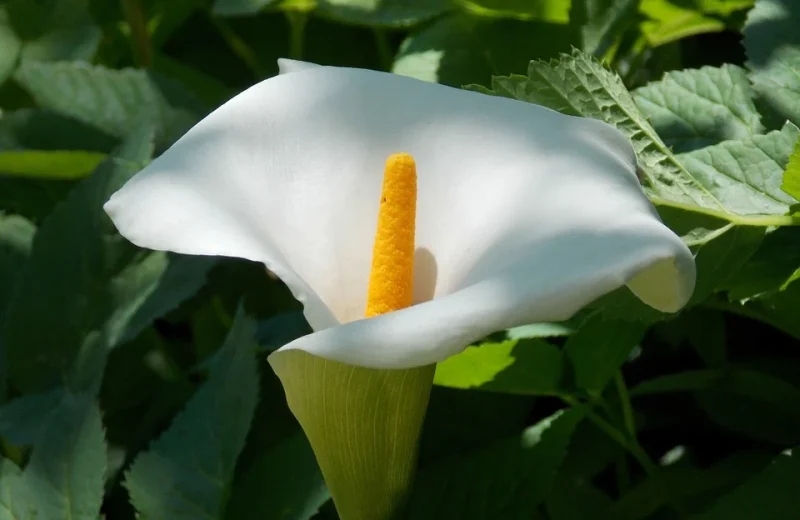
Where To Grow Peace Lilies

The peace lily is also very effective at purifying the air and removing toxins such as formaldehyde and benzene.
If you’re thinking of adding a peace lily to your home, there are a few things to keep in mind.
- First, peace lilies prefer shady locations. They will grow in bright indirect light, but they will not tolerate direct sunlight.
- Second, peace lilies like to be kept moist but not wet. Allow the soil to dry out slightly between watering.
- Third, peace lilies are sensitive to temperature changes. They prefer room temperatures of 65-80 degrees Fahrenheit.
With a little care, your peace lily will thrive and bring beauty and freshness to your home for years to come.
How To Plant Peace Lilies
Planting a peace lily is easy and only requires a few simple steps. First, find a spot in your home that receives indirect sunlight.
Remember that peace lilies prefer shady areas and will not do well in direct sunlight.
Next, prepare a pot with well-draining potting soil or coco coir. When you’re ready to plant, carefully remove the peace lily from its current pot and loosen the roots.
Then, place the plant in the new pot and fill in around it with soil. Be sure to water regularly, as peace lilies need moist soil to thrive. With a little care, your peace lily will soon be blooming!
How To Water Spathiphyllum Peace Lilies
Spathiphyllum, more commonly known as peace lilies, are a popular houseplant for any level of gardener.
These striking plants are not only easy to care for, but they also thrive in low-light conditions and purify the air.
If you’re thinking of adding a peace lily to your indoor jungle, here are a few tips on how to water them.
When it comes to watering peace lilies, the number one rule is to never let them sit in water.
Their roots are susceptible to rot, so it’s important that you only water them when the soil is dry.
The best way to check is to stick your finger into the potting mix – if it feels damp, then your plant doesn’t need watering.
In general, peace lilies should be watered about once a week.
However, this may vary depending on the temperature and humidity of your home.
For example, if you live in a hot and humid climate, your plant may need to be watered more often.
If you’re unsure whether your plant needs watering, it’s always better to err on the side of caution.
Peace lilies are notoriously tough plants and can tolerate periods of drought much better than overwatering.
How To Feed Your Peace Lilies
Peace lilies are a beautiful addition to any home, and they are relatively easy to care for. However, like all plants, they need the right mix of nutrients to stay healthy.
Here are a few tips on how to feed peace lilies:
- Peace lilies should be fertilized once a month during the growing season (spring and summer). A gentle, water-soluble fertilizer is best.
- During the fall and winter fertilization should be reduced Peace lilies should be fertilized every six weeks.
- When fertilizing, be sure to follow the manufacturer’s directions carefully. Over-fertilizing can damage the roots and cause the leaves to yellow.
- Peace lilies also benefit from regular watering. Allow the soil to dry out slightly between watering, but don’t let the plant suffer from prolonged drought.
By following these simple tips, you can keep your peace lily healthy and blooming for years to come.
How To Repot Spathiphyllum Peace Lilies
As lovely as peace lilies are, they can quickly outgrow their pots and become top-heavy, which can lead to problems with the plant tipping over.
When this happens, it’s time to repot your peace lily into a slightly larger pot.
The best time to do this is in the spring before the plant begins its active growth period. Here’s how to repot a peace lily:
1. Choose a pot that is only slightly larger than the current pot; a pot that is too large will result in the roots becoming waterlogged, which can lead to root rot.
2. Carefully remove the plant from its current pot, being careful not to damage the roots. If the roots are tightly bound, you may need to gently loosen them with your fingers before carefully transferring the plant to its new pot.
3. Fill the new pot with fresh potting mix, and water well. Place the plant in a spot where it will receive bright indirect light.
Within a few weeks, you should see new growth as your peace lily settles into its new home!
Troubleshooting Problems With Peace Lilies
Peace lilies are beautiful, low-maintenance houseplants that can brighten up any space.
However, even peace lilies can experience problems from time to time.
If you notice that your peace lily is looking less than its best, here are some troubleshooting tips to get it back on track:
If the leaves are yellowing or browning, it could be a sign of overwatering. Allow the top inch of soil to dry out before watering again.
If the leaves are wilting, it could be a sign of under-watering. Water your peace lily thoroughly, making sure that water flows out of the drainage holes at the bottom of the pot.
If the flowers are drooping, it could be a sign that the plant is not getting enough light. Move it to a brighter spot and see if the flowers perk up.
Because this plant has large leaves it can get dusty. Wipe them clean because the dust makes it hard for the plant to breathe.
If you notice any pests on your peace lily, such as aphids or mealybugs, treat them with an insecticide according to the label instructions.
With a little troubleshooting, you should be able to get your peace lily back on track in no time!
Why Arent My Peace Lilies Flowering?
If your peace lily is not flowering you may need to pick a brighter location for it.
Although peace lilies can be kept as foliage plants in low light situations they will need bright indirect light to flower.
If you don’t have a spot like this you can try adding supplemental lighting for it. Fluorescent lights will work fine for this.
LED grow lights are also a good choice but they need to be dimmable because their light is more intense than fluorescent lighting.
How To Propagate Peace Lilies By Division
Although peace lilies can be grown from seed it takes a long time to get a plant large enough to start flowering.
One of the easiest and fastest ways to propagate peace lilies is by division. Obviously, you need to already have a larger plant to do this.
Start by digging up the entire plant, being careful not to damage the roots.
Then, sterilize and use a sharp knife or spade to divide the root ball into two or three sections.
Each section should have a good amount of roots and at least one growing shoot.
Next, plant the divisions in individual pots filled with moist potting mix.
Be sure to give them plenty of light and water them regularly. With a little care, your peace lilies should soon start to thrive.
Can Spathiphyllum Peace Lilies Be Grown In Water?
If you’re looking for a low-maintenance houseplant that thrives in water, you may be wondering if peace lilies (Spathiphyllum spp.) are a good option.
Although these popular plants are commonly grown in soil, they can also be successfully grown in water.
If the plant has been grown in soil you will have to remove it from the roots. Gently wash it off under lukewarm water.
Otherwise, it can decompose in the water and cause bad bacteria to grow which can harm the roots.
To grow a peace lily in water, simply place the plant in a jar or other container of clean water with the crown above the waterline.
The roots will quickly grow into the water, and the plant will continue to thrive.
You will need to add a water-soluble hydroponic fertilizer to the water.
I would use about half the recommended amount for water culture.
Just be sure to change the water every week or so to keep it fresh.
With a little care, peace lilies can make beautiful and long-lasting houseplants.
Common Peace Lily Problems and Solutions
Why Peace Lily Leaves Turn Yellow
Yellow leaves on peace lilies are usually caused by overwatering, poor drainage, or soil that stays wet for too long. Older leaves near the base of the plant may also turn yellow naturally as they age.
Check that the pot has drainage holes and allow the top inch of soil to dry slightly before watering again. If the soil feels constantly soggy, repotting into fresh well-draining potting mix may help prevent root problems.
Brown Tips on Peace Lily Leaves
Brown leaf tips are commonly linked to dry indoor air, inconsistent watering, excess fertilizer, or minerals from tap water. Peace lilies can be sensitive to chemical buildup over time.
Try increasing humidity levels, flushing the soil occasionally, and using filtered or distilled water if brown tips continue to appear. Trimming damaged tips can also improve the plant’s appearance.
Why Peace Lilies Droop
Drooping is one of the most common peace lily problems and is often caused by underwatering. Peace lilies tend to wilt dramatically when they become too dry, but they usually recover quickly after watering.
However, constant drooping can also point to overwatering, root damage, temperature stress, or poor drainage. Check the soil moisture carefully before adding more water.
Why Peace Lilies Aren’t Flowering
A peace lily that produces healthy leaves but no flowers often needs brighter indirect light. Low light conditions may keep the plant alive, but flowering usually slows significantly without enough light exposure.
Overfertilizing, overcrowded roots, and inconsistent watering can also reduce blooming. Moving the plant closer to a bright window with filtered light often improves flowering over time.
Decorating With Peace Lilies
Peace lilies work well in many indoor spaces thanks to their glossy foliage and compact growth habit. They fit naturally into bedrooms, bathrooms, offices, bookshelves, entryways, and living rooms with bright indirect light.
Larger peace lilies can create a strong focal point on floors, corners, or dining tables, while smaller plants work well on shelves, desks, and countertops. Bathrooms are especially popular locations because the added humidity can help support healthy growth.
When decorating with peace lilies, avoid placing them in direct afternoon sun or near heating vents, fireplaces, and drafty windows. Consistent lighting and moderate moisture will help keep the foliage healthy and encourage flowering indoors.
Peace Lily Care FAQs
How often should you water a peace lily indoors?
Most indoor peace lilies should be watered when the top inch of soil feels dry. This is often about once per week, but watering frequency can change based on temperature, humidity, lighting, and pot size.
Why are my peace lily leaves turning yellow?
Yellow leaves are commonly caused by overwatering, soggy soil, poor drainage, or aging foliage. Repeated overwatering can eventually lead to root problems and widespread leaf discoloration.
Can peace lilies survive in low light?
Peace lilies tolerate lower light better than many indoor plants, but they usually grow and flower better in bright indirect light. Very dark rooms may slow growth and reduce blooming.
Why does my peace lily keep drooping?
Drooping is often a sign that the plant needs water, although overwatering and root stress can also cause wilting. Check soil moisture before watering again.
Do peace lilies need humidity indoors?
Peace lilies prefer moderate humidity levels and may develop brown leaf tips in very dry indoor air. Bathrooms, kitchens, pebble trays, or humidifiers can help improve conditions.
Can peace lilies grow in water permanently?
Peace lilies can grow in water for extended periods if the roots remain healthy and the water is changed regularly. However, many plants still grow more vigorously in soil long term.
How do you encourage a peace lily to flower?
Brighter indirect light is usually the biggest factor in encouraging peace lily blooms indoors. Consistent watering, occasional feeding, and avoiding overcrowded roots may also help improve flowering.
Are peace lilies toxic to pets?
Peace lilies are considered toxic to cats and dogs because they contain calcium oxalate crystals that can irritate the mouth and digestive system if chewed or swallowed.
Peace Lily Care Final Thoughts
Peace lilies remain one of the most reliable indoor plants for homes, apartments, and offices because they adapt well to normal indoor conditions while producing lush foliage and seasonal white blooms.
The most important parts of peace lily care are providing bright indirect light, avoiding overwatering, using well-draining soil, and keeping humidity levels reasonably consistent.
Paying attention to early warning signs like drooping, yellow leaves, brown tips, or poor flowering can help prevent larger problems later.
With the right balance of light, watering, and occasional repotting, peace lilies can continue growing indoors for many years.
As you get familiar with your plant’s growth habits and watering needs, peace lily care becomes much easier to manage long term.
Read more: Benefits Of Keeping Indoor Plants
Small Space Gardening for Apartments Made Easy
Indoor Houseplants Guide: Best Plants for Every Room
Want to transform your indoor space into a lush, thriving haven? These guides will help you master houseplant care with ease.
🌿 Indoor Houseplant Care Guides
- ♻️ Composting Indoors
- 🌳 Rubber Plant Care Indoors
- 🌸 Peace Lily Care Indoors
- 🧀 Swiss Cheese Plant Care
- 🎋 Indoor Bamboo Guide
- 🌱 Vertical Gardening Indoors
- 🌺 Bromeliad Care
- 🥢 Bamboo Plant Indoor Care
- ❤️ Anthurium Care Indoors
- 🌵 How to Grow Succulent Plants
- 🌿 Maidenhair Fern Indoor Care
- See all articles in our Houseplants category