
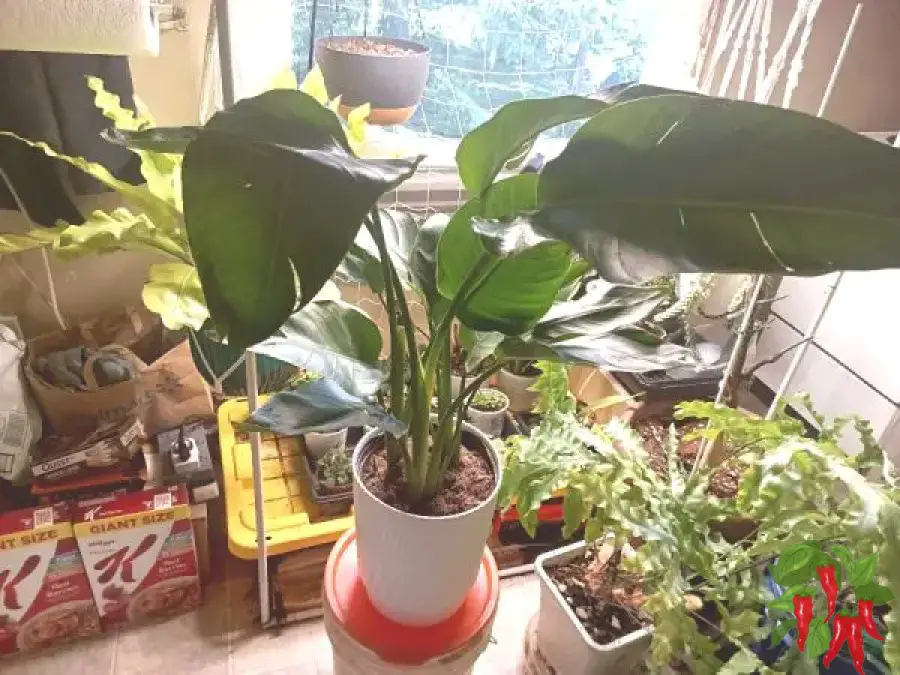
Fast-growing indoor plants are a great way to build confidence as a new plant parent. Seeing fresh leaves, longer vines, or bigger foliage every few weeks is exciting, and it reassures you that you’re doing something right.
Not every houseplant grows at the same pace. Some stay compact for years, while others can transform from a small nursery plant into a dramatic centerpiece surprisingly quickly when given the right conditions.
One thing I’ve noticed over the years is that beginners often think they’re doing something wrong when a plant grows slowly. In reality, many popular houseplants are naturally slow growers. If you want quick results, it’s better to start with species that are known for vigorous growth.
In this guide, I’ll share some of my favorite fast-growing indoor plants for beginners, explain why they grow so well, and offer a few tips to help you get the most from each one.
What You’ll Learn
- The best fast-growing indoor plants for beginners
- Which plants grow quickly with minimal care
- How to encourage faster, healthier growth
- Which popular houseplants naturally grow slowly
- How light, watering, and fertilizer affect growth rate
- Which fast growers work best for apartments and larger homes
Quick Answer: Some of the fastest-growing indoor plants for beginners include Pothos, Spider Plant, Monstera deliciosa, White Bird of Paradise, Heartleaf Philodendron, Chinese Money Plant, Boston Fern, Bird’s Nest Fern, and Areca Palm. Given enough light and proper care, these plants reward beginners with steady, noticeable growth.
Fast-Growing Indoor Plants at a Glance
| Plant | Growth Rate | Why It Grows Fast | Best For |
|---|---|---|---|
| Pothos | Very Fast | Rapid trailing vines | Shelves & hanging baskets |
| Heartleaf Philodendron | Fast | Long vigorous vines | Trailing displays |
| Spider Plant | Fast | Produces baby plants | Beginners |
| Chinese Money Plant | Moderately Fast | Produces offsets | Apartments |
| Monstera deliciosa | Very Fast | Massive new leaves | Large rooms |
| White Bird of Paradise | Fast | Large upright foliage | Statement plant |
| Areca Palm | Fast | Constant new fronds | Indoor tropical look |
| Boston Fern | Fast | Rapidly fills out | Large hanging baskets |
| Bird’s Nest Fern | Moderately Fast | Produces large fronds | Tropical foliage |
Why Fast-Growing Plants Are Great for Beginners
One of the biggest reasons new indoor gardeners become discouraged is that many popular houseplants simply grow very slowly. Weeks or even months can pass before you notice much change, making it easy to wonder whether you’re doing something wrong.
Fast-growing plants are different. They reward good care with obvious results—longer vines, larger leaves, fuller foliage, or even baby plants that can be propagated into new additions for your collection. Watching that progress makes indoor gardening more enjoyable and helps build confidence.
I’ve also found that many of the fastest-growing houseplants are among the easiest to care for. Give them enough light, water them correctly, and they’ll often let you know they’re happy by putting on impressive new growth throughout the growing season.
Quick Tip: Fast-growing plants still need the right conditions. Bright, indirect light is usually the biggest factor in helping houseplants reach their full growth potential.
Why Fast-Growing Plants Are Great for Beginners
Few things are more encouraging than watching a plant thrive. Fast-growing houseplants reward good care with new leaves, longer vines, and larger foliage in a relatively short time, making indoor gardening feel more rewarding.
They also make it easier to learn. You’ll quickly see how changes in light, watering, fertilizer, and pot size affect growth, helping you become a more confident indoor gardener.
Quick Tip: Even naturally fast-growing plants need enough light to reach their potential. A healthy plant in bright, indirect light will usually outgrow the same plant kept in a dim corner.
The Fastest Trailing Houseplants
Pothos
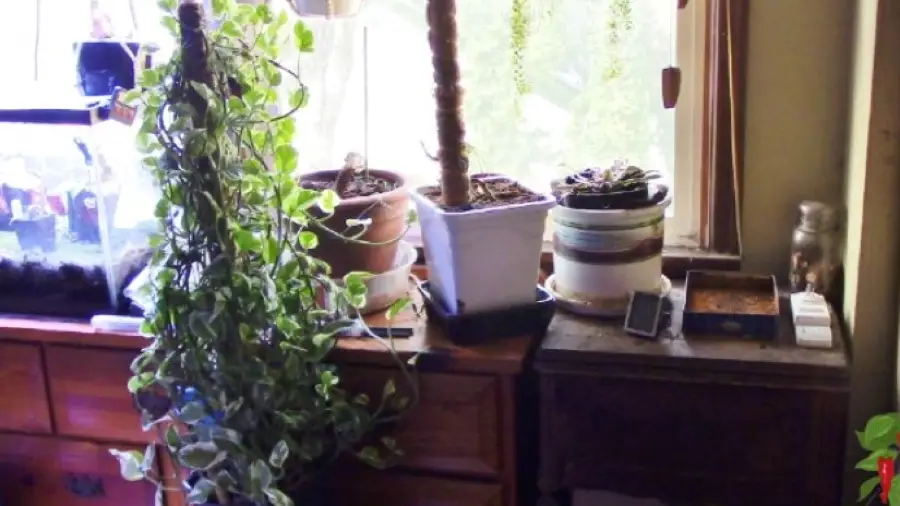
Pothos is one of the easiest recommendations for new indoor gardeners. Once established, the vines can grow surprisingly quickly, making it one of the fastest ways to fill a hanging basket or bookshelf with lush green foliage.
It’s forgiving, adaptable, and grows well in a variety of indoor conditions, making it a nearly ideal first houseplant.
See my Pothos Indoor Plant Care Guide.
Heartleaf Philodendron
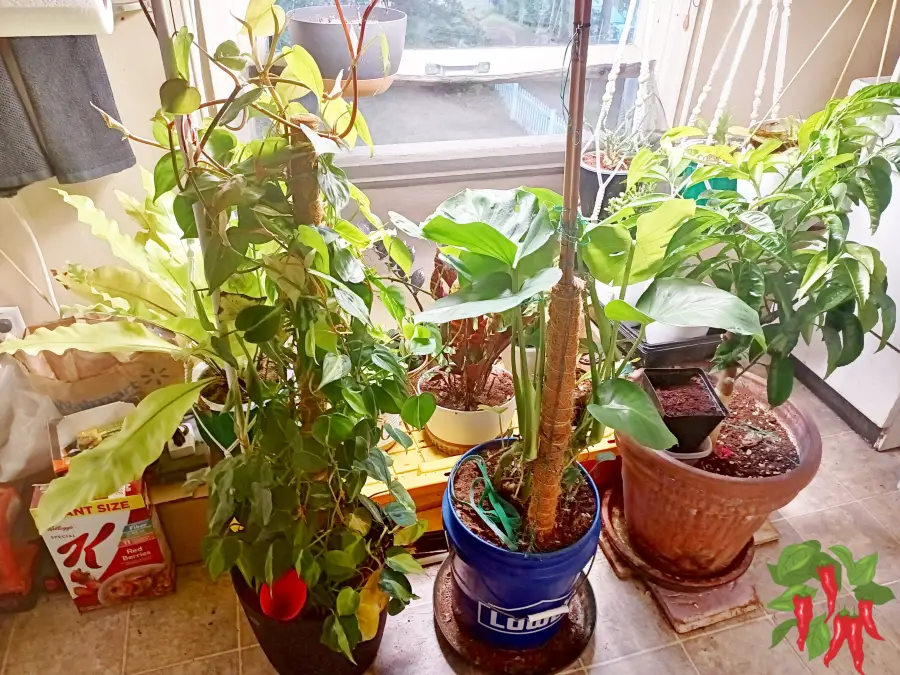
Heartleaf Philodendron is another vigorous trailing plant that quickly develops long vines when given bright, indirect light. Its heart-shaped leaves and forgiving nature make it a favorite for beginners.
Learn more in my Philodendron Care Indoors Guide.
Fast-Growing Plants That Produce Baby Plants
Spider Plant
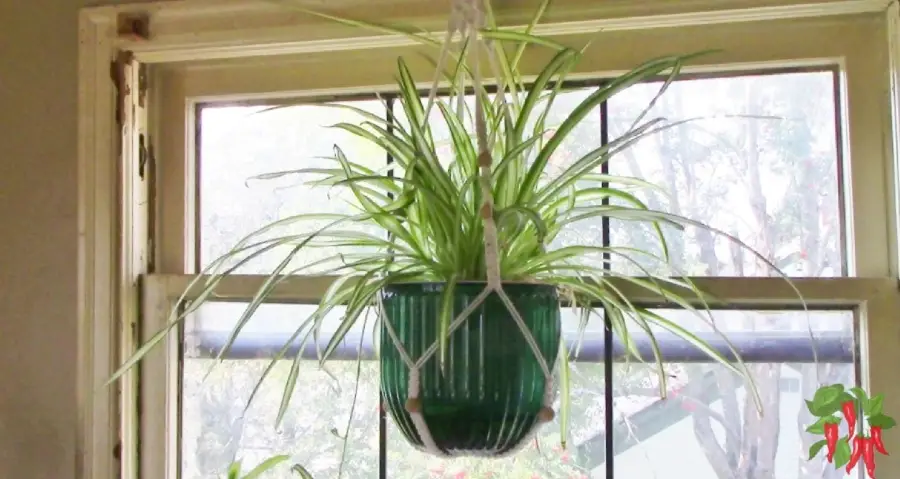
Spider Plants don’t just grow quickly—they also produce baby plants that hang from long stems. Before long, a single plant can become an impressive display and provide plenty of new plants to propagate.
See my Spider Plant Care Guide.
Chinese Money Plant
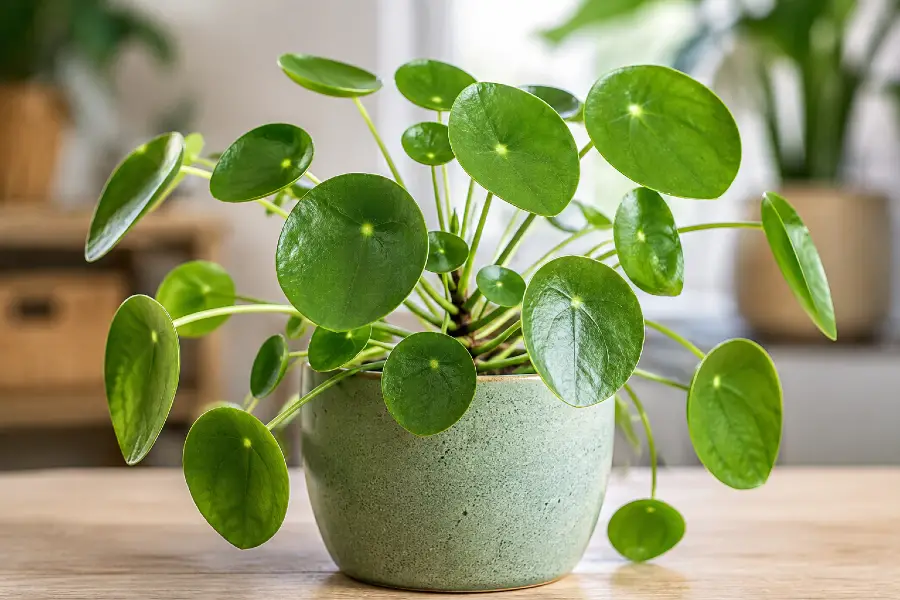
Chinese Money Plant grows steadily while producing offsets around the base of the parent plant. Those baby plants can be separated and grown into new plants, making it a rewarding choice for beginners.
Learn more in my Chinese Money Plant Care Guide.
Fast-Growing Tropical Statement Plants
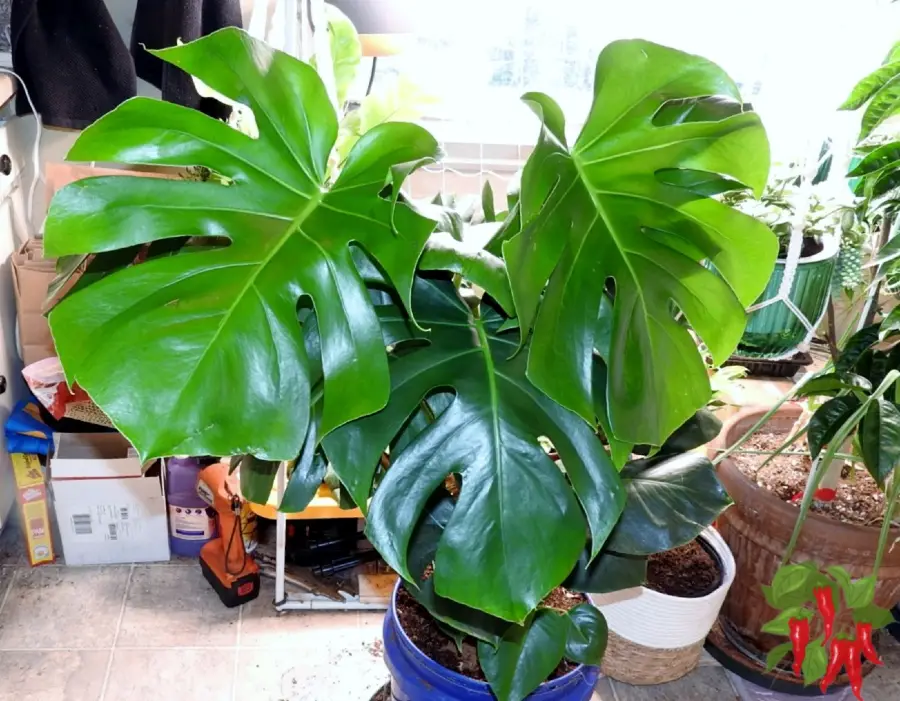
If you want a houseplant that can completely transform a room, Monstera deliciosa is hard to beat. Under the right conditions, it grows quickly, produces enormous split leaves, and eventually becomes the focal point of an indoor garden.
One thing I’ve learned is that they don’t call it Monstera for no reason—it really can become a monster! Mine was growing reasonably well near an east-facing window, but once I moved it under an LED grow light, it completely took off. Within a relatively short time it had grown over six feet tall, with leaves approaching two feet across.
It’s not just the leaves that get big. As the plant matures, it produces thick aerial roots that naturally search for something to climb. Left unchecked, those roots can attach themselves to walls, wood, textured surfaces, and even work into small cracks or gaps. Removing attached roots can damage paint or finished surfaces, so it’s much better to give the plant a moss pole or sturdy support to climb instead.
If you’re thinking about growing Monstera, be prepared to give it room. Under good conditions, it can eventually take over a corner of a room—and that’s part of its appeal.
See my Swiss Cheese Plant Care Guide.
White Bird of Paradise
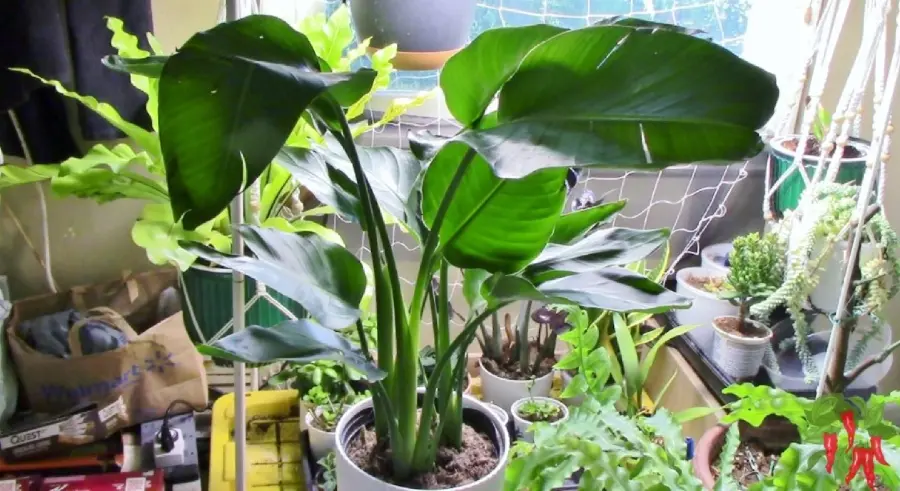
If you have the space, White Bird of Paradise can become one of the most impressive indoor plants you’ll ever grow. Each new leaf is significantly larger than the last, allowing the plant to transform from a young nursery specimen into a dramatic tropical centerpiece.
While it appreciates bright light, healthy plants reward good growing conditions with steady growth and increasingly impressive foliage. Just remember that, like Monstera, this is a plant that eventually needs room to spread.
See my White Bird of Paradise: First Look at Strelitzia nicolai.
Areca Palm
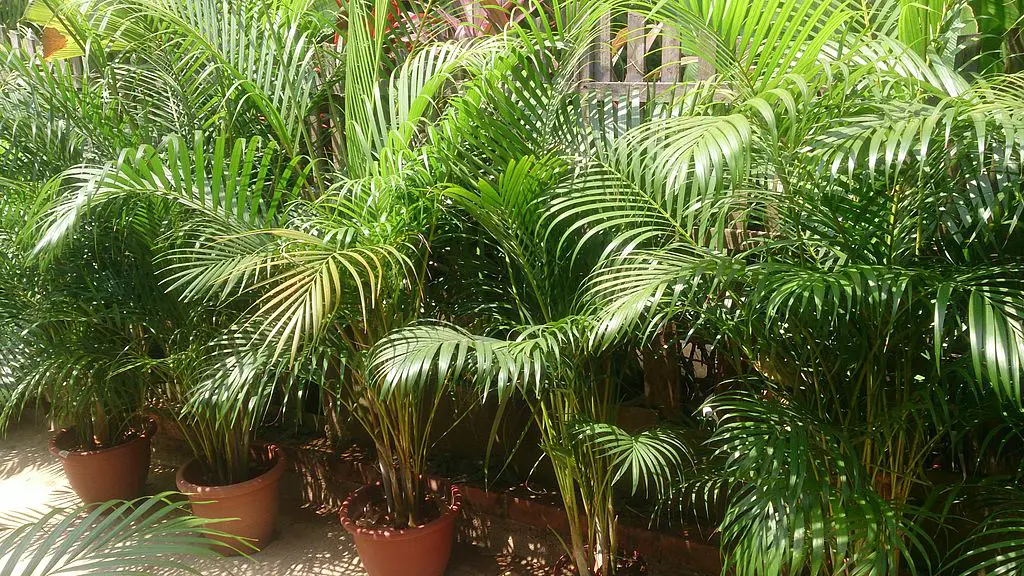
Areca Palm is one of the fastest-growing indoor palms. While it won’t explode with growth like a Monstera, it steadily produces new fronds and gradually develops into a beautiful tropical floor plant.
Given enough light and space, an Areca Palm can make a dramatic statement while remaining relatively easy for beginners to grow.
Learn more in my Areca Palm Care Indoors Guide.
Fast-Growing Ferns
Boston Fern
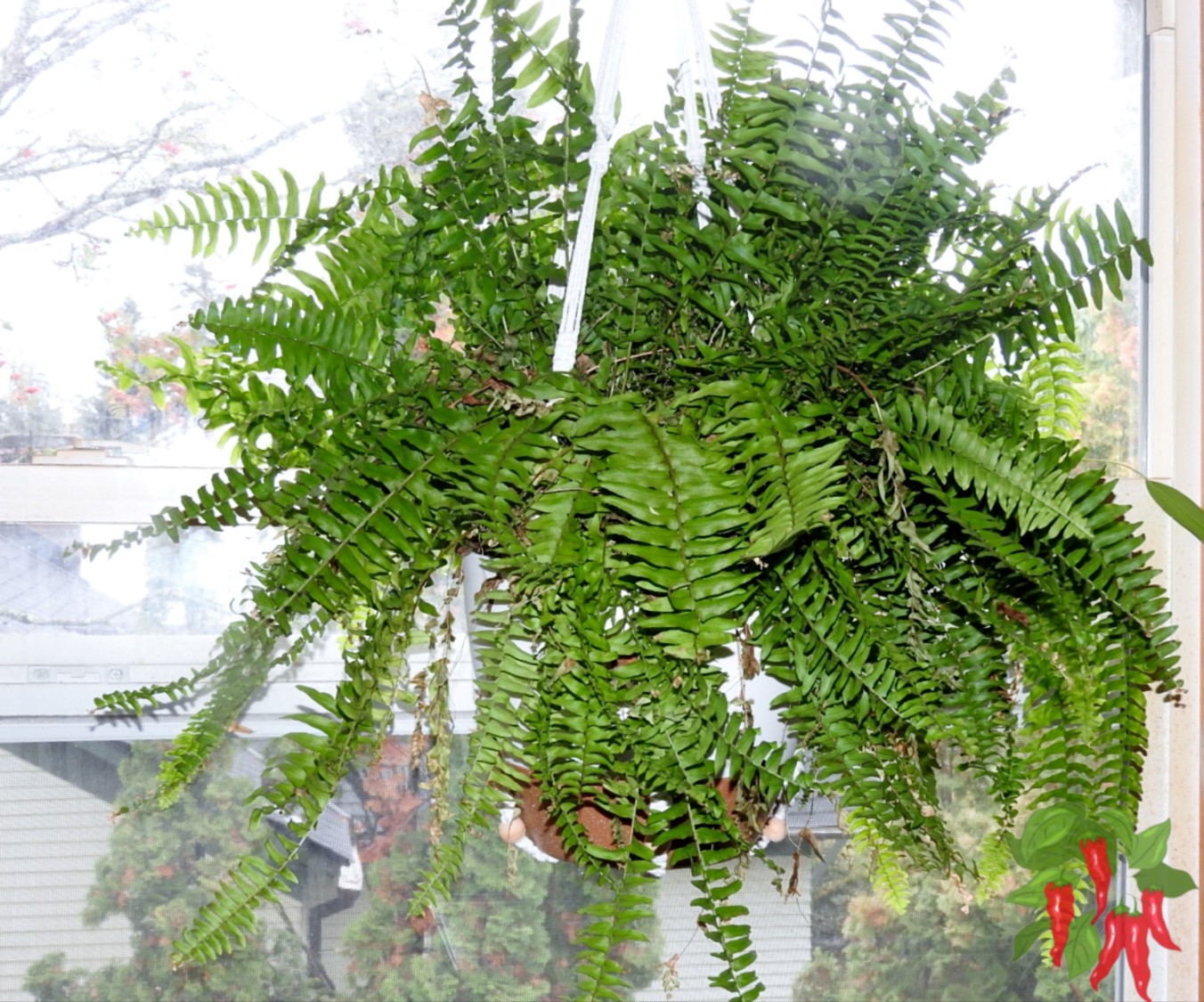
Boston Fern can grow much faster than many people expect when it receives consistent moisture, humidity, and enough light. Instead of producing just a few new fronds each season, healthy plants gradually become wider, fuller, and dramatically larger.
One of my own Boston Ferns eventually became so large that it completely covered a four-foot-wide window. Watching it fill the entire space was a great reminder that some houseplants really can outgrow the spot where they started.
See my Boston Fern Care Indoors Guide.
Bird’s Nest Fern
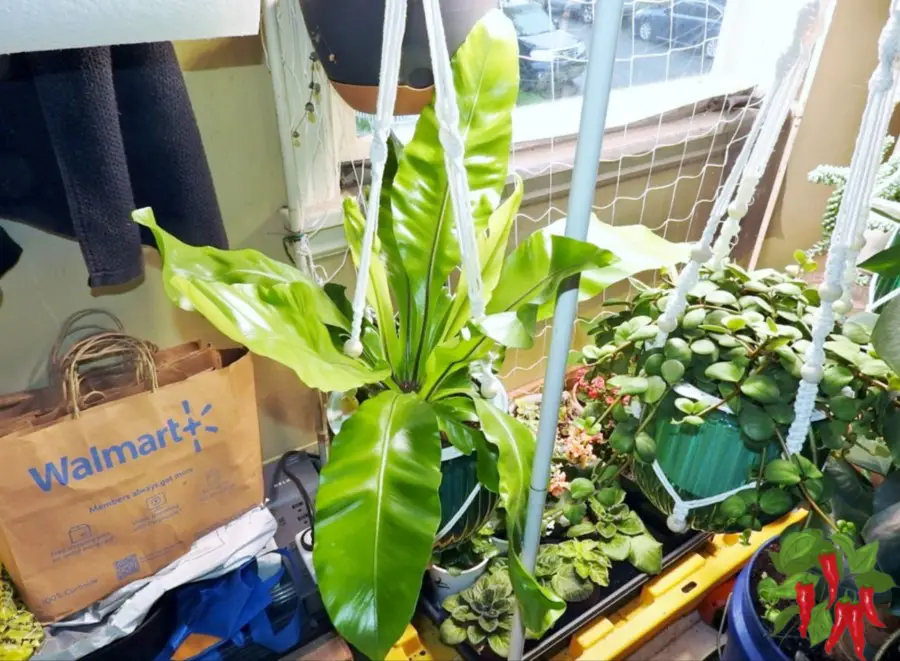
Bird’s Nest Fern grows by producing large new fronds from the center of the plant. While it isn’t as aggressive as a trailing vine, healthy plants quickly become fuller and more impressive.
I’ve found mine responded especially well after moving it beneath an LED grow light, producing larger fronds and noticeably faster growth than it did near a window alone.
See my Bird’s Nest Fern Care Guide.
From My Experience: The two biggest reasons houseplants fail are overwatering and not providing enough light. Many of my plants grow well in an east-facing window, but others—including my Monstera, Bird’s Nest Fern, Heartleaf Philodendron, Clementine Orange, and several succulents—really came alive once I placed them under LED grow lights.
How to Help Indoor Plants Grow Faster
Even naturally vigorous houseplants won’t grow quickly if their basic needs aren’t being met. Giving them the right environment makes far more difference than buying expensive fertilizers or specialty products.
Provide Enough Light
Most fast-growing houseplants perform best in bright, indirect light. If your home doesn’t provide enough natural light, a quality LED grow light can dramatically improve growth.
Water Correctly
Overwatering slows growth by damaging roots, while underwatering causes plants to conserve energy. Learning when to water is one of the most valuable skills for any indoor gardener.
Feed During Active Growth
A balanced fertilizer during spring and summer supports healthy leaves, stronger roots, and faster growth without encouraging weak, leggy stems.
Choose the Right Pot Size
Plants that have completely filled their containers often slow down. Repotting into a slightly larger container gives roots room to expand and encourages continued growth.
Quick Tip: If your houseplants seem stuck, don’t automatically assume they need fertilizer. Check the light first. In many homes, simply increasing light levels produces the biggest improvement in growth.
Slow-Growing Plants That Test Your Patience
Not every houseplant grows quickly, and that’s perfectly normal. Some species naturally put their energy into developing thick leaves, strong roots, or compact growth instead of producing lots of new foliage.
If you’re new to indoor gardening and want to see obvious progress, these plants may require a little more patience.
| Plant | Typical Growth | Why It’s Slower |
|---|---|---|
| Gasteria | Slow | Compact succulent with thick leaves |
| Haworthia Zebra Plant | Slow | Small rosette-forming succulent |
| Cast Iron Plant | Slow | Produces new leaves gradually |
| ZZ Plant | Slow to Moderate | Stores energy in underground rhizomes |
| Snake Plant | Slow to Moderate | Steady but naturally slower growth |
These are all excellent houseplants, but if your goal is fast results, you’ll probably enjoy starting with Pothos, Spider Plant, Monstera, or Heartleaf Philodendron instead.
Remember: Slow-growing doesn’t mean difficult. Many slower plants are actually some of the easiest houseplants to care for—they simply require more patience.
Which Fast-Growing Plant Is Right for You?
| If You Want… | Choose… |
|---|---|
| Long trailing vines | Pothos or Heartleaf Philodendron |
| A giant statement plant | Monstera deliciosa |
| Baby plants to propagate | Spider Plant or Chinese Money Plant |
| Large tropical foliage | Bird’s Nest Fern or Areca Palm |
| Colorful foliage | Prayer Plant |
Frequently Asked Questions About Fast-Growing Indoor Plants
What is the fastest-growing indoor plant?
Pothos is one of the fastest-growing houseplants for beginners. Monstera deliciosa, Spider Plant, and Heartleaf Philodendron can also grow surprisingly quickly when given bright light and proper care.
Do grow lights help plants grow faster?
Yes. In my own indoor garden, several plants—including Monstera, Bird’s Nest Fern, Heartleaf Philodendron, and Clementine Orange—grew much more vigorously after I added quality LED grow lights.
Why isn’t my houseplant growing?
The most common reasons are insufficient light, overwatering, lack of nutrients during the growing season, or simply growing a species that naturally develops slowly.
Can fast-growing plants outgrow their space?
Absolutely. Monstera, Pothos, Heartleaf Philodendron, and Areca Palm can all become much larger than many beginners expect. Regular pruning or providing support helps keep them manageable.
Are fast-growing houseplants harder to care for?
Not necessarily. Many of the fastest-growing indoor plants are also among the easiest to grow because they’re adaptable and recover well from occasional beginner mistakes.
Final Thoughts
Fast-growing houseplants are incredibly rewarding because they let you see the results of good care much sooner. Watching new leaves unfurl, vines lengthen, or a plant double in size keeps indoor gardening exciting and helps build confidence.
If you’re just getting started, Pothos, Spider Plant, Heartleaf Philodendron, and Chinese Money Plant are excellent choices. And if you really want a plant that can become the centerpiece of your home, Monstera deliciosa lives up to its reputation—it can truly become a monster when given enough light and room to grow.
Remember that even the fastest-growing plants still need the basics: enough light, proper watering, healthy soil, and a little patience. Provide those, and they’ll reward you with impressive growth for years to come.
Where to Go Next
Explore Related Topics
More Beginner-Friendly Plant Guides
Growing Monstera Indoors
Learn how to grow a healthy Swiss Cheese Plant and keep this fast-growing tropical from completely taking over your room.
Pothos Indoor Plant Care
Discover why Pothos remains one of the fastest-growing and easiest houseplants for beginners.
Indoor Plants That Thrive Under Grow Lights
See how supplemental LED lighting can dramatically improve growth, especially during darker months or in rooms with limited natural light.