Bubble Gum Plant Care is surprisingly simple once you understand what this colorful Tradescantia needs to thrive. Known for its striking pink, purple, and green foliage, Tradescantia Nanouk adds vibrant color to shelves, hanging baskets, and bright indoor spaces.
Whether you’re growing your first Tradescantia or looking to keep an existing plant fuller and healthier, this guide covers everything from watering and lighting to propagation, repotting, and troubleshooting common problems.
What You’ll Learn
- How much light Bubble Gum Plants need to maintain their vibrant colors
- When and how to water without causing root rot
- The best soil mix and fertilizer schedule for healthy growth
- How to propagate new plants from stem cuttings
- Common Bubble Gum Plant problems and how to fix them
- The best indoor locations for displaying Tradescantia Nanouk
Quick Answer: Bubble Gum Plant Care
Bubble Gum Plants (Tradescantia Nanouk) grow best in bright indirect light, well-draining soil, and moderate humidity. Water when the top inch of soil becomes dry, fertilize monthly during active growth, and prune regularly to keep the plant compact and colorful. Avoid soggy soil and prolonged direct afternoon sun.
Bubble Gum/ Nanouk Pink Wandering Jew Video
How To Care for Bubble Gum Plant (Tradescantia)
The Bubble Gum plant is also known as the Nanouk Pink Wandering Jew
The Bubble Gum Plant isn’t just cute. It’s also surprisingly easy to grow! Its bright blooms and fun name make it a hit indoors or out.
Introduction To Bubble Gum Plant Care
 Are you on the hunt for a new plant to add to your collection?
Look no further than the Tradescantia, also known as the Bubble Gum Plant!
Its full name is a mouthful: Tradescantia Blossfeldiana cerinthoides variegata “Bubblegum”
This vibrant and eye-catching plant is sure to add a pop of color to any room in your home.
But don’t be fooled by its sweet name – Bubble Gum Plant Care can be a bit tricky if you don’t know what you’re doing.
That’s why we’ve put together this easy guide to help you give your Tradescantia plant the love and care it needs to thrive. Let’s dive in and get started!
Meet the Tradescantia: Your New Favorite Houseplant
The Tradescantia is a colorful and eye-catching houseplant that has become a popular choice for many plant enthusiasts.
Known for its distinctive leaves and bright flowers, the Tradescantia is a versatile and low-maintenance plant that can thrive in a variety of environments.
Why Bubble Gum Plant is the Perfect Name
If you’re wondering why the Tradescantia is also known as the Bubble Gum Plant, it’s because of the plant’s pink and purple hues that resemble the colors of bubble gum.
The plant’s leaves and flowers can come in a variety of shades, ranging from light pink to deep purple, making it a fun and unique addition to any collection.
The Importance of Proper Bubble Gum Plant Care
Caring for your Bubble Gum Plant is crucial if you want it to thrive and look its best.
While the plant is relatively low-maintenance, it still requires attention and care to ensure that it remains healthy and vibrant.
Proper watering, lighting, and fertilization are key components of Bubble Gum Plant Care, and neglecting any of these factors can lead to a sad and droopy plant.
Description and Characteristics of Tradescantia

In this section, we’ll take a closer look at the unique features and characteristics of the Tradescantia.
From its striking foliage to its delicate blooms, the Tradescantia is a truly special plant that is sure to captivate anyone who lays eyes on it.
Appearance: A Closer Look at the Bubble Gum Plant
The Tradescantia is a unique and attractive plant that is sure to stand out in any collection.
Bubblegum Tradescantia is native to Mexico, Central America and South America.
It has thin, trailing stems that can grow up to several feet long and are adorned with small, oval-shaped leaves.
The leaves can come in a variety of colors, ranging from dark green to bright pink and purple, and are often covered in a thin layer of fine hair.
In addition to its colorful foliage, the Tradescantia also produces delicate, three-petaled flowers that bloom in shades of pink, purple, and white.
How the Tradescantia Got Its Name
The Tradescantia is named after John Tradescant, a botanist, and gardener who lived in England in the 17th century.
He is credited with introducing the plant to Europe after discovering it on his travels to North America.
As for the common name Bubble Gum Plant, it is thought to have originated from the plant’s pink and purple hues that resemble the colors of bubble gum.
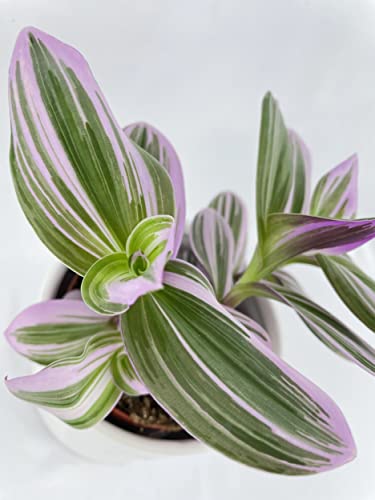
Tradescantia nanouk is a popular variety of Tradescantia due to its stunning colors and compact growth habit. It has soft, pink, and green striped leaves that make it a great choice for a pop of color in any room.
Another popular variety is the Tradescantia zebrina, also known as the Wandering Jew.
This variety has striking purple and silver striped leaves and trailing vines, making it a great choice for hanging baskets or cascading over shelves.
The Tradescantia fluminensis is another popular variety with dark green leaves and delicate white flowers.
This plant is a bit more tolerant of low light conditions than other Tradescantia varieties, making it a great choice for those with less sunny living spaces.
All of these varieties have similar care requirements as the Bubble Gum Plant, making them great options for plant enthusiasts of all levels.
No matter which variety you choose, Tradescantia plants are sure to bring a unique and beautiful touch to your home.
Tradescantia ‘Nanouk’ is a patented cultivar that is a hybrid of two other Tradescantia varieties, Tradescantia albiflora, and Tradescantia fluminensis.
It is prized for its stunning variegated foliage, which can range from shades of pink and purple to green and silver.
Other popular Tradescantia varieties include Tradescantia zebrina, which has striking striped leaves, and Tradescantia pallida, which is known for its purple foliage.
Common Names
Members of the genus are known by many common names, including inch plant, wandering jew, spiderwort, and dayflower.
Tradescantia Nanouk is commonly referred to as Fantasy Venice and has become a popular choice among plant enthusiasts. This spiderwort plant features luscious leaves adorned with pink, white, purple, and green stripes, arranged on upright stems.
Growing Habits and Preferred Growing Conditions
The Tradescantia bubblegum is a relatively low-maintenance plant that can adapt to a variety of growing conditions. It prefers bright light and should be kept in a well-drained soil mix.
Watering should be done when the top inch of soil feels dry to the touch, and fertilization can be done every 2-3 months during the growing season.
The Tradescantia is a hardy plant and a fast grower that can quickly fill up a pot, so regular pruning is recommended to keep it looking tidy and prevent it from becoming too leggy.
Tradescantia Plant Care Reference Guide
| Characteristic | Details |
|---|---|
| Common Name | Bubble Gum Plant |
| Botanical Name | Tradescantia spp. (often T. fluminensis or T. zebrina) |
| Native Habitat | Central and South America |
| Plant Type | Trailing perennial; often grown as a houseplant |
| Growth Pattern | Spreading, cascading vines |
| Mature Size | 6–12 inches tall, trailing up to 2 feet or more |
| Watering | Water when top inch of soil is dry; avoid soggy soil |
| Light/Sun Exposure | Bright, indirect light; tolerates some shade |
| Soil Type | Well-draining potting mix |
| Soil pH | 6.0 to 7.5 |
| Temperature | 65–80°F (avoid below 50°F) |
| Humidity | Moderate to high; mist regularly if air is dry |
| Bloom Time & Flower Color | Spring to summer; small white, pink, or purple blooms |
| Potential Problems | Leggy growth in low light, root rot, spider mites |
| Repotting | Repot annually or when rootbound; prune to encourage fullness |
| Hardiness Zones (USDA) | 9 to 11 (grown indoors in cooler zones) |
Watering Your Bubble Gum Plant
Giving your Tradescantia the right amount of water is essential to keep it healthy and vibrant.
Overwatering can lead to root rot and other problems, while underwatering can cause the leaves to wilt and the plant to become stressed.
In this section, we’ll go over some tips and tricks for watering your Bubble Gum Plant and ensuring that it gets the moisture it needs to thrive.
Understanding the Bubble Gum Plant’s Water Needs
The Bubble Gum Plant is a relatively thirsty fast-growing plant that requires consistent moisture and regular watering to thrive.
However, although it likes moist soil it is important not to overwater it, as this can lead to root rot and other issues.
The key is to find a balance between keeping the soil moist and not allowing it to become waterlogged.
Tips for Watering Your Bubble Gum Plant Correctly
One of the most important things to keep in mind when watering your Bubble Gum Plant is to check the soil moisture regularly.
Stick your finger into the soil up to the second knuckle – if the soil feels dry at this depth, it’s time to water.
Water the plant thoroughly, allowing the water to drain out of the bottom of the pot.
Another tip is to use a well-draining potting mix like coco coir and perlite which will help prevent water from accumulating in the soil.
Avoiding Overwatering and Underwatering
Overwatering is one of the most common mistakes that new plant owners make.
To avoid overwatering your Bubble Gum Plant, make sure to allow the soil to dry out slightly between waterings.
You can also consider using a moisture meter to help you determine when it’s time to water.
Underwatering can also be a problem for the Bubble Gum Plant, especially if it is kept in a warm or dry environment.
To avoid underwatering, make sure to water your plant thoroughly and consistently, and consider using a humidifier to increase the moisture levels in the air around your plant.
Light Requirements for Bubble Gum Plants

In this section, we’ll go over everything you need to know about providing your Bubble Gum Plant with the right amount of light.
From understanding the plant’s light requirements to tips for adjusting the light in your home, we’ll cover it all. So grab your sunglasses and let’s dive in!
The plant’s light needs, including its preferred levels of direct and indirect light
The Bubble Gum Plant thrives in bright, indirect light.
The trick is giving it enough light without giving it too much.
Too much full sun can scorch the leaves and cause them to turn yellow or brown.
On the other hand, too little light can cause the plant to become leggy and weak.
Ideally, you should aim to provide your Bubble Gum Plant with 4-6 hours of bright, indirect light each day.
Tips for finding the right spot in your home for your Bubble Gum Plant
When it comes to finding the perfect spot for your Bubble Gum Plant, there are a few things to keep in mind.
Look for a spot in your home that receives bright, indirect light for several hours each day.
East-facing or west-facing windows are often good options, as they provide bright morning or afternoon light without being too intense.
You may also need to experiment a bit to find the right spot for your plant.
Try moving it around your home to see where it thrives best.
Keep in mind that the amount of light can vary throughout the year, so you may need to adjust the placement of your Bubble Gum Plant as the seasons change.
Best Indoor Locations for Bubble Gum Plants
Bubble Gum Plants perform best in bright rooms where they receive plenty of indirect sunlight throughout the day.
Some of the best indoor locations include:
- East-facing windows with gentle morning sunlight
- A few feet back from bright south-facing windows
- Plant shelves with strong natural light
- Hanging baskets near bright windows
- Home offices with bright indirect light
If the pink coloration starts fading or stems become stretched and leggy, move the plant to a brighter location.
Soil and Fertilizer Needs

To keep your Bubble Gum Plant healthy and thriving, it’s important to make sure it has the right soil and nutrients.
In this section, we’ll cover everything you need to know about the plant’s soil and fertilizer needs.
The type of soil that is best for Bubble Gum Plants
Bubble Gum Plants prefer well-draining soil that is rich in organic matter.
A good potting mix for Bubble Gum Plants should contain a combination of materials like coco coir and perlite to promote good drainage and aeration.
Avoid using heavy garden soil or soil that doesn’t drain well, as this can lead to root rot and other problems.
The plant’s fertilizer needs, including when and how to fertilize
While Bubble Gum Plants don’t require a lot of fertilizer, providing them with the right nutrients can help them grow and thrive.
During the growing season, which is typically spring and summer, you can fertilize your Bubble Gum Plant every two to four weeks using a balanced, water-soluble fertilizer.
When fertilizing, be sure to dilute the fertilizer according to the instructions on the package.
Over-fertilizing can cause the plant to become leggy and weak, so it’s better to err on the side of caution.
You can also choose to use a slow-release fertilizer instead, which will provide nutrients to the plant over a longer period of time.
Just be sure to follow the instructions carefully and don’t overdo it!
Coco coir and perlite for a potting mix
Using the right potting mix is important for ensuring that your Bubble Gum Plant stays healthy and happy.
One option that many gardeners recommend is a mix of coco coir and perlite.
Coco coir is a natural and sustainable alternative to peat moss, and it is highly absorbent, which helps to keep the soil moist without allowing it to become waterlogged.
Perlite, on the other hand, is a lightweight, porous material that improves drainage and prevents the soil from becoming compacted.
To create a potting mix using coco coir and perlite, start by rehydrating the coco coir according to the manufacturer’s instructions.
Then, mix the coco coir with perlite in a ratio of approximately 3:1 (three parts coco coir to one part perlite).
This will create a lightweight and well-draining mix that is ideal for Bubble Gum Plants.
When using this potting mix, make sure to water your plant thoroughly and allow the excess water to drain out of the bottom of the pot.
This will help prevent the soil from becoming waterlogged and keep your Bubble Gum Plant healthy and happy.
Temperature And Humidity

Tradescantia plants prefer a humid environment. A humidity level of around 50-60% is ideal.
They can tolerate a range of temperatures, but prefer temperatures between 60-80°F (15-27°C).
Frost will kill them and keep temperatures above 50 It’s important to avoid exposing the plant to extreme temperature fluctuations or cold drafts. Frost will kill them and temperatures should be kept above 50°.
Propagation and Repotting
In this section, we’ll go over some simple steps for propagating your Bubble Gum Plant, as well as some tips for repotting it when it outgrows its current container.
Tips for propagating Bubble Gum Plants from cuttings
One of the easiest ways to propagate a Bubble Gum Plant is by taking stem cuttings.
They will grow long vines you will need to prune anyway.
So simply snip off a section of stem that is at least a few inches long, making sure it has several leaves attached.
Remove the bottom leaves and dip the cut end into rooting hormone, if desired, before planting it in a pot filled with moist potting soil.
Keep the soil evenly moist and place the cutting in a warm, bright spot, out of direct sunlight.
In a few weeks, you should start to see new growth, indicating that the cutting has taken root.
When and how to repot the plant
As your Bubble Gum Plant grows, it will eventually need to be repotted into a larger container.
Signs that it’s time to repot include roots growing out of the drainage holes, the soil drying out quickly, or the plant becoming top-heavy and unstable.
To repot your plant, gently loosen the root ball and carefully remove it from the old pot.
Place it into a new pot that is only slightly larger than the old one and fill in any gaps with fresh potting soil.
Water the plant thoroughly and place it in a bright, warm spot. Be sure not to overwater your newly repotted plant, as it may take a few weeks to adjust to its new home.
Tradescantia flowers

These plants can also produce flowers. The flowers of plants typically come in shades of pink, purple, blue, or white, depending on the variety.
For example, the flowers of Tradescantia pallida, also known as Purple Heart, are a vibrant pinkish-purple color.
The flowers of Tradescantia fluminensis, also called Inch Plant, are white and have a star-shaped appearance. T
he flowers of Tradescantia zebrina, commonly known as Wandering Jew, are a deep shade of purple.
Tradescantia Nanouk, also called Fantasy Venice, produces small pinkish-purple flowers.
Tradescantia Nanouk typically blooms in the late spring or early summer, producing small, three-petaled pink or purple flowers.
However, the exact time of year may vary depending on growing conditions and location.
Common Problems and Solutions
Even with the best of care, your Bubble Gum Plant may encounter some problems.
In this section, we’ll discuss some of the most common issues that can arise with Bubble Gum Plants and provide some easy solutions to help you get your plant back on track.
From pests to diseases and everything in between, we’ve got you covered! So let’s dive in and learn how to keep your Bubble Gum Plant happy and healthy.
Pests:
Spider mites and mealybugs are the most common pests that can affect your Bubble Gum Plant.
These tiny insects can cause damage to the leaves and slow the plant’s growth.
To prevent infestations, regularly inspect your plant for any signs of pests and isolate any affected plants from the rest of your collection.
If you do notice pests, you can try removing them manually with a damp cloth or cotton swab, or use insecticidal soap or neem oil to control their populations.
Diseases:
Root rot and leaf spot are two common diseases that can impact Bubble Gum Plants.
Root rot occurs when the soil is consistently too wet, while leaf spot is caused by a fungal infection.
Powdery mildew can also be a problem. To prevent these diseases, make sure your plant is not sitting in standing water and avoid getting the leaves wet when watering.
If you do notice signs of disease, remove the affected leaves or stems and consider treating the plant with a fungicide.
Environmental stress:
Bubble Gum Plants can be sensitive to changes in their environment, such as extreme temperatures or sudden changes in humidity.
To avoid stress, keep your plant in a consistent environment. Avoid cold temperatures and avoid placing them near air conditioning or heating vents.
If you notice any signs of stress, such as wilting or yellowing leaves, adjust the plant’s growing conditions as needed to keep it happy and healthy.
Troubleshooting Bubble Gum Plant Problems
Why Is My Bubble Gum Plant Getting Leggy?
Leggy growth is usually caused by insufficient light. Stems stretch toward available light sources and leaves become more widely spaced. Move the plant closer to a bright window and prune long stems to encourage bushier growth.
Why Are The Leaves Losing Their Pink Color?
Tradescantia Nanouk develops its best color in bright indirect light. Plants grown in darker locations often become greener and lose some of their vibrant pink tones.
Why Are The Leaf Tips Turning Brown?
Brown leaf tips are commonly caused by dry indoor air, inconsistent watering, or fertilizer salt buildup. Maintain even moisture and flush the soil occasionally with plain water.
Why Are The Leaves Turning Yellow?
Yellow leaves often indicate overwatering or poor drainage. Check that the pot has drainage holes and allow the soil surface to dry slightly between waterings.
Why Is My Bubble Gum Plant Looking Sparse?
Regular pruning helps keep Tradescantia plants full and compact. Pinching growing tips encourages branching and creates a thicker, more attractive plant.
Hanging baskets and other display options

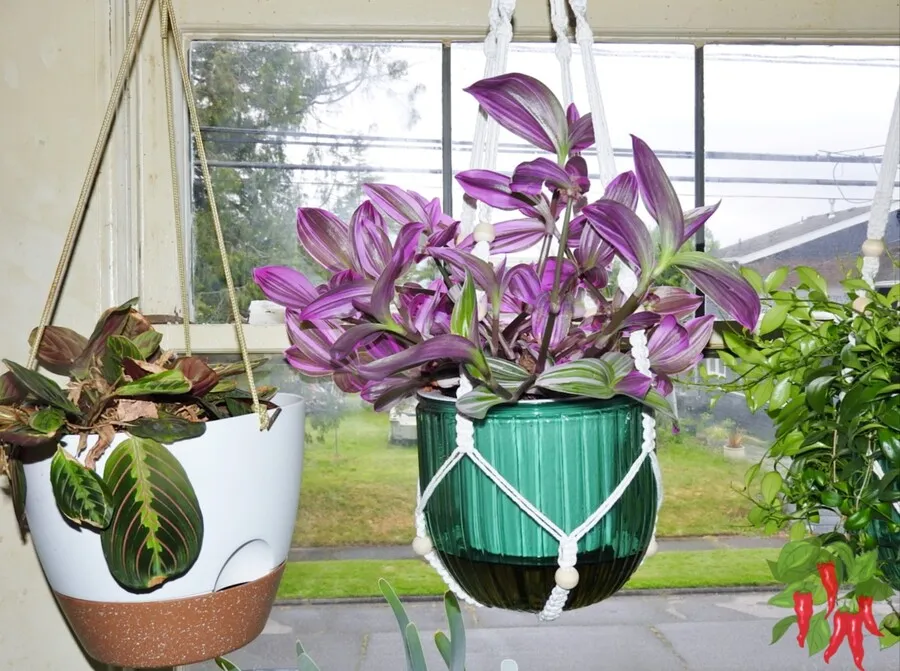
The Bubble Gum Plant is an excellent choice for hanging baskets and this might be the best way to show it off.
Its trailing growth habit makes it perfect for hanging baskets, where it can spill over the sides and create a beautiful cascading effect.
Make sure your hanging basket has a drainage hole.
Additionally, another good idea for showing off the plant’s colorful foliage and striking blooms makes it a great choice for tabletop or shelf displays.
Consider pairing it with other plants that have similar light and water requirements to create a beautiful and harmonious arrangement.
With its unique appearance and versatility, the Bubble Gum Plant is sure to be a standout in any display!
Continue Exploring Houseplant Care
Frequently Asked Questions
How often should I water a Bubble Gum Plant?
Most indoor Bubble Gum Plants need water when the top inch of soil feels dry. This is often every 7 to 10 days, though frequency varies based on light, temperature, and humidity.
Can Bubble Gum Plants grow in low light?
They can survive in lower light conditions, but growth may become leggy and the colorful pink foliage may fade. Bright indirect light produces the best results.
Are Bubble Gum Plants easy for beginners?
Yes. Tradescantia Nanouk is considered one of the easier colorful houseplants to grow and responds well to basic indoor plant care.
Can I grow Bubble Gum Plants in hanging baskets?
Absolutely. Their trailing stems make them excellent hanging basket plants where the colorful foliage can cascade over the edges.
How do I make my Bubble Gum Plant fuller?
Regular pruning and pinching encourage branching. Stem cuttings can also be rooted and replanted into the same container to create a denser plant.
Bubble Gum Plant Care Conclusion

Final Thoughts
Bubble Gum Plant Care is straightforward once you provide bright indirect light, consistent watering, and well-draining soil. Tradescantia Nanouk rewards even beginner plant owners with fast growth, colorful foliage, and easy propagation.
With occasional pruning and the right growing conditions, this eye-catching houseplant can remain a vibrant focal point in your indoor garden for years.
Want to transform your indoor space into a lush, thriving haven? These guides will help you master houseplant care with ease.
🌿 Indoor Houseplant Care Guides
- ♻️ Composting Indoors
- 🌳 Rubber Plant Care Indoors
- 🌸 Peace Lily Care Indoors
- 🧀 Swiss Cheese Plant Care
- 🎋 Indoor Bamboo Guide
- 🌱 Vertical Gardening Indoors
- 🌺 Bromeliad Care
- 🥢 Bamboo Plant Indoor Care
- ❤️ Anthurium Care Indoors
- 🌵 How to Grow Succulent Plants
- 🌿 Maidenhair Fern Indoor Care
- See all articles in our Houseplants category