
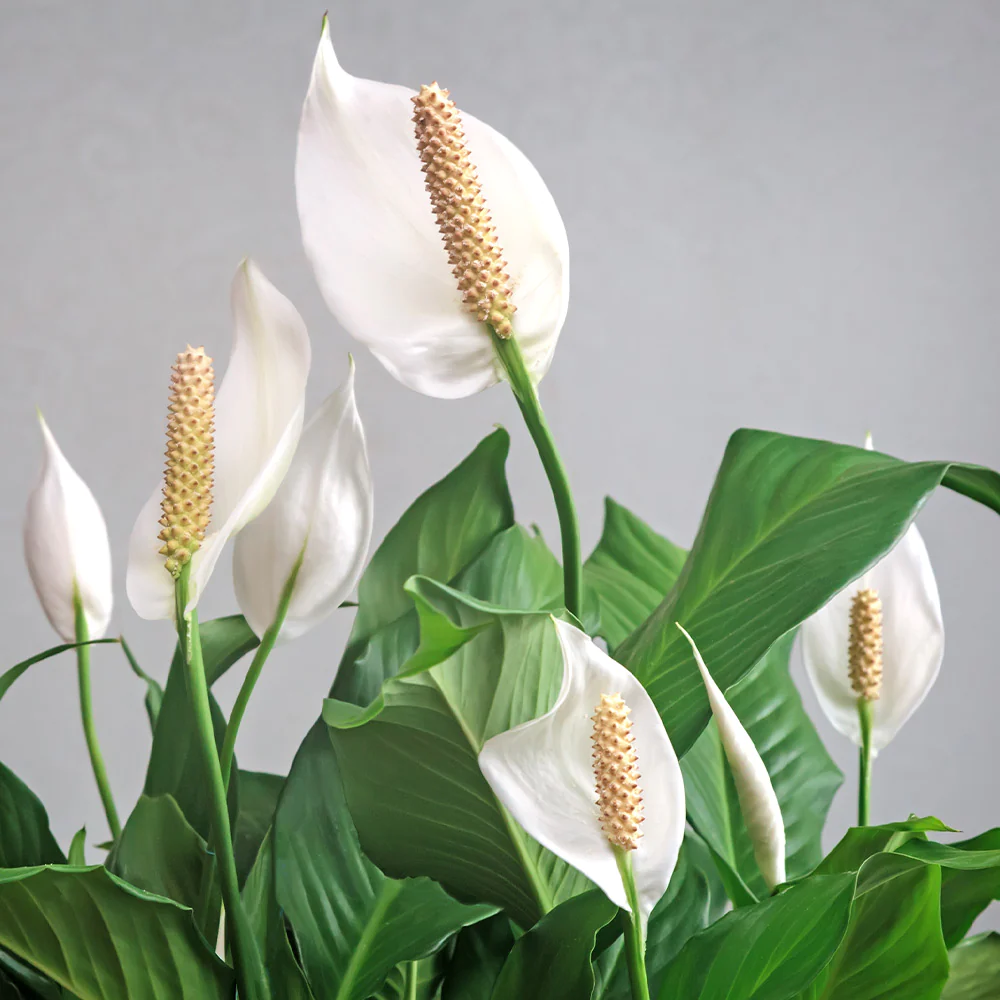
Learning how to care for Peace Lily indoors is one of the easiest ways to add lush tropical foliage to your home. Peace lilies are popular houseplants because they tolerate lower light levels than many flowering plants while producing elegant white blooms and glossy green leaves.
With proper watering, bright indirect light, and a well-draining soil mix, Peace Lilies can thrive for many years indoors. This guide covers everything you need to know about growing healthy Peace Lilies, from lighting and watering to troubleshooting common problems.
What You’ll Learn
- How much light Peace Lilies need indoors
- The best watering schedule and soil mix
- How to encourage flowering
- When to fertilize and repot your plant
- Common Peace Lily problems and solutions
- The best indoor locations for healthy growth
Quick Answer: How To Care For Peace Lily Indoors
Peace Lilies grow best in bright indirect light, temperatures between 65°F and 80°F, and a well-draining soil mix. Water when the top inch of soil becomes dry, maintain moderate humidity, fertilize monthly during active growth, and avoid direct sunlight that can scorch the leaves.
Caring For Peace Lilies
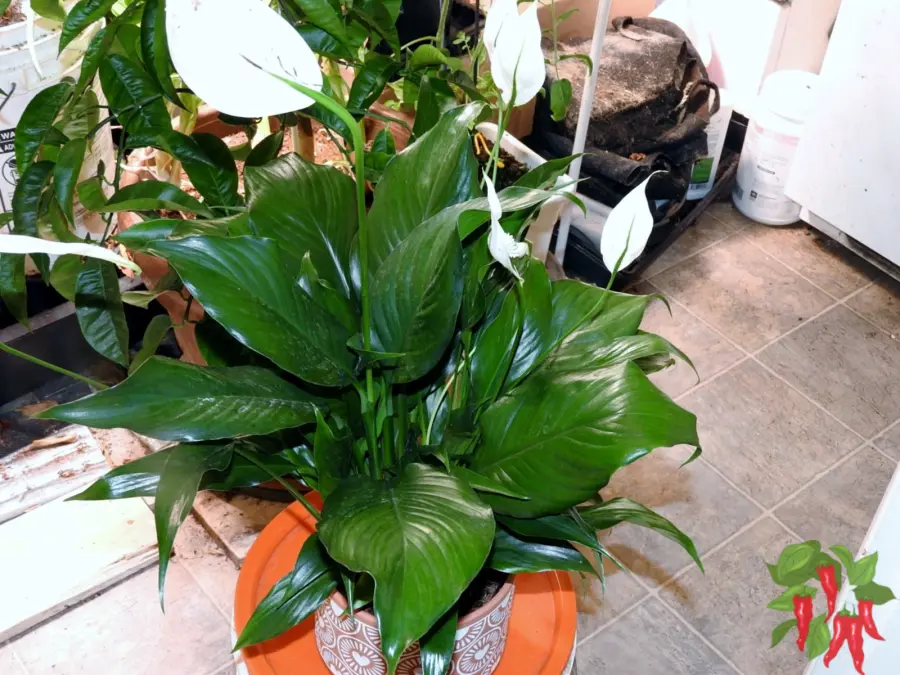
Are you looking to add a touch of elegance and tranquility to your indoor space? Learning how to care for a peace lily indoors is the perfect way to do just that!
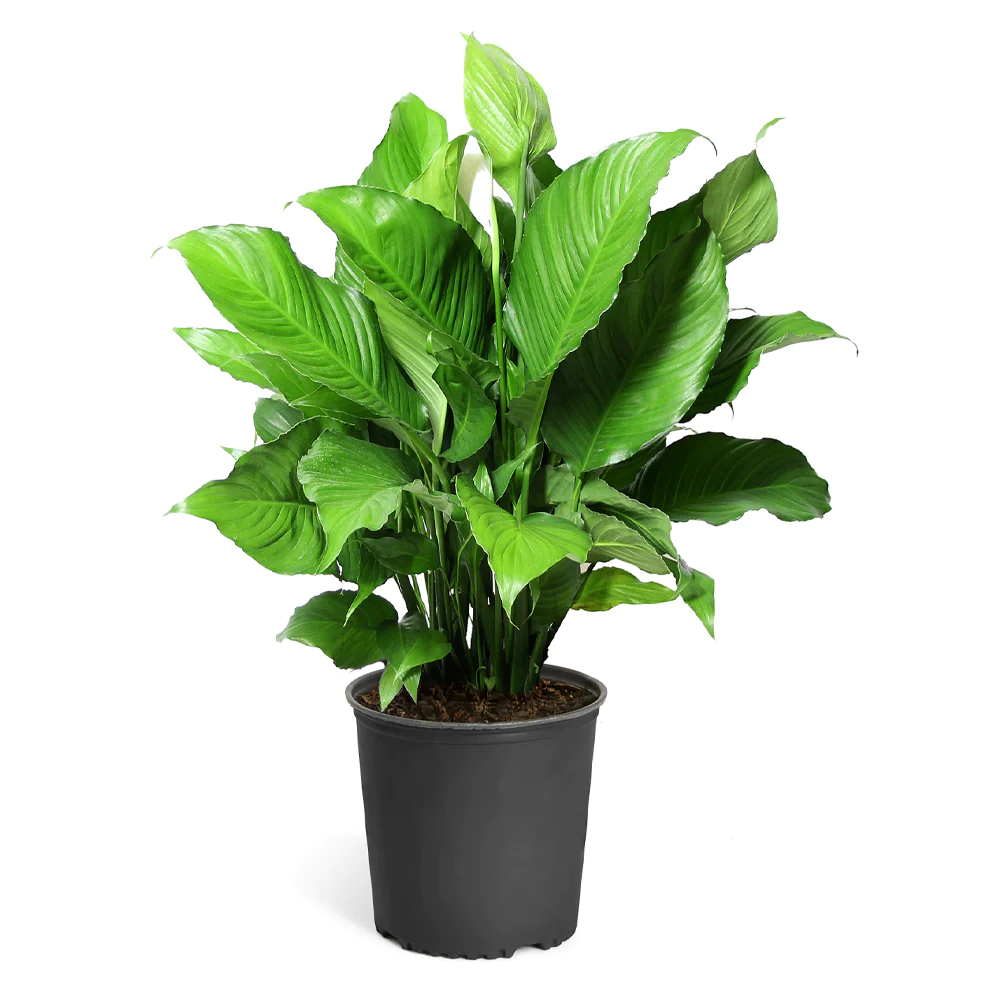
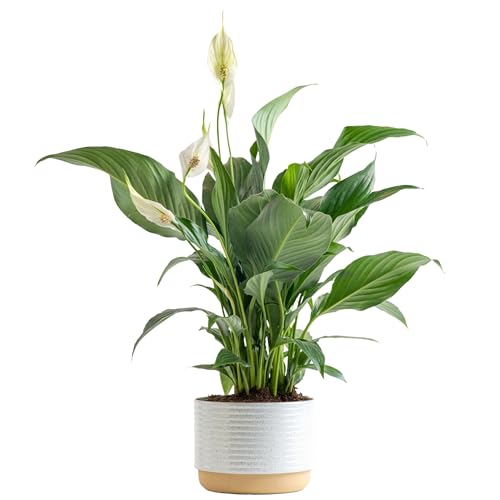 Peace Lily, Live Indoor Plant with Flowers, Easy to Grow
How To Care For Peace Lily Indoors
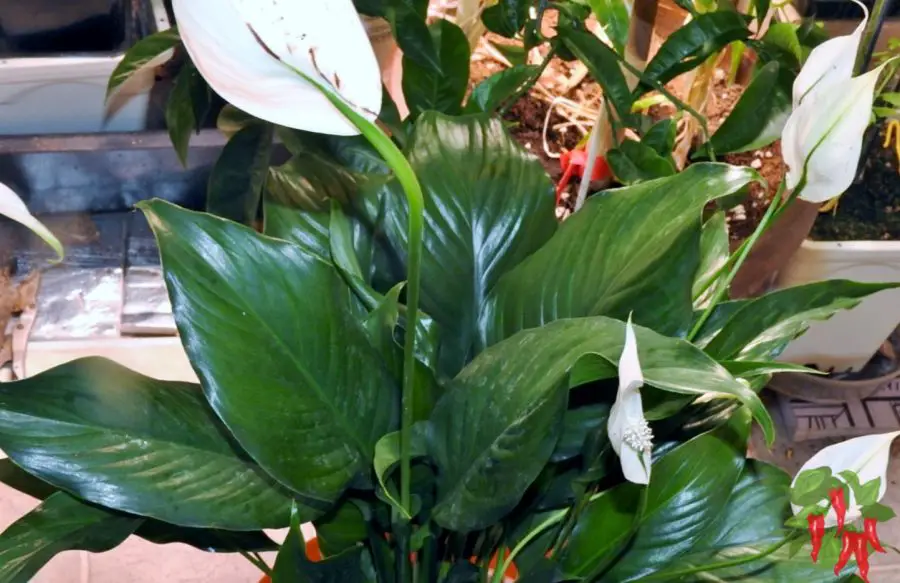
The Peace Lily, scientifically known as Spathiphyllum, is a beloved houseplant originating from the tropical regions of Central and South America.
It’s widely admired for its elegant, dark green leaves and show-stopping white flowers that resemble a white flag of peace and so the name!
The peace lily isn’t just a pretty face, though; it’s also known for its air-purifying abilities, making it a fantastic addition to any indoor space.
Peace lilies (Spathiphyllum species) are attractive indoor foliage plants that produce showy white flowers. They are not true lilies but a member of the Araceae family, which also includes caladiums, elephant ears, anthuriums, and calls. https://hgic.clemson.edu/factsheet/peace-lily/
Why Grow Peace Lily Plants?
Peace Lilies, also known as ‘Peace Plants,’ make fantastic additions to homes and offices due to their low-maintenance nature and love for shady environments. They can even flourish in areas with low, indirect light.
This versatile indoor plant can effortlessly adapt to any space. When placed in smaller pots, they make great tabletop or desk decorations.
And in larger containers, they can grow up to 6 feet tall, serving as an eye-catching accent piece for corners or outdoor areas like decks and patios.
 Peace Lily Live Plant, Indoor Houseplant with White Flowers
Your family members and coworkers will be captivated by the peace lily’s stunning tropical appearance.
Its broad, glossy, green leaves provide a lush backdrop for the large, single-petaled white flowers that emerge in spring, showcasing a vivid yellow stamen.
The peace lily thrives with minimal light and water, making it an ideal choice for busy plant lovers.
If you occasionally forget to water your peace lily, it’s no problem – this resilient plant will continue to prosper despite occasional neglect.
Please note: Peace Lilies are toxic to cats and dogs, so it’s essential to keep this plant out of reach of any pets in your home.
Growing Zones: 4-9 patio / 10-11 outdoors
| Mature Height: | 1-6 ft. |
| Mature Width: | 1-6 ft. |
| Sunlight: | Partial Sun |
| Growth Rate: | Slow |
| Botanical Name: | Spathiphyllum spp. |
| Grows Well In Zones: | 4-9 patio / 10-11 outdoors |
 Peace Lily Live Indoor Plant, Elegant Air Purifying Houseplant with Blooming Fresh Flowers
Peace Lily Plant Care Reference Guide
| Characteristic | Details |
|---|---|
| Common Name | Peace Lily |
| Botanical Name | Spathiphyllum spp. |
| Native Habitat | Tropical rainforests of Central and South America |
| Plant Type | Evergreen perennial |
| Growth Pattern | Clumping, upright |
| Mature Size | 1–4 ft tall, 1–3 ft wide |
| Watering | Keep soil moist but not soggy; allow top inch to dry |
| Light/Sun Exposure | Low to bright indirect light |
| Soil Type | Well-draining potting mix with organic matter |
| Soil pH | 5.8–6.5 (slightly acidic) |
| Temperature | 65–80°F (18–27°C) |
| Humidity | Moderate to high humidity preferred |
| Bloom Time & Flower Color | Spring to early summer; white spathes |
| Potential Problems | Overwatering, root rot, brown leaf tips, pests like spider mites and mealybugs |
| Repotting | Every 1–2 years or when root-bound |
| Hardiness Zones (USDA) | 10–12 (grown indoors in most climates) |
How Much Light Does a Peace Lily Need?
In this section, we’ll shine some light (pun intended) on the ideal lighting conditions for your peace lily, helping you determine just the right amount of sun exposure to keep your plant thriving and blooming.
Finding the Sweet Spot: Ideal Light Conditions
When it comes to providing the perfect light conditions for your peace lily, the key is striking a balance between too much and too little.
These lovely plants thrive in indirect bright light, which means they enjoy being near a window, but not in direct sunlight.
Direct sun can cause their beautiful leaves to scorch, while too little light might result in fewer flowers and slower growth.
So, aim to place your peace lily near a North or East-facing window, or use sheer curtains to diffuse the light from a South or west-facing window.
Peace lilies are adaptable and they can grow in low light situations too but they may not produce flowers.
Reading the Signs: Too Much or Too Little Light
Keep an eye on your peace lily for any signs that it might be receiving too much or too little light.
If the leaves start to turn yellow and develop brown tips, your plant is likely getting too much direct sunlight.
On the other hand, if your peace lily isn’t producing flowers and the leaves are becoming pale or weak, it might be craving more light.
Remember, your plant will communicate its needs if you pay close attention!
Adjusting Light Exposure: Tips and Tricks
If you find that your peace lily is struggling with its current light situation, it’s time to make some adjustments.
To protect your plant from too much direct sunlight, try moving it a little further away from the window, or use a light-diffusing curtain to soften the sun’s rays.
Alternatively, if your peace lily needs more light, you can either move it closer to a window or even consider using artificial light sources like grow lights to supplement its light intake.
Don’t be afraid to experiment until you find the perfect spot
Best Indoor Locations For Peace Lilies
Peace Lilies are adaptable plants, but choosing the right location can improve growth, flowering, and overall plant health.
- East-facing windows with gentle morning sunlight
- Bright north-facing rooms
- A few feet back from south-facing windows
- Home offices with bright indirect light
- Bathrooms with natural light and higher humidity
Avoid direct afternoon sun, heating vents, air conditioners, and cold drafts that can stress the plant.
The Ideal Temperature And Humidity For Peace Lilies
Peace lilies (Spathiphyllum) thrive in conditions that mimic their natural tropical environment.
The ideal temperature and humidity for peace lilies are as follows:
• Temperature: Peace lilies prefer a consistent temperature range between 65°F to 80°F (18°C to 27°C) during the day and slightly cooler at night, around 60°F to 65°F (15°C to 18°C).
They are sensitive to extreme temperatures and should be kept away from drafts, air conditioners, and heating vents.
• Humidity: As tropical plants, peace lilies enjoy higher humidity levels. The ideal humidity for peace lilies is around 50% or higher.
If the air in your home is too dry, you can increase humidity around your plant by placing it on a tray filled with water and pebbles, using a humidifier, or regularly misting the leaves with water.
By maintaining the ideal temperature and humidity levels for your peace lily, you’ll create an environment that encourages healthy growth and flowering, ensuring a thriving and beautiful plant.
How Often to Water Peace Lily Indoors

Finding the perfect watering frequency for your indoor peace lily is crucial to keeping it healthy and happy.
Generally, these plants prefer to be watered once a week, but this can vary depending on factors such as the size of the pot, the humidity in your home, and the season.
A good rule of thumb is to let the top inch of soil dry out between waterings.
To determine if your peace lily is ready for a drink, simply stick your finger into the soil; if it feels dry up to your first knuckle, it’s time to water!
Reading the Leaves: Signs of Overwatering and Underwatering
Your peace lily will give you clues if it’s receiving too much or too little water.
Overwatering can lead to yellow leaves, while underwatering may cause the leaves to turn brown and crispy.
If you notice your peace lily’s leaves drooping, it could be a sign of either underwatering or overwatering.
Check the soil moisture to find out which one it is. Remember, it’s essential to listen to your plant’s signals and adjust your watering routine accordingly.
Keeping it Balanced: Maintaining Proper Moisture Levels
To maintain the ideal moisture levels for your peace lily, it’s important to use a well-draining potting mix and a pot with drainage holes.
This will prevent water from accumulating at the bottom of the pot, which can lead to root rot – a common issue for overwatered peace lilies.
Additionally, avoid using a saucer under your pot or empty it regularly to prevent standing water.
Watering Peace Lily from Top or Bottom

When it comes to keeping your peace lily watered, you might be wondering whether it’s better to water it from the top or the bottom.
This seemingly simple decision can actually have a significant impact on your plant’s overall health.
In this section, we’ll dive into the pros and cons of both watering methods, helping you make an informed choice and develop the best watering routine for your indoor peace lily.
Top Watering: Pros and Cons
Top watering, which involves pouring water directly onto the soil surface, is the most common method used by plant enthusiasts.
One of the benefits of top watering is that it helps flush out excess salts and minerals from the soil, promoting a healthier root system.
Additionally, it’s a quick and straightforward method that’s easy to do.
However, top watering also has its downsides – it can sometimes lead to unevenly moist soil, and if done too hastily, it might cause water to splash onto the leaves, potentially encouraging the growth of mold or fungus.
Bottom Watering: Pros and Cons
Bottom watering involves placing your peace lily pot in a tray or container filled with water, allowing the plant to absorb moisture through its drainage holes.
This method encourages the roots to grow deeper and stronger, as they reach for the water source.
It also helps ensure even soil moisture and minimizes the risk of water splashing onto the leaves.
The downside to bottom watering is that it can be a bit more time-consuming, and if you’re not careful, you might accidentally leave your plant sitting in water for too long, which can lead to root rot.
Finding the Right Balance: Optimal Watering Techniques
To provide the best care for your peace lily, consider using a combination of top and bottom watering methods.
For instance, you can top water your plant most of the time but switch to bottom watering every few weeks to help even out the soil moisture and encourage deep root growth.
Always be sure to use room-temperature water, as cold water can shock your plant’s roots.
Also, try to avoid getting the leaves wet, as this can lead to potential issues with mold or fungus.
By employing a balanced approach to watering, your peace lily will be well-hydrated and primed for healthy growth.
Disadvantages of using tap water
Using tap water for watering your plants, including your peace lily, can come with a few disadvantages.
Here are some of the main concerns associated with using tap water for plant care:
Chlorine and Chloramines
Tap water is often treated with chemicals like chlorine and chloramines to kill bacteria and make it safe for human consumption.
However, these chemicals can be harmful to plants, potentially causing damage to their delicate root systems and hindering their growth.
Hard Water and Mineral Buildup
In some areas, tap water contains high levels of minerals, such as calcium and magnesium, which can lead to hard water.
Over time, these minerals can accumulate in the soil, creating a buildup that can affect your plant’s ability to absorb essential nutrients.
This buildup can lead to problems like yellowing leaves, poor growth, and even root damage.
Fluoride Toxicity
Fluoride is another common additive in tap water, used to promote dental health in humans.
However, some plants, including peace lilies, are sensitive to fluoride.
Excess fluoride in the water can cause symptoms like leaf tip burn, browning, and curling, negatively affecting your plant’s overall health.
Altered pH Levels
The pH level of tap water can vary depending on your location and local water treatment processes.
Plants, including peace lilies, have specific pH requirements for optimal growth.
Using tap water with an unsuitable pH level can disrupt your plant’s nutrient uptake and cause various growth issues.
To mitigate these issues, you can consider using filtered, distilled, or rainwater to water your peace lily.
Soil And Pots: Setting the Foundation for Your Peace Lily

In this section, we’ll cover everything you need to know about selecting the perfect growing medium, pot size, and when to repot your beloved plant.
Plus, we’ll share our recommendation for using an eco-friendly alternative to peat-based soil mixes. Let’s get started and lay the groundwork for a thriving peace lily!
Soil Selection: The Benefits of Coco Coir and Perlite
For your peace lily to thrive, it requires a well-draining, aerated soil mix that retains just the right amount of moisture.
We recommend using a mix of coco coir and perlite, as it provides an excellent balance of drainage and moisture retention.
Additionally, coco coir is a sustainable and environmentally friendly alternative to peat-based soil mixes, as it’s derived from coconut husks, a renewable resource.
Mixing coco coir with perlite helps improve aeration, preventing your peace lily’s roots from becoming waterlogged and promoting healthy root growth.
Pots and Sizes: Choosing the Right Home for Your Peace Lily
When it comes to selecting the perfect pot for your peace lily, there are a few factors to consider.
First, ensure the pot has drainage holes to prevent water from accumulating and causing root rot.
As for size, peace lilies prefer pots that are slightly larger than their root ball, as this allows for some growth without making the plant feel overwhelmed.
Generally, a pot that is 1-2 inches larger in diameter than the current pot should suffice.
Consider using a plastic or ceramic pot, as these materials help retain moisture better than terracotta pots, which can dry out more quickly.
Repotting Your Peace Lily: Timing and Technique
Repotting your peace lily is an essential part of its care, as it ensures the plant has enough space to grow and prevents it from becoming root-bound.
It’s typically best to repot your peace lily every 1-2 years or when you notice the roots are starting to circle the bottom of the pot. We will cover repotting in a bit.
Peace Lily Fertilizer

In this section, we’ll discuss the ins and outs of peace lily fertilization, helping you choose the ideal fertilizer for your plant and offering tips on application frequency and techniques.
The Importance of Fertilizing
Fertilizing your peace lily is essential for promoting healthy growth, vibrant foliage, and a generous display of flowers. Just like humans, plants need a balanced diet of nutrients to thrive.
Providing your peace lily with the right fertilizer helps replenish essential nutrients in the soil, ensuring that your plant has access to everything it needs to grow strong and beautiful.
Recommended Fertilizers and Ratios
For peace lilies, we recommend using a balanced, water-soluble fertilizer with a ratio of 20-20-20 (nitrogen, phosphorus, and potassium).
This provides your plant with the perfect blend of nutrients to encourage healthy growth and flowering.
Alternatively, you can opt for a slow-release fertilizer or fertilizer spikes, which release nutrients gradually over time, minimizing the risk of over-fertilization and providing a more consistent nutrient supply to your peace lily.
Fertilizing Frequency and Application Methods
When it comes to feeding your peace lily, consistency is key.
During the growing season (spring and summer), apply a water-soluble fertilizer once a month, following the package instructions for the appropriate dilution rate.
For slow-release fertilizers or fertilizer spikes, follow the manufacturer’s guidelines for application frequency, typically every 3-6 months.
When using a water-soluble fertilizer, mix the recommended amount with water and apply it to the soil during your regular watering routine.
Be careful not to over-fertilize, as this can cause nutrient burn, damaging your plant’s roots and leaves.
For slow-release fertilizers, simply sprinkle the granules on the soil surface, or for fertilizer spikes, insert them into the soil near the plant’s base.
Remember, during the fall and winter months, your peace lily enters a dormant phase and requires less frequent fertilization.
Reduce the frequency of fertilizing to once every 2-3 months or pause it all together until the next growing season.
By following these guidelines for fertilizing your peace lily, you’ll help ensure that your plant has access to all the essential nutrients it needs to grow healthy, strong, and stunning. Happy feeding!
When to Repot Peace Lily

When is the perfect time to repot your plant, and what signs should you look for?
Outgrowing Its Home: Signs Your Peace Lily Needs Repotting
Your peace lily will give you subtle clues when it’s time for a new pot. Keep an eye out for these signs that indicate it’s time to repot:
• Root-bound: If you notice roots circling the bottom or growing out of the drainage holes, it’s a clear indication that your peace lily has outgrown its current pot.
• Rapid water drainage: If the water drains through the soil very quickly and requires more frequent watering, it may be a sign that the roots are taking up too much space in the pot.
• Slowed growth or yellowing leaves: When your peace lily becomes root-bound, it can struggle to absorb nutrients, leading to slowed growth or yellowing leaves.
The Perfect Match: Choosing the Right Pot and Soil
When repotting your peace lily, consider the following:
• Pot size: Choose a pot that is 1-2 inches larger in diameter than the current one, giving your plant enough room to grow without being overwhelmed.
• Drainage: Make sure the new pot has drainage holes to prevent waterlogging and root rot.
• Soil mix: Opt for a well-draining soil mix, such as the previously mentioned coco coir and perlite combination, which provides excellent aeration and moisture retention.
New Beginnings: Step-by-Step Repotting Guide

Follow these steps to repot your peace lily:
• Prepare the new pot: Place a layer of fresh soil mix at the bottom of the new pot.
• Remove the peace lily: Gently remove your peace lily from its current pot, being careful not to damage the roots.
• Loosen the roots: Examine the root ball and gently tease apart any tangled or circling roots to encourage healthy growth in the new pot.
• Place the plant: Position your peace lily in the new pot, ensuring that the top of the root ball is slightly below the pot’s rim.
• Fill with soil: Add more soil mix around the sides of the root ball, gently pressing down to ensure there are no air pockets.
• Water thoroughly: Water your repotted peace lily well, allowing any excess water to drain out of the pot.
Insect Pests, Diseases, and Treatment Methods for Peace Lily
In this section, we’ll explore common pests and diseases that affect peace lilies, as well as effective treatment methods to keep your plant in tip-top shape.
Armed with this knowledge, you can help your peace lily overcome any pesky problems and maintain its vibrant beauty.
A Common Insect Pests and How to Deal with Them
Several insect pests can infest your peace lily, causing damage and stress:
Spider mites: These tiny arachnids feed on the plant’s sap, leading to yellowing leaves and web-like structures on the plant.
To control spider mites, wipe the leaves with a damp cloth and treat them with insecticidal soap or neem oil.
Mealybugs: These small, white, cottony insects suck the sap from your peace lily, causing leaves to yellow and wilt.
To eliminate mealybugs, dab them with a cotton swab soaked in rubbing alcohol or apply insecticidal soap or neem oil.
Scale insects: These pests appear as small, brown, oval-shaped bumps on leaves and stems. They feed on the plant’s sap, causing yellowing and wilting.
Scrape off the scales with a soft brush or toothpick and treat the plant with insecticidal soap or neem oil.
Common Diseases and Effective Treatment Strategies
Peace lilies can also be affected by various diseases, including:
Root rot: Overwatering can lead to root rot, which causes leaves to yellow, wilt, and droop.
To treat root rot, trim away affected roots that are dark or mushy and allow the plant to dry out slightly.
Repot in fresh, well-draining soil. Be sure to water properly moving forward.
Leaf spot diseases: Fungal and bacterial pathogens can cause spots or lesions on leaves. To manage leaf spot diseases, remove affected leaves and avoid overhead watering.
Ensure proper air circulation around the plant and consider using a fungicide if necessary.
Preventive Measures for a Healthy Peace Lily
To minimize the risk of pests and diseases, follow these preventive measures:
• Keep your plant clean: Regularly wipe the leaves to remove dust and potential pests.
• Inspect new plants: Always quarantine and inspect new plants before adding them to your collection to prevent the spread of pests and diseases.
• Maintain optimal growing conditions: Proper care, including sufficient light, appropriate watering, and regular fertilization, will help your peace lily stay strong and resistant to pests and diseases.
Peace Lily Flower Stages

In this section, we’ll explore peace lily flower stages, providing insights into what you’ll see as your plant progresses from bud to full bloom and beyond.
The Life Cycle of Peace Lily Flowers
The life cycle of peace lily flowers consists of several stages, each with its own unique charm:
• Bud formation: Initially, small buds will appear between the plant’s leaves, signaling the start of the flowering process.
• Growth and opening: Over the course of several weeks, the buds will grow larger and the protective bract, or modified leaf, will begin to unfurl, revealing the delicate spadix (the white, spike-like structure) inside.
• Full bloom: At this stage, the spadix will be fully exposed, and the bract will be open, creating a stunning contrast of white and green. The flowers typically last for several weeks.
• Fading: Eventually, the bract will start to yellow and wilt, signaling the end of the flower’s life cycle.
How to Maximize Flower Longevity
To help your peace lily’s flowers last as long as possible, follow these care tips:
• Maintain proper lighting: Provide bright, indirect light to support the plant’s overall health and encourage flowering.
• Water consistently: Keep the soil consistently moist but not waterlogged. This will ensure your peace lily has enough hydration to sustain its blooms.
• Fertilize regularly: Use a balanced fertilizer to supply your peace lily with the nutrients it needs for healthy growth and flowering.
Pruning Spent Flowers and Maintaining Foliage

Once your peace lily’s flowers have faded, it’s time to prune them to maintain a tidy appearance and encourage new growth:
Prune spent flowers: Using clean, sharp pruning shears or scissors, carefully cut the spent flower stalk as close to the base as possible, without damaging nearby foliage.
This will help redirect the plant’s energy toward new growth and future blooms.
Maintain foliage: Regularly remove any yellowing or damaged leaves to keep your peace lily looking fresh and healthy.
When pruning leaves, cut at the base of the leaf stem, close to the main plant.
Monitor overall health: Keep an eye on your peace lily’s overall health, watching for signs of pests, disease, or other issues.
Promptly address any problems to ensure your plant stays vibrant and continues to produce beautiful blooms.
By following these guidelines, you can help your peace lily’s flowers last longer and maintain an attractive, healthy appearance.
Enjoy the captivating beauty of your plant’s ever-changing floral display, and take pride in your nurturing care.
Peace Lily Not Flowering

In this section, we’ll dive into the common causes of peace lilies not flowering and share our top tips for encouraging your plant to produce those gorgeous, show-stopping flowers.
Behind the Scenes: Reasons for Lack of Flowers
Several factors can contribute to your peace lily not flowering:
Insufficient light: Peace lilies need bright, indirect light to produce flowers. If your plant is in a low-light area, it may not receive enough energy to bloom.
Improper watering: Both overwatering and underwatering can stress your peace lily and inhibit flowering.
Lack of nutrients: Insufficient fertilization can lead to a lack of essential nutrients needed for flower production.
Boosting Blooms: How to Encourage Flowering
To help your peace lily produce those beautiful blooms, try these tips:
• Adjust lighting: Move your peace lily to a brighter location with indirect sunlight, ensuring it receives enough light for healthy growth and flowering.
• Water wisely: Keep the soil consistently moist, but not waterlogged. Make sure the pot has drainage holes to prevent root rot.
• Fertilize regularly: Provide your peace lily with a balanced fertilizer to support overall health and encourage flower production.
Nature’s Rhythm: Seasonal Flowering Patterns
It’s important to remember that peace lilies have a natural flowering pattern influenced by seasonal changes:
Growing season: Peace lilies typically bloom during the spring and summer months, when they receive more light and energy.
Dormant period: During the fall and winter, peace lilies enter a dormant phase and may not produce flowers.
By understanding your peace lily’s natural flowering patterns and addressing any care issues, you can help your plant produce the stunning blooms you’ve been waiting for.
Peace Lily Drooping

In this section, we’ll explore the common causes of drooping peace lilies and share our expert tips for reviving your plant’s sagging spirits.
Wilted Woes: Common Causes of Drooping Leaves
There are several reasons why your peace lily’s leaves may be drooping:
Underwatering: If the soil becomes too dry, your peace lily’s leaves will start to droop as a sign of dehydration.
Overwatering: Conversely, waterlogged soil can cause root rot, which may also lead to drooping leaves.
Environmental stress: Factors like extreme temperatures, drafts, or inadequate light can stress your peace lily, resulting in drooping leaves.
Perk Up Your Plant: Solutions to Prevent and Address Drooping
To help your peace lily recover from drooping and prevent future wilted leaves, consider these solutions:
• Check the soil moisture: Make sure the soil is consistently moist but not waterlogged. Adjust your watering schedule accordingly.
• Inspect the roots: Gently remove the peace lily from its pot and check for signs of root rot. Affected roots will be darker or soft and mushy and you may notice a bad smell.
If present, trim away the affected roots and repot the plant in fresh, well-draining soil. Water less often.
Assess the environment: Ensure your peace lily is in a suitable location with bright, indirect light, away from drafts and extreme temperatures. Relocate your plant if necessary.
By addressing the underlying causes of drooping leaves and providing proper care, you can help your peace lily regain its strength and vibrancy.
👉 Drooping is your plant’s way of saying: “Water me!” You can use this as a clue to water, but don’t wait too long. Peace lilies will perk up soon after watering, but it’s far better to monitor your soil moisture instead of relying on the plant to droop.
Common Peace Lily Problems
Why Are My Peace Lily Leaves Turning Yellow?
Yellow leaves are most often caused by overwatering, poor drainage, or soil that stays wet for too long. Check soil moisture and ensure the pot drains properly.
Why Are The Leaf Tips Brown?
Brown tips are commonly caused by low humidity, mineral buildup from tap water, fluoride sensitivity, or inconsistent watering.
Why Isn’t My Peace Lily Flowering?
Insufficient light is the most common reason Peace Lilies fail to bloom. Move the plant to a brighter location with indirect sunlight.
Why Is My Peace Lily Drooping?
Drooping can result from underwatering, overwatering, root rot, or environmental stress. Check soil moisture and inspect the roots if necessary.
Why Are New Leaves Small?
Small new leaves can indicate insufficient light, nutrient deficiencies, or a root-bound plant that needs repotting.
Continue Exploring Indoor Houseplant Care
Peace Lily Care FAQs
How often should I water a Peace Lily?
Most Peace Lilies need watering when the top inch of soil becomes dry. This is often about once per week but varies depending on conditions.
Can Peace Lilies grow in low light?
Yes. Peace Lilies tolerate low light better than many houseplants, although brighter indirect light usually encourages better growth and flowering.
Should I mist my Peace Lily?
Occasional misting can help in very dry homes, but maintaining overall humidity is generally more effective than frequent misting.
Are Peace Lilies toxic to pets?
Yes. Peace Lilies contain calcium oxalate crystals and should be kept away from cats, dogs, and small children.
How often should I repot a Peace Lily?
Most Peace Lilies benefit from repotting every one to two years or whenever roots begin filling the container.
How To Care For Peace Lily Indoors Final Thoughts

Peace Lilies remain one of the most popular indoor plants because they combine elegant foliage, beautiful flowers, and relatively simple care requirements. Their ability to adapt to typical indoor conditions makes them excellent choices for beginners and experienced houseplant growers alike.
Provide bright indirect light, proper watering, moderate humidity, and occasional feeding, and your Peace Lily can reward you with years of healthy growth and beautiful blooms.
Small Space Gardening for Apartments Made Easy
Indoor Houseplants Guide: Best Plants for Every Room
You can get your own Peace Lily on Amazon here
Learn More About The Benefits Of Keeping Indoor Plants
Want to transform your indoor space into a lush, thriving haven? These guides will help you master houseplant care with ease.
🌿 Indoor Houseplant Care Guides
- ♻️ Composting Indoors
- 🌳 Rubber Plant Care Indoors
- 🌸 Peace Lily Care Indoors
- 🧀 Swiss Cheese Plant Care
- 🎋 Indoor Bamboo Guide
- 🌱 Vertical Gardening Indoors
- 🌺 Bromeliad Care
- 🥢 Bamboo Plant Indoor Care
- ❤️ Anthurium Care Indoors
- 🌵 How to Grow Succulent Plants
- 🌿 Maidenhair Fern Indoor Care
- See all articles in our Houseplants category