
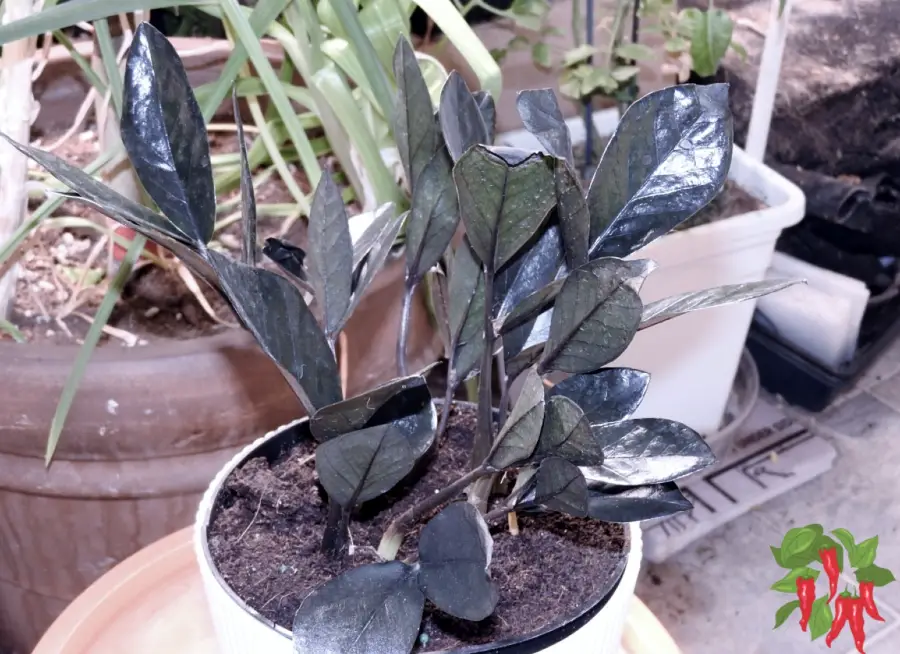
The best low-light houseplants do more than simply survive in darker corners—they continue growing, producing healthy foliage, and bringing life to your home even when sunlight is limited.
Finding indoor plants that grow well in low-light conditions can be frustrating. Many plants are advertised as “low light,” but there’s a big difference between surviving in a dim corner and actually growing into a healthy, attractive houseplant.
Over the years, I’ve learned that low light is one of the most misunderstood terms in indoor gardening. A plant may stay alive for months in poor light while producing little new growth, smaller leaves, or long, weak stems. That isn’t thriving.
Fortunately, several houseplants genuinely perform well in lower light. Plants like ZZ Plant, Snake Plant, Cast Iron Plant, Chinese Evergreen, and Parlor Palm remain some of the best choices for darker rooms, apartments, offices, and spaces farther from windows.
Even plants known for tolerating low light, such as Pothos and Heartleaf Philodendron, often become fuller and more vigorous when they receive brighter indirect light or supplemental LED grow lighting.
In this guide, I’ll compare the best low-light houseplants, explain what low light really means, and help you choose the right plant for your home instead of relying on misleading plant labels.
What You’ll Learn
- What “low light” actually means for indoor plants
- The best indoor plants that truly thrive in lower light
- Which plants tolerate low light but grow better with more brightness
- How to recognize when a plant needs more light
- Simple ways to improve low-light growing conditions
- How to choose the right low-light plant for each room
Quick Answer: The best low-light indoor plants include ZZ Plant, Snake Plant, Cast Iron Plant, Chinese Evergreen, Parlor Palm, Peace Lily, Lucky Bamboo, Pothos, Heartleaf Philodendron, Bird’s Nest Fern, Spider Plant, Dieffenbachia, and English Ivy. While all tolerate lower light levels, some truly thrive in them while others perform noticeably better with brighter indirect light.
Low-Light Indoor Plants at a Glance
| Plant | Low-Light Performance | Best Feature | Difficulty |
|---|---|---|---|
| ZZ Plant | Excellent | Nearly indestructible | Easy |
| Snake Plant | Excellent | Handles neglect well | Easy |
| Cast Iron Plant | Excellent | Extremely durable | Easy |
| Chinese Evergreen | Excellent | Beautiful colorful foliage | Easy |
| Parlor Palm | Excellent | Classic indoor palm | Easy |
| Peace Lily | Very Good | Elegant white flowers | Easy |
| Pothos | Very Good | Fast-growing vines | Easy |
| Heartleaf Philodendron | Very Good | Trailing or climbing | Easy |
| Bird’s Nest Fern | Good | Large tropical fronds | Easy |
| Spider Plant | Good | Produces baby plants | Easy |
| Lucky Bamboo | Very Good | Can grow in water | Easy |
| Dieffenbachia | Good | Bold variegated leaves | Easy |
| English Ivy | Good | Trailing vines | Moderate |
How Well Do These Plants Handle Low Light?
| Plant | Tolerates Low Light | Actually Thrives | Beginner Friendly |
|---|---|---|---|
| ZZ Plant | ★★★★★ | ★★★★☆ | ★★★★★ |
| Snake Plant | ★★★★★ | ★★★★☆ | ★★★★★ |
| Cast Iron Plant | ★★★★★ | ★★★★★ | ★★★★★ |
| Chinese Evergreen | ★★★★★ | ★★★★★ | ★★★★☆ |
| Parlor Palm | ★★★★☆ | ★★★★☆ | ★★★★★ |
| Peace Lily | ★★★★☆ | ★★★★☆ | ★★★★☆ |
| Lucky Bamboo | ★★★★☆ | ★★★★☆ | ★★★★★ |
| Pothos | ★★★★☆ | ★★★★☆ | ★★★★★ |
| Heartleaf Philodendron | ★★★★☆ | ★★★★☆ | ★★★★★ |
| Bird’s Nest Fern | ★★★☆☆ | ★★★★☆ | ★★★★☆ |
| Spider Plant | ★★★☆☆ | ★★★☆☆ | ★★★★★ |
| Dieffenbachia | ★★★☆☆ | ★★★★☆ | ★★★★☆ |
| English Ivy | ★★★☆☆ | ★★★☆☆ | ★★★☆☆ |
What Does Low Light Really Mean?
One of the biggest misconceptions about houseplants is that low light means no light. Every plant needs light to produce energy through photosynthesis. A low-light plant is simply one that can continue growing with less light than most other indoor plants.
In practical terms, low light usually means locations such as north-facing windows, several feet back from an east-facing window, bright offices with artificial lighting, or rooms that receive indirect daylight for much of the day.
Completely dark hallways, closets, and windowless bathrooms generally do not provide enough light for healthy long-term growth unless you supplement with LED grow lights.
From My Experience: I’ve found that “low light” is one of the most misunderstood terms in indoor gardening. Many plants can survive in lower light for quite a while, but they won’t necessarily thrive there. Even my Pothos and Heartleaf Philodendrons become fuller and produce larger leaves when I move them closer to brighter windows or place them under LED grow lights.
The Best Plants That Truly Thrive in Low Light
Some houseplants genuinely perform well in lower light instead of simply tolerating it. These are the plants I recommend first when someone wants reliable greenery for darker rooms, apartments, or offices.
ZZ Plant
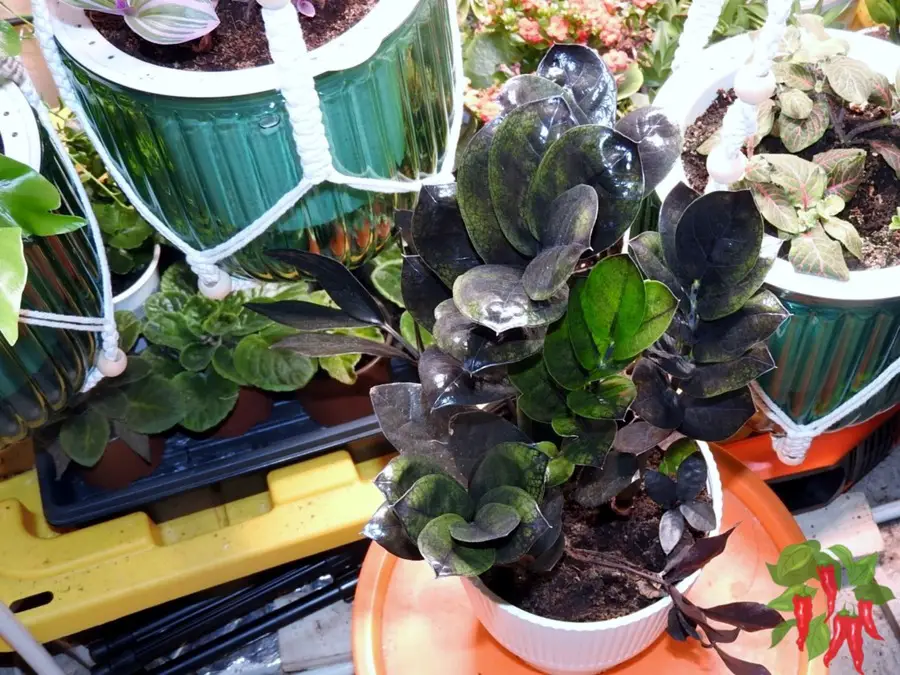
ZZ Plant has earned its reputation as one of the toughest houseplants available. Thick underground rhizomes store water, allowing the plant to tolerate missed waterings while remaining attractive in lower light conditions.
Although growth slows in darker rooms, healthy plants maintain glossy foliage and continue producing new stems over time, making them one of the best true low-light choices.
Learn more in my Zanzibar Gem Care Guide and Black Raven ZZ Plant Care Guide.
Snake Plant
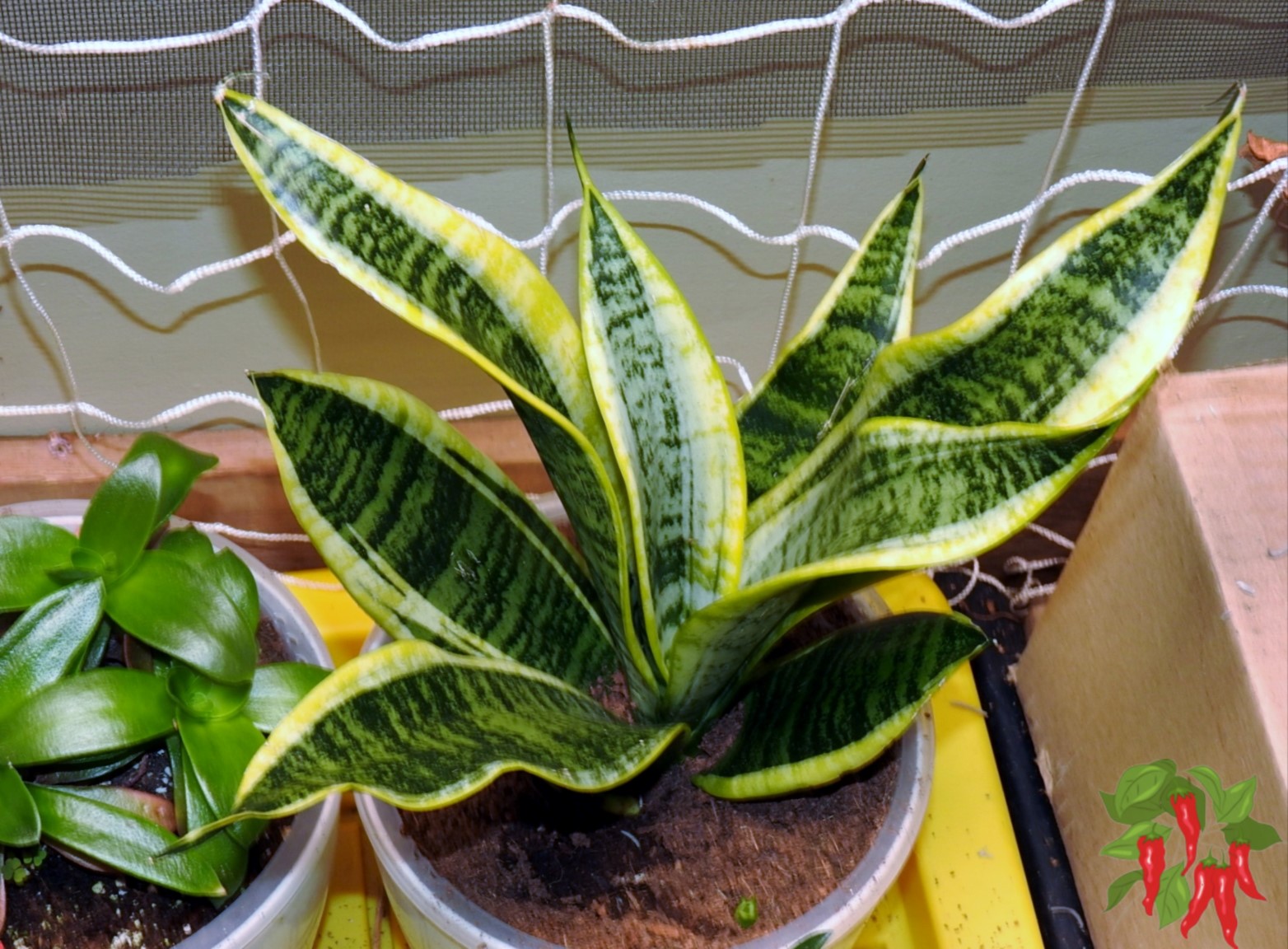
Snake Plant is another excellent option for lower-light rooms. Its upright leaves occupy very little space, making it ideal for bedrooms, hallways, offices, and apartments.
Like the ZZ Plant, it adapts to a wide range of indoor conditions and remains one of the easiest plants for beginners to grow successfully.
See my Indoor Snake Plant Care Guide.
Cast Iron Plant
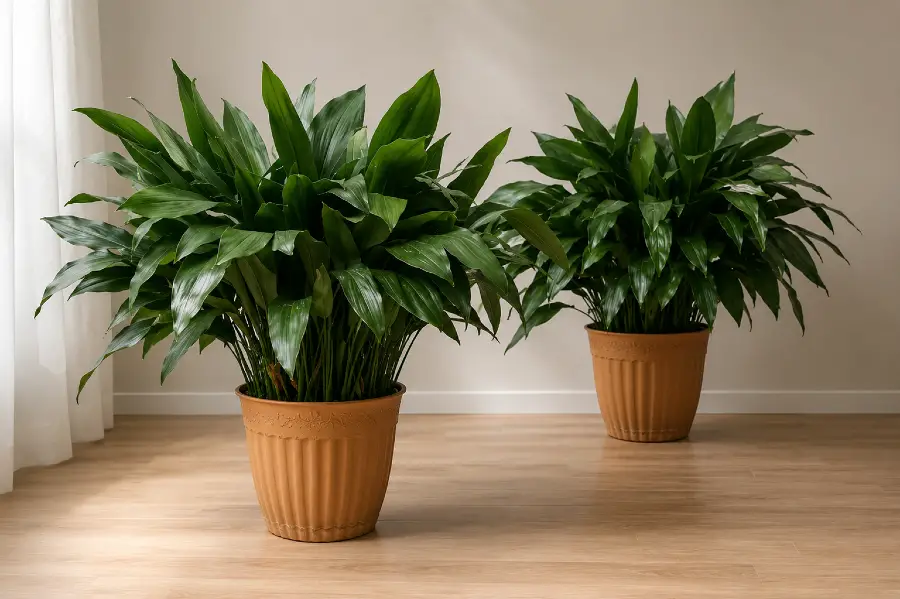
Cast Iron Plant lives up to its name. It tolerates low light, inconsistent watering, temperature fluctuations, and ordinary household conditions better than almost any other houseplant.
It isn’t a fast grower, but if you’re looking for a dependable plant that stays attractive with very little attention, it’s one of the best choices you can make. The glossy, upright leaves bring a simple elegance to darker corners where many other plants struggle.
Learn more in my Cast Iron Plant Indoor Care Guide.
Chinese Evergreen
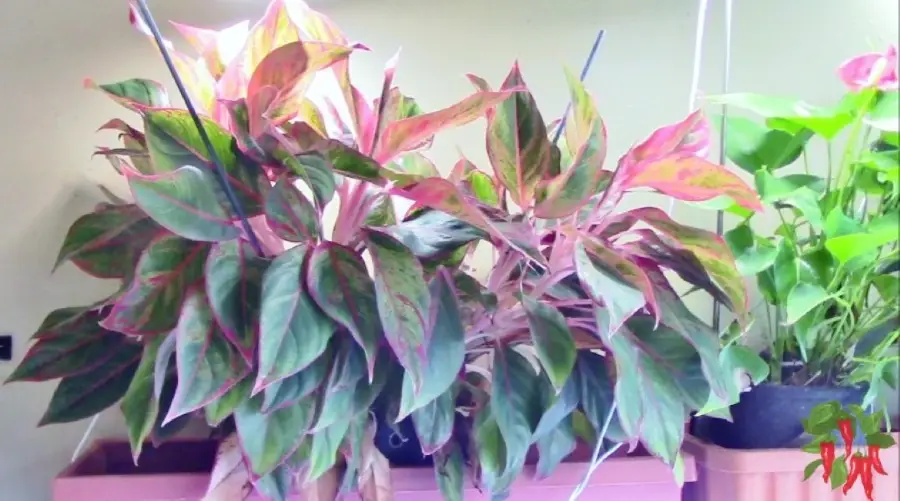
Chinese Evergreen combines attractive foliage with excellent low-light performance. Modern varieties offer beautiful shades of green, silver, cream, pink, and even red, making them one of the most colorful plants you can grow indoors.
Although brighter indirect light usually produces stronger color, Chinese Evergreens continue growing well in conditions that would cause many tropical plants to decline.
Learn more in my Aglaonema Care Indoors Guide and Red Chinese Evergreen Care Guide.
Parlor Palm
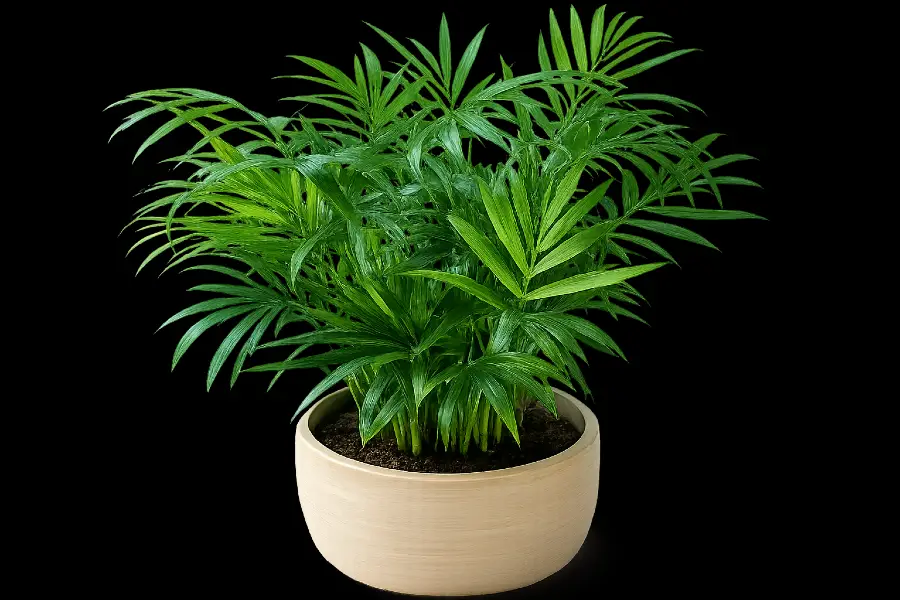
Parlor Palm has been grown indoors for generations because it adapts well to average household lighting. Its fine-textured fronds give rooms a tropical feel without requiring bright sunlight.
While it grows slowly compared to larger palms, healthy plants remain attractive for many years and fit comfortably into apartments, offices, and smaller homes.
Learn more in my Parlor Palm Indoor Care Guide.
Peace Lily
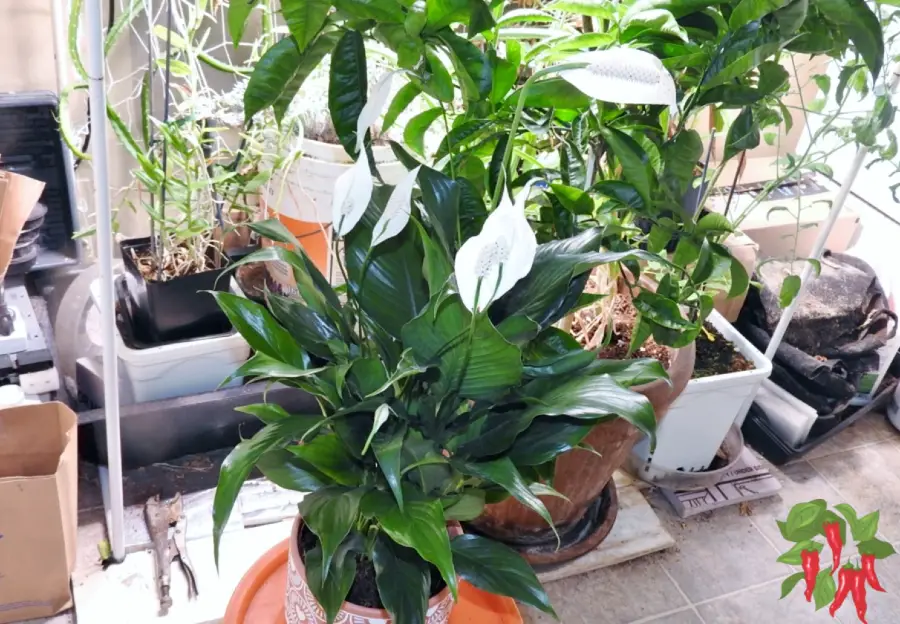
Peace Lily is one of the few low-light houseplants that also rewards growers with elegant white flowers. Although flowering improves with brighter indirect light, the glossy foliage remains attractive in lower-light rooms.
One feature many beginners appreciate is that Peace Lily often droops when it becomes thirsty, making it easier to recognize when watering is needed.
Learn more in my How to Care for Peace Lily Indoors guide and Peace Lily Care for Beginners.
Lucky Bamboo
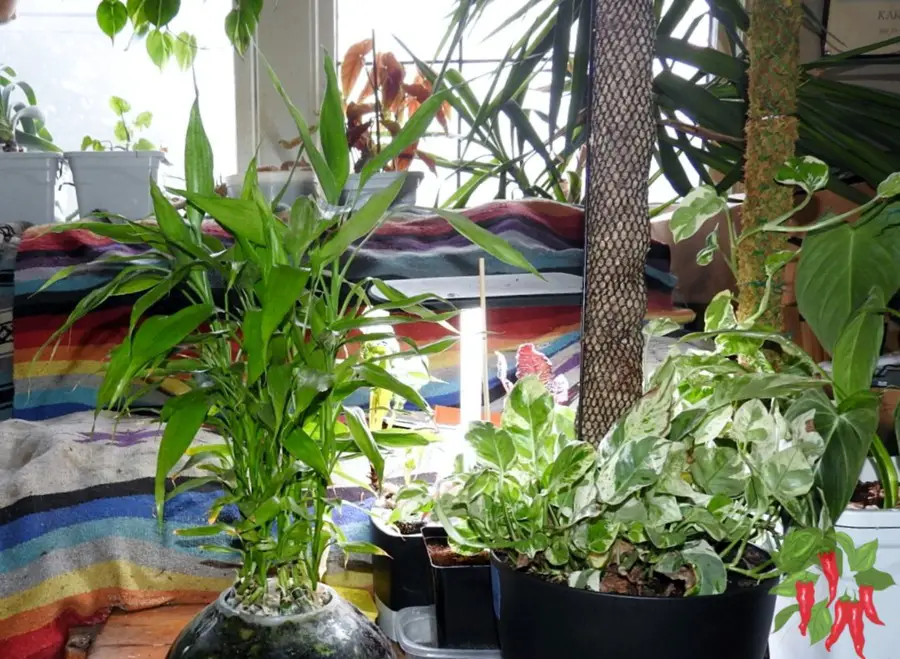
Lucky Bamboo has remained popular for decades because it grows well indoors and can be displayed in either water or potting mix. It performs well under moderate to lower light conditions and is commonly used on desks, shelves, and tabletops.
Although it resembles bamboo, Lucky Bamboo is actually a species of Dracaena. Slow, steady growth and simple care requirements make it another excellent beginner plant.
Learn more in my Planting Lucky Bamboo in Rocks guide and Growing Lucky Bamboo in Pots guide.
Plants That Tolerate Low Light but Grow Better With More
The following plants are often marketed as low-light houseplants. While they can certainly tolerate less light than many flowering or sun-loving plants, I’ve found they become fuller, healthier, and more vigorous when given brighter indirect light.
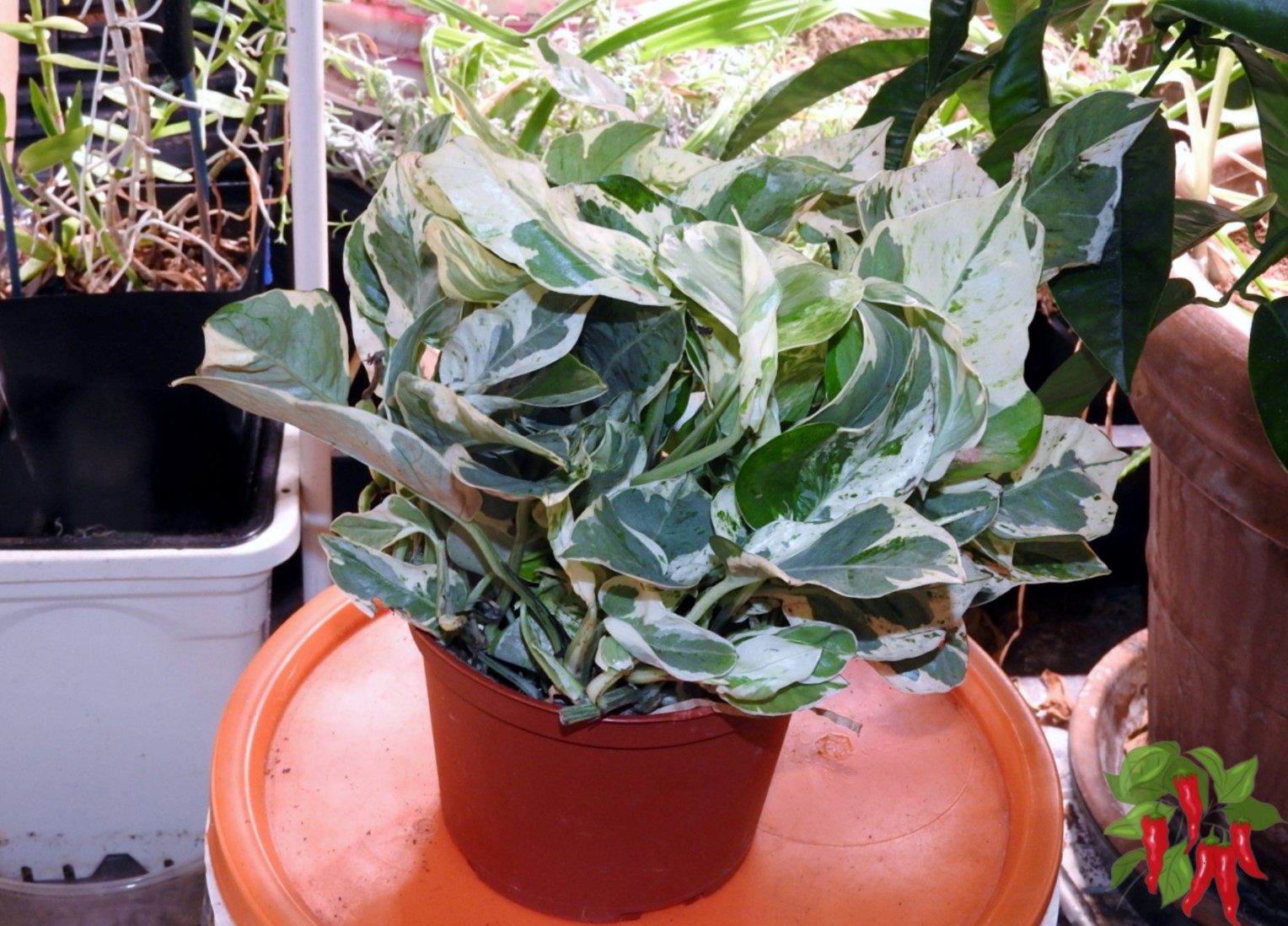
Pothos is incredibly adaptable and will continue growing in relatively low light. However, brighter conditions usually produce fuller vines, shorter spaces between leaves, and stronger variegation.
When grown in darker locations, expect slower growth and smaller leaves. If possible, move the plant closer to a bright window or supplement with LED lighting.
Learn more in my Pothos Indoor Plant Care Guide.
Heartleaf Philodendron
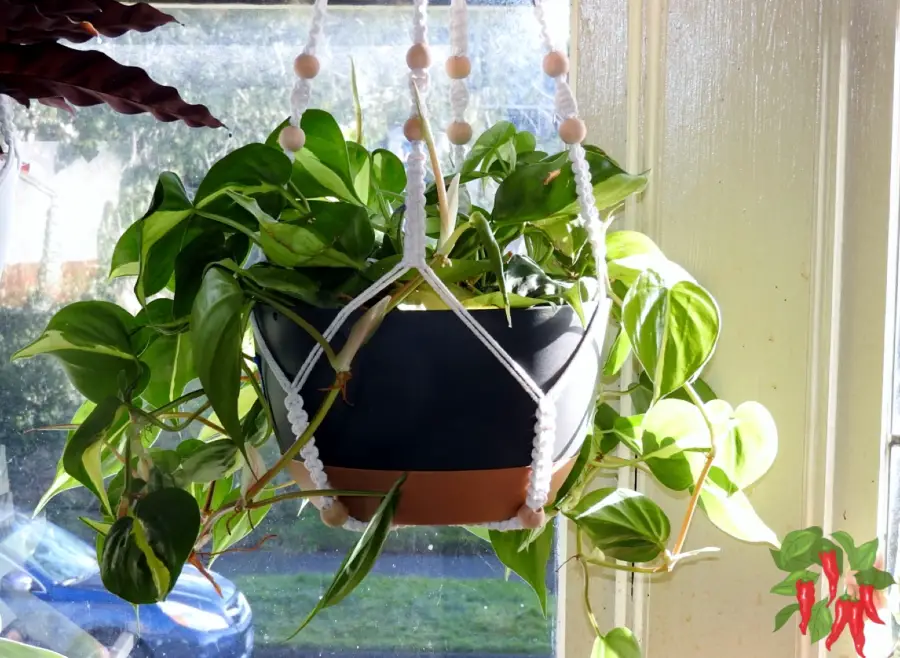
Heartleaf Philodendron behaves much like Pothos. It tolerates lower light surprisingly well, but brighter conditions encourage faster growth, fuller vines, and larger leaves.
I’ve noticed mine become especially vigorous under LED grow lights, producing noticeably denser growth than plants growing farther from windows.
See my Philodendron Care Indoors Guide.
Bird’s Nest Fern
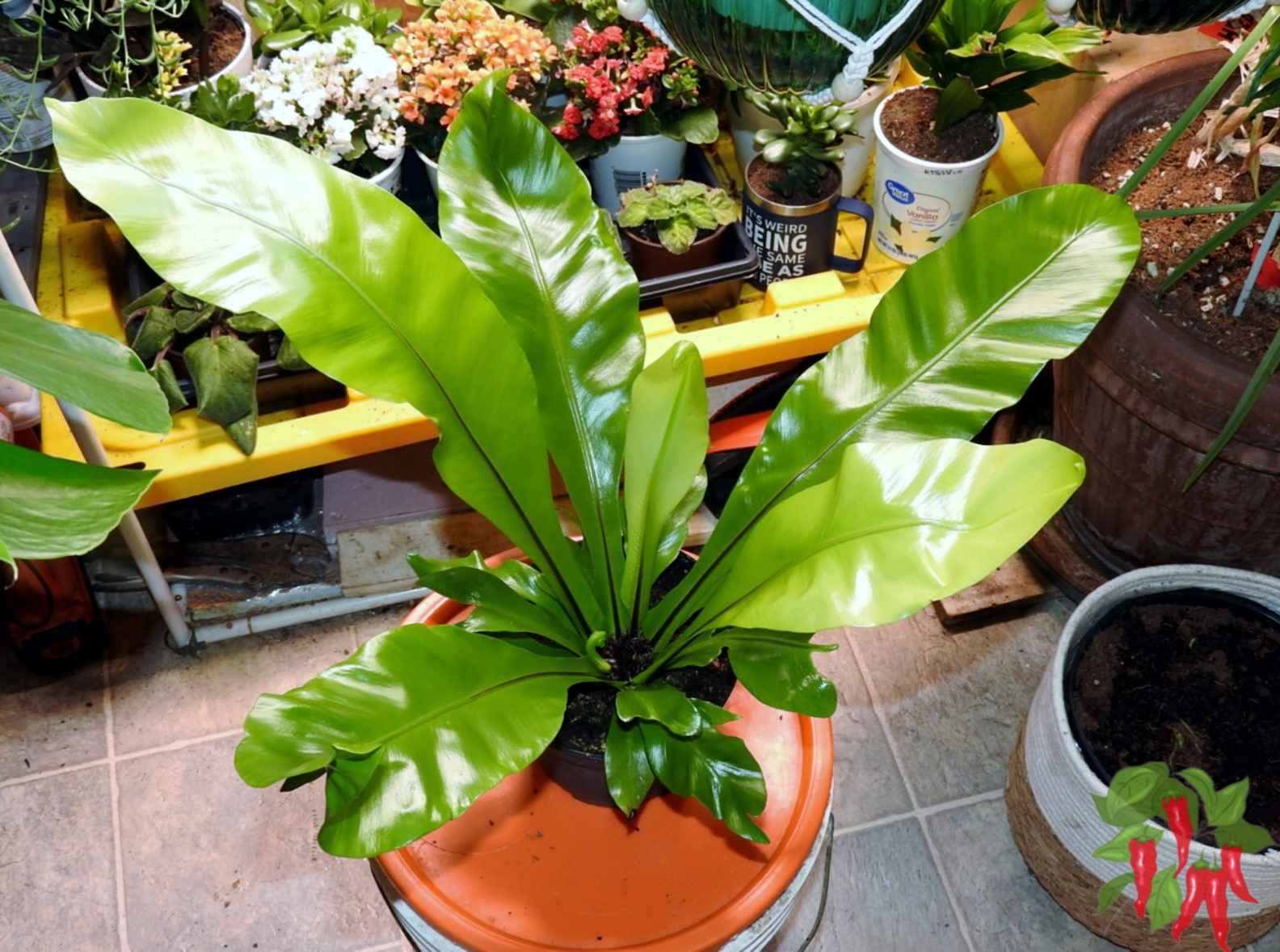
Bird’s Nest Fern naturally grows beneath the forest canopy, making it well adapted to filtered light. It performs well indoors but still appreciates brighter indirect light where it can develop larger, healthier fronds.
Combined with consistent moisture and humidity, good light helps this fern become much fuller over time.
Learn more in my Bird’s Nest Fern Care Guide.
Spider Plant

Spider Plants tolerate lower light, but brighter indirect light encourages stronger growth and more baby plants. If your goal is a large hanging basket filled with cascading plantlets, additional light usually makes a noticeable difference.
See my Spider Plant Care Guide.
Dieffenbachia
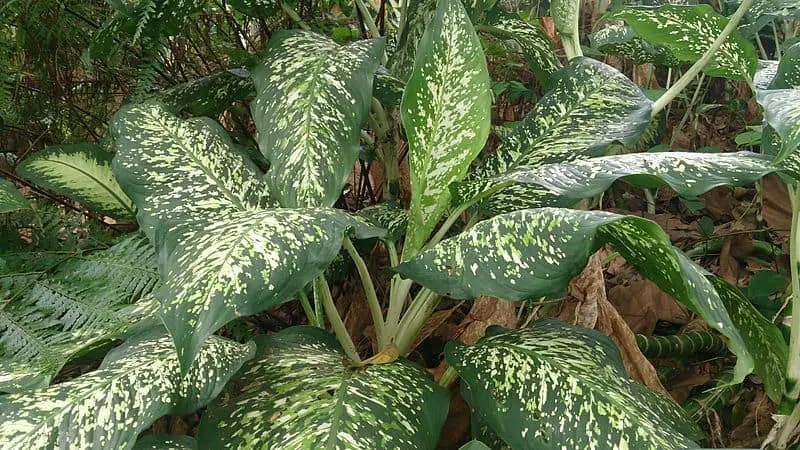
Dieffenbachia grows well in moderate indoor light and tolerates somewhat darker rooms, although its beautiful variegated foliage is often more colorful when the plant receives brighter indirect light.
It makes an excellent statement plant with large tropical leaves while remaining relatively easy to grow.
See my Dieffenbachia Care Guide.
English Ivy
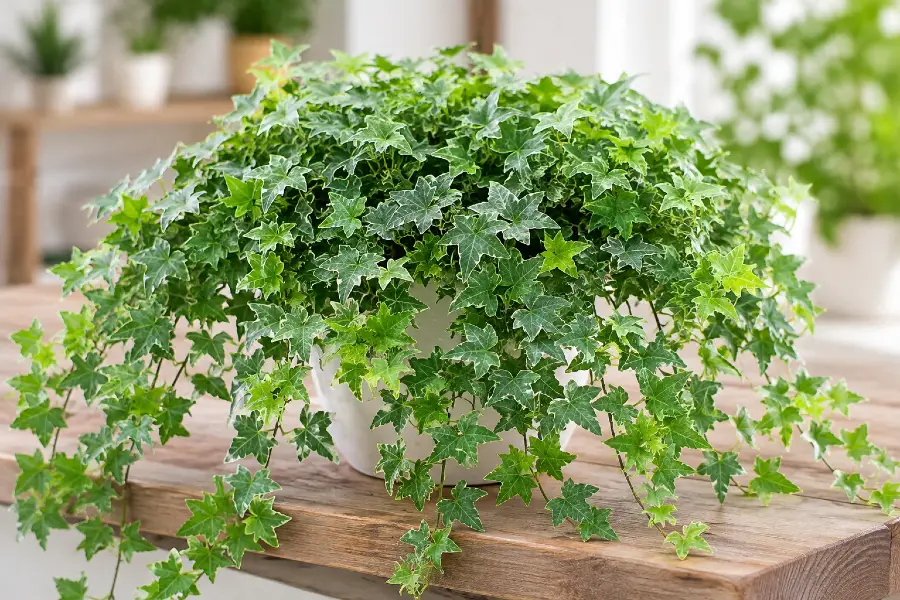
English Ivy adapts to lower light but generally grows more densely in brighter locations. It works well in hanging baskets, on shelves, or trained around decorative supports.
Good air circulation and consistent watering help keep it looking its best indoors.
Learn more in my English Ivy Care Guide.
Remember: There’s a difference between a plant surviving in low light and thriving there. If you want faster growth, larger leaves, and fuller foliage, moving a plant a little closer to a bright window often makes a remarkable difference.
Signs Your Low-Light Plant Needs More Light
Even the best low-light houseplants have their limits. A plant may remain alive for months while quietly telling you it would be happier with a little more light. Learning to recognize these signs helps prevent long-term decline.
Smaller New Leaves
One of the first signs of inadequate light is a noticeable reduction in leaf size. If new leaves are much smaller than older ones, the plant may not be producing enough energy to support vigorous growth.
Slower Growth
Plants naturally grow more slowly during winter, but if almost no new growth appears for many months during the growing season, lighting may be the limiting factor.
Long Spaces Between Leaves
Trailing plants such as Pothos and Heartleaf Philodendron often produce long bare sections between leaves when searching for more light. This stretched growth is commonly called legginess.
Leaning Toward the Window
Many houseplants naturally grow toward their primary light source. If your plant consistently leans in one direction, rotate the pot occasionally or move it closer to brighter indirect light.
Loss of Variegation
Variegated plants often produce greener leaves when light levels are too low. This allows the plant to create more chlorophyll and capture additional energy.
Quick Tip: If your plant is healthy but growing slowly, try moving it a little closer to a window before changing your watering routine or fertilizer. Better light often makes the biggest difference.
Simple Ways to Improve Low-Light Conditions
You don’t always have to move your plants into direct sunlight. Small changes can noticeably improve growing conditions while still protecting foliage from harsh afternoon sun.
- Move plants closer to a bright window.
- Keep windows clean to maximize natural light.
- Rotate containers every few weeks for even growth.
- Use light-colored walls and nearby surfaces to reflect daylight.
- Add an LED grow light during winter or in darker rooms.
- Avoid placing plants behind heavy curtains or large furniture.
If your home simply doesn’t receive enough natural light, LED grow lights can dramatically improve growth while allowing you to grow a much wider range of houseplants.
For more information, see my Indoor Plants That Thrive Under Grow Lights guide.
Which Low-Light Plant Is Right for You?
The best low-light houseplant depends on your space, growing goals, and the look you’re trying to achieve. Use this quick guide to narrow down your options.
| If You Want… | Best Choice | Why It Fits |
|---|---|---|
| A plant for a dark office | ZZ Plant | Extremely tolerant of lower light and missed waterings. |
| An apartment bedroom | Snake Plant | Compact, upright, and easy to care for. |
| A colorful tropical plant | Chinese Evergreen | Beautiful foliage with excellent low-light performance. |
| An indoor palm | Parlor Palm | Classic tropical appearance that adapts well indoors. |
| Flowers in lower light | Peace Lily | Elegant white blooms with attractive foliage. |
| Trailing vines | Pothos or Heartleaf Philodendron | Excellent for shelves, hanging baskets, or climbing poles. |
| A low-maintenance tropical fern | Bird’s Nest Fern | Large, lush fronds with a tropical look. |
| A hanging basket | Spider Plant | Produces arching foliage and baby plants as it matures. |
| The toughest plant possible | Cast Iron Plant | Handles neglect, low light, and changing indoor conditions. |
Frequently Asked Questions
What is the best indoor plant for a dark room?
ZZ Plant, Cast Iron Plant, Snake Plant, and Chinese Evergreen are among the best choices for rooms with limited natural light. Remember that no houseplant can live indefinitely in complete darkness.
Can indoor plants survive without a window?
Most houseplants need some source of light. If a room has no natural daylight, a quality LED grow light can successfully replace sunlight for many indoor plants.
Do low-light plants grow slowly?
Generally, yes. Plants growing in lower light produce less energy, so growth is usually slower than the same plant receiving brighter indirect light.
Are grow lights worth using for low-light plants?
Absolutely. Supplemental LED lighting often produces fuller growth, larger leaves, and healthier plants while allowing you to grow species that would otherwise struggle in darker areas.
Can I put every houseplant in low light?
No. Many flowering plants, succulents, cacti, and large tropical species need brighter conditions to remain healthy. Always choose plants that naturally tolerate lower light if that’s what your home provides.
Final Thoughts
Choosing the right plant for your available light is one of the best ways to succeed with indoor gardening. While many plants tolerate lower light, only a select group truly thrive there and continue producing attractive foliage year after year.
If you’re just getting started, ZZ Plant, Snake Plant, Cast Iron Plant, Chinese Evergreen, and Parlor Palm are among the easiest and most dependable choices. Pothos, Heartleaf Philodendron, Bird’s Nest Fern, and Spider Plant also perform well, especially when given a little more indirect light.
Remember that “low light” doesn’t mean “no light.” Even the toughest houseplants benefit from brighter conditions whenever possible, and if your home lacks natural light, an LED grow light can dramatically expand the number of plants you can grow successfully.
Where to Go Next
Explore Related Topics
More Low-Light Plant Guides
Growing ZZ Plants Indoors
Learn why ZZ Plants remain one of the easiest and most dependable choices for homes with limited natural light.
Parlor Palm Indoor Care
Discover how this classic indoor palm thrives in lower-light rooms while adding a tropical feel to your home.
Using LED Grow Lights Indoors
See how supplemental lighting can improve growth and expand the range of plants you can successfully grow indoors.