
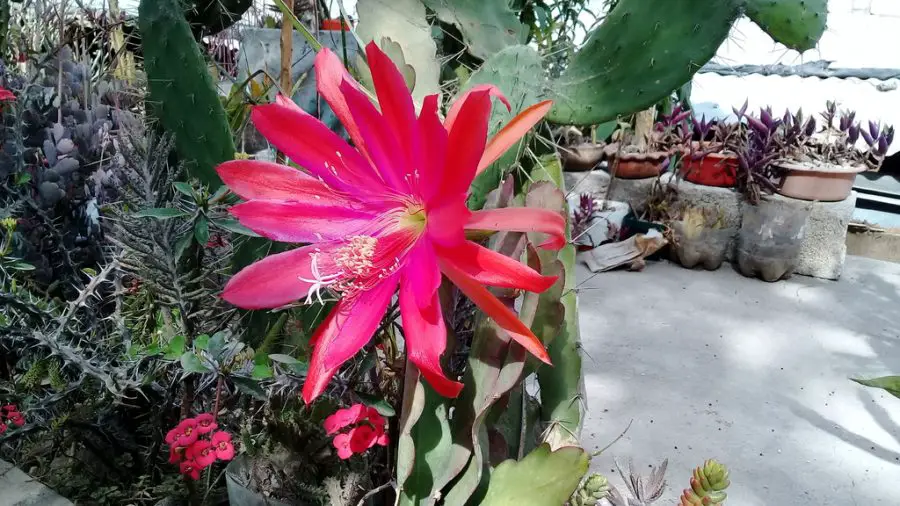
Fishbone Cactus Care is surprisingly simple once you understand how this unusual plant grows in nature. Unlike desert cacti, the Fishbone Cactus (Disocactus anguliger) comes from tropical forests where it grows on trees and enjoys bright filtered light, moderate humidity, and consistent moisture.
Known for its distinctive zig-zag stems and fragrant nighttime blooms, this eye-catching houseplant has become a favorite among indoor gardeners looking for something a little different.
In this guide, you’ll learn everything you need to know about Fishbone Cactus care, including watering, lighting, soil, propagation, troubleshooting common problems, and how to encourage healthy growth and flowering.
What You’ll Learn 🌵
- ☀️ How much light a Fishbone Cactus needs indoors
- 💧 The correct watering schedule
- 🪴 Best soil mixes and containers
- 🌡️ Ideal temperature and humidity levels
- ✂️ How to propagate and prune your plant
- 🚑 Common Fishbone Cactus problems and fixes
- 🌸 Tips for encouraging blooms
Quick Answer: How Do You Care For A Fishbone Cactus?
Fishbone Cactus (Disocactus anguliger) grows best in bright indirect light, a well-draining soil mix, and moderate humidity. Water when the top inch of soil feels dry, reduce watering during winter, and avoid prolonged direct sunlight that can scorch the stems.
Unlike desert cacti, Fishbone Cactus is an epiphytic plant that naturally grows in tropical forests. With the right balance of light, moisture, and airflow, it can reward growers with vigorous trailing growth and fragrant nighttime blooms.
What is Fishbone Cactus (Disocactus anguliger)?

Let’s kick things off by getting to know our star, the fishbone cactus (Disocactus anguliger).
This captivating plant, native to Mexico, is known for its distinctive, flat stems that zig-zag like a fish skeleton, hence its catchy name.
Not only does it boast an intriguing appearance, but it also delights with its nocturnal, fragrant flowers that bloom in the fall.
General Facts About Fishbone Cactus
The fishbone cactus, or Disocactus anguliger, is an epiphytic plant, meaning it naturally grows on other plants, trees, or rocks without causing them harm.
This unique cactus hails from Mexico’s evergreen forests, where it thrives in the wild at elevations between 3,600 and 5,900 feet.
Fishbone Cactus Aerial Roots
A fascinating feature of the fishbone cactus is its aerial roots. These roots emerge from the plant’s stem and help it attach to surfaces, like tree trunks or rocks.
In an indoor setting, the aerial roots may seem a bit peculiar, but they’re just a natural part of this cactus’s growth and charm!
Fishbone Cactus Flower
One of the highlights of caring for a fishbone cactus is the enchanting flowers it produces.
These nocturnal blossoms open at night and exude a sweet, alluring fragrance.
Typically, the flowers are white or pale yellow and can be 2.4-7.9 inches long and 2.4-2.8 inches wide.
Enjoy them while they last, as they usually bloom in late autumn or early winter.
Fishbone Cactus Fruit
After the flowers have bloomed, the fishbone cactus produces small, ovoid fruits that are brownish, greenish, or yellowish.
The fruit’s interior resembles that of kiwifruit, with green pulp and tiny black seeds. Not only is the fruit visually appealing, but it’s also edible and quite tasty!
Fishbone Cactus Plant Size
The fishbone cactus can grow quite large, with secondary stems reaching lengths of 7.9-11.8 inches and widths of 1.2-2 inches.
The overall plant width can reach 3 feet making it an excellent candidate for a hanging basket.
These stems are flat, succulent, and deeply lobed, making them a real eye-catcher in any space. The primary stems may become woody as the plant matures.
Fishbone Cactus Blooming Time
As mentioned earlier, the fishbone cactus blooms in late autumn or early winter, bringing a delightful splash of beauty and fragrance to your home during the cooler months.
These nocturnal blooms are a reward for the careful attention and love you’ve given to your fishbone cactus throughout the year.
Fishbone Cactus Benefits

Not only does the fishbone cactus add a touch of visual interest to your space with its unique zig-zag stems, but it also has a knack for brightening up your home with its fragrant, nocturnal blooms.
In this section, we’ll dive deeper into the wonderful advantages of incorporating a fishbone cactus into your indoor garden and explore how it can elevate your well-being and living space.
The Benefits Of Having A Fishbone Cactus In Your Home:
Aesthetically Pleasing: The unique zig-zag pattern of the fishbone cactus adds a touch of visual interest and a conversation starter to your indoor space. It’s sure to catch the eye of anyone who visits your home.
Fragrant Flowers: The fishbone cactus produces enchanting, nocturnal blooms that fill your home with a sweet, alluring fragrance, creating a pleasant and inviting atmosphere.
Air Purification: Fishbone cacti are known to help purify the air by absorbing pollutants like carbon dioxide and releasing fresh oxygen, contributing to a healthier indoor environment.
Low-Maintenance Care: This cactus is relatively easy to care for, making it an excellent choice for both seasoned plant enthusiasts and beginners.
Its low-maintenance nature means you can enjoy the beauty and benefits of the plant without too much hassle.
Edible Fruit: The fishbone cactus produces small, ovoid fruits that are not only visually appealing but also edible and tasty.
They offer a fun and unique addition to your homegrown fruit collection.
Stress Reduction: Caring for plants, including the fishbone cactus, can be a therapeutic and relaxing hobby.
Tending to your cactus can help reduce stress and promote a sense of well-being.
Boosts Creativity and Focus: Studies have shown that having plants in your living or working space can improve concentration, productivity, and creativity.
The fishbone cactus, with its striking appearance, can be an inspiring addition to your home or office.
Fishbone Cactus Care In A Nutshell
 In this section, we’ll walk you through the basic essential steps and tips for fishbone cactus care.
From providing the right amount of light to watering and feeding, we’ll make sure you have all the knowledge you need to keep your fishbone cactus happy and healthy.
Further down in this post, we will cover fishbone cactus care in greater detail.
Ideal Growing Environment
Creating the perfect environment for your fishbone cactus is key to helping it thrive.
Since it’s an epiphytic plant, it prefers a slightly different environment than your typical desert cactus.
Here are some aspects to consider when setting up your fishbone cactus’s new home:
Light: Fishbone cacti enjoy bright, indirect light. A spot near a window with filtered sunlight or a shaded area on a patio would be perfect.
Too much direct sunlight can cause sunburn or damage the plant’s delicate foliage.
Temperature: These cacti prefer temperatures between 50-85°F, with some tolerance for short dips in temperature.
Keep your fishbone cactus away from drafts or cold windows during the winter months.
Humidity: Fishbone cacti are native to humid environments, so they’ll appreciate higher humidity levels in your home.
Aim for around 40-60% humidity. You can achieve this by placing a humidifier nearby, using a pebble tray with water, or misting the plant regularly.
Tips for Success
To help your fishbone cactus flourish, follow these tips and tricks to ensure its well-being:
Watering: Allow the top inch of the soil to dry out between waterings. Overwatering can cause root rot, so it’s essential to find the right balance.
Reduce watering frequency during the winter months when the plant is dormant.
Soil and Potting: Use a well-draining soil mix, such as a blend of peat moss, perlite, and orchid bark.
Make sure to choose a pot with drainage holes to prevent waterlogging.
Fertilizing: Feed your fishbone cactus with a balanced, water-soluble fertilizer diluted to half-strength during the growing season (spring and summer).
Apply the fertilizer once a month to provide essential nutrients for growth and blooming.
Pruning and Maintenance: Regularly remove any dead or damaged stems to encourage healthy growth.
Pruning can also help maintain the desired shape and size of your fishbone cactus.
Repotting: Fishbone cacti enjoy being slightly root-bound, so you’ll only need to repot every 2-3 years or when the plant has outgrown its current pot.
Choose a pot that’s just one size larger than the current one, and use fresh, well-draining soil.
Fishbone Cactus Light

We’ll discuss the best spots in your home to place your plant and how to ensure it receives the right amount of light to thrive.
So, let’s dive in and help your fishbone cactus bask in the perfect glow!
Optimal Light Conditions
Finding the perfect balance of light for your fishbone cactus will help it grow strong and healthy.
Here’s what you need to know about providing the right lighting:
Bright Indirect Light: Fishbone cacti love bright, indirect light.
Place your plant near a window that receives plenty of sunlight, but ensure that it’s filtered or diffused to avoid direct rays.
Sheer curtains or blinds can help soften the sunlight if needed.
Outdoor Shaded Area: If you live in a warmer climate and would like to keep your fishbone cactus outdoors, find a shaded area on your patio or balcony.
This will allow your plant to enjoy the warmth and fresh air without risking sunburn or damage from harsh sunlight.
Artificial Light: If your home doesn’t receive enough natural light, consider using artificial light sources like a LED grow light or fluorescent bulb.
These can provide the necessary light intensity for your fishbone cactus to grow and even bloom. Place your artificial light on a timer.
Signs of Inadequate Light
Just like any plant, a fishbone cactus can show signs of distress if it’s not receiving enough light.
Here are some indications that your cactus may need more light:
Leggy Growth: If your fishbone cactus starts to grow long, thin, and stretched-out stems, it might be searching for more light.
This is known as etiolation and is a common sign that your plant isn’t receiving enough light to support healthy, compact growth.
Lack of Blooming: One of the highlights of fishbone cactus care is the beautiful, fragrant flowers it produces.
However, if your plant doesn’t receive enough light, it may not bloom at all or produce fewer flowers than usual.
Pale or Yellowing Stems: If your fishbone cactus begins to look pale or the stems turn yellow, this could be a sign of too much direct sunlight.
Move your plant to a spot with more diffused or filtered light to prevent further damage.
Best Indoor Locations For Fishbone Cactus
Choosing the right location can make a significant difference in how well a Fishbone Cactus grows indoors. This tropical cactus prefers bright conditions but generally performs best when protected from harsh afternoon sun.
East-Facing Windows
East-facing windows provide gentle morning sunlight followed by bright indirect light throughout the day. This is often one of the best locations for healthy growth.
Bright North-Facing Windows
Large north-facing windows can provide enough indirect light while protecting the plant from excessive heat and sun scorch.
A Few Feet From South-Facing Windows
If you have a bright south-facing window, placing the plant a few feet back can provide strong filtered light without exposing the stems to intense direct sun.
Hanging Baskets Near Bright Windows
Fishbone Cactus is an excellent hanging basket plant. Suspending it near a bright window allows the zig-zag stems to cascade naturally while receiving adequate light.
Plant Shelves With Grow Lights
LED grow lights work well in darker homes and can help maintain compact growth during winter months.
Avoid Dark Corners
Low-light conditions often lead to weak, stretched growth and may reduce the likelihood of flowering.
Temperature and Humidity

In this section, we’ll discuss the ideal temperature range and humidity levels for your fishbone cactus, ensuring it feels right at home.
Ideal Temperature Range
Keeping your fishbone cactus comfortable means providing it with the right temperature range.
Here’s what you need to know about maintaining the perfect climate for your plant:
Preferred Range: Fishbone cacti thrive in temperatures between 50-85°F.
They can tolerate some fluctuations, but it’s best to keep them within this range for optimal growth and health.
Avoid Extremes: Sudden temperature changes or extreme cold can harm your fishbone cactus.
Keep it away from drafty windows, air conditioning vents, or heating sources to avoid sudden temperature shifts.
Ideal Humidity Levels
Fishbone cacti appreciate a bit of humidity in their environment. Here’s what you should aim for to keep your plant happy:
Target Range: A humidity level of 40-60% is ideal for fishbone cacti. They are native to humid environments, so they’ll feel right at home with a bit of moisture in the air.
Monitor Humidity: Use a hygrometer to measure the humidity in your home, ensuring that it falls within the ideal range for your fishbone cactus.
Tips for Maintaining Optimal Temperature and Humidity
Creating the perfect climate for your fishbone cactus is easier than you might think.
Follow these tips to keep your plant in its ideal environment:
Group Plants: Placing your fishbone cactus near other plants can help increase humidity levels, as the plants release moisture through a process called transpiration.
Pebble Tray: Fill a shallow tray with pebbles and water, then place your fishbone cactus pot on top.
As the water evaporates, it’ll create a more humid microclimate around your plant.
Misting: Gently mist your fishbone cactus with water to increase humidity.
Be sure to use room-temperature water and a fine spray to avoid over-saturating the plant.
Humidifier: Consider investing in a humidifier if your home’s air is particularly dry.
This can help maintain consistent humidity levels for your fishbone cactus and other humidity-loving plants.
Fishbone Cactus Watering

In this section, we’ll dive into the art of watering your fishbone cactus, covering everything from frequency to the best techniques.
Watering Frequency
Finding the right watering schedule for your fishbone cactus is key to its well-being.
Here’s what you need to know to keep your plant properly hydrated:
General Rule: Allow the top inch of the soil to dry out between waterings.
This will help prevent overwatering and ensure that your fishbone cactus receives the right amount of moisture.
Seasonal Adjustments: During the winter months, your fishbone cactus will enter a period of dormancy, so it’s essential to reduce the watering frequency.
Keep an eye on the soil moisture and adjust your watering schedule accordingly.
Overwatering vs. Underwatering
Striking the right balance between overwatering and underwatering is crucial for your fishbone cactus.
Here’s how to distinguish between the two and find the perfect balance:
Overwatering: Giving your fishbone cactus too much water can lead to root rot and other health issues.
If the soil remains soggy or waterlogged, it’s a sign that you’re overwatering your plant.
Underwatering: On the other hand, if the soil is consistently dry and your fishbone cactus starts to show signs of distress, you might not be providing enough water.
It’s essential to find the right balance to maintain your plant’s health.
Signs of Improper Watering
Your fishbone cactus will show specific signs if it’s not receiving the proper amount of water. Here’s what to look for:
Overwatering Symptoms: Yellowing leaves, a mushy or rotten base, and a foul smell can all be indications of overwatering.
If you notice any of these signs, cut back on watering and let the soil dry out before watering again.
Underwatering Symptoms: Wrinkled or shriveled stems, slow growth, and drooping leaves can signal that your fishbone cactus is not receiving enough water.
Increase your watering frequency to help your plant bounce back.
By monitoring your fishbone cactus’s watering needs and adjusting your schedule as needed, you’ll help your plant grow strong and healthy, showcasing its captivating foliage and blooms.
Fishbone Cactus Soil and Pots (Coco Coir)

In this section, we’ll explore the best types of soil and pots to ensure your fishbone cactus thrives, with a special focus on coco coir as a fantastic option.
Soil Requirements
To keep your fishbone cactus healthy, it’s essential to provide it with the right type of soil. Here’s what you should look for:
Well-Draining Mix: Fishbone cacti require a well-draining soil mix to prevent root rot and overwatering.
Look for a mix that contains ingredients like perlite, vermiculite, or sand to ensure proper drainage.
Organic Matter: As an epiphytic plant, the fishbone cactus thrives in soil with a high amount of organic matter.
Consider adding peat moss, bark, or compost to your mix for added nutrients and moisture retention.
Benefits of Using Coco Coir
Coco coir is an excellent choice for fishbone cactus soil due to its unique properties.
Here are some benefits of using coco coir:
Improved Drainage: Coco coir helps to improve soil drainage, preventing waterlogged roots and promoting overall plant health.
Moisture Retention: While it drains well, coco coir also retains moisture, ensuring that your fishbone cactus stays hydrated without becoming waterlogged.
Sustainability: Coco coir is an eco-friendly, renewable resource made from coconut husks, making it a sustainable choice for your fishbone cactus soil.
Choosing the Right Pot
Selecting the perfect pot for your fishbone cactus is crucial for its growth and well-being.
Here are some tips to help you make the right choice:
Drainage Holes: Choose a pot with drainage holes to prevent waterlogging and root rot.
This will allow excess water to escape and keep your fishbone cactus’s roots healthy.
Material: Consider using terra cotta or ceramic pots, as they allow for better air circulation and moisture evaporation.
However, plastic pots can work as well if you’re diligent about monitoring soil moisture.
Use in Hanging Baskets
Fishbone cacti are perfect candidates for hanging baskets due to their trailing growth habit.
Here’s what you need to know about using hanging baskets for your fishbone cactus:
Basket Material: Choose a hanging basket made from wire, plastic, or natural fibers. Ensure that it has drainage holes and is large enough to accommodate your plant’s growth.
Lining: Line your hanging basket with sphagnum moss, coconut fiber, or another material that helps retain moisture while still allowing for proper drainage.
Placement: Hang your fishbone cactus in a spot with bright, indirect light to showcase its unique foliage and encourage healthy growth.
By providing the right soil, pot, and environment for your fishbone cactus, you’ll create a nurturing home where it can grow and thrive, enchanting you with its captivating appearance and blooms.
Fishbone Cactus Fertilizer

Feeding your fishbone cactus the right nutrients is like giving it a gourmet meal, ensuring it has everything it needs to flourish and bloom.
From choosing the perfect fertilizer to knowing when and how much to apply, we’ve got you covered.
Fertilizer Types and Frequency
Feeding your fishbone cactus with the right nutrients is crucial for its growth and well-being.
Here’s what you need to know about fertilizer types and frequency:
Balanced Fertilizer: Choose a balanced, water-soluble fertilizer with a formulation like 10-10-10 or 20-20-20, which provides equal parts of nitrogen, phosphorus, and potassium.
These nutrients support healthy foliage, root development, and flowering. Look for a fertilizer that also provides essential micronutrients in its formula.
Fertilizing Frequency: During the active growing season (spring and summer), feed your fishbone cactus once a month.
In the fall, reduce fertilizing to every other month, and in winter, when the plant is resting, you can skip fertilizing altogether.
Signs of Over-fertilization or Under-fertilization
Keeping an eye out for signs of over-fertilization or under-fertilization can help you maintain your fishbone cactus’s health.
Here’s what to look for:
Over-fertilization: Signs of over-fertilization include yellowing leaves, burned leaf tips, or a wilted appearance even when the soil is moist.
If you notice these symptoms, reduce the frequency and amount of fertilizer you’re using and flush the soil with water to remove excess salts.
Under-fertilization: If your fishbone cactus has slow growth, pale leaves, or reduced blooming, it may be under-fertilized or show a nutrient deficiency.
In this case, start applying a balanced fertilizer with trace minerals at the recommended frequency and observe the plant’s response.
How Fishbone Cactus Grows Indoors
Unlike upright desert cacti, Fishbone Cactus develops long, flattened stems that gradually trail as the plant matures. This growth habit makes it particularly attractive in hanging baskets and elevated containers.
Healthy plants produce new segments throughout the growing season, creating the distinctive zig-zag appearance that gives the plant its common name. With adequate light and proper care, stems can reach several feet in length.
Because it naturally grows as an epiphyte in tropical forests, Fishbone Cactus appreciates good airflow around its stems and roots. This helps reduce the risk of rot while supporting steady growth.
Fishbone Cactus Propagation

In this section, we’ll guide you through the steps to successfully propagate your fishbone cactus, turning a single plant into several gorgeous, thriving specimens.
Stem Cuttings Method
Propagating your fishbone cactus through stem cuttings is both simple and rewarding.
Here’s a step-by-step guide to help you through the process:
Prepare Your Tools: Gather a sharp, clean pair of pruning shears or scissors, a small pot with drainage holes, and a well-draining potting mix.
Take a Cutting: Choose a healthy stem from your fishbone cactus and make a clean cut, ideally 4-6 inches long. Remove any lower leaves or branches to leave a clean stem section.
Allow to Callus: Allow the cut end of the stem to dry and form a callus for 3-5 days. This helps prevent rotting when you plant the cutting.
Plant the Cutting: Fill the pot with potting mix and make a small hole for the cutting. Insert the callused end into the soil and gently firm the mix around it to provide support.
Provide Optimal Conditions: Place the pot in a location with bright, indirect light and maintain the same temperature and humidity conditions as the parent plant.
Water Sparingly: Water the cutting sparingly until you see new growth, indicating that it has rooted. Then, gradually increase watering to match the parent plant’s routine.
Tips for Successful Propagation
Follow these tips to ensure your fishbone cactus propagation is a success:
Patience is Key: Rooting can take anywhere from a few weeks to a couple of months, so be patient and give your cutting time to establish itself.
Avoid Overwatering: Too much water can lead to rotting, so water sparingly until the cutting has rooted and shows signs of growth.
Monitor Progress: Keep an eye on your cutting for signs of growth or any issues like pests or diseases.
Repotting Fishbone Cactus

In this section, we’ll walk you through the repotting process, making it as smooth and stress-free as possible for both you and your beloved plant.
When to Repot
Knowing when to repot your fishbone cactus is crucial for its continued growth and well-being.
Here are some indicators that it’s time for a new pot:
Rootbound: If you notice roots growing out of the drainage holes or wrapping tightly around the root ball, your fishbone cactus is likely rootbound and in need of a larger pot.
Outgrown the Pot: If the plant has grown significantly and appears top-heavy or unstable, it’s time for a bigger pot to provide more room and support.
Slowed Growth: If your fishbone cactus seems to have slowed down in growth or is struggling to absorb water and nutrients, it may be time for a new pot with fresh soil.
Steps for Repotting
Follow these steps for a successful repotting experience:
Choose a New Pot: Select a pot that’s 1-2 inches larger in diameter than the current one, with drainage holes to ensure proper water management.
Prepare the Pot: Fill the new pot with a well-draining potting mix suitable for cacti and epiphytes, leaving space for the root ball.
Remove the Plant: Gently remove your fishbone cactus from its current pot, taking care not to damage the roots.
If it’s stuck, try tapping on the sides and bottom of the pot to loosen the soil.
Inspect and Prune: Examine the root ball and trim away any damaged or dead roots. This is also a good time to remove any unhealthy stems or foliage.
Position the Plant: Place your fishbone cactus in the new pot, ensuring it’s sitting at the same depth as in the previous pot.
Fill in the remaining space with potting mix, gently firming it around the roots.
Water and Care: Water your repotted fishbone cactus thoroughly and place it in a bright, indirect light location.
Resume your regular care routine after a week, allowing the plant time to settle into its new home.
Fishbone Cactus Maintenance and Pruning

In this section, we’ll explore the importance of regular maintenance and pruning, ensuring that your fishbone cactus remains a stunning focal point in your space.
Pruning Techniques
Maintaining your fishbone cactus involves a few simple pruning techniques that will help keep it healthy and looking great.
Here’s how to do it:
Gather Your Tools: Use clean, sharp pruning shears or scissors to ensure clean cuts and avoid the spread of disease.
Remove Dead or Damaged Growth: Trim away any dead or damaged stems, leaves, or flowers to encourage new, healthy growth and prevent the spread of disease.
Shape Your Plant: If your fishbone cactus is growing unevenly or looking unruly, trim back the longer stems to create a more balanced shape.
Control Size: If your plant is outgrowing its space, you can trim it back to keep it within the desired size range.
Benefits of Regular Pruning
There are several benefits to regularly pruning your fishbone cactus:
Encourage Healthy Growth: Pruning dead or damaged growth promotes overall plant health and encourages new, lush growth.
Prevent Disease: Removing unhealthy plant parts helps prevent the spread of disease and keeps your fishbone cactus in optimal condition.
Improve Appearance: Regular pruning maintains the desired shape and size of your fishbone cactus, ensuring it remains a beautiful focal point in your space.
Enhance Flowering: By pruning and maintaining your fishbone cactus, you can encourage better blooms, allowing you to enjoy its stunning, fragrant flowers.
Fishbone Cactus Problems

In this section, we’ll discuss some common issues that may arise while caring for your fishbone cactus and how to address them effectively.
Common Issues and Solutions
Caring for a fishbone cactus can come with a few challenges.
Here are some common issues and how to address them:
Yellowing or Wilting Leaves: This could indicate overwatering, underwatering, or inadequate light.
Adjust your care routine accordingly by allowing the soil to dry out slightly between waterings, providing more consistent moisture, or moving your plant to a brighter location.
Shriveled Stems: This may be a sign of underwatering. Ensure you’re watering your fishbone cactus consistently and providing the right amount of moisture.
Leggy Growth: If your plant is stretching or growing long, thin stems, it may be reaching for more light.
Move it to a location with brighter, indirect light to encourage compact growth.
Preventative Measures
To avoid common problems and keep your fishbone cactus in top shape, follow these preventative tips:
Monitor Watering: Be mindful of your plant’s water requirements and adjust your watering schedule accordingly to prevent overwatering or underwatering.
Provide Adequate Light: Ensure your fishbone cactus receives the right amount of light to promote healthy growth and prevent legginess.
Maintain Proper Humidity: Keep an eye on the humidity levels around your plant, as it prefers a slightly humid environment. Use a humidifier or other techniques to maintain ideal conditions.
Inspect Regularly: Regularly check your fishbone cactus for any signs of pests or disease, catching problems early and addressing them promptly.
By understanding common issues and implementing preventative measures, you’ll be able to maintain a healthy and thriving fishbone cactus, allowing it to continue gracing your space with its unique beauty.
Fishbone Cactus Pests and Diseases

In this section, we’ll delve into the common pests and diseases that may trouble your fishbone cactus and share some practical solutions to help you manage these issues effectively.
Common Pests
Fishbone cactus may encounter a few common pests that can affect its health:
Mealybugs: These small, white, cottony insects suck sap from the plant, weakening it and potentially causing leaf drop.
They can also produce honeydew, which may lead to sooty mold.
Spider Mites: These tiny, spider-like creatures can cause yellowing or stippling of leaves, as well as webbing on the plant.
Severe infestations may result in leaf drop or plant death.
Scale Insects: Scale insects appear as small, immobile bumps on the stems and leaves of your plant.
They feed on plant sap, which can weaken your fishbone cactus and cause leaves to yellow or drop.
Common Diseases
Fishbone cactus can also be affected by a few diseases:
Root Rot: Overwatering or poorly draining soil can lead to root rot, which causes the roots to become mushy and dark. Affected plants may show yellowing leaves, wilting, or stunted growth.
Fungal Infections: High humidity or wet conditions can lead to fungal infections, which may manifest as spots on leaves, stem rot, or powdery mildew.
Treatment and Prevention
To combat pests and diseases on your fishbone cactus, follow these tips:
Monitor Your Plant: Regularly inspect your fishbone cactus for any signs of pests or diseases, and address issues promptly.
Use Insecticidal Soap or Neem Oil: If you spot pests on your plant, treat it with insecticidal soap or neem oil, following the label directions for application.
Improve Air Circulation: Ensure your fishbone cactus has adequate air circulation to prevent fungal infections and discourage pests.
Water Properly: Avoid overwatering and ensure your plant has well-draining soil to prevent root rot.
Maintain Cleanliness: Keep the area around your fishbone cactus clean and free of debris to reduce the risk of pests and diseases.
Common Fishbone Cactus Problems And Solutions
Why Is My Fishbone Cactus Wrinkled?
Wrinkled stems are usually caused by underwatering, root damage, or recent transplant stress. Check soil moisture and inspect the roots if the problem persists.
Why Is My Fishbone Cactus Turning Yellow?
Yellow stems often indicate overwatering, poor drainage, or excessive direct sunlight. Adjust watering practices and evaluate the plant’s location.
Why Isn’t My Fishbone Cactus Blooming?
Lack of blooms is commonly caused by insufficient light, a plant that is still immature, or the absence of cooler temperatures during fall and winter.
Why Are The Stems Turning Soft?
Soft or mushy stems usually indicate root rot caused by overwatering or poorly draining soil. Prompt action may be needed to save the plant.
Why Is My Fishbone Cactus Leggy?
Leggy growth occurs when the plant does not receive enough light. Moving it closer to a bright window or supplementing with grow lights can help restore compact growth.
Why Are The Stem Edges Turning Brown?
Brown edges can result from sun scorch, dry air, inconsistent watering, or physical damage to the stems.
Fishbone Cactus Care FAQs
How often should I water a Fishbone Cactus?
Water when the top inch of soil feels dry. Most indoor plants need more frequent watering during spring and summer and less during winter.
Does Fishbone Cactus need direct sunlight?
No. Bright indirect light is ideal. Strong afternoon sun can scorch the stems and cause discoloration.
Why is my Fishbone Cactus not flowering?
Insufficient light, excessive fertilizer, or lack of a cooler fall rest period are common reasons a Fishbone Cactus fails to bloom.
Can Fishbone Cactus grow in a hanging basket?
Yes. Its cascading zig-zag stems make it one of the best cacti for hanging baskets and elevated plant shelves.
Is Fishbone Cactus easy for beginners?
Yes. As long as you avoid overwatering and provide bright indirect light, Fishbone Cactus is generally easy to grow indoors.
Fishbone Cactus Care Final Thoughts

The Fishbone Cactus is one of the most distinctive houseplants you can grow indoors. Its unusual zig-zag stems, trailing growth habit, and fragrant blooms make it a conversation piece in almost any room.
While it is technically a cactus, it behaves more like a tropical epiphyte than a desert plant. Providing bright indirect light, moderate humidity, and careful watering will help it thrive for years.
Whether displayed in a hanging basket, on a plant shelf, or near a bright window, a healthy Fishbone Cactus can become one of the most rewarding and unique plants in your collection.