
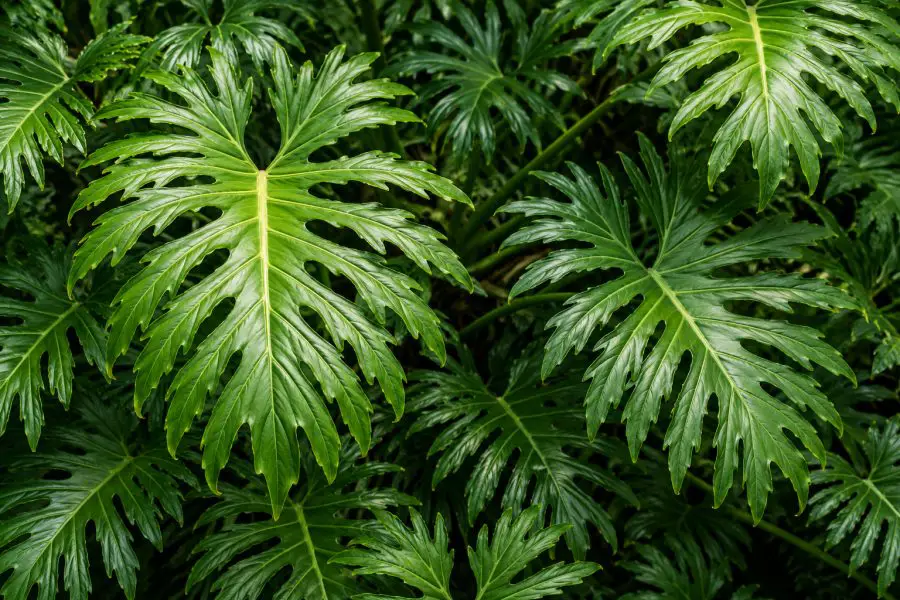
Indoor plants with interesting leaves can add just as much visual interest to a room as flowering or colorful plants. Sometimes it’s the shape, texture, size, or unusual way a leaf grows that really makes a houseplant stand out.
That’s one of the things I enjoy about growing a large variety of houseplants. A Monstera looks completely different from a Fishbone Cactus, while the rippled fronds of a Bird’s Nest Fern have almost nothing in common with the thick, sculptural leaves of Gasteria or Haworthia. You can build an interesting indoor plant collection using green foliage alone.
For this list, I’m focusing primarily on plants with unusual leaf shapes and textures rather than colorful foliage. Some of these plants happen to have interesting colors or patterns too, but that’s not why they made the list.
Here are 20 of my favorite indoor plants with interesting leaves, ranging from huge tropical statement plants to compact succulents that barely take up any room.
What You’ll Learn
- Which indoor plants have the most interesting leaf shapes and textures
- How large tropical leaves compare with compact sculptural succulents
- Which plants work well as statement plants and which fit smaller spaces
- How leaf texture can add variety to an indoor plant collection
- Which plants are good choices when you want something different from ordinary green foliage
Quick Answer
Some of the best indoor plants with interesting leaves include Monstera, Fishbone Cactus, Bird’s Nest Fern, Gasteria, Haworthia, White Bird of Paradise, Fiddle Leaf Fig, Rattlesnake Plant, Prayer Plant, Chinese Money Plant, Ponytail Palm, Snake Plant, Staghorn Fern, Crocodile Fern, Colocasia, String of Dolphins, Philodendron Selloum, Earth Star, ZZ Plant, and Umbrella Plant. These plants stand out because of their leaf shape, texture, structure, or unusual growth habit rather than simply their foliage color.
Indoor Plants With Interesting Leaves at a Glance
| Plant | What Makes It Interesting | Typical Indoor Size | Best Use |
|---|---|---|---|
| Monstera | Split and fenestrated leaves | Large | Floor plant |
| Fishbone Cactus | Zigzag, fishbone-shaped stems | Medium | Hanging plant |
| Bird’s Nest Fern | Broad, rippled fronds | Medium | Table or plant stand |
| Gasteria | Thick, tongue-shaped leaves | Small | Windowsill |
| Haworthia | Geometric rosettes and textured leaves | Small | Windowsill |
| White Bird of Paradise | Huge paddle-shaped leaves | Very large | Statement floor plant |
| Fiddle Leaf Fig | Large violin-shaped leaves | Large | Floor plant |
| Rattlesnake Plant | Long, wavy-edged leaves | Medium | Table or plant stand |
| Prayer Plant | Leaves that change position | Small to medium | Table or shelf |
| Chinese Money Plant | Round, coin-shaped leaves | Small to medium | Table or windowsill |
| Ponytail Palm | Long cascading strap-like leaves | Medium to large | Floor or plant stand |
| Snake Plant | Rigid sword-shaped leaves | Medium to large | Floor or tabletop |
| Staghorn Fern | Antler-shaped and shield fronds | Medium to large | Mounted or hanging |
| Crocodile Fern | Reptile-like textured fronds | Medium | Table or plant stand |
| Colocasia (Elephant Ear) | Huge heart-shaped leaves | Large | Statement floor plant |
| String of Dolphins | Curved, dolphin-shaped leaves | Small | Hanging pot or shelf |
| Philodendron Selloum | Large, deeply lobed leaves | Large | Statement floor plant |
| Earth Star | Flat, star-shaped rosette | Small | Table or windowsill |
| ZZ Plant | Glossy leaflets on upright stems | Medium to large | Floor or plant stand |
| Umbrella Plant | Umbrella-like clusters of leaflets | Medium to large | Floor plant |
Plant size varies with variety, age, growing conditions, and pruning. The size descriptions above are meant to help you compare how these plants generally fit into an indoor space rather than predict an exact mature height.
What Makes a Houseplant’s Leaves Interesting?
Interesting foliage isn’t just about variegation or bright colors. Some of the most distinctive houseplants are almost entirely green.
Monstera develops openings and splits as its leaves mature. Fiddle Leaf Fig produces huge leaves shaped somewhat like a violin. Chinese Money Plant has round leaves that look like green coins, while Snake Plant sends rigid sword-shaped leaves straight upward.
Texture adds another layer. Crocodile Fern has an almost reptile-like surface, Gasteria and Haworthia have thick sculptural leaves, and Bird’s Nest Fern produces broad fronds that can become increasingly rippled as they mature.
Growth habit matters too. A Staghorn Fern mounted on a wall creates a completely different effect from a trailing String of Turtles or a huge White Bird of Paradise growing from the floor.
Mixing several of these forms together is one of the easiest ways to make an indoor plant collection look more varied without relying entirely on colorful foliage.
1. Monstera
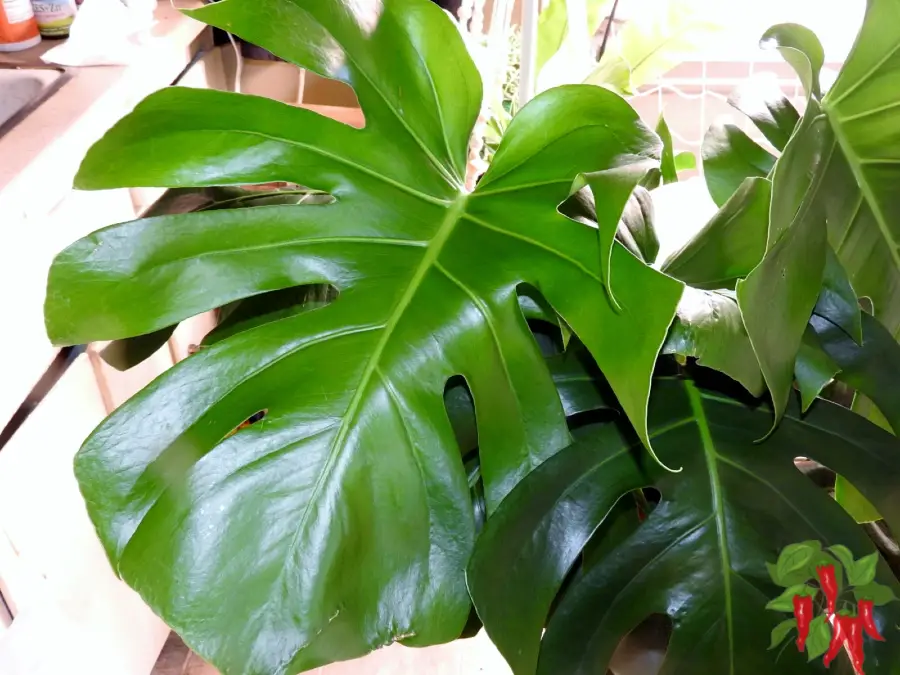
Monstera is probably the first plant that comes to mind when you think about interesting indoor foliage. Young leaves may begin fairly simple, but as the plant matures, the leaves can develop the splits and openings known as fenestrations.
Those mature leaves can become enormous indoors, giving Monstera a completely different texture and shape from smaller tropical plants. I especially like the contrast you get when a large Monstera is surrounded by plants with narrow, upright, or finely textured foliage.
What makes the leaves interesting: Large leaves with dramatic splits and natural openings that become more pronounced as the plant matures.
Learn more in my Swiss Cheese Plant Care Guide.
2. Fishbone Cactus
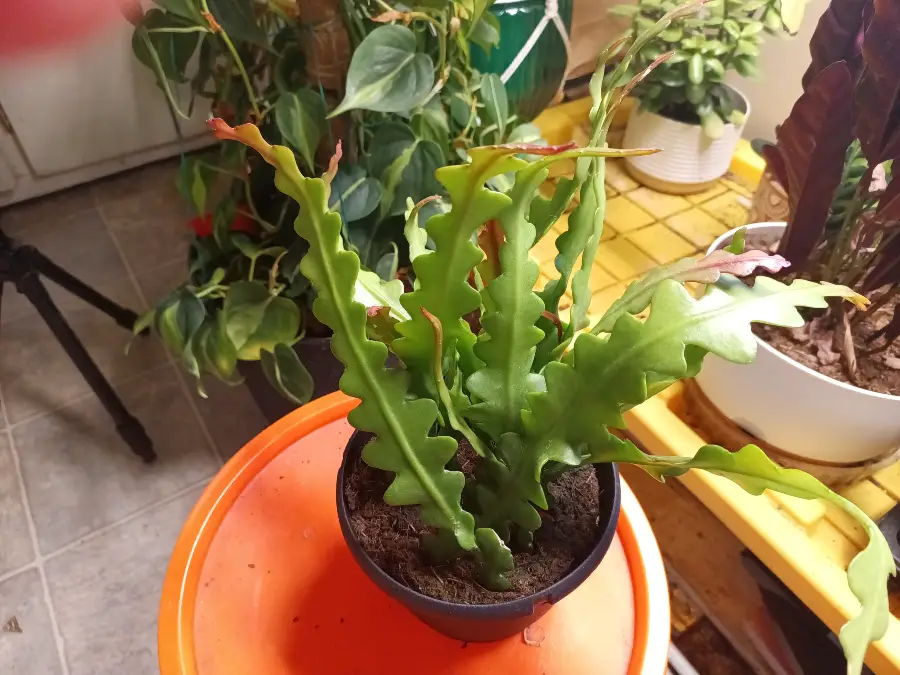
Fishbone Cactus gives you an entirely different kind of foliage. Instead of conventional leaves, the plant develops flattened, deeply lobed stems that create the distinctive zigzag or fishbone appearance behind its common name.
I think this plant becomes even more interesting as it gets larger. The stems eventually begin cascading over the sides of the pot, so you get both unusual texture and a trailing growth habit. It’s a great choice for a hanging basket where the shape of the stems can really stand out.
What makes it interesting: Flattened zigzag stems with a sculptural shape unlike almost any conventional foliage plant.
Learn more in my Fishbone Cactus Care Guide. You can also see more of my experience growing it in my Fishbone Cactus Indoor Setup and Care Routine.
3. Bird’s Nest Fern
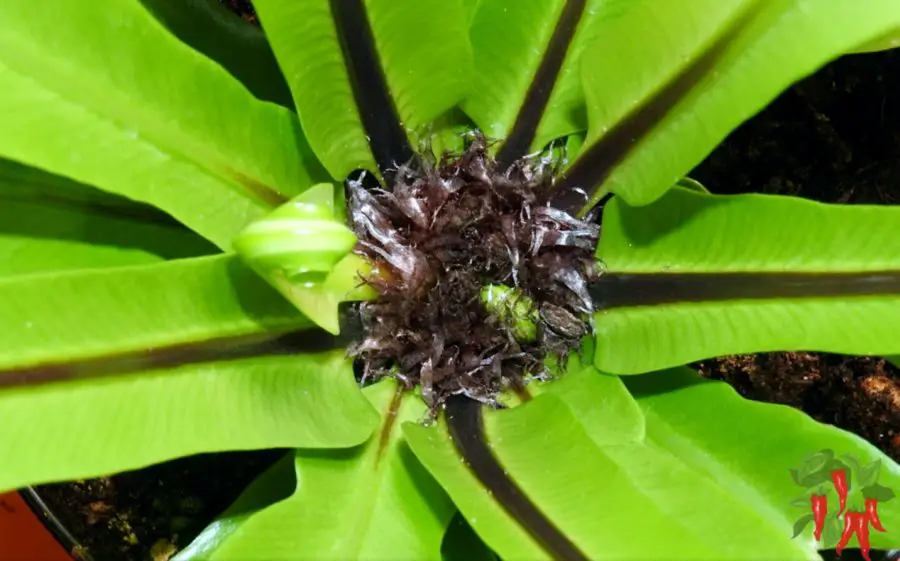
Bird’s Nest Fern doesn’t have the finely divided foliage that you might expect from a fern. Instead, it produces broad, strap-like fronds that emerge from a central rosette or “nest.”
The shape gives it a lush tropical appearance without the delicate texture of a Boston Fern. Depending on the variety and growing conditions, the frond edges can also become noticeably rippled or wavy.
What makes the leaves interesting: Broad tropical fronds, rippled edges, and a distinctive central rosette.
Learn more in my Bird’s Nest Fern Indoor Care Guide.
4. Gasteria
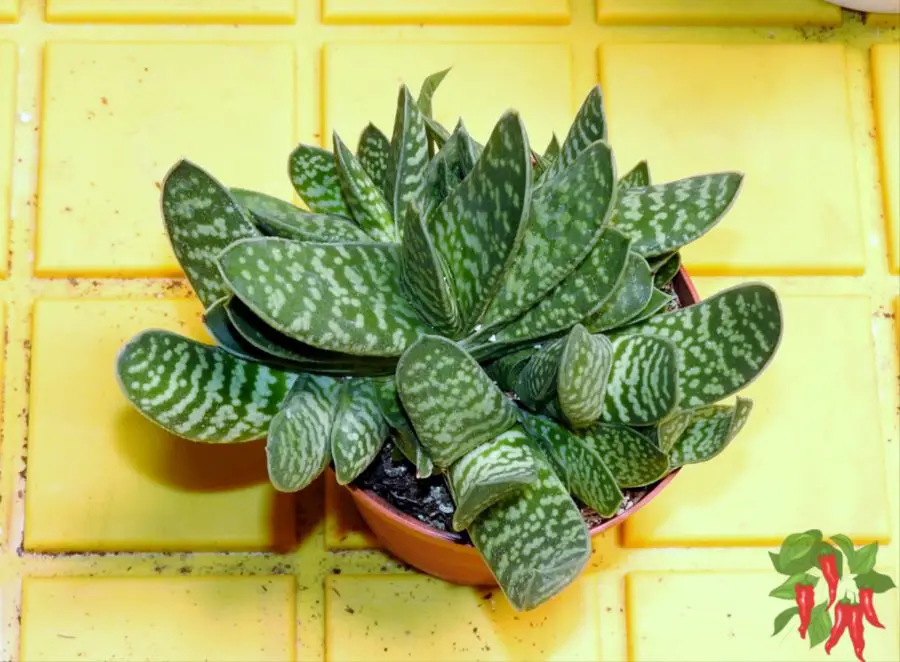
Gasteria proves that an interesting foliage plant doesn’t have to become large. These compact succulents develop thick, fleshy leaves that are often described as tongue-shaped. Depending on the species or variety, the leaf surface may also have bumps, spots, or raised texture.
I like Gasteria for smaller spaces because you get a very sculptural plant without giving up much room. It provides a nice contrast beside softer tropical foliage or trailing plants.
What makes the leaves interesting: Thick tongue-shaped leaves with a chunky, sometimes heavily textured surface.
Learn more in my Gasteria Plant Care Guide.
5. Haworthia

Haworthia gives you another compact succulent with a surprising amount of foliage detail. Some types form tight geometric rosettes, while others have raised white bands, bumps, translucent areas, or window-like leaf tips.
The small scale is part of the appeal. You can put a Haworthia on a windowsill, desk, or narrow shelf and still get the kind of architectural form you’d normally associate with a much larger plant.
What makes the leaves interesting: Compact geometric growth with thick leaves that may be ridged, striped, textured, or partially translucent.
Learn more in my Haworthia Zebra Plant Care Guide.
6. White Bird of Paradise
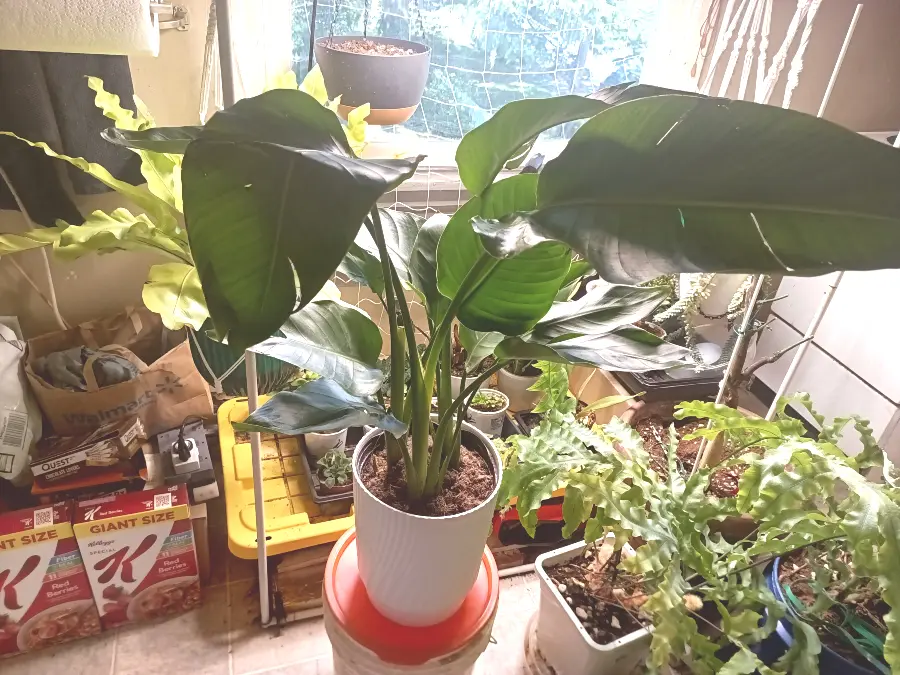
White Bird of Paradise takes interesting foliage in the opposite direction. Instead of staying compact, this plant can develop enormous paddle-shaped leaves held on long upright stalks.
A mature plant has an unmistakably tropical appearance and can fill a large empty area of a room. The leaves may naturally split as they age, which can add even more texture to the plant rather than making every leaf look perfectly smooth.
What makes the leaves interesting: Huge upright paddle-shaped leaves that create a bold tropical silhouette.
Learn more in my Bird of Paradise Plant Care Indoors Guide. You can also see my White Bird of Paradise Unboxing.
7. Fiddle Leaf Fig
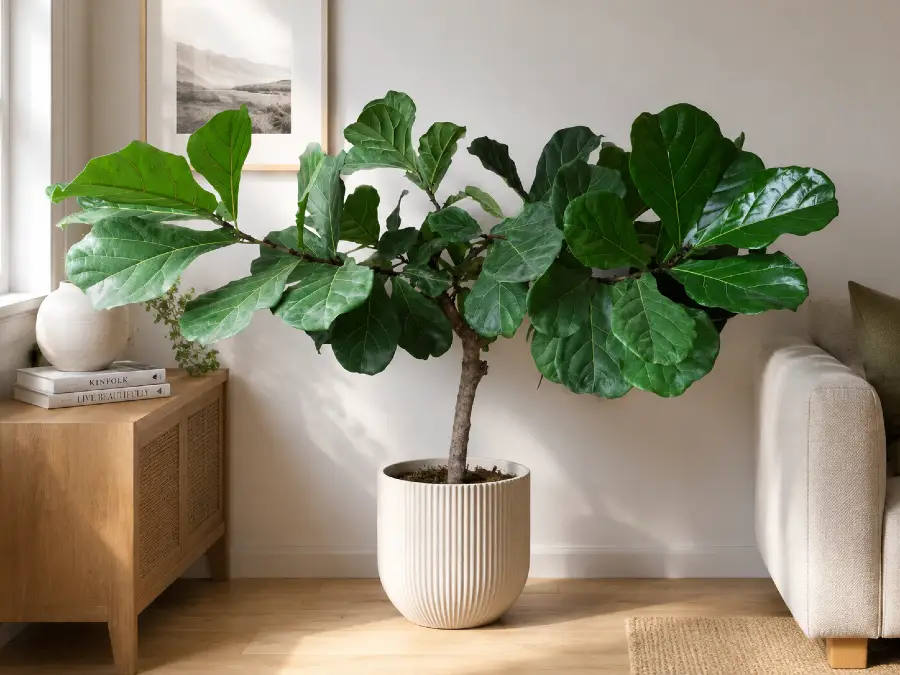
Fiddle Leaf Fig absolutely deserves a place on a list focused on leaf shape. Its oversized leaves have the broad, somewhat violin- or fiddle-shaped outline that gives the plant its common name.
The leaves are also thick and substantial, with prominent veins and a slightly textured surface. When the plant develops into a taller specimen, those oversized leaves create a strong architectural presence without relying on variegation or unusual color.
What makes the leaves interesting: Huge fiddle-shaped leaves with prominent veins and a substantial, leathery appearance.
Learn more in my Fiddle Leaf Fig Indoor Care Guide.
8. Rattlesnake Plant
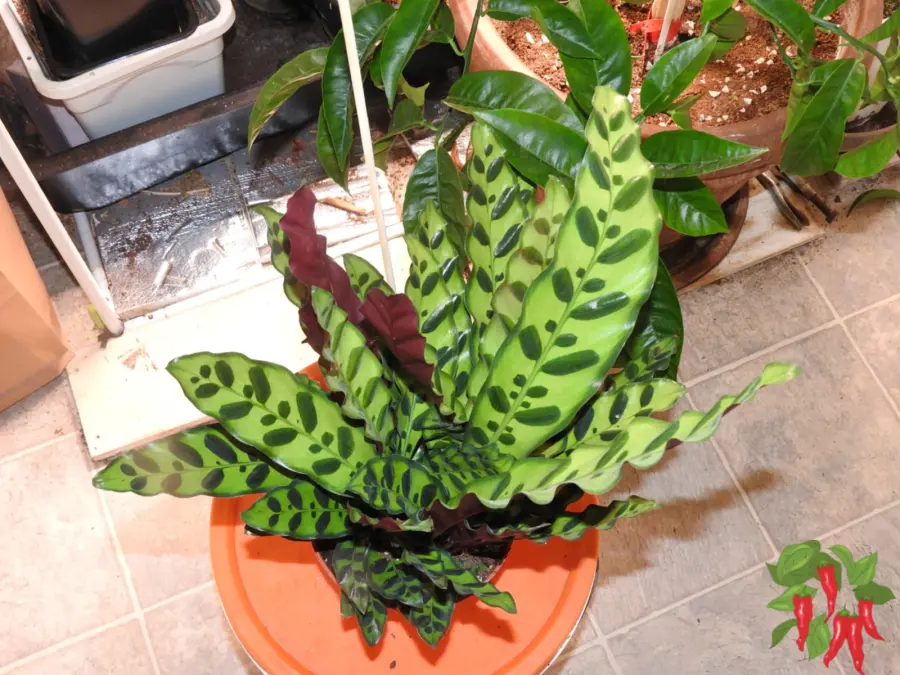
Rattlesnake Plant could easily qualify for a colorful-leaves list, but its shape is interesting even if you ignore the markings. The long, narrow leaves have noticeably wavy edges that give the entire plant a softer, almost flowing appearance.
The leaves are held on slender stems and can move in response to the daily light cycle, adding another dimension to the plant’s appearance.
What makes the leaves interesting: Long narrow leaves with strongly rippled edges and an elegant upright form.
Learn more in my Rattlesnake Plant Indoor Care Guide.
9. Prayer Plant
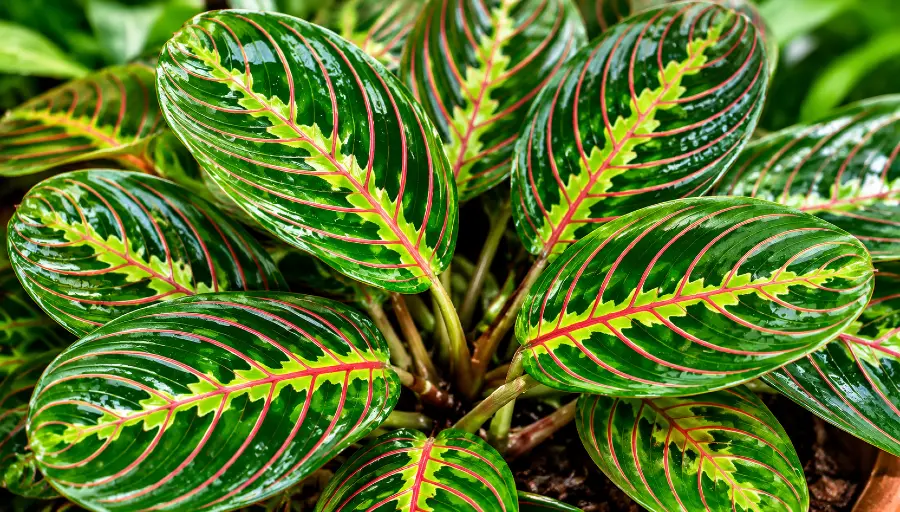
Prayer Plant earns its place here for something more unusual than leaf shape alone: movement. The leaves change position through the daily light and dark cycle, often becoming more upright in the evening.
The broad oval leaves also provide a nice contrast with narrow-leaved plants, ferns, and succulents. The colorful patterns may attract your attention first, but the movement and growth habit make Prayer Plant interesting even beyond its coloration.
What makes the leaves interesting: Broad leaves that visibly change position between day and night.
Learn more in my Prayer Plant Care Guide.
10. Chinese Money Plant
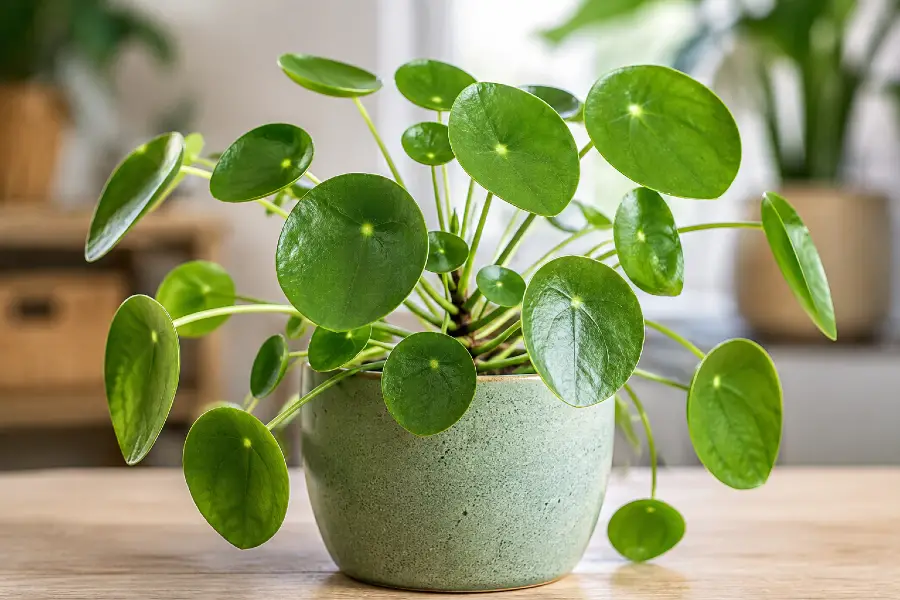
Chinese Money Plant has one of the easiest leaf shapes to recognize. Its nearly circular leaves sit at the ends of long, slender petioles, creating the coin-like appearance behind the common name.
As the plant fills out, those round leaves point in different directions and create an airy, almost geometric appearance. It stays much smaller than plants such as Monstera or Fiddle Leaf Fig, so it’s a good way to add interesting foliage to a tabletop, shelf, or windowsill.
What makes the leaves interesting: Almost perfectly round, coin-shaped leaves held away from the main stem on long petioles.
Learn more in my Chinese Money Plant Care Guide.
11. Ponytail Palm
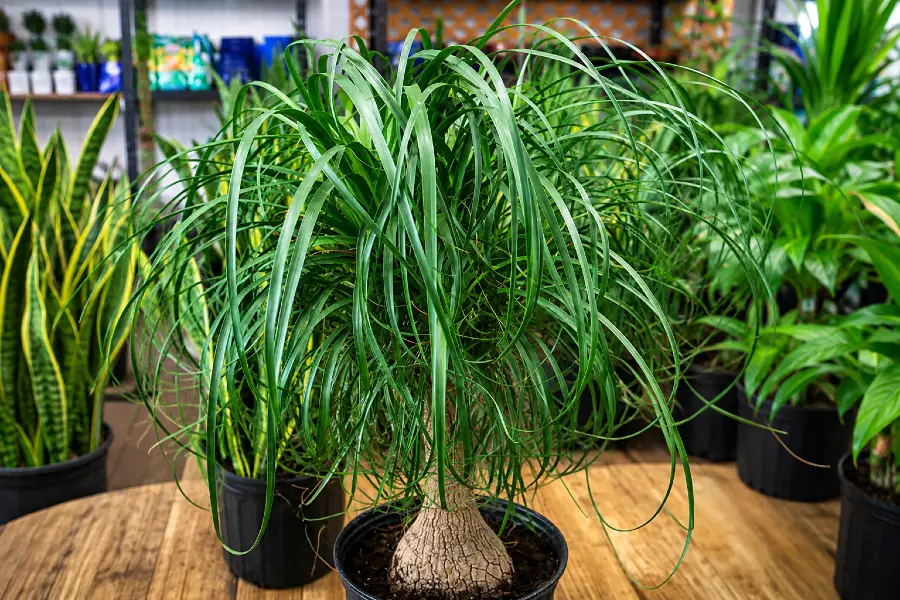
Ponytail Palm brings a completely different shape to an indoor plant collection. Despite the common name, it isn’t a true palm. It develops a swollen base topped by long, narrow leaves that arch and curl downward.
That combination gives the plant an almost fountain-like appearance. Younger plants can fit on a table or plant stand, while older specimens can become impressive floor plants.
The contrast is especially noticeable when you place a Ponytail Palm near broad-leaved plants such as Monstera, Fiddle Leaf Fig, or Bird of Paradise.
What makes the leaves interesting: Long, narrow, cascading leaves emerging from a thick, swollen trunk.
Learn more in my Ponytail Palm Care Indoors Guide.
12. Snake Plant
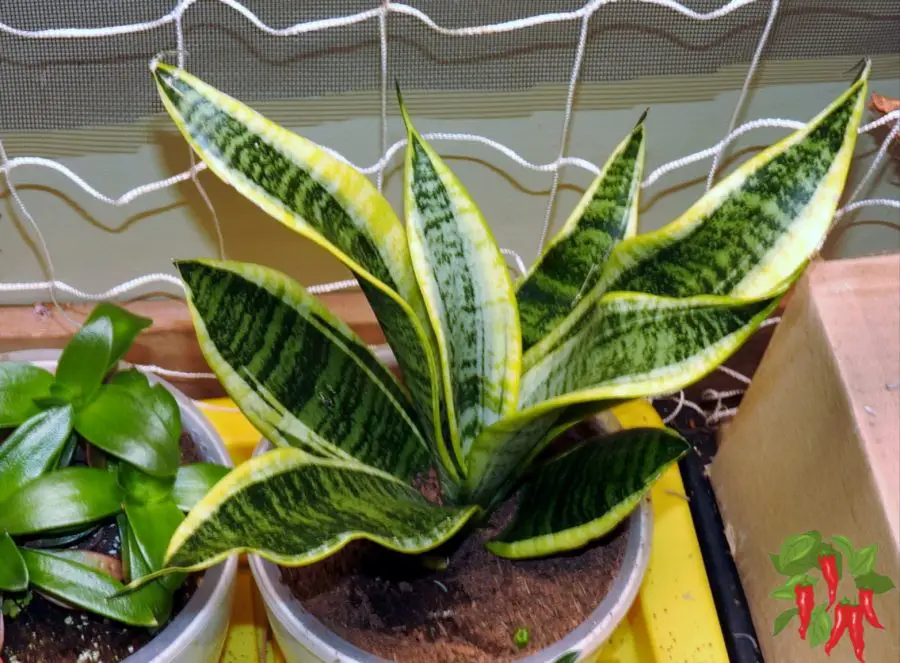
Snake Plant is one of the best choices when you want strong vertical foliage. Instead of producing branches covered with conventional leaves, the plant sends thick, sword-shaped leaves directly upward from the soil.
That upright growth creates a very architectural look. Snake Plants also come in different heights and leaf forms, from compact varieties that work on a tabletop to tall specimens that make excellent floor plants.
I especially like the contrast between a rigid Snake Plant and plants with softer or more arching foliage. Put one near a fern or trailing plant and the difference in texture is immediately noticeable.
What makes the leaves interesting: Thick, rigid, sword-shaped leaves with a strong vertical growth habit.
Learn more in my Snake Plant Care Indoors Guide.
13. Staghorn Fern
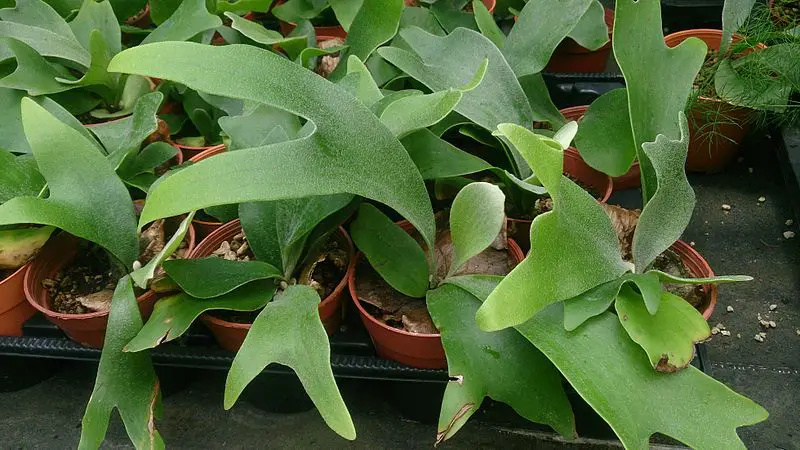
Staghorn Fern may have the most unusual foliage on this entire list. It produces two distinctly different types of fronds, and neither looks much like the foliage of a traditional houseplant.
The fertile fronds develop the branching, antler-like appearance behind the plant’s common name. Shield fronds grow around the base and help create the distinctive structure of the plant.
Staghorn Ferns can also be mounted instead of grown like a conventional potted plant. That gives you an opportunity to add living foliage to a wall and introduces an entirely different shape to an indoor garden.
What makes the leaves interesting: Branching antler-shaped fronds combined with rounded shield fronds at the base.
Learn more in my Staghorn Fern Care Indoors Guide.
14. Crocodile Fern
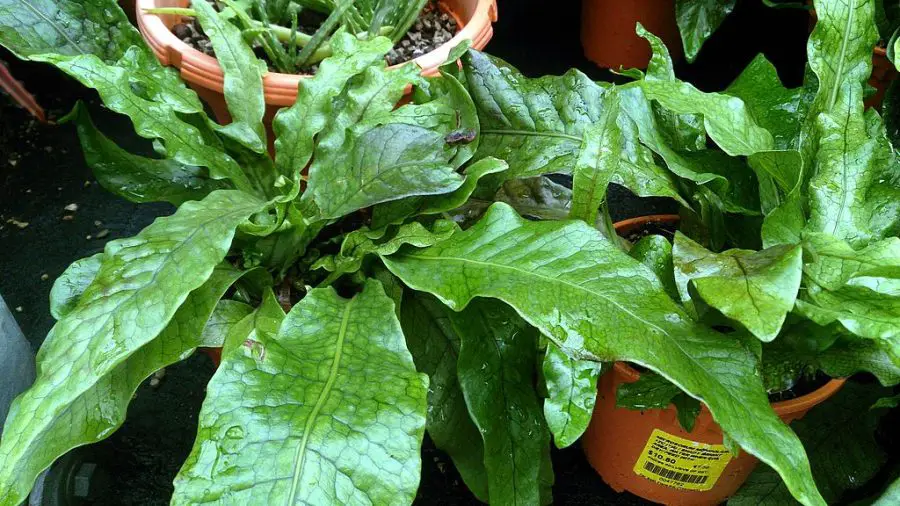
Crocodile Fern is all about texture. Its broad green fronds have a strongly patterned surface that resembles reptile or crocodile skin, which explains the common name.
This makes it very different from both the broad, smoother fronds of a Bird’s Nest Fern and the finely divided foliage of a Boston Fern. You get the lush appearance of a tropical fern with a much more pronounced surface texture.
It’s a particularly good choice if you want an unusual fern without needing the space required by some of the larger fern varieties.
What makes the leaves interesting: Broad fronds covered with a distinctive raised pattern that resembles crocodile skin.
Learn more in my Crocodile Fern Care Indoors Guide.
15. Colocasia (Elephant Ear)
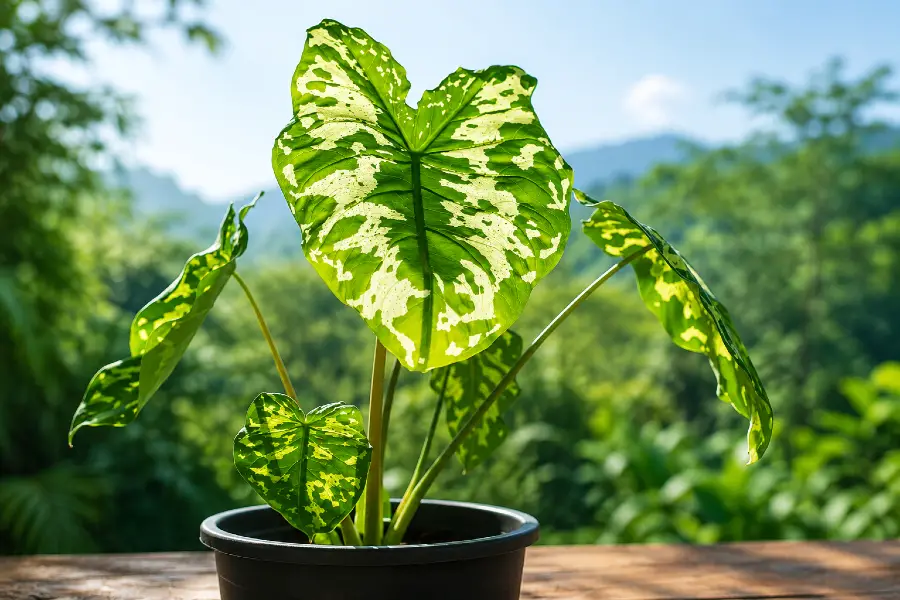
Colocasia earns its Elephant Ear name from the enormous leaves it can produce. The foliage has a broad heart- or shield-like shape, and mature plants can create a dramatic tropical look indoors.
This is a plant you choose when you want scale. A single large Colocasia leaf can provide more visual impact than an entire collection of small plants, making it a natural choice for filling a larger space.
The bold foliage also works well as a contrast to plants with finer textures, such as palms and ferns.
What makes the leaves interesting: Huge heart- to shield-shaped leaves that create an unmistakable tropical appearance.
Learn more in my Colocasia Indoor Care Guide.
16. String of Dolphins

String of Dolphins is one of those plants where the common name makes sense as soon as you look closely at the foliage. The small, curved leaves resemble tiny dolphins jumping along the trailing stems.
The unusual leaf shape becomes even more noticeable as the stems grow longer and begin cascading over the edge of the container. This makes String of Dolphins a great choice for a hanging pot or an elevated shelf where you can see the trailing growth.
It also gives this list a different kind of texture. Instead of the huge leaves of Monstera and Colocasia or the rigid foliage of Snake Plant, you get hundreds of small sculptural leaves arranged along slender stems.
What makes the leaves interesting: Small, curved leaves that resemble tiny jumping dolphins growing along cascading stems.
Learn more in my String of Dolphins Care Guide.
17. Philodendron Selloum
Philodendron Selloum is one of the most dramatic choices when you’re looking for interesting leaf shape. Instead of the simpler heart-shaped foliage associated with many Philodendrons, Selloum develops large leaves divided into deep, irregular lobes.
As the plant matures, those deeply cut leaves can become quite large and give the entire plant a bold, sculptural appearance. The open spaces between the lobes also create a completely different texture from broad, solid leaves like those on Fiddle Leaf Fig or White Bird of Paradise.
Selloum can eventually become a substantial floor plant, so give it plenty of room for the foliage to spread. It’s a particularly good choice when you want the dramatic look of a large tropical plant but with a leaf shape that’s very different from Monstera.
What makes the leaves interesting: Large, deeply lobed leaves that create a dramatic, sculptural tropical appearance.
Learn more in my Philodendron Care Indoors Guide, which includes a section on Philodendron Selloum.
18. Earth Star (Cryptanthus)
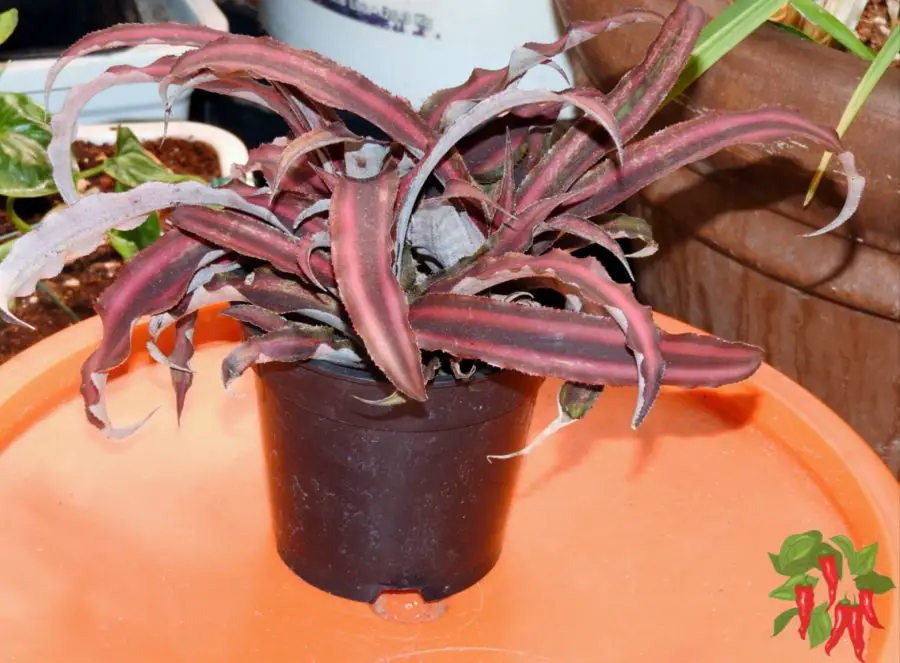
Earth Star is a bromeliad with a completely different growth habit from the upright bromeliads you commonly see sold as flowering houseplants. Its leaves spread outward in a low, flattened rosette.
Viewed from above, the foliage creates the star-like shape behind the common name. The stiff leaves can also have slightly wavy or toothed edges, adding even more texture to an already unusual form.
Because Cryptanthus stays relatively small, you can use it on a tabletop, windowsill, or shelf where a large statement plant simply wouldn’t fit.
What makes the leaves interesting: A low-growing star-shaped rosette formed by stiff, spreading leaves.
Learn more in my Bromeliad Care Guide.
19. ZZ Plant
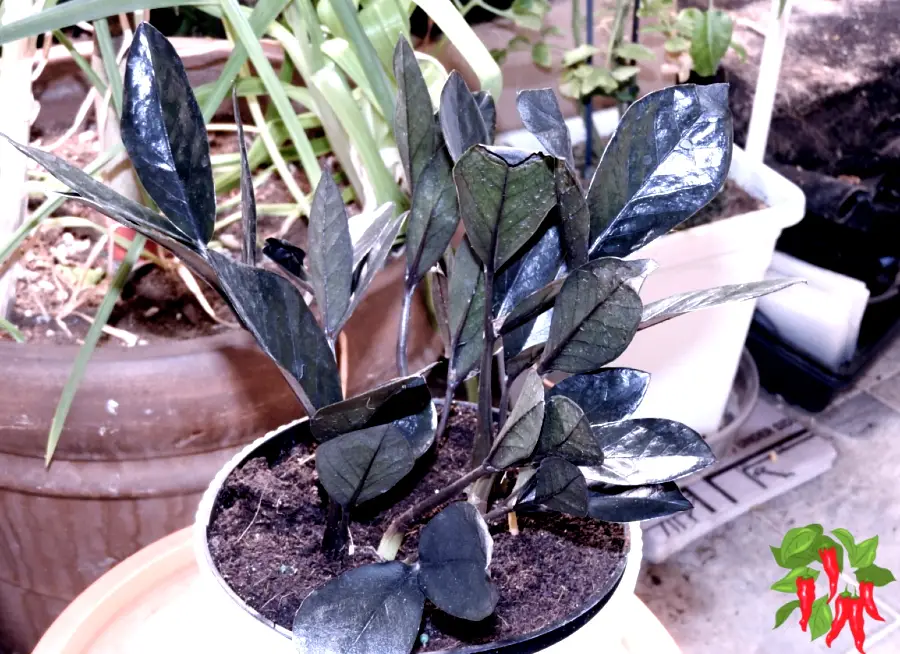
ZZ Plant has a clean, almost polished appearance. Thick upright stalks emerge from below the soil and carry rows of smooth, glossy leaflets.
The combination creates a strong architectural form without taking up the amount of space required by something like a Monstera or Bird of Paradise. Mature stems arch outward slightly, giving the plant a fuller shape while maintaining its structured appearance.
ZZ Plant is particularly useful when you want interesting foliage in a room where a more demanding tropical plant might not be as practical.
What makes the leaves interesting: Rows of thick, glossy leaflets arranged along substantial upright stems.
Learn more in my ZZ Plant Care Indoors Guide. and Black Raven ZZ Plant Care
20. Umbrella Plant
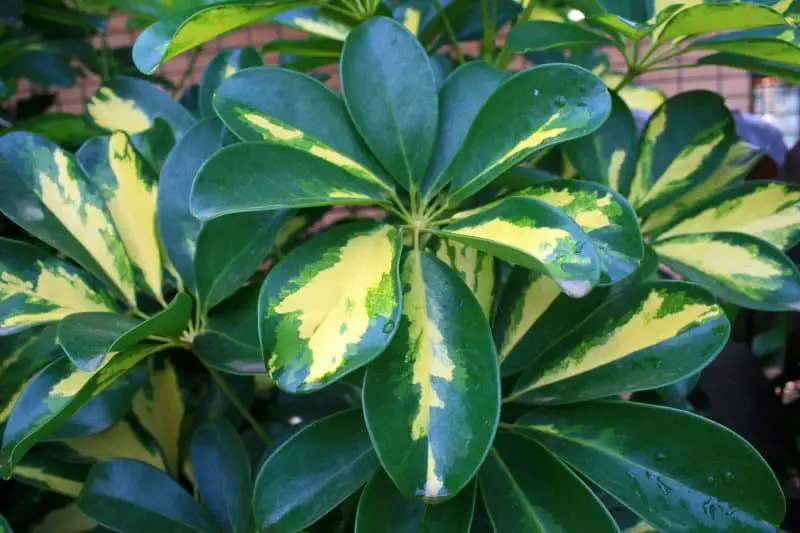
Umbrella Plant, or Schefflera arboricola, finishes the list with another distinctive arrangement of leaves. Several leaflets radiate outward from a central point, creating the umbrella-like shape that gives the plant its common name.
As the plant becomes larger and develops more branches, those clusters repeat throughout the canopy. The result is a full, layered plant with plenty of structure even when you’re growing a solid-green variety.
Schefflera can also be pruned to control its size and shape, making it useful when you want an interesting floor plant without letting it completely take over the room.
What makes the leaves interesting: Groups of leaflets radiating from central points to create distinctive umbrella-shaped clusters.
Learn more in my Umbrella Plant Care Indoors Guide.
How to Mix Leaf Shapes and Textures Indoors
One of the easiest ways to make an indoor plant collection more interesting is to avoid filling the room with plants that all have the same basic foliage.
You can start with one large-leaved plant such as Monstera, White Bird of Paradise, Fiddle Leaf Fig, or Colocasia. These plants provide the main visual anchor.
Next, add something with a finer or more unusual texture. Bird’s Nest Fern, Crocodile Fern, Staghorn Fern, or Ponytail Palm can break up all those broad leaves.
Then use compact plants such as Gasteria, Haworthia, Chinese Money Plant, Baby Rubber Plant, or Earth Star to fill smaller spaces. A trailing Fishbone Cactus or String of Turtles can add another layer by allowing foliage to spill downward from a shelf or hanging pot.
| Foliage Style | Plants to Consider |
|---|---|
| Huge and dramatic | Monstera, White Bird of Paradise, Fiddle Leaf Fig, Colocasia |
| Textured and rippled | Bird’s Nest Fern, Crocodile Fern, Gasteria, Haworthia |
| Strong and architectural | Snake Plant, ZZ Plant, Ponytail Palm, Umbrella Plant |
| Unusual shapes | Fishbone Cactus, Staghorn Fern, Chinese Money Plant, Earth Star |
| Trailing texture | Fishbone Cactus, String of Turtles |
| Movement | Prayer Plant, Rattlesnake Plant |
You don’t need one plant from every group. Even combining two or three very different leaf forms can make a collection look more varied. A large Monstera beside a Snake Plant, for example, gives you broad fenestrated foliage next to rigid vertical leaves. Add a trailing plant above them and you have three completely different shapes using mostly green foliage.
How to Choose a Plant With Interesting Leaves
Interesting foliage is a good starting point, but the best plant is still one that fits the space and growing conditions you have available.
If you have room for a large floor plant, Monstera, White Bird of Paradise, Fiddle Leaf Fig, Colocasia, or Philodendron Selloum can make the foliage itself the focal point of the room.
For smaller spaces, Gasteria, Haworthia, Chinese Money Plant, and Earth Star give you unusual shapes and textures without requiring much room. String of Dolphins is another good option when you’d rather use vertical space with a shelf or hanging planter.
You can also choose based on the type of foliage that appeals to you most. Snake Plant and ZZ Plant have a stronger architectural appearance, while Bird’s Nest Fern and Crocodile Fern bring softer shapes and more noticeable texture. Fishbone Cactus and Staghorn Fern are good choices when you want something that looks very different from a conventional leafy houseplant.
Remember: Start with your available light and space, then choose the leaf shape or texture you like. An interesting plant is much easier to enjoy when its growing requirements also fit your home.
Frequently Asked Questions
What indoor plants have the most interesting leaves?
Monstera, Philodendron Selloum, Fishbone Cactus, Staghorn Fern, Crocodile Fern, Colocasia, and String of Dolphins are some of the most distinctive choices. They stand out because of unusual leaf shapes, textures, or growth forms rather than simply foliage color.
What houseplant has leaves with holes in them?
Monstera deliciosa is famous for the natural openings and splits that can develop in mature leaves. These openings are called fenestrations and are one of the main reasons Monstera foliage is so recognizable.
What indoor plants have unusual leaf textures?
Crocodile Fern is one of the best examples because its fronds have a raised, reptile-like pattern. Gasteria and Haworthia can also have heavily textured succulent foliage, while Bird’s Nest Fern adds broad, rippled fronds.
What indoor plants have unusual leaf shapes?
There are plenty to choose from. Fiddle Leaf Fig has large violin-shaped leaves, Chinese Money Plant has round coin-shaped leaves, Snake Plant has upright sword-shaped leaves, and Philodendron Selloum develops large, deeply lobed foliage. String of Dolphins even produces small curved leaves that resemble tiny dolphins.
Which plants with interesting leaves stay small?
Gasteria, Haworthia, Earth Star, and Chinese Money Plant are good choices when you don’t have room for a large floor plant. String of Dolphins also works well in a smaller space because you can allow the stems to trail from a shelf or hanging planter.
Which plants have the biggest leaves indoors?
White Bird of Paradise, Monstera, Colocasia, Philodendron Selloum, and Fiddle Leaf Fig can all develop impressively large foliage indoors when they receive suitable light, water, and growing space.
Do interesting foliage plants need bright light?
It depends on the plant. Large tropical plants such as White Bird of Paradise generally appreciate plenty of light, while plants such as ZZ Plant can tolerate considerably lower-light conditions. Choose the plant for your actual growing conditions rather than choosing by appearance alone.
Indoor Plants With Interesting Leaves Final Thoughts
You don’t need brightly colored or heavily variegated foliage to build an interesting indoor plant collection. Leaf shape and texture can provide just as much variety.
That’s what I like about this group of plants. You can have the huge split leaves of a Monstera, deeply lobed Philodendron Selloum foliage, rippled Bird’s Nest Fern fronds, upright Snake Plant leaves, a sculptural Haworthia, and trailing String of Dolphins all growing in the same collection without any two plants looking much alike.
You also don’t need a huge amount of space. Large plants can become focal points on the floor, while Gasteria, Haworthia, Earth Star, and Chinese Money Plant let you add interesting foliage to windowsills, shelves, and smaller spaces.
When I’m choosing plants, I like having that mixture. Different heights, leaf sizes, shapes, and textures make an indoor garden much more interesting than filling every available spot with plants that all have the same basic form.
Continue Exploring Indoor Plants
If you’re looking for more ways to choose plants by appearance, size, or where they’ll grow in your home, continue with these guides:
- Indoor Plants With Colorful Leaves — Explore houseplants that stand out for foliage color and patterns rather than shape and texture.
- Indoor Plants That Stay Small — Find compact plants for windowsills, shelves, desks, and apartments.
- Statement Plants for Indoors — Explore larger plants that can become a focal point in a room.
- Indoor Plants That Love East-Facing Windows — See 20 plants that can take advantage of bright morning light.