
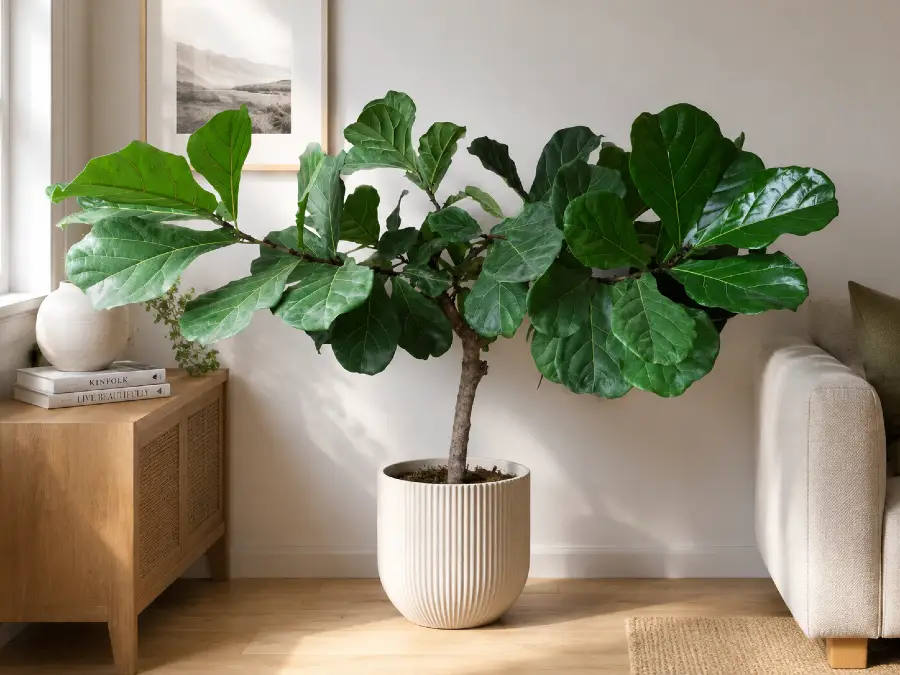
Fiddle Leaf Fig indoor care is all about getting the basics right: bright light, careful watering, and stable indoor conditions. Known as Ficus lyrata, this bold tropical houseplant is famous for its large violin-shaped leaves and dramatic upright growth.
It’s one of the most popular indoor trees for a reason. A healthy Fiddle Leaf Fig can become the focal point of a room, adding height, structure, and lush green foliage.
In this guide, you’ll learn how to care for a Fiddle Leaf Fig indoors, including light, watering, soil, pruning, propagation, and how to fix common problems like leaf drop and brown spots.
What You’ll Learn 🌿
- ☀️ How much light Fiddle Leaf Figs need indoors
- 💧 How often to water without causing root rot
- 🪴 The best soil mix and pot setup for healthy roots
- ✂️ How to prune, shape, and repot your plant
- 🌱 How to propagate new Ficus lyrata plants
- ⚠️ Common Fiddle Leaf Fig problems and how to fix them
Quick Answer 🌿
Fiddle Leaf Figs grow best indoors in bright indirect light, loose well-draining soil, and warm stable temperatures. Water when the top inch of soil dries out, maintain moderate humidity, and avoid sudden changes in light or temperature.
What Is Fiddle Leaf Fig AKA Ficus Lyrata?
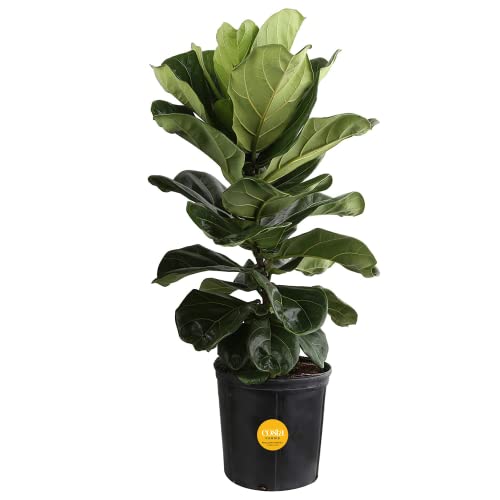
Fiddle Leaf Fig, Live Indoor Ficus Lyrata Floor Plant
Ficus lyrata, commonly known as the fiddle-leaf fig, is a species of flowering plant in the mulberry and fig family Moraceae. It is native to western Africa, from Cameroon west to Sierra Leone, where it grows in lowland tropical rainforest. It can grow up to 12–15 m (39–49 ft) tall. Ficus lyrata – Wikipedia
Why Grow A Fiddle Leaf Fig Indoors?
Fiddle Leaf Fig is one of the most popular indoor trees for a reason. Its large glossy leaves and upright growth make it a bold statement plant that can instantly change the look of a room.
Unlike smaller houseplants, a healthy Ficus lyrata adds height, structure, and a tropical feel that works well in living rooms, offices, and bright corners. It often becomes the focal point of a space as it matures.
Beyond looks, growing a Fiddle Leaf Fig can also be rewarding because it teaches you consistency with watering, lighting, and pruning. Once you learn its rhythm, it can become a long-lasting indoor tree that grows with you for years.
Fiddle Leaf Fig Indoor Care Quick Tips
Watering is one of the most important aspects of Fiddle Leaf Fig care. These trees are native to tropical climates, so they need to be watered regularly to mimic their natural environment.
The best way to water your Fiddle Leaf Fig is to use a watering can with a long, narrow spout.
This will help you direct the water to the roots of the plant, where it is needed most.
Be sure to water your Fiddle Leaf Fig tree until the soil is moist but not soggy.
Allow the top few inches of soil to dry out before watering again.
Fertilizing is also important for Fiddle Leaf Fig care. These trees need a lot of nutrients to grow and thrive.
Use a balanced fertilizer that is formulated for foliage plants. Be sure to follow the instructions on the package, as too much fertilizer can damage your Fiddle Leaf Fig tree.
Apply fertilizer every two to four weeks during the growing season.
Light is another important factor in Fiddle Leaf Fig care. These trees need bright, indirect light to thrive.
Place your Fiddle Leaf Fig tree near a window where it will receive plenty of natural light.
If you cannot provide enough natural light, you may need to supplement with artificial lighting.
Temperature is also important for Fiddle Leaf Fig care. These trees prefer warm, humid conditions. The ideal temperature range for Fiddle Leaf Figs is between 65 and 75 degrees Fahrenheit.
If the temperature in your home drops below 60 degrees Fahrenheit, you may need to provide additional heat for your Fiddle Leaf Fig tree.
By following these simple tips, you can ensure that your Fiddle Leaf Fig thrives indoors for many years! With a little bit of care and attention, you can enjoy the beauty of this unique tree in your own home.
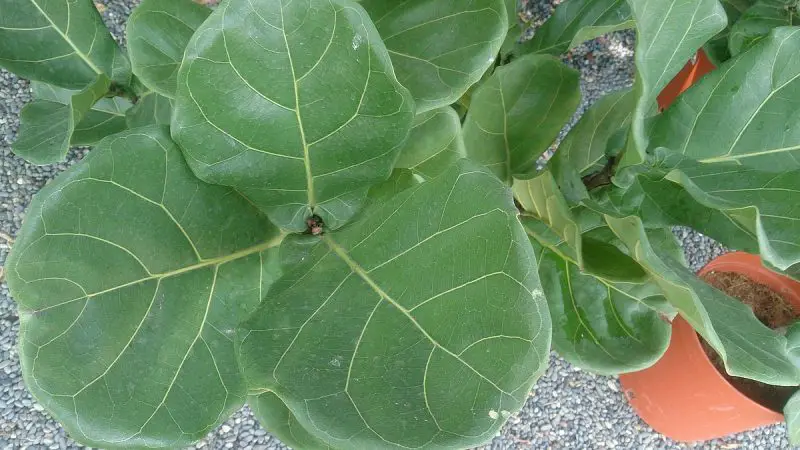
Ficus Lyrata Indoor Care Getting Into The Details
If you want a large and impressive houseplant Ficus lyrata is an excellent choice. These plants are very popular often showing up in magazine spreads.
They make a great focal point whether in the home or the office. They are not the easiest plants to grow for some.
Are Fiddle Leaf Figs (Ficus lyrata) Fussy?
Fiddle Leaf Figs (Ficus lyrata) are a popular type of houseplant, known for their large, lush leaves.
While they are very popular they can be a bit fussy. But with proper care, they make beautiful and dramatic additions to any home.
One of the most common problems with Fiddle Leaf Figs is that they drop their leaves when they’re moved.
This is because they’re very sensitive to changes in their environment. When moving a Fiddle Leaf Fig, it’s important to do so slowly and carefully, giving the plant time to adjust to its new surroundings.
Fiddle Leaf Fig Watering
The Fiddle Leaf Fig, or Ficus lyrata, is a beautiful indoor plant that can brighten up any space.
Though it is relatively easy to care for, proper watering is essential to keeping your Fiddle Leaf Fig healthy.
These plants prefer to be kept moist, but not soggy. As a general rule of thumb, you should water your Ficus Lyrata when the top inch of soil is dry.
Be sure to use lukewarm water, as cold water can shock the plant and cause the leaves to drop.
In addition, it is important to use a well-draining potting mix to prevent root rot something to which they are susceptible.
Best Soil For Fiddle Leaf Fig
Fiddle Leaf Figs need loose, fast-draining soil that holds moisture without staying soggy. A mix of 60% coco coir, 30% perlite, and 10% bark works very well for indoor containers.
Always use a pot with drainage holes. This is one of the most important steps for preventing root rot.
Fiddle Leaf Fig Light Requirements
The Fiddle Leaf Fig is a beautiful, unique houseplant that can bring a touch of the tropics to any home.
Although it is relatively easy to care for, the Fiddle Leaf Fig does have one key requirement: it needs bright, indirect light in order to thrive.
If your plant does not have enough light, its leaves will begin to turn yellow and/or drop off.
On the other hand, too much direct sunlight can scorch the leaves, so it’s important to find a balance.
When you find the right balance you will have a happy plant. Then give it a quarter turn every few weeks for even light exposure.
Best Indoor Locations For Fiddle Leaf Fig
South-Facing Windows
One of the best spots for strong filtered light and steady growth.
Bright Living Rooms
Perfect for larger plants that need room to spread and become a focal point.
East-Facing Windows
A good option for bright morning sun without harsh afternoon heat.
Offices With Strong Natural Light
Works well as long as lighting stays consistent.
Pruning Your Fiddle Leaf Fig
Ficus lyrata is actually a tropical tree and can reach 50 feet tall in the wild. While it won’t get that tall indoors it can reach the ceiling in a few years.
So you will want to know how to prune your Fiddle Leaf Fig at some point.
While the Fiddle Leaf Fig is easy to care for overall, it does require some occasional pruning.
The good news is that pruning is easy to do, and it can actually be quite therapeutic.
Just follow these simple steps and your Fiddle Leaf Fig will be looking its best in no time:
First, take a look at your plant and decide which leaves need to be removed. Once you’ve made your decision, use a sharp pair of gardening shears to make clean, neat cuts above a node.
This will promote branching and help your plant get wider instead of taller.
Removing dying or yellow leaves should be done at this time.
Consider if it’s time to repot your plant. Right after pruning is a good time to do this.
If the roots are crowded it’s time to repot your plant into a slightly larger pot.
It should have adequate drainage and you will also want to add some fresh potting soil at this time.
Finally, give your Fiddle Leaf Fig some TLC by watering it well and placing it in a location where it will receive bright, indirect sunlight.
Repotting A Fiddle Leaf Fig
Repot your Fiddle Leaf Fig every 1–2 years or when roots begin circling the pot. Move up only one pot size at a time to avoid excess wet soil.
Spring is usually the best time to repot because the plant is actively growing and recovers faster.
How to Propagate Fiddle Leaf Fig
Fiddle Leaf Figs are a beautiful, popular houseplant that can be tricky to grow at times but they are pretty easy to propagate.
With a little patience and care, it is possible to grow new plants from cuttings.
The first step is to take a cutting from a healthy Fiddle Leaf Fig plant. The cutting should be about 6 inches long and should include several leaves.
Next, remove the bottom leaves from the cutting and dip the end in rooting hormone.
Once the cuttings are ready, plant them in a pot filled with a well-draining potting mix.
Water the soil lightly and place the pot in a warm spot. Keep the soil moist but not soggy, and within a few weeks, you should see new growth.
Dusting Fiddle Leaf Fig Leaves
Fiddle Leaf Figs are beautiful houseplants that can brighten any room. However, their large leaves can collect dust.
Dust can interfere with photosynthesis and make it hard for the plant to transpire. So from time to time dust your plant off.
Here are a few tips for keeping your Fiddle Leaf Fig dust-free. First, use a soft cloth or microfiber hand duster to gently remove dust from the leaves.
You may also consider using a plant-safe spray cleaner. Be sure to test the spray on a small area first to make sure it does not damage the leaves.
Next, wipe down the leaves with a damp cloth to remove any residual dust or cleaner.
Finally, regularly give the plant a good misting to help keep the leaves healthy and free of dust.
Fiddle Leaf Fig Is Poisonous
The Fiddle Leaf Fig is poisonous to cats, dogs, and humans. This plant gives off a white sap which is toxic.
When pruning you can be exposed to this so doesn’t get it on your hands or rub your eyes. Wear gloves and wash your hands if you get it on your skin.
Make sure your pets don’t nibble on this plant. In fact, many common houseplants are toxic and you should be careful handling them and keep your pets away too.
Common Fiddle Leaf Fig Problems
Leaf drop
Often caused by sudden changes in light, temperature, or watering habits.
Brown spots
Usually linked to overwatering, fungal issues, or inconsistent moisture.
Yellow leaves
Often caused by overwatering or poor drainage.
Leggy growth
A sign the plant needs more light.
Crispy edges
Usually caused by dry air, underwatering, or heat stress.
Fiddle Leaf Fig FAQs
How often should I water a Fiddle Leaf Fig?
Water when the top inch of soil feels dry. In most homes, this is usually every 7–10 days, but it depends on light, pot size, and humidity.
Why is my Fiddle Leaf Fig dropping leaves?
Leaf drop is often caused by sudden environmental changes like moving the plant, temperature swings, underwatering, or overwatering. Fiddle Leaf Figs like consistency.
Does a Fiddle Leaf Fig need direct sunlight?
Bright indirect light is best. Gentle morning sun is usually fine, but harsh afternoon sun can scorch the leaves.
How do I make my Fiddle Leaf Fig grow taller?
Give it strong light, regular feeding during the growing season, and avoid root restriction. Taller growth happens naturally when conditions are stable.
When should I repot my Fiddle Leaf Fig?
Repot every 1–2 years or when roots begin circling the pot. Spring is usually the best time to repot.
Why are there brown spots on my Fiddle Leaf Fig leaves?
Brown spots are often caused by overwatering, inconsistent moisture, root stress, or fungal issues. Check soil drainage first.
Can I propagate a Fiddle Leaf Fig from cuttings?
Yes. Stem cuttings root well in water or moist growing mix when taken from healthy stems with at least one leaf and node.
Is Fiddle Leaf Fig toxic to pets?
Yes. The sap can irritate pets and people, so keep it out of reach and wear gloves when pruning.
Final Thoughts: Fiddle Leaf Fig Indoor Care
Fiddle Leaf Fig can be one of the most rewarding indoor trees to grow when its basic needs are met. Strong light, steady watering, and stable conditions make the biggest difference.
While it has a reputation for being picky, most problems come down to light or watering mistakes. Once you dial those in, Ficus lyrata becomes a stunning long-term houseplant.
If you want a bold statement plant for your home, Fiddle Leaf Fig is still one of the best.
Want to transform your indoor space into a lush, thriving haven? These guides will help you master houseplant care with ease.
🌿 Indoor Houseplant Care Guides
- ♻️ Composting Indoors
- 🌳 Rubber Plant Care Indoors
- 🌸 Peace Lily Care Indoors
- 🧀 Swiss Cheese Plant Care
- 🎋 Indoor Bamboo Guide
- 🌱 Vertical Gardening Indoors
- 🌺 Bromeliad Care
- 🥢 Bamboo Plant Indoor Care
- ❤️ Anthurium Care Indoors
- 🌵 How to Grow Succulent Plants
- 🌿 Maidenhair Fern Indoor Care
- See all articles in our Houseplants category