

Haworthia Zebra Plant care indoors is surprisingly easy once you understand how these small succulents grow.
These striped Haworthia plants stay compact, tolerate indoor conditions well, and usually need far less attention than many other houseplants.
This guide covers watering, light, soil mix, fertilizer, propagation, and the most common mistakes that cause Haworthia problems indoors.
What You’ll Learn
- 🌿 The best indoor light for Haworthia Zebra Plants
- 💧 Why overwatering is the biggest mistake
- 🪴 The best soil mix and containers for drainage
- 🌱 How to propagate Haworthia offsets
- ☀️ How to keep zebra succulents compact and healthy indoors
Zebra plant succulent care is easy and it is often recommended as the easiest succulent to grow for beginners.

I know this can be confusing when plants are called by their common names but the Haworthia Zebra plant is a succulent, not a leafy plant.
What Is A Zebra Plant Succulent?

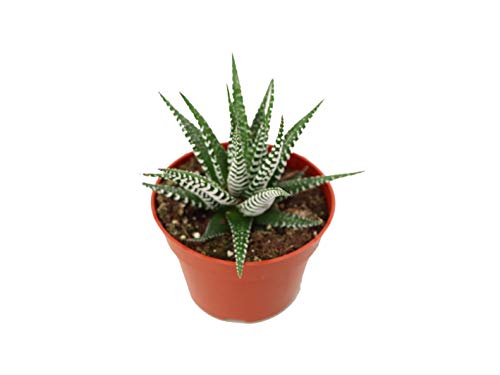
This plant has recently been renamed and it is related to aloes. It is not a large plant growing only 6 inches high and wide making it perfect for small spaces.
Haworthiopsis attenuata, formerly Haworthia attenuata, commonly known as zebra Haworthia, is a small species of succulent plant from the Eastern Cape Province, South Africa. As an ornamental, it is one of the most commonly cultivated of the Haworthiopsis species. https://en.wikipedia.org/wiki/Haworthiopsis_attenuata
Zebra Plant Succulent Care Quick Guide

Haworthia Zebra Plants are one of the easiest succulents to grow indoors because they stay compact and tolerate average household conditions well.
These plants prefer bright indirect light, fast-draining soil, and containers with drainage holes to help prevent excess moisture around the roots.
- 🪴 Use a pot with drainage holes
- 🌱 Choose a fast-draining succulent mix or a 60/40 coco coir and perlite blend
- ☀️ Place the plant in bright indirect light
- 💧 Water deeply only after the soil dries out
- 🌿 Fertilize lightly during active growth
One of the biggest mistakes with Haworthia is overwatering. These succulents tolerate dry conditions much better than constantly wet soil.
Haworthia Varieties

Now that you know how to grow Haworthia, it is time to learn about the different types of these plants. There are many different species of Haworthia, but some of the most popular include:
Haworthia Attenuata: This type of Haworthia is native to South Africa and has long pointy leaves. The leaves of this plant are often striped with white or light green bands.
Haworthia Fasciata: is another species of succulent plant from the Eastern Cape Province, South Africa. This species is rare and most plants that are labeled as H. fasciata are actually Haworthia attenuata.
Haworthia Cooperi: This type of Haworthia is native to the Eastern Cape Province of South Africa. It grows in a rosette and has short green leaves that have darker lines through them.
Haworthia Retusa: This type of Haworthia is also called star cactus and has star-shaped rosettes. It is not a cactus but a succulent. The leaves of this plant are green often covered in white streaks.
No matter what type of Haworthia you choose, these plants are easy to care for and make a great addition to any succulent collection.
Haworthia Zebra Plant Care Indoors
Haworthia Light Requirements
Haworthia prefers bright indirect light. In the wild, it is often found in partial shade. Direct sunlight can cause sunburn.
They can be kept in an east-facing window because they can tolerate some morning sun.
Direct sunlight can cause sunburn.
- ☀️ Bleached leaves
- 🍂 Brown dry patches
- 🌿 Faded striping
Haworthia Soil Mix
These plants are often grown in a succulent mix but you can also amend a regular potting mix with vermiculite or pumice.
They do not like to sit in wet soil so use a mix that is fast draining. A mix of 60/40 coco coir to perlite will work very well for them.
Watering Haworthia Zebra Plant
Avoid Strict Watering Schedules
One of the biggest mistakes with Haworthia plants is watering on a fixed schedule instead of checking the soil first.
These succulents should be watered based on how quickly the potting mix dries, not by the calendar.
Light levels, temperature, humidity, pot size, and soil mix all affect how often your plant actually needs water.
These plants are used to growing in a dry environment. They should be watered deeply when you do water them.
Let the pot go completely dry before watering again. Overwatering can lead to root rot.
I think these plants should not be on a watering schedule. They should be watered when they are dry.
This can vary depending on your soil mix and the season and temperature inside your home.
Haworthia Fertilizer
Your plants do not need a lot of fertilizer. Fertilizing once a month is plenty. Use a half-strength fertilizer mix and water it in.
You don’t need to fertilize your Zebra plant at all during the winter months.
You can use a fertilizer made for cactus and succulents but any well-balanced fertilizer should work just fine.
Don’t over-fertilize. Too much fertilizer can burn the roots or even kill your plant. Less is more.
Zebra Plant Succulent Propagation
The Zebra plant is very easy to propagate. Your plant will grow offshoots from your mother plant.
All you need to do is make sure they have a bit of root attached when you separate them from the mother plant and repot them. Easy Peasy!
Why Haworthia Works Well Indoors
Haworthia Zebra Plants are popular indoor succulents because they tolerate lower light conditions better than many desert succulents.
While they still grow best in bright indirect light, they can adapt well to apartments, offices, and rooms where stronger sunlight is limited.
- 🏡 Compact size for shelves and desks
- ☀️ Handles lower light better than many succulents
- 💧 Lower watering needs than most houseplants
- 🌿 Slow-growing and easy to manage indoors
This combination of compact growth and flexible lighting needs makes Haworthia one of the easiest succulents for beginners growing indoors.
More Succulent Growing Guides
Haworthia Zebra Plant FAQs
How often should I water a Haworthia Zebra Plant?
Water only after the soil dries out fully. Indoors, this is often every couple of weeks, but conditions can change depending on light, humidity, and pot size.
Does Haworthia need direct sunlight?
Haworthia prefers bright indirect light or gentle morning sun. Strong afternoon sunlight can scorch the leaves indoors.
What soil is best for Haworthia?
A fast-draining succulent mix works best. A coco coir and perlite mix can also work very well for indoor Haworthia plants.
Why is my Haworthia turning brown or mushy?
Overwatering is the most common cause of mushy or brown Haworthia leaves. Poor drainage and soggy soil can quickly lead to root rot.
Can Haworthia grow in low light?
Haworthia tolerates lower light better than many succulents, but it still grows best in bright indirect light indoors.
How do you propagate a Haworthia Zebra Plant?
Haworthia plants produce offsets or pups that can be separated from the mother plant and repotted once they develop roots.
Zebra Plant Succulent Care Final Thoughts

Haworthia Zebra Plants are one of the easiest succulents to grow indoors because they stay compact, tolerate average household conditions, and do not require constant watering.
With bright indirect light, a fast-draining soil mix, and careful watering, these striped succulents can stay healthy for years while producing offsets that are easy to propagate.
Read more: Zebra Plant Care Indoors