
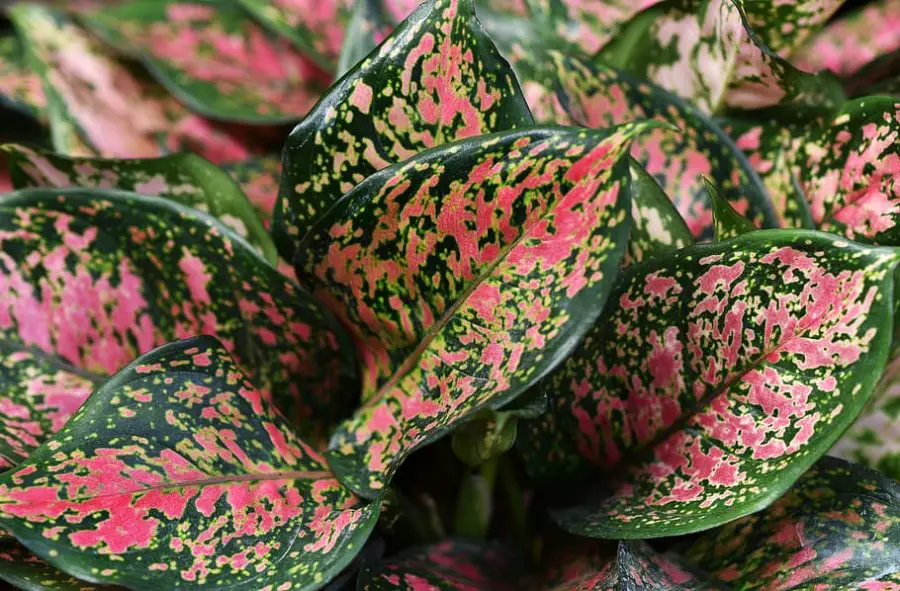
Indoor Houseplants Guide helps you choose plants that actually fit your home, your light, and your routine. That’s usually where success starts.
Most people don’t fail at growing houseplants because they lack skill. More often, the plant simply doesn’t match the space, the soil stays too wet, or the light is weaker than expected.
This guide breaks indoor houseplants down by plant type, care style, and room placement so you can choose smarter and keep your plants healthier long term.
What You’ll Learn
- How to pick indoor houseplants that match your real light (not the label on the tag).
- The 3 things that make most houseplants fail indoors: drainage, guessing on water, and weak light.
- Quick care basics you can apply to almost any plant: when to water, where to place it, and what “healthy growth” looks like.
- How to choose plants by room so they work with your home (living room, bedroom, bathroom, kitchen).
- Which plant types are easiest to keep alive if you’re busy, forgetful, or new to indoor gardening.
- How to fix the most common issues fast: yellow leaves, brown tips, pests, and “leggy” growth.
🌱 Quick Answer
Indoor Houseplants grow best when matched to your available light, watering habits, and room conditions. Start with easy plants like Snake Plant, Pothos, ZZ Plant, or Peace Lily and build from there.
🌿 Best Houseplants to Grow Indoors
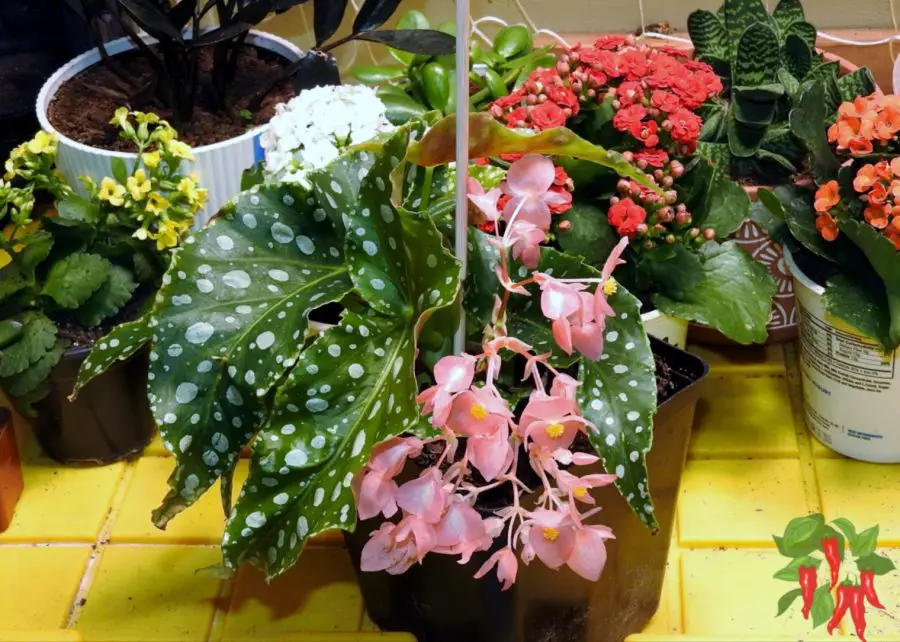
Looking for the perfect indoor plants? The best houseplants blend beauty, ease of care, and function. Think low-maintenance favorites like snake plants, pothos, peace lilies, and ferns, to statement-makers like fiddle‑leaf figs.
Whether you’re a beginner or a seasoned plant lover, these popular picks thrive in a variety of light and humidity levels, bringing fresh green life and improved air quality into your home. 🌱
🏡 Best Indoor Locations by Room
One of the easiest ways to keep houseplants alive is matching them to the room they’ll live in.
- Living Room: Great for larger palms, fiddle leaf figs, and pothos near bright windows.
- Bedroom: Snake plants, ZZ plants, and peace lilies handle moderate light well.
- Bathroom: Ferns and bromeliads love the added humidity.
- Kitchen: Herbs, pothos, and smaller succulents work well here.
- Office: ZZ plants, snake plants, and lucky bamboo are easy low-maintenance choices.
Always watch how the light moves in each room before deciding where a plant belongs.
🌿 Here’s a Look at Some Popular Houseplants
- Choose houseplants that fit your light and humidity levels. Match the plant to your space for success.
- Start with easy-care favorites like snake plants, pothos, succulents, or peace lilies if you’re new to indoor gardening.
- Ferns, bamboo, and palms add visual interest and fresh air to your rooms.
- Water when needed, maintain good drainage, and boost humidity for tropical plants as needed.
- Enjoy the process. Houseplants make your home feel alive and connected to nature. 🌿
Ready to explore the world of houseplants? Below you’ll find some of the most popular and rewarding plants to grow indoors.
Whether you’re drawn to bold tropicals, graceful ferns, or easy-care succulents, there’s a houseplant here to fit every style and space. 🌱
🎍 Bamboo Plants
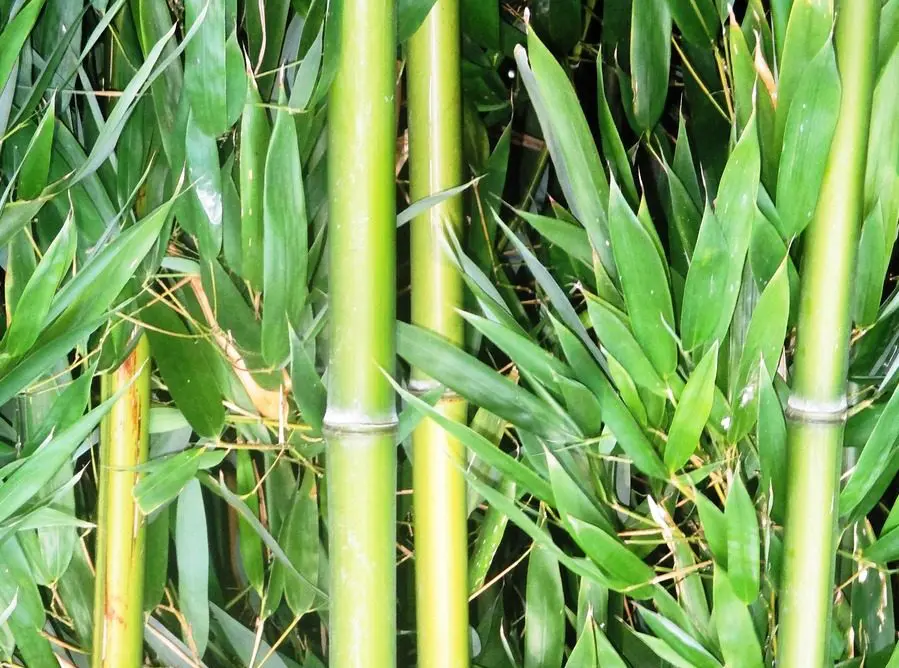
Indoor bamboo plants bring a touch of nature’s calm and elegance to any space. They’re easy to care for, grow quickly, and look beautiful in containers or decorative pots.
Whether you want a traditional Lucky Bamboo or a lush potted variety, these guides will help you succeed! 🌿
🎍 Bamboo – Care Tips
-
- Light: Bright, indirect light is ideal. Avoid direct afternoon sun, which can scorch leaves.
- Water: Keep soil evenly moist but not waterlogged. Water when the top 1″ feels dry; reduce in winter.
- Humidity: Prefers moderate to high humidity. Mist regularly or set on a pebble tray.
- Soil/Potting: Use fast-draining potting mix and a container with drainage holes.
- Fertilizer: Feed monthly during the growing season with balanced, water-soluble plant food.
- Common issues: Yellowing leaves may signal over-watering; browning tips often indicate low humidity or salt buildup.
- 🎍 Bamboo Plant Indoor Care: 17 Easy Care Tips for Beginners
- 🎍 Growing Bamboo in Pots Indoors
- 🎍 Black Bamboo in Pots
🌺 Bromeliads
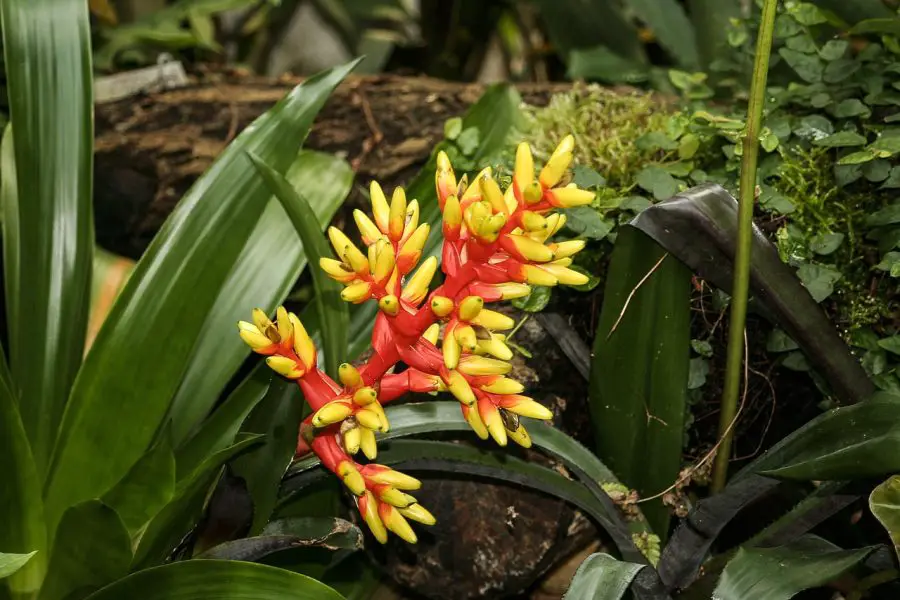
Bring bold color and tropical flair to your home with beautiful bromeliads. These easy-care houseplants reward you with stunning blooms and unique foliage. Discover how to grow and enjoy these eye-catching plants indoors! 🌺
🌺 Bromeliads – Care Tips
-
- Light: Bright, indirect light; avoid direct midday sun.
- Water: Keep the central “cup” filled and lightly moisten the soil. Refresh cup water monthly.
- Humidity: Thrives in 50–60% humidity. Mist leaves regularly.
- Soil/Potting: Use a chunky mix (orchid or bromeliad blend). Good drainage is key.
- Fertilizer: Light, balanced fertilizer, quarterly, or add dilute fertilizer into the cup.
- Common issues: Browning leaf tips mean dry air; flush the cup if algae grows.
- 🌺 How To Care For Bromeliads: 9 Easy Bromeliad Care Tips
- 🌺 Growing Bromeliads in Pots
- 🌺 Are Bromeliads Air Plants?
🪰 Carnivorous Plants
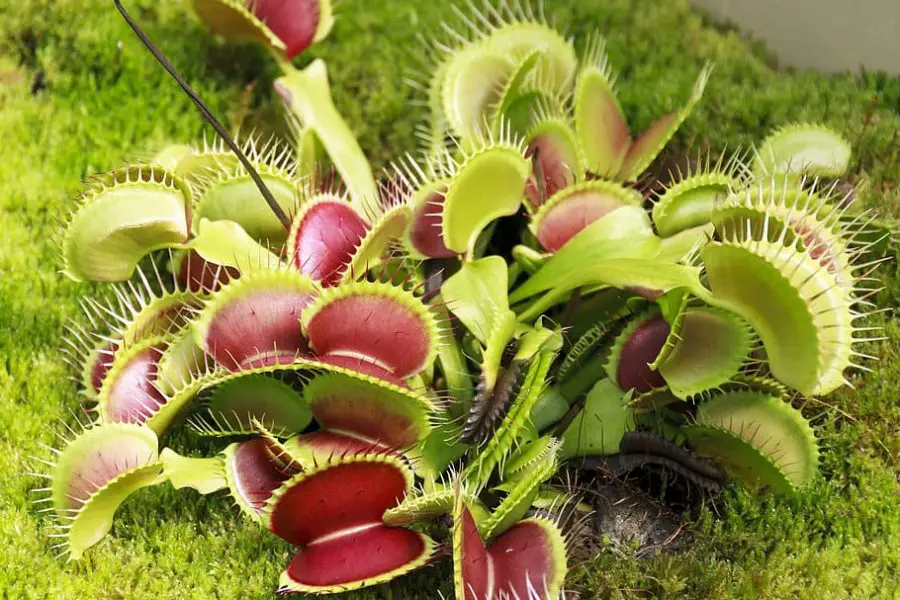
Curious about carnivorous plants? These fascinating houseplants lure, trap, and digest insects, making them a fun and functional addition to your indoor garden. Learn how to grow and care for these living wonders! 🪰
🪰 Carnivorous Plants – Care Tips
-
- Light: Bright, indirect to direct light, 4–6 hours of sun is ideal.
- Water: Use only distilled or rainwater. Keep the pot tray constantly moist but not flooded.
- Humidity: Prefers high humidity (50–70%). Group with other plants or use a humidifier.
- Soil/Potting: Use a mix of sphagnum peat and perlite, no fertilizer in soil.
- Feeding: Don’t feed manually plants catch their own insect prey.
- Common issues: Yellowing means too much fertilizer or hard water; brown leaves mean low humidity.
- 🪰 Carnivorous Plant Care: 7 Tips and Tricks for Beginners
- 🪰 How to Grow Venus Fly Trap
- 🪰 Best Indoor Carnivorous Plants
🌿 Ferns
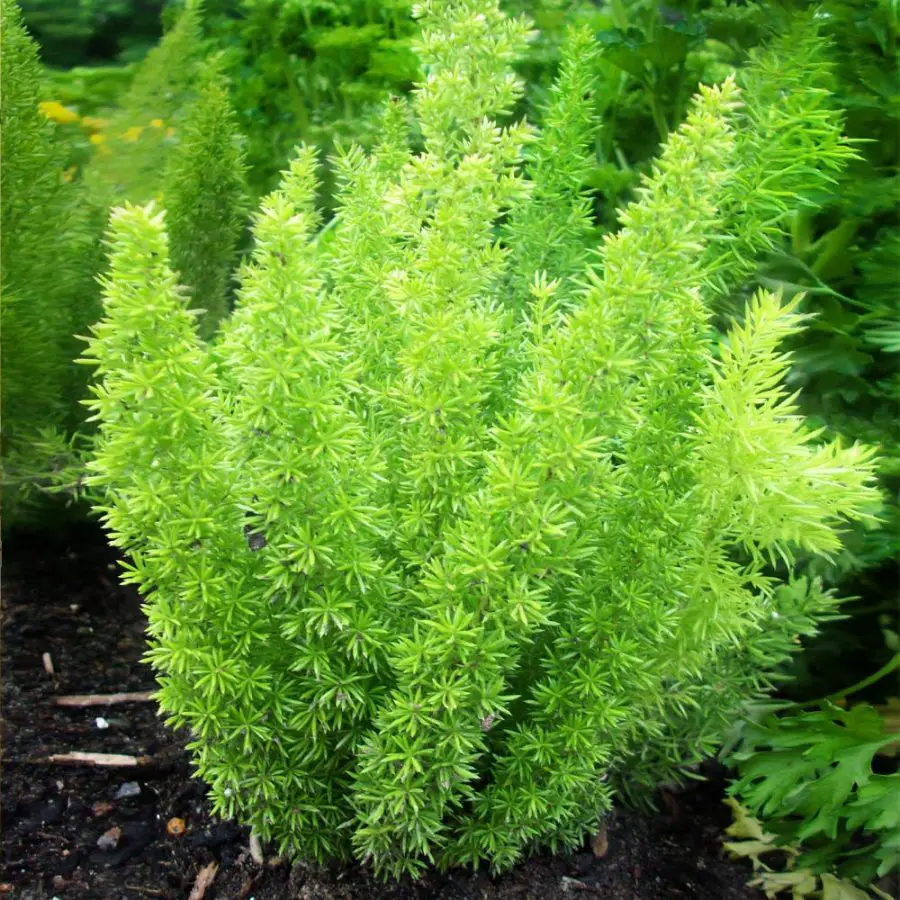
Fill your home with lush, graceful ferns that thrive indoors. These timeless plants add texture and natural beauty to any room. Learn how to keep your indoor ferns healthy, vibrant, and thriving with these easy care tips! 🌿
🌿 Ferns – Care Tips
- Light: Prefers bright, indirect to moderate light, avoids direct sun.
- Water: Keep soil evenly moist. Water when the surface feels dry, avoid drying out.
- Humidity: Loves high humidity, mist, pebble trays, or a humidifier essential.
- Soil/Potting: Use peat-rich, well-draining soil in pots with drainage holes.
- Fertilizer: Feed monthly during the growth season with diluted all-purpose fertilizer.
- Common issues: Brown tips from dry air; yellowing if overwatered or root-bound.
- 🌿 Indoor Ferns Care: 11 Tips And Tricks For Beginners
- 🌿 Boston Fern Care Indoors
- 🌿 Maidenhair Fern Care Indoors
🌴 Palm Trees
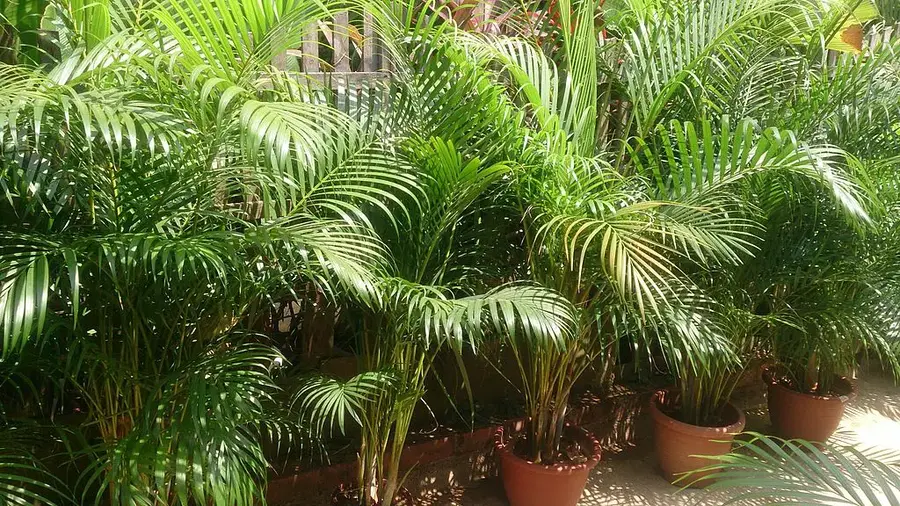
Bring a touch of the tropics to your living space with elegant indoor palm trees. These versatile plants create an inviting, relaxed atmosphere and are easier to grow than you might think. Explore these guides to choose and care for your favorite palms! 🌴
🌴 Palm Trees – Care Tips
- Light: Bright, indirect light is ideal. Some varieties tolerate partial shade.
- Water: Keep soil evenly moist, not soggy. Water when top inch dries out.
- Humidity: High humidity preferred, mist fronds regularly.
- Soil/Potting: Use loose, fast-draining soil and a pot with drainage.
- Fertilizer: Feed spring to early fall with palm-specific or balanced fertilizer.
- Common issues: Brown frond tips signal low humidity; yellow fronds may signal nutrient deficiency.
- 🌴 Indoor Palm Tree Care: 11 Powerful Tips Complete Guide For Beginners
- 🌴 Areca Palm Care Indoors
- 🌴 Majesty Palm Care Indoors
🌵 Succulents
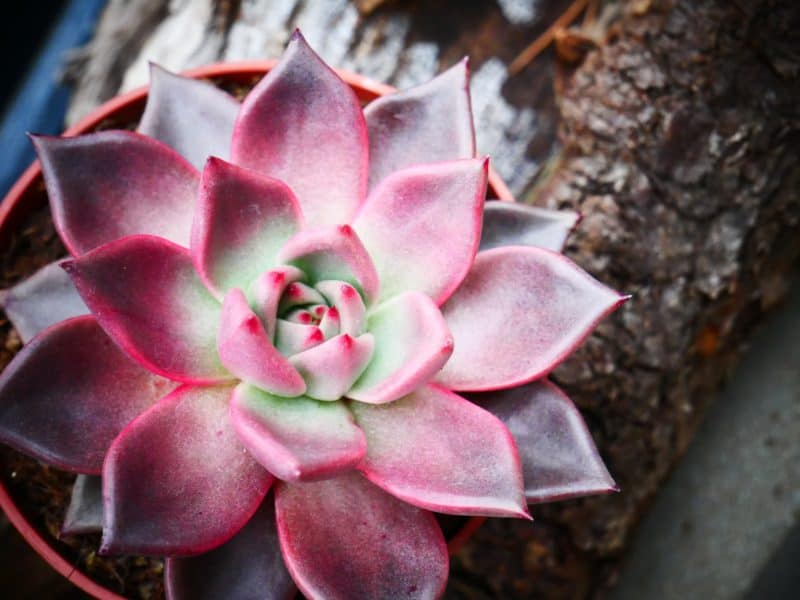
Colorful, quirky, and easy to grow, succulents make perfect indoor plants! Their fascinating shapes and low-maintenance care needs are ideal for beginners and seasoned plant lovers alike. Dive into these guides to keep your succulents happy and thriving indoors. 🌵
🌵 Succulents – Care Tips
- Light: Needs 6–8 hours of bright light or direct sun daily.
- Water: Water deeply, then let the soil dry completely before next watering.
- Humidity: Prefers low humidity. Dry air mimics natural conditions.
- Soil/Potting: Use fast-draining cactus/succulent mix and a pot with drainage holes.
- Fertilizer: Feed lightly in the growing season with diluted cactus fertilizer.
- Common issues: Stretching indicates too little light; mushy leaves mean overwatering.
👉 See all Succulents articles »
- 🌵 10 Benefits Of Succulent Plants Indoors [Plus They’re Easy To Grow]
- 🌵 Moonstone Succulent Care
- 🌵 Growing Hens and Chicks Indoors
🌿 Houseplant Tips & Inspiration
Looking to take your indoor garden to the next level? Check out these top tips from watering wisely to stylish displays that will help your houseplants thrive and elevate your space. 🌱
💧 Water & Feeding Smarts
- Rather than water on a strict schedule, always check soil moisture first. Water when the top 1–2″ is dry to prevent overwatering. A moisture meter or the finger test works great.
- Use warm, filtered, or rainwater where possible, as tap water with high minerals can stress plants.
- Fertilize lightly during spring and summer with a balanced houseplant fertilizer. For a budget-friendly boost, try banana-peel tea monthly to add potassium and magnesium.
🌞 Light & Environmental Care
- Match plant type with light level. Succulents love bright light, while snake plants, pothos, and ferns can tolerate moderate to low light.
- In summer or before a holiday, move plants out of harsh direct sun and group them. Grouping boosts humidity and lowers heat stress.
- Maintain steady indoor temps (65–85°F) and avoid placing plants near vents or drafty spaces.
🪴 Potting & Humidity Essentials
- Choose containers with drainage holes and proper potting mix. I use coco coir or a coco coir perlite mix. Never use garden soil. This avoids waterlogging and supports healthy roots.
- Repot when root-bound, typically every 1–2 years for fast growers like pothos, and refresh the soil.
- Raise humidity by grouping plants, adding a pebble tray, or using a small humidifier, particularly helpful in dry winter months.
🎨 Styling & Placement Tips
- Create visual interest by mixing plant heights. Use tall floor plants at the back, medium ones on tables, and trailing varieties on shelves.
- Group plants in odd-numbered clusters. It softens harsh lines and adds a designer touch to your spaces.
- Use different textures (spiky succulents, leafy ferns, trailing vines) and contrast pot colors or materials to create balance.
- A simple plant wall, floor-to-ceiling shelving, or even a repurposed cabinet with grow lighting can transform a room into a lush indoor sanctuary.
👉 See all Houseplants articles »
- 🌿 20 Benefits Of Keeping Indoor Plants For Improved Lifestyle
- 🌿 Best Air Purifying Indoor Plants
- 🌿 How To Keep Houseplants Alive In Winter
🌿 Indoor Houseplants FAQs
What are the easiest indoor houseplants for beginners?
Snake Plant, Pothos, ZZ Plant, Spider Plant, and Peace Lily are all beginner-friendly.
How often should I water indoor houseplants?
Most houseplants do better when watered by soil dryness, not on a strict schedule.
Do indoor houseplants need drainage holes?
Yes. Drainage holes help prevent root rot and overwatering problems.
What houseplants work best in low light?
ZZ Plants, Snake Plants, Pothos, and Cast Iron Plants handle low light best.
Can houseplants improve indoor air?
They can help improve humidity and overall room feel, but shouldn’t replace actual air filtration.
🌿 Keep Growing! Tips & Takeaways
Indoor gardening is a fun and rewarding way to bring nature into your home. From compact succulents to towering palms, there’s a houseplant to suit every space and every gardener. 🌿
Ready to Keep Learning? 🌿
📚 Guides
Looking to grow beyond houseplants? Here are our main indoor gardening categories:
Explore Our Indoor Gardening Guides
If you’re building out your indoor setup, these guides cover the main categories on IndoorGardenSpace—small spaces, balconies, containers, and the easiest plants to grow indoors.
- Indoor Houseplants Guide: Best Plants for Every Room
- Small Space Gardening for Apartments Made Easy
- Best Soil and Containers for Indoor Gardening
- Starting an Apartment Balcony Garden
- Microgreens Guide: How to Grow Indoors
- How To Grow Succulent Plants
- Indoor Herb Growing Guide
- Best Pet Friendly Indoor Plants for Small Spaces
🌿 Final Thoughts: Build Your Indoor Garden One Plant at a Time
A strong indoor garden usually starts with just one or two plants that match your space well. Once you understand your light, watering rhythm, and plant habits, adding more becomes much easier.
Use this guide as your starting point, then branch into the deeper care guides linked throughout. That way you’re always learning while building a healthier, better-looking indoor garden.
📚 Houseplants Resources & Recommended Reading
Want to dive deeper into caring for houseplants? 🌿 Here are some trusted resources and helpful guides to expand your indoor gardening knowledge: