
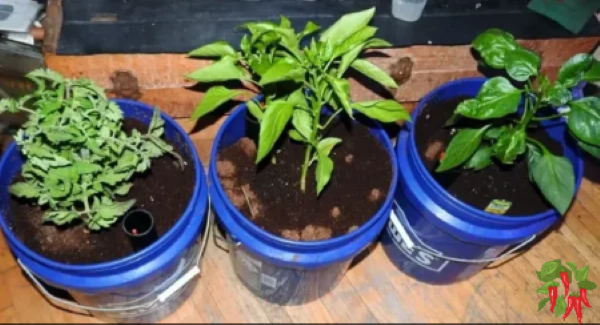
Choosing the Best Soil and Containers for Indoor Gardening makes a bigger difference than most beginners realize. A plant’s roots live in a closed system indoors, so the growing mix and pot shape everything from watering habits to root health.
A lot of indoor plant problems start below the surface. Slow growth, yellow leaves, fungus gnats, and root rot often trace back to the wrong mix or the wrong container.
This guide breaks down the best soil and containers for indoor gardening using simple coco coir-based mixes, practical container choices, and easy setup tips that make growing easier and more forgiving.
📦 What You’ll Learn 🪴
- 🪴 Why indoor soil is really a growing medium
- 🥥 How to build simple coco coir mixes that actually work
- 🌬️ Which add-ins improve airflow, drainage, and root health
- 📏 How to pick container sizes without creating root problems
- 🧺 How to match pot types to your watering habits
🌱 Quick Answer
The Best Soil and Containers for Indoor Gardening usually start with a simple coco coir and perlite mix paired with a pot that matches your watering habits. Good drainage, airflow, and proper pot sizing make indoor gardening much easier.
🏡 Find Soil and Containers for Indoor Gardening With Growing Media That Actually Works 👨🌾👩🌾
Soil is the most misunderstood part of indoor gardening—hands down.
Most beginner problems that look like “bad light” or “needs fertilizer” are really root problems, and root problems usually start with the mix and the pot.
Here’s the good news: once you dial in a simple coco coir-based mix and pair it with the right container, your plants get way easier to water, harder to overlove, and a whole lot more consistent.
This guide helps you pick the best growing media and containers for indoor gardening—without turning it into a chemistry class.
🧠 Why Indoor Soil Is Different (and Why Mix Matters More Than Fertilizer)
- 🪴 Indoors, your plant lives in a “closed system.” The pot and mix are its whole world.
- 💧 A good mix holds moisture and drains well—those aren’t opposites, you can have both.
- 🌬️ Roots don’t just need water… they need oxygen. Dense soil = suffocating roots.
- 🧱 Outdoor garden soil compacts fast in containers, which leads to slow growth and rot.
🌍 Understanding Indoor Container Media
🚫 Why garden soil doesn’t work in pots
- 🧱 It compacts quickly and stays wet too long
- 🐛 It can bring pests indoors (and you’ll regret it later)
- 🌧️ It doesn’t drain evenly—water “perches” and roots sit in a soggy zone
💧 The 3 things your mix must balance
- 💦 Water-holding (so you’re not watering twice a day)
- 🌬️ Aeration (so roots can breathe)
- 🚿 Drainage (so the pot never becomes a swamp)
🥥 Why Coco Coir Works So Well Indoors
- 🥥 Consistent from batch to batch (huge for beginners)
- 💧 Holds moisture evenly without turning into mud
- 🌬️ Plays nicely with aeration add-ins like perlite, pumice, and bark
- 🧪 Typically near-neutral pH and easy to customize
Quick real-life tip: if your coco coir comes in a brick, pre-hydrate it fully, fluff it up, and let it drain before mixing. That one little step makes your mix way more predictable.

🧱 The Best Add-Ins for Coco Coir Mixes
Think of coco coir as your base… and the add-ins as the “personality.” Pick the ones that match how you water and what you’re growing.
⚪ Perlite
- 🌬️ Adds air pockets so roots breathe better
- 🚿 Improves drainage and helps prevent compaction
- 😷 Dusty when dry—mix it slightly damp
🪨 Pumice
- 🧱 More durable than perlite (doesn’t crush as easily)
- 🌬️ Great for long-term pots like citrus and large houseplants
🟤 Vermiculite
- 💦 Holds moisture longer (great for thirsty herbs or seedlings)
- ⚠️ Easy to overdo if you already water often
🌲 Bark chips/orchid bark
- 🌬️ Adds chunk and airflow—amazing for woody roots like citrus
- 🧱 Helps mixes stay structured longer
💧 LECA (optional soil-free route)
- 🧪 Great if you like semi-hydro growing and consistent watering routines
- ⚠️ Not “easier,” just different—best once you’re comfortable with basics
🪱 Compost + Worm Castings: The “Secret Sauce” Additive (Without Turning Your Mix Into Mud)
This is the part a lot of indoor growers skip… and it’s why their plants look “fine” but never really take off.
Compost and worm castings are not your base. They’re an additive. Think of them like a steady, gentle upgrade that improves your mix without making it heavy.
🌿 What compost actually does in an indoor mix
- 🍽️ Adds slow, natural nutrition so plants don’t feel “hungry” all the time
- 🧬 Supports beneficial microbes (this is where mixes start acting “alive”)
- 🧽 Improves moisture-holding without turning coco into sludge (when used lightly)
🪱 Why worm castings are even better indoors
- 🌱 Gentle nutrition that’s hard to burn plants with
- 💪 Helps roots recover after transplant shock
- 🧠 Great for indoor veggies and herbs that get harvested often
📏 How much to use (keep it simple)
- Worm castings: 5–10% of your total mix (a small handful per gallon of mix is a good “lazy measurement”)
- Compost: 10–20% max (only if it’s finished, dark, and crumbly)
- Rule of thumb: the wetter you tend to keep pots, the less compost you should use
⚠️ Compost mistakes that cause indoor problems
- 🚫 Using “hot” or unfinished compost (smells strong, gets warm, looks chunky) — that can stress roots fast
- 🚫 Going heavy and creating a dense, water-holding layer in the pot
- 🐛 Bringing compost indoors that’s been sitting outside uncovered (gnats love that life)
My go-to indoor move: I keep the base mix airy (coco + perlite + bark if needed), then I add a light dose of worm castings. You get better growth without losing that “forgiving” drainage that saves beginners.
‼️ Tip: For most gardeners a simple mix of 75% coco coir and 25% perlite will work just fine for almost all plants.
🧪 Coco Coir + Perlite Mix Ratio Table
These mixes use just two ingredients—coco coir and perlite—making them easy to remember, easy to adjust, and beginner-friendly. Start here, then fine-tune based on how quickly your pots dry.
Simple Coco Coir Mixes (Just 2 Ingredients)
| Plant Type | Mix Ratio (Parts) | Why It Works | Beginner Tip |
|---|---|---|---|
| Most houseplants | 2 coco coir: 1 perlite | Balanced moisture and airflow for steady indoor growth | If pots dry too slowly, add more perlite |
| Succulents & cacti | 1 coco coir: 2 perlite | Fast-draining mix that prevents soggy roots | Water only after the pot dries almost completely |
| Herbs | 2 coco coir: 1 perlite | Keeps soil light while holding enough moisture for frequent harvests | Avoid compacting the mix when planting |
| Indoor vegetables | 2 coco coir: 1 perlite | Supports consistent moisture for leafy growth | Plan to fertilize—this mix is low in nutrients |
| Seed starting | 1 coco coir: 1 perlite | Light, fluffy texture for easy root development | Do not press the mix down—keep it airy |
🪴 Best Containers for Indoor Gardening
🏺 Terracotta
- 🌬️ Breathable and forgiving if you tend to overwater
- 💦 Dries faster—great for succulents, tricky for herbs
🧼 Ceramic (glazed)
- ✨ Looks great, stays stable (less tipping)
- ⚠️ Make sure it has a drainage hole (seriously)
🪣 Plastic
- 💧 Holds moisture longer—great for thirsty plants
- 🪴 Light and easy to repot (your back will thank you)
🧺 Fabric pots / grow bags
- 🌬️ Air-pruning helps roots stay branching and healthy
- 💦 Dry faster and can leak a bit—use trays
💧 Self-watering containers
- 🧠 Great for busy schedules and bigger veggies
- ⚠️ You still need the right mix—too fine and it stays wet
🪟 Clear nursery pots (my favorite learning tool)
- 👀 You can actually see root health and moisture patterns
- 🧩 Easy to slip inside a decorative cover pot
📏 Pot Size Guide (So You Don’t Accidentally Drown Your Plant)
- 📏 Most of the time, size up only 1–2 inches wider than the current pot.
- 🪴 Bigger pot = more wet mix = slower drying = higher rot risk.
- 🔁 Repot when roots are circling the pot, growing out the bottom, or watering turns into a daily thing.
🚿 Drainage Setup That Actually Works
- 🕳️ Drainage holes are non-negotiable for most indoor plants.
- 🪨 Skip rocks at the bottom—water drains best through one continuous mix column.
- 🧺 Use a saucer or tray, and empty it after watering if water is sitting there.
🧺 Container Decision Chart for Beginners
If you’re standing in a store holding three pots and questioning your life choices… use this chart. 😄
Beginner Container Decision Chart
| If you tend to… | Choose this container | Why it helps | Watch out for |
|---|---|---|---|
| 💦 Overwater (love your plants a little too much) | Terracotta or fabric pots | More airflow + faster drying = fewer root issues | May need more frequent watering in warm rooms |
| 😅 Forget to water | Plastic or self-watering | Holds moisture longer and smooths out dry spells | Fine mixes can stay wet too long—keep it airy |
| 🪴 Want to learn fast | Clear nursery pot inside a cover pot | You can see roots and moisture patterns (huge confidence booster) | Don’t let water pool in the cover pot |
| 🌵 Grow succulents or cacti | Terracotta with drainage | Fast drying + breathable walls = happier succulents | Use a gritty mix or you’ll still get rot |
| 🥬 Grow leafy greens / herbs indoors | Plastic or self-watering (with airy mix) | More even moisture = steadier growth and less stress | Avoid “no-hole” pots unless used as a cover pot only |
🐛 Common Indoor Soil Problems (and Quick Fixes)
🪰 Fungus gnats
- 🧡 Let the top inch dry between waterings (most infestations calm down fast)
- 🪴 Add more aeration (perlite/pumice) so the pot dries more evenly
- 🟡 Sticky traps help catch the adults while you fix the real issue (wet soil)
💦 Overwatering
- 🧠 Fix the system, not the symptom: use a chunkier mix + correct pot size
- 🪴 Water thoroughly, then wait until the pot gets lighter before watering again
🧱 Soil compaction
- 🪴 If your mix looks “flat” and dries unevenly, it’s breaking down
- 🌬️ Refresh with more perlite/pumice/bark at repot time
Soil and Containers for Indoor Gardening FAQs
💬 Soil and Containers for Indoor Gardening FAQs
What is the best soil for indoor plants?
A lightweight soilless mix with coco coir, perlite, and optional bark works well for most indoor plants.
Is coco coir better than peat moss?
Many indoor growers prefer coco coir because it holds moisture evenly, is renewable, and mixes easily with aeration materials.
Can I reuse coco coir mixes?
Yes, if the previous plant was healthy. Refresh it with fresh perlite and remove old roots first.
Do I need drainage holes in every pot?
For most indoor plants, yes. Drainage holes prevent water from pooling around roots.
Are self-watering pots good for beginners?
They can be excellent for herbs and vegetables, as long as the mix stays airy enough.
Should I put rocks in the bottom of pots?
No. Rocks can create a perched water table and reduce effective drainage.
🌿 Final Thoughts: Build Better Roots First
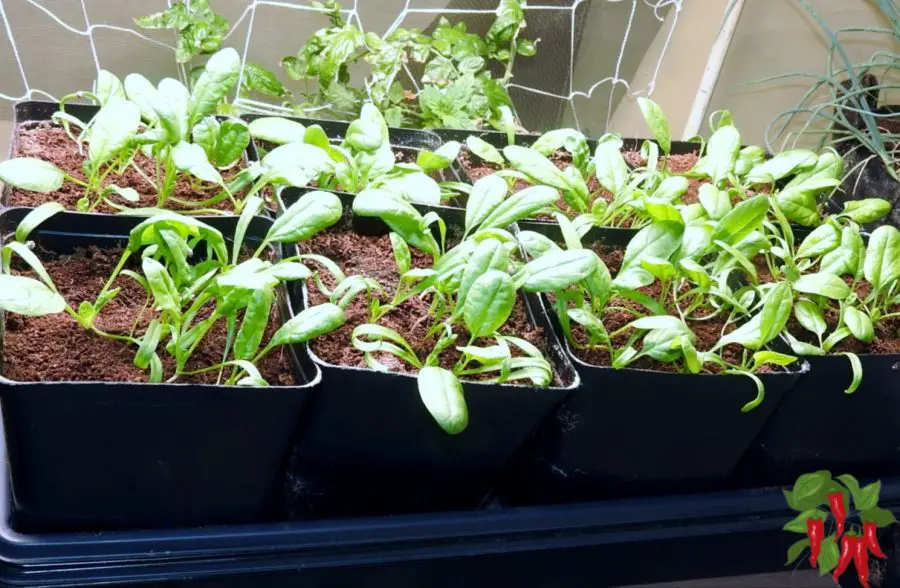
Indoor gardening gets easier when you focus on the root zone first. Strong roots make everything else simpler—watering, feeding, growth, and long-term plant health.
A simple coco coir mix and the right container can solve more problems than most fertilizers ever will. Start simple, adjust as you learn, and let your plants show you what works best in your space.
Once you understand how soil and containers work together, you’ll avoid a lot of beginner mistakes and grow with much more confidence.
🔗 Related Guides on Indoor Garden Space
Self-Watering Planters: Grow Amazing Plants with Less Effort
Coco Coir for Indoor Plants: Discover 7 Easy Coco Secrets
Soil vs Coco: Uncovered 9 Things To Know Before You Choose
How To Use Coco Coir Bricks: Easy Tips and Tricks
Pros and Cons of Fabric Pots: 5 Big Advantages
Coco Coir vs Peat Moss: 7 Important Differences
📚 References & Further Reading
- University of Maryland Extension – Potting and Repotting Indoor Plants
- University of Maryland Extension – Growing Media (Potting Soil) for Containers
- University of Wisconsin Extension – Growing Vegetables in Containers
- Washington State University – The Myth of Drainage Material in Container Plantings (PDF)
- University of Georgia Extension – Gardening in Containers
- Purdue University – Understanding Container Soils (PDF)