

Black Bamboo In Pots is one of the easiest ways to grow this dramatic plant without worrying about it spreading through your yard. The dark canes, bright green leaves, and upright growth make it one of the most eye-catching bamboo varieties you can grow in containers.
I like it because it works in several ways. It can be a patio privacy screen, a bold balcony focal point, or even a large indoor statement plant if you have enough light.
This guide will show you how to grow Black Bamboo In Pots, choose the right container, build a better soil mix, manage fast growth, and keep it healthy indoors or outdoors.
🎋 What You’ll Learn
- 🪴 How to choose the best pot size for black bamboo
- 🥥 How to build a better coco coir bamboo mix
- ☀️ Where to place black bamboo indoors and outdoors
- ✂️ How to control height and spread in containers
- 🛠️ How to fix yellow leaves, weak canes, and root crowding
🌱 Quick Answer
Black Bamboo In Pots grows best in large containers with drainage, a rich airy mix like coco coir and perlite, regular watering, and strong light. Container growing keeps bamboo manageable while still allowing fast healthy growth.
See Black Bamboo Plants and Seeds on Amazon
Why Grow Black Bamboo?
Black Bamboo plants are a popular choice for indoor and outdoor gardeners due to their unique and fast-growing appearance, as well as their cold-hardy strength.
These plants are low-maintenance and hassle-free, making them perfect for beginners.
Black Bamboo is one of the hardiest Bamboo varieties available for cold winters and can withstand temperatures down to 0 degrees, making it a good choice for gardeners in far-North states.
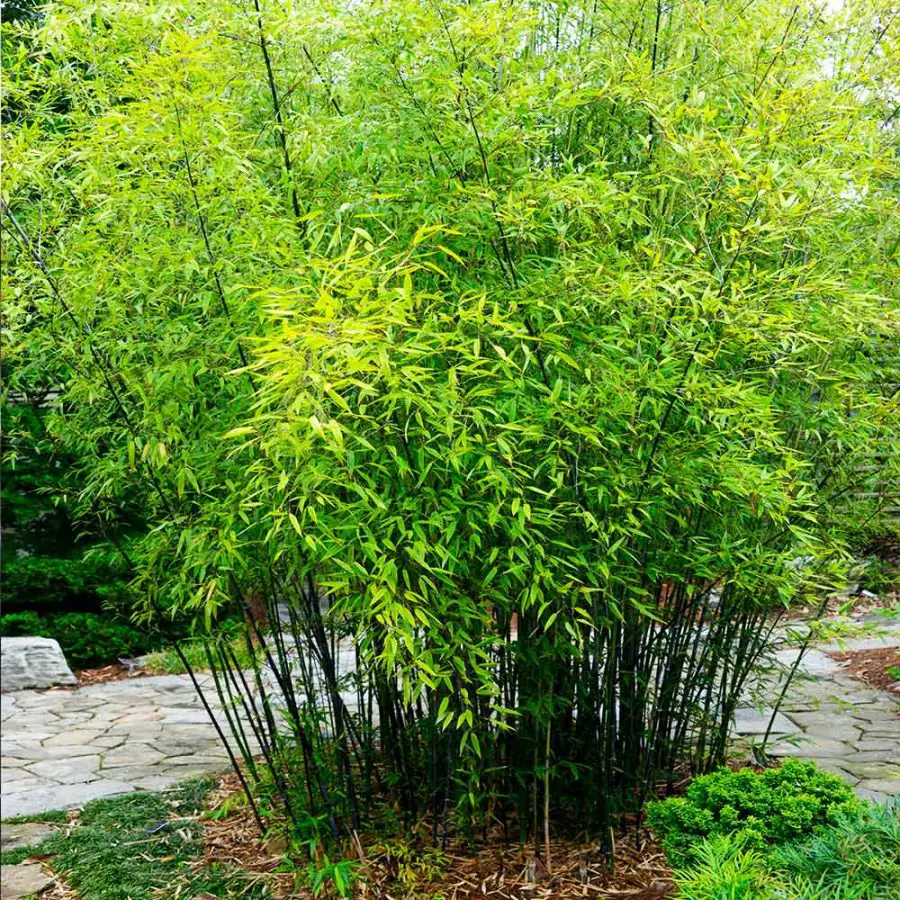
This bamboo species is not a running bamboo that spreads by underground rhizomes so it is not invasive and won’t take over your yard if you plant it outdoors.
It belongs to the clumping types of bamboo and won’t spread like some other bamboo spread.
Besides that, if you grow them in pots the pot becomes a natural root barrier.
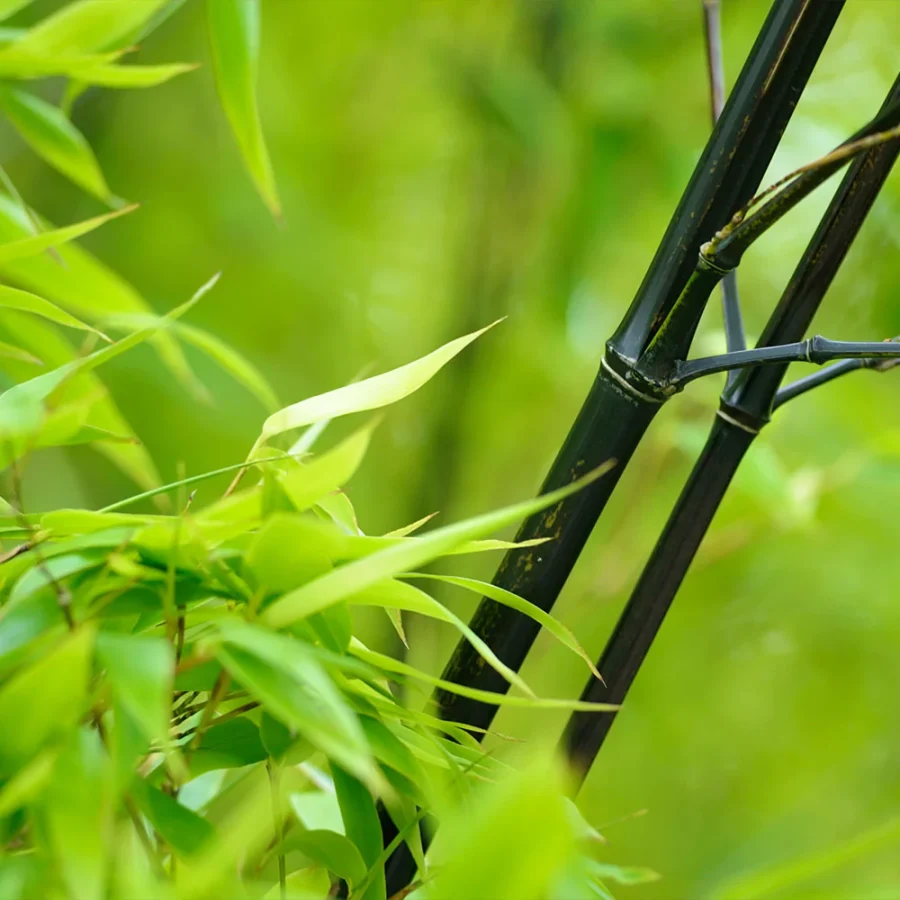
One of the most striking features of Black Bamboo is its appearance.
When the tree arrives, the new canes and new growth will be green with dark green leaves, but by the second year (or even sooner), the canes will transition to a flat ebony black color.
I believe this is the only species that has truly black culms.
The lush, deep green foliage provides a stunning contrast to the black culms that is incomparable to other bamboo varieties.
Black Bamboo is an amazing addition to any garden, whether used as a focal point or a central part of home decor.
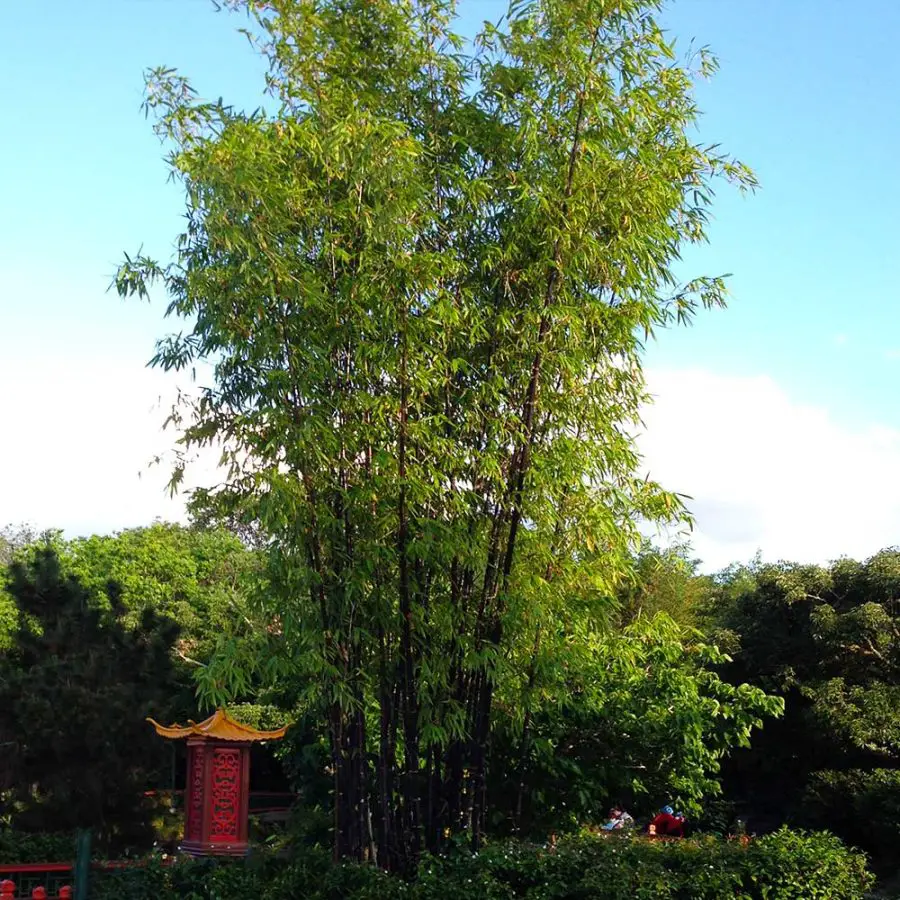
These plants are also durable fast growers, claiming 10 to 12 feet each year with mature plants ultimately reaching 25 feet in height.
They are easy to trim to the desired height and some gardeners choose to plant several of them 3 to 5 feet apart to create black bamboo hedges as a privacy screen.
Overall, Black Bamboo plants are an excellent choice for those looking to add a unique and visually appealing plant to their garden.
According to Wikipedia: Phyllostachys nigra, commonly known as black bamboo or purple bamboo is a species of bamboo, native to Hunan Province of China, and is widely cultivated elsewhere.
Growing up to 25 m (82 ft) tall by 30 cm (1 ft) broad, it forms clumps of slender arching canes which turn black after two or three seasons. The abundant lance-shaped leaves are 4–13 cm (2–5 in) long.
Black Bamboo Phyllostachys nigra) Quick Facts
| Mature Height: | 15-25 ft. |
| Mature Width: | 5-10 ft. |
| Sunlight: | Full-Partial |
| Growth Rate: | Fast |
| Botanical Name: | Phyllostachys nigra |
| Grows Well In Zones: | 6-10 outdoors |

Buy your own Black Bamboo here
🏡 Best Locations for Black Bamboo In Pots
Placement changes how fast and full your bamboo grows.
- Sunny patio: Best overall growth and strongest cane color.
- Balcony privacy wall: Great for screens and visual barriers.
- Bright sunroom: Strong indoor option.
- Large window with strong light: Works indoors if space allows.
Outdoors usually produces stronger growth than indoors.
Benefits Of Growing Black Bamboo In Pots
Buy your own Black Bamboo here
Are you on the hunt for a unique and stylish plant to add to your home or garden?
Look no further than black bamboo in pots! Not only does it add a touch of elegance and charm to any space, but it’s also super easy to care for.
In this article, we’ll be sharing all the benefits and care tips for growing black bamboo in pots, as well as how to successfully grow it indoors for a truly unique addition to your home. Let’s dive in!
Black Bamboo and its appeal to gardeners
Black bamboo, or Phyllostachys nigra, is a species of bamboo that is highly sought after for its striking appearance.
It has tall, straight stalks that are a deep shade of black, making it a unique and eye-catching addition to any garden or home.
Not only is it beautiful to look at, but it’s also incredibly versatile and easy to care for.
Why growing black bamboo in pots is a good option
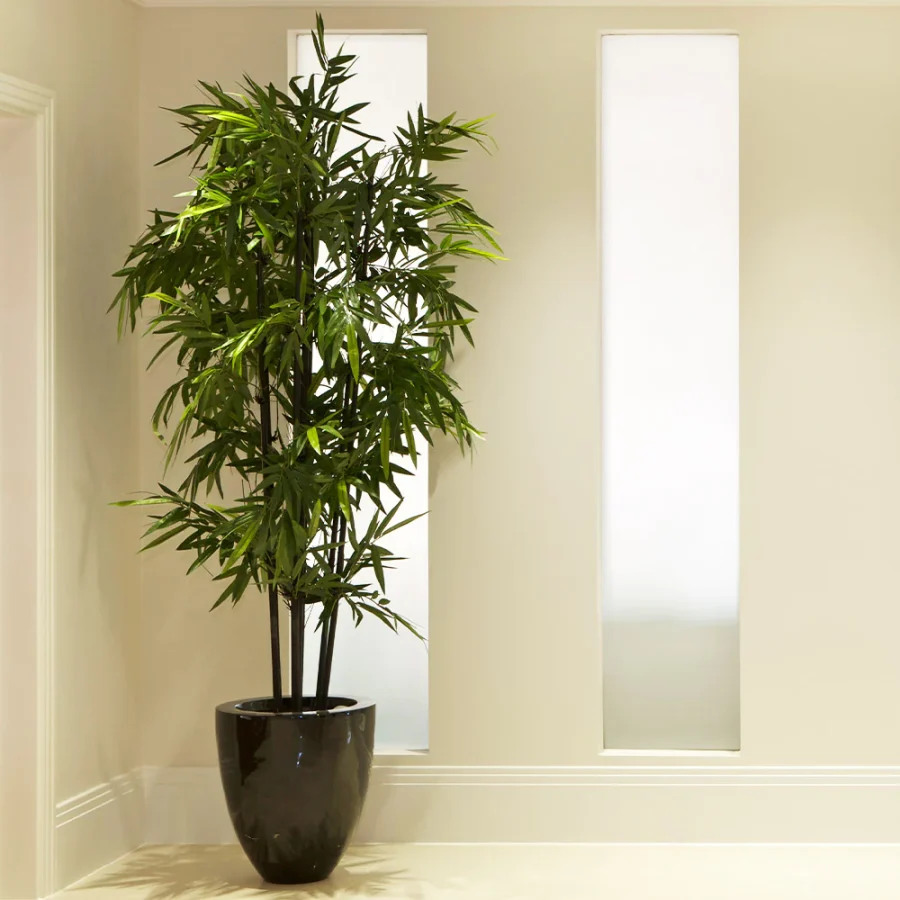
Growing black bamboo in pots is a great option for those who want to add this stunning plant to their home or garden but have limited space or want to keep the bamboo contained.
Potted black bamboo also allows for greater control over its growth and makes it easier to move the plant around if necessary.
They make a great container plant either in or outdoors.
The benefits of growing black bamboo in pots
One of the biggest benefits of growing black bamboo in pots is the ease of care.
Potted bamboo requires minimal maintenance, and with proper care, it can thrive for many years.
Additionally, growing black bamboo in pots allows you to enjoy its beauty without worrying about it spreading uncontrollably or invading nearby plant beds.
Choosing the Right Pot
Hey plant enthusiasts! Choosing the right pot for your black bamboo is crucial to its growth and health.
In this section, we’ll be discussing everything you need to know about selecting the perfect pot for your bamboo.
We’ll cover the ideal size and shape, the importance of proper drainage, and the materials that work best for black bamboo pots. So, let’s get started!
Ideal Pot Size and Shape:
When it comes to black bamboo, bigger is better! The ideal pot size for your bamboo will depend on how large you want it to grow.
As a general rule, choose a large pot that’s at least two to three times larger than the size of the plant’s root ball.
In terms of shape, we recommend choosing a pot with a wider base to provide stability as the bamboo grows taller.
Proper Drainage:
Proper drainage is essential for the health of your black bamboo.
Without adequate drainage, excess water can accumulate in the pot and lead to root rot.
To ensure proper drainage, choose a pot with drainage holes at the bottom.
You can also add a layer of gravel or stones to the bottom of the pot to improve drainage.
Materials for Black Bamboo Pots:
The best materials for black bamboo pots are ones that are durable, provide good drainage, and are aesthetically pleasing.
Terracotta and ceramic pots are popular choices, as they’re sturdy and provide good drainage.
However, they can be heavy and a terracotta pot can be prone to cracking in colder temperatures.
Plastic pots are lightweight and affordable, but may not be as visually appealing.
Wooden pots can also work well, but be sure to choose one made from rot-resistant wood like cedar or redwood.
Planting Black Bamboo in Pots
Ready to get your hands dirty? Let’s talk about planting black bamboo in pots!
Whether you’re a seasoned gardener or a newbie, we’ve got you covered with all the tips and tricks you’ll need to successfully plant your black bamboo in a pot.
From soil preparation to proper placement, we’ll guide you through the process step-by-step. So grab your gardening gloves and let’s get started!
🌱 Soil Preparation and Potting Mix
Black bamboo likes a rich but airy mix that holds moisture without staying heavy.
- Use 70% coco coir
- Add 20% perlite
- Add 10% compost or worm castings
This mix gives strong drainage, good moisture retention, and enough airflow for healthy root growth.
Skip rocks or gravel at the bottom. Good drainage holes matter more.
Watering and fertilizing:
When it comes to watering your black bamboo, be sure to keep the soil moist but not waterlogged.
Overwatering can lead to root rot and other issues.
In terms of fertilizing, use a balanced fertilizer once a month during the growing season (spring and summer).
You can add a time-release fertilizer at planting time which makes fertilizing your new plant much easier to manage.
Just be sure to follow directions and don’t over do it. Less is more when it comes to fertilizing.
Tips for keeping bamboo healthy:
Black Bamboo plants enjoy full sun but can grow in partial shade too.
To ensure your black bamboo thrives in its pot monitor its light conditions and make sure it’s getting enough sunlight (at least 6 hours per day), and protect it from harsh winds.
Also, be sure to monitor the growth of your bamboo and trim any dead or yellowing leaves to promote healthy growth.
With proper care and attention, your black bamboo will be flourishing in no time!
They can become large plants without pruning but in many parts of the country they can be moved outdoors and overwintered
Maintaining Black Bamboo in Pots
Congratulations on successfully planting your black bamboo in a pot!
Now that it’s growing, you’ll need to maintain it to keep it healthy and thriving.
In this section, we’ll cover the necessary maintenance tasks for black bamboo in pots, including managing growth and controlling pests and diseases.
Don’t worry, it’s not too complicated and with a little effort, your black bamboo will continue to flourish. Let’s get started!
Necessary maintenance for black bamboo in pots
Once your black bamboo is established in its pot, there are a few things you’ll need to do to keep it healthy.
Regular watering and fertilizing are important, as is pruning to manage growth. You’ll also need to watch out for pests and diseases.
How to manage bamboo growth in the pot
Black bamboo can grow quickly, so it’s important to manage its growth in the pot.
Regular pruning can help control the size and shape of the plant.
You can also thin out some of the new shoots to promote healthy growth and prevent overcrowding.
How to control pests and diseases in black bamboo pots
Black bamboo is generally hardy and resistant to pests and diseases, but it’s still important to keep an eye out for any issues.
Common pests include spider mites and mealybugs, which can be controlled with insecticidal soap.
Diseases such as bamboo mosaic virus and bamboo blight can also occur, so it’s important to keep the plant healthy with proper watering and fertilizing.
If you notice any issues, it’s best to address them promptly to prevent further damage to the plant.
🪴 Repotting Black Bamboo In Pots
Black bamboo grows fast and fills containers quickly. Plan to repot every 2–3 years.
- Move up one size at a time.
- Trim roots if needed to control size.
- Refresh the growing mix completely.
- Best done in spring.
Black Bamboo Indoors
Thinking of bringing some greenery to your home? Look no further than black bamboo!
While it may seem daunting to grow bamboo indoors, black bamboo can actually thrive in the right conditions.
In this section, we’ll discuss the advantages and disadvantages of growing black bamboo indoors, the ideal growing conditions, and tips for successful care.
Get ready to bring some natural beauty to your living space!
Pros and Cons of Growing Black Bamboo Indoors:
Growing black bamboo indoors can be a great option for those who live in areas with harsh climates or limited outdoor space.
However, it is important to weigh the advantages and disadvantages before making the decision to grow it indoors.
Ideal Growing Conditions for Black Bamboo Indoors:
To thrive indoors, black bamboo requires specific growing conditions, including proper lighting, humidity, and temperature.
It is important to choose a location that provides adequate sunlight and to maintain consistent moisture levels to prevent the bamboo from drying out.
Tips for Successfully Growing and Caring for Black Bamboo Indoors:
To ensure the health and vitality of your indoor black bamboo plant, there are a few key steps to follow.
This includes selecting the appropriate pot size and type, using the right soil mixture, and providing the plant with regular care, including watering, fertilizing, and pruning.
Additionally, it is important to monitor the plant for signs of stress or disease and to take prompt action to address any issues that arise.
🛠️ Common Problems / Troubleshooting
Yellow Leaves
Often from inconsistent watering or nutrient issues.
Brown Leaf Tips
Usually dry air, missed watering, or salt buildup.
Weak Thin Canes
Usually not enough light.
Root Bound Growth
Repot or root prune to restore vigor.
Spider Mites
More common indoors. Increase humidity and wash foliage.
💬 Black Bamboo In Pots FAQs
Can black bamboo stay in pots long term?
Yes, as long as you repot or root prune regularly.
Does black bamboo spread in pots?
Containers keep it controlled and far easier to manage.
Can black bamboo grow indoors?
Yes, but it needs strong light and space.
How fast does black bamboo grow in pots?
Very fast in warm bright conditions, often several feet per year.
Does black bamboo need full sun?
Full to partial sun works best.
🎋 Final Thoughts: Black Bamboo In Pots Is Easier Than Most People Think
Black bamboo gives you one of the boldest container plants you can grow, whether you want privacy, height, or pure visual impact.
The biggest keys are giving it enough root space, enough water, and enough light. Once those are in place, it grows fast and stays surprisingly easy to manage.
Buy your Black Bamboo tree here