

How to Keep Houseplants Alive in Winter is a challenge many indoor gardeners face as shorter days, cooler temperatures, and dry indoor air begin to affect plant growth. Houseplants that thrived during spring and summer often require adjustments to watering, lighting, humidity, and fertilizing routines once winter arrives.
The good news is that most winter plant problems can be prevented with a few simple changes. Understanding how winter conditions affect indoor plants can help you keep your collection healthy until active growth resumes in spring.
What You’ll Learn
- How winter affects indoor plant growth
- When to adjust watering schedules
- How to improve humidity and lighting
- Ways to protect plants from cold drafts
- Common winter houseplant problems and solutions
How to Keep Houseplants Alive in Winter
Most houseplants survive winter by receiving less water, adequate light, moderate humidity, and protection from cold drafts. Adjusting your care routine to match slower winter growth is the key to keeping indoor plants healthy until spring.
Discover the joys of winter gardening with our guide on how to keep houseplants alive in winter. Embrace the chill and let your indoor greenery thrive!
As the days grow shorter and the temperatures dip, the challenge of how to keep houseplants alive in winter becomes a common concern among indoor gardeners.
But don’t worry our comprehensive guide is here to unveil the secrets of maintaining a lush indoor garden, no matter how frosty the days get.
How to Keep Houseplants Alive in Winter
The serene beauty of snow gently layering the outside world might be a sight to behold, but the chilly winds of winter bring along a set of challenges for indoor gardeners.
The reduced sunlight, dry indoor air, and cooler temperatures can potentially stress your beloved houseplants.
However, with a blend of attentive care and a few adjustments, you can ensure your indoor plants in winter not only survive but thrive during the frosty season.
Adjusting Watering Schedules
The arrival of winter brings a shift in the growing conditions for your indoor garden, making water management crucial for plant health.
Here’s a deeper dive into tailoring your watering schedules to winter’s demands:
Reduce Watering:
As the mercury dips, plants slip into a phase of slowed growth, and lower evaporation levels ensue.
The cooler temperatures and reduced light lead to less water loss through evaporation and transpiration.
Consequently, your plants won’t need as much water as they do in the warmer months.
Over-watering during winter can lead to waterlogged soil, which in turn can cause root rot a common issue that can be fatal to plants.
It’s essential to cut back on watering, ensuring that the soil dries out adequately between watering sessions.
Check Soil Moisture:
A simple yet effective way to gauge when your plants need water is by checking the soil moisture. Insert your finger into the soil up to an inch deep.
If the soil feels dry at your fingertip, it’s a green signal to water your plants.
Alternatively, you can use a soil moisture meter, which provides a visual indicator of the moisture levels, taking the guesswork out of the equation.
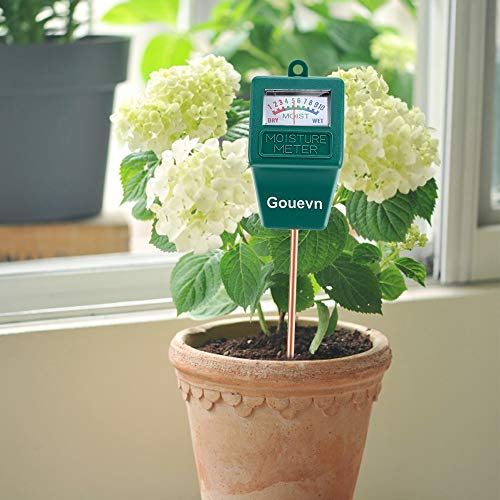
To keep your houseplants alive in winter regularly checking soil moisture before watering can prevent over-watering, promoting healthier root systems and overall plant growth.
Use Room Temperature Water:
Imagine a cold shower on a freezing morning; that’s how plants feel when doused with cold water.
Cold water can shock the root system of your plants, causing stress. It’s advisable to use room-temperature water when watering your indoor plants during winter.
This simple step goes a long way in keeping your plants comfortable and stress-free during the colder months.
Collecting water in a watering can and allowing it to sit indoors to reach room temperature before watering is a practical way to ensure you’re not shocking your plants with a cold splash.
By meticulously managing your watering schedules, checking soil moisture, and using room temperature water, you can significantly enhance the well-being of your houseplants during winter.
These steps form the foundation of winter care, setting the stage for your indoor garden to continue flourishing despite the chill in the air.
Maintaining Humidity Levels
Winter’s chill often brings with it dry indoor air, a condition not favorable for many houseplants, especially tropical ones.
Maintaining optimal humidity levels is pivotal for keeping your leafy companions thriving during the colder months.
Here’s more on how to manage humidity levels effectively:
Use Humidifiers:
Combatting the dryness in the air is a significant step towards creating a hospitable environment for your plants.
Humidifiers are excellent tools to help achieve this. By releasing moisture into the air, humidifiers help maintain a favorable humidity level for your plants, which is especially beneficial for tropical plants accustomed to moist conditions.
Placing a humidifier in close proximity to your plants or in the room where you house your indoor garden can make a world of difference in keeping the foliage lush and vibrant.
Group Plants Together:
Much like humans, plants too enjoy company. When grouped together, plants create a microenvironment with higher humidity.
The water from the plants’ leaves and soil evaporates into the air, increasing the moisture level around them.
This communal setup is not only aesthetically pleasing but also functional in creating a more humid environment conducive to growth.
However, ensure there’s still enough air circulation to prevent mold growth and other potential issues.
Misting:
Misting is a simple and effective way to provide your plants with additional moisture.
This is particularly beneficial for tropical plants that thrive in high-humidity environments.
Lightly misting your plants with a spray bottle helps maintain the humidity around them.
However, it’s a temporary solution and works best when combined with other methods like using humidifiers or grouping plants together.
Ensure to mist your plants in the morning so that the water has enough time to evaporate before the cooler night temperatures set in.
Utilizing Pebble Trays:
Pebble trays are a tried-and-true method to up the humidity game for your houseplants. Here’s how to do it:
- Setup: Find a shallow tray and fill it with pebbles or small stones. Add water to the tray until it’s about halfway up the pebbles. Place your potted plants on top of the pebbles ensuring that the bottoms of the pots are above the water level.
- How It Works: The water in the tray evaporates, creating a humid microclimate around your plants. As the water evaporates, it increases the humidity around the immediate vicinity of the plants, providing them with the moisture they crave, especially during the dry winter months.
- Maintenance: Keep an eye on the water level in the pebble tray, especially during winter when indoor heating systems can cause the water to evaporate more quickly. Refill the tray as needed to ensure continuous evaporation, thus maintaining the humidity levels.
- Additional Tip: For an extra touch of aesthetics, you could use decorative stones or colored pebbles to make the setup more visually appealing while serving its primary purpose of boosting humidity.
Pebble trays are an excellent, low-tech way to create a more plant-friendly humidity level, especially during winter when indoor air tends to be dry.
This, coupled with other humidity-enhancing methods like using humidifiers, grouping plants together, and misting, can significantly improve the living conditions for your indoor plants, helping them thrive through the winter months.
Employing a combination of these methods can significantly help in maintaining a conducive humidity level for your houseplants during winter.
With a bit of attention to humidity, you can recreate a bit of the tropics right in your living room, allowing your houseplants to breathe and grow even when it’s frosty outside.
Enhancing Light Availability

The gray skies of winter often cast a gloom that hinders the abundant sunlight your houseplants crave.
The shorter daylight hours can be quite a hurdle, but with some strategic adjustments, you can ensure your green buddies receive the illumination they need to thrive.
Here’s a more detailed exploration of how to enhance light availability for your indoor garden during winter:
- Utilize South-Facing Windows:
- Maximized Sunlight Exposure: South-facing windows are a boon during the winter months. They allow the most daylight to enter, providing a natural source of light for your plants. The sun follows a lower path across the sky during winter, and south-facing windows capture a significant portion of this scant sunlight.
- Strategic Positioning: Positioning your plants near these windows can significantly improve their light intake. Ensure that the windows are clean to allow maximum light penetration and consider placing taller plants behind shorter ones to ensure every plant receives adequate light.
- Employ Grow Lights:
- Supplemental Lighting: The natural sunlight during winter may not be enough for your plants, especially for those with high light requirements. Grow lights serve as an excellent supplement, providing the necessary spectrum of light for photosynthesis.
- LED Grow Lights: Opt for LED grow lights as they are energy-efficient and emit a broad spectrum of light that closely mimics natural sunlight. They come in various styles, including panels, bars, or bulbs, which can be chosen based on your garden setup.
- Rotate Plants Regularly:
- Even Growth: Plants tend to grow towards the light source, which could lead to uneven growth if they are left in the same position for too long. Rotating your plants every few days ensures that all sides receive equal light exposure, promoting balanced growth.
- Regular Monitoring: As you rotate your plants, it’s also a good opportunity to check for pests, diseases, or other issues. Regular interaction with your plants allows you to spot and address problems early on.
- Use Reflective Surfaces:
- Increased Light Distribution: Incorporate reflective materials like mirrors or reflective film around your garden area. These materials can help bounce available sunlight onto your plants, maximizing their exposure to natural light.
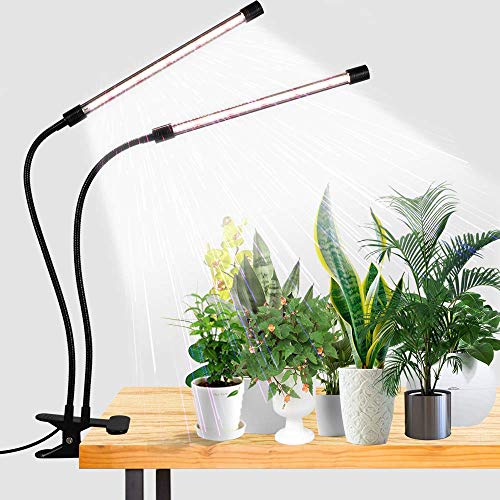
By employing a mix of natural light optimization and supplemental lighting, coupled with regular rotation and the use of reflective surfaces, you can significantly enhance the light availability for your houseplants.
These steps are pivotal in overcoming the winter gloom and providing your indoor garden with the essential light it needs to flourish during the colder months.
Providing Adequate Warmth
Winter’s chill can permeate indoors, potentially causing discomfort to your houseplants.
Providing adequate warmth is crucial for their well-being during the cold months.
Here’s how to ensure your leafy friends stay cozy and continue to grow even when the temperatures dip:
- Keep Away From Drafts:
- Identify Draft Sources: Drafty windows and doors are common culprits that can expose your plants to cold air. It’s essential to identify these sources and position your plants away from them to avoid a sudden drop in temperature which can cause stress to the plants.
- Seal Drafts: If possible, seal any drafts with weather stripping or use draft stoppers to minimize cold air intrusion. Creating a snug indoor environment is beneficial for both your plants and your heating bills.
- Utilize Mini Greenhouses:
- Controlled Environment: Small indoor greenhouses offer a controlled environment for your plants. They provide a barrier to cold drafts and help retain warmth, creating a microclimate that’s more conducive for plant growth during winter.
- Versatile Options: Indoor greenhouses come in various sizes and styles to fit different spaces. They can be placed on tabletops, or shelves, or even have a standalone design. The clear panels allow for sunlight penetration while keeping the warmth in.

- Use Heated Mats:
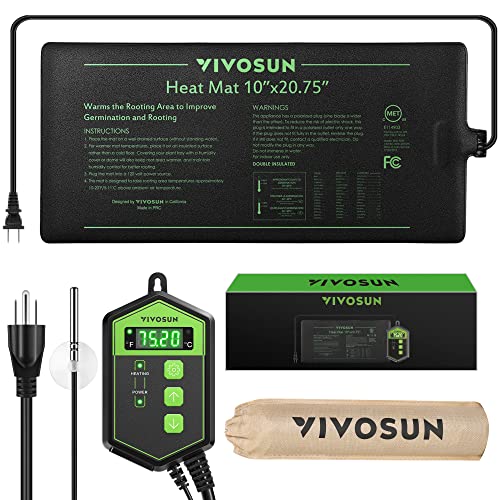
- Root Zone Warmth: Heated mats are designed to be placed under your pots, providing gentle warmth to the root zone. This is particularly beneficial during winter when the floor can get quite cold. Warm roots promote better water and nutrient uptake, supporting healthier growth.
- Thermostat Control: Many heated mats come with thermostat controls allowing you to set the desired temperature. Ensuring the root zone stays warm without overheating is crucial for optimal growth.
- Employ Space Heaters:
- Room Temperature Management: If your indoor garden is housed in a particularly chilly room, consider using a space heater to raise the room’s temperature and keep your indoor plants warm. Ensure it’s placed at a safe distance from your plants and set to a plant-friendly temperature to avoid overheating.
By meticulously managing the temperature around your plants, employing mini greenhouses, and heated mats, and keeping the cold drafts at bay, you can create a warm haven for your houseplants.
These steps are instrumental in ensuring your indoor garden continues to flourish, providing a lush, green sanctuary amidst the winter white outside.
Proper Fertilization
Winter’s arrival signals a time of slower growth for many houseplants.
The reduced light and cooler temperatures cause a shift in their nutritional needs.
Over-fertilizing during this period could lead to nutrient buildup in the soil, which could be detrimental to your plants.
Here’s a breakdown of how to adjust your fertilization routine to align with your plants’ winter needs:
- Reduce Fertilization:
- Understanding Nutrient Needs: During winter, the slowed growth rate of your plants translates to reduced nutrient requirements. It’s essential to understand this shift and adjust your fertilization routine accordingly to prevent over-fertilization, which can lead to nutrient buildup and potential root damage.
- Monitoring Plant Response: Observing your plants is key to understanding their nutritional needs. If they continue to grow steadily, a lighter fertilization schedule compared to the summer months would suffice. However, if growth is significantly slowed or halted, further reducing the fertilizer or even skipping it until early spring may be necessary.
- Use Slow-Release Fertilizers:
- Steady Nutrient Supply: Slow-release fertilizers are designed to provide a steady supply of nutrients over an extended period. This slow release is particularly beneficial during winter when plants are in a slower growth phase. It ensures that plants receive the essential nutrients they need but at a slower, more manageable pace.
- Choosing the Right Formula: Opt for a balanced slow-release fertilizer that will provide a broad spectrum of nutrients. Ensure it has a mix of both macro and micronutrients to cater to the holistic nutritional needs of your plants.
- Liquid Fertilizers:
- Controlled Dosage: If you prefer more control over the nutrient dosage, liquid fertilizers are an alternative. They allow for easy adjustment of the nutrient concentration, which is beneficial during winter when plants require less nutrition. Dilute the fertilizer to a weaker strength than the recommended dosage on the packaging for winter use.
- Organic Alternatives:
- Gentle Nutrition: Organic fertilizers are a gentle option, releasing nutrients at a slower rate which is conducive for the winter months. They also improve soil structure and promote beneficial microbial activity, which can be beneficial for your plants’ overall health.
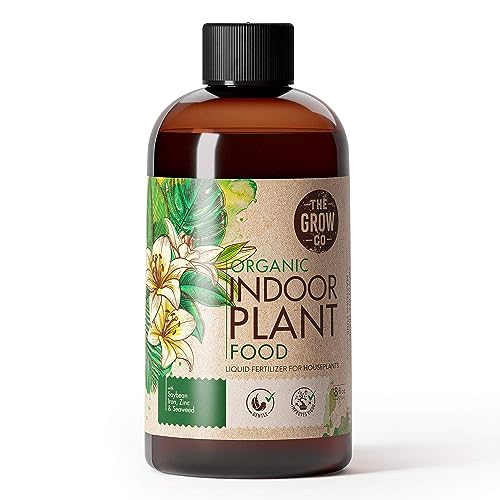
Adjusting your fertilization routine to the winter conditions is an essential aspect of maintaining a healthy indoor garden during the colder months.
By reducing fertilization and opting for slow-release or diluted liquid fertilizers, you can cater to your plants’ reduced nutrient needs
This ensures they remain healthy and well-nourished as they await the warmth and vibrant growth of the coming spring.
Incorporating these practices can significantly enhance the well-being of your houseplants during winter.
By adjusting your care routine to the whims of winter, you can continue to enjoy the lush, green ambiance of your indoor garden, a warm contrast to the chilly world outside.
Common Winter Houseplant Problems
Why Are My Houseplant Leaves Turning Yellow?
Yellow leaves are often caused by overwatering during winter. Because plants grow more slowly, they use less water and the soil stays wet longer.
Why Are My Houseplant Leaf Tips Turning Brown?
Brown tips are commonly caused by dry indoor air from heating systems, inconsistent watering, or mineral buildup from tap water.
Why Is My Houseplant Dropping Leaves?
Sudden leaf drop can occur when plants experience cold drafts, rapid temperature changes, overwatering, or insufficient light.
Why Is My Houseplant Not Growing?
Many houseplants naturally slow their growth during winter due to shorter days and lower light levels. This is usually normal and growth often resumes in spring.
Should I Fertilize Houseplants in Winter?
Most houseplants need little or no fertilizer during winter because their growth slows significantly. Resume regular feeding as active growth returns in spring.
How to Keep Houseplants Alive in Winter FAQs
How to Keep Houseplants Alive in Winter FAQs
How Often Should I Water Houseplants in Winter?
Most houseplants need less water during winter because growth slows and evaporation decreases. Always check soil moisture before watering.
Can Houseplants Survive Winter Near a Window?
Yes, but avoid placing plants where leaves touch cold glass or where drafts enter through poorly insulated windows.
Do Houseplants Need Fertilizer During Winter?
Many houseplants require little or no fertilizer during winter. Wait until active growth resumes in spring before increasing feeding.
Should I Use Grow Lights in Winter?
Grow lights can be very helpful during winter, especially for plants that need bright light or homes with limited natural sunlight.
Why Do Houseplants Struggle in Winter?
Reduced sunlight, dry air, cooler temperatures, and improper watering are the most common reasons houseplants decline during winter.
Keeping Houseplants Alive in Winter: Conclusion
How to Keep Houseplants Alive in Winter: Final Thoughts
Winter can be challenging for indoor plants, but a few simple adjustments often make all the difference. Reducing watering, increasing available light, maintaining humidity, and protecting plants from cold drafts can help them stay healthy through the colder months.
Remember that many houseplants naturally slow their growth during winter. Rather than trying to force active growth, focus on maintaining stable conditions and avoiding common winter care mistakes.
With a little extra attention, your houseplants can emerge from winter healthy, strong, and ready to thrive when spring arrives.
Read More: