
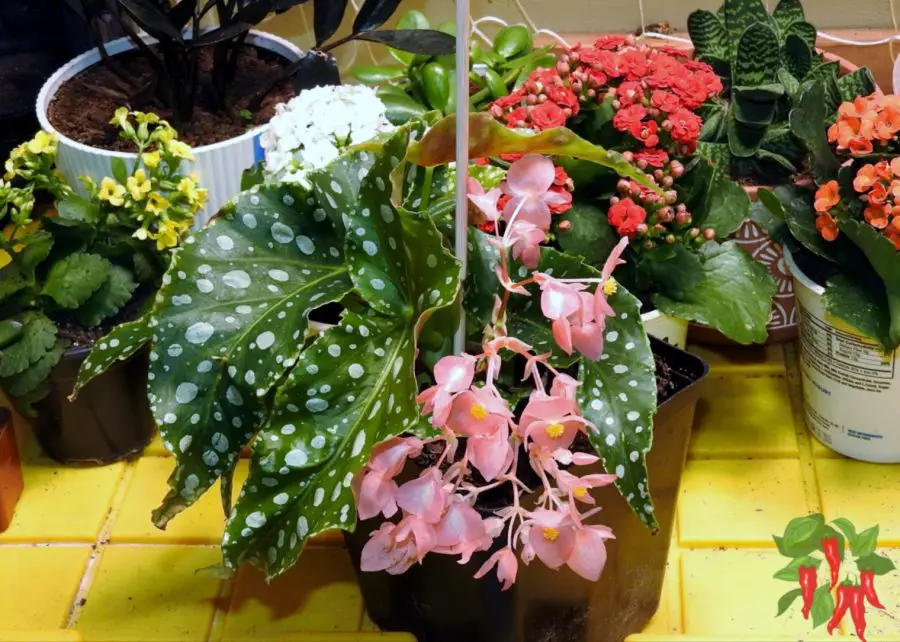
✨ Apartment Gardening Made Simple
Small Space Gardening for Apartments Made Easy is about using the space you already have—windows, walls, shelves, and corners—to grow plants without clutter.
You’ll learn how to pick apartment-proof plants, avoid common “tiny home” mistakes (like overwatering and crowding), and build a simple setup that actually looks good and stays alive.
If you’ve ever looked around your apartment and thought, “Where would a garden even go?” you’re in the right place.
Small Space Gardening for Apartments Made Easy isn’t about turning your home into a jungle overnight—it’s about making a few smart moves so plants fit your life (and your square footage).
I’ve found that small-space plant success comes down to two things: layout and forgiving choices.
Once you get those right, the rest becomes a relaxing routine instead of a constant rescue mission.
🌿 What You’ll Learn
- 🏠 How to create simple plant zones in small apartments
- ☀️ How to map your light without overthinking it
- 🪴 The easiest apartment-friendly plants to start with
- 💧 How to water in low-airflow indoor spaces
- 🧺 How to keep your apartment looking clean instead of cluttered
- 🛠️ How to troubleshoot common apartment plant problems
🌱 Quick Answer
Small Space Gardening for Apartments Made Easy works best when you divide your space into simple plant zones, match plants to your actual light, and keep watering routines simple. A few well-placed plants usually work better than too many.
🏠 What “Small Space Gardening” Really Means in an Apartment
Small Space Gardening for Apartments Made Easy starts by looking at your space differently. Instead of thinking you need a yard, balcony, or extra room, you start using what you already have—windows, shelves, corners, and walls.
That’s the real secret to apartment gardening. It’s less about square footage and more about smart placement, simple routines, and choosing plants that match your light and lifestyle.
This guide will show you how to build a simple apartment plant setup, avoid the most common beginner mistakes, and create a cleaner, greener home without overcrowding your space.
Small-space gardening is basically the art of using vertical space and micro-zones instead of floor space.
You’re not trying to fit 20 pots on the ground—you’re building little plant “stations” that make sense:
- 🪟 A windowsill cluster (bright-light plants live here)
- 🧱 A shelf or bookcase zone (medium-light plants live here)
- 🛋️ A corner anchor plant (one larger, forgiving plant)
- 🚿 A bathroom spot (only if you have decent light)
Want a simple “big picture” list of easy plants first? This guide pairs perfectly with
Best Indoor Houseplants for Beginners.
🧭 Step 1: Pick Your Apartment’s “Light Map” (Without Overthinking It)
Light is the one thing you can’t fake forever. The good news? You don’t need perfect sun—you just need to match plants to the light you actually have.
Here’s a fast way to map it:
🌤️ The 30-second light test
- 🌞 Bright light: You can comfortably read there most of the day without flipping on a lamp.
- 🌥️ Medium light: It’s bright for a few hours, then soft the rest of the day.
- 🌙 Low light: It feels “fine for humans,” but plants would call it dim.
If your space is mostly low light, focus on tough, forgiving picks and tighten up watering (low light + wet soil is the classic apartment plant killer).
A great “low-light friendly” starter option is often a peace lily—here’s your deep dive:
How To Care For Peace Lily Indoors.
🏡 Best Indoor Locations for Apartment Gardening
In apartments, location matters more than quantity. A few strong growing spots usually outperform a room full of struggling plants.
- South-facing windows: Best for herbs, succulents, and flowering plants.
- Bright shelves near windows: Great for medium-light houseplants.
- Corners with reflected light: Good for larger forgiving plants like Rubber Plants.
- Bathroom windows: Useful for humidity-loving plants if light is decent.
- Wall shelves with grow lights: Excellent for maximizing vertical space.
Think in zones instead of random placement. That keeps the apartment cleaner and your care routine easier.
🪴 Step 2: Choose Plants That Fit Your Space (and Your Attention Span)
In small apartments, the best plants share a few traits:
- ✅ They stay compact or grow slowly
- ✅ They handle “oops, I forgot” watering moments
- ✅ They tolerate average indoor humidity
- ✅ They don’t demand full sun all day
🌿 Apartment-friendly “starter winners”
- 🕯️ Peace Lily (dramatic droop = helpful watering reminder)
- 🌱 Arrowhead Plant (easy, adaptable, great on shelves) — see: How To Grow Arrowhead Plants
- 🧇 Purple Waffle Plant (compact + colorful) — see: Purple Waffle Plant Care
- 🧠 Nerve Plant (small but a little picky—best once you’ve got the rhythm) — see: Nerve Plant Care Guide
- 🪴 Rubber Plant (big look without high effort) — see: Rubber Plant Care Indoors
If you want plants that are basically built for busy people and tiny spaces, your succulent lane is strong too:
Best Indoor Succulents for Beginners.
🧺 Step 3: Use the “3-Zone Layout” to Avoid Clutter
This is the simplest layout I know for apartments because it keeps plants contained (instead of slowly spreading onto every surface).
🪟 Zone A: The Window Zone (your “sun budget”)
- 🌞 Put your highest-light plants here
- 🪴 Use a tray to catch drips and keep it tidy
- 🧽 Keep a small watering cup nearby so watering is easy
📚 Zone B: The Shelf Zone (your “green wall” without the chaos)
- 🧱 Use a bookcase, wall shelf, or a narrow etagere
- 🌿 Mix textures: one leafy plant + one upright plant + one trailing plant
- 🔁 Rotate plants weekly so they grow evenly
🛋️ Zone C: The Corner Anchor (one larger plant = instant vibe)
- 🌳 Pick one “statement” plant that doesn’t need babysitting
- 🧺 Use a basket cover to make any pot look nicer
- 🚫 Don’t crowd it—empty space around a plant makes it look intentional
If you want to go even more space-saving, vertical setups are a cheat code:
Vertical Gardening: Powerful Ideas for Small Spaces.
💧 Step 4: Watering Rules That Work in Small Homes
Apartments create two sneaky watering problems:
light is often lower (so soil dries slower) and airflow can be limited (so pots stay damp longer).
Translation: most indoor apartment plants die from love.
🚰 The simple method (beginner-proof)
- 🫳 Stick your finger 1–2 inches into the soil.
- ✅ If it’s dry, water slowly until water drains out.
- 🧻 Dump the saucer after 10 minutes (roots hate sitting in water).
🧠 Two easy “watering hacks”
- 🗓️ Use a loose schedule, but always confirm with the finger test
- 🏺 Choose terracotta for plants you tend to overwater (it dries faster)
If you’re doing lots of pots and want a broader container approach, this is a great companion guide:
Container Gardening.
🪨 Step 5: Soil & Pots That Make Apartment Life Easier
You don’t need a complicated soil lab—just avoid heavy, compacted mixes that stay wet too long.
In apartments, a little extra drainage goes a long way.
🪴 My “keep it simple” pot rules
- ✅ Always use drainage holes (seriously—always)
- 🧻 Use a saucer + a tray if you’re watering near floors you care about
- 📏 Slightly snug pots are fine—oversized pots stay wet and invite root rot
🌱 A beginner-friendly soil upgrade
If your potting mix feels dense, mixing in extra drainage (like perlite) can help.
And if you’ve been curious about coco-based mixes, this guide breaks it down:
Coco Coir for Indoor Plants.
🐾 Step 6: Small Space + Pets (How to Make It Work)
Apartments can feel like “plants vs pets” at first, but it’s usually just about placement and plant choice.
Two easy rules:
- 🧱 Keep tempting plants off the floor (shelves are your friend)
- 🪴 Use heavier pots so they don’t tip easily
If you want a more targeted plant list for tighter homes with curious pets:
Best Pet Friendly Indoor Plants for Small Spaces.
And for kid + pet households, this is helpful too:
Family-Friendly Plants Safe for Kids and Pets.
🧩 Step 7: “Micro-Gardens” You Can Build in One Afternoon
This is where small-space gardening gets fun. Instead of “starting a garden,” you build a tiny theme setup that fits one spot.
🛏️ The Calm Bedroom Corner
- 🌿 One medium plant on a stand
- 🕯️ One compact plant on a dresser
- 🧺 One trailing plant on a shelf (optional)
💻 The Desk Plant Setup
- 🪴 One small, compact plant that stays neat
- 💧 One tiny watering bottle so you don’t “forget”
- 🧼 A tray underneath to keep it clean
🍃 The “I Want Food Too” Windowsill
If your goal is edible gardening in an apartment, start with one simple container and keep it close to your best light.
For an apartment-friendly overview on growing food indoors:
Indoor Veggie Gardens for Apartments.
🚑 Quick Troubleshooting for Apartment Plant Problems
🟡 “My leaves are turning yellow”
- 💧 Most often: too much water
- 🌙 Also common: low light + wet soil combo
- ✅ Fix: let soil dry more between waterings, move closer to light
🥀 “My plant is drooping”
- 💧 Could be thirsty (check soil)
- 🫠 Could be soggy roots (soil feels wet and heavy)
- ✅ Fix: confirm with soil check before watering
🐌 “It’s growing super slow”
- 🌤️ Light is usually the limiter
- 🪴 Pot might be too large (roots sitting wet slows growth)
- ✅ Fix: increase light, rotate weekly, keep routine consistent
🌿 Easy “Next Step” Internal Links (Use These as You Expand)
Once your first setup feels stable, expanding is simple: add one plant at a time and keep your zones tidy. Here are great next clicks:
- 🌱 Easy plant list: Best Indoor Houseplants for Beginners
- 🧱 Go vertical: Vertical Gardening
- 🪴 Pots and layouts: Container Gardening
- 🐾 Pet-safe picks: Best Pet Friendly Indoor Plants for Small Spaces
- 💡 Plant care deep dive: Peace Lily Care
- 🌵 Low-effort lane: Best Indoor Succulents for Beginners
💬 Small Space Gardening for Apartments Made Easy FAQs
How many plants should I start with in an apartment?
Three to five plants is a strong beginner range. Enough to learn without creating too much work.
Do I need grow lights for apartment plants?
Not always. A bright window is enough for many plants, but grow lights help in lower-light apartments.
What are the easiest apartment plants for beginners?
Peace lilies, pothos, snake plants, arrowheads, and ZZ plants are strong beginner choices.
How do I keep plants from making my apartment look cluttered?
Use simple plant zones like windows, shelves, and one corner anchor plant instead of spreading pots everywhere.
What’s the biggest beginner mistake?
Overwatering. Indoor apartment plants often dry slower than people expect.
🌿 Final Thoughts: Small Space Gardening Works Best When It Stays Simple
Apartment gardening doesn’t need a lot of space to work. It just needs smart placement, simple routines, and plants that match your home.
Start with one small zone, get comfortable with the routine, and build from there. That’s how small spaces slowly turn into real indoor gardens without feeling crowded.
Keep it simple, keep it practical, and let the space guide the setup.
🌿 Explore More Small Space Gardening Guides
- Small Space Gardening Start Here
- Apartment Gardening Start Here
- Where to Place Plants in a Small Apartment
- How Many Plants Are Too Many in a Small Apartment
- Best Soil and Containers for Indoor Gardening
- Vertical Gardening for Small Spaces
- Container Gardening
- Best Indoor Houseplants for Beginners
- Indoor Veggie Gardens for Apartments
- Small Space Gardening Category
📚 Houseplants Resources & Recommended Reading
Want to dive deeper into caring for houseplants? 🌿 Here are some trusted resources and helpful guides to expand your indoor gardening knowledge: