
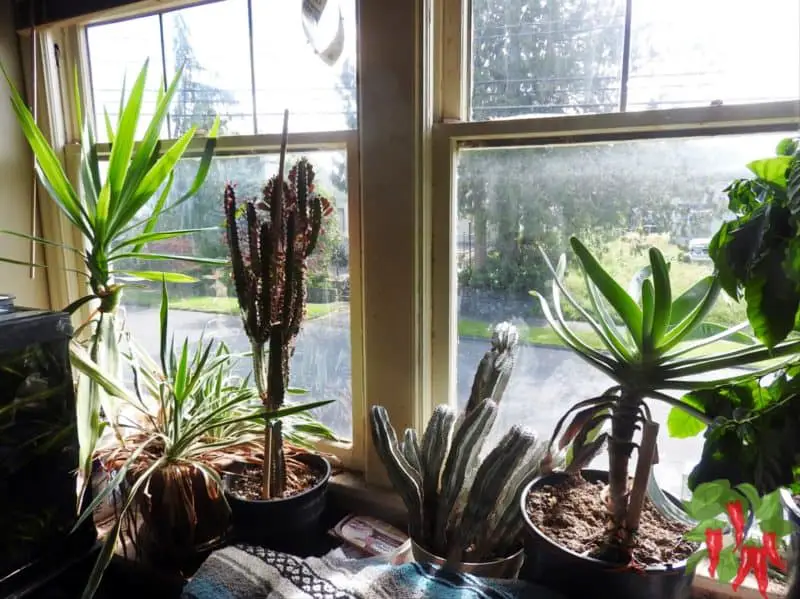
Many people start growing houseplants for the look, but the real benefits of keeping indoor plants go much deeper than decoration. Plants can make a room feel calmer, softer, and more alive, even if you only have a small apartment, a desk corner, or one sunny window to work with.
Indoor plants can support your mood, help you relax, add natural beauty, increase humidity, and give you a simple daily connection to nature. They are not magic air purifiers, but they can make your home feel fresher, more comfortable, and more enjoyable to live in.
What You’ll Learn
- The biggest benefits of keeping indoor plants
- How houseplants can improve your home and mood
- Which plants are best for different benefits
- The possible downsides of indoor plants
- How to choose plants that fit your space and lifestyle
Quick Answer
The benefits of keeping indoor plants include stress relief, improved focus, better humidity, natural decoration, and a stronger connection to nature. Houseplants can make your indoor space feel more peaceful and inviting, especially when you choose easy plants that match your light and care routine.
20 Benefits Of Keeping Indoor Plants
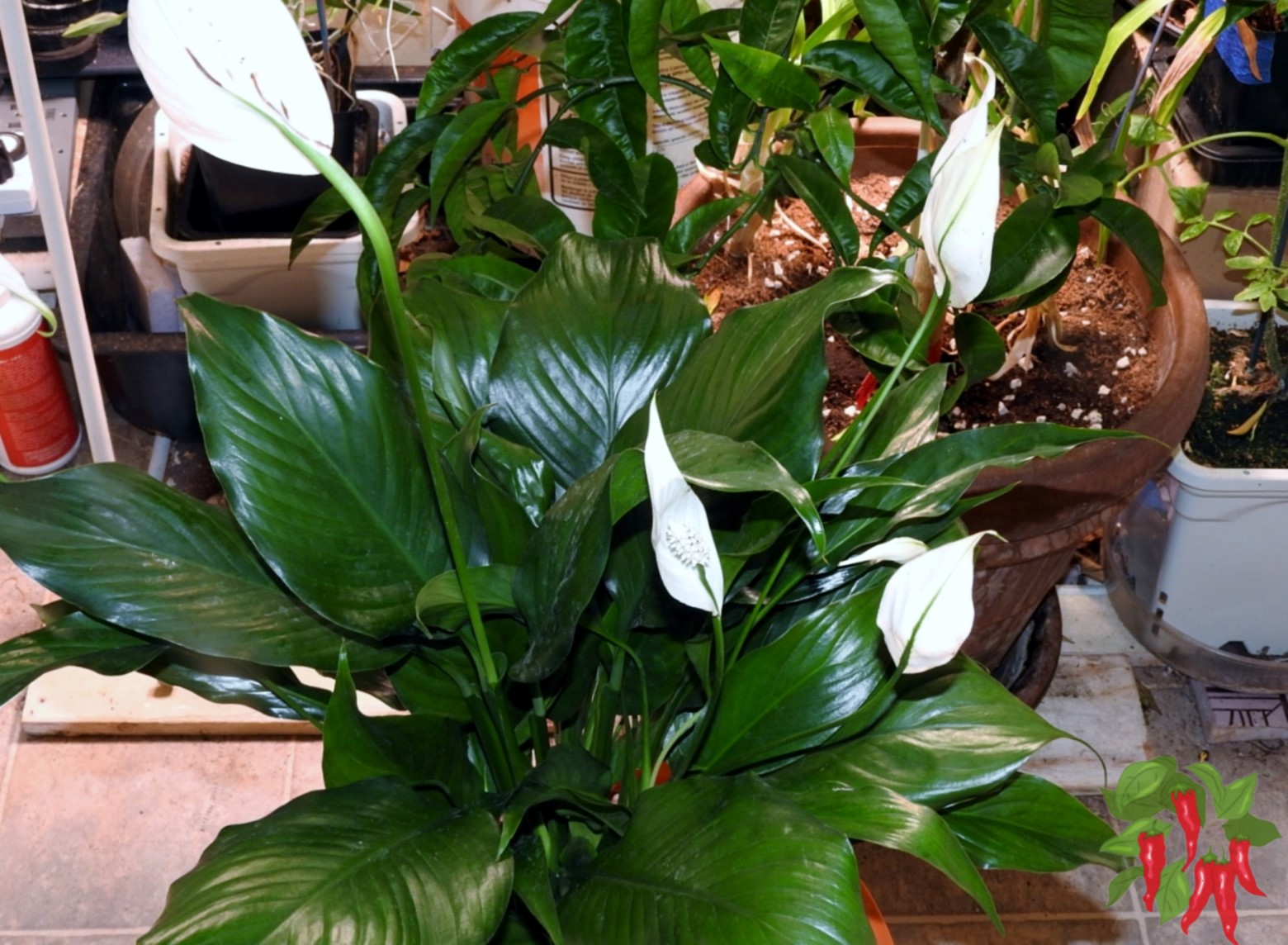
There are many reasons to add plants to your home or office. Some benefits are practical, while others are emotional. Either way, houseplants can make everyday spaces feel better.
1. They add natural beauty: Indoor plants bring shape, color, and texture into a room. Even one large plant can soften a corner and make a space feel more finished.
2. They can reduce stress: Caring for plants gives you a quiet task that pulls you away from screens and busy thoughts. Watering, pruning, and checking new growth can become a calming routine.
3. They make rooms feel more alive: A room with plants often feels warmer and more welcoming. Greenery helps break up hard surfaces like walls, desks, shelves, and windows.
4. They can improve focus: Plants in a workspace can make the area feel less sterile and more comfortable. That can help you settle in and stay focused longer.
5. They support better humidity: Many indoor plants release moisture through their leaves. This will not replace a humidifier, but it can help make dry indoor air feel a little more comfortable.
6. They create a relaxing hobby: Growing plants gives you something simple and rewarding to care for. Watching a new leaf open never really gets old.
7. They help personalize your home: Your plant choices say something about your style. A tall palm, a trailing pothos, or a shelf of succulents can all create a different feeling.
8. They can make small spaces feel better: In apartments and small rooms, plants add life without needing much floor space. Hanging plants, narrow plant stands, and windowsill plants work especially well.
9. They encourage better routines: Plants remind you to check light, water, and seasons. That little rhythm can make indoor living feel more grounded.
10. They can improve your mood: Being around greenery can make a room feel calmer and more pleasant. This is one reason plants are popular in homes, offices, waiting rooms, and care spaces.
11. They can reduce noise: Larger plants and grouped plants can soften sound in a room. This can make apartments and offices feel quieter.
12. They give you something to nurture: There is real satisfaction in keeping something alive and watching it grow over time.
13. They can help define spaces: Plants work well as natural dividers in open rooms, balconies, and workspaces.
14. They make offices feel less sterile: A desk plant or shelf plant can make a work area feel less cold and more inviting.
15. They add seasonal interest: Some plants bloom, some change color, and others grow in bursts, giving you something new to enjoy through the year.
16. They can improve indoor design: Plants pair well with almost every decor style, from modern to rustic to minimal.
17. They can inspire creativity: A greener space often feels less rigid and more open, which can help spark ideas.
18. They are educational: Plants teach patience, observation, and basic growing skills that can lead to bigger gardening projects later.
19. They can become part of your routine: Many growers enjoy morning plant checks or evening watering as part of daily life.
20. They connect you to nature: Even if you live in a city apartment, indoor plants give you a small piece of the natural world inside your home.
Best Indoor Plants For Different Benefits
| Benefit | Best Plant |
|---|---|
| Low maintenance | Snake Plant |
| Humidity support | Boston Fern |
| Stress relief | Lavender |
| Office focus | ZZ Plant |
| Small spaces | Pothos |
| Beginner friendly | Spider Plant |
| Bedroom use | Peace Lily |
| Decor and color | Anthurium |
Best Indoor Locations For Maximum Plant Benefits
Where you place your indoor plants can make a big difference in how much you enjoy them and how well they grow. The right location can improve both the plant’s health and the benefits you get from it.
Bedroom
A few well-placed plants in the bedroom can create a softer, calmer atmosphere. Low-maintenance plants like snake plants, pothos, and peace lilies work well here because they are easy to care for and do not need constant attention.
Home Office
A desk plant can make a workspace feel less sterile and more comfortable. Plants like ZZ plants, small pothos, or compact succulents fit well on desks or nearby shelves without taking up too much room.
Bathroom
Bathrooms can be great spots for humidity-loving plants like ferns and spider plants. If you have a window and decent light, this can be one of the easiest rooms to keep plants happy.
Living Room
The living room is often the best place for larger statement plants like rubber plants, palms, or monstera. These plants can fill empty corners and become part of the room’s overall design.
Kitchen
Kitchens are ideal for small herbs and compact plants near windows. Basil, mint, parsley, and chives are practical choices because they add greenery and can be used in cooking.
By placing plants where they naturally fit your routine, you are more likely to care for them consistently and enjoy their benefits every day.
Benefits Of Keeping Plants At Home Or In The Office
Plants Can Help You Relax
One of the most noticeable benefits of keeping indoor plants is how they change the feeling of a room. A plant-filled room often feels quieter, softer, and less stressful than a plain one.
That matters whether you work from home, live in a small apartment, or just want your space to feel better after a long day.
Plants Can Improve Focus At Work
A plant on your desk may seem simple, but small visual breaks matter. Looking away from a screen and seeing something alive can help reset your attention.
That is one reason offices often add greenery to work areas and meeting rooms.
Plants Improve Home Decor Naturally
Plants are one of the easiest decor upgrades you can make. They fill empty corners, soften shelves, and add life where furniture alone cannot.
Tall plants work well near windows, while trailing plants can soften bookshelves and hanging baskets.
If you are new to houseplants, easy options like snake plants, pothos, and spider plants are good places to start.
How To Choose The Right Indoor Plant For Your Lifestyle
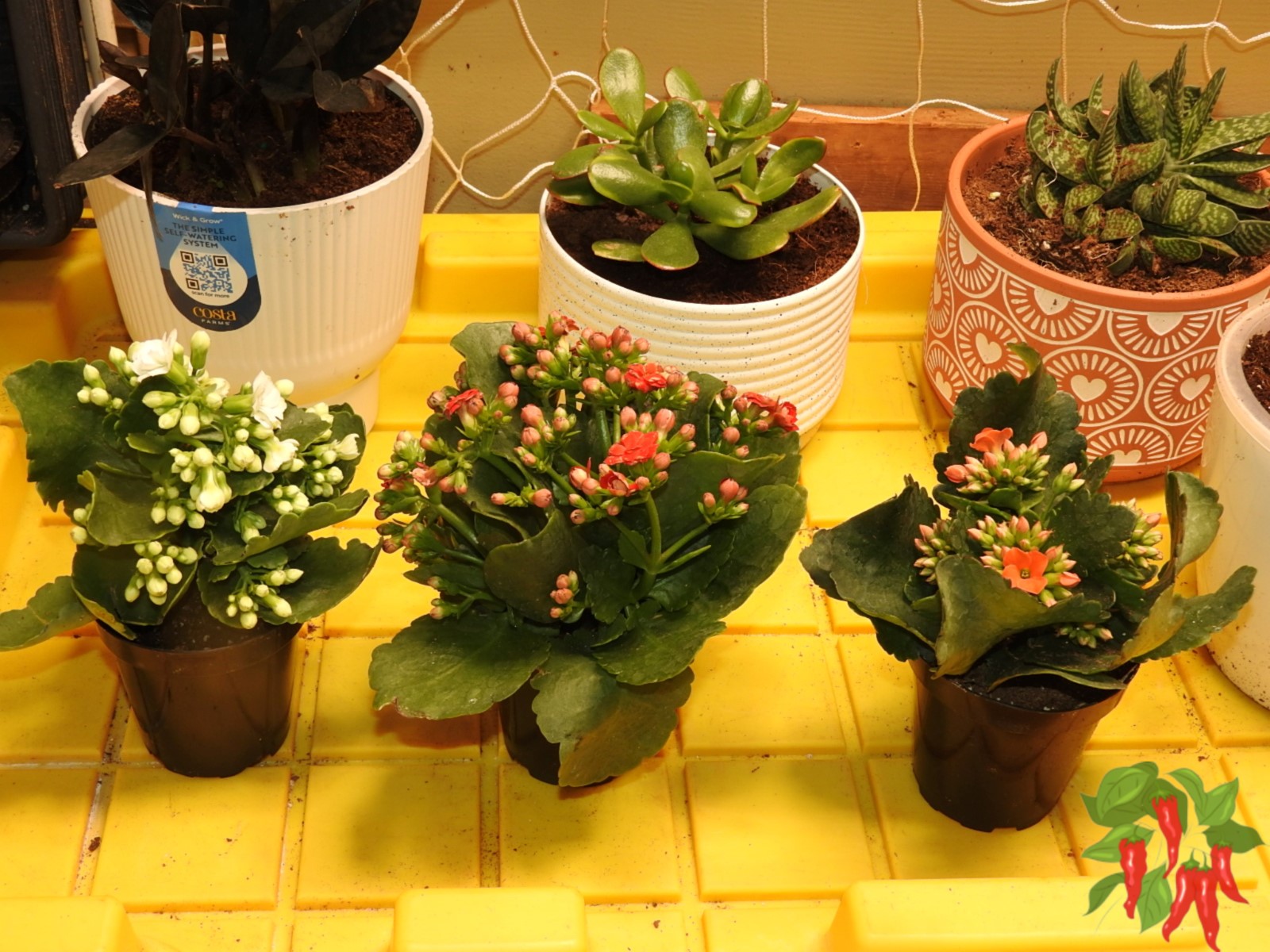
Not every plant is right for every home. Choosing the right indoor plant makes the experience much easier and more enjoyable. The best plant for you depends on your light, space, and how much care you want to give.
For Low-Light Homes
If your home does not get much natural light, start with low-light plants like snake plants, ZZ plants, cast iron plants, or pothos. These are forgiving and adapt well to darker corners.
For Busy People
If you travel often or forget to water, choose low-maintenance plants. Succulents, snake plants, and jade plants can handle some neglect and are good beginner choices.
For Pet Owners
Always check toxicity if you have pets. Spider plants, areca palms, and some ferns are safer options for homes with cats and dogs.
For Small Apartments
Use vertical space when floor space is limited. Hanging plants like pothos or string of pearls, along with shelf plants like succulents, work well without making a room feel crowded.
For Humidity Lovers
If you naturally have a humid space or enjoy misting plants, ferns, calatheas, and peace lilies can thrive and reward you with lush growth.
For Beginners
Start simple. Pothos, spider plants, snake plants, and ZZ plants are all beginner-friendly and can teach you the basics without being overly demanding.
The easiest way to succeed with indoor plants is to match the plant to your space instead of trying to force a plant into conditions it does not like.
Disadvantages Of Indoor Plants
It would not be fair to talk only about the good side of houseplants. Like anything else, indoor plants come with a few drawbacks too.
Here are some of the most common disadvantages of keeping indoor plants:
- They need regular care like watering, pruning, and repotting
- Some plants attract pests such as fungus gnats, spider mites, or mealybugs
- They can take up space in small apartments if you overdo it
- Good pots, soil, and supplies can add up over time
- Some plants are toxic to pets and children if chewed
- Overwatering can lead to mold or root rot
That said, most of these problems are easy to avoid by starting small and choosing beginner-friendly plants.
Benefits Of Keeping Indoor Plants FAQ
Do indoor plants really improve air quality?
Indoor plants can help support a healthier environment, but their effect is small compared to ventilation and air filters. Their biggest benefit is often how they improve comfort and mood.
What are the easiest indoor plants for beginners?
Snake plants, pothos, spider plants, ZZ plants, and peace lilies are all beginner-friendly and easy to maintain.
Can houseplants help reduce stress?
For many people, yes. The act of caring for plants can feel calming and help build simple routines that lower stress.
How many indoor plants should I start with?
Start with one or two easy plants. Once you understand their care needs, you can add more over time.
Are indoor plants safe for pets?
Some are safe, but many are not. Always check toxicity before bringing new plants into a home with pets.
Final Thoughts On The Benefits Of Keeping Indoor Plants
The benefits of keeping indoor plants go far beyond decoration. They can make your home feel calmer, brighter, and more connected to nature while giving you a simple hobby that grows with you.
You do not need a jungle to feel the difference. Even one healthy plant on a shelf, desk, or windowsill can change the energy of a room. Start small, learn what works in your space, and build your indoor garden from there.
Continue Exploring Indoor Plant Care
🌿 Explore More Indoor Plant Guides
Want to keep building your indoor plant collection? These beginner-friendly guides can help you choose the right plants for your space, pets, and growing style.