Many tropical houseplants come from warm, humid rainforests where moisture is constantly present in the air. When we bring those same plants indoors, especially during winter, they’re often forced to grow in air that’s much drier than what they naturally experience.
In my experience, the three biggest reasons tropical houseplants struggle indoors are overwatering, not enough light, and humidity that’s simply too low. I grow a lot of tropical plants, so I run a large room humidifier 24 hours a day—especially during winter when indoor heating quickly dries the air. Some plants tolerate average household humidity surprisingly well, while others really come alive once humidity levels increase.
Not every houseplant needs rainforest conditions, but species like ferns, prayer plants, bromeliads, and many tropical foliage plants develop healthier leaves, stronger growth, and fewer brown tips when humidity stays consistently higher.
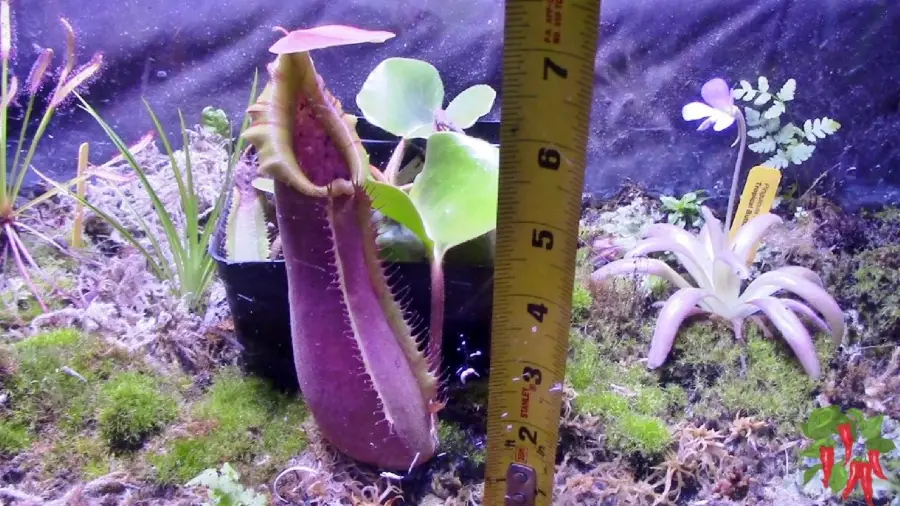
Carnivorous plants take things even further. They don’t simply appreciate higher humidity—they often depend on it. I grow mine in terrariums where humidity remains consistently high throughout the year.
In this guide, I’ll cover the best indoor plants that like humidity, explain which ones truly need it, and share the methods I use to keep tropical plants thriving indoors year-round.
What You’ll Learn
- Why humidity matters for tropical houseplants
- The best indoor plants that thrive in humid conditions
- Which plants require the highest humidity levels
- How I use a humidifier to grow tropical plants indoors
- Why carnivorous plants need terrariums or consistently humid environments
- Simple ways to increase humidity around your plants
Quick Answer: The best indoor plants that like humidity include Bird’s Nest Fern, Boston Fern, Prayer Plant, Rattlesnake Plant, Fittonia, Bromeliads, Lipstick Plant, Colocasia, Peperomia, and many tropical foliage plants. While some tolerate average indoor conditions, others grow much better with higher humidity, especially during winter when indoor heating dries the air.
Humidity-Loving Indoor Plants at a Glance
| Plant | Humidity Needs | Difficulty | Best Growing Location |
|---|---|---|---|
| Bird’s Nest Fern | High | Easy | Bright bathroom or humid room |
| Boston Fern | High | Moderate | Humid room or porch |
| Prayer Plant | High | Easy | Humid indoor spaces |
| Rattlesnake Plant | High | Easy | Bright indirect light |
| Fittonia | Very High | Moderate | Terrariums or humid rooms |
| Bromeliads | High | Easy | Bright indirect light |
| Lipstick Plant | High | Moderate | Hanging basket |
| Colocasia | Very High | Moderate | Bright humid room |
| Peperomia | Moderate-High | Easy | Shelves and tabletops |
| Carnivorous Plants | Very High | Moderate | Terrariums |
How Well Do These Plants Handle Low Light?
| Plant | Tolerates Low Light | Actually Thrives | Beginner Friendly |
|---|---|---|---|
| ZZ Plant | ⭐⭐⭐⭐⭐ | ⭐⭐⭐⭐ | ⭐⭐⭐⭐⭐ |
| Snake Plant | ⭐⭐⭐⭐⭐ | ⭐⭐⭐⭐ | ⭐⭐⭐⭐⭐ |
| Cast Iron Plant | ⭐⭐⭐⭐⭐ | ⭐⭐⭐⭐⭐ | ⭐⭐⭐⭐⭐ |
| Chinese Evergreen | ⭐⭐⭐⭐⭐ | ⭐⭐⭐⭐⭐ | ⭐⭐⭐⭐ |
| Peace Lily | ⭐⭐⭐⭐ | ⭐⭐⭐⭐ | ⭐⭐⭐⭐ |
| Parlor Palm | ⭐⭐⭐⭐ | ⭐⭐⭐⭐ | ⭐⭐⭐⭐⭐ |
| Pothos | ⭐⭐⭐⭐ | ⭐⭐⭐⭐ | ⭐⭐⭐⭐⭐ |
| Philodendron | ⭐⭐⭐⭐ | ⭐⭐⭐⭐ | ⭐⭐⭐⭐⭐ |
| Bird’s Nest Fern | ⭐⭐⭐ | ⭐⭐⭐⭐ | ⭐⭐⭐⭐ |
| Spider Plant | ⭐⭐⭐ | ⭐⭐⭐ | ⭐⭐⭐⭐⭐ |
| Lucky Bamboo | ⭐⭐⭐⭐ | ⭐⭐⭐⭐ | ⭐⭐⭐⭐⭐ |
| Dieffenbachia | ⭐⭐⭐ | ⭐⭐⭐⭐ | ⭐⭐⭐⭐ |
| English Ivy | ⭐⭐⭐ | ⭐⭐⭐ | ⭐⭐⭐ |
Why Humidity Matters for Indoor Plants
Humidity is the amount of moisture present in the air. Tropical plants evolved in rainforests where humidity often stays above 70% year-round. Indoors, especially during winter, humidity may drop below 30%, creating a completely different growing environment.
When humidity is too low, plants lose water through their leaves faster than their roots can replace it. This often leads to brown leaf tips, crispy edges, curled foliage, slower growth, and stressed plants that become more susceptible to pests.
While many common houseplants adapt reasonably well to average indoor humidity, others show dramatic improvements once moisture levels increase.
From My Experience: Running a large humidifier has made a noticeable difference in my indoor garden. During winter it runs around the clock because indoor heating quickly dries the air. Healthier foliage, fewer brown leaf tips, and better overall growth have made it one of the best investments I’ve made for growing tropical houseplants.
Indoor Plants That Thrive in Higher Humidity
These plants naturally grow in humid environments and reward you with healthier foliage and stronger growth when moisture levels remain consistently higher.
Bird’s Nest Fern
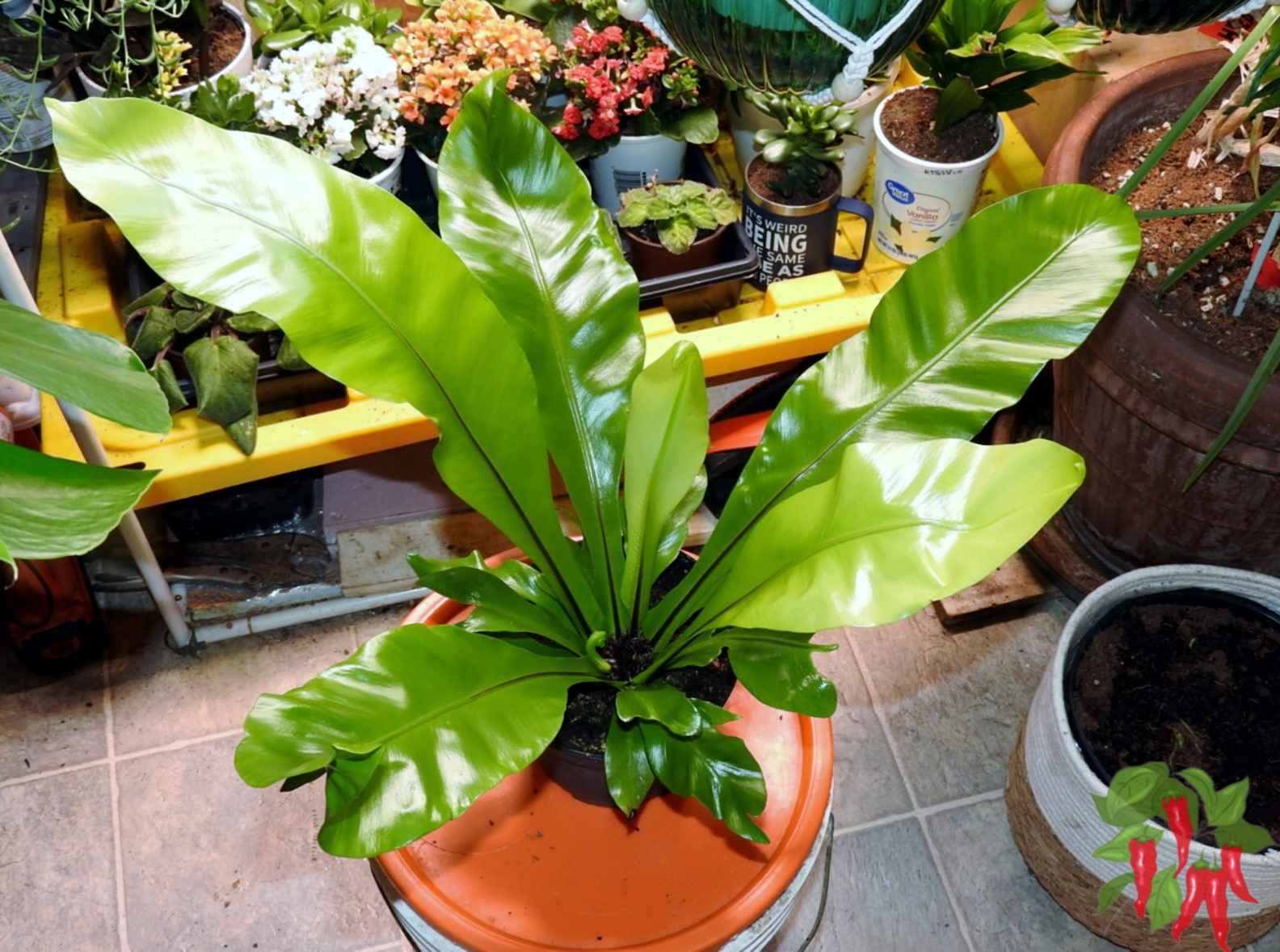
Bird’s Nest Fern naturally grows beneath tropical forest canopies where humidity remains high throughout the year. Although it adapts to average homes better than many ferns, you’ll usually see larger fronds and healthier foliage when humidity is increased.
Learn more in my Bird’s Nest Fern Care Guide.
Boston Fern
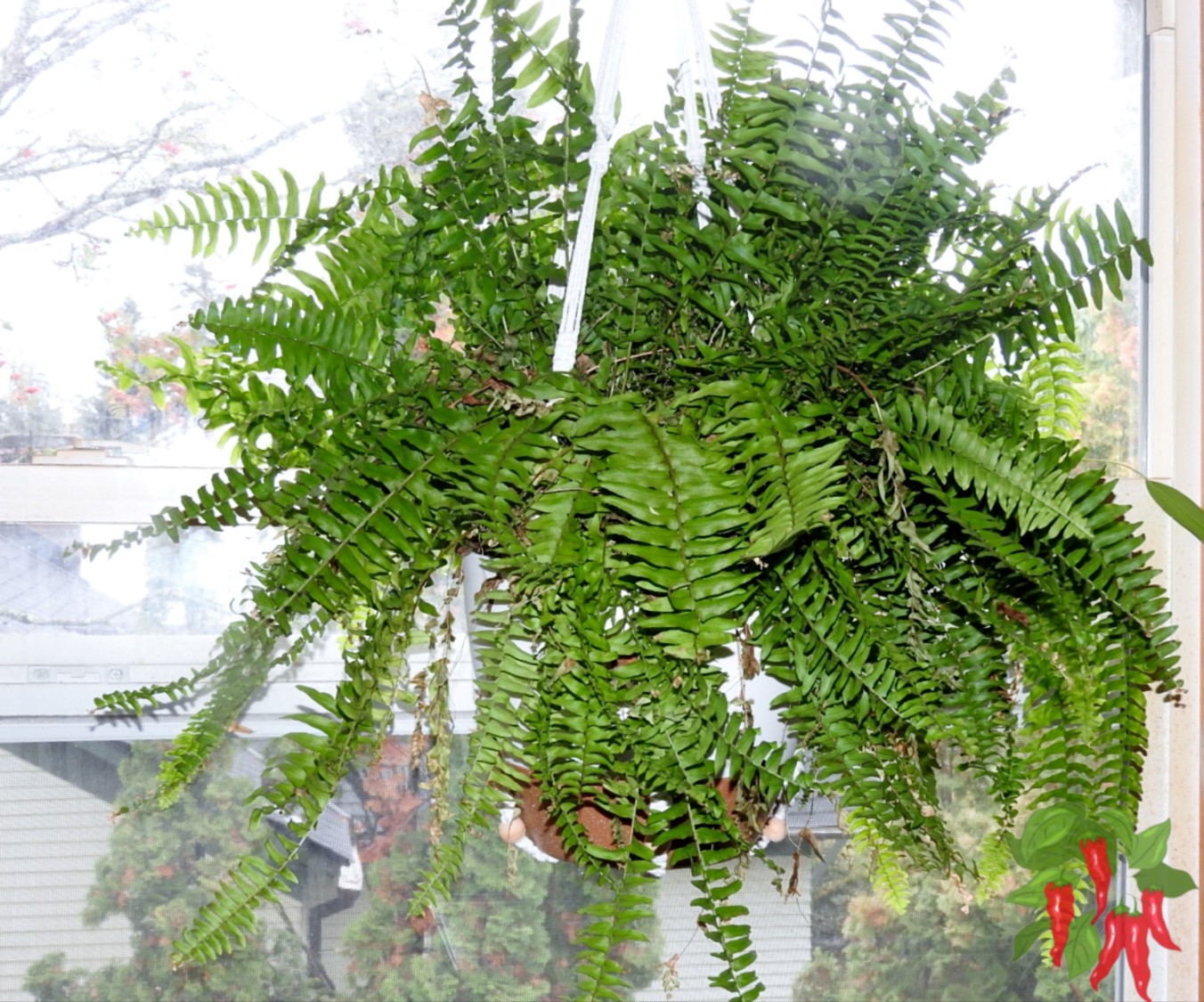
Boston Fern is famous for its lush, arching fronds, but it also has one of the strongest preferences for humid air. Dry homes often lead to brown leaf tips and excessive leaf drop, while higher humidity encourages fuller, healthier growth.
Learn more in my Boston Fern Care Indoors Guide.
Prayer Plant
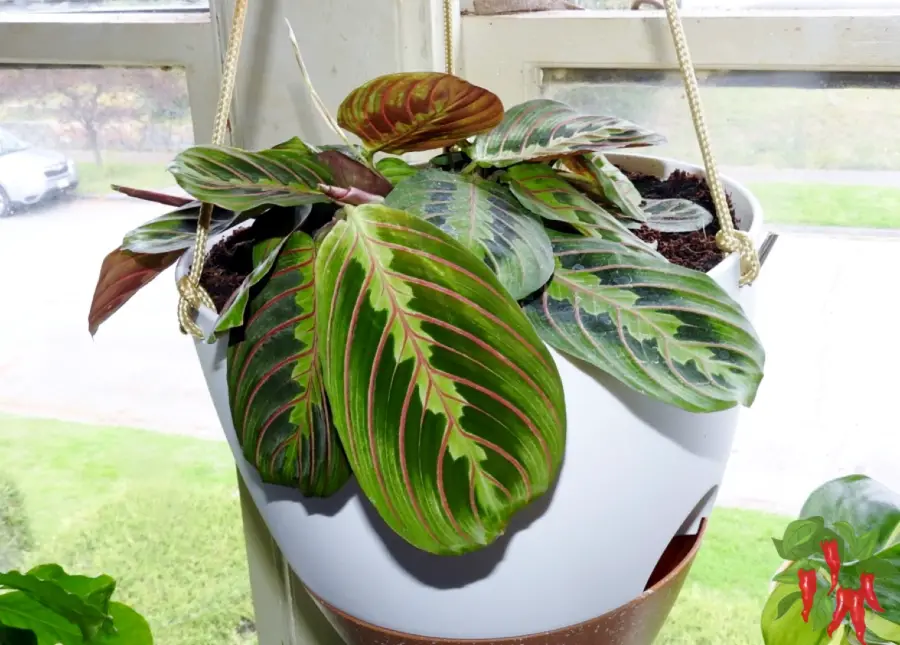
Prayer Plants are famous for folding their leaves upward at night, but they’re also well known for appreciating humid conditions. When humidity drops too low, leaf edges often become brown and crispy, reducing the beauty of their colorful foliage.
With adequate humidity, they reward you with fuller growth, vibrant leaf patterns, and healthier new foliage throughout the growing season.
Learn more in my Prayer Plant Care Instructions.
Rattlesnake Plant
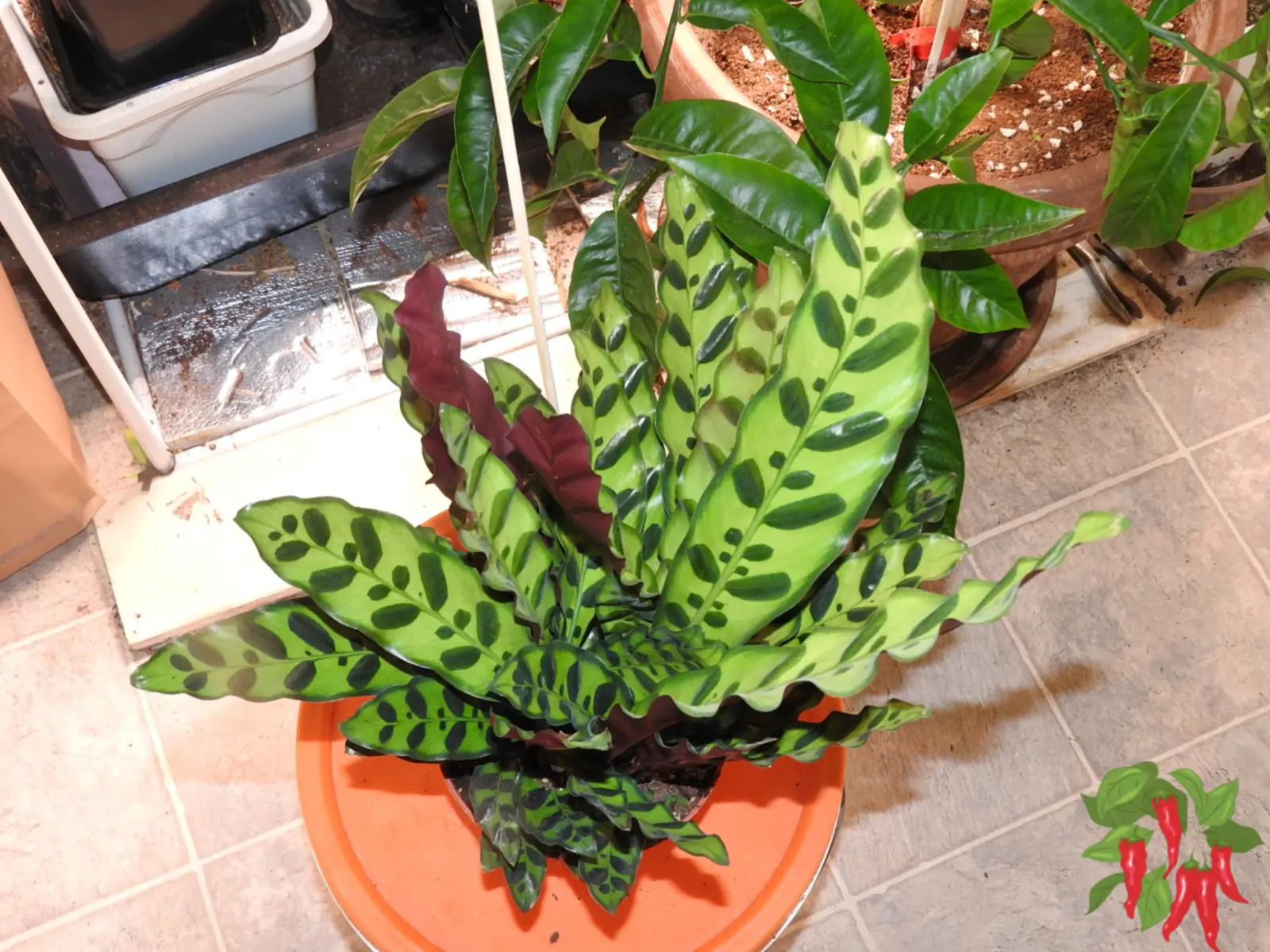
Rattlesnake Plant is one of my favorite foliage plants because of its striking wavy leaves and beautiful purple undersides. Like other members of the prayer plant family, it performs much better when humidity remains consistently high.
Dry indoor air often causes leaf edges to brown, while higher humidity helps maintain lush, colorful growth.
Learn more in my Rattlesnake Plant Indoor Care Guide.
Fittonia (Nerve Plant)
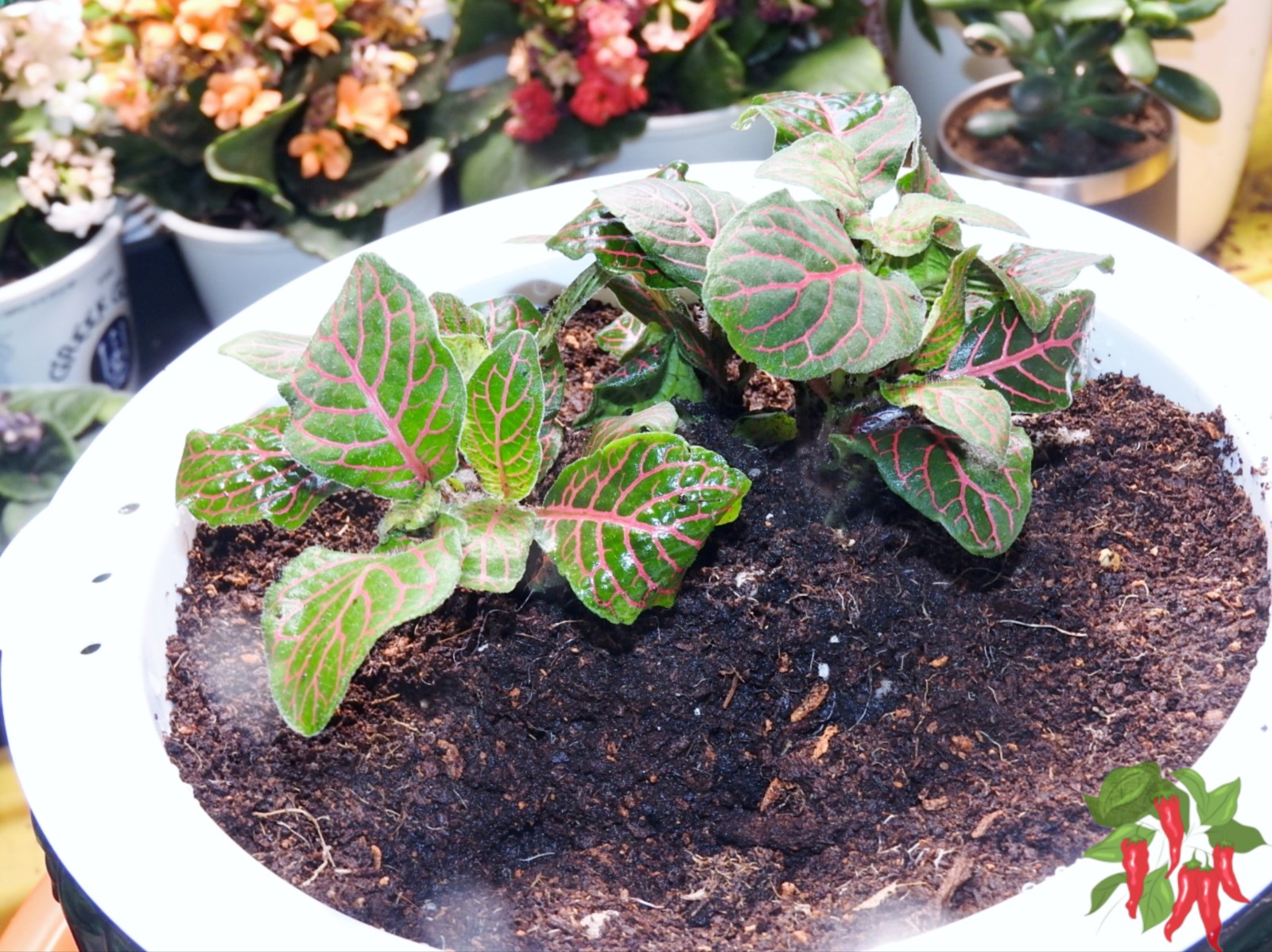
Fittonia is one of the best indicators that your humidity is too low. Its colorful leaves wilt quickly when conditions become too dry, yet the plant often recovers rapidly once watered and returned to a humid environment.
Because of its love of moisture, Fittonia is also one of the best plants for terrariums where humidity naturally remains much higher than the surrounding room.
Learn more in my Nerve Plant (Fittonia) Care Guide.
Bromeliads
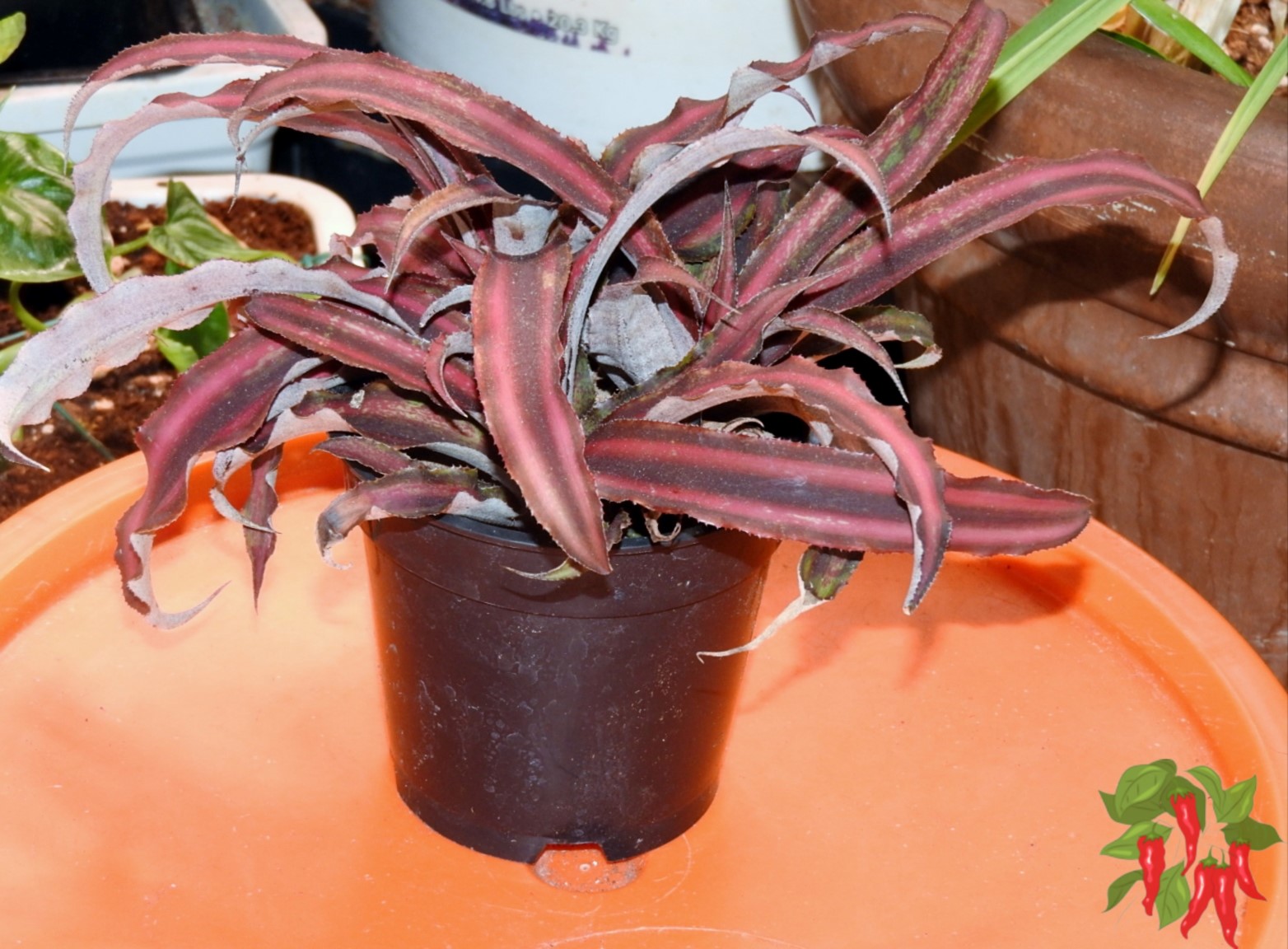
Many bromeliads naturally grow attached to tree branches in tropical rainforests where humidity stays consistently high. Although they’re surprisingly adaptable indoors, they produce healthier foliage and longer-lasting color when grown in humid conditions.
Higher humidity is especially beneficial during active growth and while flowering.
Learn more in my Bromeliad Care Indoors Guide.
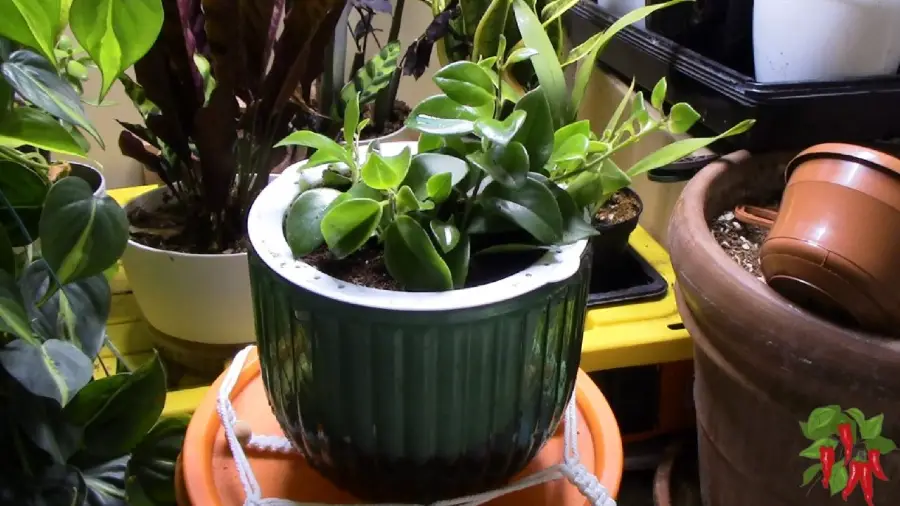
Lipstick Plants naturally trail from trees in warm, humid forests. They generally tolerate average household humidity, but I’ve found they perform much better when humidity is increased, especially if you’re trying to encourage flowering.
Healthy humidity, bright indirect light, and consistent watering help produce fuller vines and improve blooming potential.
Learn more in my Lipstick Plant Care Indoors Guide and my Mona Lisa Lipstick Plant Care Guide.
Peperomia
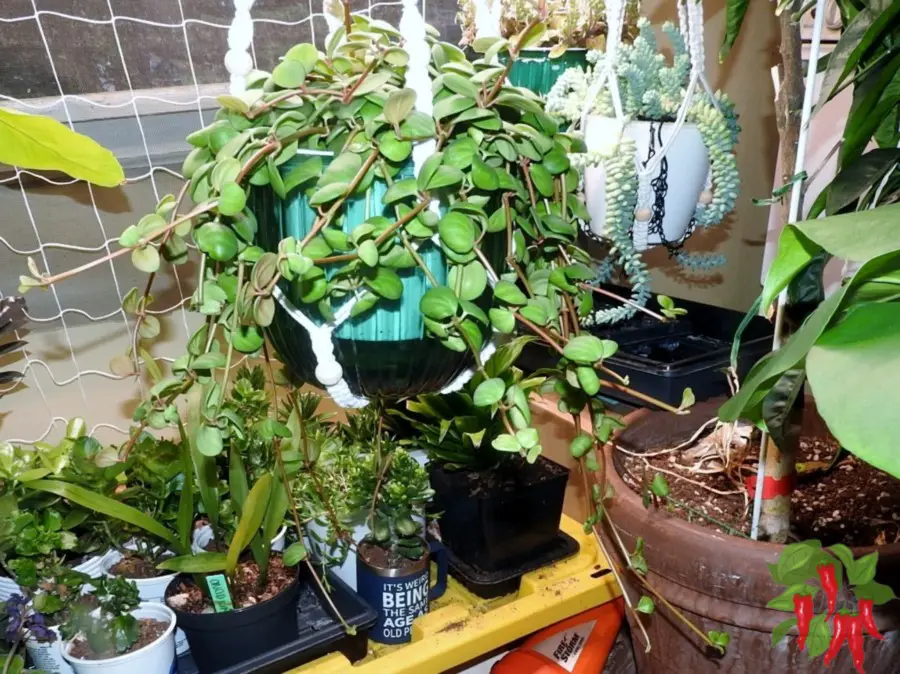
Many Peperomia species appreciate moderate to high humidity, although they’re generally more forgiving than ferns or prayer plants. They stay compact, making them excellent choices for shelves, desks, and small apartments.
One of my favorites is Peperomia Hope, which has thick, succulent-like leaves and trailing stems. While it doesn’t require rainforest conditions, it definitely appreciates a little extra humidity and rewards you with healthy, vigorous growth.
Learn more in my Peperomia Hope Care Guide.
Plants That Need the Highest Humidity
Some plants simply tolerate higher humidity, while others genuinely depend on it for long-term success. These species often perform best in terrariums, humidity cabinets, greenhouses, or rooms with consistently elevated humidity.
Carnivorous Plants
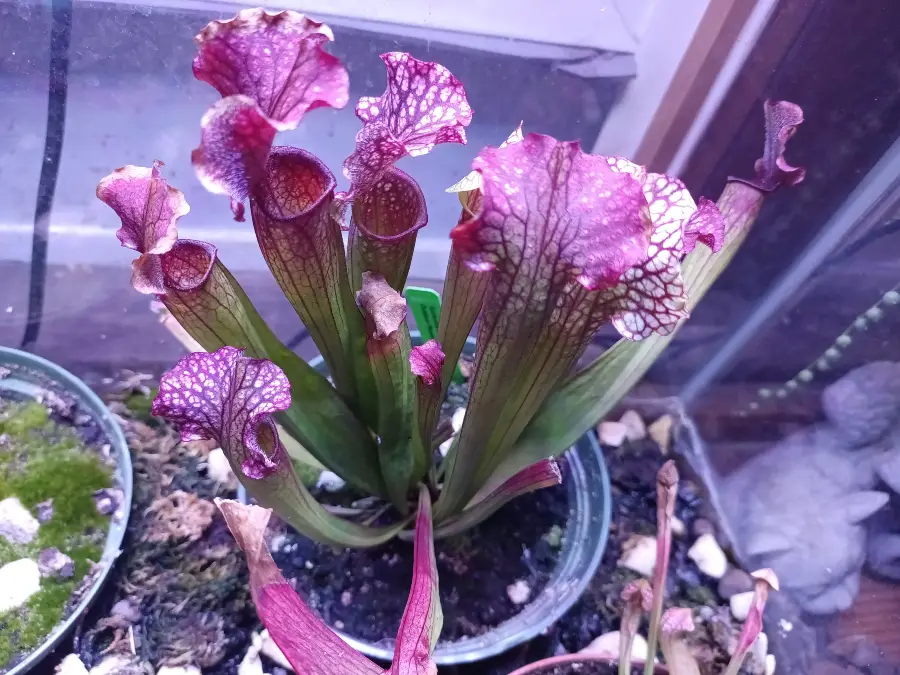
Carnivorous plants are in a category of their own. Unlike many common houseplants, they don’t simply appreciate humid air—they often require it for long-term success.
I grow my carnivorous plants in terrariums where humidity stays consistently high throughout the year. This produces healthier traps, stronger growth, and much better long-term results than trying to grow them in the dry air found in most homes.
If you’re interested in growing carnivorous plants indoors, start with my Carnivorous Plant Care Guide and Carnivorous Plant Terrarium Guide.
Maidenhair Fern
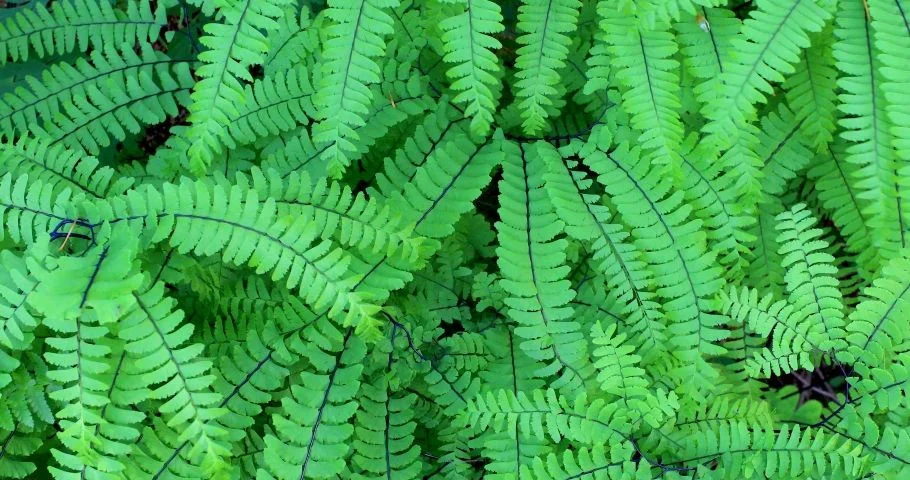
Few houseplants dislike dry air more than Maidenhair Fern. Its delicate foliage dries quickly when humidity drops, making it one of the most challenging ferns to grow in average household conditions.
Many growers have the best success growing Maidenhair Fern in bright bathrooms, enclosed plant cabinets, or rooms with consistently elevated humidity.
Learn more in my Maidenhair Fern Indoor Care Guide.
Terrariums Create the Perfect Humid Environment
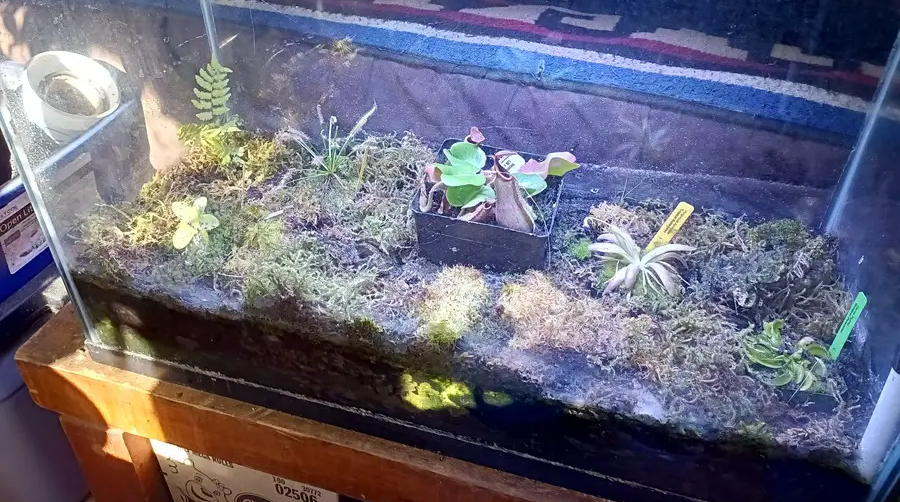
Some humidity-loving plants simply perform better inside enclosed terrariums where moisture stays trapped around the foliage. Terrariums make it much easier to maintain the high humidity that many rainforest plants naturally experience.
They’re especially useful for Fittonia, mosses, many carnivorous plants, and other species that struggle in dry indoor air.
Learn more in my Humidity-Dependent Plants Need Terrarium Systems guide.
Remember: Higher humidity isn’t a substitute for proper watering or good lighting. Healthy tropical plants need all three working together. When light, watering, and humidity are balanced, you’ll usually see healthier leaves, stronger growth, and fewer common problems.
Do You Really Need a Humidifier?
Not every houseplant owner needs a humidifier, but it can make a tremendous difference if you grow tropical plants. Many homes naturally provide enough humidity for easy-care plants, while others become extremely dry during winter when heating systems run constantly.
I grow a large collection of tropical houseplants, so I run a large room humidifier 24 hours a day. During winter it’s especially important because indoor heating quickly dries the air. Since adding a humidifier, I’ve noticed healthier foliage, fewer brown leaf tips, and much better growth from humidity-loving plants.
If you only have one or two tropical plants, grouping them together or placing them in naturally humid rooms like bathrooms may be enough. For larger collections, however, a quality humidifier is one of the best investments you can make.
Humidifier vs. Terrarium: Which Is Better?
| If You Grow… | Best Choice | Why |
|---|---|---|
| One or two tropical plants | Natural room humidity | Often sufficient for easy-care species. |
| Several tropical houseplants | Large room humidifier | Provides consistent humidity for your entire collection. |
| Carnivorous plants | Terrarium | Maintains the consistently high humidity many species require. |
| Fittonia and mosses | Terrarium | Creates an ideal environment with very little maintenance. |
| Ferns and prayer plants | Humidifier | Produces healthier foliage throughout the room. |
Which Humidity-Loving Plant Is Right for You?
Love ferns?
→ Bird’s Nest Fern or Boston Fern.
Want colorful foliage?
→ Prayer Plant, Rattlesnake Plant, or Fittonia.
Looking for something unique?
→ Bromeliads offer colorful foliage and long-lasting blooms.
Need a trailing plant?
→ Lipstick Plant enjoys higher humidity and rewards you with colorful flowers.
Interested in unusual plants?
→ Carnivorous plants thrive in consistently humid terrariums.
Have a terrarium?
→ Fittonia, mosses, and many carnivorous plants are excellent choices.
Common Myths About Humidity and Houseplants
Myth: Every tropical plant needs extremely high humidity.
Reality: Many tropical houseplants adapt well to average homes, while others genuinely require consistently moist air.
Myth: Misting plants raises humidity for hours.
Reality: Misting provides only a temporary increase. A room humidifier or enclosed terrarium is much more effective.
Myth: Brown leaf tips always mean low humidity.
Reality: Brown tips can also result from underwatering, fertilizer buildup, poor water quality, or inconsistent watering.
Myth: More humidity means less watering.
Reality: Plants still need proper watering. Humidity slows moisture loss from leaves but doesn’t replace watering.
Frequently Asked Questions
What humidity level is best for most tropical houseplants?
Most tropical houseplants grow well between 50% and 70% humidity, although some species, including many carnivorous plants and terrarium plants, prefer even higher levels.
Can I grow humidity-loving plants without a humidifier?
Yes. Bathrooms, kitchens, grouped plants, and enclosed terrariums often provide enough humidity for many species. However, a humidifier offers the most consistent results for larger indoor collections.
Are terrariums better than humidifiers?
They serve different purposes. Terrariums create very high humidity for plants that require it, while humidifiers improve conditions throughout an entire room for larger collections of tropical plants.
Do all ferns need high humidity?
Most ferns appreciate higher humidity, although some, like Bird’s Nest Fern, adapt more easily to average indoor conditions than delicate species such as Maidenhair Fern.
Final Thoughts
Humidity is one of the most overlooked parts of successful indoor gardening. While many houseplants tolerate average household conditions, others develop healthier leaves, stronger growth, and fewer problems when humidity is increased.
I’ve found that running a large humidifier year-round—especially during winter—has made a noticeable difference in my tropical plant collection. For my carnivorous plants, terrariums provide the consistently humid environment they need to thrive.
By choosing plants that match your home’s humidity or making a few simple adjustments, you’ll enjoy healthier, more vigorous houseplants throughout the year.
Where to Go Next
- Best Low-Light Houseplants That Actually Thrive
- Fast-Growing Indoor Plants for Beginners
- Pet-Friendly Indoor Plants That Are Easy to Grow
- Indoor Plants With Colorful Leaves