
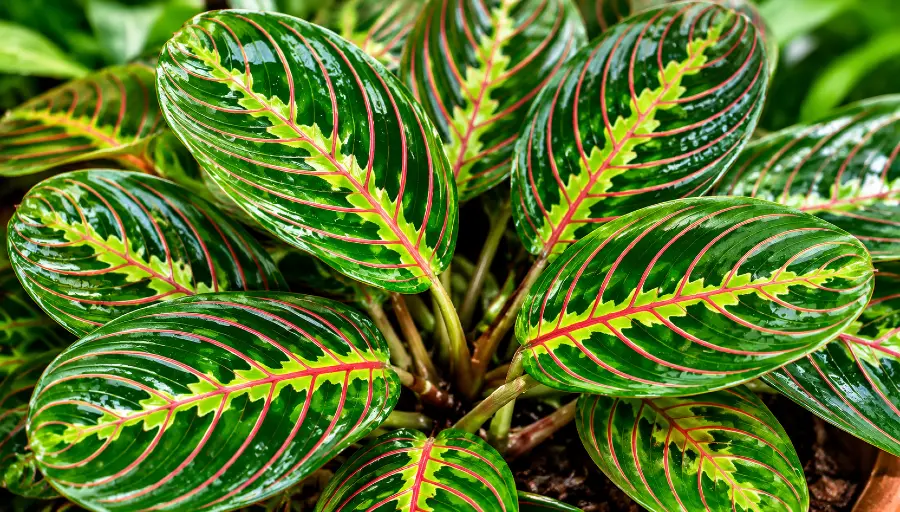
Prayer Plant Care Instructions are surprisingly simple once you understand what these tropical plants need to thrive. Known for their striking patterned foliage and unique habit of folding their leaves upward at night, Prayer Plants are among the most rewarding foliage houseplants you can grow indoors.
Native to the tropical forests of Brazil, Prayer Plants appreciate warm temperatures, moderate moisture, and bright indirect light. When their basic needs are met, they reward growers with colorful leaves that add year-round interest to any indoor space.
This guide covers everything you need to know about Prayer Plant Care Instructions, including watering, lighting, humidity, repotting, propagation, and troubleshooting common problems.
What You’ll Learn
- How often to water a Prayer Plant
- The best light conditions for healthy growth
- How to maintain proper humidity indoors
- When and how to repot Prayer Plants
- Easy propagation methods
- Common problems and how to fix them
Quick Answer: Prayer Plant Care Instructions
Prayer Plant Care Instructions include providing bright indirect light, keeping soil lightly moist but never soggy, maintaining moderate to high humidity, and watering when the top inch of soil begins to dry. These tropical plants thrive in warm indoor temperatures and reward growers with colorful foliage throughout the year.
Prayer Plant Care Indoors
There are few houseplants as beautiful or easy to care for as the prayer plant. This striking foliage plant is native to tropical regions of Brazil.

Lemon Lime Prayer Plant – Maranta
The Prayer Plant gets its name from its habit of folding its leaves upward at night, as if in prayer.
While the Prayer Plant is most commonly grown as a houseplant, it can also be used outdoors in shady garden beds during the summer.
When given adequate moisture and humidity, the Prayer Plant will reward gardeners with bright green leaves that are striped with yellow or white.
The Prayer Plant is a member of the Marantaceae family, which also includes the popular Calathea and Stromanthe species.
Thanks to its easy care requirements and attractive foliage, the Prayer Plant is a great choice for both beginning and experienced gardeners alike.
Here are a few tips for keeping your Prayer Plant healthy and happy:
Soil: The Prayer Plant prefers loose, well-draining soil with plenty of organic matter.
If your tap water is high in chlorine or fluoride, it’s best to use filtered or distilled water for your plant.
Watering: Keep the soil moist but not soggy. Water your Prayer Plant when the top inch of soil feels dry to the touch.
In very warm weather, you may need to water twice a week. Be sure to empty any water that collects in the saucer beneath the pot,
Sitting in water can cause root rot.
Fertilizing: Feed your Prayer Plant monthly during the growing season (spring and summer) with a balanced liquid fertilizer diluted to half strength.
During the fall and winter months, fertilize every other month.
Pruning: Maranta leuconeura, or Prayer Plant, is a beautiful houseplant that is known for its colorful leaves.
While it is relatively easy to care for, it does require some occasional pruning to keep it looking its best.
The best time to prune your Prayer Plant is in the early spring before new growth begins.
First, cut off any dead or damaged leaves. Next, trim back any long or leggy stems.
Finally, shape the plant by trimming back any stray branches.
You can also pinch back growing tips to make the plant grow more leaves and branches and bush out.
Pruning your Prayer Plant will help to encourage new growth and keep your plant looking its best.
Prayer Plant Care Instructions
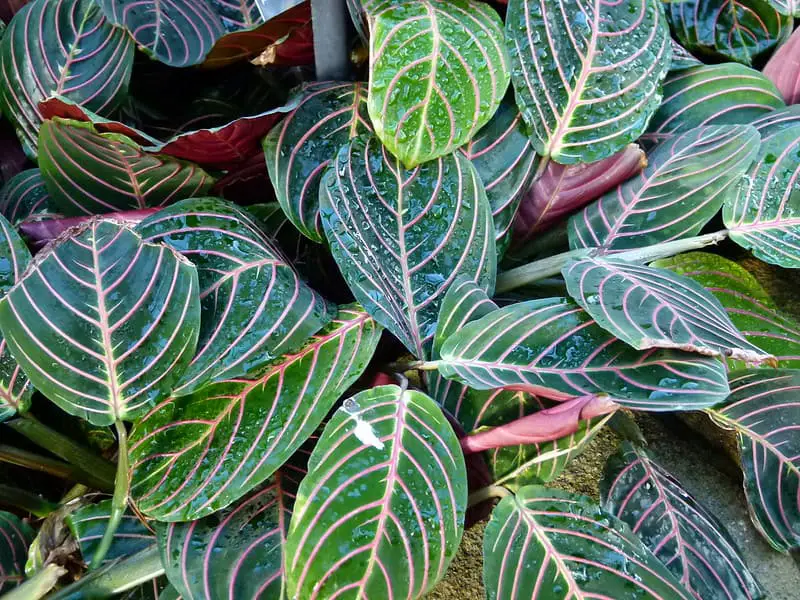
Here are more detailed instructions for caring for your prayer plant including potting and propagating prayer plants.
- Common Name: Maranta, Prayer plant
- Scientific Name: Maranta leuconeura
- Native Location: Central and South America especially in Brazillian tropical forests, West Indies
- Plant Type: Evergreen perennial
- Watering Needs: Average
- Mature Size: up to 12 inches tall while 6-inch tall leaves
- Sun or Shade needs: Bright, indirect sunlight
- Humidity: High
- Temperature: 60 to 80 degrees F
- Soil Type: Well-draining and rich
- Soil pH: Acidic
- Bloom Time: May to July
- Hardiness Zones: 11 to 12
How To Propagate Prayer Plant: 4 Methods To Do It Successfully (urbanorganicyield.com)
Prayer Plant Soil & Watering Needs
These tropical natives thrive in warm, humid conditions and prefer soil that is high in organic matter and well-draining.
When watering prayer plants, be sure to use lukewarm water and allow the soil to dry out somewhat between waterings.
Too much water can cause the roots to rot, so it’s important to err on the side of too little rather than too much.
How to Water Prayer Plants Correctly
Many Prayer Plant problems can be traced back to watering practices. These plants prefer evenly moist soil but dislike constantly wet conditions.
Check the soil regularly and water when the top inch begins to dry. During active growth in spring and summer, this may be once or twice per week depending on indoor conditions.
Using filtered, distilled, or rainwater can help prevent brown leaf edges caused by fluoride, chlorine, and mineral buildup found in some tap water supplies.
Always empty excess water from saucers after watering to reduce the risk of root rot.
Prayer Plant Light Requirements
One of the reasons it is such a popular plant is that it is relatively low maintenance when it comes to light requirements.
Prayer Plants do best in bright, indirect light but can also tolerate lower light levels.
If you are growing your Prayer Plant in a spot that doesn’t get very much natural light, you may need to supplement with artificial grow lights.
Best Indoor Locations for Prayer Plants
Choosing the right location is one of the easiest ways to keep a Prayer Plant healthy and colorful.
- East-Facing Windows: Gentle morning sunlight and bright indirect light make these ideal locations.
- Bright North-Facing Rooms: Often provide excellent indirect lighting throughout the day.
- Near South-Facing Windows: Works well when filtered through sheer curtains.
- Bathrooms With Natural Light: Higher humidity levels can help Prayer Plants thrive.
Avoid placing Prayer Plants in direct afternoon sun, near heating vents, or in drafty areas where temperatures fluctuate frequently.
Prayer Plant Fertilizing Needs
The Prayer Plant (Maranta leuconeura) is native to the tropical rainforests of Brazil, and they thrive in warm, humid environments.
If you live in a dry climate, you may need to mist your Prayer Plant regularly to keep it healthy.
In terms of fertilizing, Prayer Plants don’t need a lot of nutrients. Once a month during the growing season is sufficient.
As any gardener knows, plants need nutrients to grow. However, different types of plants have different fertilizer needs.
When fertilizing a prayer plant, it is important to use a balanced fertilizer.
Water the plant well after fertilizing, and be sure to allow the soil to dry out between waterings.
Prayer Plant Potting & Repotting Needs
If you’re lucky enough to have a Prayer Plant of your own, you’ll need to repot it every one to two years.
Here’s what you need to know about Prayer Plant potting and repotting:
When repotting your Prayer Plant, be sure to use a pot that has drainage holes.
Choose a pot that is one size larger for transplanting. You will want to have fresh well-draining potting mix on hand for repotting.
Be careful not to damage the roots when you’re repotting, and water well after repotting.
Your Prayer Plant will likely need less water in the winter months, so be sure to adjust your watering accordingly.
Prayer Plant Propagation Methods
Prayer plants are a popular houseplant, known for their beautiful foliage and easy care.
These plants are relatively easy to propagate, and there are a few different methods that can be used.
One of the easiest ways to propagate prayer plants is by division. This can be done by carefully removing the plant from its pot and then dividing the rooted clumps into smaller pieces.
Once the plants have been divided, they can be replanted in fresh potting mix.
Another way to propagate prayer plants is by stem cuttings. To do this, take a sharp knife or pair of scissors and cut a 4-inch piece of stem from the tips of the plant.
The cutting should include at least one set of leaves. Remove the lower leaves from the cutting, and then pot the cutting in moistened potting mix.
Keep the cutting warm and humid, and in time, it will develop roots and start to grow.
With either method, it is important to use fresh potting mix and to water regularly until the plants are established.
Prayer Plant Pests & Diseases to Look Out For
As any gardener knows, pests and diseases can quickly ruin a healthy plant.
While there are many products on the market that claim to be effective against pests and diseases, the best defense is always prevention.
When it comes to prayer plants, there are a few common pests and diseases to look out for.
Aphids are small, soft-bodied insects that feed on plant sap. They can be controlled with regular applications of insecticidal soap.
Powdery mildew is a white or gray powdery fungus that affects the leaves of prayer plants.
It is most commonly seen in humid conditions. To prevent powdery mildew, water the plant at the base rather than from above, and make sure the leaves are dry before nightfall.
If you do see powdery mildew on your plant, treat it with a fungicide.
Spider mites are tiny spider-like creatures that feed on plant tissue. They can be controlled with regular applications of insecticidal soap or neem oil.
Finally, mealybugs are small, white insects that feed on plant sap. They can be controlled with weekly applications of rubbing alcohol or horticultural oil.
By being aware of these common pests and diseases, you can take steps to prevent them from damaging your prayer plant
Common Prayer Plant Problems
Brown Leaf Tips
Brown tips are often caused by low humidity, mineral buildup from tap water, or inconsistent watering.
Yellow Leaves
Overwatering and poor drainage are the most common causes of yellow foliage.
Curling Leaves
Leaves may curl when the plant becomes too dry, experiences low humidity, or is exposed to temperature stress.
Faded Leaf Color
Too much direct sunlight can wash out the beautiful foliage patterns that make Prayer Plants so attractive.
Leggy Growth
Stretched stems usually indicate insufficient light and can often be corrected by moving the plant closer to a bright window.
Tips for Keeping Your Prayer Plant Looking Its Best!
The prayer plant (Maranta leuconeura) is a beautiful, easy-to-care-for houseplant that gets its common name from the way its leaves fold together at night, as if in prayer.
These tropical natives are available in a wide range of colors and patterns, and they make wonderful additions to any indoor space.
Prayer plants are relatively low-maintenance, but there are a few things you can do to keep them looking their best.
First, be sure to provide them with bright, indirect light. They will tolerate some direct sun, but too much direct sun can cause their leaves to fade.
Second, water them regularly, but allow the soil to dry out slightly between watering. Overwatering can lead to root rot, so it’s important to let the plant tell you when it’s time for a drink.
Third, feed your prayer plant monthly during the growing season with a balanced fertilizer.
Lastly, don’t hesitate to give your prayer plant a little extra humidity by misting it occasionally or setting it on a pebble tray.
By following these simple tips, you’ll enjoy having this beautiful plant in your home for many years to come!
Are Prayer Plants Poisonous?
 Prayer plants are listed as not toxic to pets by the ASPCA. I would assume this applies to humans too.
Still, it is not a vegetable so I suggest you don’t try to eat it.
Additional Common Names: Maranta, Peacock Plant, Rattle Snake Plant, Red Veined Prayer, Zebra Plant
Scientific Name: Calathea insignis
Family: Marantaceae
Toxicity: Non-Toxic to Dogs, Non-Toxic to Cats, Non-Toxic to Horses
Toxic Principles: Non-toxic Prayer Plant | ASPCA
Prayer Plant Care Instructions FAQs
How often should I water a Prayer Plant?
Water when the top inch of soil feels dry. Most indoor Prayer Plants need water about once a week, though frequency varies based on temperature, humidity, and light.
Why do Prayer Plant leaves fold up at night?
This natural movement is called nyctinasty. Prayer Plants raise and lower their leaves in response to changing light levels.
Can Prayer Plants grow in low light?
They tolerate moderate light but grow best in bright indirect light where foliage color remains vibrant.
Why are the tips of my Prayer Plant turning brown?
Low humidity, tap water minerals, and inconsistent watering are the most common causes of brown leaf tips.
Are Prayer Plants safe around pets?
Yes. Prayer Plants are generally considered non-toxic to cats and dogs.
Prayer Plant Care Instructions: Final Thoughts
Prayer Plants remain popular houseplants because they combine beautiful foliage with relatively straightforward care requirements. Their colorful leaves and unique nighttime leaf movements make them standout additions to indoor plant collections.
Providing bright indirect light, consistent moisture, adequate humidity, and warm temperatures will help your Prayer Plant remain healthy and attractive throughout the year.
By following these Prayer Plant Care Instructions, you can enjoy vibrant foliage and steady growth for many years to come.
🌿 Indoor Houseplant Care Guides
- ♻️ Composting Indoors
- 🌳 Rubber Plant Care Indoors
- 🌸 Peace Lily Care Indoors
- 🧀 Swiss Cheese Plant Care
- 🎋 Indoor Bamboo Guide
- 🌱 Vertical Gardening Indoors
- 🌺 Bromeliad Care
- 🥢 Bamboo Plant Indoor Care
- ❤️ Anthurium Care Indoors
- 🌵 How to Grow Succulent Plants
- 🌿 Maidenhair Fern Indoor Care
- See all articles in our Houseplants category