
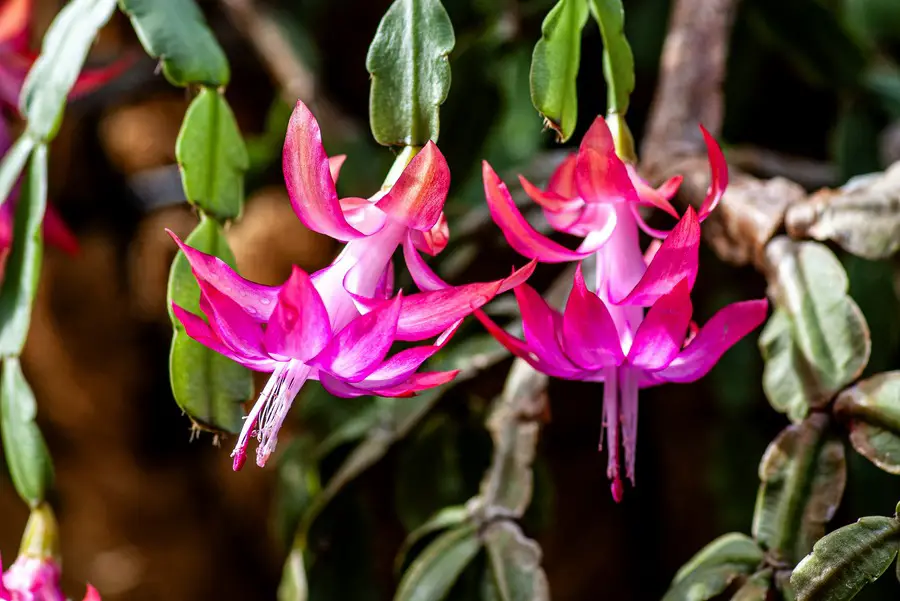
Pet-friendly indoor plants let you enjoy the beauty of houseplants without constantly worrying about curious cats or dogs. While no plant should become a chew toy, choosing species that are considered non-toxic gives pet owners valuable peace of mind.
One thing I’ve learned over the years is that you don’t have to settle for boring plants just because you have pets. There are beautiful ferns, flowering plants, colorful foliage plants, succulents, and hanging plants that are all considered safe for cats and dogs.
Many of these plants are also among the easiest houseplants to grow. Whether you have a bright apartment, a shady corner, or a sunny windowsill, there’s a pet-friendly option that can fit your space and your lifestyle.
This guide focuses on easy-to-grow indoor plants that are generally recognized as non-toxic to cats and dogs. Even so, it’s always best to discourage pets from chewing on any houseplant, since eating large amounts of foliage can still cause mild stomach upset.
What You’ll Learn
- The easiest pet-friendly houseplants for beginners
- Safe flowering plants for homes with cats and dogs
- Pet-friendly succulents and tropical plants
- Which plants work best for apartments and small spaces
- Popular houseplants to avoid around pets
- How to keep both your pets and your plants happy
Quick Answer: Some of the best pet-friendly indoor plants include Spider Plant, Bird’s Nest Fern, Prayer Plant, Rattlesnake Plant, Chinese Money Plant, Peperomia Hope, Gasteria, Haworthia Zebra Plant, African Violet, and Christmas Cactus. These plants are generally considered non-toxic to cats and dogs while also being relatively easy to grow indoors.
Pet-Friendly Indoor Plants at a Glance
| Plant | Best Feature | Light | Care |
|---|---|---|---|
| Spider Plant | Easy hanging plant | Medium-Bright | Easy |
| Bird’s Nest Fern | Lush tropical foliage | Medium-Bright | Easy |
| Prayer Plant | Beautiful patterned leaves | Medium | Moderate |
| Chinese Money Plant | Compact and easy | Bright indirect | Easy |
| Peperomia Hope | Compact trailing plant | Bright indirect | Easy |
| African Violet | Long-lasting flowers | Bright indirect | Easy |
| Gasteria | Pet-safe succulent | Bright | Easy |
| Christmas Cactus | Holiday flowers | Bright indirect | Easy |
Why Choose Pet-Friendly Houseplants?
Cats and dogs are naturally curious, especially when a new plant appears in the house. Cats may bat at dangling leaves or sample them out of curiosity, while some dogs enjoy chewing almost anything they can reach.
Choosing houseplants that are generally considered non-toxic doesn’t mean you should encourage pets to eat them, but it does provide an extra level of reassurance if an occasional nibble happens.
I’ve also found that many pet-friendly plants are surprisingly easy to grow, making them excellent choices for beginners as well as experienced indoor gardeners.
Quick Tip: Even non-toxic plants can cause mild stomach upset if a pet eats a large amount. It’s always best to place houseplants where curious pets are less likely to chew on them.
The Best Pet-Friendly Hanging Plants
Spider Plant

Spider Plant is one of the easiest pet-friendly houseplants you can grow. Its arching leaves and cascading plantlets make it perfect for hanging baskets, keeping much of the foliage naturally out of reach of curious pets.
It’s also forgiving of occasional watering mistakes and adapts well to average indoor conditions, making it one of my favorite recommendations for beginners.
See my Spider Plant Care Guide.
Peperomia Hope
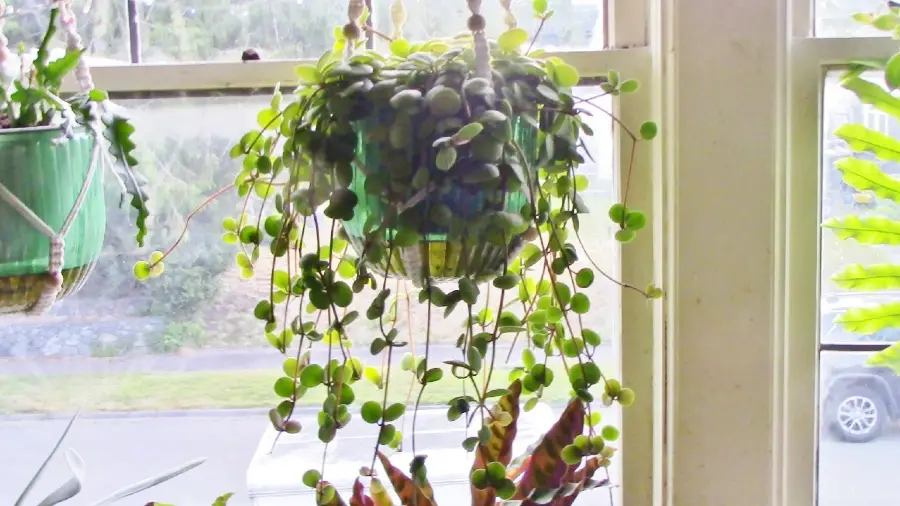
Peperomia Hope is another excellent hanging plant for pet owners. Its small, round succulent-like leaves trail gently over the edge of a hanging basket while remaining compact enough for shelves and apartments.
Like many members of the Peperomia family, it’s generally regarded as non-toxic to cats and dogs. It’s also one of the easiest trailing plants I’ve grown, especially in a well-draining coco coir and perlite mix.
Learn more in my Peperomia Hope Care Guide.
The Best Tropical Pet-Friendly Plants
Bird’s Nest Fern
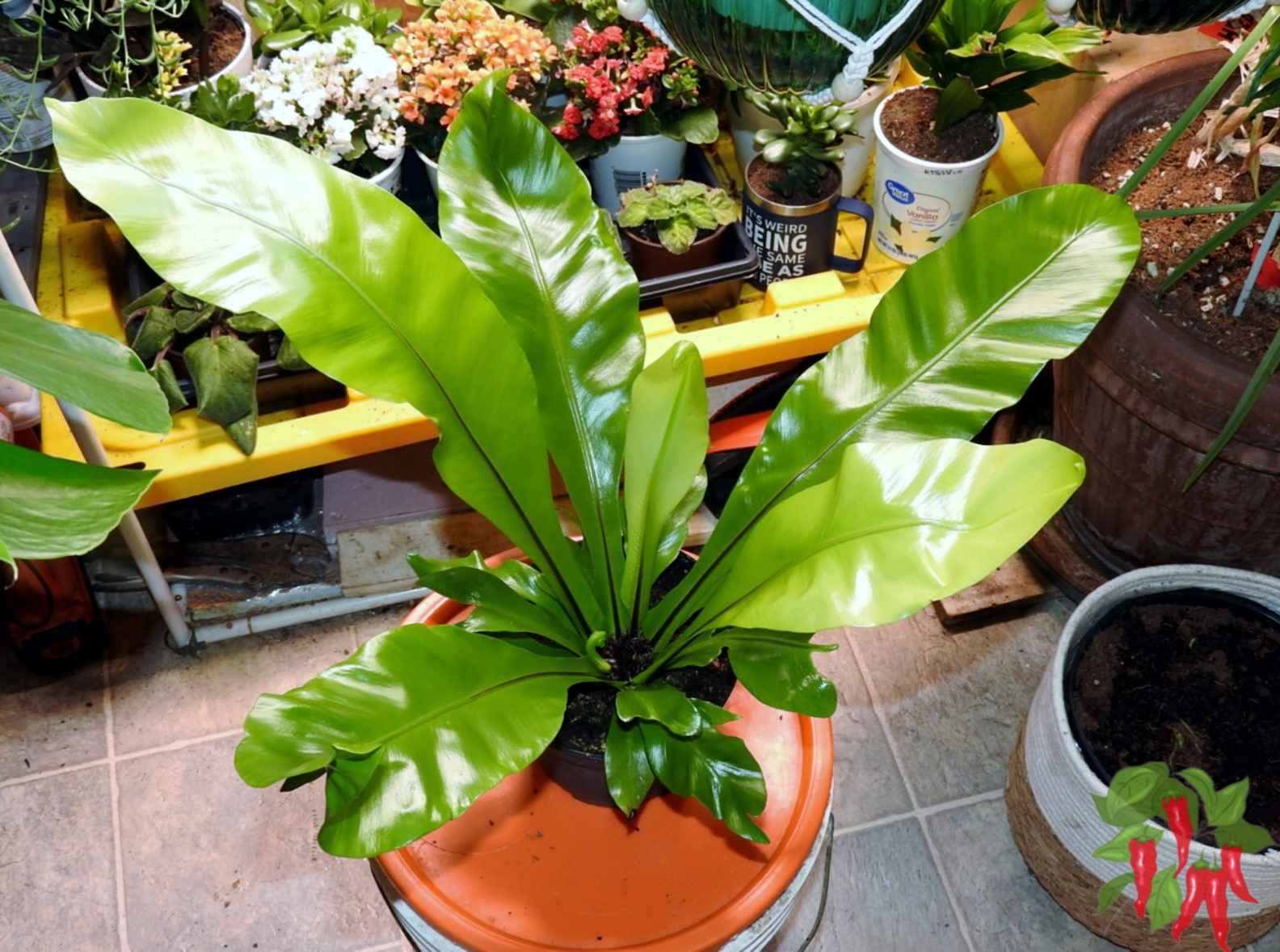
If you want a lush tropical look without worrying about toxicity, Bird’s Nest Fern is one of the best choices. Its broad, arching fronds create a dramatic focal point while remaining safe for homes with cats and dogs.
Mine has responded especially well to supplemental LED lighting, producing fuller, healthier growth throughout the year.
See my Bird’s Nest Fern Care Guide.
Pet-Friendly Palms for Indoor Growing
Palms are some of the best plants for creating a tropical look indoors, and several popular indoor palms are generally considered non-toxic to cats and dogs. They also give you options for everything from compact apartment growing to larger floor displays.
Parlor Palm
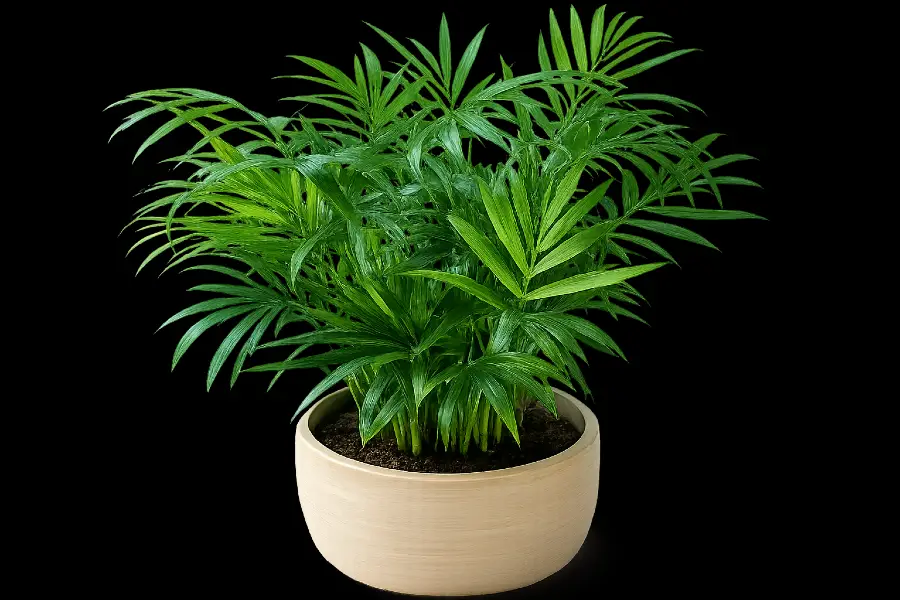
Parlor Palm, Chamaedorea elegans, is one of the easiest pet-friendly palms to grow indoors. Its soft arching fronds create a tropical look without requiring intense light or a huge amount of floor space.
It works particularly well in apartments because it grows slowly and stays more manageable than many larger palms.
See my Parlor Palm Indoor Care Guide.
Bamboo Palm
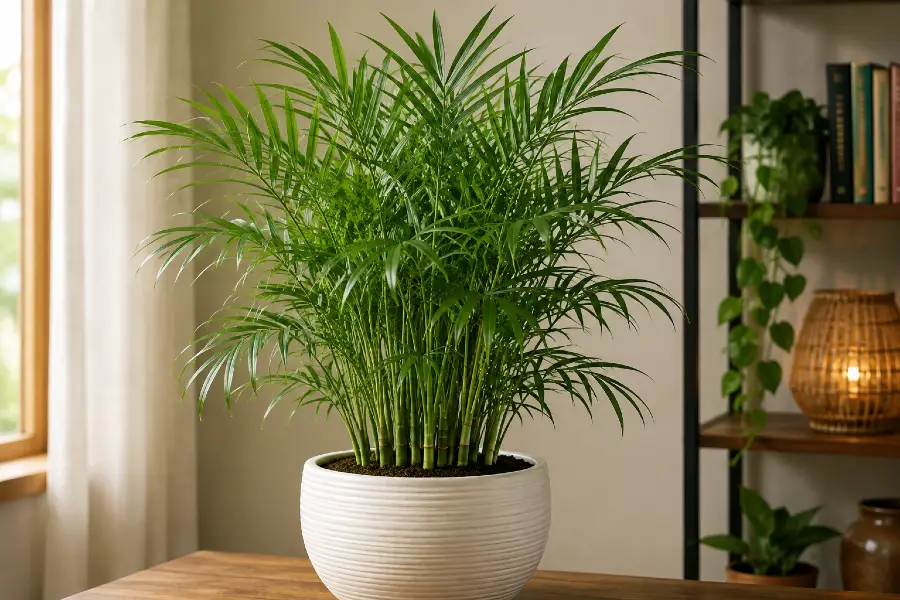
Bamboo Palm, Chamaedorea seifrizii, produces multiple slender stems topped with graceful green fronds. It has a fuller, more upright appearance than Parlor Palm and can become an attractive floor plant when given enough room.
It is another useful choice for pet owners who want substantial tropical foliage without bringing a known toxic plant into the home.
Learn more in my Bamboo Palm Indoor Care Guide.
Areca Palm
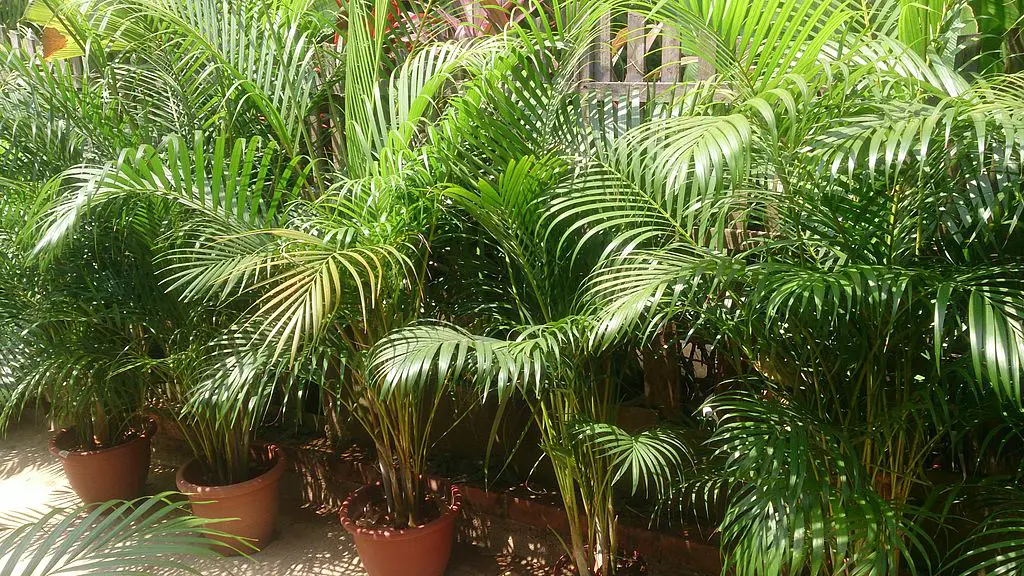
Areca Palm has feathery fronds and a lighter, airier appearance than many other indoor palms. It can eventually become a larger plant, so it works best when you have enough floor space and a bright indoor location.
For pet owners looking for a larger tropical plant, Areca Palm is one of the most attractive indoor options.
See my Areca Palm Care Indoors Guide.
Quick Tip: Parlor Palm is usually the easiest option for limited space, while Bamboo Palm and Areca Palm are better when you want a larger floor plant with a fuller tropical look.
For a broader comparison, see my guide to the best palm trees for apartments.
Cast Iron Plant
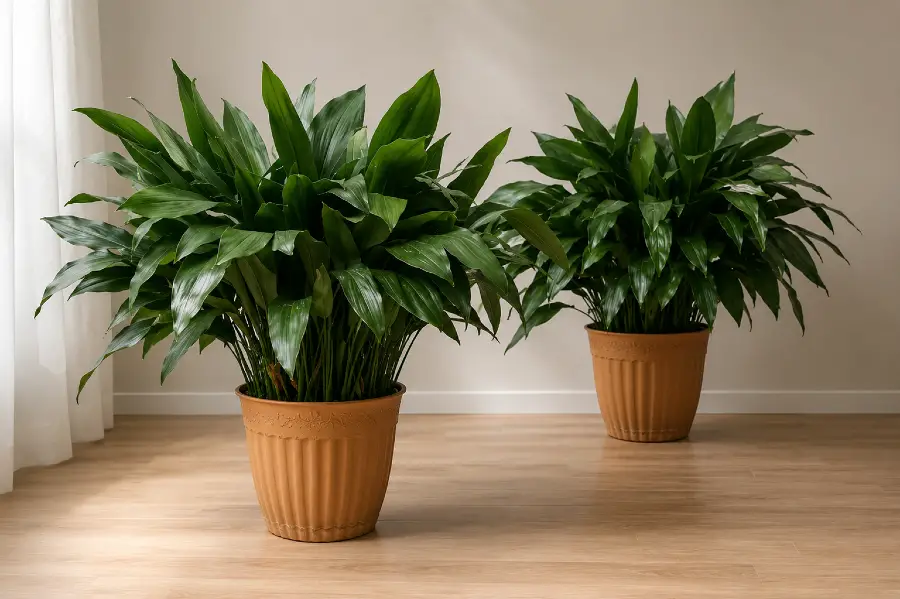
Cast Iron Plant, Aspidistra elatior, is another excellent choice for homes with pets. Its long upright leaves provide substantial foliage, while its slow growth and adaptable nature make it one of the easier indoor plants to maintain.
It is especially useful in apartments or rooms with softer natural light where brighter-light tropical plants may struggle.
See my Cast Iron Plant Indoor Care Guide.
Chinese Money Plant
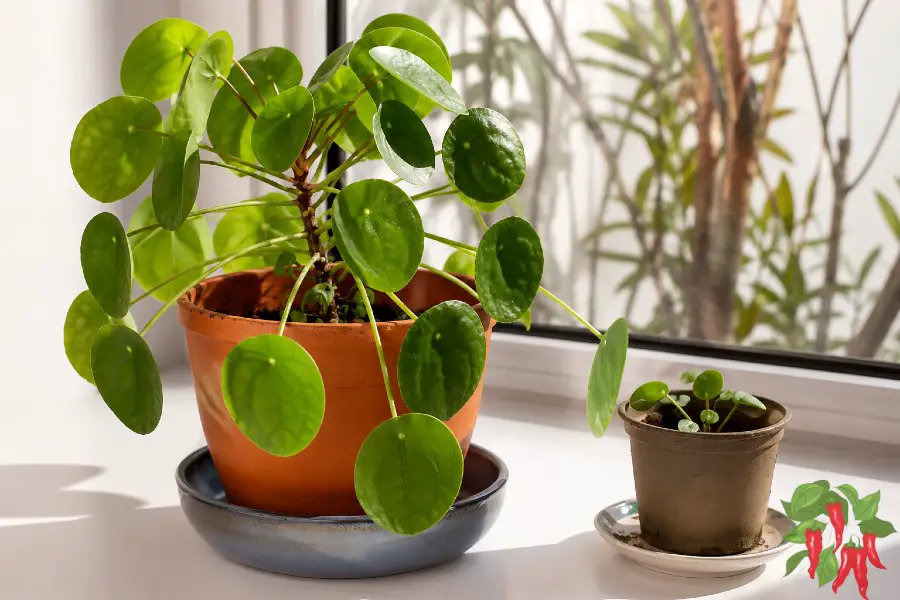
Chinese Money Plant has become one of the most popular modern houseplants thanks to its perfectly round leaves and compact growth habit. It’s also considered non-toxic to cats and dogs, making it an excellent choice for homes with curious pets.
I like that it stays manageable indoors while producing offsets that can easily be propagated into new plants. It grows best in bright, indirect light and makes an attractive addition to shelves, desks, and windowsills.
See my Chinese Money Plant Care Guide.
The Best Pet-Friendly Plants With Colorful Foliage
Having pets doesn’t mean you have to settle for plain green foliage. Several colorful houseplants are considered non-toxic while adding interesting patterns, textures, and colors to your indoor garden.
Prayer Plant
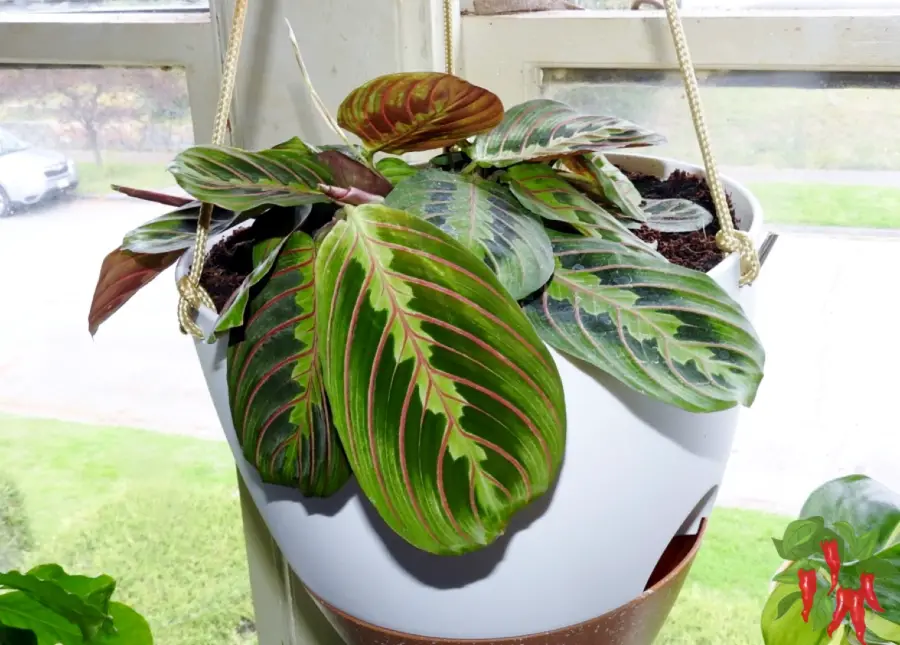
Prayer Plants are one of my favorite foliage plants because of their colorful leaves and fascinating daily movement. Their patterned foliage features multiple shades of green highlighted by bright red veins, and each evening the leaves slowly fold upward.
They’re generally considered safe for both cats and dogs while adding plenty of tropical character to a room.
Learn more in my Prayer Plant Care Guide.
Rattlesnake Plant
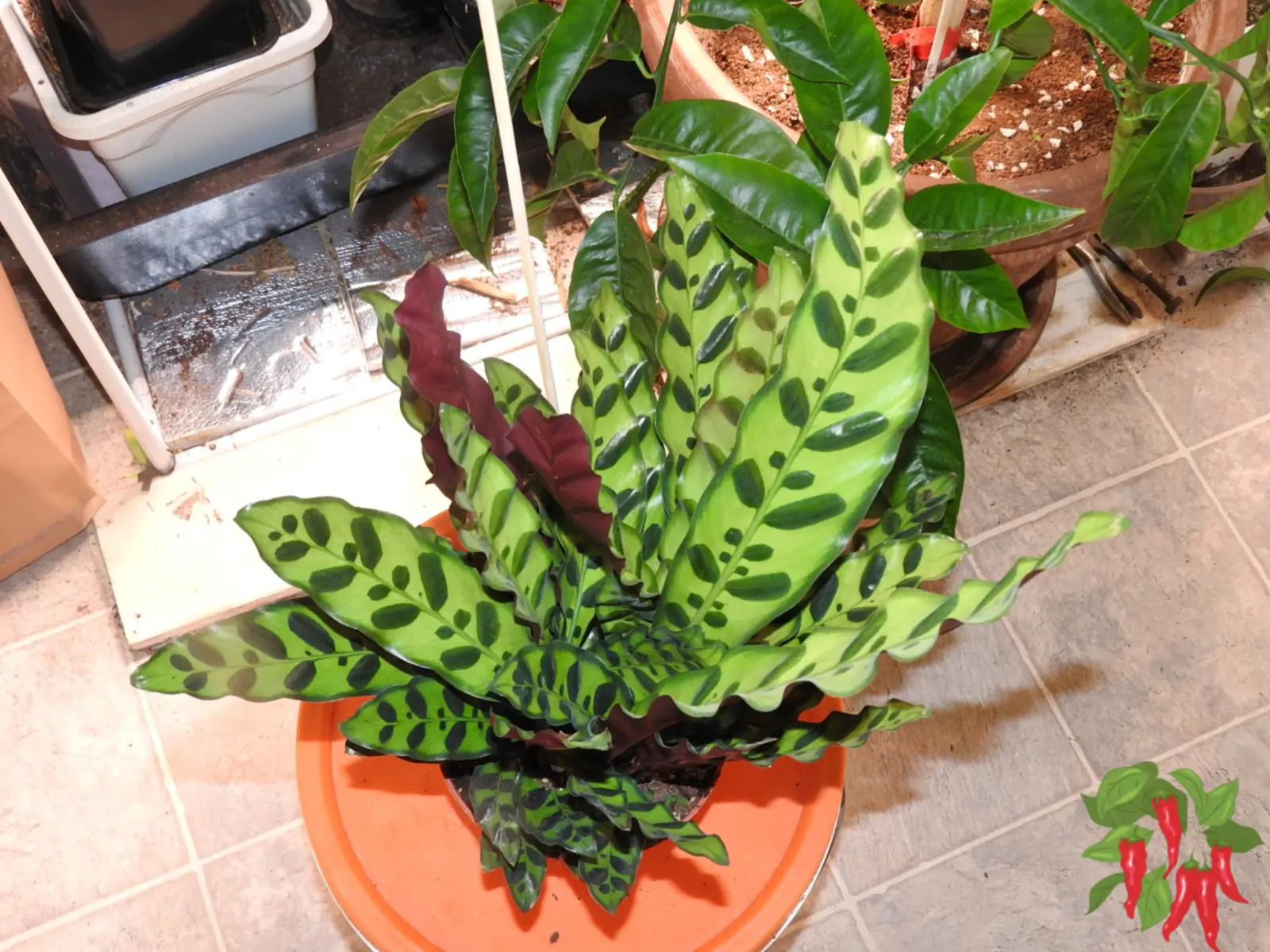
Rattlesnake Plant combines dramatic wavy foliage with dark green markings and rich purple undersides. It’s another member of the Calathea family that’s widely regarded as non-toxic to pets.
Its unique leaf pattern makes it a great conversation piece while remaining suitable for households with cats and dogs.
See my Rattlesnake Plant Care Guide.
Fittonia (Nerve Plant)
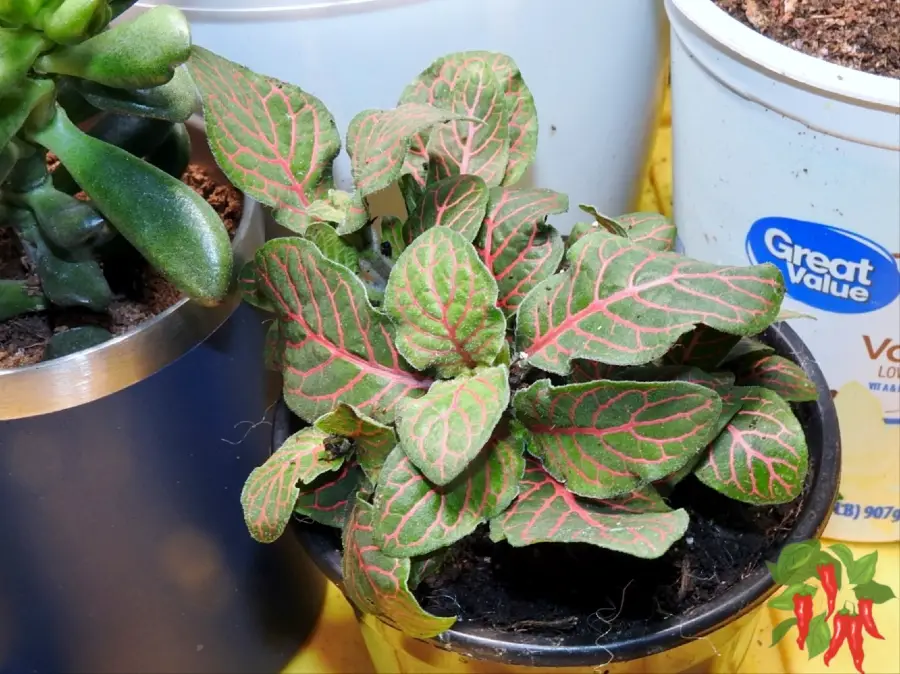
Fittonia brings bright pink, red, or white veins to your indoor garden while staying compact enough for desktops, bookshelves, and terrariums. It’s one of the easiest ways to add color without relying on flowers.
Although it appreciates consistent moisture more than some other plants in this guide, it’s still a rewarding choice for pet owners looking for colorful foliage.
Learn more in my Fittonia Care Guide.
Cryptanthus (Red Earth Star)
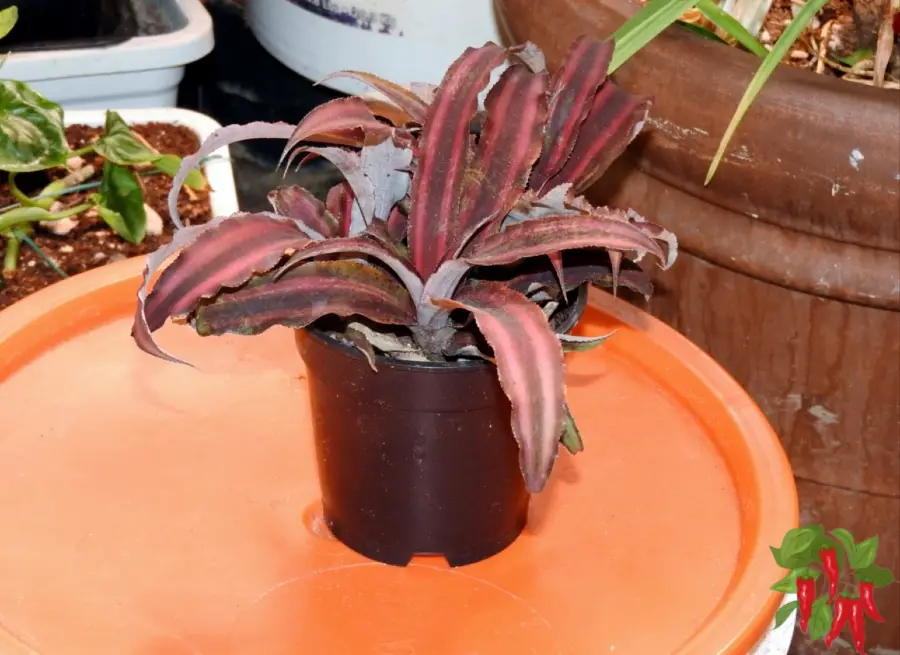
Cryptanthus, often called the Red Earth Star, is one of the most colorful members of the bromeliad family. Its compact rosette displays shades of red, burgundy, pink, and green that brighten shelves and tabletops throughout the year.
Unlike many bromeliads that are grown mainly for their flowers, Cryptanthus is prized for its colorful foliage. It’s also generally regarded as safe for cats and dogs.
See my Bromeliad Care Indoors Guide.
The Best Pet-Friendly Succulents
Many people assume all succulents are safe around pets, but that’s not the case. Fortunately, there are several excellent choices that are both easy to grow and generally considered non-toxic.
Gasteria
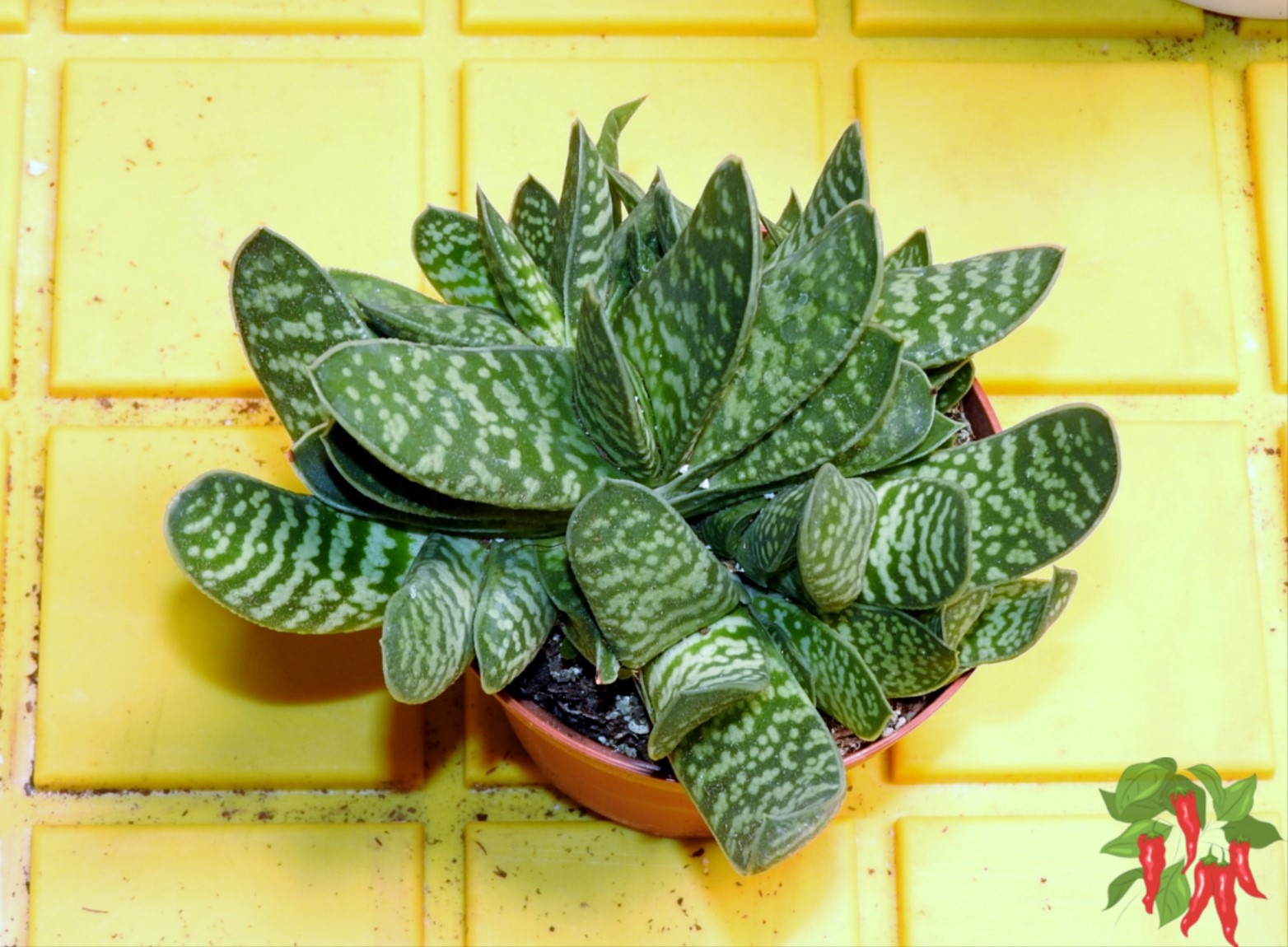
Gasteria is one of my favorite beginner succulents because it combines thick, attractive leaves with a forgiving nature. It tolerates lower light than many succulents and stays compact for years.
Unlike Aloe, Gasteria is generally regarded as non-toxic to cats and dogs, making it an excellent choice for pet owners who enjoy succulent collections.
See my Gasteria Care Indoors Guide.
Haworthia Zebra Plant

Haworthia Zebra Plant offers striking white stripes on dark green leaves while remaining one of the easiest pet-friendly succulents to grow. It stays compact, requires little watering, and fits almost anywhere in the home.
It’s an ideal choice if you want the appearance of a succulent without worrying about the toxicity associated with some other popular species.
Learn more in my Haworthia Zebra Plant Care Guide.
The Best Pet-Friendly Flowering Plants
African Violet
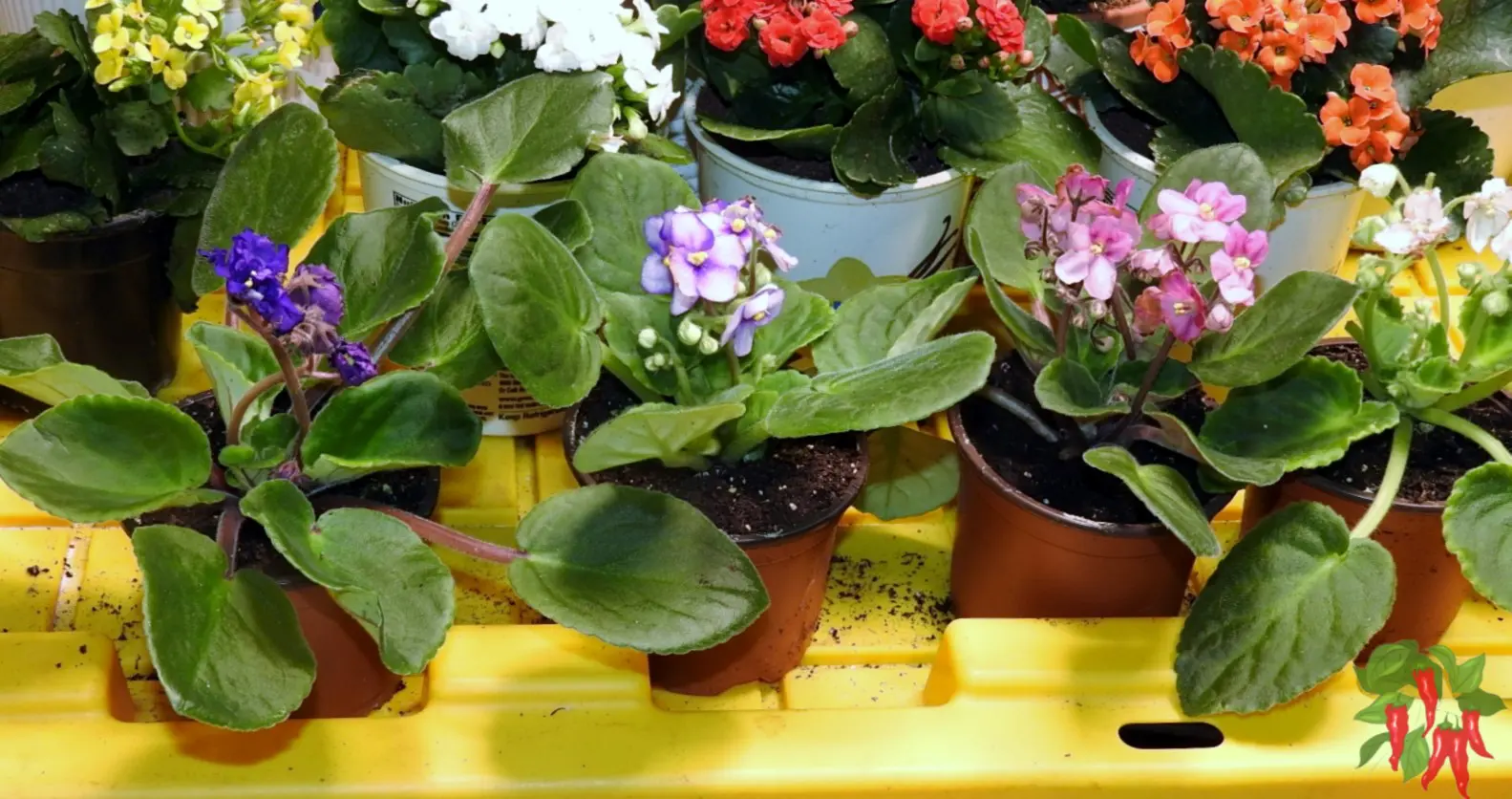
African Violets have remained favorite houseplants for decades because they’re compact, colorful, and capable of flowering repeatedly indoors. They’re also considered non-toxic to both cats and dogs.
If you want a flowering houseplant that’s well suited to windowsills and small spaces, African Violet is hard to beat.
See my African Violet Care Guide.
Christmas, Thanksgiving, and Easter Cactus
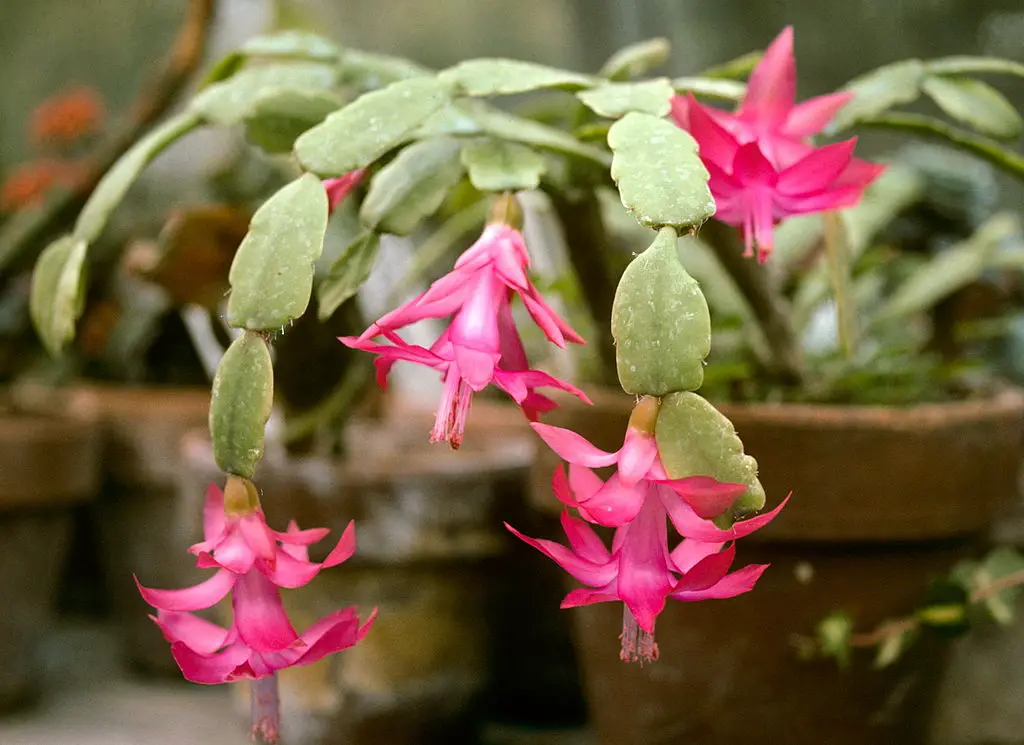
Holiday cacti are another excellent option for pet owners. Christmas Cactus, Thanksgiving Cactus, and Easter Cactus are all generally regarded as non-toxic while producing spectacular seasonal flowers.
Unlike desert cacti, these plants are native to tropical forests and are surprisingly easy to grow indoors with bright, indirect light and moderate watering.
Learn more in my Zygocactus Care Indoors Guide.
Quick Tip: Pet-safe doesn’t mean pet-proof. Even non-toxic plants can cause mild digestive upset if your cat or dog eats a large amount of foliage, so it’s still a good idea to discourage chewing whenever possible.
Popular Houseplants That Aren’t Pet Friendly
Many of the most popular houseplants contain compounds that can cause problems if they’re chewed by cats or dogs. While most exposures result in mild irritation or digestive upset rather than serious poisoning, it’s worth knowing which plants require a little more caution.
Some of the most common houseplants that are generally not considered pet friendly include:
- Monstera
- Pothos
- Philodendron
- Snake Plant
- ZZ Plant (including Black Raven ZZ)
- Peace Lily
- Aloe Vera
If you already grow one of these plants, don’t panic. Many pet owners successfully keep them by placing them in hanging baskets, on high shelves, or in rooms that pets can’t easily access.
Remember: Every pet is different. Some completely ignore houseplants, while others chew almost every leaf they can reach. Knowing your pet’s behavior is just as important as choosing the right plants.
Which Pet-Friendly Plant Is Right for You?
| If You Want… | Choose… |
|---|---|
| A hanging basket | Spider Plant or Peperomia Hope |
| A tropical centerpiece | Bird’s Nest Fern |
| Colorful foliage | Prayer Plant, Rattlesnake Plant, or Cryptanthus |
| A compact desktop plant | Chinese Money Plant or Fittonia |
| A pet-safe succulent | Gasteria or Haworthia Zebra Plant |
| Colorful flowers | African Violet |
| Holiday blooms | Christmas, Thanksgiving, or Easter Cactus |
Frequently Asked Questions About Pet-Friendly Indoor Plants
What are the easiest pet-friendly indoor plants?
Spider Plant, Bird’s Nest Fern, Chinese Money Plant, Peperomia Hope, Gasteria, Haworthia Zebra Plant, and African Violet are all beginner-friendly choices that are generally considered safe for cats and dogs.
Are succulents safe for pets?
Some are, and some are not. Gasteria and Haworthia are generally regarded as pet-safe, while popular succulents such as Aloe Vera should be kept away from cats and dogs.
Can cats chew Spider Plants?
Yes. Many cats are attracted to Spider Plants because of their grassy leaves. Although Spider Plants are generally considered non-toxic, eating large amounts of foliage may still cause mild stomach upset.
Are Peperomia plants pet friendly?
Many commonly grown Peperomia species, including Peperomia Hope, are generally considered non-toxic to cats and dogs. They also stay compact, making them excellent houseplants for apartments and smaller homes.
Can I keep houseplants if I have pets?
Absolutely. By choosing pet-friendly species and placing plants thoughtfully, you can enjoy a thriving indoor garden while helping keep curious cats and dogs safe.
Final Thoughts
Living with pets doesn’t mean giving up your love of houseplants. There are plenty of beautiful indoor plants that are generally considered safe for cats and dogs, from tropical ferns and colorful foliage plants to flowering houseplants and even a few easy-care succulents.
I’ve found that many of these plants are also among the easiest to grow. Spider Plant, Bird’s Nest Fern, Peperomia Hope, Chinese Money Plant, Prayer Plant, and Gasteria have all earned their place because they combine attractive foliage with relatively simple care.
No matter which plants you choose, remember that supervision is still important. Even non-toxic plants can upset a pet’s stomach if eaten in large amounts. Choosing safe plants and encouraging pets to leave them alone is the best combination for a healthy, happy home.
Where to Go Next
Explore More Pet-Friendly Plant Ideas
More Easy Houseplant Guides
Growing Peperomia Hope Indoors
Learn how to grow this compact trailing plant with thick, succulent-like leaves that’s perfect for shelves and hanging baskets.
Chinese Money Plant Care
Discover why this compact, easy-care plant has become one of the most popular houseplants for apartments and small spaces.
More Dog-Safe Indoor Plants
Looking for additional pet-friendly plants that also produce minimal leaf drop and cleanup? Explore more easy options for homes with dogs.