

Maidenhair fern indoor care is all about moisture, humidity, and gentle light. Known as Adiantum raddianum, this delicate fern is loved for its soft lacy fronds and airy texture that can brighten up almost any indoor space.
Despite its delicate look, Maidenhair Fern can do very well indoors when you give it the steady conditions it likes. The biggest key is consistency. It does not like drying out or sudden environmental changes.
This guide covers everything you need to know to keep your Maidenhair Fern healthy, full, and growing strong indoors.
What You’ll Learn
- How much light Maidenhair Fern needs indoors
- How to keep the soil evenly moist without root rot
- How to increase humidity for healthier fronds
- The best soil mix using coco coir and perlite
- How to fix crispy leaves, yellowing, and pest issues
Quick Answer: How Do You Care for a Maidenhair Fern Indoors?
Grow Maidenhair Fern in bright indirect light, high humidity, and evenly moist soil. Use a loose moisture-retentive mix with coco coir and perlite, keep temperatures between 60–75°F, and avoid letting the soil dry out completely.
Buy Maidenhair Ferns on Amazon
Getting to Know Maidenhair Fern

Maidenhair fern is the common name for this popular fern but it is also known by its botanical name Adiantum raddianum.
It is a beautiful and delicate plant native to tropical and subtropical regions.
There are many types of maidenhair ferns in the genus Adiantum and some cultivars are recognized by the Royal Horticultural Society.
The Maidenhair Fern is known for its thin and lacy fronds, which give it a feathery appearance.
The leaves of the maidenhair fern are usually light green, but some varieties have a reddish or bronze tint.
This plant is popular among indoor gardeners due to its graceful and elegant appearance.
Why the Maiden Hair Fern is a Popular Indoor Plant
The maiden hair fern is a great choice for indoor gardening for several reasons.
It is one of the easiest plants and relatively low-maintenance compared to other ferns, making it an ideal choice for those who are new to indoor gardening.
It is a beautiful and visually appealing plant that can enhance the aesthetic of any indoor space.
It is well-suited to indoor conditions, thriving in the low light and high humidity that is common in many homes.
Light Requirements
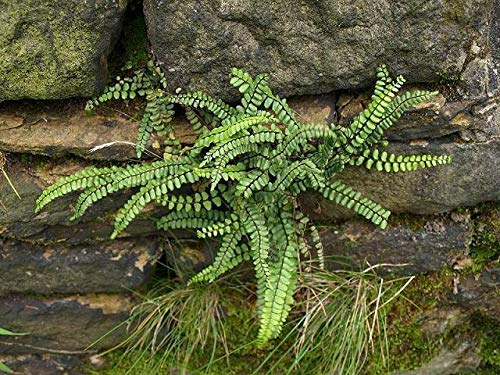
While this plant may look delicate and dainty, it actually requires a good amount of light to grow and thrive.
In this section, we’ll cover everything you need to know about providing the proper lighting for your maiden hair fern.
Ideal Lighting Conditions for the Maiden Hair Fern
The maiden hair fern thrives in moderate to bright, indirect light.
This means that it should be placed near a window that receives bright indirect sunlight for at least a few hours a day.
Direct sunlight can scorch the delicate leaves of the maidenhair fern, so it’s important to avoid placing it in direct sunlight for extended periods of time.
If you don’t have access to a window with enough natural light, you can also use artificial lighting to supplement your plant’s needs.
How to Provide the Proper Amount of Light
To provide your maidenhair fern with the proper amount of light, you’ll need to pay attention to its placement and adjust it as needed.
Start by placing your plant near a window that receives moderate to bright, indirect light.
If you notice that the leaves are turning yellow or brown, they may be receiving too much direct sunlight.
On the other hand, if the leaves are small or the plant is growing slowly, it may not be receiving enough light.
In this case, you may need to move it to a brighter location or supplement it with artificial light.
Effects of Too Much or Too Little Light on the Fern
Both too much and too little light can have negative effects on your maiden hair fern.
Too much direct sunlight can cause the leaves to turn yellow or brown and can even scorch the fronds.
On the other hand, too little light can cause the fern to grow slowly, develop small leaves, and lose its vibrant green color.
In addition, low light can make the fern more susceptible to pests and diseases.
So, it’s important to find the right balance of lighting conditions to ensure that your maiden hair fern stays healthy and vibrant.
Best Indoor Locations for Maidenhair Fern
Placement matters more with Maidenhair Fern than many houseplants because humidity and light need to stay steady.
- East-facing windows: Excellent for gentle morning light
- Bathrooms with windows: Ideal because of higher humidity
- Kitchens near bright windows: Often naturally humid
- Bright shelves near filtered light: Great if protected from direct sun
Avoid heating vents, cold drafts, and strong afternoon sun.
Watering Needs
When it comes to maidenhair fern indoor care, watering is another essential component.
While it may seem like a simple task, watering your fern properly can be a bit tricky.
Overwatering can lead to root rot, while underwatering can cause the plant to dry out and wilt.
In this section, we’ll explore everything you need to know about watering your maiden hair fern, including how often to water it, maintain moisture levels, and how to check if your potted plant needs watering.
How Often to Water the Maiden Hair Fern
Knowing how often to water your maiden hair fern is crucial to its overall health.
While it’s important to keep the soil moist, overwatering can lead to soggy soil. This leads to root rot and other issues.
As a general rule of thumb, you should water your maidenhair fern when the top of the soil feels dry to the touch.
However, avoid letting the soil dry out completely, as this can also be detrimental to the plant’s health.
Proper Watering Techniques
Proper watering techniques are key to keeping your maiden hair fern healthy and happy.
When watering your plant, be sure to use room-temperature water and avoid getting water on the leaves, as this can lead to brown spots or other damage.
Water the soil slowly and thoroughly, allowing the excess water to drain out of the pot’s bottom.
If your maiden hair fern is in a hanging basket or elevated location, be sure to place a tray underneath to catch any excess water.
Signs of Over or Under Watering
Overwatering and underwatering can both have negative effects on your maiden hair fern.
Signs of overwatering include yellowing leaves, a mushy stem, or a foul odor coming from the soil.
On the other hand, signs of underwatering include wilting leaves, brown tips, or a dry, cracked soil surface.
To avoid these issues, be sure to water your maiden hair fern appropriately and check the soil regularly to ensure that it’s moist but not waterlogged.
Humidity and Temperature
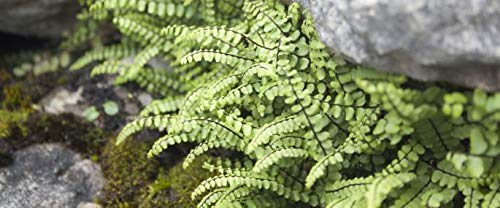
In addition to proper lighting and watering, maintaining the right humidity and temperature levels is also crucial for your maiden hair fern’s health.
This delicate fern thrives in warm and humid conditions, which can be a challenge to provide indoors, especially during the winter months.
In this section, we’ll explore the ideal relative humidity and temperature ranges for your maiden hair fern, as well as some tips for maintaining these conditions.
Ideal Temperature Range for the Maiden Hair Fern
Maidenhair ferns thrive in warm temperatures and don’t tolerate cold drafts or extreme temperature changes very well.
The ideal temperature range for a maiden hair fern is between 60°F to 75°F (15°C to 24°C).
Avoid placing your fern near doors or windows that are frequently opened, or in areas that experience temperature fluctuations such as near heaters or air conditioners.
Effects of Humidity on the Fern
High humidity is essential for the maiden hair fern to thrive. The fern’s natural habitat is in tropical and subtropical regions with high humidity levels.
Low humidity can cause the fern’s delicate fronds to dry out and become crispy, leading to stunted growth or even death.
Additionally, low humidity can attract pests such as spider mites and mealybugs, which can further damage the plant.
How to Increase Humidity Around the Fern
To provide adequate humidity levels for your maiden hair fern, you can take a few different approaches.
One simple way to increase humidity is to mist the fern regularly with room-temperature water.
You can also place a humidifier near the fern, or set the pot on top of a pebble tray which is a tray filled with pebbles and water.
As the water evaporates from this tray of wet pebbles, it will increase the humid air around the plant.
Another option is to group your fern with other houseplants or place it in a bathroom or kitchen, which tends to have naturally higher humidity levels.
Soil and Fertilization

The soil and fertilization routine you provide for your maiden hair fern can have a significant impact on its overall health and growth.
A well-draining soil mix with adequate nutrients can help your fern thrive, while improper soil or fertilization can lead to root rot, nutrient deficiencies, and stunted growth.
In this section, we’ll discuss the best soil mix for your fern, how often to fertilize it, and the signs of over or under-fertilization.
Ideal Soil Type for the Maiden Hair Fern
Maidenhair ferns prefer well-draining soil that’s high in organic matter.
A good soil mix for the maiden hair fern should be a 70/30 blend of coco coir and perlite.
This mix provides good drainage, while also retaining moisture and nutrients that the fern needs to thrive.
Coco Coir vs. Peat
When it comes to choosing a soil mix for maidenhair fern indoor care you may come across both coco coir and peat as options.
Coco coir is a sustainable alternative to peat and is becoming more popular among plant enthusiasts.
It’s made from the fibrous husks of coconuts and is highly sustainable. Peat, on the other hand, is harvested from bogs and is not a renewable resource.
While both options can be suitable for the maidenhair fern, coco coir is a more eco-friendly option.
How to Fertilize the Fern
Fertilizing your maiden hair fern can help ensure it’s getting the nutrients it needs to grow and thrive.
A balanced, water-soluble fertilizer is best for this fern, and it’s essential to dilute the fertilizer according to the instructions on the package.
It’s best to fertilize your maiden hair fern once a month during the growing season (spring and summer) and stop fertilizing during the winter months when the fern is dormant.
Importance of Proper Soil and Fertilization
Proper soil and fertilization are essential for the overall health and growth of your maiden hair fern.
The right soil mix ensures that the plant has access to the right nutrients and adequate drainage, while proper fertilization helps ensure the plant is getting the nutrients it needs to grow and thrive.
Proper soil and fertilization also help prevent root rot, which is a common issue for maiden hair ferns.
Repotting

As your maiden hair fern grows, it’s essential to ensure it has enough space to continue thriving.
That’s where repotting comes in! Repotting allows you to refresh the soil, give the roots more room to grow, and remove any dead or damaged roots.
In this section, we’ll discuss when to repot your maiden hair fern, how to do it correctly, and what type of soil mix to use.
When to repot the maiden hair fern:
Your maiden hair fern will need to be repotted every year or two, depending on its growth rate.
Signs that it’s time for repotting include roots growing out of the drainage holes or a lack of growth even after proper care.
The best time to repot is in the spring or summer when the fern is actively growing.
How to repot the fern:
Start by gently removing the fern from its current pot and shaking off any excess soil.
Inspect the roots for any signs of damage or rot and trim as necessary. New pots should always have drainage holes.
Fill the new pot with fresh soil and place the fern in the center. Add more soil to fill the gaps, and gently pat it down.
Water the fern thoroughly and place it in a spot with bright, indirect light.
Common mistakes to avoid during repotting:
The most common mistake made in maidenhair fern indoor care is using a pot that’s too big, which can lead to overwatering and root rot.
Another mistake is not loosening the roots enough, which can cause them to become root-bound and affect growth.
It’s also essential not to overwater the fern immediately after repotting, as this can lead to root rot.
Finally, make sure to choose the right type of soil mix, as we discussed in the previous section.
Propagation
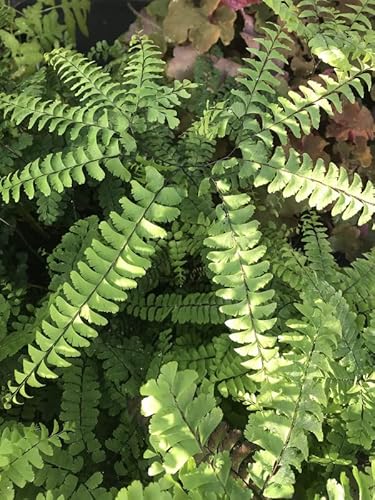
Luckily, the maiden hair fern is relatively easy to propagate, allowing you to expand your fern collection or share it with friends.
In this section, we’ll go over the different propagation methods for the maidenhair fern, including spores and division.
Spores
One way to propagate the fern is through spores. Spores are tiny, dust-like particles found on the undersides of the fronds.
To propagate with spores, collect the spores and sprinkle them on top of moist soil.
Cover with plastic wrap to retain moisture and place the container in a bright, warm location.
Division
Another way to propagate is through division. To do this, carefully remove the fern from its pot and separate the root ball into smaller sections.
Repot each section in fresh soil and water thoroughly.
The best time to propagate the maiden hair fern is during the spring or summer when the plant is actively growing.
This will give the new plants ample time to establish themselves before the colder months arrive.
The most common propagation methods for the maiden hair fern are spores and division.
In addition to these methods, some gardeners have had success with rhizome cuttings, although this can be a bit trickier.
Regardless of the method you choose, be sure to provide the proper care and attention to your new plants as they establish themselves.
Using spores and division
Spores are tiny, dust-like particles found on the undersides of the fronds. To propagate with spores, you’ll need to collect them from a mature fern.
To do this, place a mature frond with spores on a piece of paper and let it dry out for a few days.
Then, gently shake the frond over a container of moist soil to release the spores.
Cover the container with plastic wrap to retain moisture and place it in a warm, bright location.
Over time, the spores will germinate and grow into tiny, delicate ferns.
It’s important to note that this process can be quite slow, often taking several months to see visible growth.
Once the ferns have grown enough to be handled, you can transplant them to their own pots with fresh soil.
Using Division
Division is another common propagation method for the maidenhair fern.
To propagate by division, carefully remove the fern from its pot and separate the root ball into smaller sections.
Be sure to use clean, sharp tools to avoid damaging the roots. Once you’ve separated the root ball, repot each section in fresh soil and water thoroughly.
Propagation by division is generally a quicker method than spores, as the new plants will already have an established root system.
However, it’s important to be gentle during the division process to avoid damaging the roots or the plant itself.
Additionally, you may not be able to divide the fern into as many sections as you’d like, depending on the size and health of the parent plant.
Common Problems and Solutions

In this section, we will cover some common issues that can occur with the maidenhair fern, and how to solve them.
It’s important to keep an eye out for any issues that may arise with your maiden hair fern. Some common problems include yellowing leaves, brown spots, and root rot.
Diagnosing these issues early is key to treating them effectively. For yellowing leaves, check the soil moisture and adjust the watering accordingly.
Brown spots can be caused by too much direct sunlight or dry air – try moving the fern to a more shaded area or increasing the humidity around it.
Root rot can be treated by removing the affected roots and repotting the fern in fresh soil.
Common Indoor Pests and How to Treat Them
Maidenhair Ferns can attract pests when humidity drops or airflow is poor. Catching them early makes treatment much easier.
Spider Mites
Spider mites are the most common pest on Maidenhair Ferns. Look for tiny webs and pale speckling on the fronds. Increase humidity and use insecticidal soap or neem oil.
Mealybugs
These white cottony pests hide where stems meet fronds. Remove them with rubbing alcohol and treat larger infestations with insecticidal soap.
Scale
Scale appears as small hard bumps attached to stems or fronds. Remove manually and follow with neem oil treatments.
Maidenhair Fern Indoor Care FAQs
Why do Maidenhair Fern leaves turn crispy?
Crispy leaves usually mean low humidity or dry soil. This fern needs constant moisture and higher humidity than many houseplants.
How often should I water Maidenhair Fern?
Water when the top of the soil begins to feel slightly dry, but never let the root zone dry out completely.
Can Maidenhair Fern tolerate low light?
It can survive lower light, but it grows best in bright indirect light where it can stay fuller and healthier.
Should I mist my Maidenhair Fern?
Misting can help temporarily, but a humidifier or pebble tray usually works better for long-term humidity.
Is Maidenhair Fern hard to grow indoors?
Not once you understand its needs. The biggest challenge is keeping moisture and humidity consistent.
Maidenhair Fern Indoor Care Final Thoughts

Maidenhair Fern Indoor Care Final Thoughts
Maidenhair Fern is one of the most elegant indoor ferns you can grow, and its soft airy fronds make it stand out from heavier tropical plants.
The secret is consistency. Keep the soil moist, maintain higher humidity, and protect it from harsh sun or dry air. Once dialed in, it can become one of the most rewarding ferns to grow indoors.
If you love delicate foliage and lush green texture, Maidenhair Fern is a classic worth adding to your indoor collection.
Buy Maidenhair Ferns on Amazon