
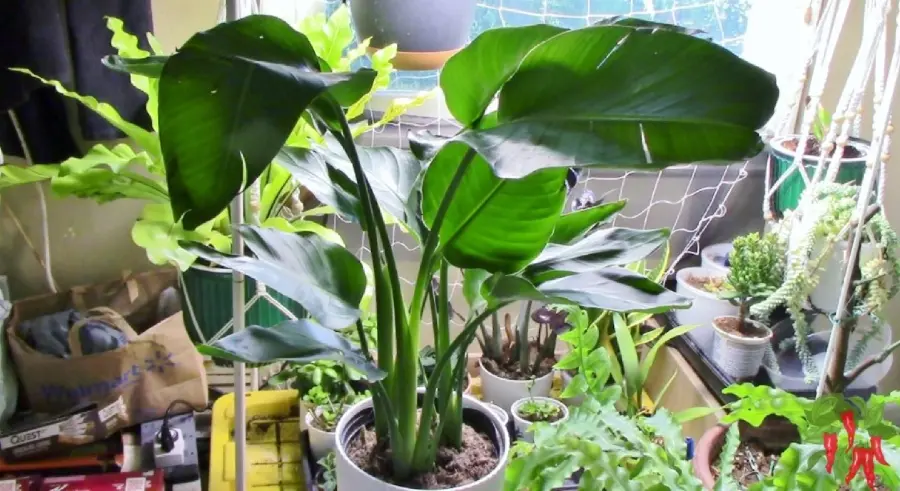
Indoor plants that change as they grow can look surprisingly different a few years after you bring them home. A small nursery plant only shows you one stage in its development, and some of the most interesting houseplants change their leaves, shape, size, or growth habit dramatically as they mature.
Monstera is probably the classic example. A young plant may have relatively simple leaves, while mature growth can develop the large splits and fenestrations that make Monstera so recognizable. But it certainly isn’t the only houseplant that transforms with age.
Pothos and Heartleaf Philodendron can develop differently when they’re allowed to climb instead of simply trailing from a pot. Spider Plants eventually send out runners with flowers and baby plants. Chinese Money Plants can surround themselves with offsets, while a small Boston Fern can eventually turn into an enormous mass of arching fronds.
I’ve also found that some plants simply don’t show you their full potential when they’re young. Fishbone Cactus becomes much more interesting once its unusual stems grow long enough to cascade, while Ponytail Palm gradually develops the swollen base, trunk, and fountain of foliage that give an older plant so much character.
In this guide, we’ll look at 10 houseplants that can change considerably as they grow and, more importantly, what causes those changes. Sometimes it’s simply age. In other cases, light, climbing support, pruning, or enough room to grow can make a big difference.
What You’ll Learn
- Which indoor plants change the most as they mature
- Why young Monstera leaves may look completely different from mature leaves
- How climbing can change Pothos and Heartleaf Philodendron growth
- Which houseplants produce pups, plantlets, or offsets as they mature
- Why Boston Fern, White Bird of Paradise, and other plants can become much larger than their nursery size suggests
- What you can do to help a young houseplant develop into an impressive mature specimen
Quick Answer
Some of the most interesting indoor plants change considerably as they grow. Monstera can develop larger fenestrated leaves, climbing Pothos can produce much larger foliage, Spider Plants eventually produce plantlets, Chinese Money Plants form offsets, and Boston Ferns can become enormous compared with the small plants commonly sold in stores. Fishbone Cactus, Jade Plant, Ponytail Palm, Heartleaf Philodendron, and White Bird of Paradise also become noticeably different as they mature.
Indoor Plants That Change As They Grow at a Glance
| Plant | What Changes | Young Plant | Mature Plant |
|---|---|---|---|
| Monstera | Leaf size and fenestrations | Smaller, simpler leaves | Large leaves with splits and openings |
| Pothos | Leaf size and climbing growth | Small leaves on trailing vines | Potentially much larger foliage when climbing under favorable conditions |
| Heartleaf Philodendron | Growth habit and foliage | Compact trailing vines | Longer, fuller climbing or trailing growth |
| Spider Plant | Runners and plantlets | Simple grassy rosette | Cascading runners with flowers and baby plants |
| Boston Fern | Overall size and fullness | Manageable cluster of fronds | Large mass of long arching fronds |
| White Bird of Paradise | Height and leaf size | Manageable upright floor plant | Towering tropical specimen with huge leaves |
| Chinese Money Plant | Offsets and overall form | Small plant with round leaves | Fuller plant often surrounded by offsets |
| Fishbone Cactus | Stem length and cascading habit | Few short zigzag stems | Long cascading stems and potential flowers |
| Jade Plant | Stem structure and form | Fleshy green stems | Thicker woody growth and tree-like shape |
| Ponytail Palm | Base, trunk, and foliage | Small swollen base with narrow leaves | Larger caudex, developed trunk, and substantial fountain of foliage |
Why Young Houseplants Can Look So Different From Mature Plants
One of the easiest mistakes to make when buying a houseplant is assuming the plant in the nursery pot shows you exactly what the species will look like later. Sometimes it does. With other plants, you’re looking at what is essentially an early version of the mature plant.
Monstera demonstrates this particularly well. Juvenile foliage may be relatively small and simple. As the plant matures under favorable conditions, new leaves can become much larger and develop increasingly pronounced splits and openings.
Other plants change because of the way they’re grown. Pothos is commonly sold as a trailing plant, and that’s how most of us are accustomed to seeing it. Give it something suitable to climb, along with favorable light and growing conditions, and the foliage can become considerably larger as the plant matures.
Then there are plants that change through multiplication. Spider Plant sends out runners and develops plantlets. Chinese Money Plant produces offsets around the parent plant. What started as one relatively simple plant can eventually become a much fuller display.
Size alone can create an enormous transformation too. A Boston Fern doesn’t need to develop a completely different type of leaf to become almost unrecognizable from the little fern you originally purchased. It simply produces enough large arching fronds to turn into a substantial specimen.
Different Ways Houseplants Transform Over Time
Not every plant on this list changes in the same way, which is what makes the topic more interesting than simply comparing young plants with large plants.
Leaves Can Change
Monstera is the standout example. Leaf size and form can change substantially as the plant matures. Climbing plants such as Pothos can also produce foliage that looks very different from the small leaves commonly seen on trailing indoor vines.
The Plant Can Change Shape
Fishbone Cactus starts relatively upright and compact when the stems are short. As those stems lengthen, gravity takes over and the plant develops the cascading form that makes a mature specimen so distinctive.
Jade Plant changes in another direction. Its stems can become thicker and increasingly woody, gradually giving an older plant a miniature tree-like appearance.
One Plant Can Become Many
Spider Plant and Chinese Money Plant transform partly by producing new plants. Runners and offsets can make an established specimen look considerably fuller than the single young plant you started with.
Some Plants Simply Become Huge
Boston Fern and White Bird of Paradise are good reminders to look at mature size before deciding where a young plant will live permanently. Both can occupy considerably more space after they’ve been growing successfully for years.
Quick Tip: Before buying a young houseplant, look at mature examples of the same species. A six-inch nursery pot can be misleading. Knowing whether the plant eventually climbs, trails, produces offsets, develops larger leaves, or turns into a huge floor specimen can help you plan ahead.
Maturity Isn’t Just About Age
It’s tempting to think that all you have to do is wait and a young plant will automatically develop its mature characteristics. Time matters, but growing conditions matter too.
Light can influence the size and quality of new growth. Climbing plants may develop differently when given appropriate vertical support. Plants also need enough root space, water, nutrients, and suitable temperatures to continue healthy growth.
This is especially important with plants such as Monstera and Pothos. Simply owning the plant for several years doesn’t guarantee enormous mature foliage. The plant needs the conditions that allow it to grow vigorously and, for climbing species, the opportunity to climb.
The same principle applies at the other end of the spectrum. A Boston Fern may have the potential to become enormous, but it won’t reach that potential if growing conditions continually stress the plant.
So when we talk about how these houseplants change as they grow, we’re really talking about two things working together: time and the conditions that allow the plant to mature.
1. Monstera
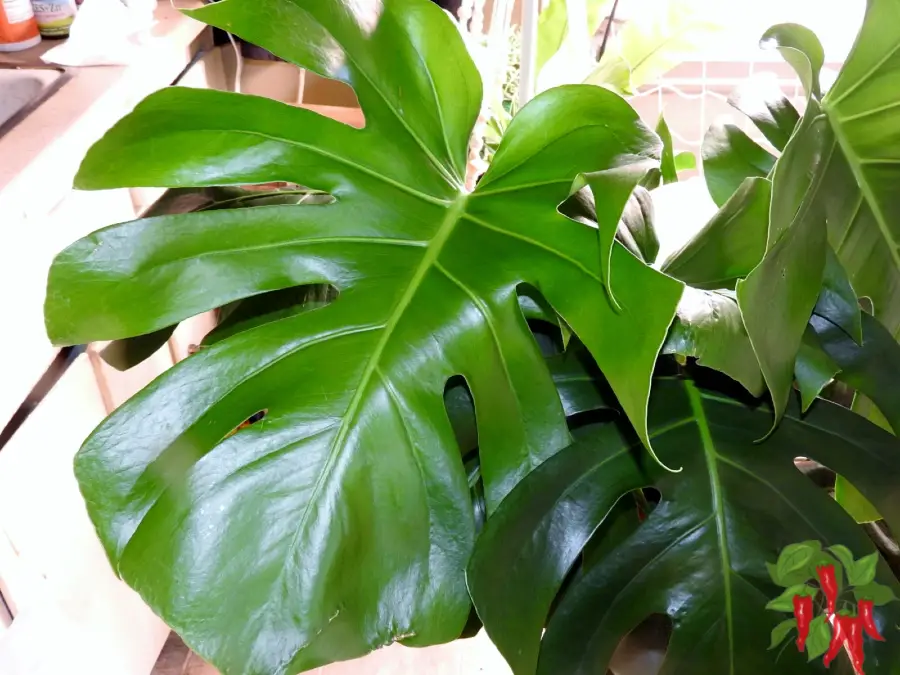
Monstera may be the best example of an indoor plant that doesn’t necessarily look the same throughout its life. A young plant can have relatively small, simple leaves that barely resemble the huge fenestrated foliage we associate with a mature Monstera.
As the plant matures, new leaves can become progressively larger. Splits begin appearing along the edges, and mature foliage may eventually develop interior openings as well. The transformation can be dramatic enough that a mature plant looks almost like a different species compared with a juvenile one.
Climbing is an important part of that development. Monstera naturally grows upward using aerial roots for support, so giving an indoor plant something sturdy to climb can help it develop a more mature growth habit.
When young: Smaller, simpler leaves with few or no fenestrations.
What changes: New leaves can become much larger and increasingly fenestrated as the plant matures.
What helps: Good light, appropriate care, time, and sturdy climbing support.
Learn more in my Swiss Cheese Plant Care Guide.
2. Pothos
Most of us know Pothos as a trailing houseplant with relatively small heart-shaped leaves. Put one on a shelf or in a hanging basket and the vines can eventually travel several feet, but the foliage often remains fairly modest in size.
That’s only one way the plant can grow. Pothos is naturally a climbing plant. When allowed to grow upward on suitable support under favorable conditions, new foliage can become increasingly large as the vine matures.
This is one of the most interesting examples of how the way you grow a houseplant can influence what the mature plant looks like. A trailing Pothos and a mature climbing Pothos can have remarkably different appearances.
When young: Small heart-shaped leaves on relatively thin vines.
What changes: Climbing growth can produce increasingly substantial foliage as the plant matures.
What helps: Bright indirect light, suitable climbing support, and healthy continued growth.
Read more in my Pothos Indoor Plant Care Made Simple
3. Heartleaf Philodendron
Heartleaf Philodendron is another plant we commonly grow as a trailer even though climbing is part of its natural growth habit. A young plant usually starts as a fairly compact collection of vines covered with attractive heart-shaped leaves.
Let those vines trail and you can develop a long cascading plant. Train them upward and you get a different presentation, with the foliage climbing vertically and creating a fuller column of greenery around the support.
I like this flexibility indoors because you aren’t locked into the way the plant looked when you bought it. As it grows, you can decide whether you want a hanging plant, a trailing shelf plant, or something trained vertically to use more of the room’s height.
When young: Compact vines with smaller heart-shaped leaves.
What changes: Vines become much longer and the plant develops a more substantial trailing or climbing form.
What helps: Good indirect light and deciding whether you want to train the plant upward or allow it to cascade.
Learn more in my Philodendron Care Indoors Guide.
4. Spider Plant
A young Spider Plant can look almost too simple for an article about dramatic plant transformations. You start with a rosette of narrow, arching leaves, and for a while that’s pretty much what you have.
Then the plant matures and starts sending out long runners. Small flowers can appear along those stems, followed by the little plantlets that give Spider Plant one of the most recognizable growth habits of any common houseplant.
Once a mature plant has numerous runners hanging around the parent, its appearance changes considerably. Instead of one grassy rosette, you have a multi-level display of foliage and baby plants cascading around the pot.
Those plantlets also give you an easy way to start additional plants once they’re developed enough to propagate.
When young: A relatively simple rosette of narrow arching leaves.
What changes: Mature plants can develop long runners carrying flowers and plantlets.
What helps: Good growing conditions and enough maturity for the plant to begin producing runners.
Learn more here: How to Care for Spider Plants Indoors: 21 Point Comprehensive Guide
5. Boston Fern
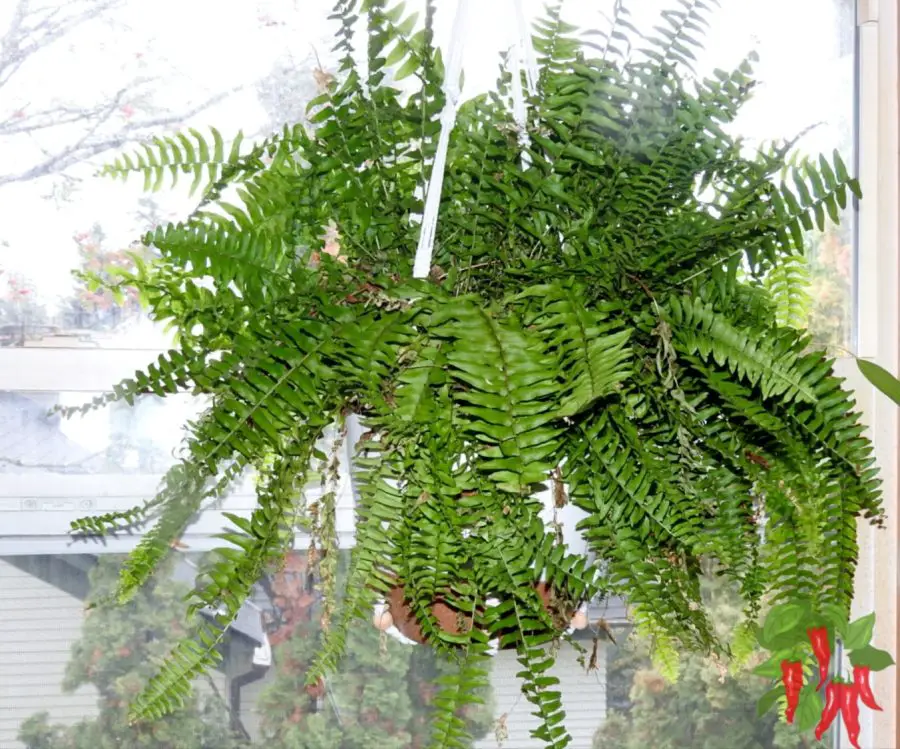
Boston Fern doesn’t need to change its leaf shape to transform completely. Its transformation comes from scale.
A young plant can be reasonably compact, with a manageable collection of arching green fronds. Given suitable growing conditions and enough time, that modest fern can turn into a huge mass of foliage.
The fronds extend outward and downward as the plant fills out, eventually creating the classic fountain-shaped Boston Fern that can occupy a surprising amount of space.
This is worth remembering when choosing a permanent location. The small fern that fits perfectly on a plant stand today may eventually need considerably more room around it.
When young: Compact collection of relatively short fronds.
What changes: The plant becomes much wider and fuller as increasingly numerous fronds arch away from the center.
What helps: Appropriate light, consistent moisture, humidity, and enough room for the fronds to expand.
Learn more in my Boston Fern Care Indoors: 13 Easy Tips For Beginners
6. White Bird of Paradise
White Bird of Paradise may undergo the biggest size transformation on this list. A young plant can look like a very manageable tropical floor plant. That’s not necessarily what you’re going to have several years later.
As the plant matures, new leaves emerge higher and become increasingly substantial. The large paddle-shaped foliage can eventually rise toward the ceiling and spread outward, creating the tropical statement-plant appearance that makes White Bird of Paradise so impressive indoors.
I’ve found this is one of those plants where you really need to think beyond its current nursery size. If it’s growing well, the question eventually becomes whether you have enough room for the plant it’s turning into.
When young: Manageable upright tropical plant with relatively modest leaves.
What changes: Height, leaf size, and overall presence increase dramatically.
What helps: Plenty of good light, appropriate care, and enough vertical and horizontal space for mature growth.
Learn more in my Bird of Paradise Plant Care Indoors Guide.
7. Chinese Money Plant
Chinese Money Plant changes in a completely different way. Instead of becoming a towering specimen or developing dramatically different foliage, an established plant can start creating company for itself.
Offsets, commonly called pups, can emerge around the parent plant. Leave some of them in place and a pot that originally contained one small plant can gradually develop into a much fuller display.
You can also separate sufficiently developed offsets and grow them individually. That means one Chinese Money Plant can eventually become the starting point for several plants around your home.
When young: A relatively small individual plant with round leaves held on long petioles.
What changes: The parent becomes fuller and can begin producing offsets around its base.
What helps: Healthy active growth, suitable light, and time for the plant to mature.
Learn more in my Chinese Money Plant Care Indoors: 7 Easy Growth Tips
8. Fishbone Cactus
Fishbone Cactus is one of my favorite examples of a plant that simply doesn’t show you much of its eventual character when it’s small. A young plant may have only a handful of short flattened stems, and it can look fairly unimpressive.
The transformation starts as those distinctive zigzag stems get longer. Eventually they reach the edges of the container and begin hanging downward, turning the plant into a much more dramatic cascading specimen.
A mature Fishbone Cactus also has another surprise. Under suitable conditions, established plants can produce large flowers. That gives the mature plant an entirely different level of interest from the little starter plant you originally brought home.
When young: A handful of relatively short flattened zigzag stems.
What changes: Stems lengthen and cascade, while mature plants may eventually flower.
What helps: Good indirect light, appropriate watering, and enough time and room for the stems to lengthen.
Learn more in my Fishbone Cactus Care Guide.
You can also see more of my experience with this plant in Growing Fishbone Cactus Indoors.
9. Jade Plant
Jade Plant demonstrates a type of transformation we don’t get from most of the tropical plants on this list. Instead of simply producing larger leaves or longer vines, the structure of the plant itself becomes more substantial.
Young growth is fleshy and succulent. Over time, older stems can become thicker and woody, giving an established Jade a miniature tree-like appearance.
That change is one reason older Jade Plants can have so much more character than young nursery plants. Branching, pruning, and years of steady growth gradually create a plant with a defined trunk and canopy rather than just a collection of succulent stems.
When young: Small succulent with fleshy green stems and leaves.
What changes: Older stems thicken and become woody as the plant develops a more tree-like structure.
What helps: Strong appropriate light, careful watering, time, and occasional pruning when needed to shape the plant.
Learn more in my Dwarf Jade Plant Care Guide.
10. Ponytail Palm
Ponytail Palm is a plant where patience really pays off. It grows slowly, so the transformation isn’t something you’ll watch happen over a few months. Over the years, however, the plant can develop much more character.
The swollen base, or caudex, becomes increasingly substantial. A trunk develops above it, while the long narrow leaves create an increasingly impressive fountain of foliage.
An older Ponytail Palm can look dramatically different from one of the small plants commonly sold in nursery pots. It’s also a good reminder that a plant doesn’t have to grow quickly to change considerably over its lifetime.
When young: Small swollen base topped with a relatively modest tuft of narrow leaves.
What changes: The base enlarges, the trunk becomes more developed, and the crown of cascading foliage gains much more presence.
What helps: Good light, careful watering, and patience. This transformation happens gradually.
Learn more in my Ponytail Palm Care Indoors Guide.
Which Plants Change the Most?
If you’re looking specifically for a plant where the mature specimen can look dramatically different from what you originally purchased, I’d put Monstera, Pothos, Fishbone Cactus, White Bird of Paradise, and Ponytail Palm near the top of the list.
But the type of transformation matters. Monstera changes its foliage. Fishbone Cactus changes its overall growth habit. White Bird of Paradise changes primarily through sheer scale. Ponytail Palm slowly develops a more substantial base and trunk.
Spider Plant and Chinese Money Plant are different again. Their transformation includes producing new plants around the original specimen.
That’s what makes growing these plants over time so interesting. You’re not simply waiting for a small plant to become a bigger version of itself. In several cases, you’re watching the way the plant looks and grows change right along with its size.
How to Help Indoor Plants Reach Their Mature Form
You can’t rush a houseplant into maturity, but you can give it conditions that allow its natural growth pattern to develop. That’s especially important with plants such as Monstera, Pothos, Jade Plant, and Ponytail Palm, where the mature plant may be one of the main reasons you wanted to grow it in the first place.
Start With Enough Light
Light is one of the first things I’d look at when a plant seems healthy but isn’t developing the way you expected. Plants need enough energy to produce strong new growth, and simply keeping a plant alive in a dim location isn’t necessarily enough to bring out its mature characteristics.
That doesn’t mean putting every plant in direct afternoon sun. Match the light to the species and watch how the plant responds. Healthy, steady new growth is what you’re looking for.
Give Climbing Plants Something to Climb
This matters particularly with Monstera, Pothos, and Heartleaf Philodendron. We often grow these plants trailing from shelves and hanging baskets because it’s convenient indoors, but that isn’t their only growth habit.
If your goal is larger, more mature climbing growth, provide an appropriate vertical support while the plant is still manageable. Training a long-established tangle of vines upward later can be much more difficult.
Don’t Keep Moving Up to Huge Pots
A plant doesn’t need an oversized container just because you want it to grow larger. Repot according to the root system and move up gradually when necessary. Too much unused potting mix can stay wet longer than the roots need.
Give Large Plants Room Before They Need It
White Bird of Paradise and Boston Fern are good examples. It’s much easier to think about mature size while the plant is still manageable than after a huge specimen has taken over its original location.
Look upward as well as outward. A Bird of Paradise may eventually run into the ceiling, while a Boston Fern needs considerable room around the pot for its arching fronds.
Be Patient With Slow Transformations
Ponytail Palm and Jade Plant aren’t going to transform overnight. Their appeal comes partly from watching structural changes develop gradually over the years.
Trying to force faster growth with excessive fertilizer or watering can create more problems than it solves. Healthy long-term growth is more important than speed.
Common Mistakes When Growing Plants to Maturity
Expecting mature foliage too soon.
A young Monstera isn’t doing anything wrong simply because its leaves haven’t developed dramatic fenestrations yet. Age and growing conditions both play a role.
Letting a climbing plant trail when you want mature climbing growth.
There’s nothing wrong with trailing Pothos or Heartleaf Philodendron. But if your goal is to encourage the plant’s climbing growth habit, give it suitable support rather than waiting for long trailing vines to somehow change on their own.
Assuming every change is caused by age.
Maturity is only part of the picture. Light, support, root conditions, watering, nutrition, and overall plant health influence how a plant develops.
Forgetting how large the plant can become.
A small White Bird of Paradise or Boston Fern may be easy to accommodate today. Mature specimens are another story. Think about future space before choosing a permanent location.
Comparing your plant with a mature specimen online.
A plant in a six-inch nursery pot shouldn’t be expected to resemble a specimen that has been growing under favorable conditions for years. Compare new growth with your plant’s previous growth instead.
Trying to speed things up with more fertilizer.
Fertilizer supports growth when nutrients are needed, but it isn’t a shortcut to maturity. Excessive fertilizer can damage roots and create additional problems.
Frequently Asked Questions
Why do some indoor plants change as they grow?
Plants can change because they are moving from juvenile to more mature growth, becoming larger, developing woody stems, climbing, branching, or producing offsets and plantlets. The type of change depends on the species and the conditions in which it’s growing.
Why doesn’t my young Monstera have split leaves?
Young Monstera plants often produce simpler leaves. As the plant matures under suitable growing conditions, new foliage can become larger and develop more pronounced splits and fenestrations. Good light and climbing support can help the plant develop mature growth.
Do Pothos leaves really get bigger when the plant climbs?
Yes. Pothos is naturally a climbing plant, and foliage can become considerably larger as climbing growth matures under favorable conditions. That’s one reason a mature climbing Pothos can look so different from the small-leaved trailing plants commonly grown indoors.
Why isn’t my Spider Plant producing babies?
A young Spider Plant may need more time before it begins producing the runners that carry flowers and plantlets. Growing conditions also matter. Give the plant appropriate light and care and allow it time to mature rather than expecting a small starter plant to immediately produce babies.
Do Chinese Money Plants produce new plants on their own?
Established Chinese Money Plants can produce offsets around the parent plant. You can leave them in place for a fuller appearance or separate sufficiently developed offsets to start additional plants.
Does Fishbone Cactus look better as it gets older?
I think so. A small Fishbone Cactus may have only a few short stems, while an established plant can develop long zigzag stems that cascade over the container. Mature plants may also flower under suitable conditions.
How long does it take for an indoor plant to look mature?
There’s no single timetable. Species, starting size, light, temperature, watering, nutrition, and other growing conditions all affect the rate of development. A fast-growing vine can change considerably in a relatively short period, while Ponytail Palm may take years to develop substantial changes in its trunk and base.
Final Thoughts
One of the things I enjoy about growing houseplants is that the plant you bring home isn’t necessarily the plant you’ll be looking at several years from now.
Monstera can go from relatively simple juvenile foliage to huge fenestrated leaves. A trailing Pothos can become a very different-looking plant when encouraged to climb. Spider Plant eventually starts producing babies, while Chinese Money Plant can fill the area around itself with offsets.
Some transformations are mostly about scale. Boston Fern can turn into an enormous fountain of foliage, and White Bird of Paradise can go from a manageable nursery plant to a tropical giant.
Then there are the slow transformations. Jade Plant gradually develops woody stems, Ponytail Palm gains more character as its base and trunk develop, and Fishbone Cactus becomes increasingly impressive as its unusual stems grow long enough to cascade.
That’s why I wouldn’t judge a young houseplant entirely by what you see in the pot today. Learn what the mature plant can become, give it the conditions it needs, and sometimes the most interesting part of growing it is watching that transformation happen.
Continue Exploring Indoor Plants
If you enjoy seeing what houseplants can become over time, these guides explore mature size, unusual foliage, and long-term growth from a few different angles:
- Indoor Plants That Get Huge — See which seemingly manageable houseplants can eventually become enormous indoor specimens.
- Indoor Plants That Can Live for Decades — Discover houseplants with the potential to remain part of your collection for many years.
- Indoor Plants With Interesting Leaves — Explore plants that stand out because of unusual leaf shapes, textures, and growth forms.
- Indoor Plants That Are Better Than You Think — Take another look at overlooked houseplants and hidden gems that deserve more attention.