
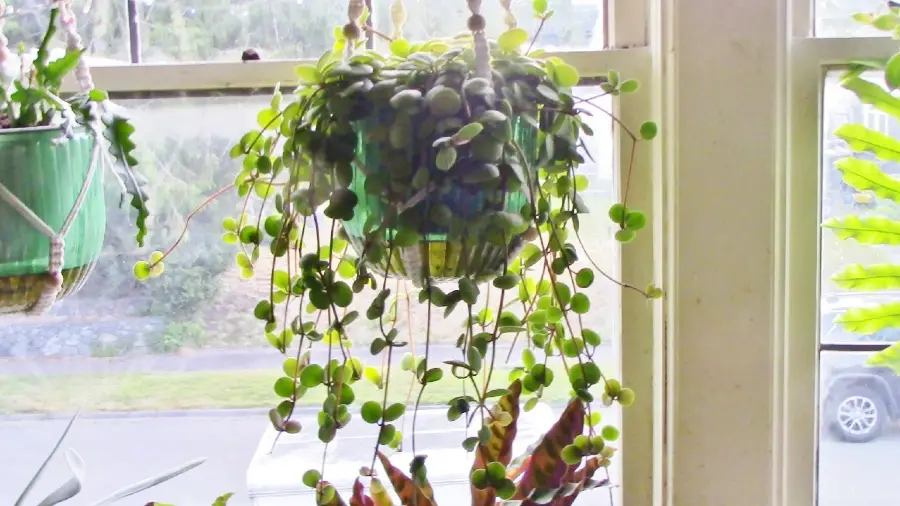
Indoor plants that are better than you think aren’t necessarily rare or difficult-to-find plants. Sometimes they’re sitting right beside the trendier houseplants at the garden center and simply don’t get the same attention.
I’ve found that some plants become much more interesting after you actually grow them for a while. A small Fishbone Cactus doesn’t show you what it will look like once those unusual stems start cascading. Peperomia Hope gets better as it fills out, and a Ponytail Palm becomes increasingly distinctive as it develops more size and character.
Other plants are overshadowed by better-known relatives. Gasteria doesn’t get the attention that Aloe and Haworthia receive, while Bird’s Nest Fern can be overlooked by people who assume all indoor ferns are delicate and difficult to keep looking good.
For this list, I picked nine plants that I think deserve another look. Some are incredibly practical, some have unusual foliage or growth habits, and others simply become much better plants as they mature.
What You’ll Learn
- Which overlooked indoor plants deserve more attention
- Why some ordinary-looking young plants become much more impressive with age
- Which lesser-appreciated plants work especially well in smaller indoor spaces
- Why Gasteria, Bird’s Nest Fern, Fishbone Cactus, and other hidden gems are worth growing
- How to decide which underrated houseplant fits your space and growing conditions
Quick Answer
Some indoor plants that are better than you think include Gasteria, Cast Iron Plant, Bird’s Nest Fern, Fishbone Cactus, Peperomia Hope, Ponytail Palm, Chinese Money Plant, Earth Star, and Baby Rubber Plant. These hidden gems may be overshadowed by trendier houseplants, look fairly ordinary when they’re young, or simply not get the attention they deserve. Give them the right growing conditions and each has something special to offer indoors.
Indoor Plants That Are Better Than You Think at a Glance
| Plant | Why It’s Overlooked | Why It’s Better Than You Think | Best Fit |
|---|---|---|---|
| Gasteria | Overshadowed by Aloe and Haworthia | Compact, sculptural, and easy to fit indoors | Windowsills and small spaces |
| Cast Iron Plant | Can seem plain or old-fashioned | Handsome, durable foliage and useful light tolerance | Lower-light rooms |
| Bird’s Nest Fern | People expect ferns to be difficult | Bold tropical fronds instead of delicate foliage | Warm, humid spaces |
| Fishbone Cactus | Young plants can look unimpressive | Develops dramatic cascading zigzag growth | Hanging pots and shelves |
| Peperomia Hope | Easy to overlook when small | Becomes fuller and more attractive as it trails | Small spaces and shelves |
| Ponytail Palm | Slow growth can make it easy to pass by | Develops more character and presence with age | Bright rooms |
| Chinese Money Plant | Simple foliage can seem ordinary | Distinctive round leaves and readily produces pups | Tables and windowsills |
| Earth Star | Less familiar than many bromeliads | Unusual flat rosette in a tiny footprint | Small displays and bright indirect light |
| Baby Rubber Plant | Often overshadowed by larger tropical plants | Thick glossy foliage and compact branching growth | Apartments and smaller spaces |
Why Some Great Houseplants Get Overlooked
Houseplant popularity doesn’t always tell you how good a plant will be in your home. Some plants photograph beautifully when they’re young, while others need time to grow before you really see what makes them special.
Fishbone Cactus is a good example. A small plant may only have a handful of flattened zigzag stems. Once those stems become longer and begin spilling over the container, the entire character of the plant changes.
Familiarity can work against a plant too. Cast Iron Plant has been grown indoors for generations, so it doesn’t have the novelty of the newest tropical plant making the rounds online. That doesn’t make it any less useful.
Then there are plants such as Gasteria. Aloe is instantly recognizable and Haworthia has become a popular compact succulent, leaving Gasteria sitting somewhere between the two without getting nearly as much attention.
I also think nursery size can be misleading. Peperomia Hope and Baby Rubber Plant become much more attractive after they’ve had time to branch, fill their containers, and develop the fuller growth that you don’t always see in a small starter plant.
That’s really what this list is about. These aren’t necessarily the rarest or most spectacular houseplants you can find. They’re plants that can deliver more than their first impression suggests.
What Makes a Houseplant a Hidden Gem?
For me, an underrated houseplant needs more than low maintenance. Otherwise this would simply become another list of easy houseplants or plants that are hard to kill.
A hidden gem should have something that isn’t immediately obvious. Maybe it develops a much better shape with age, works surprisingly well in a difficult indoor location, has an unusual growth habit, or gives you a type of foliage that isn’t represented by every other plant in the room.
That’s why these nine plants are such a mixed group. Gasteria and Earth Star stay compact. Ponytail Palm can eventually become a substantial floor plant. Fishbone Cactus and Peperomia Hope trail, while Cast Iron Plant grows upright. Bird’s Nest Fern brings broad tropical fronds into the mix.
They’re very different plants, but they share one thing: there’s more to each of them than you might think when you first see one sitting in a nursery pot.
1. Gasteria
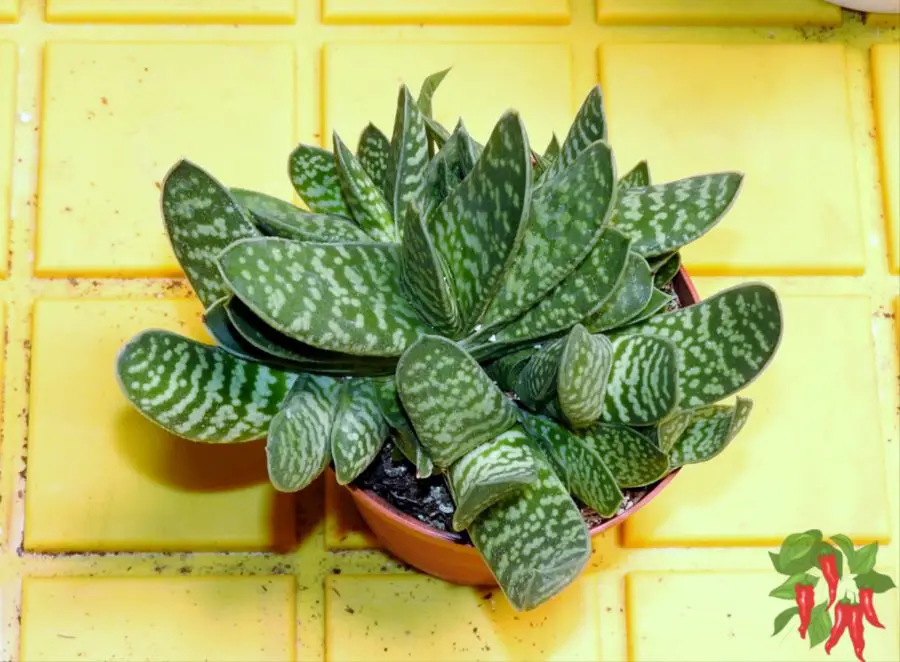
Gasteria is one of the first plants I’d put on a list of hidden gems. Aloe gets plenty of attention, and Haworthia has become a familiar small succulent, but Gasteria often gets passed over even though it’s a great fit for growing indoors.
The thick, fleshy leaves give the plant a sculptural appearance, and different varieties can have spots, bumps, bands, or other interesting surface textures. Many stay compact enough for a windowsill or small plant shelf.
I especially like Gasteria for a mixed indoor collection because it gives you the chunky texture of a succulent without requiring much space. It also looks completely different from the tropical foliage plants surrounding it.
Why people overlook it: Aloe and Haworthia are much more familiar names in the succulent section.
Why it’s better than you think: Gasteria combines interesting foliage, compact growth, and a size that’s very easy to accommodate indoors.
Learn more in my Gasteria Care Indoors Guide.
2. Cast Iron Plant
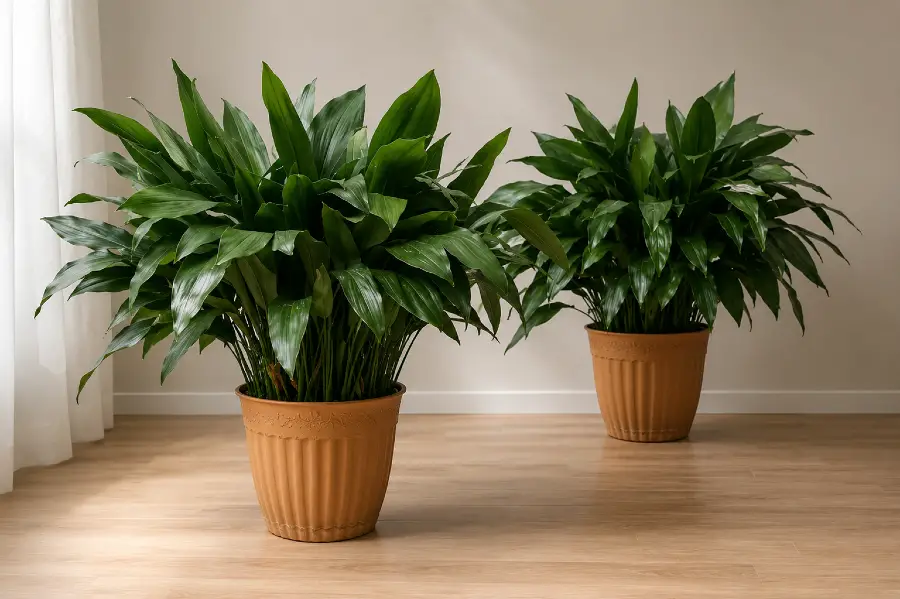
Cast Iron Plant is easy to dismiss because there isn’t anything particularly flashy about it. It has long, upright green leaves and has been grown as a houseplant for generations. In a world filled with dramatic Monsteras and colorful tropical foliage, that can make it seem a little old-fashioned.
But that’s also part of what makes it such a useful indoor plant. A full specimen has a clean, substantial appearance, and its upright foliage can add greenery without sprawling all over the room.
Cast Iron Plant is also well known for tolerating lower-light conditions better than many tropical houseplants. That gives it a practical role in places where some of the more dramatic plants on your wish list may not be a good fit.
Why people overlook it: Simple green foliage and its old-fashioned reputation don’t generate much excitement at first glance.
Why it’s better than you think: It’s a handsome, long-lived foliage plant that can handle indoor locations where many trendier plants are less comfortable.
Learn more in my Cast Iron Plant Indoor Care Guide.
3. Bird’s Nest Fern
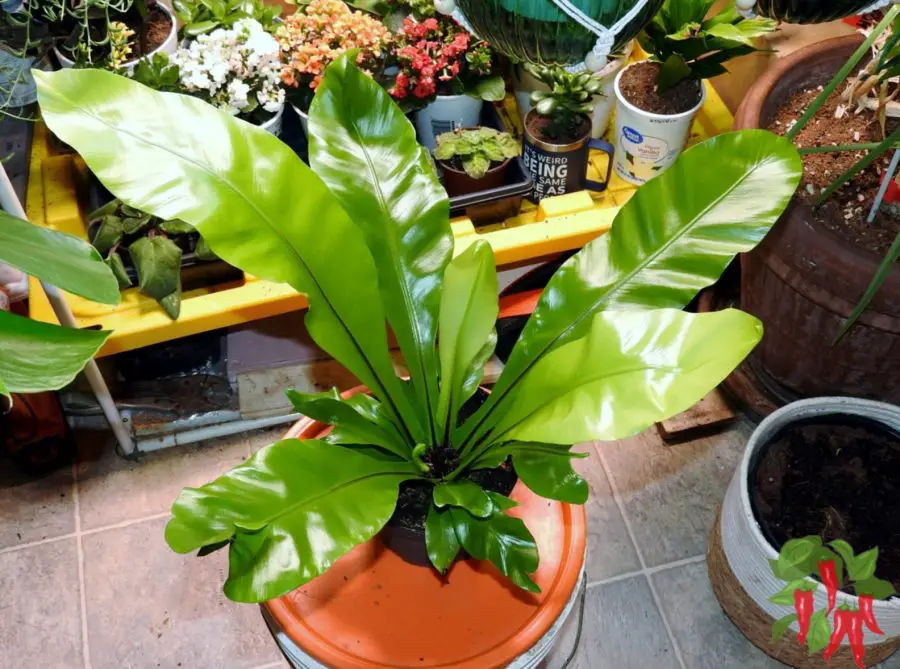
Bird’s Nest Fern deserves a second look if your mental picture of an indoor fern is a mass of tiny, delicate leaflets. This plant looks completely different.
Its broad, strap-like fronds emerge from a central rosette, creating a lush tropical plant with much more substantial foliage. The fronds can also develop attractive rippling and waves along their edges.
I think that’s part of what makes Bird’s Nest Fern easy to underestimate. You still get the lush appearance of a fern, but in a form that looks more like a bold tropical foliage plant.
Why people overlook it: Ferns have a reputation for being delicate, and Bird’s Nest Fern can get lumped together with much finer-textured species.
Why it’s better than you think: The broad tropical fronds give you a completely different fern look, and an established plant can become surprisingly substantial.
Learn more in my Bird’s Nest Fern Indoor Care Guide.
4. Fishbone Cactus
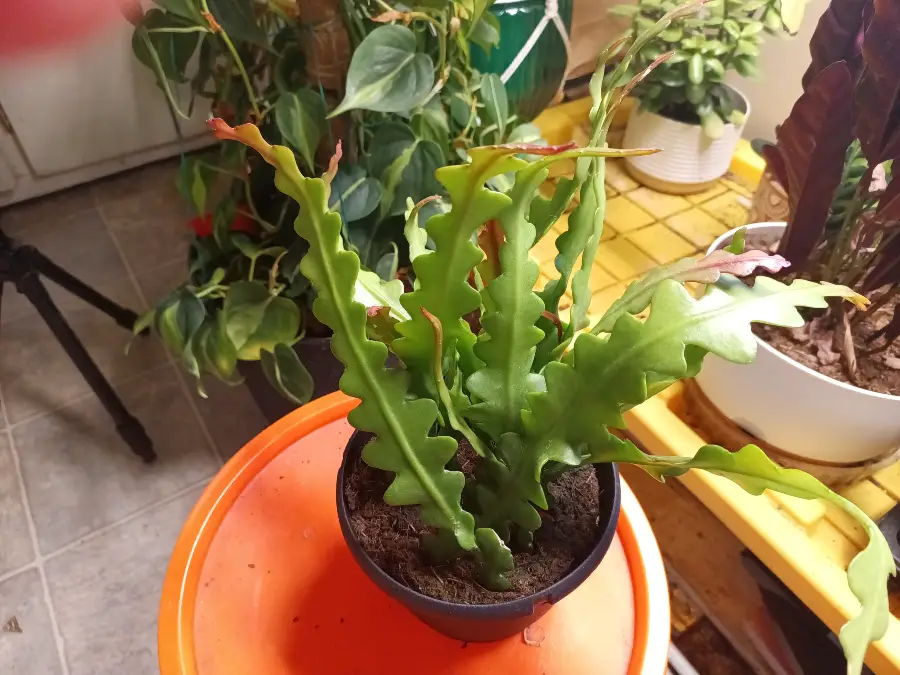
Fishbone Cactus is a plant that gets much better as it grows. A small starter plant may consist of only a few flattened stems, and that doesn’t really show you what a mature specimen can become.
As those stems lengthen, the distinctive zigzag shape becomes much more obvious. Eventually they begin cascading over the sides of the container, turning the plant into an unusual hanging or elevated display.
It’s also not the stereotypical desert cactus. Fishbone Cactus is an epiphytic cactus, and its growth habit is much better suited to hanging and trailing than sitting upright like a barrel or columnar cactus.
And then there’s the possibility of flowers. A mature plant grown under good conditions can produce large, showy blooms, giving you something you wouldn’t necessarily expect when looking at a small plant in the nursery.
Why people overlook it: Small plants don’t yet have the long cascading stems that make mature Fishbone Cactus so distinctive.
Why it’s better than you think: It develops into an unusual trailing cactus with dramatic zigzag growth and the potential for impressive flowers.
Learn more in my Fishbone Cactus Care Guide. You can also see more of my experience growing it in my Fishbone Cactus Indoor Setup and Care Routine.
5. Peperomia Hope

Peperomia Hope is another plant that can be easy to walk past when it’s young. A small nursery plant doesn’t necessarily show off the trailing growth that makes it much more attractive once established.
The small, rounded leaves grow along fleshy stems that eventually extend over the sides of the pot. As more stems develop, the plant becomes fuller and creates a soft cascading effect without taking up much floor or tabletop space.
That’s one of the reasons I like it for indoor growing. You can get a lot of visual interest from a relatively small container, making Peperomia Hope particularly useful when you’re working with shelves, windowsills, plant stands, or an apartment where space matters.
Why people overlook it: Young plants can look sparse and don’t immediately show their mature trailing habit.
Why it’s better than you think: It develops into a compact but full trailing plant with attractive rounded foliage.
Learn more in my Peperomia Hope Care Guide.
6. Ponytail Palm
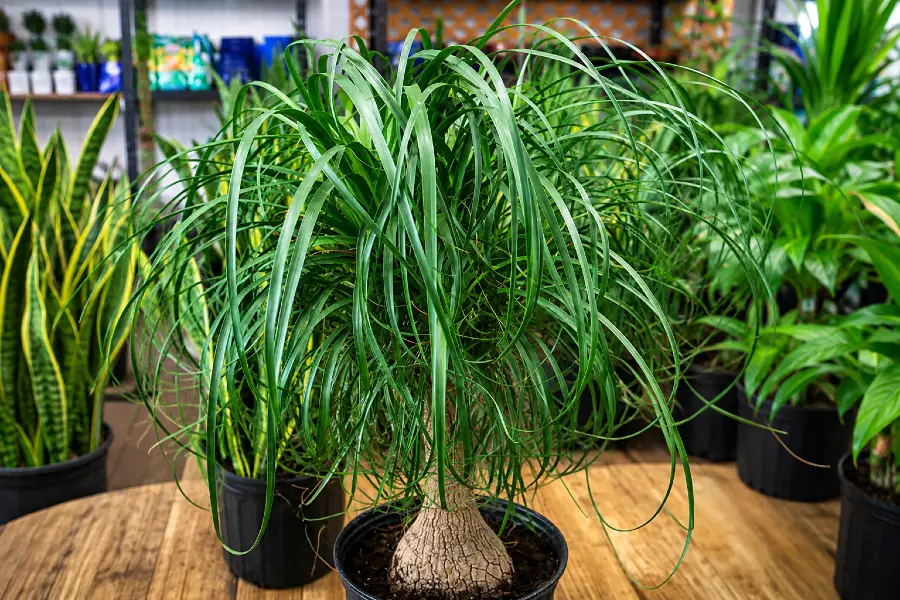
Ponytail Palm is easy to underestimate because it grows slowly. A young plant can sit in roughly the same amount of space for quite a while, which doesn’t create the instant transformation you get from a fast-growing tropical plant.
Give it time, though, and that slow growth becomes part of its appeal. The swollen base becomes more substantial, the trunk develops more character, and the long narrow leaves create a larger fountain of cascading foliage.
Despite the name, Ponytail Palm isn’t a true palm. Its unusual swollen base and long arching leaves give it a look that’s difficult to duplicate with another common houseplant.
This is one of those plants I’d choose for the long haul rather than expecting rapid growth. It can become more interesting year after year.
Why people overlook it: Slow growth can make younger specimens seem less exciting than faster-growing houseplants.
Why it’s better than you think: Age gives Ponytail Palm more character, a more substantial base, and an increasingly impressive fountain of foliage.
Learn more in my Ponytail Palm Care Indoors Guide.
7. Chinese Money Plant
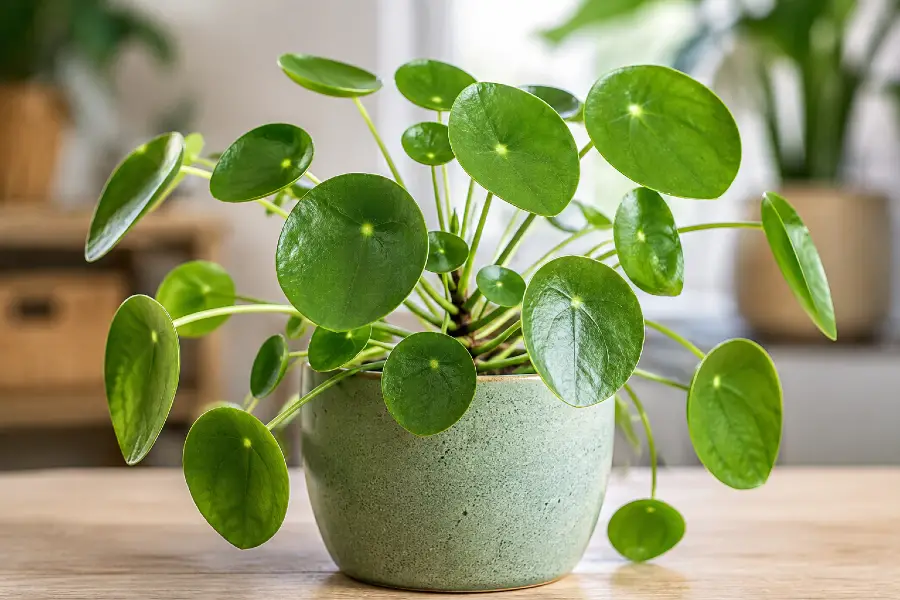
Chinese Money Plant has very simple foliage, but simple doesn’t necessarily mean boring. The nearly circular leaves sit on long petioles and create a distinctive shape that looks especially good once the plant fills out.
One of the more enjoyable characteristics is its tendency to produce offsets, often called pups. Those young plants can eventually be separated and grown on their own, so one established plant can gradually give you several more.
Its manageable size is another advantage. You don’t need an empty corner or a huge container to enjoy it. Chinese Money Plant works well on tables, windowsills, plant stands, and other smaller spaces.
Why people overlook it: The simple round green leaves may not seem especially dramatic beside heavily patterned or variegated foliage.
Why it’s better than you think: Its unusual coin-shaped foliage, compact form, and ability to produce pups make it a fun plant to keep around.
Learn more in my Chinese Money Plant Care Guide.
8. Earth Star (Cryptanthus)
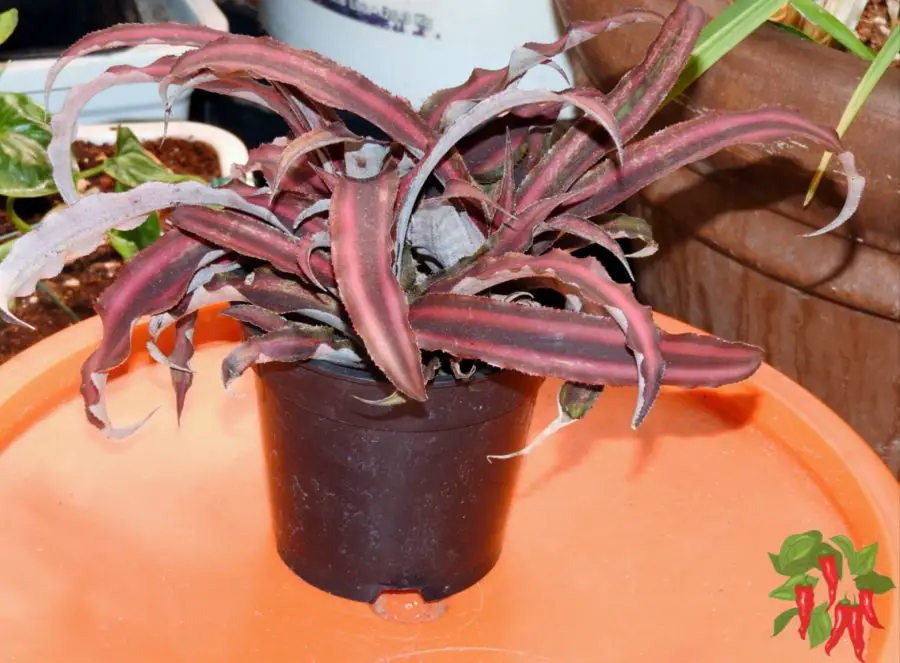
Earth Star proves that bromeliads don’t have to be large or dominated by an upright flower spike. Cryptanthus grows as a low, spreading rosette with leaves radiating outward to create the star-like shape behind its common name.
That growth habit gives you something quite different from the typical upright houseplant. Depending on the variety, the foliage may also bring stripes, bands, texture, or contrasting colors into a very small space.
I think Earth Star is particularly useful when your larger plants have already claimed the prime floor space. It gives you an unusual plant that can fit into much smaller displays.
Why people overlook it: Cryptanthus isn’t as familiar to many indoor growers as the bromeliads commonly sold with large colorful flower spikes.
Why it’s better than you think: You get unusual foliage and a distinctive star-shaped growth habit without needing much room.
Learn more about Cryptanthus in my Bromeliad Care Indoors Guide.
9. Baby Rubber Plant
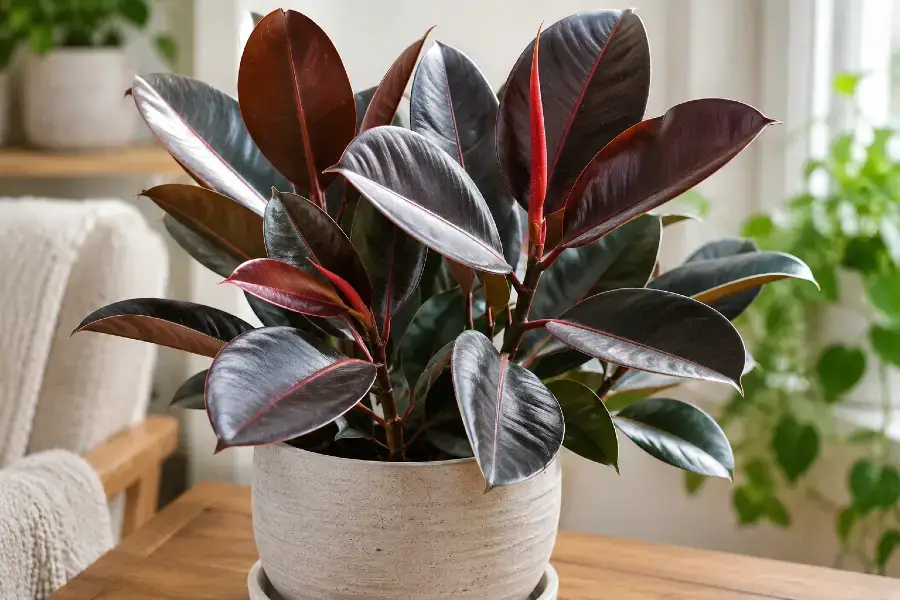
Baby Rubber Plant, or Peperomia obtusifolia, doesn’t immediately demand attention. Its leaves are relatively simple, and a small plant can look fairly ordinary beside a dramatic Monstera, fern, or colorful bromeliad.
The appeal becomes clearer as it grows. Those thick, rounded, glossy leaves create a substantial-looking plant, while branching helps it develop a fuller shape without requiring the amount of space needed by larger tropical foliage plants.
That combination makes Baby Rubber Plant particularly useful indoors. You get chunky tropical-looking foliage in a plant that can remain manageable enough for smaller rooms, apartments, tables, and plant stands.
Why people overlook it: Its simple foliage doesn’t have the immediate novelty of plants with splits, holes, dramatic patterns, or unusual colors.
Why it’s better than you think: Thick glossy leaves, compact growth, and a fuller branching habit make it an attractive plant without requiring much room.
Learn more in my Baby Rubber Plant Care Guide.
Which Hidden Gem Is Right for You?
These nine plants are different enough that I wouldn’t choose between them based on appearance alone. Start with the space and growing conditions you actually have, then decide which type of plant interests you most.
| What You Want | Plants to Consider |
|---|---|
| Compact succulent | Gasteria |
| Plant for lower light | Cast Iron Plant |
| Lush tropical foliage | Bird’s Nest Fern |
| Something unusual and trailing | Fishbone Cactus, Peperomia Hope |
| A plant that gets better with age | Ponytail Palm |
| Compact plant that produces pups | Chinese Money Plant |
| Unusual small foliage plant | Earth Star |
| Compact plant with thick glossy leaves | Baby Rubber Plant |
There’s no single winner here. That’s part of the point. A Cast Iron Plant solves a completely different indoor-growing problem than a Fishbone Cactus, while a tiny Gasteria fills a space where a mature Ponytail Palm never could.
I’d choose the plant whose growing requirements fit the location first. Then let its appearance, growth habit, and eventual size break the tie.
What These Plants Have in Common
At first glance, Gasteria, Cast Iron Plant, Fishbone Cactus, and Bird’s Nest Fern don’t seem to have much in common. They come from different plant groups, grow in different ways, and need different conditions.
What they do share is that their best qualities aren’t always obvious when you first see them.
Some need time. Fishbone Cactus and Peperomia Hope become much more interesting after their stems grow long enough to cascade. Ponytail Palm develops more character as it ages.
Others are simply overshadowed. Gasteria competes for attention with Aloe and Haworthia, while Cast Iron Plant doesn’t have the novelty of newer tropical plants. Earth Star can disappear among the larger and more colorful bromeliads at a garden center.
That’s one reason I wouldn’t judge every houseplant by how impressive it looks in a small nursery pot. Sometimes you’re buying the plant it can become rather than the plant you’re looking at today.
Don’t Confuse Overlooked With Easy
One important distinction with this list is that I’m not saying all nine plants should be treated the same way. “Better than you think” doesn’t mean you can put any of them anywhere and expect great results.
Gasteria and Ponytail Palm prefer conditions that allow their potting mix to dry more between waterings. Bird’s Nest Fern is a very different plant and generally appreciates more consistent moisture and humidity.
Light requirements differ too. Cast Iron Plant earns much of its reputation from its ability to tolerate lower light, while that doesn’t mean every plant on this list should be moved into a dark corner.
I would still match each plant to the light, moisture, temperature, and space it needs. The individual care guides linked above can help you narrow that down before deciding which hidden gem belongs in your collection.
Quick Tip: If a plant doesn’t impress you at first glance, look at photos of mature specimens before passing it by. Growth habit can completely change the appearance of Fishbone Cactus, Peperomia Hope, Ponytail Palm, and several other plants on this list.
Common Mistakes With Overlooked Houseplants
Expecting the starter plant to look like a mature specimen.
Some of these plants need time to show what makes them interesting. A small Fishbone Cactus won’t have the same impact as one with long cascading stems, and a young Peperomia Hope needs time to fill its container.
Choosing a plant only because it’s considered tough.
Cast Iron Plant may tolerate conditions that challenge some houseplants, but every plant still has limits. Tough plants grow best when you provide conditions suited to them rather than continually testing how much they can tolerate.
Treating every succulent the same.
Gasteria may look similar enough to other succulents that it’s tempting to give everything identical care. Pay attention to the needs of the plant you’re actually growing rather than relying entirely on the succulent label.
Assuming every fern is the same.
Bird’s Nest Fern has broad, substantial fronds and a very different growth habit from finely divided ferns. Its appearance and care are worth considering on their own.
Buying for appearance without checking the light.
A hidden gem is only a good find when you have somewhere suitable to grow it. Check your available light first, especially before choosing where the plant will permanently live.
Frequently Asked Questions
What are some underrated indoor plants?
Gasteria, Cast Iron Plant, Bird’s Nest Fern, Fishbone Cactus, Peperomia Hope, Ponytail Palm, Chinese Money Plant, Earth Star, and Baby Rubber Plant are all worth a closer look. Some are overshadowed by more popular plants, while others become much more impressive after they’ve had time to mature.
What overlooked houseplant is good for lower light?
Cast Iron Plant is the standout on this list when lower light is a major consideration. It’s one reason this old-fashioned houseplant is still worth growing. Lower-light tolerance doesn’t mean no light, however, and growth may be slower in dimmer conditions.
Which underrated indoor plants stay small?
Gasteria and Earth Star are particularly good choices when space is tight. Baby Rubber Plant and Chinese Money Plant also remain much easier to accommodate than large floor plants, while Peperomia Hope can use vertical space as its stems begin to trail.
Which of these plants gets better-looking as it gets older?
Fishbone Cactus, Peperomia Hope, and Ponytail Palm are three of my favorites for this. Fishbone Cactus develops longer cascading stems, Peperomia Hope becomes fuller as it trails, and Ponytail Palm gradually develops a more substantial base and greater presence.
Is Gasteria a good indoor succulent?
Yes. Gasteria is particularly useful indoors because many types remain compact while providing thick, sculptural foliage. It’s a good plant to consider if you already like Aloe or Haworthia but want to try something a little different.
Is Bird’s Nest Fern easier than other indoor ferns?
Bird’s Nest Fern is certainly different from many of the finely textured ferns people commonly grow indoors. Its broad fronds and central rosette give it a different growth habit, but it still needs conditions appropriate for a tropical fern. I wouldn’t choose it solely because you’re looking for a plant you can neglect.
Why is Fishbone Cactus worth growing?
Fishbone Cactus becomes increasingly interesting as its flattened zigzag stems lengthen and cascade over the container. Mature plants can also produce impressive flowers, making it a plant that can offer much more than you might expect from a small starter specimen.
Final Thoughts
It’s easy to get distracted by whatever houseplant happens to be popular at the moment, but some of the plants I enjoy most aren’t necessarily the ones that make the biggest first impression.
That’s what I like about these nine hidden gems. Gasteria gives you unusual succulent foliage in a small package. Cast Iron Plant quietly fills a difficult spot with greenery. Bird’s Nest Fern looks nothing like the stereotypical delicate fern, and Fishbone Cactus becomes a completely different plant once those stems start cascading.
Then you have plants such as Peperomia Hope and Ponytail Palm that reward patience. They simply become more interesting as they grow.
I wouldn’t choose any plant simply because it’s underrated. Start with the growing conditions you can provide and then look beyond the usual recommendations. You may find that one of the plants you’ve been walking past is actually a much better fit for your indoor garden than you thought.
Continue Exploring Indoor Plants
If you like choosing houseplants based on how they actually grow and fit into your home, continue with these guides:
- Indoor Plants That Stay Small — Find compact houseplants for apartments, shelves, windowsills, and other small spaces.
- Indoor Plants That Are Hard to Kill — Explore resilient houseplants that can handle less-than-perfect indoor conditions.
- Indoor Plants With Interesting Leaves — Discover plants that stand out because of unusual leaf shapes, textures, and growth forms.
- Indoor Plants That Love East-Facing Windows — See which houseplants can take advantage of bright morning light.