
Indoor plants that can live for decades are a little different from plants you choose simply because they’re easy to grow or look good in a particular spot. With the right care, some houseplants can stay with you for a surprisingly large part of your life.
Christmas Cactus is probably one of the best examples. It’s not unusual to hear about old plants that have been kept in families for years. Jade Plants can also become impressive old specimens, developing thick woody stems and a completely different appearance from the little plants you see for sale.
I think that’s part of the appeal of long-lived houseplants. You’re not just trying to keep them looking good this year. You can watch a Monstera develop larger leaves, a Rubber Plant turn into an indoor tree, or a Corn Plant grow tall woody canes over many years.
For this list, I’ve chosen 11 indoor plants with the potential to become long-term members of your collection. There are no guarantees that an individual plant will live for decades, of course. Longevity depends on growing conditions, care, pests, disease, and plenty of other factors. But these are plants worth considering if you’d like something you may still be growing many years from now.
What You’ll Learn
- Which indoor plants have the potential to live for decades
- Why Christmas Cactus and Jade Plant make such good long-term houseplants
- Which tropical plants can become impressive mature specimens
- How pruning, repotting, and propagation can help you maintain an older plant
- Why keeping a houseplant for decades doesn’t mean the plant never changes
Quick Answer
Indoor plants that can live for decades include Christmas Cactus, Jade Plant, Cast Iron Plant, Snake Plant, Monstera, ZZ Plant, White Bird of Paradise, Ponytail Palm, Rubber Plant, Parlor Palm, and Corn Plant (Dracaena fragrans). Good growing conditions and appropriate long-term care matter more than any exact lifespan, but these plants have the potential to remain part of an indoor collection for many years.
Indoor Plants That Can Live for Decades at a Glance
| Plant | Growth Style | What Gets Better With Age | Long-Term Consideration |
|---|---|---|---|
| Christmas Cactus | Branching epiphytic cactus | Larger cascading plant and more flowering stems | Maintain consistent seasonal care |
| Jade Plant | Woody succulent | Thicker stems and tree-like form | Avoid chronic overwatering |
| Cast Iron Plant | Rhizomatous foliage plant | Larger, fuller clump | Slow growth rewards patience |
| Snake Plant | Rhizomatous succulent-like perennial | Denser clumps and more shoots | Divide when crowded |
| Monstera | Climbing tropical plant | Larger, more mature leaves | Needs support and space |
| ZZ Plant | Rhizomatous foliage plant | Fuller clumps and additional stems | Avoid consistently wet soil |
| White Bird of Paradise | Large upright tropical | Height and increasingly large foliage | Eventually needs considerable space |
| Ponytail Palm | Slow-growing caudiciform plant | Larger swollen base and more character | Slow growth requires patience |
| Rubber Plant | Woody tropical tree | Thicker trunk and tree-like form | Pruning may be needed for height |
| Parlor Palm | Slow-growing palm | Fuller, more graceful specimen | Growth is naturally slow |
| Corn Plant | Cane-forming Dracaena | Tall woody canes and arching foliage | Can be pruned when too tall |
There isn’t a guaranteed lifespan for an individual houseplant. These plants can be long-lived under suitable conditions, but their actual longevity depends on care, environment, pests, disease, and other factors.
Why Some Houseplants Can Stay With You for So Long
The plants on this list don’t all achieve longevity in the same way. That’s one of the things that makes the group interesting.
Jade Plant and Rubber Plant develop woody growth as they mature. A plant you’ve kept for many years can look more like a miniature indoor tree than the young specimen you originally brought home.
Snake Plant, ZZ Plant, and Cast Iron Plant grow from underground structures that can continue producing new shoots. The clump changes over time as older growth is replaced and new growth appears.
Monstera presents a different challenge. It can continue climbing and producing increasingly mature foliage, but an old plant may need pruning, new support, or occasional rejuvenation to remain practical indoors.
Then there are slow growers such as Ponytail Palm and Parlor Palm. These plants don’t necessarily race toward maturity. Their gradual growth is part of what makes them such interesting long-term plants.
A Plant Can Be Decades Old Without Every Stem Being Decades Old
When we say a houseplant can live for decades, it’s easy to picture exactly the same stems and leaves sitting in the same pot year after year. Plants don’t really work that way.
Leaves age and are replaced. New stems develop. Rhizomatous plants send up new shoots. Older growth may be pruned away, and a plant may be divided or rejuvenated as it becomes larger.
A Christmas Cactus you’ve kept for decades, for example, will continually produce new segments and growth. A Snake Plant may gradually become a large clump and eventually be divided. A Monstera might be cut back and retrained when it becomes too large for its original location.
I don’t think that makes the plant any less special. In many ways, watching it continually renew itself is part of the experience of keeping the same houseplant for many years.
Long-Term Growing Tip: Don’t try to keep an old houseplant frozen in time. Repot when necessary, prune when growth becomes impractical, remove damaged foliage, divide plants when appropriate, and adjust your care as the plant changes in size and maturity.
What Helps a Houseplant Live for Decades?
There isn’t one trick that turns a houseplant into an heirloom. Long-term success usually comes from doing the basic things reasonably well year after year.
Give the Plant the Light It Actually Needs
A plant may tolerate less-than-ideal light for a while, but decades are a different timeframe. Start with a location that provides appropriate light for the species and adjust placement if growth tells you the plant needs something different.
Avoid Chronic Watering Problems
One occasional watering mistake isn’t necessarily the end of an established plant. Repeating the same mistake for months or years is much more serious. Learn how quickly the potting mix dries in your conditions instead of watering solely by the calendar.
Let the Container Grow With the Plant
Long-lived plants may go through many containers. Move up gradually when the root system needs more room rather than putting a young plant into an enormous pot and expecting it to grow into it.
Expect Your Care Routine to Change
A small Monstera sitting near a window is much easier to move and water than a mature plant supported by a large pole. The same is true for an old Rubber Plant, Bird of Paradise, or Corn Plant. As plants get bigger, their placement, watering, pruning, and repotting needs can change.
Pay Attention Before Small Problems Become Big Ones
Long-term plant care is mostly about observation. Changes in growth, leaf condition, moisture use, or pest activity can tell you something has changed. Catching problems early is much easier than trying to rescue a badly stressed plant later.
1. Christmas Cactus

Christmas Cactus is one of the first plants I think of when talking about houseplants that can stay with someone for many years. These are the plants you sometimes hear about being kept in families and cared for by more than one generation.
Part of its long-term appeal is that an established Christmas Cactus can become much more impressive with age. New segments extend from older growth, the plant becomes wider and more cascading, and a mature specimen can produce an impressive display when flowering conditions are right.
It’s also a plant that can adapt to changing containers and locations over the years. You may start with a relatively small plant on a windowsill and eventually need a much larger space for the mature specimen.
Why it’s a good long-term plant: It continually produces new growth and can develop into a large, cascading specimen that becomes more impressive with age.
Long-term consideration: Pay attention to its seasonal light, temperature, watering, and flowering cycle rather than treating it like a desert cactus.
Learn more in my Christmas Cactus (Zygocactus) Care Guide.
2. Jade Plant
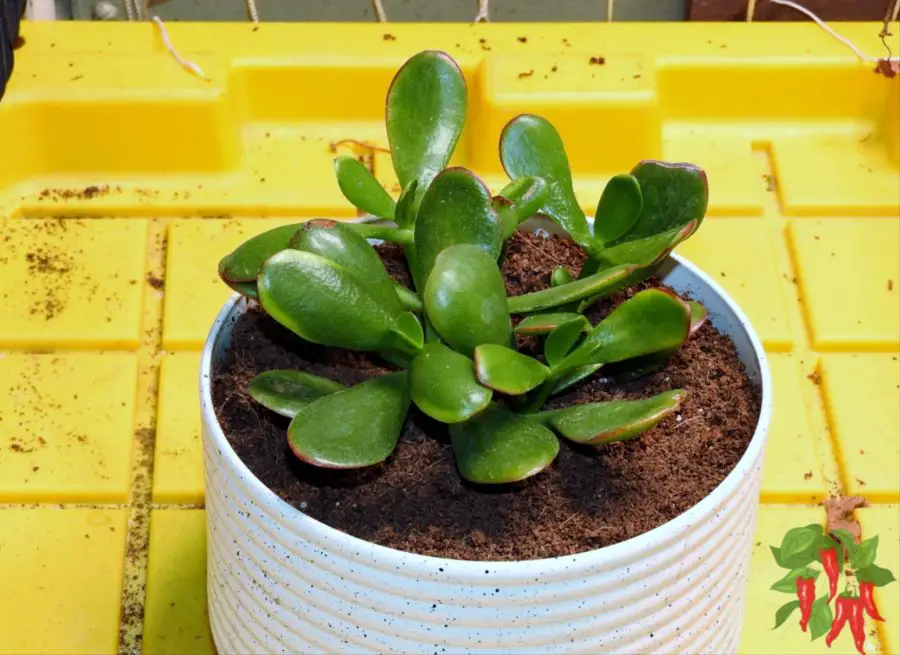
Jade Plant is another classic choice when you want a houseplant with real long-term potential. A young Jade may be a small collection of fleshy stems and leaves, but mature plants can develop thick woody trunks and a surprisingly tree-like appearance.
That’s one of the things I like most about growing Jade. Age actually adds character. Instead of simply becoming a larger version of the starter plant, an older Jade can look substantially different from the plant you originally brought home.
Its succulent growth also means watering needs to be approached differently from many tropical foliage plants. Allowing the potting mix to dry appropriately between waterings is especially important for keeping Jade healthy over the long haul.
Why it’s a good long-term plant: Slow woody growth can eventually produce an impressive tree-like succulent with thick stems and a substantial canopy.
Long-term consideration: Good light and careful watering become especially important if you want to maintain a Jade Plant for many years.
Learn more in my Jade Plant Care Indoors Guide.
3. Cast Iron Plant
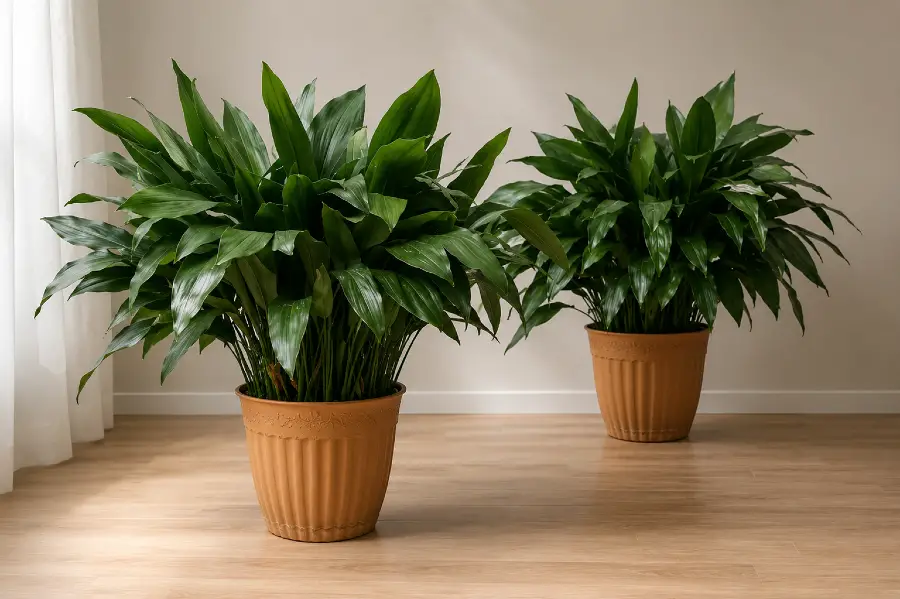
Cast Iron Plant has been grown as a houseplant for generations, and that alone tells you something about its staying power. It isn’t a fast-growing plant or one that changes dramatically from month to month, but that’s not necessarily a disadvantage when you’re thinking in terms of years.
New leaves gradually emerge from underground rhizomes and the plant develops into a fuller clump. An established specimen can become an attractive mass of long, upright foliage without needing the enormous amount of space required by some tropical plants.
Its tolerance of lower light is another reason it has remained such a useful houseplant. That doesn’t mean it needs no light or that you should ignore its basic care, but it gives you more placement options than many plants.
Why it’s a good long-term plant: Slow rhizomatous growth allows the plant to continually produce new foliage and develop into a larger clump.
Long-term consideration: Don’t mistake tolerance for invincibility. Appropriate watering, drainage, and light still matter when you’re keeping a plant for years.
Learn more in my Cast Iron Plant Care Guide.
4. Snake Plant
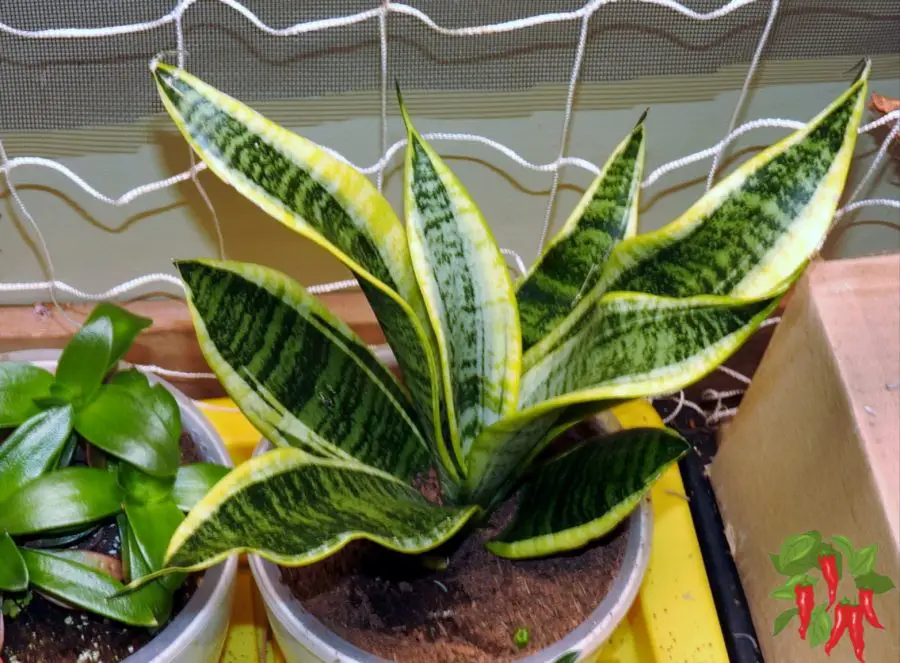
Snake Plant is another houseplant that can become a long-term part of a collection. Its thick underground rhizomes produce new shoots, allowing an established plant to gradually develop into a dense clump of upright foliage.
Over time, you may actually have the opposite problem from losing the plant: you may need to decide what to do with all of it. A healthy Snake Plant can eventually fill its container and be divided into multiple plants.
That ability to continually renew itself is part of what makes Snake Plant so well suited to long-term growing. Individual leaves come and go, but the plant can continue producing new growth from below the soil.
Why it’s a good long-term plant: Rhizomes continually produce new shoots, allowing an established clump to renew and expand.
Long-term consideration: Avoid keeping the potting mix constantly wet, and divide or repot the plant when the clump becomes excessively crowded.
Learn more in my Indoor Snake Plant Care Guide.
5. Monstera
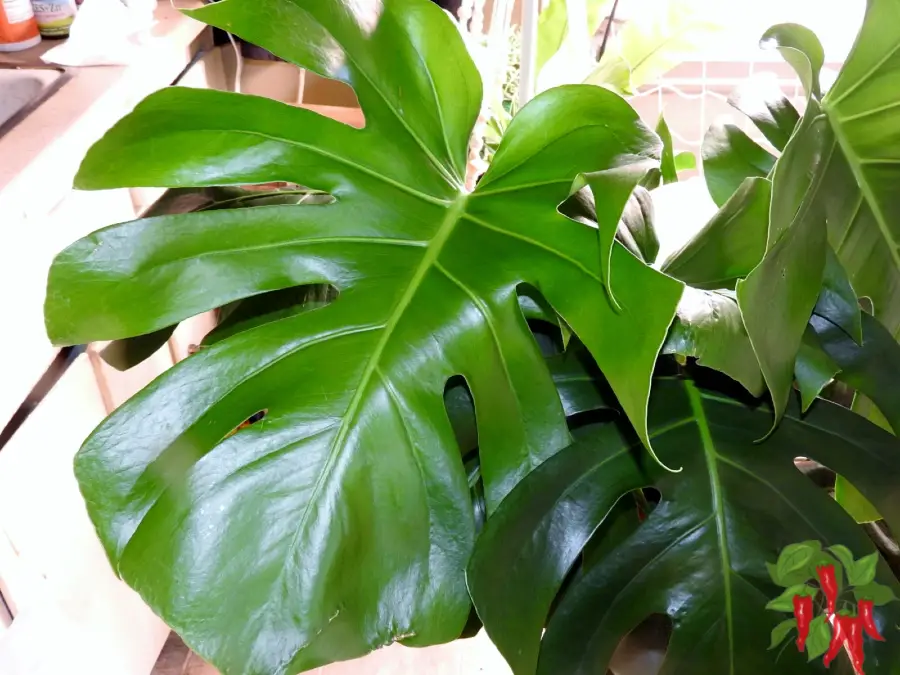
Monstera can be a very different plant after you’ve grown it for years. Young plants often begin with relatively simple leaves, while mature plants grown with good light and climbing support can develop much larger foliage with the familiar splits and openings.
The challenge with keeping Monstera long term usually isn’t whether it can become substantial. It’s figuring out what to do with all that growth indoors.
A sturdy support can help direct the plant upward, while pruning can keep stems from taking over the room. Older plants can also be propagated and rejuvenated when their growth becomes awkward.
Why it’s a good long-term plant: Continued climbing growth can produce increasingly large and mature foliage over time.
Long-term consideration: Plan for support, pruning, and considerably more space than the young plant originally occupied.
Learn more in my Swiss Cheese Plant Care Guide.
6. ZZ Plant

ZZ Plant doesn’t grow with the urgency of a Monstera, and that’s part of what makes it appealing as a long-term houseplant. Thick underground rhizomes store resources and produce the upright stems and glossy leaflets you see above the soil.
As new growth emerges over the years, a ZZ Plant can become a much fuller specimen. The plant may still occupy a fairly manageable footprint compared with some large tropicals, which makes it easier to keep as your collection and living space change.
Its reputation for resilience is useful, but overwatering is still something I’d watch closely. A plant capable of tolerating dry periods doesn’t benefit from sitting in constantly wet potting mix.
Why it’s a good long-term plant: Its underground rhizomes support new growth and allow the clump to become fuller over time.
Long-term consideration: Don’t let its tough reputation encourage frequent watering when the potting mix is still wet.
Learn more in my ZZ Plant Care Indoors Guide.
7. White Bird of Paradise
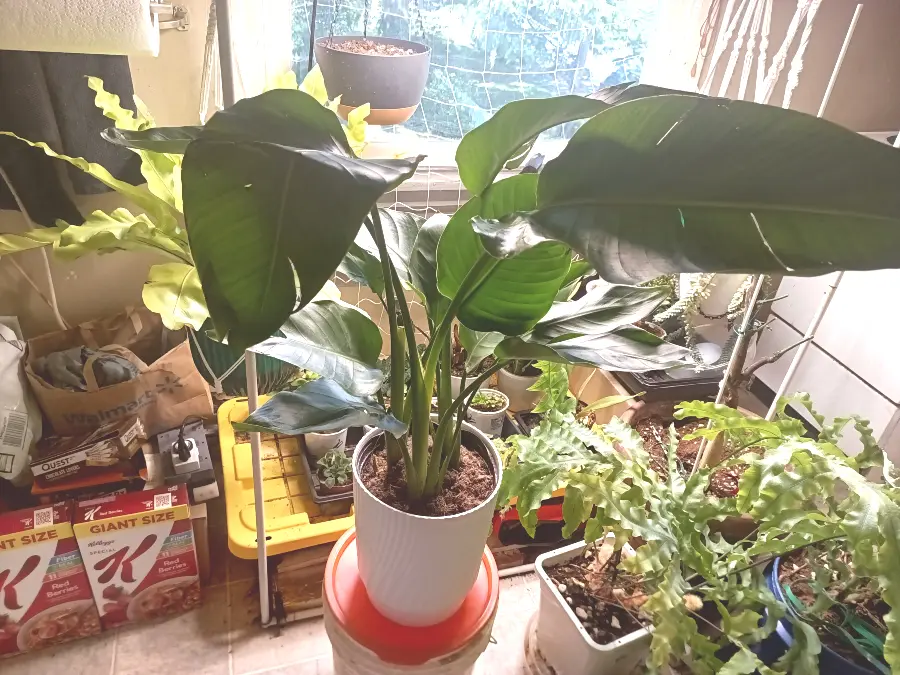
White Bird of Paradise brings something very different to this list. Rather than remaining a compact plant that gradually fills its container, it has the potential to become a huge tropical specimen with tall stems and enormous paddle-shaped leaves.
That’s exactly why long-term planning matters. A young Bird of Paradise can fit comfortably near a bright window, but a mature plant may eventually require substantial ceiling height and considerably more room around the foliage.
If you have the light and space, however, watching one develop from a smaller plant into a major floor specimen is part of the appeal.
Why it’s a good long-term plant: Mature plants can develop impressive height and increasingly large tropical foliage.
Long-term consideration: Make sure you can provide bright light and enough room as the plant becomes taller and wider.
Learn more in my Bird of Paradise Plant Care Indoors Guide.
You can also see my White Bird of Paradise Unboxing for a closer look at the plant.
8. Ponytail Palm
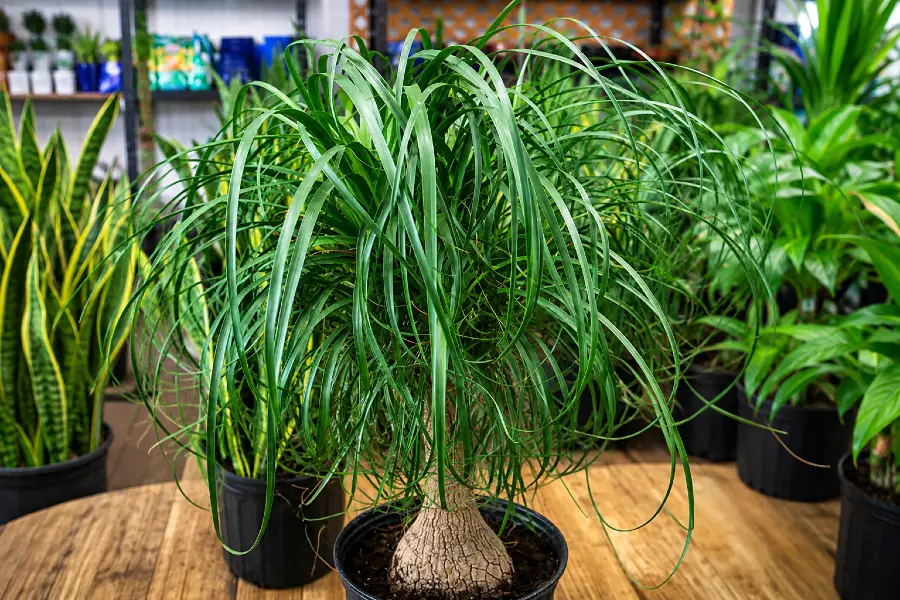
Ponytail Palm is almost built for a long-term houseplant collection. It grows slowly, develops more character with age, and can eventually look dramatically different from the small plants commonly sold in garden centers.
The swollen base gradually becomes more substantial while the trunk develops above it. Long, narrow leaves cascade from the top and create the fountain-like foliage behind the Ponytail name.
Its slow pace means this isn’t a plant you grow for instant size. I think that’s actually an advantage here. You can enjoy it at several stages without immediately having to figure out where you’re going to put an enormous plant.
Why it’s a good long-term plant: Slow growth allows the swollen base, trunk, and cascading foliage to develop character gradually over many years.
Long-term consideration: Give it good light and be particularly careful about excessive watering.
Learn more in my Ponytail Palm Care Indoors Guide.
9. Rubber Plant
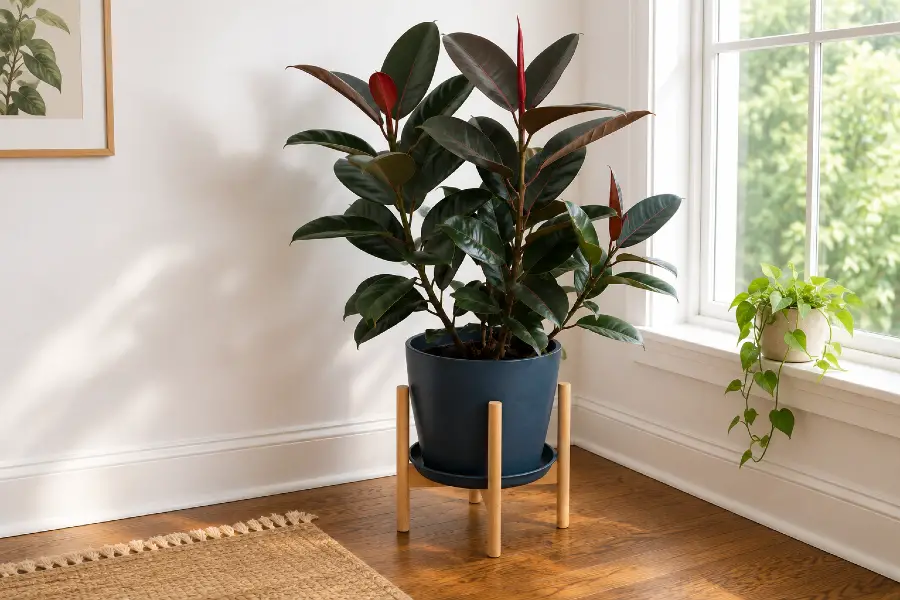
Rubber Plant is a great example of a houseplant that can become more impressive the longer you keep it. A young plant may start as a fairly simple upright stem with large glossy leaves, but over time it can develop thick woody growth and take on the appearance of a small indoor tree.
You also have some control over how an older Rubber Plant develops. If the plant starts getting too tall, pruning can limit its height and encourage branching. That can turn a tall single-stem plant into a fuller specimen with a broader canopy.
This ability to respond to pruning is useful when you’re thinking about keeping the same plant for many years. Your available space may change, and the plant doesn’t necessarily have to maintain exactly the same shape throughout its life.
Why it’s a good long-term plant: Woody stems become thicker with age, while pruning allows you to manage height and encourage a more tree-like form.
Long-term consideration: An established Rubber Plant can become tall and heavy, so eventually you’ll need to think about pruning, container size, and a permanent location with appropriate light.
Learn more in my Rubber Plant Care Indoors Guide
10. Parlor Palm
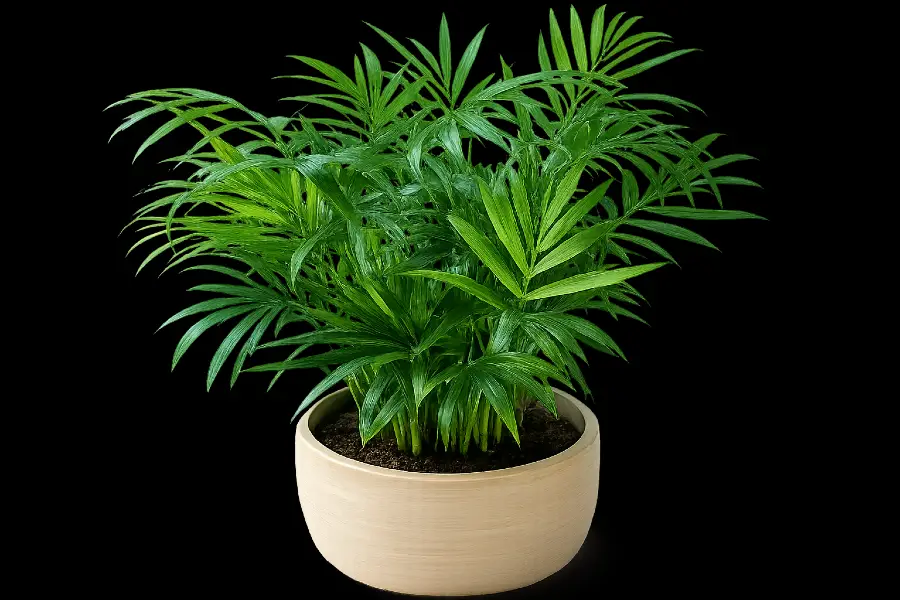
Parlor Palm has been grown indoors for generations, and its slow growth can actually be an advantage if you’re looking for a plant to keep for the long haul. It doesn’t suddenly turn into an enormous palm that overwhelms the room.
Instead, an established Parlor Palm gradually develops into a fuller specimen with graceful, feathery fronds. Its softer appearance also makes it easy to work into a room without the huge leaves or sprawling growth you get from some other tropical plants.
Patience is important with this one. If you’re looking for rapid growth and constant new leaves, Parlor Palm may not seem particularly exciting. If you’re thinking in terms of years rather than months, that slower pace makes much more sense.
Why it’s a good long-term plant: Slow, steady growth can gradually produce a fuller and increasingly attractive indoor palm.
Long-term consideration: Don’t try to force faster growth with excessive fertilizer or watering. Give the plant suitable conditions and let it grow at its naturally slower pace.
Learn more in my Parlor Palm Indoor Care Guide.
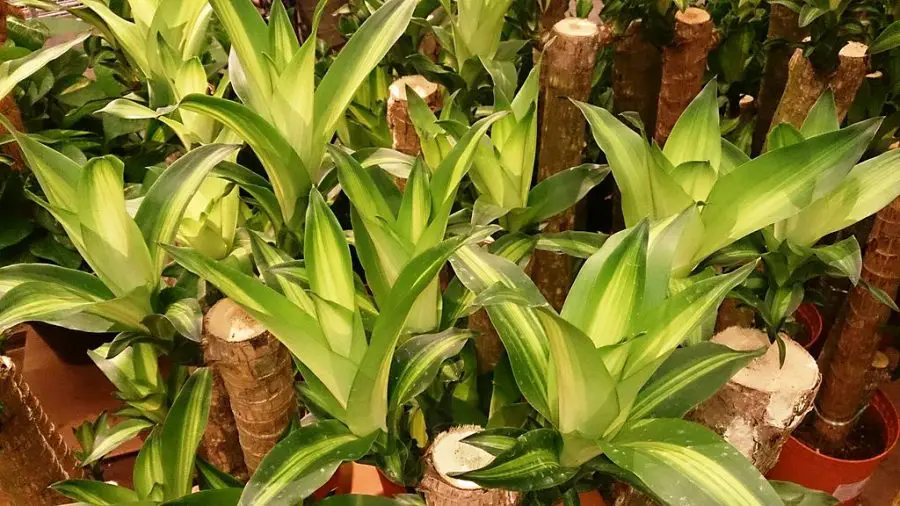
11. Corn Plant (Dracaena fragrans)
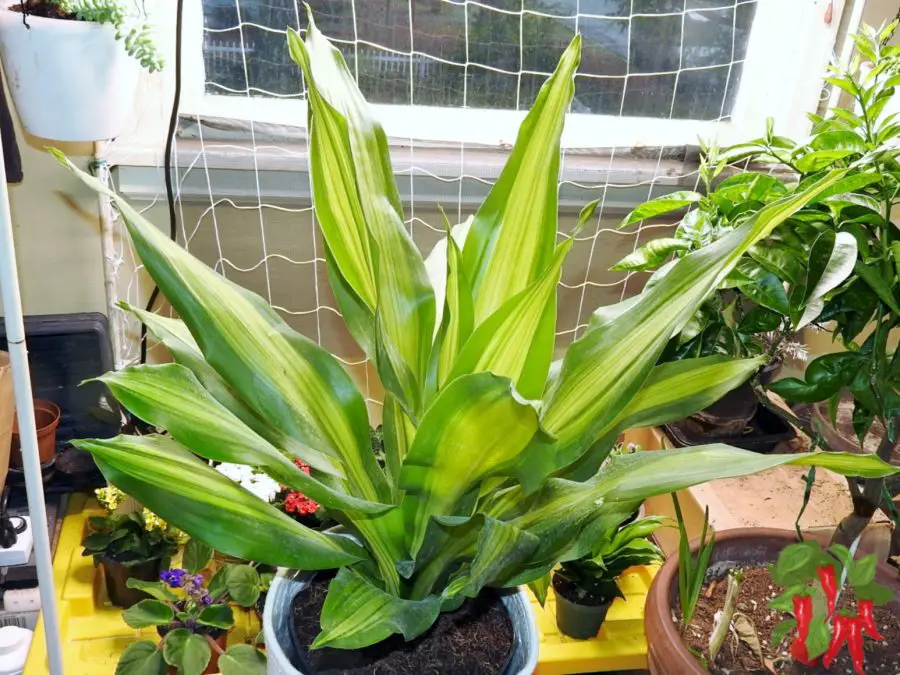
Corn Plant, or Dracaena fragrans, is another traditional houseplant that deserves more attention when we’re talking about longevity. A mature Corn Plant can look considerably different from the relatively compact plant you originally brought home.
As it ages, the plant develops taller, thicker canes topped with clusters of broad, arching leaves. That combination gives an older Corn Plant an attractive tree-like appearance without the enormous leaf spread of a Monstera or White Bird of Paradise.
I prefer Corn Plant for this list over some of the narrower-leaved Dracaenas because a mature specimen has such a full appearance. Those broad leaves can create an impressive canopy once the canes gain some height.
Corn Plant can also be pruned when it becomes too tall. New shoots can develop below the cut, which gives you a practical way to rejuvenate an older plant and manage its size rather than giving up on it when it approaches the ceiling.
Why it’s a good long-term plant: Mature plants develop substantial canes and broad arching foliage, while pruning gives you a way to manage and renew older growth.
Long-term consideration: Expect its shape and size to change over the years, and use pruning when necessary to keep a mature plant practical indoors.
Learn more in my Corn Stalk Dracaena Plant CareGuide.
Which Long-Lived Houseplant Is Right for You?
If you’re choosing a plant with the hope of keeping it for many years, I’d think beyond which one looks best at the garden center today. Consider what that plant may eventually become and whether your home can continue providing what it needs.
| What You Want | Plants to Consider |
|---|---|
| Classic heirloom-type plant | Christmas Cactus, Jade Plant |
| Slow and steady growth | Ponytail Palm, Parlor Palm, Cast Iron Plant |
| Plant that forms a larger clump | Snake Plant, ZZ Plant, Cast Iron Plant |
| Large tropical specimen | Monstera, White Bird of Paradise |
| Indoor tree-like appearance | Rubber Plant, Corn Plant |
| Plant you can manage with pruning | Rubber Plant, Corn Plant, Monstera |
There’s another consideration that matters with a long-lived plant: your home may change before the plant does. You might move, get different windows, have less floor space, or eventually find yourself caring for a plant that’s much larger than you expected.
Plants that respond well to pruning, division, or rejuvenation can be particularly useful because you have options when those changes happen.
Common Mistakes With Long-Lived Houseplants
Assuming a long-lived plant is impossible to kill.
Potential longevity doesn’t make a plant indestructible. Chronic overwatering, poor drainage, unsuitable light, pests, and other problems can shorten the life of even a naturally long-lived houseplant.
Keeping the same care routine forever.
A plant’s needs can change as it grows. A much larger plant may use water differently, need a larger container, require stronger support, or need pruning to remain manageable.
Repotting into an enormous container too soon.
You don’t need to give a young plant its “forever pot.” Move up gradually as the root system grows. An oversized volume of potting mix can remain wet much longer than the roots need.
Never pruning an aging plant.
Pruning isn’t necessarily a sign that something has gone wrong. With plants such as Rubber Plant, Corn Plant, and Monstera, pruning can be an important part of keeping an older specimen attractive and manageable.
Ignoring pests because the plant has always been healthy.
A plant you’ve owned for years can still develop a pest problem. Check leaves, stems, and new growth regularly so you can deal with problems before they spread through a large established plant.
Trying to preserve every old leaf and stem.
Long-lived plants are constantly changing. Old foliage eventually declines while new growth replaces it. The goal is a healthy plant over the long term, not keeping every piece of the original plant forever.
Frequently Asked Questions
What indoor plants can live for decades?
Christmas Cactus, Jade Plant, Cast Iron Plant, Snake Plant, Monstera, ZZ Plant, White Bird of Paradise, Ponytail Palm, Rubber Plant, Parlor Palm, and Corn Plant all have the potential to become long-term houseplants. Actual lifespan depends heavily on growing conditions and care.
What is the best houseplant to pass down through a family?
Christmas Cactus is one of the classic choices because established plants can be maintained for many years and are also easy to propagate from stem segments. Jade Plant is another good choice because an old specimen can develop a distinctive woody, tree-like appearance.
Do Jade Plants really live for decades?
Jade Plants have the potential to become very long-lived houseplants when provided with suitable light, drainage, and watering. Rather than concentrating on a specific number of years, I’d focus on the fact that Jade is capable of becoming a mature woody specimen that you can maintain for a very long time.
Can a Christmas Cactus become an heirloom plant?
Yes. Christmas Cactus is particularly well suited to being kept as a long-term plant because it continually produces new segments and can develop into a large specimen. Cuttings can also be rooted and shared, allowing the same plant lineage to continue even longer.
Can a Monstera live for decades indoors?
A Monstera can be maintained as a long-term indoor plant, but mature growth may require support, pruning, and occasional rejuvenation. The plant you have many years later may contain lots of newer growth rather than exactly the same stems and leaves you started with.
Do long-lived houseplants eventually need huge pots?
Not necessarily. Container size should follow the root system rather than the plant’s age. Some plants eventually need larger containers, while others can be divided, pruned, root-pruned where appropriate, or maintained at a manageable size.
Does propagating an old houseplant still count as keeping the same plant?
That’s partly a matter of how you look at it. A rooted cutting is technically a new individual plant, but it carries the same genetics and can continue a plant lineage for generations. This is one reason old Christmas Cactus and other easily propagated houseplants are often shared among family members.
Final Thoughts
Growing a houseplant for decades changes the way you look at it. It stops being something you bought to fill an empty spot and starts becoming part of the history of your indoor garden.
Christmas Cactus and Jade Plant are probably my favorite examples. An old Christmas Cactus can become a huge cascading plant that returns to bloom year after year, while a mature Jade develops thick woody growth that simply can’t be duplicated by buying another small plant.
The same idea applies to the larger tropical plants. Watching a Monstera develop mature leaves, a Rubber Plant turn into an indoor tree, or a Corn Plant develop tall woody canes is part of what makes keeping the plant for years worthwhile.
You don’t need perfect care every single day for decades. What matters more is learning what your plant needs, noticing when something changes, and adapting your care as the plant grows older and larger.
Take care of a good houseplant long enough and eventually you’re not just growing a plant anymore. You’re growing a little piece of your own history.
Continue Exploring Indoor Plants
If you’re choosing plants for the long haul, these guides can help you find your next indoor plant:
- Indoor Plants That Are Hard to Kill — Explore resilient houseplants that can handle less-than-perfect indoor conditions.
- Indoor Plants That Get Huge — See which houseplants can eventually become substantial indoor specimens.
- Indoor Plants That Are Better Than You Think — Discover overlooked houseplants and hidden gems that deserve more attention.
- Indoor Plants With Interesting Leaves — Explore houseplants with unusual leaf shapes, textures, and growth forms.