
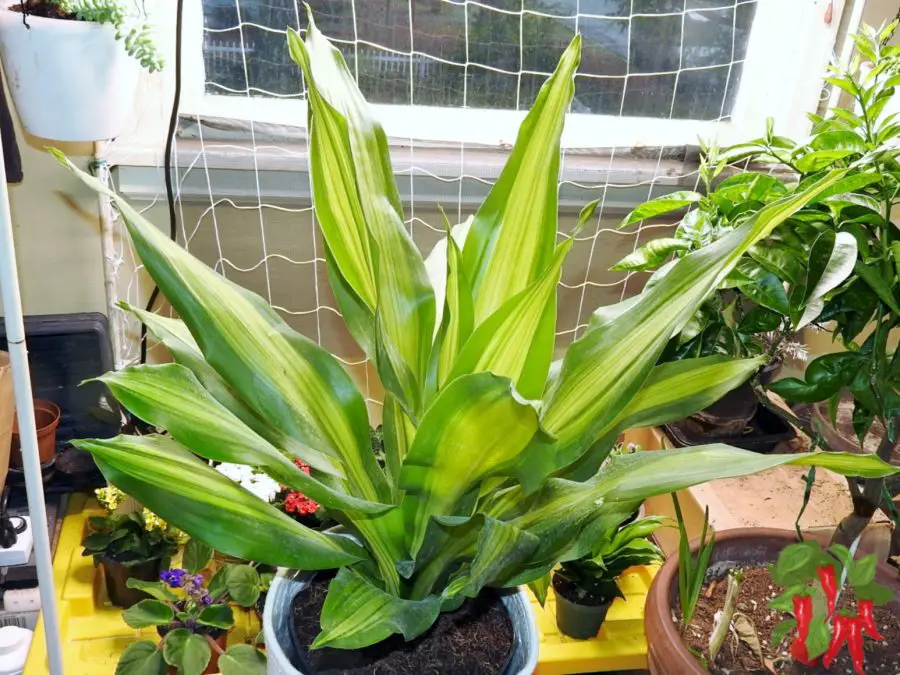
Every houseplant owner makes mistakes. You might forget to water for a few days, place a plant in less-than-perfect lighting, or go on vacation without arranging for someone to care for your plants.
Fortunately, there are some indoor plants that are hard to kill and are remarkably resilient and can recover from these common setbacks with very little lasting damage.
That’s very different from neglect. Even the toughest houseplants still need the right amount of light, occasional watering, and a suitable growing environment to stay healthy. What makes these plants special is their ability to recover from the kinds of mistakes almost every indoor gardener makes from time to time.
I’ve grown many of these plants over the years, and they’ve repeatedly proven why they’re favorites for beginners. Whether it’s a Snake Plant surviving a missed watering, a Peace Lily springing back after dramatically drooping, or a Spider Plant producing fresh new growth after a little extra attention, these plants have earned their reputation for being remarkably forgiving.
If you’re just getting started with houseplants—or simply want plants that won’t punish every small mistake—these resilient species are some of the best choices you can grow indoors.
What You’ll Learn
- What makes certain houseplants naturally resilient
- Why resilient plants are different from simply being low maintenance
- The 10 toughest indoor plants for beginners
- Which plants recover best from common growing mistakes
- How to choose the right resilient plant for your home
- Simple habits that help even tough houseplants thrive for years
Quick Answer: The best indoor plants that are hard to kill include Snake Plant, ZZ Plant, Cast Iron Plant, Spider Plant, Pothos, Aloe Vera, Gasteria, Dracaena, Jade Plant, and Peace Lily. These resilient houseplants tolerate common growing mistakes and recover well from occasional stress, making them excellent choices for beginners.
Resilient Houseplants at a Glance
| Plant | Low Light | Drought | Recovery | Beginner |
|---|---|---|---|---|
| Snake Plant | ⭐⭐⭐⭐⭐ | ⭐⭐⭐⭐⭐ | ⭐⭐⭐⭐⭐ | ⭐⭐⭐⭐⭐ |
| ZZ Plant | ⭐⭐⭐⭐⭐ | ⭐⭐⭐⭐⭐ | ⭐⭐⭐⭐⭐ | ⭐⭐⭐⭐⭐ |
| Cast Iron Plant | ⭐⭐⭐⭐⭐ | ⭐⭐⭐⭐ | ⭐⭐⭐⭐⭐ | ⭐⭐⭐⭐⭐ |
| Spider Plant | ⭐⭐⭐ | ⭐⭐⭐ | ⭐⭐⭐⭐⭐ | ⭐⭐⭐⭐⭐ |
| Pothos | ⭐⭐⭐⭐ | ⭐⭐⭐⭐ | ⭐⭐⭐⭐⭐ | ⭐⭐⭐⭐⭐ |
| Aloe Vera | ⭐⭐ | ⭐⭐⭐⭐⭐ | ⭐⭐⭐⭐ | ⭐⭐⭐⭐⭐ |
| Gasteria | ⭐⭐⭐ | ⭐⭐⭐⭐⭐ | ⭐⭐⭐⭐⭐ | ⭐⭐⭐⭐⭐ |
| Dracaena | ⭐⭐⭐⭐ | ⭐⭐⭐⭐ | ⭐⭐⭐⭐⭐ | ⭐⭐⭐⭐⭐ |
| Jade Plant | ⭐⭐⭐ | ⭐⭐⭐⭐⭐ | ⭐⭐⭐⭐ | ⭐⭐⭐⭐ |
| Peace Lily | ⭐⭐⭐⭐ | ⭐⭐ | ⭐⭐⭐⭐⭐ | ⭐⭐⭐⭐ |
What Makes a Houseplant Hard to Kill?
Resilient houseplants aren’t lucky—they’re built differently. Many have evolved in environments where water, light, or humidity naturally fluctuate, giving them built-in survival strategies that help them recover from occasional stress.
Some, like Aloe Vera, Jade Plant, and Gasteria, store water inside thick succulent leaves. Others, such as ZZ Plant, store moisture in underground rhizomes that act like natural reservoirs during dry periods. Snake Plant combines thick leaves with a slow growth rate, allowing it to tolerate inconsistent watering far better than many tropical plants.
Plants like Cast Iron Plant, Dracaena, and Pothos have developed tough root systems and flexible growing habits that allow them to adapt to varying indoor light levels, average household humidity, and changing temperatures.
Together, these natural adaptations make them excellent choices for beginners because they’re much more forgiving when life gets busy.
Resilient vs. Low-Maintenance: What’s the Difference?
People often use these terms interchangeably, but they aren’t exactly the same.
Low-maintenance plants simply require less routine care. They may grow slowly, need less fertilizer, or go longer between waterings.
Resilient plants, on the other hand, recover well after something goes wrong. They bounce back from underwatering, temporary low light, or other common growing mistakes that might permanently damage more delicate species.
The best houseplants combine both qualities. That’s exactly why the ten plants in this guide have become favorites for beginners and experienced indoor gardeners alike.
Indoor Plants That Are Hard to Kill
Snake Plant
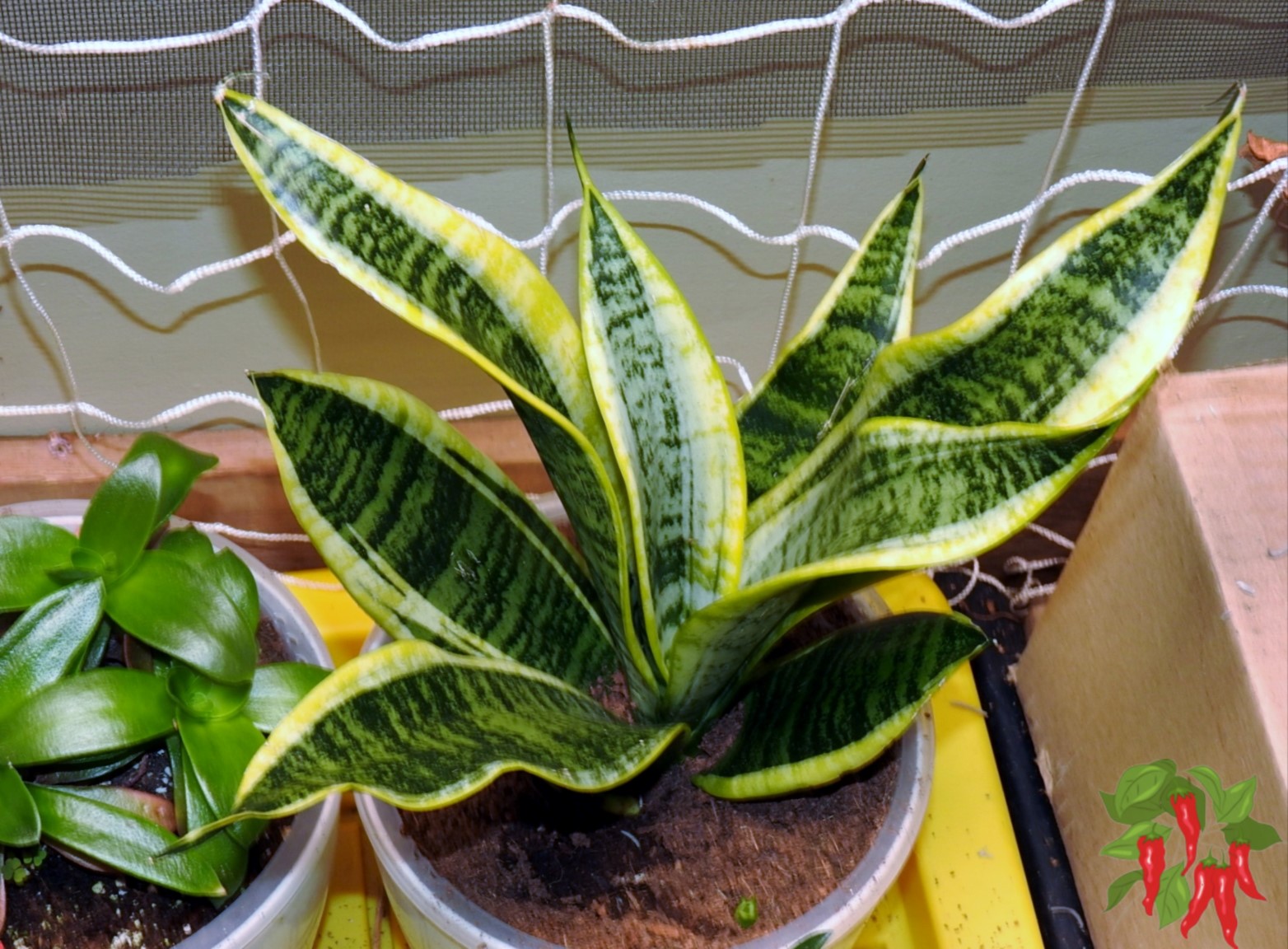
Snake Plant consistently ranks among the toughest houseplants you can grow. Its thick, upright leaves store moisture, allowing it to tolerate missed waterings, dry indoor air, and lower light conditions that would stress many tropical plants. Even after periods of neglect, healthy plants often recover quickly once normal care resumes.
Another reason Snake Plant is so popular is its versatility. It works equally well on a desk, in a bedroom, or as a large floor plant, making it one of the easiest recommendations for almost any indoor space.
Learn more in my Indoor Snake Plant Care Guide.
ZZ Plant
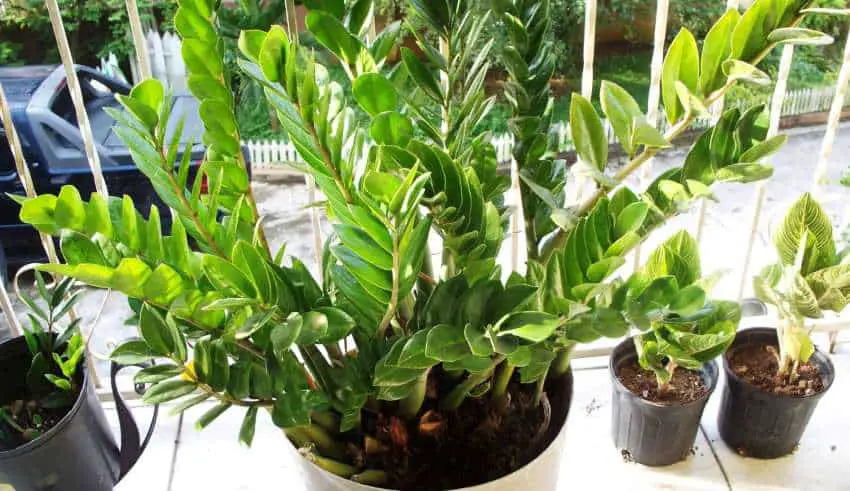
ZZ Plant earns its reputation through one remarkable feature—its underground rhizomes. These swollen storage organs hold water for weeks, allowing the plant to survive drought and recover after occasional missed waterings. Combined with glossy leaves that tolerate lower light, ZZ Plant is one of the most dependable indoor plants available.
It’s particularly well suited to offices, apartments, and busy households where perfect watering schedules aren’t always realistic.
Learn more in my ZZ Plant (Zanzibar Gem) Care Guide.
Cast Iron Plant
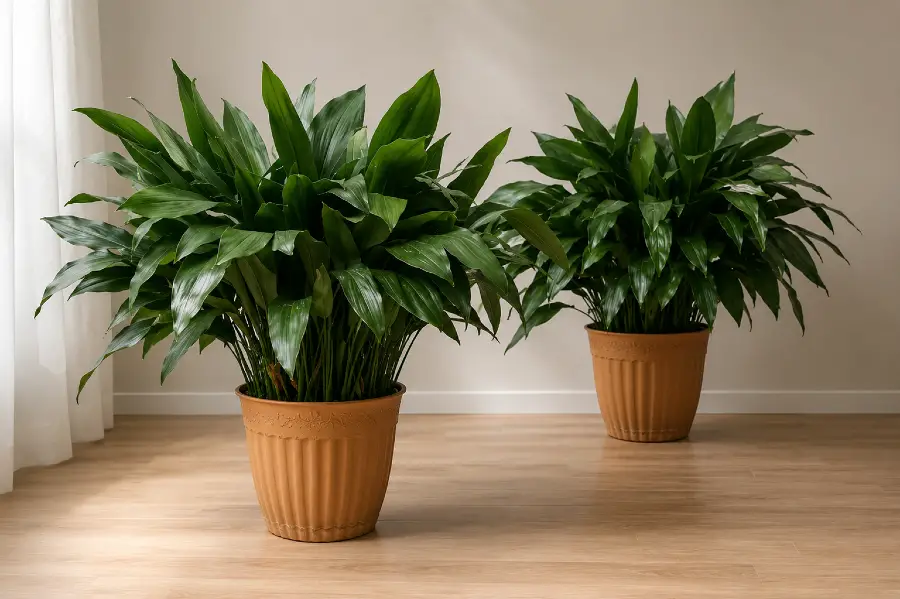
Few plants deserve their common name as much as Cast Iron Plant. It tolerates lower light, dry indoor air, and inconsistent watering while maintaining attractive deep green foliage throughout the year. Although it grows slowly, that steady growth makes it an excellent long-term companion for homes and offices.
Learn more in my Cast Iron Plant Indoor Care Guide.
Spider Plant

Spider Plant is one of the most forgiving houseplants you can own. Even if the leaves develop brown tips or the soil becomes a little too dry, healthy plants usually recover quickly with consistent watering. Their ability to produce baby plantlets also makes them one of the easiest plants to propagate and share with friends.
Learn more in my Spider Plant Care Guide.
Pothos
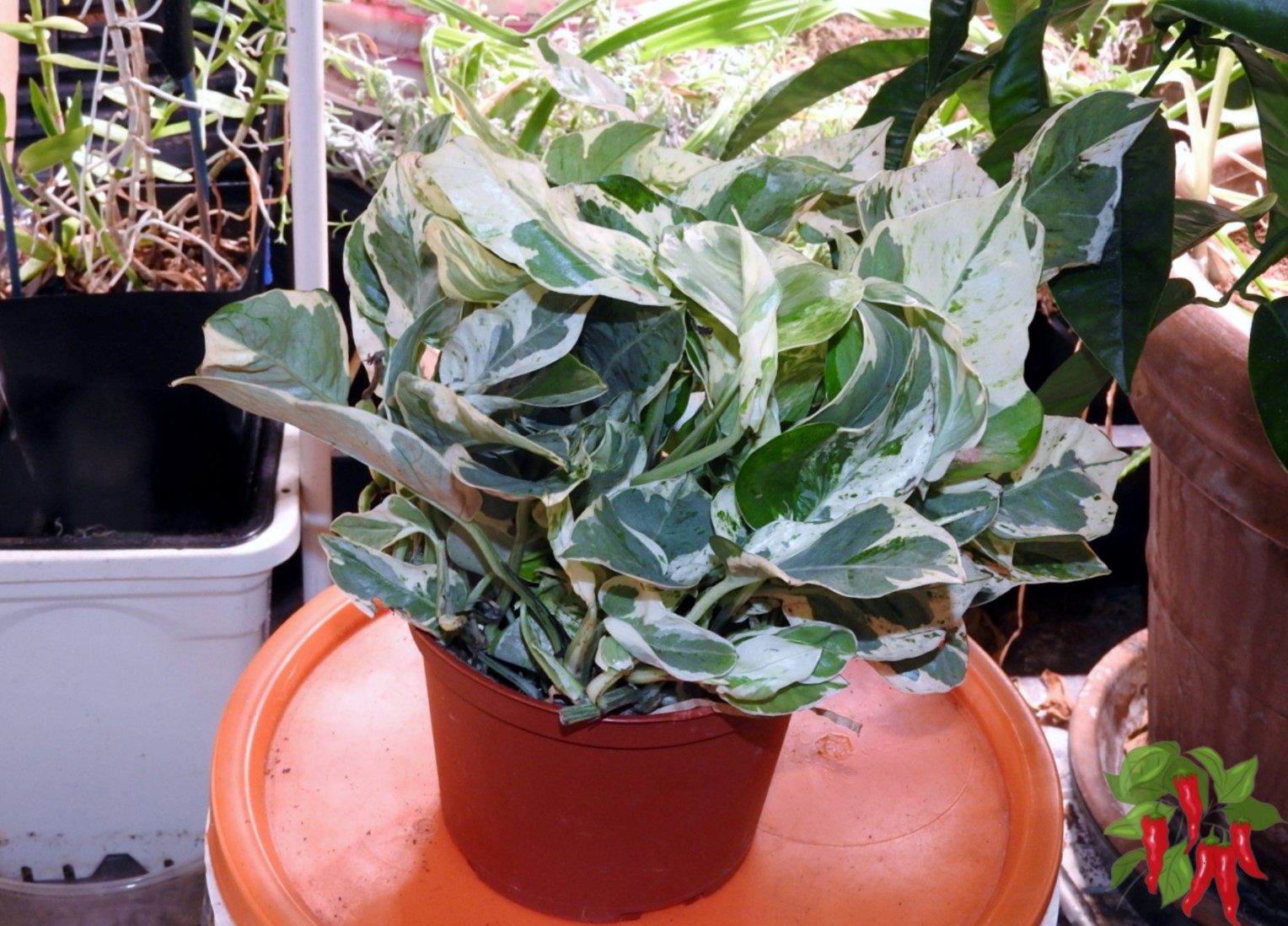
Pothos is one of the most adaptable houseplants you can grow. It tolerates a wide range of lighting conditions, recovers quickly after occasional watering mistakes, and continues producing fresh vines even when conditions aren’t perfect.
One reason Pothos is so resilient is its vigorous growth. Even if a few leaves become damaged, the plant quickly replaces them with healthy new foliage once proper care resumes. Whether you grow it in a hanging basket, train it up a moss pole, or let it trail across a bookshelf, it’s one of the easiest plants to keep looking great.
Learn more in my Pothos Indoor Plant Care Guide.
Aloe Vera
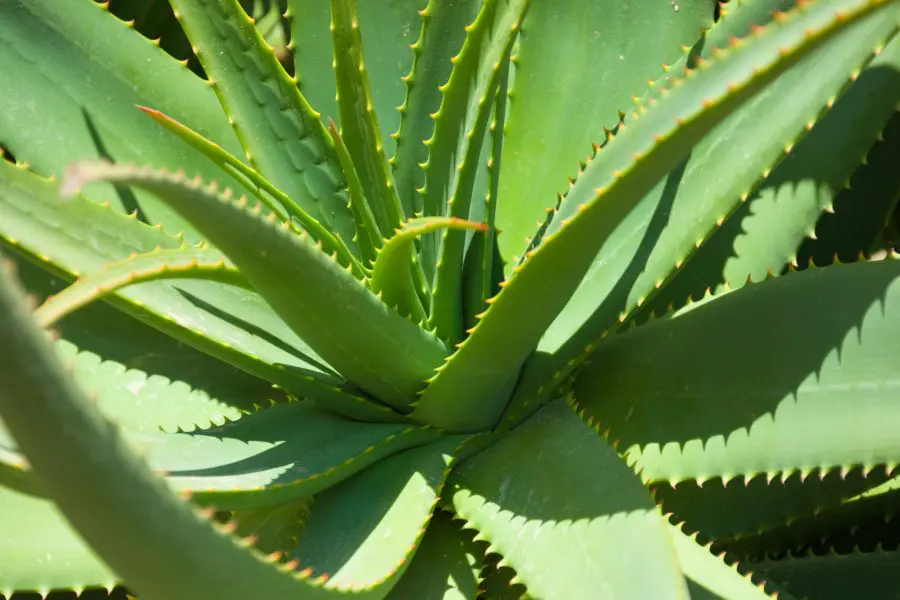
Aloe Vera survives where many other houseplants struggle because its thick, fleshy leaves store large amounts of water. That natural reserve allows it to tolerate long dry periods, making underwatering much less of a problem than overwatering.
The key to success is giving Aloe plenty of bright light and allowing the soil to dry completely before watering again. Treated this way, it can remain healthy for many years while requiring very little routine maintenance.
Learn more in my Aloe Plant Care Indoors Guide.
Gasteria
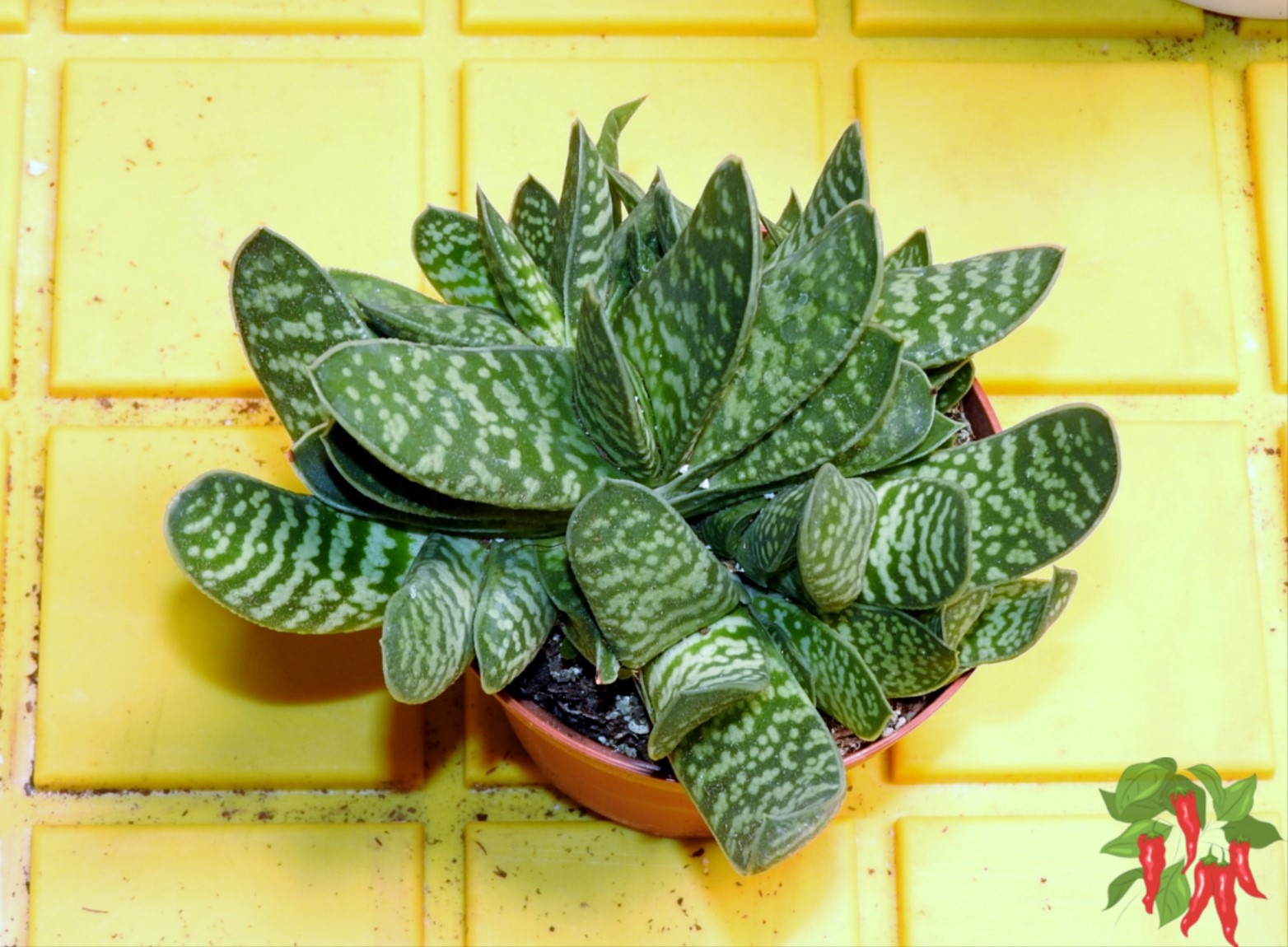
Gasteria deserves far more attention than it receives. Unlike many succulents that demand intense sunlight, Gasteria adapts surprisingly well to average indoor conditions while keeping its compact shape and attractive textured leaves.
Its thick foliage stores moisture efficiently, allowing it to recover from occasional missed waterings with little lasting damage. Combined with its slow growth and compact size, Gasteria is one of my favorite low-maintenance succulents for indoor growing.
Learn more in my Gasteria Care Indoors Guide.
Dracaena
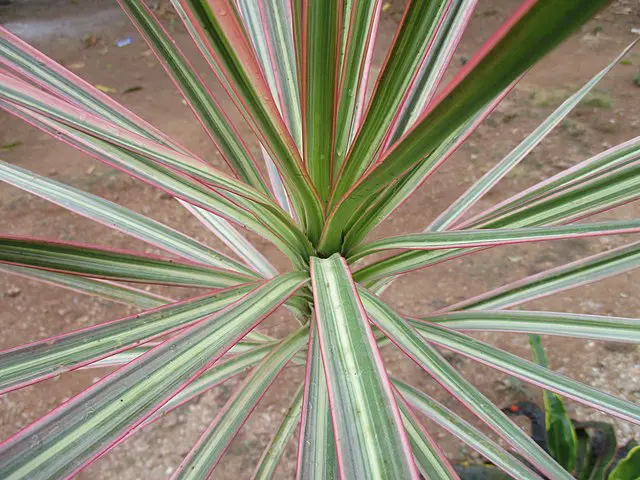
Dracaena combines the appearance of a small indoor tree with impressive resilience. It tolerates average household humidity, adapts to moderate light levels, and continues growing steadily even if conditions aren’t always ideal.
For anyone wanting a larger statement plant that’s still beginner friendly, Dracaena is one of the safest choices. With only occasional pruning and regular watering, it can remain an attractive focal point for many years.
Learn more in my Dracaena Indoor Plant Care Guide.
Jade Plant
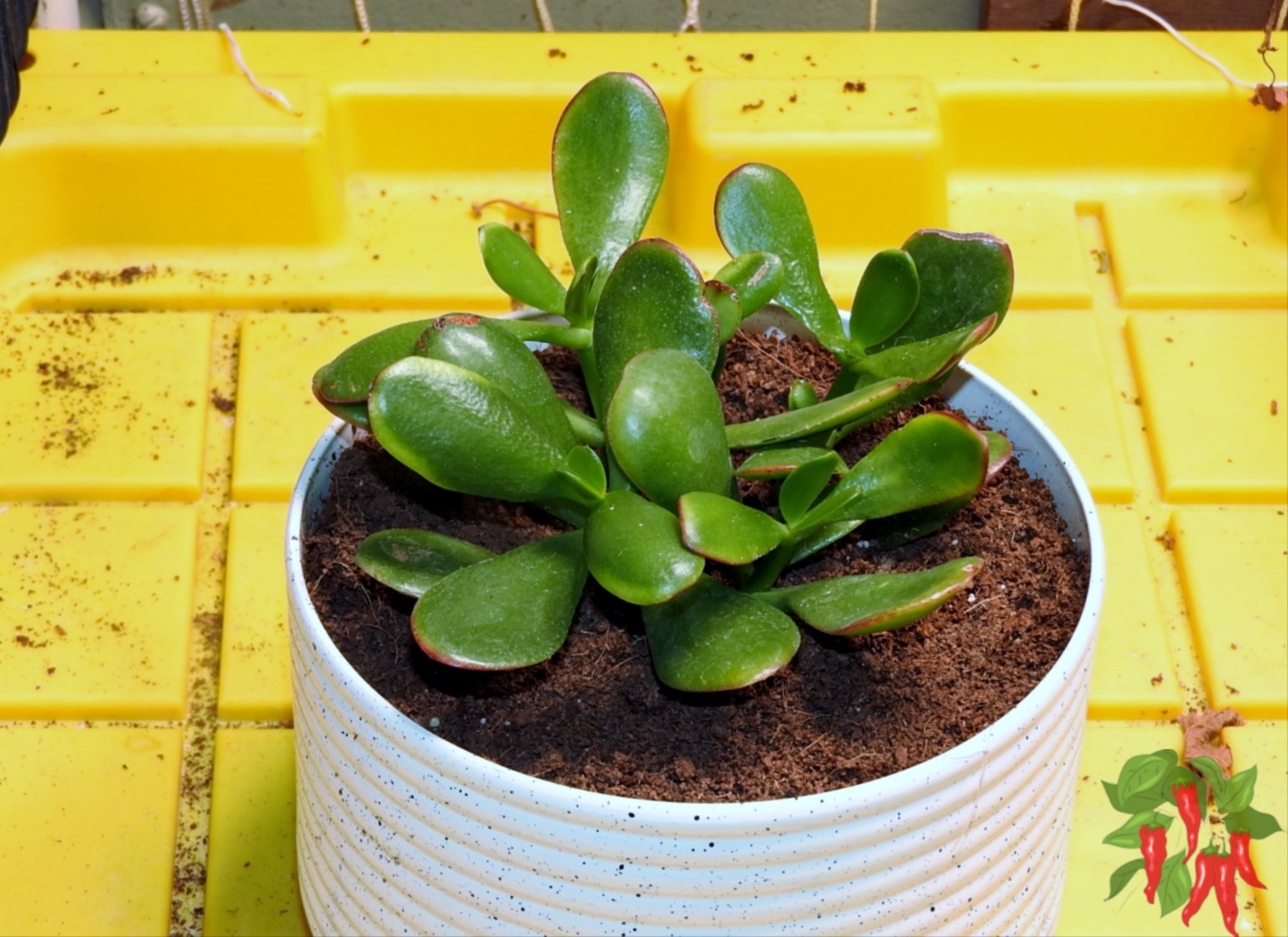
Jade Plant is one of the longest-lived succulents commonly grown indoors. Its thick stems and fleshy leaves act as natural water reservoirs, helping the plant withstand dry conditions that would quickly stress many tropical houseplants.
Although it appreciates a bright location, Jade Plant asks for very little beyond occasional watering and good drainage. Many specimens are passed down through generations, making it one of the most rewarding resilient houseplants you can own.
Learn more in my Dwarf Jade Plant Care Guide.
Peace Lily
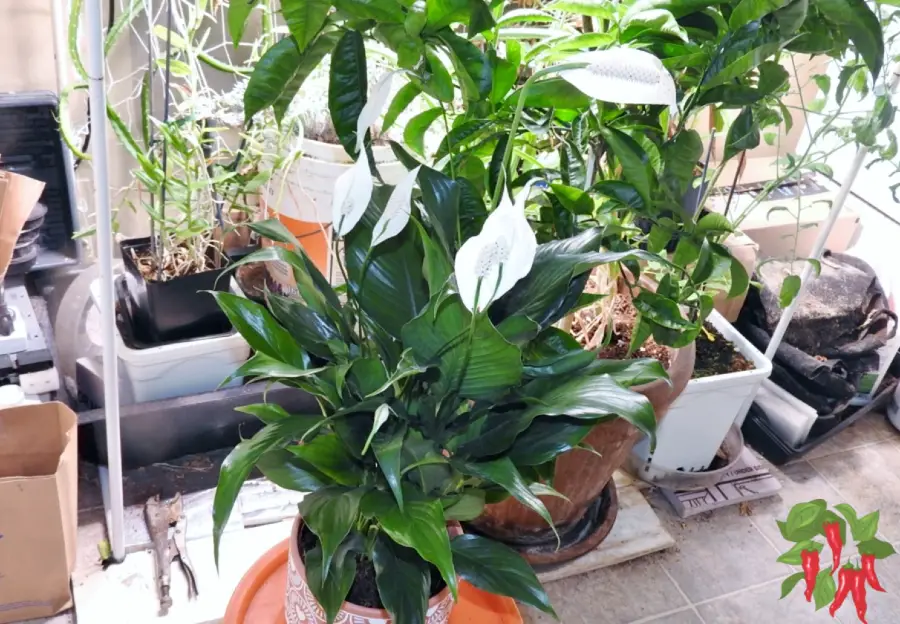
Peace Lily surprises many people by earning a place on this list. While it appreciates regular watering, it’s remarkably forgiving because it clearly tells you when it needs attention. Rather than declining without warning, the leaves droop dramatically, giving you plenty of notice before serious damage occurs.
A thorough watering often restores the plant within a few hours, making Peace Lily one of the easiest houseplants to understand. That ability to bounce back is exactly what resilience is all about.
Learn more in my Peace Lily Care Indoors Guide.
Which Plant Handles Your Biggest Challenge?
| Your Situation | Best Choices |
|---|---|
| I forget to water. | Snake Plant, ZZ Plant, Aloe Vera, Gasteria, Jade Plant |
| My room doesn’t get much light. | ZZ Plant, Snake Plant, Cast Iron Plant, Dracaena |
| I travel frequently. | Snake Plant, ZZ Plant, Gasteria, Jade Plant |
| I want fast growth. | Pothos, Spider Plant |
| I need a floor plant. | Dracaena, Cast Iron Plant, Snake Plant |
| I prefer succulents. | Aloe Vera, Gasteria, Jade Plant |
Why These Plants Bounce Back So Well
Although these plants come from different parts of the world, many share similar survival strategies. Succulents like Aloe Vera, Gasteria, and Jade Plant store water in their leaves, allowing them to withstand drought with ease.
Snake Plant uses thick leaves to conserve moisture, while ZZ Plant stores water underground in fleshy rhizomes that keep the plant alive through extended dry periods. Pothos and Spider Plant rely on vigorous growth, quickly replacing damaged leaves once growing conditions improve.
Other plants, including Cast Iron Plant and Dracaena, succeed because they’re highly adaptable. They tolerate a broad range of indoor light levels, average household humidity, and changing temperatures without becoming overly stressed.
These natural survival strategies don’t make the plants indestructible, but they do explain why they’re so forgiving when life gets busy and perfect plant care isn’t always possible.
Indoor Plants That Aren’t So Hard to Kill
One of the easiest ways to enjoy success with houseplants is knowing which plants require a little more experience. While the resilient plants in this guide forgive occasional mistakes, some popular houseplants demand consistently good care and can decline quickly if their needs aren’t met.
| Plant | Why It’s More Challenging |
|---|---|
| Maidenhair Fern | Needs consistently moist soil and very high humidity. |
| Calathea | Sensitive to dry air, inconsistent watering, and water quality. |
| Fittonia | Needs frequent watering and higher humidity. |
| Croton | Requires bright light and dislikes sudden environmental changes. |
There’s nothing wrong with growing these plants—they’re beautiful additions to an indoor collection. They’re simply better choices once you’ve gained a little experience with easier, more forgiving species.
How Quickly Can These Plants Recover?
| Plant | Typical Recovery Time* |
|---|---|
| Peace Lily | Hours after watering |
| Spider Plant | Several days |
| Pothos | About one week |
| ZZ Plant | One to three weeks |
| Snake Plant | Several weeks |
*Recovery depends on the severity of the stress and whether the roots remain healthy.
My Beginner Starter Collection
If someone asked me to recommend just three nearly foolproof houseplants, these would be my picks.
- Snake Plant — Handles low light, inconsistent watering, and fits almost anywhere.
- Pothos — Fast-growing, adaptable, and rewarding for new plant owners.
- Spider Plant — Forgiving, attractive, and produces baby plants that are easy to propagate.
Together, these three plants provide upright, trailing, and arching growth habits while teaching the basics of indoor plant care without overwhelming beginners.
Common Mistakes With Tough Houseplants
Watering on a schedule.
The calendar doesn’t know when your soil is dry. Always check the potting mix before watering.
Assuming every tough plant likes low light.
Succulents like Aloe Vera, Gasteria, and Jade Plant still need bright conditions, even though they’re resilient.
Thinking resilient means indestructible.
Even the toughest houseplants eventually suffer from repeated overwatering, complete darkness, or freezing temperatures.
Giving up too quickly.
Many resilient plants recover surprisingly well once the underlying problem is corrected. A struggling plant isn’t always a lost plant.
Frequently Asked Questions
What is the hardest indoor plant to kill?
Snake Plant and ZZ Plant are generally considered the toughest houseplants because they tolerate low light, drought, and inconsistent care better than most indoor plants.
Which resilient plant grows the fastest?
Pothos and Spider Plant are the fastest growers on this list and often recover quickly after minor setbacks.
Can beginners grow succulents?
Absolutely. Aloe Vera, Gasteria, and Jade Plant are excellent beginner succulents as long as they’re given bright light and allowed to dry between waterings.
Should I start with one plant or several?
Starting with two or three resilient houseplants lets you gain experience while learning how different plants respond to your home’s growing conditions.
Final Thoughts
Growing houseplants doesn’t have to be stressful. Choosing resilient species gives you room to learn, experiment, and occasionally make mistakes without losing your entire collection.
I’ve found that these dependable plants build confidence quickly because they respond well to good care while forgiving the occasional oversight. Once you’ve mastered a few of these tough houseplants, you’ll be well prepared to branch out into more specialized tropical plants, ferns, and flowering species.
Remember, the goal isn’t to find plants that survive neglect—it’s to grow plants that thrive while forgiving the everyday mistakes that every indoor gardener makes from time to time.
Where to Go Next
- Best Low-Light Houseplants That Actually Thrive
- Fast-Growing Indoor Plants for Beginners
- Pet-Friendly Indoor Plants That Are Easy to Grow
- Indoor Plants That Stay Small