
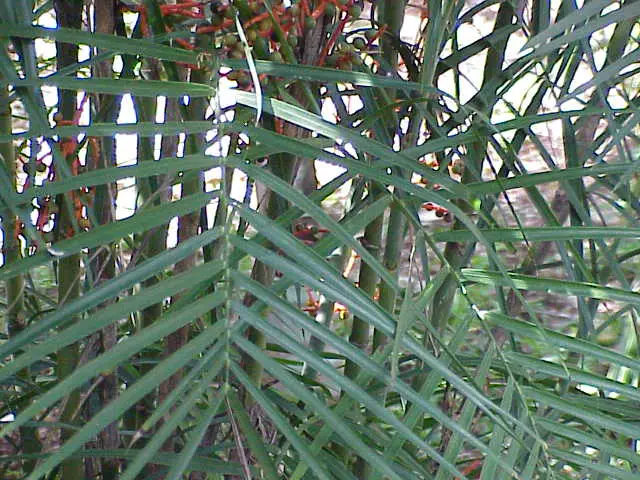
Learning Bamboo Palm indoor care is easier than many people think. These elegant palms bring a tropical look to your home while adapting surprisingly well to typical indoor conditions.
Also known as Chamaedorea seifrizii, the Bamboo Palm grows best with bright indirect light, consistent moisture, moderate humidity, and a well-draining soil mix. With the right care, this attractive palm can become a long-lasting focal point in your home.
This guide covers everything you need to know about growing healthy Bamboo Palms indoors, including watering, lighting, fertilizing, propagation, and solving common problems.
What You’ll Learn
- How much light Bamboo Palms need indoors
- The best watering schedule and humidity levels
- How to choose the right soil and container
- When and how to fertilize your palm
- How to solve yellow leaves, brown tips, and slow growth
- The best indoor locations for healthy growth
Quick Answer: Bamboo Palm Indoor Care
Bamboo Palms grow best in bright indirect light, temperatures between 65°F and 80°F, and humidity levels above 40%. Water when the top inch of soil begins to dry, use a well-draining coco coir-based mix, and fertilize every four to six weeks during active growth.
What Is the Bamboo Palm (Chamaedorea seifrizii)

Bamboo palms, scientifically known as Chamaedorea seifrizii, are beautiful tropical plants that are native to Central America and South America.
It is an attractive and popular houseplant due to its graceful appearance and its ability to purify the air by removing toxins such as benzene and formaldehyde.
The bamboo palm has slender stems that resemble bamboo, and it produces lush, green fronds that add a touch of natural beauty to any room and make them popular houseplants.
They are not true bamboo plants, they are palm trees. It is related to the parlor palm plant, Chamaedorea elegans and similar in care.
Chamaedorea seifrizii vs Chamaedorea elegans the differences
Chamaedorea seifrizii and Chamaedorea elegans are two different species of bamboo palm, although they are sometimes confused with each other due to their similar appearance.
Here are some of the main differences between the two:
Size: Chamaedorea seifrizii is typically larger than Chamaedorea elegans, growing up to 8-10 feet tall, while Chamaedorea elegans usually grow up to 6-7 feet tall.
Leaflets: The leaflets on Chamaedorea seifrizii are more pointed and have a slightly arching shape, while the leaflets on Chamaedorea elegans are more rounded and have a straighter shape.
Stem: The stem of Chamaedorea seifrizii is usually thicker and more robust than the stem of Chamaedorea elegans.
Hardiness: Chamaedorea elegans is more cold-hardy than Chamaedorea seifrizii and can withstand temperatures as low as 20 degrees Fahrenheit.
Light requirements: Chamaedorea elegans is more tolerant of low light conditions than Chamaedorea seifrizii, which prefers bright, indirect light.
Overall, both species of bamboo palm are relatively easy to care for and have similar growth habits.
However, their differences in size, leaflets, stem, hardiness and light requirements may influence which species is better suited for a particular location or purpose.
Benefits of Indoor Bamboo Palm Care
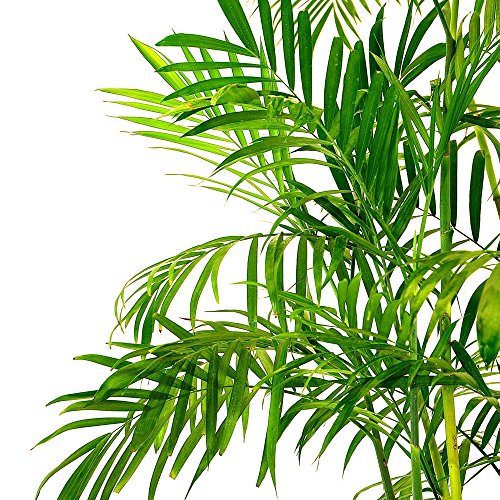
Aesthetic benefits of bamboo palms
The bamboo palm is also a stunning plant that can add a touch of tropical beauty to your home or garden.
With its feathery, arching leaves and slender stems, the bamboo palm is a fantastic choice for those who want to create a relaxing and tranquil environment.
Health benefits of having a bamboo palm around
Having a bamboo palm in your space can also have numerous health benefits.
For example, it can help reduce stress levels and boost your mood, leading to a more positive and productive day.
Additionally, the bamboo palm’s ability to purify the air can help alleviate symptoms of asthma, allergies, and other respiratory issues.
Plus, its relaxing and tranquil appearance can promote better sleep quality, leading to a more restful and rejuvenating night’s sleep.
Bamboo Palm Indoor Care: Planting and Potting
Welcome to the planting and potting section of our bamboo palm indoor care guide!
Choosing the right potting mix and container for your bamboo palm is essential for its growth and overall health.
Choosing the Right Soil Mix for Bamboo Palm
Selecting the right soil mix for your new plants is crucial for their overall health and growth.
Since the bamboo palm is a tropical plant, it requires well-draining soil that retains moisture. But it won’t tolerate soggy soil well.
You can opt for a good-quality potting mix that contains peat moss or perlite for drainage, as well as vermiculite or coconut coir to retain moisture.
Avoid using heavy clay soil, as it can lead to waterlogged roots and ultimately harm your plant.
Selecting the Perfect Pot Size and Type for Bamboo Palm
Choosing the right pot size and type is also essential for the well-being of your bamboo palm.
The pot should be slightly larger than the root ball of your plant, with enough space for the roots to spread out.
You can choose a ceramic or terracotta pot but make sure it has a drainage hole that allows for proper drainage and prevents water from pooling at the bottom.
Ensure that the pot has drainage holes to prevent waterlogging and holding too much water which can lead to root rot.
Planting the Bamboo Palm Indoors Using Coco Coir for the Soil Mix
When planting your bamboo palm, start by filling the pot with your chosen soil mix.
A soil mix that contains coconut coir is an excellent option as it is an eco-friendly alternative to peat moss or peat-based soil mixes.
Coconut coir is a byproduct of the coconut industry and is sustainable and renewable.
Place your bamboo palm in the pot and fill the remaining space with soil mix, ensuring that the plant is level with the soil surface.
Water thoroughly and allow the excess water to drain out of the pot.
Why Choosing Coconut Coir Is A Better And More Environmentally Friendly Alternative
Coconut coir is an excellent alternative to peat moss or peat-based soil mixes.
Unlike peat moss, which is harvested from natural peat bogs, coconut coir is a byproduct of the coconut industry and is sustainable and renewable.
Peat bogs are a vital ecosystem that provides important ecological services such as carbon storage, water regulation, and habitat for wildlife.
However, peat extraction for horticultural purposes can lead to habitat destruction, carbon emissions, and the release of stored carbon into the atmosphere.
Coconut coir, on the other hand, is a renewable resource that is harvested from the outer husk of coconuts.
The husk is processed to remove the fiber, which is then washed, sterilized, and often compressed into bricks or blocks.
Coconut coir has excellent water retention properties, which make it an ideal soil amendment for plants that require moist soil.
It also has a neutral pH and is free of pathogens, weeds, and pests.
Moreover, coconut coir is a more environmentally friendly option as it is a waste product that would otherwise be discarded, and it is readily available in tropical regions where coconuts are grown.
Overall, using coconut coir as a soil mix for your bamboo palm is an excellent choice for plant health and environmental sustainability.
It is an eco-friendly alternative to peat moss or peat-based soil mixes that are often associated with environmental concerns.
By using coconut coir, you can ensure that your bamboo palm thrives while also minimizing your impact on the environment.
Watering and Humidity

The Chamaedorea seifrizii, or bamboo palm, is a tropical plant that requires consistent moisture levels to thrive.
Ensuring that your bamboo palm gets the right amount of water and humidity can help keep it healthy and lush.
Watering frequency for bamboo palm indoors
Bamboo palms require consistent moisture levels, but it’s essential not to overwater them.
Overwatering can lead to root rot and other plant diseases.
It’s best to water the bamboo palm once a week during the growing season and reduce the frequency during the winter months.
When watering, make sure the soil is moist but not soggy.
The amount of water you use will depend on the size of the pot and the humidity levels in your home.
Watering from the bottom is an effective way to ensure that the roots get enough water without saturating the soil.
Simply fill a tray with water and place the pot on top, allowing the plant to soak up the water from the bottom.
Importance of humidity for bamboo palm indoor care:
Bamboo palms are native to humid tropical regions, which means they require a relatively high level of humidity to thrive.
Dry air can cause the leaves to turn brown and brittle, making the plant look unsightly.
It can also lead to pest infestations and disease. Therefore, it’s important to keep the humidity levels between 40-60% for your bamboo palm.
How to increase humidity levels for indoor bamboo palm care:
There are several ways to increase humidity levels for your indoor bamboo palm.
One of the most effective ways is to use a humidifier, which adds moisture to the air and helps maintain the ideal humidity level.
Another option is to place a tray of water near the plant, allowing the water to evaporate and create moisture in the air.
You can also set your plant on a pebble tray.
Misting the leaves with water is also an effective way to increase humidity levels temporarily.
Finally, grouping your plants together can create a mini-humid microclimate for your plants.
Avoid placing your plants near heating or air conditioning vents that produce dry air.
Light and Temperature

This tropical plant requires adequate light to thrive, but too much direct sunlight can be harmful.
Temperature is also a critical factor in the plant’s growth and health, and it’s important to maintain a consistent temperature range.
Optimal light conditions for bamboo palm indoors
Bamboo palms thrive in bright indirect light. When growing indoors, it’s best to place the plant near a window that receives bright but filtered light.
Too much direct sunlight can scorch the leaves and damage the plant.
Effects of low light and how to address it for indoor bamboo palm care:
Low light can be detrimental to bamboo palms, causing the leaves to turn yellow and the plant to become leggy.
If you notice these symptoms, it’s crucial to take action promptly. One way to address low light is to move the plant to a brighter location.
Another option is to use grow lights to supplement the natural light. Grow lights can provide the necessary light spectrum for plant growth and development.
Best Indoor Locations For Bamboo Palms
Choosing the right location can make a huge difference in the health and appearance of your Bamboo Palm.
- Near an east-facing window with gentle morning sun
- Several feet back from bright south-facing windows
- Bright home offices with indirect light
- Living room corners near large windows
- Bedrooms with bright filtered light
Avoid placing Bamboo Palms directly in front of heating vents, air conditioners, or areas that receive intense afternoon sunlight.
Temperature requirements
Bamboo palms require a warm and humid environment to thrive.
The plant prefers temperatures between 60-80°F (16-27°C) during the day and 50-65°F (10-18°C) at night.
If temperatures drop below 50°F (10°C), the plant may suffer damage, and its growth may slow down.
Fertilizing and Pruning

Fertilizing and pruning are essential practices for bamboo palm indoor care to keep your bamboo palm healthy and looking its best.
By providing the right nutrients and pruning the plant regularly, you can encourage new growth and maintain its shape.
In this section, we’ll cover the best ways to fertilize and prune your bamboo palm indoors.
Appropriate fertilizer for bamboo palm care:
When it comes to fertilizing your bamboo palm, it’s best to use a balanced, water-soluble fertilizer that contains equal parts nitrogen, phosphorus, and potassium.
You can find these fertilizers at your local garden center or online.
It’s crucial to use a fertilizer that’s specifically designed for indoor plants if you’re growing the bamboo palm indoors.
These fertilizers have a lower concentration of nutrients, which is suitable for indoor growing conditions.
Timing and frequency of fertilizing:
Bamboo palms require frequent fertilization to thrive, especially during the growing season.
The best time to fertilize your plant is in the spring and summer when the plant is actively growing.
During this time, you can fertilize your bamboo palm every four to six weeks.
During the fall and winter months, you can reduce the frequency to every eight to ten weeks.
Be sure to follow the instructions on the fertilizer package, as over-fertilization can harm the plant.
Pruning techniques for maintaining the bamboo palm’s shape:
Pruning is an essential part of bamboo palm care, as it helps to maintain the plant’s shape and encourages new growth.
When pruning the plant, it’s best to use a clean pair of scissors or pruning shears to avoid spreading diseases.
To prune the bamboo palm, simply cut back any dead or yellowing leaves at the base of the stem.
You can also trim back any stems that are growing too long or have become leggy.
Be sure to maintain a balanced shape by pruning the plant evenly on all sides.
Slow-release fertilizer spikes:
Another option for fertilizing your bamboo palm is to use slow-release fertilizer spikes.
These spikes are inserted into the soil and slowly release nutrients over several months, providing a consistent source of food for your plant.
They’re convenient and easy to use, making them a popular choice among gardeners.
You can find slow-release fertilizer spikes at most garden centers or online.
Be sure to follow the instructions on the package, as the number of spikes required will depend on the size of your plant.
Slow-release fertilizer spikes are a great way to simplify your bamboo palm care routine and keep your plant healthy and thriving.
The use of tree spikes will take the guesswork out of fertilizing. Here is what I recommend for 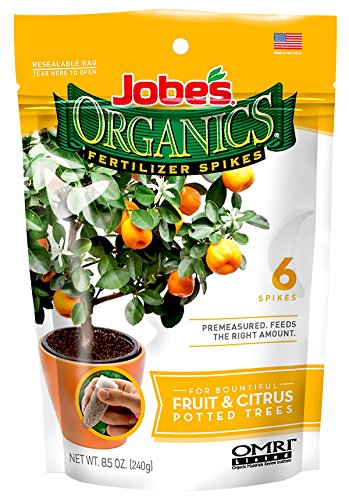 fertilizing your bamboo palm.
I recommend using Jobes Organics fertilizer spikes.
They are easy to use and last for 2-3 months.
They are designed for container-grown citrus.
They work really well for indoor palms in containers too.
Using 2 spikes for a 12-inch pot or 3 for an 18-inch pot takes the guesswork out of fertilizing.
They provide a 3-5-5 fertilizer blend along with micronutrients and beneficial bacteria.
Common Problems and Solutions
We all want our plants to be healthy and vibrant, but sometimes issues can arise even with the best care.
In this section, we’ll go over some common problems you might encounter with your bamboo palm and provide some solutions to help you get your plant back on track.
Pest and disease prevention and management:
Prevention is the key to avoiding pest and disease issues with your bamboo palm.
Make sure you’re not overwatering your plant, as excess moisture can lead to fungal and bacterial diseases.
Keep an eye out for common pests like spider mites and mealybugs, which can damage the leaves and stems of your plant.
Regularly inspecting your plant can help you catch any issues early on and prevent them from spreading.
Symptoms and treatment of common issues:
One common problem that indoor bamboo palms can experience is brown leaves and leaf tips.
This can be caused by a variety of factors, such as over or underwatering, low humidity levels, or a lack of fertilizer.
If you notice brown tips on your plant, try adjusting your watering schedule or adding a humidifier to increase the moisture levels in the air.
You can also fertilize your plant with a balanced fertilizer to provide it with the nutrients it needs.
Tips for troubleshooting and correcting problems:
If you encounter any issues with your bamboo palm, don’t panic! With a bit of troubleshooting, you can usually identify the problem and find a solution.
For example, if your plant is looking droopy and wilted, it may be a sign of underwatering. Try giving it a good soak and see if it perks back up.
If you notice yellowing leaves, it could be a sign of nutrient deficiencies, and fertilizing may help.
By paying attention to your plant’s symptoms and making adjustments as needed, you can keep your bamboo palm healthy and thriving.
Common insect pests and treatment methods
Despite being relatively hardy, bamboo palms are still susceptible to a variety of insect pests.
Some of the most common include spider mites, mealybugs, and scale insects.
Spider mites are tiny pests that can cause the leaves of the bamboo palm to turn yellow and develop a mottled appearance.
To treat them, try washing the leaves with a gentle soap and water solution or using insecticidal soap.
Mealybugs are small, soft-bodied insects that feed on the sap of the bamboo palm, causing stunted growth and yellowing of the leaves.
They can be treated with a neem oil or insecticidal soap spray, or by wiping them off the leaves with a cotton swab dipped in rubbing alcohol.
Scale insects can also be a problem, particularly on outdoor bamboo palms. They are small, brown, or black bumps on the stems or leaves of the plant.
To treat them, wipe them off with a soft cloth or cotton swab dipped in rubbing alcohol.
You may also need to use an insecticidal soap or neem oil spray to get rid of them completely.
Common Bamboo Palm Problems
Why Are My Bamboo Palm Leaves Turning Yellow?
Yellow leaves are commonly caused by overwatering, poor drainage, or soil that remains wet for too long. Allow the top inch of soil to dry slightly before watering again.
Why Does My Bamboo Palm Have Brown Leaf Tips?
Brown tips are usually caused by low humidity, inconsistent watering, mineral buildup from tap water, or dry indoor air.
Why Is My Bamboo Palm Growing Slowly?
Slow growth often occurs when light levels are too low or when the plant has exhausted the nutrients in its soil.
Why Is My Bamboo Palm Becoming Leggy?
Leggy growth is almost always caused by insufficient light. Move the plant closer to a bright window or supplement with grow lights.
Why Are New Fronds Smaller?
Small fronds can indicate inadequate light, nutrient deficiencies, or roots that have become crowded in the container.
Propagation
Bamboo palms can be propagated through division, seeds, or suckers. The most common method of propagation is division.
Steps To Propagate A Bamboo Palm:
Division
Choose a healthy parent plant that is at least three years old and has several stems.
Carefully remove the plant from its pot, and gently shake off any excess soil.
Use a sharp, clean knife or pruning shears to cut through the root ball and separate the individual stems.
Plant each stem in a new pot, using a well-draining soil mix.
Water the new plants thoroughly and keep them in a warm and humid environment, such as a greenhouse, to encourage root growth.
It’s important to note that newly propagated plants may take several months to establish themselves and begin to grow.
Seeds
Propagation of bamboo palm through seeds is possible, but it requires patience and may not always result in plants that are identical to the parent plant.
To propagate through seeds, collect mature seeds from the parent plant and sow them in a well-draining soil mix.
Keep the soil consistently moist and maintain a warm and humid environment to encourage germination.
Once the seedlings have grown large enough, they can be transplanted into individual pots.
If your plant is not making seeds, you can buy Chamaedorea seifrizii seeds online.
Suckers
Propagation through suckers, also known as offsets, involves removing the small shoots that grow at the base of the parent plant.
Use a sharp, clean knife or pruning shears to carefully cut the sucker away from the parent plant.
Plant the sucker in a well-draining soil mix and keep it consistently moist. Suckers may take several months to establish themselves and begin to grow.
Propagation is a great way to expand your collection of bamboo palms and share them with friends and family.
It’s important to note that newly propagated plants require special care and attention, so be sure to monitor them closely and adjust your care routine as necessary.
Bamboo Palm Indoor Care FAQs
How often should I water a Bamboo Palm?
Most Bamboo Palms need watering about once per week. Always check the soil first and water when the top inch feels slightly dry.
Can Bamboo Palms grow in low light?
They tolerate lower light levels, but bright indirect light produces fuller growth and healthier foliage.
Should I mist my Bamboo Palm?
Occasional misting can help temporarily, but maintaining humidity with a humidifier or pebble tray is more effective.
How often should I fertilize a Bamboo Palm?
Feed every four to six weeks during spring and summer using a balanced houseplant fertilizer.
Are Bamboo Palms safe for pets?
Yes. Bamboo Palms are generally considered non-toxic to cats and dogs, making them a popular choice for pet-friendly homes.
Bamboo Palm Indoor Care Final Thoughts
Bamboo Palms remain one of the most attractive indoor palms for homes and offices. Their graceful foliage, relatively simple care requirements, and adaptability make them excellent choices for beginners and experienced indoor gardeners alike.
Provide bright indirect light, consistent watering, moderate humidity, and occasional feeding, and your Bamboo Palm can reward you with years of healthy tropical growth indoors.