
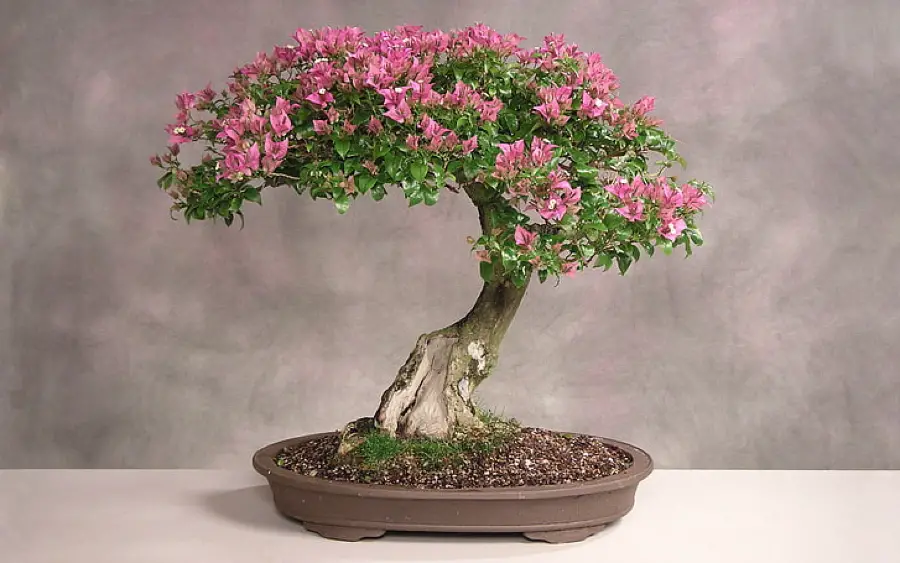
If you’re new to bonsai and you want a clean starting point, this hub is your “start here” guide for indoor bonsai care. It’s built for real life—apartments, normal windows, busy schedules, and the kind of small mistakes beginners make (because we all make them).
First, bookmark your complete guide and come back to it often: Indoor Bonsai Tree Care: Easy Bonsai Guide for Beginners. That guide covers the full care routine from top to bottom.
This hub page is the roadmap. It helps you choose a tree, dial in light and watering, and avoid the common traps that lead to leaf drop, soggy soil, or slow decline.
What You’ll Learn:
- How indoor bonsai really works in normal homes
- What makes a bonsai succeed indoors (and what makes it fail)
- The fastest way to pick a beginner tree
- How to set your bonsai up correctly from day one
Quick Answer: What Is the Secret to Indoor Bonsai Success?
Indoor bonsai success comes down to three things: strong light, fast-draining soil, and watering based on soil moisture rather than a fixed schedule. Most problems beginners experience can be traced back to one of those three areas.
Start with an indoor-friendly species, place it in the brightest practical location, and focus on healthy roots. Once the tree is growing well, shaping and styling become much easier.
Indoor Bonsai 101: What It Is (And What It Isn’t)
Indoor bonsai isn’t a “tiny plant” you keep alive with luck. It’s a tree that’s kept small on purpose—by controlling root space, pruning growth, and maintaining a steady environment. When it struggles indoors, it’s usually not because bonsai is hard. It’s because the setup is off.
Bonsai
Bonsai (/ˈbɒnsaɪ/; Japanese: 盆栽, lit. ’tray planting’, pronounced [boɰ̃sai] ⓘ) is the Japanese art of growing and shaping miniature trees in containers, with a long documented history of influences and native Japanese development over a thousand years, and with unique aesthetics, cultural history, and terminology derived from its evolution in Japan. https://en.wikipedia.org/wiki/Bonsai
The Big Indoor Question: Indoor vs Outdoor Bonsai
A lot of confusion comes from this one topic. Some bonsai trees can live indoors year-round (mostly tropical/subtropical), and others really belong outside because they need a winter dormancy cycle. If you want the clearest explanation, use this as your reference point: Indoor vs Outdoor Bonsai: 9 Easy Tips For Beginners.
The Three Rules That Decide Everything
- Light: Indoor light is almost always weaker than you think. Weak light = stretched growth, leaf drop, and slow decline.
- Drainage: Bonsai roots need oxygen. If your soil stays wet, the roots suffocate.
- Watering: You water based on the soil, not the calendar. Schedules are how people drown bonsai.
My rule of thumb: If you fix light and drainage, your watering “problems” usually disappear. Most beginners do the opposite—chase watering hacks while the bonsai sits in weak light and heavy soil.
Best Indoor Locations for Bonsai Trees
Where you place your bonsai often matters more than the tools you buy. Indoor bonsai trees perform best when they receive strong light, stable temperatures, and good air circulation.
South-Facing Windows
For many indoor bonsai species, a bright south-facing window provides the strongest natural light available inside the home.
East-Facing Windows
Morning sunlight is gentler than afternoon sun and works well for many beginner-friendly bonsai trees.
Plant Shelves with Grow Lights
Supplemental lighting can dramatically improve indoor bonsai growth, especially during winter months.
Home Offices
A bonsai tree can make an excellent desk companion if the room receives adequate natural or supplemental light.
Avoid Dark Corners
Most indoor bonsai decline slowly in low-light locations, even if they appear healthy at first.
Do Bonsai Trees Need Sun?
Short answer: yes, bonsai need strong light. The tricky part is figuring out what “strong” means indoors and which trees tolerate lower light better. Start here for the light basics: Do Bonsai Trees Need Sun? 5 Important Bonsai Light Tips.
If your best spot is bright but not sunny, this is your best friend: 5 Best Low Light Bonsai For Indoors: Tips And Tricks.
Your Fast Start Path (Don’t Overthink This)
If you want the simplest path: pick the right tree, use proper bonsai soil, put it in the brightest practical location, and get your watering rhythm based on soil dryness. Then you can start shaping once the tree is stable.
Next up: choosing the right bonsai tree (and which ones are indoor-friendly).
Choosing a Beginner Indoor Bonsai Tree
The tree you start with matters more than the tools you buy. Some species forgive beginner mistakes. Others act like they’re offended you even tried.
If you want a clear checklist for picking your first tree, use this post as your filter: Choosing the Right Bonsai Tree For Beginners.
Good Beginner Traits (What You’re Looking For)
- Tolerates indoor air: Homes are drier than greenhouses.
- Handles pruning well: You’ll be trimming growth to keep shape.
- Doesn’t require dormancy: Indoor-friendly species do best.
- Recovers from mistakes: Because… you’re human.
Juniper Warning (Common Beginner Trap)
Juniper is one of the most commonly sold “bonsai trees,” and it’s also one of the most commonly lost indoors. If you’ve got one (or you’re thinking about one), read this before you commit: Can Juniper Bonsai Be Kept Indoors?
And if you already have a juniper inside and you’re trying to make it work, keep this on hand too: Indoor Juniper Bonsai Care.
Bonsai Light, Placement, and “Why It Looks Sad”
Most indoor bonsai that “randomly” drop leaves are actually telling you the same story: light is too weak, the tree was moved suddenly, or the soil is staying wet too long.
Start With Light (Even If You Think You Have Plenty)
If your bonsai sits a few feet back from a window, it’s basically living in shade. That’s not a judgement—just how indoor light works. Use this as your baseline: Do Bonsai Trees Need Sun?
If your space is limited, you’ll get a lot of mileage out of choosing a species that tolerates lower light: 5 Best Low Light Bonsai For Indoors.
Bonsai vs Penjing (Worth Knowing, Even as a Beginner)
You’ll see “bonsai” used as a catch-all, but there are related styles and traditions that explain why some trees are shaped differently or planted differently. If you’ve ever wondered why some displays look like miniature landscapes, this clears it up: Penjing vs Bonsai: 7 Intriguing Differences.
Tools You Actually Need (And What Can Wait)
You do not need a workshop full of gear to start. A basic pruning tool, a decent pair of scissors, and a way to repot cleanly will carry you a long way.
If you want a solid beginner list without buying junk twice, use this guide: Best Bonsai Tool Kit for Beginners: 12 Essential Tools.
Small-space tip: A compact tool roll or small case is better than a big “kit box.” Bonsai gear is tiny. Your storage should be too.
Next: soil, repotting, keeping the tree small on purpose, and the fixes for the problems beginners run into most.
Soil, Repotting, and Keeping Bonsai Small (The Real “Magic”)
Bonsai Soil Basics (Drainage First)
If your bonsai soil behaves like regular potting mix—stays wet for days, compacts easily, and turns into mud—it’s going to cause problems. Bonsai soil should drain fast and still hold enough moisture to get the tree to the next watering.
Use this as your foundation: Bonsai Soil Basics: Discover These Top 3 Ingredients.
Repotting Without Panicking
Repotting is part of bonsai life. Indoors, it’s also one of the best opportunities to fix drainage issues and reset a struggling tree. The key is timing and being gentle with roots.
Follow this step-by-step guide: How to Repot a Bonsai for Beginners.
How Do Bonsai Trees Stay Small?
This is one of the most common beginner questions—and the answer is simple: root control + pruning + controlled growth. It’s not a trick. It’s consistent horticulture.
If you want the clear explanation, start here: How Do Bonsai Trees Stay Small?
Common Indoor Bonsai Problems (Fast Fixes)
- Leaf drop: Usually sudden light change, moving locations, watering swings, or soggy soil.
- Yellowing leaves: Often overwatering + weak light working together.
- Slow growth: Most often a light issue (especially in winter).
- Soil stays wet forever: Wrong soil mix or poor drainage.
If you want the full care routine in one place again, here’s your anchor: Indoor Bonsai Tree Care: Easy Bonsai Guide for Beginners.
Bonsai Inspiration (Without Turning It Into Clutter)
Bonsai is practical… but it’s also supposed to be enjoyable to look at. If you want display ideas that still work in small spaces, this is a fun one to browse: Bonsai Garden Ideas.
And if you’ve ever wondered about the “lucky bonsai” thing (people ask this a lot), here’s that rabbit hole: Are Bonsai Trees Good Luck?.
Best beginner move: Pick one indoor-friendly tree, fix light and soil first, then start shaping. Bonsai gets way more fun once the tree is stable and pushing healthy growth.
FAQ: Indoor Bonsai Care
Can bonsai live indoors year round?
Yes—many tropical and subtropical bonsai can live indoors year round if they get strong light, fast-draining soil, and watering based on soil dryness.
Do bonsai trees need sun indoors?
They need strong light. A bright window can work for some trees, but many indoor bonsai do best with supplemental lighting, especially in winter.
Why do indoor bonsai trees drop leaves?
The most common reasons are low light, overwatering, soggy soil, or sudden changes in placement. Stabilize the environment and focus on drainage and light.
Can I keep a juniper bonsai indoors?
Junipers are usually outdoor trees and commonly struggle indoors long-term. If you have one, it needs very strong light and careful watering, and it may still do better outside.
Indoor Bonsai Care Final Thoughts
Indoor bonsai trees are far less complicated than many beginners expect. Once you understand the importance of light, drainage, and proper watering, most of the mystery disappears.
Start with a beginner-friendly species, focus on creating healthy growing conditions, and make small adjustments as you learn. Healthy bonsai trees are built through consistency rather than complicated techniques.
Use the guides throughout this hub as your roadmap, and you’ll avoid many of the common mistakes that frustrate new bonsai growers.