
Do bonsai trees need sun? Yes, nearly all bonsai trees require regular sunlight to stay healthy, produce energy through photosynthesis, and maintain compact growth. The exact amount of sunlight depends on the species, but most bonsai perform best with several hours of bright light each day.
One of the biggest mistakes new bonsai growers make is treating bonsai as decorative houseplants rather than living trees. Even indoor bonsai varieties need significantly more light than many common houseplants.
In this guide, you’ll learn how much sunlight bonsai trees need, how indoor and outdoor bonsai differ, signs of too much or too little light, and simple ways to create the best lighting conditions for long-term success.
What You’ll Learn
- Why sunlight is essential for bonsai tree health
- How much light different bonsai species require
- The difference between indoor and outdoor bonsai lighting needs
- How to recognize signs of too much or too little sun
- Best locations to place bonsai trees indoors
- When grow lights can help supplement natural light
Quick Answer: Do Bonsai Trees Need Sun?
Yes. Bonsai trees need sunlight to produce energy and maintain healthy growth. Most bonsai species require at least 4 to 6 hours of bright light daily, while many outdoor bonsai prefer full sun for much of the day. Indoor bonsai should be placed near bright windows and may benefit from supplemental grow lights during darker months.
Bonsai Trees and Sunlight
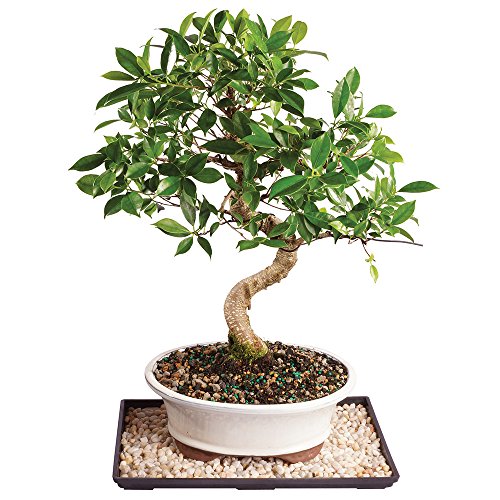
Bonsai trees are miniature trees grown in containers through the art of bonsai.
This practice originated in China and later spread to Japan, where it became widely popular.
Bonsai trees are grown for their aesthetic value and require specialized care to maintain their small size and unique shapes.
These trees are not just ordinary plants but are a beautiful art form that requires patience and dedication to master.
Importance of Sunlight in Plant Growth:
Sunlight is essential for the growth and development of plants, including bonsai trees.
The process of photosynthesis, where plants convert sunlight into energy, is critical for their survival.
Sunlight also influences plant growth and development, including leaf size, stem length, and flowering.
Bonsai trees require sunlight to thrive and maintain their unique shapes and characteristics.
The Role of Sunlight in Bonsai Trees Growth
Have you ever wondered why sunlight is so crucial for plants’ growth, including bonsai trees?
The answer is simple: sunlight is vital for photosynthesis, providing the energy and nutrients necessary for plant growth.
Bonsai trees are no exception, and their unique growth patterns make adequate sunlight even more important.
In this section, we’ll delve deeper into the role of sunlight in bonsai tree growth and how it affects their overall health and vitality.
So, let’s shed some light on the subject!
Photosynthesis in Bonsai Trees:
Photosynthesis is the process by which plants convert sunlight into energy, which is vital for their survival.
Bonsai trees require sunlight to carry out photosynthesis and produce energy for growth and development.
Without adequate sunlight, bonsai trees can become weak and vulnerable to disease, leading to stunted growth or even death.
The Importance of Sunlight in Bonsai Trees Health:
Sunlight is not just essential for photosynthesis; it also plays a critical role in maintaining the health of bonsai trees.
Sunlight helps to regulate plant growth, including the development of leaves, stems, and roots.
It also helps to enhance the color and vibrancy of foliage, making your bonsai tree look healthier and more beautiful.
Factors that Influence Bonsai Trees’ Sunlight Requirements:
The amount of sunlight required by bonsai trees can vary depending on several factors, including the type of tree, the season, and the climate.
Some bonsai trees require more sunlight than others, while some prefer indirect sunlight.
It’s essential to understand your bonsai tree’s specific sunlight requirements to ensure it receives the right amount of sunlight for optimal growth and health.
Other factors, such as the placement of your bonsai tree and the use of artificial light sources, can also impact its sunlight needs.
By considering these factors, you can provide your bonsai tree with the right amount of sunlight it needs to thrive.
Types of Bonsai Trees Require Different Amounts of Sunlight
Did you know that different types of bonsai trees have unique sunlight requirements? That’s right!
Some bonsai trees require more sunlight than others, while some prefer shade or indirect sunlight.
Understanding your bonsai tree’s specific sunlight needs is essential for its growth and overall health.
In this section, we’ll explore some of the most popular bonsai tree types and their sunlight requirements.
By the end of this section, you’ll have a better understanding of how to care for your bonsai tree based on its specific type and sunlight needs.
So, let’s take a closer look!
Sun-Loving Bonsai Trees:
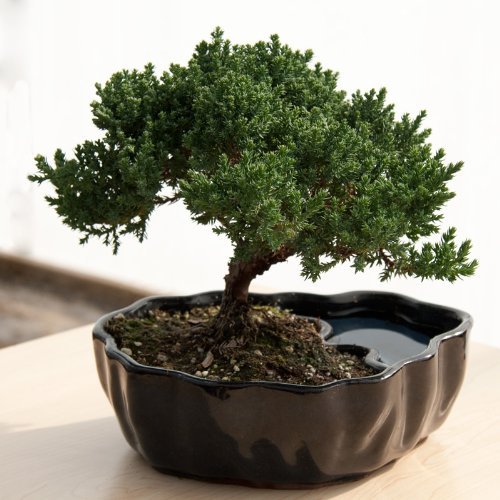
Some bonsai trees, such as the Juniper and Pine, are sun-loving plants that require at least six hours of direct sunlight per day.
These trees thrive in full sunlight and require ample light to maintain their health and vigor.
Sun-loving bonsai trees need to be placed in an area where they can receive sufficient sunlight, ideally facing south or west.
Shade-Tolerant Bonsai Trees:
Not all bonsai trees require direct sunlight to grow and thrive.
Some species, such as the Chinese Elm and Japanese Maple, are shade-tolerant and can grow well in areas with indirect sunlight.
These trees prefer shade and can become stressed or damaged if exposed to direct sunlight for extended periods.
If you have a shade-tolerant bonsai tree, make sure to place it in a spot where it can receive indirect sunlight or dappled shade.
Partial Sunlight Loving Bonsai Trees:
Some bonsai trees, such as the Azalea and Satsuki, prefer partial sunlight, meaning they need a balance of sunlight and shade to grow and thrive.
These trees require at least four hours of direct sunlight per day and should be placed in an area where they can receive a mix of sunlight and shade throughout the day.
Partial sunlight-loving bonsai trees are more sensitive to changes in light and require careful monitoring to ensure they receive the right amount of sunlight.
How to Provide Adequate Sunlight for Bonsai Trees

Now that we know how important sunlight is for the growth and health of bonsai trees and the different sunlight requirements of various bonsai tree types, let’s talk about how to provide adequate sunlight for your bonsai tree.
In this section, we’ll explore various ways to ensure your bonsai tree receives the right amount of sunlight, from choosing the right spot to using artificial light sources.
By the end of this section, you’ll have a better understanding of how to provide your bonsai tree with the best possible sunlight conditions for its growth and health.
Indoor Bonsai Trees: Natural and Artificial Light
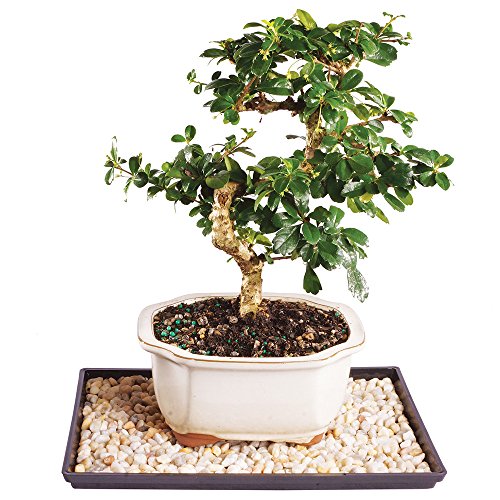
Indoor bonsai trees require a bit more attention when it comes to sunlight, as they are not exposed to natural sunlight for as long as outdoor trees.
Placing your indoor bonsai tree near a window that receives ample sunlight is ideal, but if that is not an option, you can use artificial light sources to supplement the light.
LED grow lights or fluorescent bulbs are both great options for providing adequate light to your indoor bonsai tree.
Best Indoor Locations for Bonsai Trees
Finding the right location is one of the easiest ways to improve bonsai health indoors. Most indoor bonsai thrive when placed close to a bright window where they receive consistent light throughout the day.
South-facing windows typically provide the strongest light, while east-facing windows offer gentle morning sun that many species appreciate. West-facing windows can also work well if temperatures remain moderate.
Avoid placing bonsai trees deep inside rooms, on shelves far from windows, or near heating vents and air conditioners. These locations often provide insufficient light and create temperature fluctuations that stress the tree.
If natural light is limited, a quality LED grow light positioned above the canopy can help maintain healthy growth year-round.
Outdoor Bonsai Trees: Placement and Protection
When it comes to outdoor bonsai trees, placement is key. It’s important to choose a location that receives the right amount of sunlight for your specific bonsai tree type, as we discussed in the previous section.
Additionally, it’s important to protect your bonsai tree from extreme weather conditions, such as strong winds or frost, which can damage or kill your tree.
Placing your bonsai tree near a fence or wall can help protect it from the wind, while covering it with a cloth or plastic sheet can help protect it from frost.
Importance of Balance in Sunlight Exposure for Bonsai Trees
While sunlight is crucial for the growth and health of bonsai trees, it’s important to maintain a balance in their sunlight exposure.
Too much direct sunlight can damage or stress your bonsai tree, while too little sunlight can stunt its growth and lead to poor health.
Finding the right balance for your specific bonsai tree type is essential for its overall well-being.
Remember to monitor your bonsai tree’s sunlight exposure regularly and adjust its placement or protection as needed.
Signs of Sun Damage in Bonsai Trees

While sunlight is essential for the growth and health of bonsai trees, too much of a good thing can have negative consequences.
Bonsai trees that are exposed to excessive sunlight can suffer from sun damage, which can stunt their growth, discolor their leaves, and even kill them.
In this section, we’ll discuss the signs of sun damage in bonsai trees, so you can recognize them early and take action to protect your tree.
So, if you’re worried that your bonsai tree may be suffering from too much sun exposure, keep reading to learn how to identify the signs of sun damage.
Leaf Burn
Leaf burn is one of the most common signs of sun damage in bonsai trees.
It occurs when the tree is exposed to excessive sunlight, causing the leaves to turn brown and wither.
This can happen even if the tree is receiving enough water, so it’s important to monitor your bonsai tree’s sunlight exposure regularly to avoid leaf burn.
Drying of Leaves and Twigs
Another sign of sun damage in bonsai trees is the drying of leaves and twigs.
This happens when the tree is exposed to excessive sunlight and becomes dehydrated.
In severe cases, the leaves and twigs may turn brittle and break off, leading to further damage or death of the tree.
Stunted Growth
If your bonsai tree is not growing as quickly or as healthily as it should be, it may be suffering from too much sun exposure.
Bonsai trees that are exposed to excessive sunlight can become stressed and struggle to grow properly, leading to stunted growth and an overall unhealthy appearance.
This is counterintuitive for many growers. We assume more light is better but just like when applying fertilizer less is more.
Every plant has a sweet spot where it is happiest. As a bonsai grower, your job is to find it.
Leaf Loss
Lastly, excessive sunlight exposure can also lead to leaf loss in bonsai trees.
This happens when the tree is unable to absorb enough water to keep the leaves healthy and hydrated.
As a result, the leaves may start falling off, further stressing the tree and potentially leading to its death.
Overall, it’s important to monitor your bonsai tree’s sunlight exposure regularly and take action if you notice any of these signs of sun damage.
By providing the right amount of sunlight and protection, you can help your bonsai tree thrive and grow into a beautiful, healthy plant.
Common Bonsai Light Problems and Solutions
Bonsai Tree Becoming Leggy
Long, stretched growth usually indicates insufficient light. Move the tree closer to a brighter window or supplement with a grow light to encourage compact growth.
Leaves Turning Pale
Pale foliage may result from inadequate sunlight or nutrient deficiencies. Evaluate lighting conditions first, especially during winter months when indoor light levels drop significantly.
Leaves Scorching or Browning
Brown patches, crispy leaf edges, or scorched foliage often indicate excessive direct sunlight, particularly on shade-tolerant species. Gradually move the tree to a location with filtered light.
Slow Growth
A bonsai that appears healthy but grows very slowly may simply not be receiving enough light. Increasing light exposure often improves vigor and leaf production.
Do Bonsai Trees Need Light FAQs
Bonsai trees are miniature marvels that bring the beauty and serenity of nature into your home.
They can be surprisingly easy to care for, but they have specific needs, especially if you’re planning on keeping them indoors.
It’s essential to understand their sunlight, water, and placement requirements.
Do Bonsai Trees Need Sun FAQs
Can bonsai trees survive indoors?
Yes. Many tropical species such as Ficus, Fukien Tea, and Hawaiian Umbrella trees adapt well to indoor growing when provided with bright light and proper care.
How many hours of sunlight does a bonsai tree need?
Most bonsai trees need at least 4 to 6 hours of bright light daily. Outdoor species often perform best with even more sunlight.
Can I use grow lights for bonsai trees?
Yes. LED grow lights are an excellent option when natural sunlight is limited. They are especially useful during winter or in apartments with few bright windows.
What happens if a bonsai tree does not get enough light?
Insufficient light can cause weak growth, larger leaves, pale foliage, reduced vigor, and increased susceptibility to pests and disease.
Do outdoor bonsai trees need direct sun?
Many outdoor bonsai species such as Juniper and Pine prefer several hours of direct sunlight daily. However, some species appreciate protection from intense afternoon heat in very warm climates.
Do Bonsai Trees Need Sun? Final Thoughts

The answer is simple: bonsai trees need sunlight to thrive. Whether you grow an indoor Ficus or an outdoor Juniper, providing the right amount of light is one of the most important factors in keeping your tree healthy.
The ideal amount of sunlight varies by species, but all bonsai rely on light to fuel growth, maintain healthy foliage, and support long-term vigor. By learning your tree’s specific needs and adjusting placement as necessary, you can create conditions that help it flourish for years to come.
A well-lit bonsai is typically a healthier bonsai, making sunlight one of the most valuable tools in your bonsai care routine.