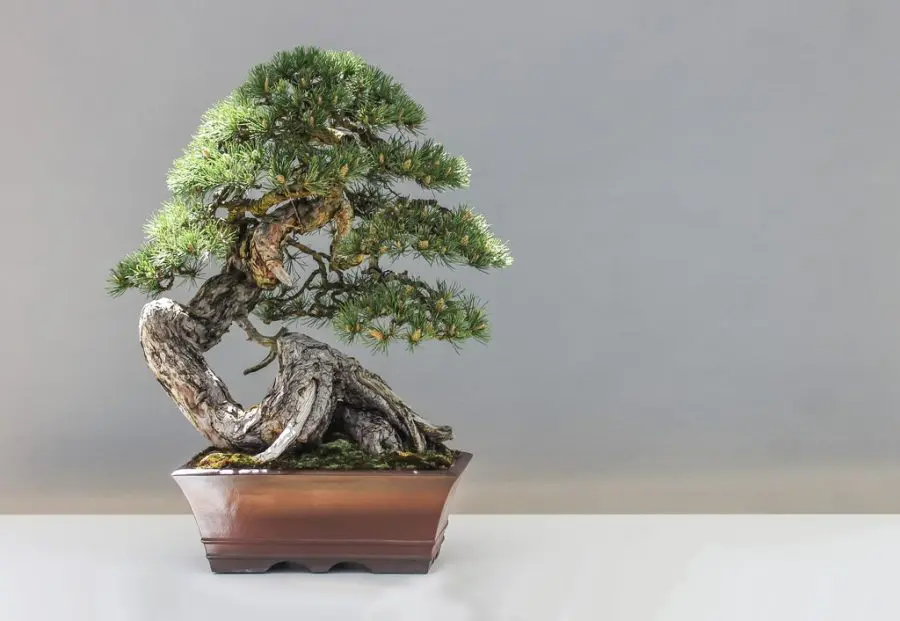
How do bonsai trees stay small? Contrary to what many people think, bonsai are not special dwarf trees. Most bonsai are ordinary tree species that are carefully trained and maintained to remain miniature through pruning, root management, container selection, and controlled growth techniques.
The goal of bonsai is to create the appearance of a mature tree in a compact form. With proper care, a bonsai can remain small for decades while still developing the character and beauty of a much larger tree.
In this guide, you’ll learn the primary techniques bonsai growers use to control size and how these methods work together to create healthy miniature trees.
What You’ll Learn
- Why bonsai trees do not naturally stay small
- How pruning controls branch and root growth
- Why bonsai pots help limit tree size
- How watering and fertilizing affect growth rates
- Training techniques used to shape bonsai trees
- Common mistakes that cause bonsai to outgrow their design
Quick Answer: How Do Bonsai Trees Stay Small?
Bonsai trees stay small through a combination of regular pruning, root trimming, limited growing space, controlled fertilization, and careful training. These techniques slow growth while maintaining the appearance of a mature tree. Without ongoing maintenance, many bonsai species would eventually grow into full-sized trees.
How Do Bonsai Trees Stay Small?

Welcome to my blog post all about the wonderful world of bonsai trees.
If you’re like me, you may have always been fascinated by these tiny, perfectly formed trees.
But have you ever wondered how they stay so small?
In this post, we’ll explore the factors that influence bonsai tree size and how pruning, training, and container selection can help keep them miniature.
So, grab a cup of Joe, and let’s dive in!
Brief history and definition of bonsai trees
Bonsai trees have been around for thousands of years and originated in China before spreading to Japan, where the practice of cultivating miniature trees truly blossomed.
Bonsai trees are created by growing and training small trees in containers, carefully pruning and shaping them to maintain their miniature size and unique aesthetic.
The word “bonsai” itself means “planted in a container” in Japanese.
Understanding how do bonsai trees stay small
Understanding how bonsai trees stay small is essential for anyone interested in growing and maintaining these miniature marvels.
Without proper size control techniques, bonsai trees can quickly outgrow their containers and lose their unique shape and character.
By learning about the factors that influence bonsai tree size, you can create and maintain beautiful, healthy trees that will bring joy and beauty to your home or garden for years to come.
Factors that Influence Bonsai Tree Size
Now that we’ve covered the basics of bonsai trees, let’s dive into the factors that influence their size.
From genetics to nutrition to container size, there are many variables at play that determine how big or small a bonsai tree will ultimately grow.
Understanding these factors is key to successfully cultivating and maintaining bonsai trees that are both healthy and aesthetically pleasing.
So, grab your gardening gloves, and let’s explore the fascinating world of bonsai tree size control!
Genetics of the tree species
The species of tree that you choose for your bonsai can have a significant impact on its ultimate size.
Some species naturally grow more slowly and stay smaller, making them ideal for bonsai cultivation.
Others, like fast-growing trees, may be more difficult to keep small and may require more frequent pruning and training.
Age of the tree
The age of the tree you start with can also affect its size. Generally, older trees have thicker trunks and larger branches, making them harder to keep small.
Starting with a younger tree can give you more control over its growth and make it easier to maintain a miniature size.
Nutrition and water intake
Providing your bonsai tree with the right nutrients and water is essential for keeping it healthy and promoting steady growth.
However, overfeeding or overwatering can cause the tree to grow too quickly, making it difficult to maintain a small size. Finding the right balance is key.
Container size and shape
The size and shape of the container you choose for your bonsai tree can also influence its size.
A larger container may allow the tree to grow larger, while a smaller container can help keep it small.
The shape of the container can also affect the tree’s growth pattern and overall shape.
Pruning and training techniques
Perhaps the most important factor in bonsai tree size control is pruning and training.
By carefully trimming the tree’s branches and roots, you can keep it small and encourage it to grow in the desired shape.
Different pruning and training techniques can be used depending on the species of tree and the desired final form of the bonsai.
The Role of Pruning in Bonsai Tree Size Control

When it comes to controlling the size of your bonsai tree, pruning is one of the most important techniques at your disposal.
Pruning involves carefully trimming back branches and foliage to maintain the desired size and shape of the tree.
While it may seem counterintuitive to cut back parts of the tree, pruning is essential for promoting healthy growth and maintaining a miniature size.
In this section, we’ll explore the different types of pruning techniques used in bonsai cultivation and how they can help you keep your tree small and beautiful.
Different types of pruning and their effects on the size
There are several different types of pruning that can be used in bonsai cultivation, each with its own effect on the tree’s size and growth pattern.
Thinning out branches, for example, can help promote a more open, airy shape, while pinching back new growth can encourage the tree to stay small and compact.
Timing and frequency of pruning for size control
Knowing when and how often to prune your bonsai tree is key to keeping it small and healthy.
The timing and frequency of pruning can vary depending on the species of tree, the time of year, and the desired final form of the bonsai.
Generally, pruning should be done in the spring and fall and should be done selectively and gradually over time to avoid shocking the tree.
How to prune branches and roots for size control
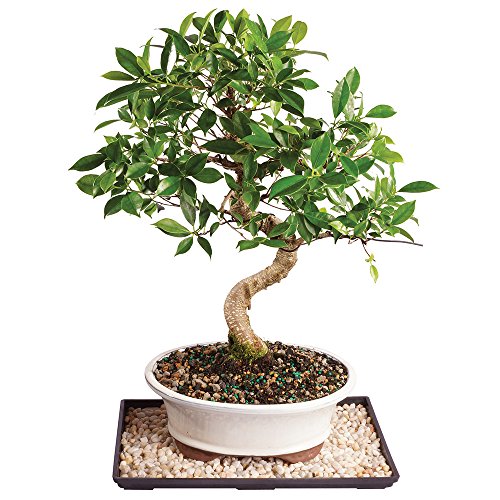
Pruning branches and roots is an art in itself and require careful attention to detail and a steady hand.
When pruning branches, it’s important to make clean cuts at the appropriate angle to avoid damaging the tree.
Root pruning can also be done to keep the tree small and healthy, but should be done sparingly and only when necessary to avoid stressing the tree.
With a little practice and patience, you can master the art of pruning and keep your bonsai tree perfectly small and beautiful.
Techniques for Bonsai Tree Training and Size Control
In addition to pruning, there are a variety of other techniques that can be used to train and control the size of your bonsai tree.
These techniques involve shaping the tree through careful wiring, bending, and tying to create the desired form and keep the tree small and compact.
In this section, we’ll explore some of the most common training techniques used in bonsai cultivation and how they can be used to keep your tree perfectly miniature.
Wiring techniques for shaping and controlling the growth
Wiring is a technique used in bonsai cultivation to shape the tree by wrapping copper wire around the branches and trunk.
The wire is carefully tightened to bend the branches into the desired position and is removed once the tree has set into its new shape.
Wiring can be used to control the size and form of the tree, as well as to promote a more balanced and harmonious overall structure.
Pinching and bud selection for size control
Pinching involves removing the new buds and shoots that appear on the tree to encourage smaller growth and a more compact form.
By carefully selecting which buds to remove, you can direct the growth of the tree and keep it small and beautifully shaped.
Defoliation for size control
Defoliation is a technique used to reduce the size of the tree’s leaves and encourage smaller growth.
By carefully removing the leaves from the tree at certain times of year, you can promote a more miniature form and maintain the overall health and beauty of the tree.
Other training techniques for size control
In addition to wiring, pinching, and defoliation, there are a variety of other training techniques used in bonsai cultivation to control the size and shape of the tree.
These include techniques like tilting, in which the tree is tilted to one side to create a more dynamic form, and jinning, which involves stripping the bark from the tree to create a more weathered and natural appearance.
With these techniques and a little patience and practice, you can keep your bonsai tree perfectly small and beautiful for years to come.
Container Selection and Size for Bonsai Trees

Choosing the right container is an essential part of bonsai cultivation, as it can play a significant role in the size and overall health of your tree.
In this section, we’ll explore the factors that influence container selection and size, as well as the importance of choosing a container that is appropriately sized for your tree.
We’ll also discuss the different types of containers available and the pros and cons of each, so you can make an informed decision when it comes to selecting the perfect pot for your bonsai tree.
Factors to consider when selecting a container
When selecting a container for your bonsai tree, there are several factors to consider, including the style of the tree, the size and shape of the trunk, and the overall health and growth habits of the tree.
It’s also important to consider the materials used to make the container, as well as the drainage and watering needs of the tree.
How container size affects bonsai tree size
The size of the container you choose can have a significant impact on the size and overall health of your bonsai tree.
A container that is too small can limit the tree’s growth and lead to root bound, while a container that is too large can lead to overgrowth and poor health.
It’s essential to choose a container that is appropriately sized for your tree to ensure optimal growth and health.
How to choose the right size container for a bonsai tree
Choosing the right size container for your bonsai tree requires careful consideration of the tree’s size and growth habits, as well as the type of pot and its drainage and watering needs.
As a general rule, the container should be slightly larger than the tree’s root ball and should allow for adequate drainage and airflow.
It’s also important to consider the aesthetics of the container, as it can play a significant role in the overall beauty and harmony of the bonsai tree.
By selecting the right size and style of container, you can ensure the long-term health and beauty of your bonsai tree.
Common Bonsai Size Control Mistakes
Using Oversized Pots
Large containers encourage vigorous root growth and can quickly increase the size of a bonsai. Choosing an appropriately sized pot helps maintain scale and balance.
Skipping Regular Pruning
Allowing branches to grow unchecked can quickly change the shape and proportions of a bonsai. Consistent pruning is one of the most important size-control tools.
Overfertilizing
Too much fertilizer can lead to rapid growth, larger leaves, and longer internodes. Bonsai growers often use a balanced feeding schedule to encourage healthy but controlled growth.
Ignoring Root Maintenance
Root pruning is just as important as branch pruning. Without periodic root work, the tree can become root-bound and lose vigor or begin growing beyond its intended proportions.
Best Bonsai Species for Small Spaces
Some tree species are naturally better suited to bonsai cultivation because they respond well to pruning and develop attractive miniature features.
- Ficus – Excellent indoor bonsai with strong pruning tolerance.
- Chinese Elm – Popular for beginners and adapts well to training.
- Juniper – One of the most recognizable outdoor bonsai species.
- Japanese Maple – Valued for beautiful seasonal color and fine branching.
- Fukien Tea – A compact tropical bonsai often grown indoors.
Choosing a species that naturally develops small leaves and responds well to pruning can make size control much easier over the long term.
How Do Bonsai Trees Stay Small FAQs
Are bonsai trees genetically small?
No. Most bonsai trees are normal tree species that are kept small through cultivation techniques rather than genetics.
Can a bonsai tree grow into a full-sized tree?
Yes. If planted in the ground and allowed to grow without regular pruning, many bonsai species can eventually reach their normal mature size.
Does root pruning keep bonsai trees small?
Yes. Root pruning limits growth, encourages fine feeder roots, and helps maintain the compact size expected in bonsai cultivation.
Why are bonsai planted in shallow pots?
Shallow containers help control root growth, maintain scale, and contribute to the overall visual design of the bonsai.
How often do bonsai trees need pruning?
The frequency depends on the species and growth rate. Fast-growing trees may need regular maintenance pruning throughout the growing season, while slower species require less frequent work.
How Do Bonsai Trees Stay Small? Final Thoughts

Bonsai trees stay small through a combination of skill, patience, and ongoing maintenance. Regular pruning, root management, controlled feeding, and careful container selection all work together to limit growth while preserving the appearance of a mature tree.
One of the most fascinating aspects of bonsai is that these miniature trees are not permanently small by nature. Their size is the result of thoughtful cultivation and years of consistent care.
Understanding these techniques will help you appreciate the artistry behind bonsai while giving you the knowledge needed to maintain your own miniature tree successfully.