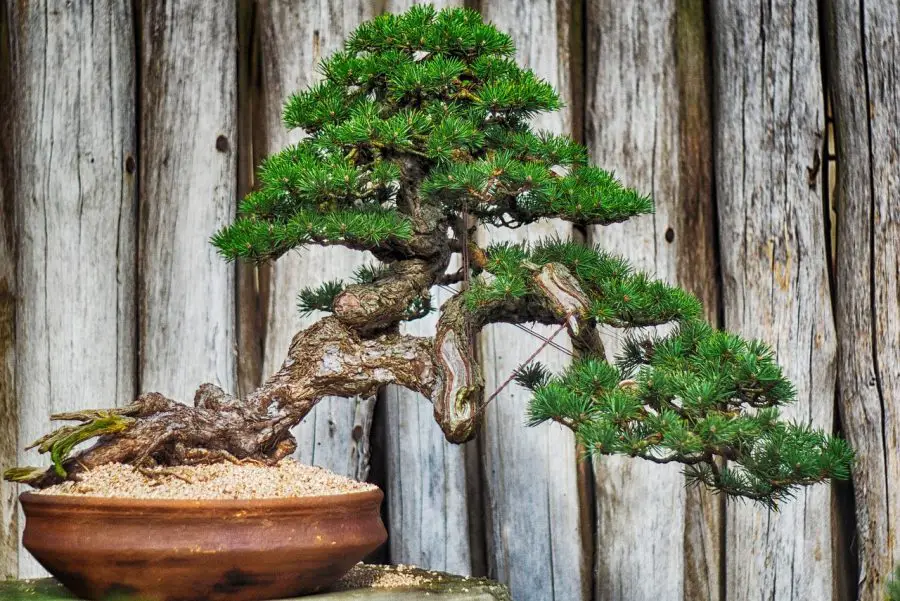
Choosing the Right Bonsai Tree is one of the most important decisions a beginner can make. The right tree will match your growing conditions, fit your lifestyle, and give you the best chance of success as you learn the basics of bonsai care.
Some bonsai species are far more forgiving than others. Trees such as Ficus, Jade, and Chinese Elm adapt well to beginner care routines, while other species require more specialized growing conditions and experience.
In this guide, you’ll learn how to choose a beginner-friendly bonsai tree, what factors to consider before buying, and which species are most likely to thrive in your home or growing space.
What You’ll Learn 🌳
- 🌱 Which bonsai trees are best for beginners
- 🏠 Which species grow best indoors
- 🌳 Which species prefer outdoor growing conditions
- ☀️ How light affects bonsai selection
- 💧 Watering and maintenance differences
- 🪴 Essential tools and supplies to get started
- ✅ Common beginner mistakes to avoid
Quick Answer: What Is the Best Bonsai Tree for Beginners?
Ficus, Jade, and Chinese Elm are among the best bonsai trees for beginners because they are adaptable, relatively forgiving, and widely available. The best choice depends on whether you plan to grow your bonsai indoors or outdoors and how much time you can dedicate to care.
Matching the tree to your growing conditions is often more important than choosing a specific species.
Choosing the Right Bonsai Tree for Beginners – A Comprehensive Guide
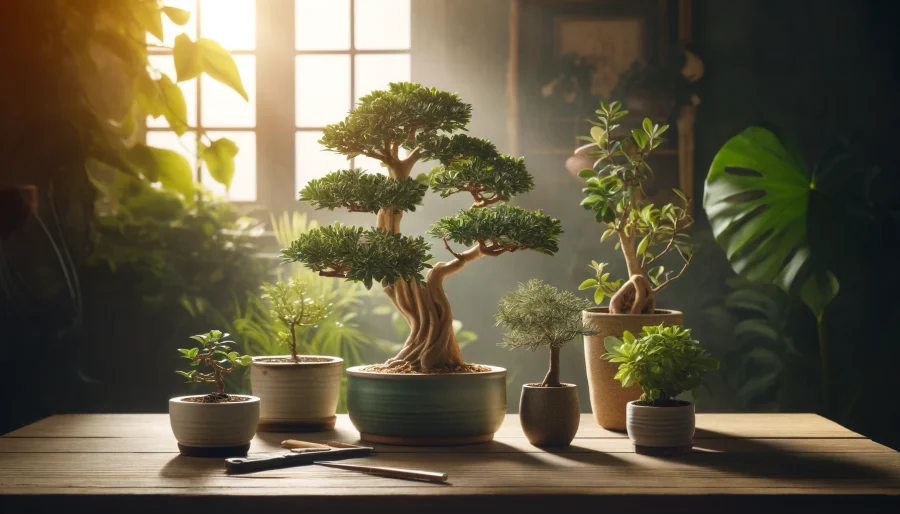
As a beginner, you might be wondering how to pick the perfect little tree to brighten up your space and bring a touch of nature indoors.
With our comprehensive guide to choosing the right bonsai tree for beginners, focusing specifically on indoor varieties and the top indoor bonsai species for beginners.
A Quick Stroll Through Bonsai History
With its roots (pun intended) in ancient China, bonsai was later refined by the Japanese into the delicate and intricate practice we know today.
The word “bonsai” itself comes from the Japanese words “bon,” meaning tray or pot, and “sai,” meaning tree or plant.
It’s all about creating a miniaturized, yet realistic representation of nature in a small container.
For centuries, bonsai has been a beloved art form that not only cultivates our green thumbs but also nurtures our minds, offering a sense of tranquility and a deeper connection to nature.
Why Picking the Right Tree Matters for Newbies
Choosing the right bonsai tree for beginners is a crucial step in setting yourself up for success.
Picking a tree that’s well-suited to indoor life and has beginner-friendly care requirements will make your journey into bonsai a whole lot smoother (and greener!).
After all, there’s nothing worse than falling in love with your tiny tree, only to watch it wither away because it wasn’t the right fit for your environment or skill level.
Choosing A Bonsai Tree: Factors to Consider
By understanding your environment, care capabilities, and other essential aspects, you’ll be well on your way to selecting a bonsai tree that will thrive in your cozy indoor space.
Indoor vs. Outdoor Bonsai Trees:
When it comes to bonsai, there are trees that thrive outdoors and others that are more suited to life indoors.
While outdoor bonsai trees often need the changing seasons and specific climate conditions to flourish, indoor bonsai varieties are better adapted to the stable environment of your home.
As we’re focusing on indoor bonsai trees, we’ll be considering species that can handle the more controlled conditions of your living space.
Temperature and Humidity Requirements:
Different tree species have unique temperature and humidity preferences.
Indoor bonsai trees typically do well in average room temperatures, but it’s crucial to ensure your chosen tree can handle your home’s specific conditions.
Additionally, some indoor bonsai trees may require extra humidity, which can be provided by using a humidity tray or a room humidifier.
Watering and Feeding:
Proper watering and feeding are essential for your bonsai’s survival.
Each tree species has specific needs, so it’s essential to learn about the water and nutrient requirements of your chosen tree.
Overwatering or underwatering can lead to an unhappy, unhealthy tree – and nobody wants that!
Pruning and Shaping:
One of the most enjoyable aspects of bonsai is shaping your tree into a miniature masterpiece.
But it’s essential to understand the best pruning and shaping techniques for your particular tree species.
A little research goes a long way in ensuring you’re providing the care your tree needs to grow and flourish.
Pest Control:
Even indoor bonsai trees can encounter pesky pests. Knowing how to identify and treat common issues will help you maintain your tree’s health and keep it looking its best.
Most indoor bonsai trees are fairly resistant to pests, and with proper care, you can keep them at bay.
The Role of Patience in Bonsai Cultivation:
Bonsai is an art that requires patience, as these tiny trees often grow at a leisurely pace.
Embrace the slow growth and enjoy the journey as your bonsai tree gradually takes shape and develops its unique character.
Space Considerations:
Since we’re dealing with indoor bonsai trees, space is an important factor to consider.
Be mindful of the mature size of the tree species you choose, ensuring you have enough room to accommodate its growth while maintaining the aesthetic and balance of your living space.
Finding Bonsai Trees and Supplies:
Local nurseries, garden centers, and online retailers offer a variety of bonsai trees and supplies.
Don’t be shy to ask for recommendations or advice from experienced bonsai enthusiasts.
They’ll be more than happy to share their knowledge and help you find the perfect tree for your indoor oasis.
Budget Considerations:
Bonsai trees come in a range of prices, from affordable starter trees to more expensive, mature specimens.
Be sure to consider your budget when selecting a tree, and don’t forget to factor in the costs of tools, pots, soil, and other supplies necessary for proper bonsai care.
Remember, the joy of bonsai is in the journey, and you can always upgrade to a more expensive tree as your skills grow!
Best Indoor Locations for Bonsai Trees
Location can make the difference between a thriving bonsai and a struggling one. Before choosing a species, consider where the tree will live.
Bright South-Facing Windows
Most indoor bonsai perform best near a bright south-facing window where they can receive several hours of strong light.
East-Facing Windows
Morning sunlight is ideal for many beginner-friendly species and helps reduce stress from intense afternoon heat.
Grow Light Shelves
Supplemental lighting allows you to grow bonsai successfully even when natural light is limited.
Avoid Dark Rooms
Low-light locations are one of the most common reasons indoor bonsai decline over time.
Beginner Bonsai Tree Comparison
| Species | Indoor | Outdoor | Difficulty |
|---|---|---|---|
| Ficus | ✅ | Limited | Easy |
| Jade | ✅ | Seasonally | Easy |
| Chinese Elm | ✅ | ✅ | Easy |
| Juniper | ❌ | ✅ | Moderate |
Recommended Bonsai Species For Beginners
So, you’ve got a good grasp on the factors to consider when choosing your first bonsai tree and now it’s time for the fun part!
Let’s dive into some awesome indoor bonsai species that are perfect for beginners like you.
These little beauties are not only stunning to look at, but they’re also relatively low-maintenance, making them an ideal choice for those just starting their bonsai journey.
Get ready to explore a world of miniature foliage and find your perfect indoor bonsai companion!
Juniper (Juniperus) – The Outdoor Bonsai Star

1. Characteristics and Care
Juniper bonsai trees are known for their beautiful, needle-like foliage and versatility in shaping. They come in various species, each with its unique charm. However, junipers are primarily outdoor trees, as they require a period of dormancy during winter and thrive in sunlight.
2. Ideal for Outdoor Cultivation
Although junipers are stunning bonsai trees, they’re better suited for outdoor cultivation. If you’re ever in the market for an outdoor bonsai, keep junipers in mind!
Ficus (Ficus) – The Indoor Bonsai Champ

1. Characteristics and Care
Ficus trees make fantastic indoor bonsai, thanks to their resilience and adaptability. They’re known for their attractive, glossy leaves and aerial roots, which give them a unique appearance. Ficus trees prefer bright, indirect light and consistent watering, allowing the soil to dry slightly between waterings.
2. Great Indoor Option
With a variety of species available and their adaptability to indoor conditions, Ficus trees are an excellent choice for bonsai beginners looking to grow a tree indoors.
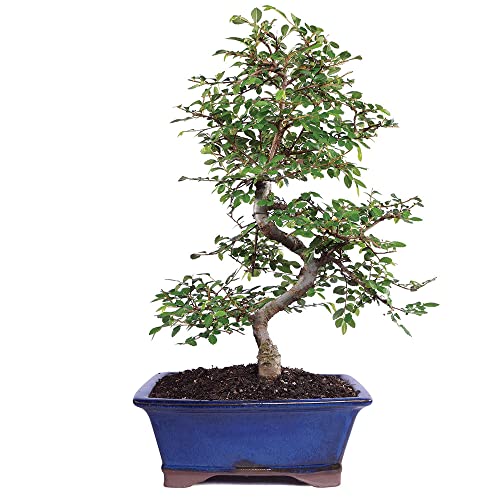
Chinese Elm (Ulmus parvifolia) – The Adaptable All-Rounder
1. Characteristics and Care
Chinese Elm bonsai trees are a popular choice for their delicate, serrated leaves and interesting bark texture. They’re known for their adaptability and can tolerate both indoor and outdoor environments. Chinese Elms prefer bright light and require regular watering, ensuring the soil remains moist but not waterlogged.
2. Adaptable to Indoor and Outdoor Environments
Chinese Elms are a great option for beginners, as they can thrive both indoors and outdoors, making them a versatile addition to your bonsai collection.
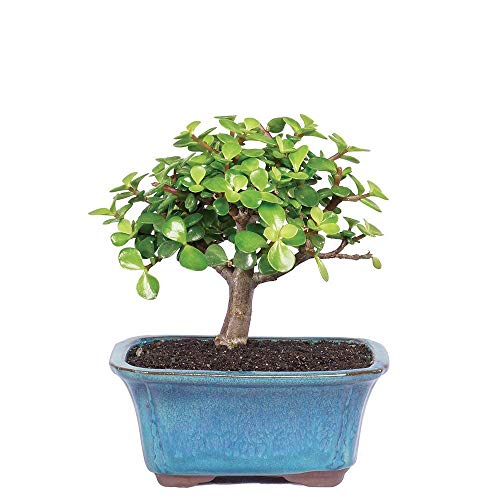
Jade Plant (Crassula ovata) – The Easygoing Succulent
1. Characteristics and Care
Jade plants are succulents that make for unique, low-maintenance indoor bonsai trees. With their thick, fleshy leaves and trunk, they store water, reducing the need for frequent watering. Jade plants prefer bright light and should be watered sparingly, allowing the soil to dry out completely before watering again.
2. Low-Maintenance Indoor Option
If you’re looking for a beginner-friendly indoor bonsai that doesn’t require a ton of attention, the Jade plant is an excellent choice. Its easygoing nature and charming appearance make it a favorite among bonsai enthusiasts.
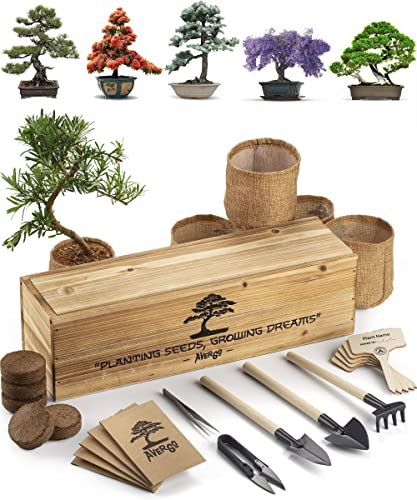
Essential tools and supplies for bonsai beginners
Now that you’ve got the scoop on some fantastic beginner-friendly bonsai species, it’s time to gear up!
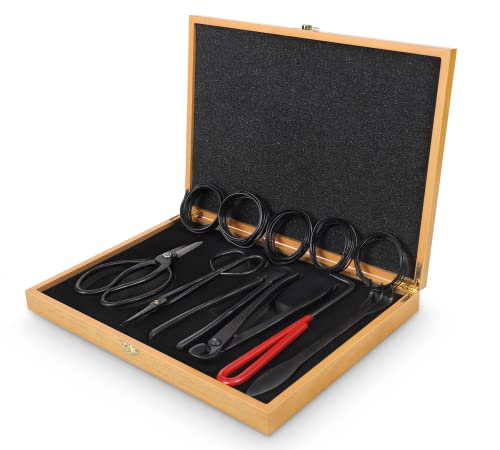
As a bonsai newbie, you might be wondering what tools and supplies you’ll need to help your tiny tree thrive.
From handy trimming tools to the perfect soil mix, we’ll make sure you’re well-equipped to embark on your exciting bonsai journey!
Bonsai Pots – The Stylish Foundation
Bonsai pots are a crucial component of the bonsai experience, as they not only serve as your tree’s home but also contribute to the overall aesthetics of your miniature creation.
When selecting a pot, consider the size and style that best complements your tree, while also ensuring proper drainage and aeration.
Soil and Fertilizers – Nourishment for Your Tiny Tree
A well-balanced soil mix and appropriate fertilizers are essential for your bonsai’s health. Opt for a soil mix specifically designed for bonsai trees, as it will provide the right balance of water retention, drainage, and aeration.
Fertilizers should be applied regularly, but be sure to follow the recommended guidelines for your specific tree species.
Pruning and Shaping Tools – Crafting Your Masterpiece
To shape and maintain your bonsai, you’ll need a few essential tools, such as bonsai shears for trimming foliage, concave cutters for removing branches, and a small wire cutter for shaping.
Investing in good-quality tools will make your bonsai care routine smoother and more enjoyable.
Watering Equipment – Quenching Your Bonsai’s Thirst
Watering your bonsai tree correctly is crucial for its survival.
Equip yourself with a watering can with a fine nozzle or a gentle hose attachment to ensure that the water reaches the roots without disturbing the soil.
For trees that require extra humidity, a humidity tray or a room humidifier can also be useful.
Bonsai Books and Resources – Knowledge Is Power

As a bonsai beginner, it’s essential to keep learning and expanding your knowledge about this fascinating art form.
Invest in a few bonsai books or subscribe to online resources and forums to get tips, advice, and inspiration from fellow bonsai enthusiasts.
The more you learn, the more confident and skilled you’ll become in nurturing and shaping your beautiful bonsai tree.
Tips for successful bonsai cultivation
Here we’ll provide some handy tips to ensure your bonsai cultivation journey is a smashing success.
From creating the right environment to learning from fellow enthusiasts, these nuggets of wisdom will help you nurture and enjoy your tiny tree, watching it flourish under your loving care.
Joining Local Bonsai Clubs and Communities – Connect and Grow
Bonsai clubs and communities are a fantastic way to meet like-minded enthusiasts, exchange tips and tricks, and learn from others’ experiences.
These groups often organize events, workshops, and shows where you can gain valuable insights and expand your bonsai knowledge while making new friends along the way.
We recommend connecting with the American Bonsai Society to start your journey.
Attending Workshops and Classes – Boost Your Bonsai Skills
Workshops and classes focused on bonsai cultivation can help you level up your skills and understanding of this intricate art form.
Keep an eye out for local or online classes that cover topics such as pruning techniques, repotting, and pest control.
These sessions can provide hands-on learning experiences that will greatly benefit your bonsai journey.
Learning from Experienced Bonsai Enthusiasts – Tap into a Wealth of Knowledge
Don’t be shy to ask questions and seek advice from experienced bonsai enthusiasts.
They’ve likely encountered many of the challenges you’ll face and can offer valuable guidance to help you overcome hurdles and achieve success.
Their insights and expertise can be invaluable resources as you continue to grow and learn.
Patience and Perseverance in Bonsai Care – Embrace the Journey
Bonsai cultivation is an art that requires patience, perseverance, and a willingness to learn from both success and failure.
Embrace the slow, steady progress of your tree and enjoy the process of nurturing and shaping it.
Remember, the true beauty of bonsai lies in the journey of growth and transformation, both for your tree and for you as a bonsai artist.
Common Beginner Bonsai Mistakes
Choosing the Wrong Species
Many beginners accidentally buy outdoor bonsai such as Junipers and attempt to grow them indoors.
Underestimating Light Requirements
Most bonsai trees need far more light than people expect, especially indoors.
Overwatering
Watering on a schedule rather than checking soil moisture is one of the most common beginner mistakes.
Ignoring Species-Specific Needs
Different bonsai species have different requirements for light, watering, humidity, and temperature.
Choosing the Right Bonsai Tree FAQs
What is the easiest bonsai tree for beginners?
Ficus is often considered one of the easiest bonsai trees because it adapts well to indoor conditions and tolerates occasional mistakes.
Can I keep a Juniper bonsai indoors?
Junipers are outdoor bonsai trees and generally struggle when grown indoors long term.
What is the best indoor bonsai tree?
Ficus, Jade, and Chinese Elm are among the most popular indoor bonsai choices for beginners.
How much light does a bonsai tree need?
Most bonsai trees require bright light every day. Indoor bonsai often benefit from grow lights when natural light is limited.
Do bonsai trees require special soil?
Yes. Bonsai soil is designed to provide excellent drainage and aeration while supporting healthy root growth.
Choosing the Right Bonsai Tree Final Thoughts
Selecting the right bonsai tree is one of the best ways to set yourself up for success as a beginner. Choosing a species that matches your environment and experience level makes care easier and helps you build confidence as your skills grow.
Ficus, Jade, and Chinese Elm remain some of the most beginner-friendly choices because they are adaptable, attractive, and relatively forgiving.
Start with a tree that fits your growing conditions, learn its specific needs, and enjoy the rewarding process of growing your own miniature tree.