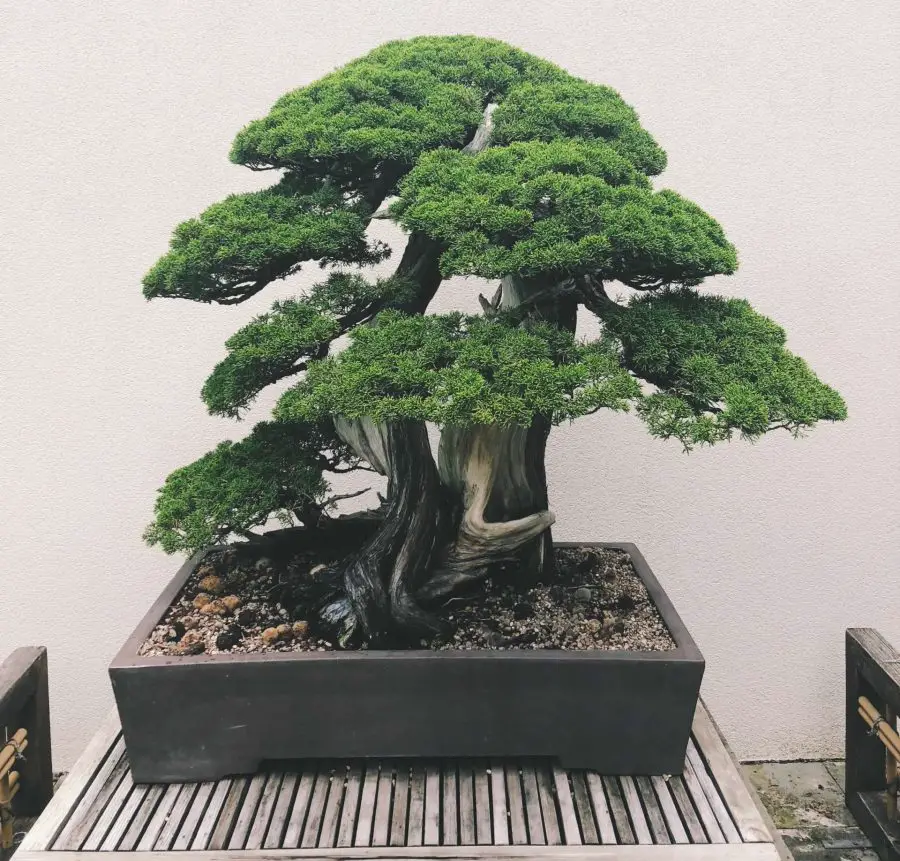
Bonsai Soil Basics are one of the most important parts of growing healthy bonsai trees. Unlike ordinary houseplants, bonsai rely on specialized soil mixes that balance water retention, drainage, aeration, and root development.
Three of the most common ingredients used in bonsai soil are Akadama, Pumice, and Lava Rock. Each plays a specific role in creating a growing medium that supports strong roots and long-term tree health.
In this guide, you’ll learn how these ingredients work together, how to create a bonsai soil mix, and how to choose the right blend for your bonsai species and growing conditions.
What You’ll Learn 🌳
- 🪴 Why bonsai trees need specialized soil
- 💧 The role of Akadama in moisture retention
- 🌋 How Pumice improves drainage and aeration
- 🪨 Why Lava Rock adds structure and stability
- 🌱 How to create a balanced bonsai soil mix
- ⚖️ Adjusting soil for different bonsai species
- 🚑 Common bonsai soil problems and solutions
Quick Answer: What Is the Best Soil for Bonsai Trees?
A balanced mix of Akadama, Pumice, and Lava Rock is one of the most commonly recommended bonsai soil blends. This combination provides water retention, drainage, aeration, and root support while helping prevent common issues such as root rot and soil compaction.
The ideal ratio depends on the bonsai species, local climate, and growing conditions, but many growers start with equal parts of all three ingredients.
An Introduction To Bonsai Soil Basics
You might be thinking, Soil? Really? How important can it be? Well, let us assure you, it’s a game-changer for your bonsai’s health and growth.
In this introduction, we’ll touch on why bonsai soil is so crucial and give you a sneak peek at the key components—Akadama, Pumice, and Lava Rock—that make all the difference.
By the end of this guide, you’ll have a solid understanding of the basics and be ready to give your beloved bonsai the foundation it deserves.
The Crucial Role of Bonsai Soil
Did you know that bonsai soil is more than just dirt? That’s right!
It plays a vital role in your miniature tree’s overall health and well-being.
Bonsai soil provides essential nutrients, ensures proper drainage, and helps support root growth.
By using the right mix of components, you’ll be creating a thriving environment for your bonsai to flourish.
Trust us, investing time in understanding bonsai soil will pay off big time!
Best Bonsai Soil Mixes for Common Trees
Different bonsai species often benefit from slightly different soil blends. Adjusting the ratio of Akadama, Pumice, and Lava Rock can help create better growing conditions for specific trees.
Juniper Bonsai
Junipers prefer excellent drainage, so many growers increase the amount of Pumice and Lava Rock while reducing Akadama.
Ficus Bonsai
Ficus trees appreciate slightly more moisture retention and often perform well with a balanced mix containing additional Akadama.
Japanese Maple Bonsai
Japanese Maples typically benefit from a mix that retains moisture while maintaining good drainage and aeration.
Tropical Bonsai
Many tropical species prefer soil that stays lightly moist while still allowing oxygen to reach the roots.
Meet the Soil Superstars: Akadama, Pumice, and Lava Rock

Now that you’re all pumped up about bonsai soil, let’s introduce you to the key players: Akadama, Pumice, and Lava Rock.
These three components are like the superhero team of bonsai soil, each bringing unique characteristics to the mix.
• Akadama offers excellent water retention and nutrient supply
• Pumice ensures proper drainage and aeration
• Lava Rock adds structure and stability to the mix
Together, they create well-balanced soil that promotes healthy bonsai growth.
Keep reading, and we’ll dive deeper into what makes each of these components so amazing!
The Role of Soil in Bonsai Health
Here we’ll explore the exciting role soil plays in your bonsai’s health!
We know exciting and soil might not seem like a natural pairing, but trust us understanding how soil affects your bonsai’s growth is a fascinating journey.
In this section, we’ll uncover the major functions of bonsai soil, like nutrient retention, drainage, aeration, and root development.
Nourishing Your Bonsai: Nutrient Retention
We all need a little nourishment to grow, and your bonsai is no exception!
Good bonsai soil does an excellent job of holding onto essential nutrients that keep your tree healthy and strong.
As you water your bonsai, the soil retains these nutrients and slowly releases them to the tree’s roots.
Just Breathe: Drainage and Aeration
No one likes soggy roots, especially not your bonsai!
Proper drainage and aeration are critical for maintaining a healthy root system.
When the soil drains well, it prevents excess water from pooling around the roots, reducing the risk of root rot.
Aeration, on the other hand, ensures your bonsai’s roots have access to much-needed oxygen.
By combining components like Pumice and Lava Rock, you’ll create a soil mix that strikes the perfect balance between drainage and aeration.
Rooting for Success: Development and Support
You might not see them, but your bonsai’s roots are hard at work below the surface, making sure your tree is anchored and stable.
A well-formulated soil mix promotes strong root growth and provides the support your bonsai needs to stand tall. Well at least as tall as a bonsai can be.
The right soil texture encourages roots to branch out and grow, creating a sturdy and healthy root system.
Key Components of Bonsai Soil
Ready for a deep dive into the fabulous world of bonsai soil components? We thought so!
So in this section, we’re going to take a closer look at the all-star lineup of Akadama, Pumice, and Lava Rock.
These three bonsai soil superheroes each bring something unique to the table, working together to create the perfect environment for your bonsai to flourish.
We’ll explore what makes each component so special and when to use them in your bonsai soil mix.
Akadama: The Bonsai Super-Clay

What is Akadama?
Meet Akadama, a unique type of Japanese clay that’s a popular choice for bonsai soil.
This naturally occurring, volcanic clay is prized for its excellent water retention and nutrient-holding capabilities.
Benefits of Akadama in bonsai soil
Akadama’s magic lies in its ability to hold onto water and nutrients while still providing a well-draining environment.
As it slowly breaks down, it releases nutrients for your bonsai to absorb, promoting healthy growth.
When to use Akadama
Akadama is suitable for most bonsai species but is especially beneficial for moisture-loving trees.
Keep in mind that it may break down faster in wetter climates, so consider mixing it with more stable components to maintain soil structure.
Pumice: The Lightweight Drainage Champion

What is Pumice?
Pumice is a lightweight, porous volcanic rock formed during explosive eruptions. Its unique texture makes it a fantastic addition to bonsai soil mixes.
Benefits of Pumice in bonsai soil
Pumice is a drainage and aeration superstar! Its porous structure allows excess water to drain away while still retaining some moisture.
Plus, it helps create air pockets in the soil, ensuring your bonsai’s roots have access to oxygen.
When to use Pumice
Pumice is a versatile component and can be used in most bonsai soil mixes.
It’s particularly helpful for species that prefer well-draining soil, and it can be combined with other components to create a custom blend.
Lava Rock: The Strong and Stable Soil Partner

What is Lava Rock?
Lava Rock, also known as volcanic rock or scoria, is formed when molten lava cools and solidifies.
It’s a popular choice for bonsai soil due to its durability and drainage properties.
Benefits of Lava Rock in bonsai soil
Lava Rock adds structure and stability to your soil mix. Its rough texture promotes root branching, and it helps maintain aeration and drainage.
Plus, it’s long-lasting, so your soil mix stays stable over time.
When to use Lava Rock
Lava Rock is a great addition to any bonsai soil mix, especially when you need a stable, long-lasting component.
It’s ideal for species that prefer well-draining soil or for those that require more frequent repotting.
Mix it with other ingredients to create a well-balanced, custom blend for your bonsai.
Creating the Ideal Bonsai Soil Mix
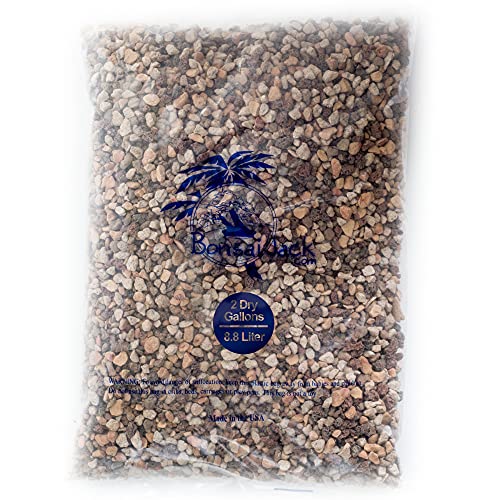
Alright, now that we’ve introduced you to the amazing world of Akadama, Pumice, and Lava Rock, it’s time to get creative!
In this section, we’ll guide you through the process of crafting the perfect bonsai soil mix for your beloved tree.
We’ll consider factors like bonsai species, climate, and pot size to help you fine-tune your soil blend.
By the end, you’ll be ready to mix up a custom soil recipe that meets your bonsai’s unique needs.
Factors to Consider: Tailoring Your Soil Mix
Bonsai Species: Know Your Tree
Different bonsai species have unique soil preferences, so it’s essential to research your tree’s specific needs.
Some may thrive in moisture-retentive soil, while others might prefer a well-draining mix.
Knowing your bonsai species will help you create a soil blend that encourages healthy growth.
Climate and Environment: Adapting to Your Location
Your local climate and environment play a significant role in determining the right soil mix.
In wetter climates, a well-draining mix is essential to prevent root rot, while arid regions might require more moisture retention.
Consider your surroundings when adjusting your bonsai soil blend.
Pot Size and Shape: Finding the Right Balance
The size and shape of your bonsai pot can also impact your soil mix.
Smaller pots may require a finer soil blend to prevent compaction, while larger pots can accommodate a coarser mix.
Strike the right balance between soil texture and pot size to ensure optimal root growth and water retention.
General Guidelines: Mixing Akadama, Pumice, and Lava Rock
As a starting point, try a balanced mix of one-third Akadama, one-third Pumice, and one-third Lava Rock.
This blend offers a good mix of moisture retention, drainage, and stability. However, it’s essential to tailor this ratio based on the factors discussed earlier.
Customizing Your Mix: Adjusting for Bonsai Needs
To create the perfect soil mix for your bonsai, consider its species, climate, and pot size. Here are some adjustments you can make:
• For moisture-loving species, increase the proportion of Akadama.
• For bonsai that prefer well-draining soil, add more Pumice or Lava Rock.
• In wet climates, use less Akadama and more Pumice or Lava Rock for better drainage.
• In dry climates, increase Akadama content for better moisture retention.
• For smaller pots, use finer particles to prevent compaction.
• For larger pots, use coarser particles for better aeration and drainage.
Remember, finding the perfect mix may take some experimentation, so don’t be afraid to adjust and adapt as needed.

Additional Soil Amendments and Considerations
In this section, we’ll explore additional soil amendments and considerations that can take your bonsai soil mix to new heights.
From organic matter to fertilizers, we’ll help you fine-tune your soil blend even further, ensuring your bonsai has everything it needs to thrive.
Plus, we’ll touch on some general bonsai care tips to keep your miniature tree looking its best. Ready to become a bona fide bonsai soil expert? Let’s dive in!
Going Green: Organic Components
Organic matter, such as bark or leaf compost, can be a valuable addition to your bonsai soil mix.
These organic components help retain moisture and provide essential nutrients as they break down.
However, keep in mind that they may also compress over time, so it’s crucial to balance them with inorganic materials like Akadama, Pumice, and Lava Rock.
Start with a small proportion of organic matter (around 10-20% of your mix) and adjust as needed based on your bonsai’s specific requirements.
Feeding Your Bonsai: Fertilizers and Supplements
Even with the perfect soil mix, your bonsai may still need a little extra help in the form of fertilizers and supplements.
These products provide essential nutrients that promote healthy growth, foliage, and root development.
Choose a balanced, slow-release fertilizer specifically formulated for bonsai and follow the manufacturer’s instructions for application.

Remember, it’s better to under-fertilize than over-fertilize, as excessive nutrients can harm your tree.
Striking the Balance: Soil pH and Acidity
Bonsai trees prefer slightly acidic soil, with a pH between 6.0 and 6.5. This pH range allows for optimal nutrient uptake and supports healthy root growth.
To ensure your soil mix falls within this range, you can use a pH test kit to measure its acidity.
If your soil is too alkaline, consider adding a small amount of peat moss or other acidic amendments.
If it’s too acidic, add a pinch of lime to raise the pH. Monitoring and adjusting your soil’s pH can make a significant difference in your bonsai’s overall health.
Bonsai Soil Maintenance and Care
You’ve done it! You’ve crafted the perfect bonsai soil mix, but the journey doesn’t end there.
In this section, we’ll explore the ongoing maintenance and care your bonsai soil requires to keep your tree happy and healthy.
From watering schedules to repotting techniques, we’ll share essential tips to ensure your bonsai’s living environment remains top-notch.
With a little love and attention, you can maintain the ideal soil conditions for your bonsai to thrive.
So, let’s get started and become masters of bonsai soil care!
Quenching Your Bonsai’s Thirst: Watering Best Practices
Watering is a crucial aspect of bonsai soil care. Here are some tips to help you water like a pro:
Water when needed: Check your bonsai’s soil moisture by sticking your finger about an inch into the soil. Water when it starts to feel dry, but avoid letting it dry out completely.
Water thoroughly: Ensure you water your bonsai evenly and deeply, allowing the water to drain out of the pot’s bottom. This practice helps flush out excess salts and ensures the entire root system is hydrated.
Use the right tools: A watering can with a fine nozzle or a gentle hose nozzle is ideal for bonsai watering. This way, you won’t disturb the soil or damage delicate foliage.
Refreshing Your Bonsai’s Home: Repotting and Root Pruning
Repotting and root pruning are essential practices to maintain healthy bonsai soil and root systems. Here’s what you need to know:
When to repot: Bonsai trees generally need repotting every 2-3 years, but this can vary depending on the species, age, and growth rate.
Signs that it’s time to repot include roots growing out of the drainage holes, slow growth, or water pooling on the soil surface.
Root pruning: Carefully trim back your bonsai’s roots during repotting to maintain a compact root system and promote healthy growth.
Remove any dead or damaged roots and trim back the outer portion of the root ball.
Fresh soil: Replace the old soil with your custom bonsai soil mix, ensuring it’s packed gently but firmly around the roots.
Regularly monitor your bonsai’s soil conditions to ensure they remain optimal. Here’s what to watch for:
Soil compaction: Over time, your bonsai soil may become compacted, reducing aeration and drainage.
Gently loosen the soil surface with a chopstick or small fork to improve airflow and water penetration.
Fertilizer and pH levels: Test your soil’s nutrient and pH levels periodically to ensure they remain within the desired range.
Adjust your fertilizer application or add amendments as needed to maintain optimal conditions.
Root health: Keep an eye on your bonsai’s roots, watching for signs of rot, pests, or other issues. Address any problems promptly to ensure your tree stays healthy and happy.
Bonsai Soil Basics FAQs
Can I use regular potting soil for bonsai?
Regular potting soil often retains too much moisture and can compact over time. Bonsai soil mixes are designed to improve drainage, aeration, and root health.
What is Akadama used for in bonsai soil?
Akadama helps retain water and nutrients while providing a structure that supports healthy root development.
Do all bonsai trees use the same soil mix?
No. Different species have different moisture and drainage requirements, so soil mixes are often adjusted accordingly.
Can I grow bonsai without Akadama?
Yes. Some growers use substitutes such as Turface, pumice, or other inorganic materials when Akadama is unavailable.
How often should bonsai soil be replaced?
Most bonsai trees benefit from repotting and fresh soil every two to three years, although the timing varies by species and age.
Bonsai Soil Basics Final Thoughts

A quality bonsai soil mix provides the foundation for healthy roots, strong growth, and long-term tree health. By understanding how Akadama, Pumice, and Lava Rock work together, you can create a growing environment that supports your bonsai for years to come.
While there is no single soil recipe that works for every bonsai species, learning the basics allows you to adjust your mix based on your tree’s needs, local climate, and growing conditions.
With the right soil and regular maintenance, your bonsai will have the support it needs to thrive and continue developing into a beautiful miniature tree.