
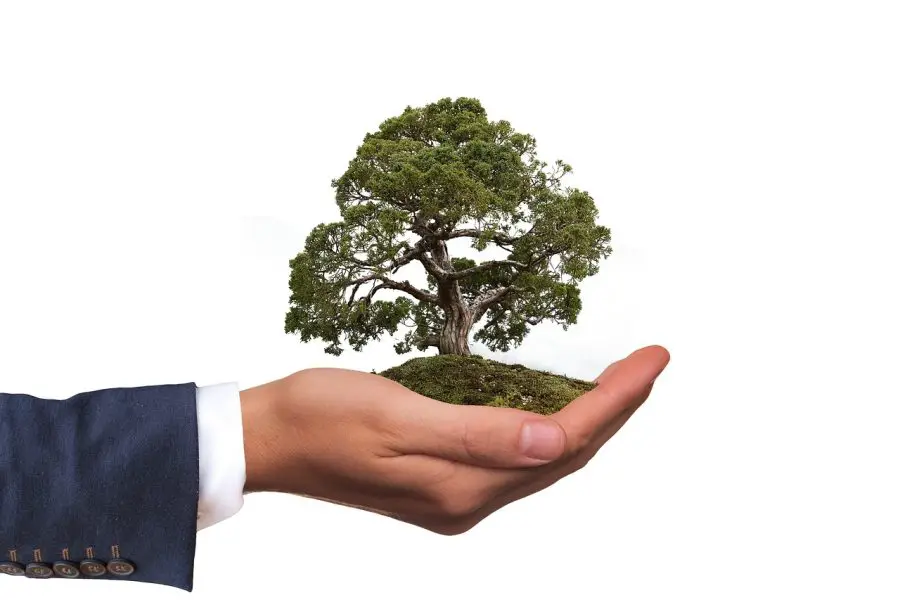
Are bonsai trees good luck? Many people believe they are. While bonsai trees are not universally considered traditional lucky plants, they are often associated with harmony, balance, patience, prosperity, and positive energy.
For centuries, bonsai trees have been admired not only for their beauty but also for the symbolism they represent. Their careful cultivation reflects dedication, mindfulness, and a deep connection with nature.
In this guide, we’ll explore the history of bonsai trees, their connection to luck and Feng Shui, and why many people consider them meaningful additions to homes, offices, and gardens.
What You’ll Learn
- Whether bonsai trees are considered lucky
- The cultural symbolism behind bonsai trees
- How bonsai trees relate to Feng Shui principles
- Popular bonsai species associated with prosperity and balance
- Where to place bonsai trees for the best visual impact
- Why bonsai trees make meaningful gifts
Quick Answer: Are Bonsai Trees Good Luck?
Many people consider bonsai trees symbols of harmony, balance, prosperity, and personal growth. While bonsai trees are not traditionally classified as “lucky plants” in every culture, they are often associated with positive energy, mindfulness, and creating a peaceful environment that supports well-being.
Are Bonsai Trees Good Luck?
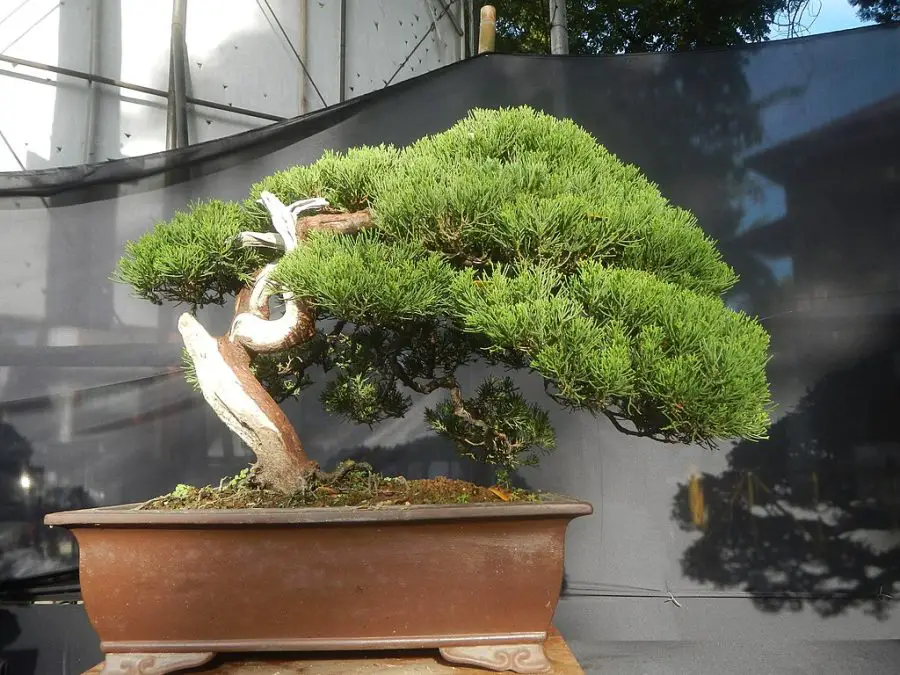
Are you a curious soul? You’ve landed on the right page if you’re asking yourself, are bonsai trees good luck?
In this introduction, we’ll gently guide you into the fascinating realm of these miniature wonders.
Bonsai trees are not only visually stunning, but they also have a storied past that’s intertwined with luck, culture, and spirituality.
Let’s embark on this exciting journey together and unravel the mysteries surrounding these tiny yet powerful symbols of fortune.
Buckle up, and let’s get started!
The Miniature World of Bonsai Trees: A Brief Overview
Bonsai trees are truly mesmerizing little wonders. But are bonsai trees good luck?
They’re miniature trees, carefully cultivated and shaped to replicate their full-sized counterparts found in nature.
The art of bonsai dates back centuries and has roots in both China and Japan.
But it’s not just about creating tiny trees!
Bonsai is a unique blend of horticulture, art, and patience, teaching practitioners to nurture and appreciate the beauty of life.
Bonsai (Japanese:lit. ’tray planting’, is the Japanese and East Asian art of growing and training miniature trees in containers, developed from the traditional Chinese art form of pénjǐng. Penjing and bonsai differ in that the former attempts to display “wilder,” more naturalistic scenes, often representing landscapes, including elements such as water, rocks or figurines; on the other hand, bonsai typically focuses on a single tree or a group of trees of the same species, with a higher level of aesthetic refinement. https://en.wikipedia.org/wiki/Bonsai
Branching Out: Bonsai Trees and Their Connection to Luck and Fortune
Now, let’s talk about the relationship between bonsai trees and good luck.
While not every bonsai tree is considered a harbinger of fortune, certain types are believed to attract positive energy and prosperity.
This belief stems from ancient traditions, spiritual practices, and even the art of Feng Shui.
By carefully selecting and caring for these special bonsai trees, enthusiasts believe they can create a harmonious environment that promotes success, happiness, and well-being.
Why Some People Consider Bonsai Trees Lucky
The idea that bonsai trees bring good luck comes more from symbolism than superstition. Bonsai represent patience, perseverance, balance, and the ability to create beauty through consistent care.
Many people view a thriving bonsai tree as a reflection of stability and positive growth in life. Because bonsai require attention and long-term commitment, they are often associated with discipline, success, and personal achievement.
In Feng Shui and other traditions, healthy living plants are believed to encourage positive energy within a space. Bonsai trees fit naturally into this philosophy because they combine the beauty of nature with intentional design.
The History of Bonsai Trees and their Cultural Significance
Ready to travel back in time? In this section, we’ll dig deep into the fascinating history of bonsai trees and their cultural significance.
These tiny trees have been around for centuries, witnessing the ebb and flow of human civilization.
From their humble beginnings in ancient China to their eventual flourishing in Japan, bonsai trees have captivated countless generations with their beauty and spiritual symbolism.
So, grab a comfy seat and join us as we embark on a historical journey to uncover the roots of these miniature masterpieces!
Planting the Seed: Origin of Bonsai Trees in Ancient China
Our bonsai journey begins in ancient China, where the art of penjing first took root.
Penjing, or tray scenery, involves crafting miniature landscapes with trees, rocks, and other elements to depict harmonious natural scenes.
These creations held spiritual significance, symbolizing the harmony between man, nature, and the cosmos.
As the practice of Penjing spread, it eventually laid the groundwork for what we now know as bonsai.
Growing Strong: Bonsai Trees’ Development and Refinement in Japan
Next stop, Japan!
Bonsai trees truly blossomed when the practice made its way to the Land of the Rising Sun around the 6th century.
Japanese artisans embraced and refined the art form, focusing more on individual trees and their unique characteristics.
They developed intricate techniques to shape, prune, and care for the trees, transforming them into living sculptures.
Bonsai became an integral part of Japanese culture and aesthetics, admired for their elegance and symbolism.
Branches of Wisdom: Bonsai Trees’ Spiritual and Philosophical Connections
Now let’s delve into the spiritual side of bonsai trees.
These miniature trees have deep ties to various spiritual and philosophical beliefs, like Zen Buddhism and Taoism.
The process of cultivating and nurturing a bonsai tree is considered a meditative practice, fostering patience, discipline, and a deep connection with nature.
Bonsai trees also symbolize harmony, balance, and the pursuit of perfection.
These spiritual connections elevate bonsai beyond mere horticulture, transforming them into living embodiments of ancient wisdom.
Bonsai Trees and Feng Shui
Are you ready to explore the harmony between bonsai trees and Feng Shui?
In this section, we’ll dive into the ancient Chinese practice of Feng Shui and reveal how it intertwines with the art of bonsai.
Here we will find the answer to the question: are bonsai trees good luck?
At its core, Feng Shui is all about creating balance and promoting positive energy in our surroundings.
And guess what? Bonsai trees can play a key role in achieving that harmony!
So, let’s jump in and discover the magic that happens when bonsai trees and Feng Shui join forces to create a serene and prosperous environment.
Balancing Act: Principles of Feng Shui
Before we dive into bonsai and Feng Shui, let’s get familiar with the basic principles of this ancient practice.
Feng Shui revolves around the idea of chi, or life energy, flowing freely in our surroundings.
The goal is to achieve balance and harmony by arranging elements within our space to optimize the flow of chi.
Five key elements – wood, fire, earth, metal, and water – must interact harmoniously to create a positive environment.
Tiny Trees, Big Impact: How Bonsai Trees Can Enhance Positive Energy
Now, let’s see how bonsai trees fit into the Feng Shui picture!
As living representations of the wood element, bonsai trees can enhance positive energy in your space.
Their graceful forms and natural beauty evoke a sense of serenity, promoting relaxation and mindfulness.
Moreover, specific types of bonsai trees, like the Jade Bonsai, are believed to attract wealth and prosperity.
By incorporating a bonsai tree into your space, you’re inviting nature’s energy and tapping into its power to create balance and harmony.
Location, Location, Location: Choosing the Right Spot for Your Bonsai
Finding the perfect spot for your bonsai is crucial in maximizing its Feng Shui benefits.
Ideally, you’ll want to place your tree in an area where it can receive ample sunlight while avoiding harsh, direct rays.
Bonsai trees thrive in well-lit, peaceful corners that inspire contemplation and relaxation.
In terms of Feng Shui, placing your bonsai in the east, southeast, or south sectors of your home is believed to boost its positive effects, such as attracting wealth, health, and good fortune.
Remember, location is key to creating that harmonious vibe!
Best Places to Display Bonsai Trees
Whether or not you believe bonsai trees bring luck, placing them where they can be appreciated daily helps maximize their impact.
- Home Office: Encourages focus, patience, and creativity.
- Living Room: Creates a natural focal point and conversation piece.
- Entryway: Adds a welcoming touch while showcasing the tree’s beauty.
- Sunroom: Provides bright conditions for many bonsai species.
- Outdoor Patio: Ideal for outdoor bonsai species that require seasonal changes.
The best location ultimately depends on your bonsai’s light requirements and your ability to enjoy and care for it consistently.
Bonsai Trees as Symbols of Luck
Ever wondered which bonsai trees are considered lucky charms?
In this section, we’re going to unveil the secrets behind some of the most popular bonsai trees believed to bring good fortune.
As living symbols of nature’s beauty and resilience, these particular trees have captured the imaginations of bonsai enthusiasts worldwide.
So, let’s get up close and personal with these lucky little trees and learn how they can sprinkle some magic into your life and surroundings!
Green and Prosperous: The Jade Bonsai Tree and Its Relation to Wealth
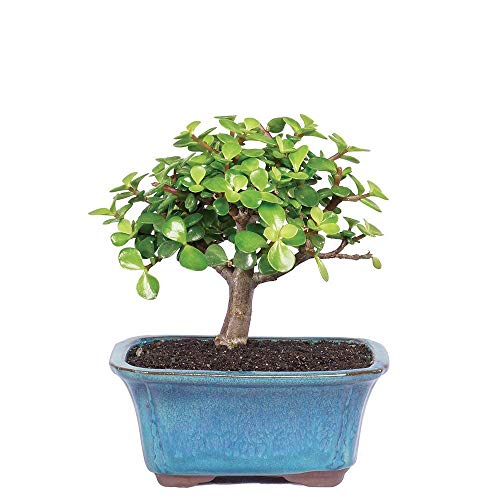
First up is the charming Jade Bonsai tree, known for its plump, green leaves that resemble precious jade stones.
In many cultures, jade is considered a symbol of prosperity and good fortune, and the Jade Bonsai tree carries this symbolism as well.
By nurturing a Jade Bonsai, you’re inviting abundance and wealth into your life, while also enjoying the tree’s unique beauty and hardiness.
A Long and Happy Life: The Pine Bonsai Tree and Its Association with Longevity

Next on our list of lucky bonsai trees is the majestic Pine Bonsai.
With its evergreen needles and sturdy trunk, the Pine Bonsai tree is a symbol of strength and endurance.
In many Eastern cultures, it’s believed to represent longevity and a long, fulfilling life.
By incorporating a Pine Bonsai into your space, you’re surrounding yourself with the tree’s resilience, inviting the energy of perseverance and longevity into your life.
Finding Balance: The Ficus Bonsai Tree and Its Connection to Harmony and Balance

Last but not least, we have the versatile Ficus Bonsai tree.
Known for its adaptability and ease of care, the Ficus Bonsai is a popular choice among beginners and experts alike.
This tree is believed to embody harmony and balance, thanks to its symmetrical growth and the way its roots often intertwine.
Adding a Ficus Bonsai to your space can help you foster a sense of equilibrium and peace, creating an environment that promotes well-being and serenity.
Caring for Bonsai Trees to Attract Good Luck
Are you eager to learn how to care for your bonsai tree to attract good luck?
You’re in the right place! In this section, we’ll share essential tips and techniques for nurturing your bonsai tree, ensuring it stays healthy and vibrant.
A well-cared-for bonsai tree not only looks stunning but can also radiate positive energy and bring good fortune.
So, let’s roll up our sleeves, channel our inner green thumbs, and learn how to shower our bonsai trees with the love and care they deserve!
Snip and Shape: Proper Pruning Techniques to Promote Positive Energy
Pruning is essential for maintaining your bonsai tree’s health and shaping its growth.
By carefully trimming branches, leaves, and roots, you can guide your tree’s energy flow and enhance its positive vibes.
To promote positive energy, focus on creating a balanced and harmonious form. Remove dead or weak branches, and avoid overcrowding.
Regular pruning will not only improve your tree’s appearance but also encourage a strong, healthy, positive energy-filled bonsai.
Thirsty Trees: Watering and Fertilizing for a Healthy and Vibrant Bonsai
Watering and fertilizing your bonsai tree are crucial steps to keeping it healthy and vibrant.
To attract good luck, ensure your tree gets the right amount of water – not too much, not too little.
Bonsai trees prefer moist, well-draining soil. Check the soil daily and water when it feels slightly dry to the touch.
As for fertilizing, provide your bonsai with a balanced, slow-release fertilizer during the growing season.
A well-nourished tree will not only look its best but also help create an environment that invites good fortune.
Growing Together: The Importance of Patience and Dedication in Bonsai Care
Caring for a bonsai tree is a long-term commitment that requires patience and dedication.
It’s essential to remember that bonsai trees are living beings that grow and change over time.
By being attentive to your tree’s needs and nurturing it with care, you’ll forge a deep connection with your bonsai and, in turn, with the positive energy it attracts.
Cultivating a bonsai tree is an ongoing journey that teaches us patience, mindfulness, and the value of nurturing living things all qualities that can undoubtedly bring good luck and happiness.
Bonsai Trees as Gifts and Tokens of Good Fortune
Thinking about sharing the magic of bonsai trees with others?
In this section, we’ll explore the idea of bonsai trees as gifts and tokens of good fortune.
Gifting a bonsai tree is not only a unique and thoughtful gesture, but it also carries a deeper meaning wishing the recipient luck, prosperity, and happiness.
So, whether it’s for a special occasion or simply to brighten someone’s day, let’s dive into the world of bonsai gifting and learn how these tiny trees can make a big impact in the lives of our loved ones!
Presenting Good Fortune: Gift-Giving Traditions Involving Bonsai Trees
Throughout history, bonsai trees have been cherished gifts symbolizing good luck, prosperity, and well-being.
In ancient China and Japan, presenting a carefully cultivated bonsai tree to a friend or family member was considered a prestigious gesture.
Today, this tradition continues, with bonsai trees being gifted to celebrate milestones, show appreciation, or simply bring a touch of nature’s beauty and good fortune into someone’s life.
A Tree for Every Occasion: Choosing the Right Bonsai Tree for Different Celebrations
Selecting the perfect bonsai tree for a particular occasion can be a fun and thoughtful process.
For example, a Jade Bonsai, known for its association with wealth, could be a great gift for someone starting a new business or moving into a new home.
A Pine Bonsai, symbolizing longevity, might be the perfect present for a birthday or retirement celebration.
Ultimately, it’s essential to consider the recipient’s preferences, the tree’s symbolism, and the level of care required when choosing a bonsai gift.
The Gift that Keeps on Growing: The Lasting Impact of Gifting a Bonsai Tree
Gifting a bonsai tree can have a lasting impact on the recipient, as it’s not just a beautiful decoration but also a living, growing symbol of good fortune.
Nurturing a bonsai tree requires patience, care, and dedication, and as the tree flourishes, so does the bond between the giver and receiver.
A bonsai tree is a truly unique and meaningful gift that can provide years of joy, growth, and positive energy, making it a treasured token of good fortune and friendship.
Are Bonsai Trees Good Luck FAQs
Are bonsai trees considered lucky?
Many people consider bonsai trees symbols of harmony, balance, prosperity, and positive energy. Their association with luck often comes from cultural traditions and personal beliefs.
What does a bonsai tree symbolize?
Bonsai trees commonly symbolize patience, balance, resilience, harmony, and a deep connection to nature.
Is a bonsai tree a good gift?
Yes. Bonsai trees are often given as thoughtful gifts because they symbolize growth, longevity, friendship, and appreciation.
Which bonsai tree is associated with prosperity?
Jade bonsai trees are frequently associated with prosperity and abundance due to their connection with traditional wealth symbolism.
Where should I place a bonsai tree?
Place your bonsai where it receives appropriate light for its species and where you can enjoy it regularly. Many people choose living rooms, offices, sunrooms, or outdoor patios.
Are Bonsai Trees Good Luck? Final Thoughts
Whether you view bonsai trees as symbols of luck or simply appreciate their beauty, there is no denying the positive impact they can have on a space. Their connection to patience, balance, mindfulness, and nature has made them meaningful plants across many cultures.
For some people, a bonsai tree represents prosperity and good fortune. For others, it serves as a reminder to slow down, focus on the present, and enjoy the process of growth. Either way, a healthy bonsai tree can become a rewarding centerpiece that brings years of enjoyment.
The true value of a bonsai may not be luck itself, but the sense of peace, accomplishment, and connection it creates.