
Best indoor plants for apartments are the ones that fit real indoor living: limited space, changing light, dry air, shelves, small corners, and sometimes a curious pet or two.
You do not need a sunroom or a huge plant collection to make an apartment feel greener. The right plants can grow well on windowsills, desks, plant stands, bookshelves, hanging baskets, and bright corners without taking over your space.
In this guide, we’ll look at apartment-friendly indoor plants, including low-light choices, beginner plants, compact plants, trailing vines, pet-safe options, and simple care tips to help them last indoors.
What You’ll Learn
- Which indoor plants work best in apartments and small spaces
- Best plants for low light apartment rooms
- Easy-care plants for beginners and busy renters
- Pet-safe plant options for apartments
- Where to place plants without crowding your home
- Common apartment plant problems to avoid
Why Apartment Plants Need a Different Approach
Growing plants in an apartment is a little different from growing them in a house with big windows, spare rooms, and plenty of floor space. Apartments often have fewer bright windows, smaller rooms, shared walls, dry indoor air, and limited places to put large pots.
That does not mean apartments are bad for plants. It just means you need to choose plants that match the space you actually have. A snake plant in a dim corner, a pothos on a shelf, or a spider plant in a hanging basket can work much better than a large plant that needs bright light and constant attention.
The best apartment plants are usually adaptable, compact, forgiving, and easy to move around as the light changes through the year.
What Makes a Good Indoor Plant for Apartments?
A good apartment plant should be easy to live with. That means it should tolerate normal indoor temperatures, handle average humidity, and avoid needing constant pruning, repotting, or daily watering.
Before choosing a plant, think about where it will actually go. A sunny windowsill, a low-light bedroom, a bathroom shelf, and a narrow entryway all call for different plants.
Look for Plants That Match Your Light
Light is usually the biggest factor. Some apartments get bright southern or western exposure, while others only get softer morning light or indirect light from one window.
Low-light tolerant plants like snake plants, ZZ plants, pothos, and cast iron plants are usually better choices for darker apartments than plants that need several hours of direct sun.
Choose Plants That Fit Your Space
Apartment plants should not make the room feel crowded. Compact plants work well on shelves and desks, trailing plants can soften bookcases or hanging baskets, and upright plants can add height without spreading too wide.
Think About Pets and Kids
If you have cats, dogs, or small children, plant safety matters. Some popular apartment plants are toxic if chewed, so it is worth checking before placing them within reach.
Best Low Light Plants for Apartments
Low light is one of the biggest challenges in apartment plant care. Many apartments only receive indirect light from a few windows, while some rooms may stay fairly dim throughout the day.
Fortunately, several indoor plants tolerate lower light conditions surprisingly well. These plants are often easier to maintain because they grow more slowly and usually need less frequent watering indoors.
Snake Plant
Snake plants are one of the best indoor plants for apartments because they tolerate low light, dry indoor air, and inconsistent watering better than many houseplants.
Their upright growth habit also makes them ideal for corners, bedrooms, entryways, and small floor spaces where wider plants may feel crowded.
ZZ Plant
ZZ plants are another popular apartment plant because they handle lower light conditions and occasional neglect very well. Their thick stems and glossy leaves help them store moisture, making them forgiving if you miss a watering.
ZZ plants work especially well in offices, bedrooms, and apartments with limited natural sunlight.
Pothos
Pothos plants are easy trailing vines that grow well on shelves, bookcases, hanging baskets, and plant stands. They tolerate moderate to lower light conditions while adding greenery without taking up much floor space.
Pruning pothos occasionally can help keep the vines fuller and easier to manage indoors.
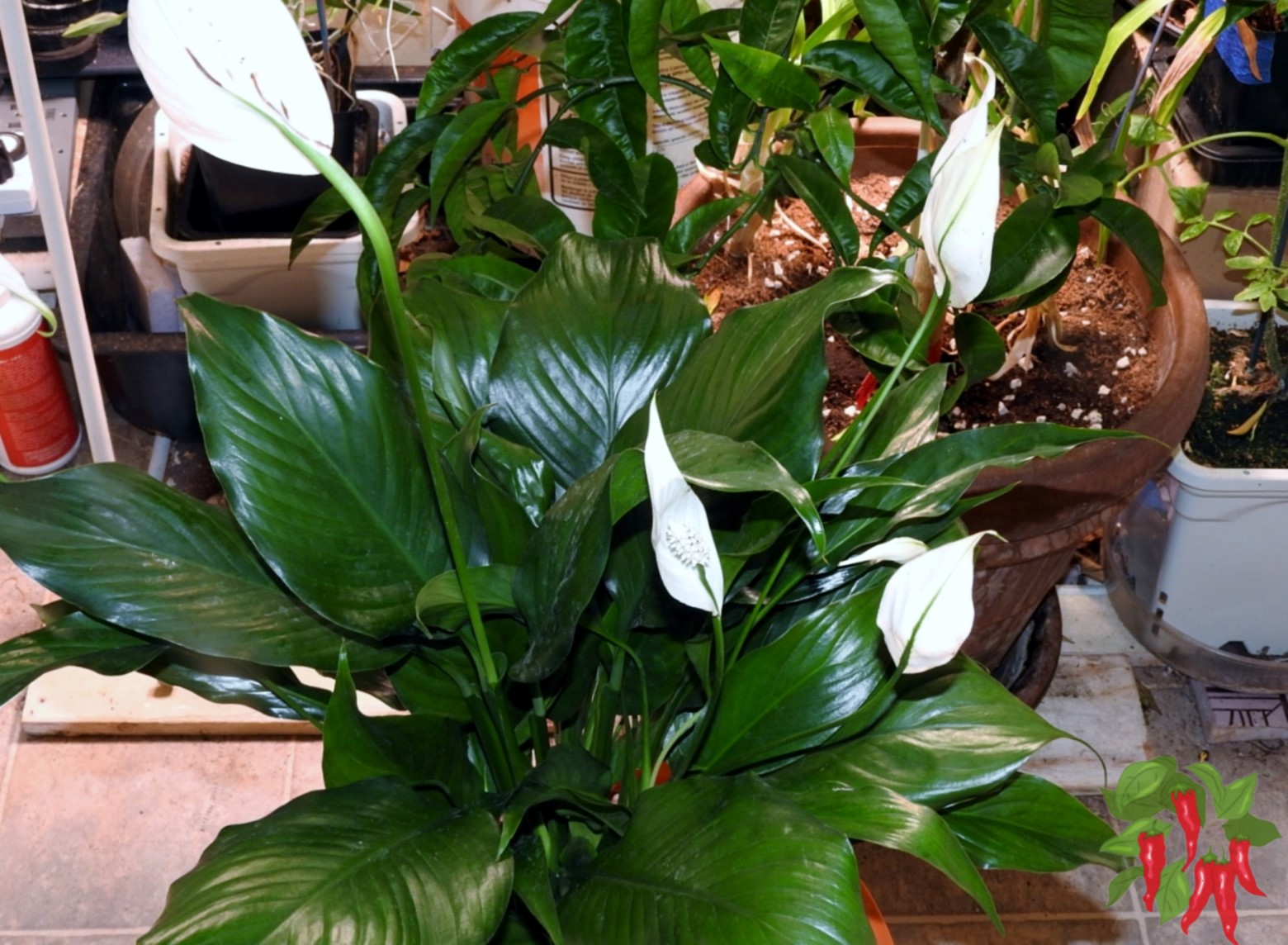
Peace Lily
Peace lilies are popular apartment plants because they adapt well to indirect light and have a softer, more decorative appearance than many low light plants.
Their dark green leaves and occasional white flowers work well in bedrooms, living rooms, and office spaces with filtered sunlight.
Cast Iron Plant
Cast iron plants are known for tolerating lower light, dry air, and inconsistent care. They grow slowly but can survive conditions that would stress many other indoor plants.
Their sturdy leaves and compact growth make them useful for apartments with darker rooms or minimal window space.
Best Apartment Plants for Beginners
Beginner-friendly apartment plants are usually the ones that tolerate occasional mistakes without declining quickly. Plants that need constant humidity, frequent watering, or intense sunlight can become frustrating in smaller indoor spaces.
Spider Plant
Spider plants are easy to grow indoors and adapt well to apartments. Their arching leaves and baby plantlets work especially well in hanging baskets and elevated shelves.
They also tend to recover quickly from minor watering mistakes compared to more delicate houseplants.
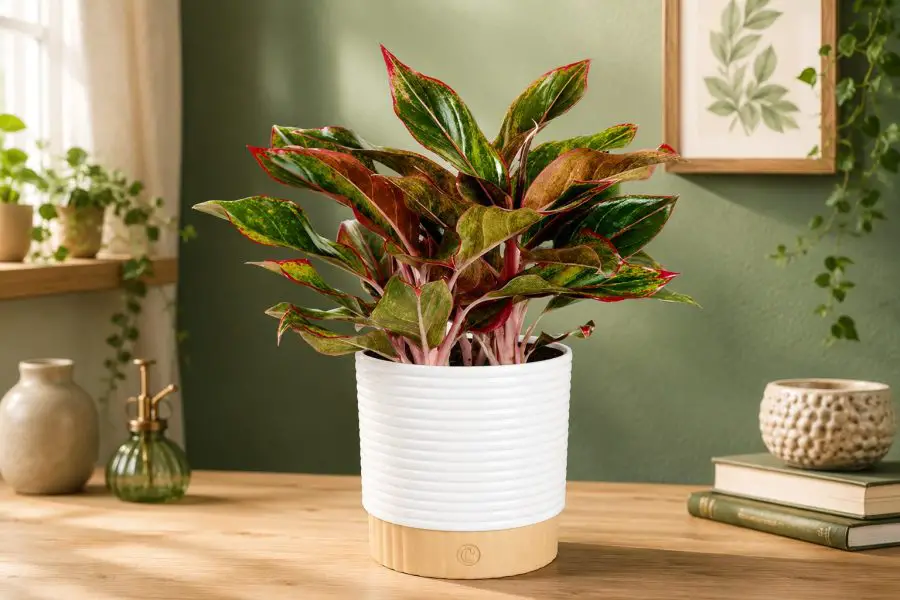
Chinese Evergreen
Chinese evergreen plants tolerate lower light and average indoor humidity levels, making them good options for beginners. Many varieties also have attractive patterned leaves that add color to indoor spaces.
Parlor Palm
Parlor palms stay relatively compact indoors and can adapt to apartment conditions well. Their softer tropical appearance works nicely in living rooms and bedrooms without overwhelming small spaces.
Pet-Friendly Apartment Plants
If you share your apartment with pets, choosing safer houseplants becomes even more important. Cats and dogs may chew leaves out of curiosity, especially when plants are placed near windows or on lower shelves.
Spider plants, parlor palms, and some ferns are often considered safer choices for homes with pets. However, many popular apartment plants like pothos, peace lilies, snake plants, and ZZ plants can cause irritation if chewed.
Placing toxic plants on higher shelves or in hanging baskets can help reduce the risk for curious pets indoors.
Related Indoor Plant Guides
Where to Put Plants in an Apartment
Plant placement matters just as much as choosing the right species. Even easy apartment plants can struggle if they are placed in rooms that are too dark, too hot, or too dry.
Use Vertical Space
Apartments often have limited floor space, so shelves, hanging baskets, wall planters, and narrow plant stands can help add greenery without making rooms feel crowded.
Trailing plants like pothos, heartleaf philodendron, and spider plants work especially well on shelves and bookcases.
Bright Windows Work Best
Most indoor plants grow best near bright windows with indirect sunlight. East-facing windows are often ideal because they provide gentler morning light without intense afternoon heat.
South-facing windows usually provide the brightest indoor light, while north-facing apartments may need more low-light tolerant plants.
Bathrooms Can Support Tropical Plants
Bathrooms with windows often work well for tropical houseplants because the humidity stays slightly higher after showers. Peace lilies, pothos, ferns, and parlor palms often adapt well to bathroom conditions.
Common Apartment Plant Problems
Indoor plants in apartments often face similar challenges regardless of the species. Limited light, dry air, inconsistent watering, and crowded rooms can all affect plant health over time.
Overwatering Apartment Plants
Overwatering is one of the most common reasons indoor plants decline in apartments. Lower indoor light levels slow down water use, which means soil can stay wet much longer than expected.
Allowing the top layer of soil to dry slightly before watering again helps prevent root problems in most apartment plants.
Dry Indoor Air
Apartments with heating or air conditioning can become very dry indoors, especially during winter. Some tropical plants may develop brown tips or crispy leaf edges when humidity drops too low.
Grouping plants together, using pebble trays, or adding a humidifier can help improve humidity around sensitive plants.
Plants Becoming Leggy
Plants that stretch toward windows or produce sparse growth usually need more light. Rotating plants occasionally and moving them closer to brighter windows can help maintain fuller growth indoors.
Apartment Plant Care Tips for Beginners
Start With a Few Easy Plants
It is usually better to start with a few adaptable plants instead of filling an apartment with difficult species all at once. Snake plants, pothos, spider plants, and ZZ plants are often easier to manage for beginners.
Do Not Water on a Strict Schedule
Apartment temperatures and lighting conditions change throughout the year, so plants may dry out faster during some seasons than others. Checking the soil before watering is more reliable than watering on the same day every week.
Rotate Plants Occasionally
Indoor plants naturally lean toward light sources over time. Rotating containers every few weeks can help keep growth more balanced and upright.
Best Plants for Apartment Bedrooms
Bedrooms often have softer light, steadier temperatures, and limited floor space, so compact low-maintenance plants usually work best. Snake plants, pothos, peace lilies, and ZZ plants are popular bedroom choices because they tolerate typical indoor conditions well.
Shelves, dressers, nightstands, and window ledges can all work for smaller bedroom plants without making the room feel crowded.
Bedroom Plant Guides
Best Plants for Small Apartment Spaces
Small apartments benefit from plants that grow upward, trail from shelves, or stay compact indoors. Hanging baskets, narrow plant stands, and wall shelves can help add greenery without using valuable floor space.
Trailing plants like pothos and spider plants are especially useful because they add greenery vertically instead of spreading across the room.
Small Space Plant Guides
Common Apartment Plant Problems
Apartment plants often struggle with similar indoor conditions, including low light, dry air, inconsistent watering, and limited airflow. These problems can lead to yellow leaves, brown tips, fungus gnats, root rot, and weak growth over time.
Most apartment plant issues improve when lighting, drainage, and watering habits are adjusted to match the indoor environment.
Apartment Plant Troubleshooting Guides
Best Indoor Plants for Apartments FAQs
What are the easiest indoor plants for apartments?
Snake plants, pothos, ZZ plants, spider plants, and peace lilies are some of the easiest indoor plants for apartments because they tolerate lower light and average indoor conditions well.
Which apartment plants grow well in low light?
Snake plants, ZZ plants, pothos, peace lilies, cast iron plants, and Chinese evergreen plants are all good options for apartments with limited natural light.
What indoor plants are safest for pets?
Spider plants, parlor palms, and many ferns are generally considered safer options for homes with cats and dogs.
How often should apartment plants be watered?
Most apartment plants should only be watered when the top layer of soil begins to dry. Overwatering is more common indoors than underwatering.
Can indoor plants survive in apartments without much sunlight?
Yes. Many indoor plants tolerate lower light conditions, although very dark apartments may still require grow lights for healthy long-term growth.
Best Indoor Plants for Apartments Final Thoughts
Apartment living does not mean you have to give up on indoor plants. Many houseplants adapt surprisingly well to smaller indoor spaces, lower light conditions, and normal apartment temperatures.
Choosing plants that match your lighting, available space, and care routine is usually the key to long-term success indoors. Beginner-friendly plants like snake plants, pothos, ZZ plants, spider plants, and peace lilies are often some of the easiest choices for apartment living.
Whether you want a few compact plants for a shelf or a full indoor jungle in a small apartment, the right houseplants can make indoor spaces feel greener, calmer, and more inviting.