
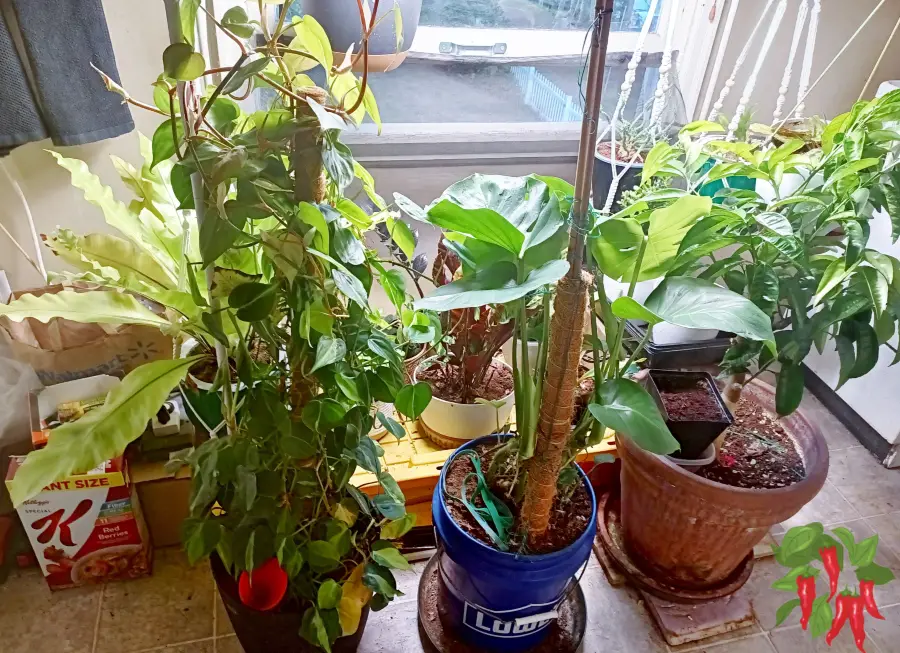
Indoor plants that thrive under grow lights often grow faster, develop larger leaves, produce better color, and flower more reliably than the same plants grown under average indoor lighting.
While nothing completely replaces good natural sunlight, modern LED grow lights can dramatically improve the way many houseplants perform.
Over the years I’ve found that the two biggest reasons houseplants struggle indoors are surprisingly simple: overwatering and not enough light. Most people know that overwatering damages roots, but inadequate light is often overlooked.
A plant may stay alive for years while producing smaller leaves, slower growth, and fewer flowers simply because it never receives enough light.
Many of my houseplants grow well in a bank of east-facing windows, and natural light is still my first choice whenever possible. But not every room has ideal window exposure, and some plants simply perform better with supplemental lighting.
Today, my Monstera deliciosa, Bird’s Nest Fern, Heartleaf Philodendron, Clementine Orange, and many of my succulents spend at least part of their time under LED grow lights. The improvement has been impressive. Growth is stronger, foliage is fuller, colors are richer, and the plants simply look healthier.
One plant especially convinced me of the value of grow lights. My Monstera deliciosa had always grown reasonably well near a bright window, but after moving it beside one of my LED grow lights it completely changed.
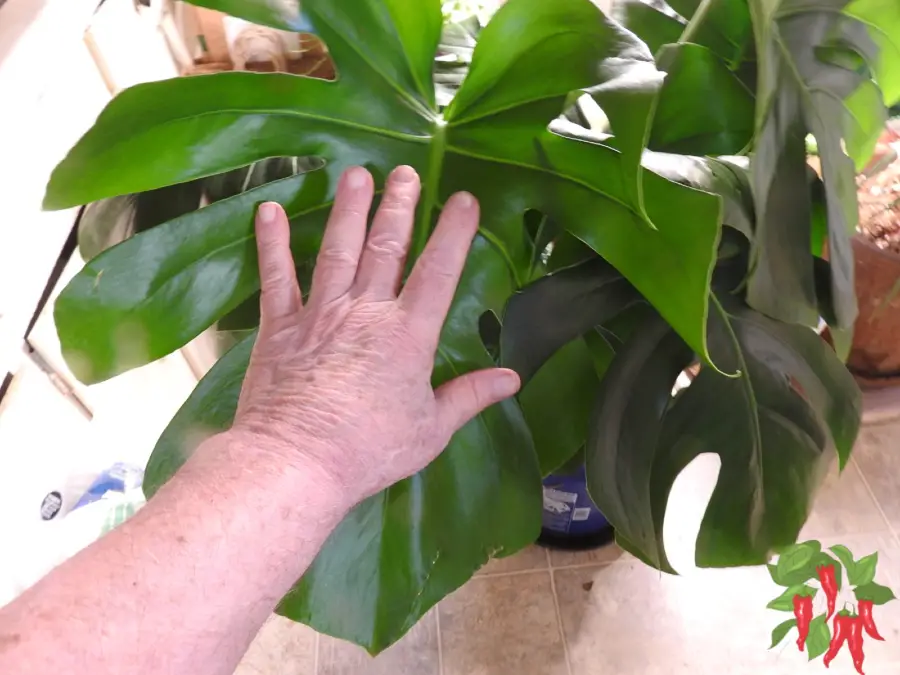
Within months the leaves nearly doubled in size—some reaching almost two feet across—and the plant eventually grew over six feet tall. The pot, fertilizer, and watering routine all stayed the same. The only significant change was giving it more light.
Not every houseplant responds that dramatically, but almost every healthy plant benefits from receiving the light it actually needs. In this guide, I’ll show you which indoor plants respond best to grow lights, how different types of plants benefit, and how to avoid the common mistakes that keep growers from seeing the same results.
What You’ll Learn
- Why some indoor plants respond dramatically to grow lights
- Which houseplants show the biggest improvement under LEDs
- Which flowering plants bloom better with supplemental lighting
- How succulents stay compact and colorful under grow lights
- Common grow light mistakes that limit plant growth
- How to choose the right plants for your lighting setup
Quick Answer: Many indoor plants thrive under LED grow lights, especially Monstera, Pothos, Philodendrons, Spider Plants, African Violets, Chinese Evergreens, succulents, and citrus. Grow lights supplement natural light, helping plants produce stronger growth, larger leaves, better color, and more reliable flowering when window light alone isn’t enough.
Indoor Plants That Thrive Under Grow Lights at a Glance
| Plant | Biggest Benefit | Light Level | Care Difficulty |
|---|---|---|---|
| Monstera deliciosa | Much larger leaves and faster growth | Bright | Easy |
| Pothos | Longer vines and fuller growth | Medium-Bright | Easy |
| Heartleaf Philodendron | Faster vines and larger leaves | Medium-Bright | Easy |
| Spider Plant | Produces more plantlets | Medium-Bright | Easy |
| African Violet | More consistent flowering | Bright | Moderate |
| Chinese Evergreen | Better foliage color | Medium | Easy |
| Succulents | Compact growth and richer color | Bright | Easy |
| ZZ & Snake Plant | Steadier healthier growth | Medium | Very Easy |
Why Some Indoor Plants Thrive Under Grow Lights
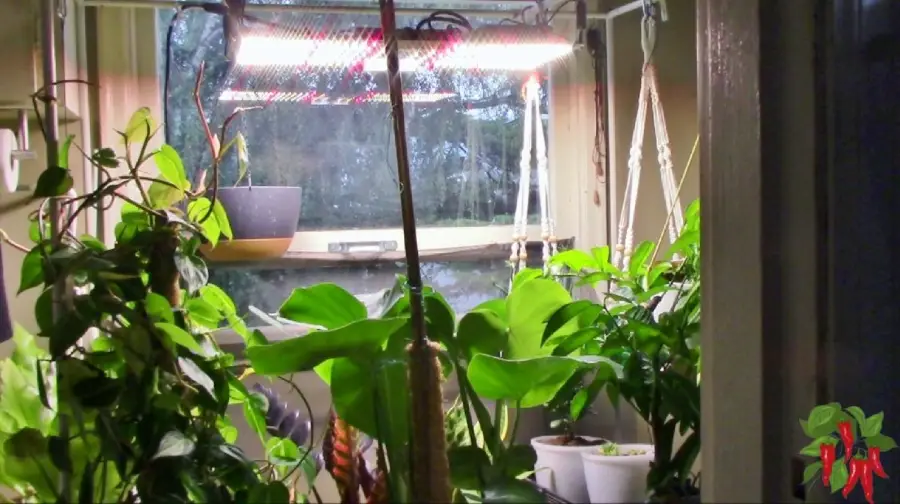
The biggest misconception about grow lights is that they’re only used to keep plants alive in dark rooms. In reality, good LED grow lights often allow healthy plants to reach their full potential by providing light levels that many homes simply can’t deliver consistently.
Even bright homes have limitations. Seasonal changes, cloudy weather, short winter days, nearby trees, and the distance from a window all reduce the amount of usable light reaching your plants.
My kitchen for example only has a north window and not enough natural light for my succulents and other plants.
Supplemental lighting helps fill that gap. Instead of stretching toward a window or slowly producing smaller leaves year after year, many houseplants respond with stronger stems, faster growth, larger foliage, improved color, and more reliable flowering.
Quick Tip: A grow light isn’t about replacing sunlight whenever possible. Think of it as supplemental lighting that helps indoor plants receive the amount of light they need to perform their best.
Plants That Show the Biggest Improvement Under Grow Lights
Monstera Deliciosa
If I had to choose one plant that completely changed my opinion about grow lights, it would be my Monstera deliciosa.
After moving it beside one of my LED grow lights, the leaves nearly doubled in size, eventually reaching almost two feet across, while the plant grew to more than six feet tall. Nothing else about its care changed.
For anyone growing Monsteras indoors, supplemental lighting can make an enormous difference once the plant has good watering, nutrition, and growing conditions.
It eventually outgrew its space and headed past the light to the ceiling. I cut it way back and now I am starting a new growth cycle with tighter stem spacing and better leaf positioning.
Learn more in my Swiss Cheese Plant care guide, explore the different types of Monstera plants, or browse my Swiss Cheese Plant questions.
Pothos: Fuller Vines and Faster Growth
Pothos is already one of the easiest houseplants to grow, but under good LED grow lights it often becomes noticeably fuller and more vigorous. New vines develop faster, leaves become larger, and variegated varieties usually maintain stronger color when they receive adequate light.
I still recommend placing Pothos near a bright window whenever possible, but supplemental lighting is an excellent option for darker rooms or during the shorter days of winter.
See my Pothos Indoor Plant Care guide for complete growing information.
Heartleaf Philodendron: Faster Vines and Larger Leaves
My Heartleaf Philodendron has also responded very well to supplemental lighting. The vines grow more quickly, the foliage becomes noticeably fuller, and new leaves develop at a much steadier pace than they did relying only on window light.
Like Pothos, Heartleaf Philodendron adapts well to normal indoor conditions, but adding a grow light can noticeably improve both growth rate and overall appearance.
Learn more in my Philodendron Care Indoors guide.
Spider Plant: More Babies and Stronger Growth
Spider Plants naturally grow quickly, but brighter light often encourages fuller foliage and the production of more plantlets. If you enjoy propagating Spider Plants, supplemental lighting can help mature plants become even more productive.
Spider Plants still appreciate consistent watering more than succulents, but they reward good lighting with vigorous growth throughout much of the year.
See my Spider Plant Care Guide for complete care instructions.
Flowering Plants That Bloom Better Under Grow Lights
African Violet
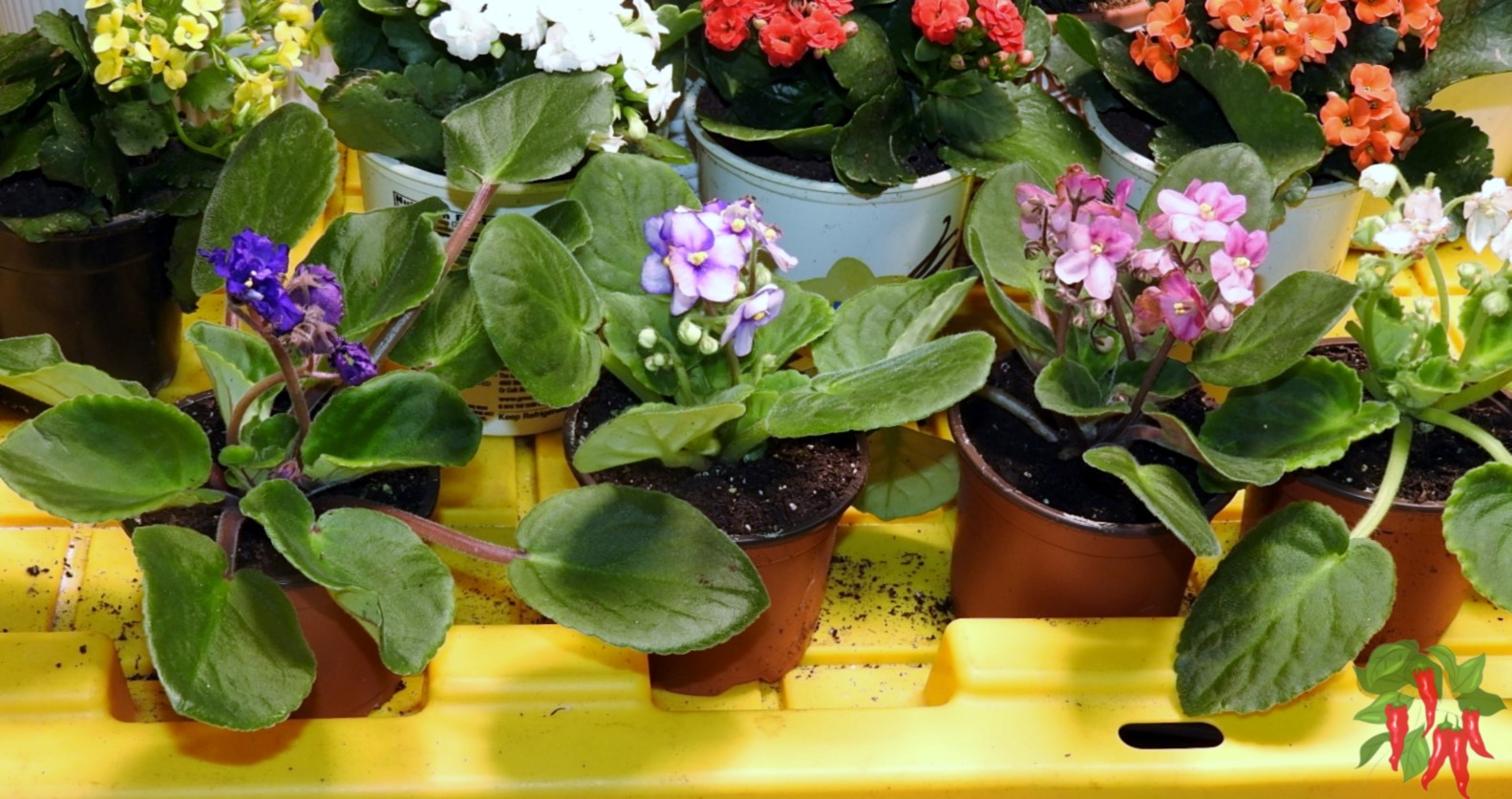
African Violets are probably one of the best examples of how supplemental lighting can improve flowering. When they receive enough consistent light, they often bloom more frequently and produce stronger, more colorful flowers.
Many successful African Violet growers use LED grow lights because they provide dependable lighting throughout the year regardless of weather or window orientation.
See my African Violet Care Guide for growing tips and flowering advice.
Flaming Katy (Kalanchoe blossfeldiana)
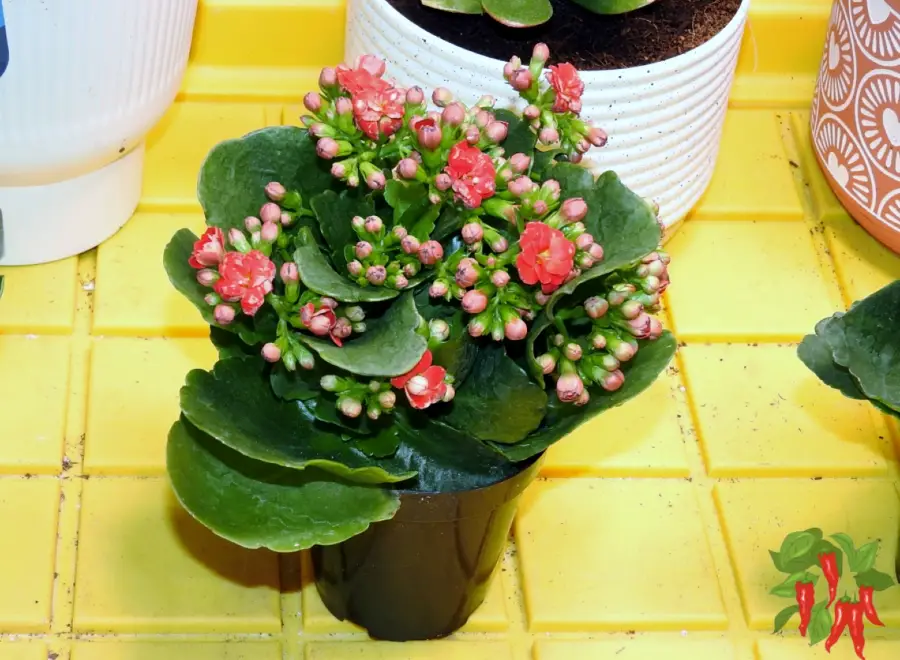
Flaming Katy has become one of my favorite flowering houseplants because it seems to bloom almost continuously under good growing conditions. Bright supplemental lighting helps keep the plant compact while encouraging abundant flowers.
Combined with careful watering, this easy-care succulent can provide color for much of the year.
Learn more in my Flaming Katy Care Guide.
Succulents That Stay Compact Under LED Grow Lights
One of the biggest advantages of grow lights for succulents is not necessarily faster growth. Instead, the plants usually stay shorter, more compact, and develop better leaf color instead of stretching toward available light.
Gasteria
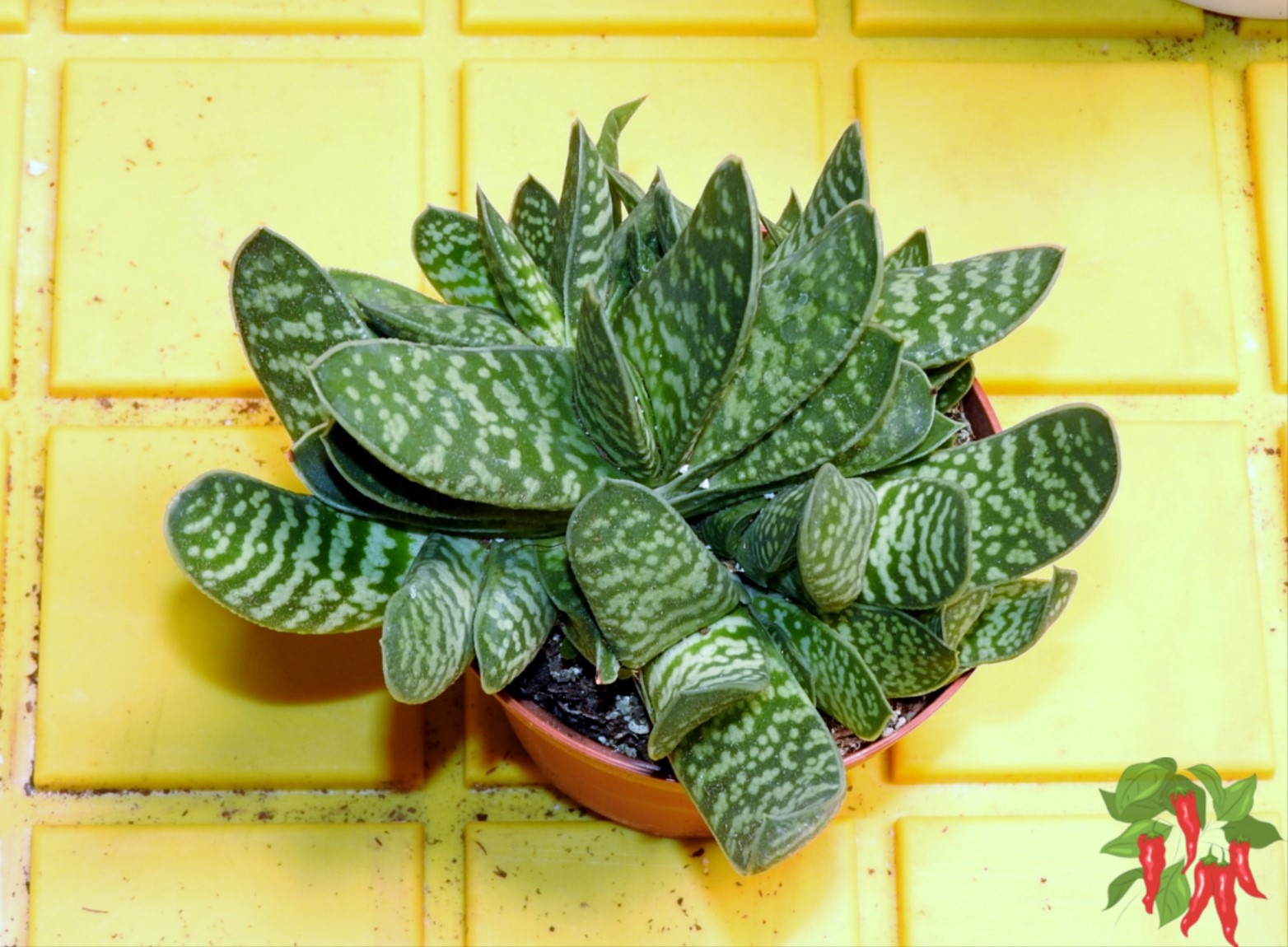
Gasteria naturally grows slowly, making it an excellent candidate for shelves and plant stands. Under adequate LED lighting, the leaves stay compact while maintaining the attractive spotting and texture that make the plant unique.
My Gasteria Care Indoors guide explains how I grow mine in coco coir and perlite.
Haworthia Zebra Plant
Haworthia Zebra Plant is another succulent that benefits from supplemental lighting. Rather than stretching and becoming weak, it remains compact with crisp white bands and healthy green leaves.
See my Haworthia Zebra Plant Care Guide.
Panda Plant
The fuzzy leaves of Panda Plant look their best when the plant receives plenty of light. LED grow lights help maintain compact growth and keep the characteristic brown leaf margins well defined.
Learn more in my Panda Plant Care Guide.
Aloe Vera
Aloe Vera appreciates bright conditions and often performs very well under LED grow lights. Adequate light helps the leaves remain thick and sturdy while reducing the stretching commonly seen in dim locations.
See my Aloe Plant Care Indoors guide.
Quick Tip: If your succulents are becoming tall, stretched, or leaning toward the nearest window, they are usually asking for more light—not more water.
Plants That Appreciate Extra Light Without Dramatic Changes
Not every houseplant suddenly doubles in size under a grow light, and that’s perfectly normal. Some species simply become healthier, produce steadier growth, and maintain better foliage over time.
Chinese Evergreen
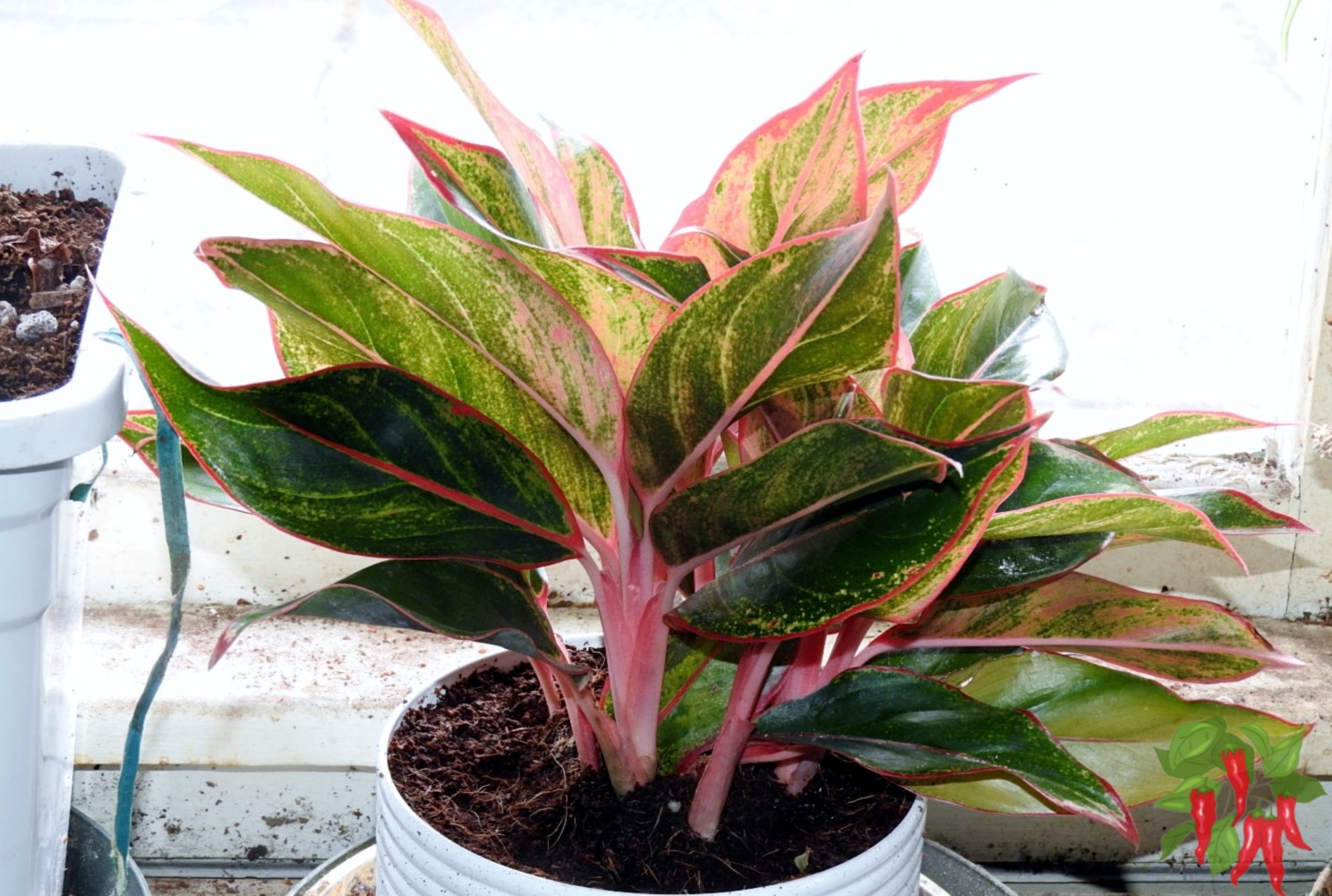
Chinese Evergreens generally maintain stronger foliage color and more consistent growth when they receive adequate supplemental lighting, especially the colorful red and pink varieties.
See my Chinese Evergreen Care Guide and Red Chinese Evergreen Guide.
Snake Plant
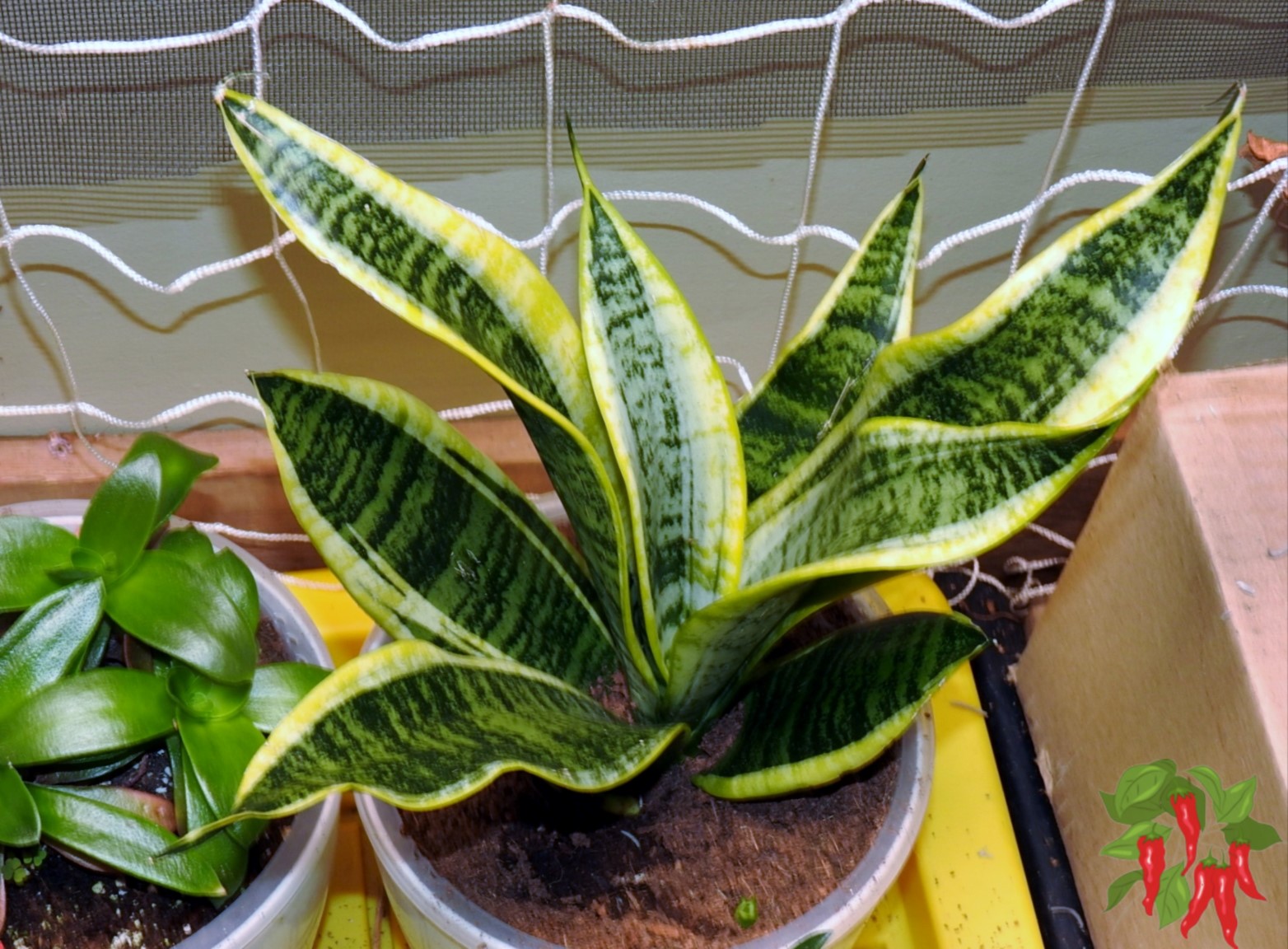
Snake Plants tolerate lower light better than many houseplants, but they still appreciate brighter conditions. Under supplemental lighting they often produce new leaves more consistently and maintain stronger growth.
See my Indoor Snake Plant Care guide.
ZZ Plant
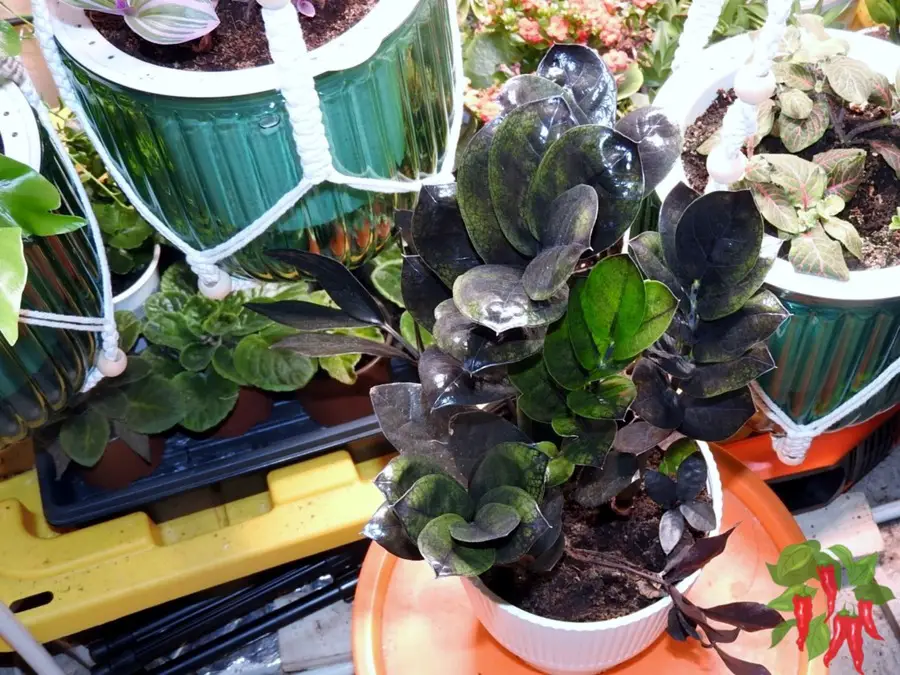
Both the classic Zanzibar Gem and the dramatic Raven ZZ benefit from brighter light, although they are famous for tolerating less. Additional light often produces healthier foliage and steadier new growth.
Learn more in my Zanzibar Gem Care and Black Raven ZZ Plant Care guides.
Cast Iron Plant
Cast Iron Plant is famous for tolerating lower light, but it still appreciates brighter growing conditions. Supplemental lighting won’t turn it into a fast grower, but it often produces stronger, healthier foliage over time.
See my Cast Iron Plant Indoor Care guide.
Which Indoor Plants Benefit the Most?
| If You Want… | Choose… |
|---|---|
| Huge tropical leaves | Monstera deliciosa |
| Long trailing vines | Pothos or Heartleaf Philodendron |
| More flowers | African Violet or Flaming Katy |
| Compact succulents | Gasteria, Haworthia, Aloe, Panda Plant |
| Easy-care foliage | Snake Plant, ZZ Plant, Chinese Evergreen |
Common Grow Light Mistakes
A quality LED grow light can make an enormous difference, but it isn’t a magic solution. I’ve seen plants improve dramatically under supplemental lighting, yet I’ve also seen growers become disappointed because of a few simple mistakes.
Putting the Light Too Far Away
Light intensity drops quickly as the distance from the plant increases. A grow light hanging several feet above a plant may provide far less usable light than you expect.
Always follow the manufacturer’s recommendations for mounting height and adjust as the plant grows.
Running Lights All Day and Night
Plants need darkness too. Keeping grow lights on 24 hours a day doesn’t usually produce better results and can actually interfere with normal plant processes.
Most houseplants do well with roughly 12 to 14 hours of supplemental lighting each day, depending on the plant and the amount of natural light it already receives.
Expecting Instant Results
My Monstera didn’t produce two-foot leaves overnight. It took several months before the difference became obvious.
Healthy growth happens gradually. New leaves, stronger stems, improved color, and more compact growth are often the first signs that your lighting is working.
Forgetting Plants Still Need Proper Care
Grow lights improve lighting, but they don’t replace good watering practices, appropriate fertilizer, or a quality growing medium.
I still grow most of my plants in a coco coir and perlite mix because good roots are just as important as good light.
Watering More Just Because You’re Using Grow Lights
Plants growing faster often use more water, but don’t automatically water on a schedule. Continue checking the growing medium first.
In my experience, overwatering is still one of the quickest ways to lose an otherwise healthy houseplant.
Remember: The two biggest reasons I see houseplants fail are overwatering and not enough light. A grow light solves one of those problems—but only if the rest of your care routine is also working.
Frequently Asked Questions About Indoor Plants Under Grow Lights
Can indoor plants survive using only grow lights?
Yes. Many houseplants grow extremely well under quality full-spectrum LED grow lights without receiving direct natural sunlight. Commercial growers and hobbyists have successfully grown houseplants this way for years.
How many hours should grow lights stay on?
Most indoor plants benefit from about 12 to 14 hours of light each day, although this varies by species and how much natural light they receive.
Can LED grow lights replace sunlight?
For many houseplants, quality LED grow lights can provide all the light needed for healthy growth. Others simply benefit from supplemental lighting when natural light is limited.
Which indoor plant responded the most in your collection?
Without question, my Monstera deliciosa. After moving it beside one of my LED grow lights, the leaves nearly doubled in size, some reaching almost two feet across, and the plant eventually grew over six feet tall.
Do succulents grow well under LED grow lights?
Absolutely. Gasteria, Haworthia, Aloe Vera, and Panda Plant all benefit from brighter light by staying compact, maintaining better color, and reducing stretching.
Can flowering plants bloom better under grow lights?
Yes. African Violets and Flaming Katy are two excellent examples. Consistent lighting often encourages more reliable flowering throughout the year.
Should every houseplant be placed under a grow light?
No. Many plants grow perfectly well near bright windows. I use grow lights where natural light isn’t sufficient or where I want to encourage stronger growth, larger foliage, or better flowering.
Final Thoughts
If there’s one lesson I’ve learned from growing houseplants indoors, it’s that light matters more than many people realize.
Many of my plants continue to grow happily in my east-facing windows, and natural light is still my preferred option whenever it’s available. But supplemental LED grow lights have become one of the most valuable tools in my indoor garden.
My Monstera deliciosa was the biggest surprise, but it certainly wasn’t the only success. My Bird’s Nest Fern, Heartleaf Philodendron, Clementine Orange, and many of my succulents have all benefited from better lighting.
A grow light doesn’t force a plant to do something unnatural. It simply provides the light many houseplants have been missing all along. Combined with proper watering and a well-draining growing medium, it can completely change how many indoor plants perform.
Where to Go Next
Explore Related Topics
More Houseplants That Love Bright Light
Grow a Monstera Deliciosa Indoors
Learn how to grow larger leaves, stronger stems, and a healthier Swiss Cheese Plant indoors.
Grow Gasteria Under LED Lights
Discover why this compact succulent responds so well to bright supplemental lighting.
Grow a Heartleaf Philodendron Indoors
See how proper lighting helps produce fuller vines, healthier foliage, and faster growth.