
Indoor plants that flower more than once give you something to look forward to long after the first blooms fade. Instead of treating flowers as a one-time event, you can grow houseplants that produce another flush of color when they receive the right light, temperature, watering, and seasonal care.
Some are especially impressive repeat bloomers. African violets, anthuriums, Crown of Thorns, and hibiscus can produce flowers again and again under good indoor conditions. Others, including Kalanchoe and Holiday Cactus, tend to flower in cycles and may need specific conditions before they’ll set buds again.
That difference matters when you’re choosing a flowering houseplant. If you want frequent color, you’ll probably make a different choice than someone who enjoys waiting for a spectacular seasonal display.
Below, we’ll compare 10 indoor plants that can flower more than once, how frequently you can realistically expect blooms, and what each plant needs to encourage another round of flowers.
What You’ll Learn
- Which indoor plants are capable of flowering repeatedly
- Which plants offer the most frequent blooms
- Which flowering plants need strong indoor light
- Why some houseplants only rebloom seasonally
- What helps encourage another round of flowers
- How to choose a repeat bloomer for your indoor space
Quick Answer: Some of the best indoor plants that flower more than once include African violets, anthuriums, Crown of Thorns, hibiscus, geraniums, lipstick plants, peace lilies, begonias, Kalanchoe, and Holiday Cactus. Some can produce repeated flushes of flowers during active growth, while others need seasonal changes in light or temperature before blooming again.
Indoor Plants That Flower More Than Once at a Glance
| Plant | Repeat Bloom Potential | What Helps It Rebloom |
|---|---|---|
| African Violet | Excellent | Bright indirect light and regular feeding |
| Anthurium | Excellent | Bright indirect light and consistent care |
| Crown of Thorns | Excellent | Plenty of bright light |
| Hibiscus | Excellent | Strong light, warmth, and regular feeding |
| Geranium | Excellent | Strong light and removal of spent blooms |
| Lipstick Plant | Very Good | Bright indirect light and healthy mature growth |
| Peace Lily | Good | Adequate indirect light and maturity |
| Begonia | Good to Excellent | Depends on variety, light, and growing conditions |
| Kalanchoe | Good | Short days and long periods of darkness |
| Holiday Cactus | Seasonal | Long nights and cooler temperatures |
Repeat Blooming Doesn’t Always Mean Continuous Flowers
There’s an important difference between a houseplant that can flower more than once and one that flowers almost continuously. Growing conditions, plant maturity, season, and the individual plant all affect how often you’ll actually see flowers.
African violets and anthuriums can cycle in and out of bloom several times when they’re happy. Hibiscus and geraniums can keep producing new flowers during active growth when they receive enough light. Holiday Cactus and Kalanchoe are different because changes in day length help trigger their next flowering cycle.
So if repeat flowers are your main priority, don’t choose based on the flower alone. Think about how much light you have and whether you want frequent blooms or you’re happy with a plant that puts on a more seasonal show.
1. African Violet

African violets are among the best choices if your goal is frequent indoor flowers. A healthy plant can produce several rounds of blooms throughout the year rather than flowering once and becoming primarily a foliage plant.
Bright indirect light is one of the keys to repeat flowering. An African violet may remain healthy in lower light but produce fewer flowers. Consistent watering and light feeding during active growth can also help support new buds.
Their compact size is another advantage. African violets can provide plenty of color without requiring the floor or window space needed by larger flowering plants such as hibiscus.
Learn how to grow African Violets indoors →
2. Anthurium
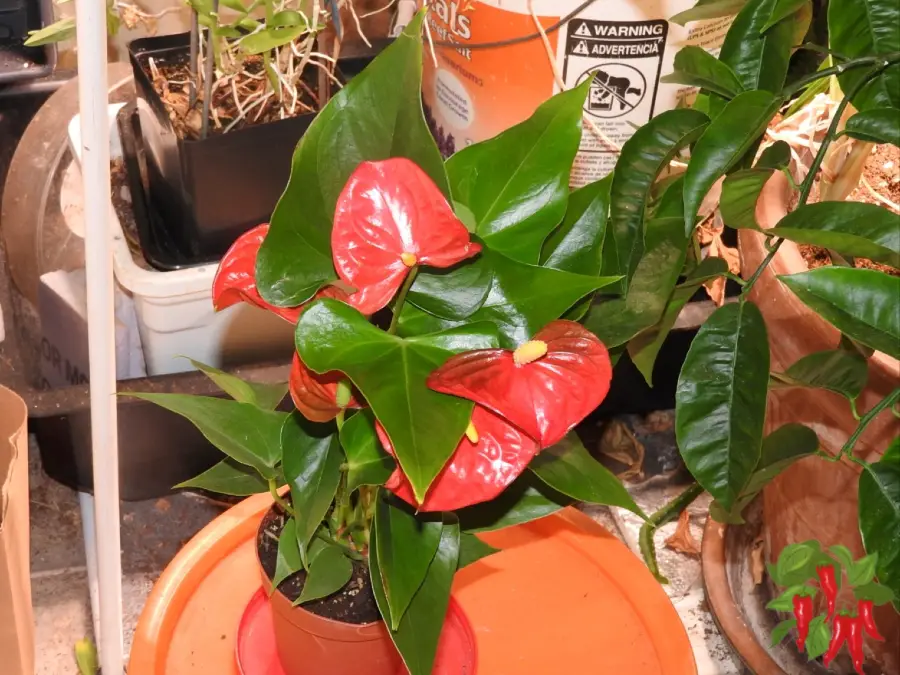
Anthuriums are another excellent option when you want a flowering houseplant that doesn’t put on one show and quit. Under good indoor conditions, established plants can repeatedly produce their distinctive colorful spathes throughout the year.
Bright indirect light is important. Anthuriums can survive in lower light, but surviving and flowering aren’t the same thing. Give the plant enough light, warmth, and consistent moisture if flowers are your priority.
The blooms are also unusually long-lasting, so even a plant that isn’t constantly producing new flowers can appear colorful for extended periods.
Learn how to grow Anthurium indoors →
3. Crown of Thorns
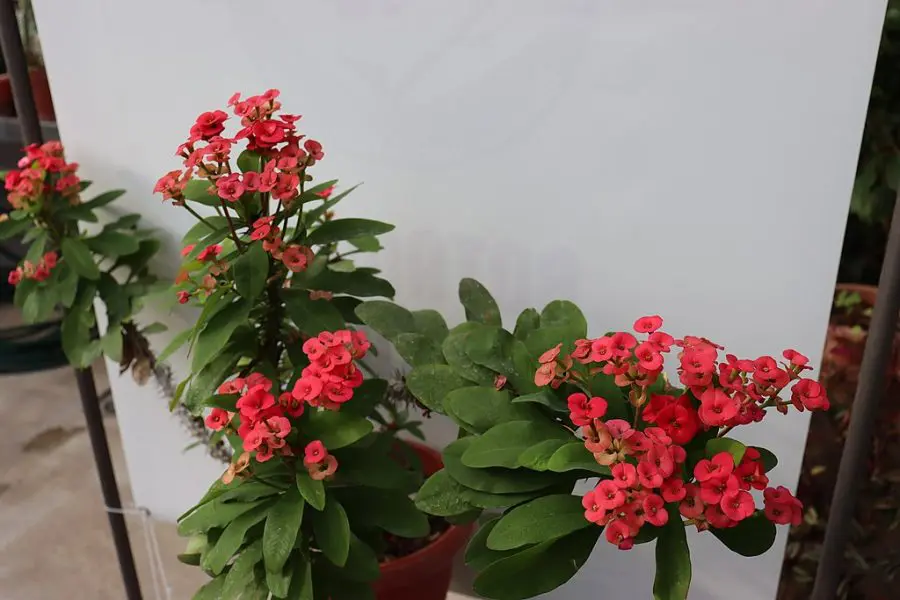
Crown of Thorns is one of the strongest choices for repeat flowers if you have a very bright indoor location. With enough light, an established plant can produce colorful bracts repeatedly rather than relying on a single seasonal bloom.
This is a much different plant from moisture-loving flowering houseplants such as Peace Lily. Crown of Thorns prefers brighter light and should be allowed to dry somewhat between waterings, making it appealing if you tend to grow succulents successfully.
The biggest requirement for good flowering is light. A plant kept too far from a bright window may remain alive but lose much of the repeat-blooming performance that makes Crown of Thorns worth growing.
Learn how to grow Crown of Thorns indoors →
4. Hibiscus
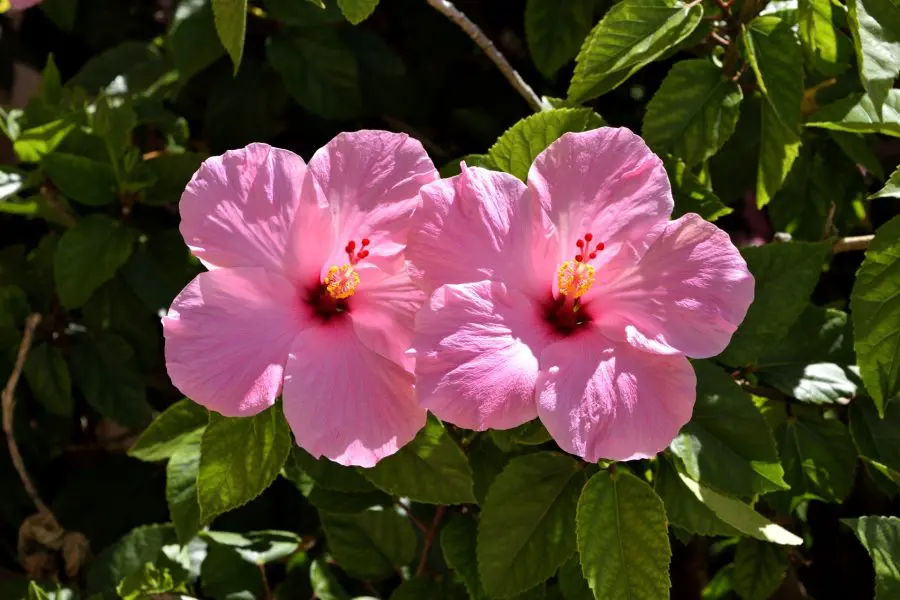
Hibiscus is hard to beat if you want large, colorful flowers indoors. Individual blooms don’t last very long, but a healthy plant can continue producing new flower buds throughout its active growing season.
The tradeoff is light. Hibiscus needs considerably more light than plants such as Peace Lily or African Violet if you want dependable flowering. A sunny window or supplemental grow light can make a big difference when growing hibiscus indoors.
Hibiscus also becomes a much larger plant than most of the choices on this list. If you have the room and plenty of light, however, the repeated display of large tropical flowers can make the extra space worthwhile.
Learn how to grow Hibiscus indoors →
5. Geranium

Geraniums can be excellent repeat bloomers indoors when they’re given enough light. Rather than producing a single flowering display, a healthy plant can continue developing new clusters of flowers during active growth.
Strong light is the biggest factor. A bright sunny window is usually a better location than the indirect-light conditions preferred by many traditional houseplants. Removing spent flower clusters can also help keep the plant tidy and encourage continued growth.
Geraniums are a particularly good choice if you already have a sunny windowsill where lower-light flowering houseplants may struggle.
Learn how to grow Geraniums in pots →
6. Lipstick Plant
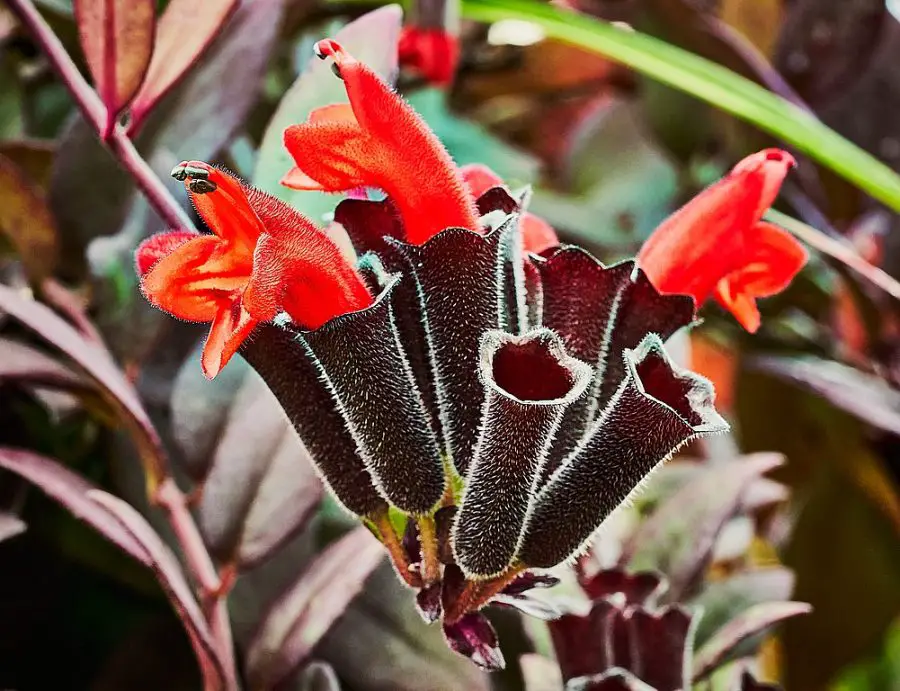
Lipstick Plants combine attractive trailing foliage with colorful tubular flowers, making them especially useful when you want a flowering plant for a shelf or hanging basket. Mature plants can produce repeated flushes of flowers when they’re receiving enough light.
Bright indirect light is particularly important for flowering. A Lipstick Plant may continue growing foliage in weaker light without producing the number of blooms you were hoping for.
There are also different varieties to choose from. I’ve been growing Lipstick Plants myself, including trying the Mona Lisa variety, so this is a plant I’ll continue watching to see how flowering differs between varieties under indoor conditions.
Learn how to grow Lipstick Plants indoors →
Explore Mona Lisa Lipstick Plant care →
7. Peace Lily
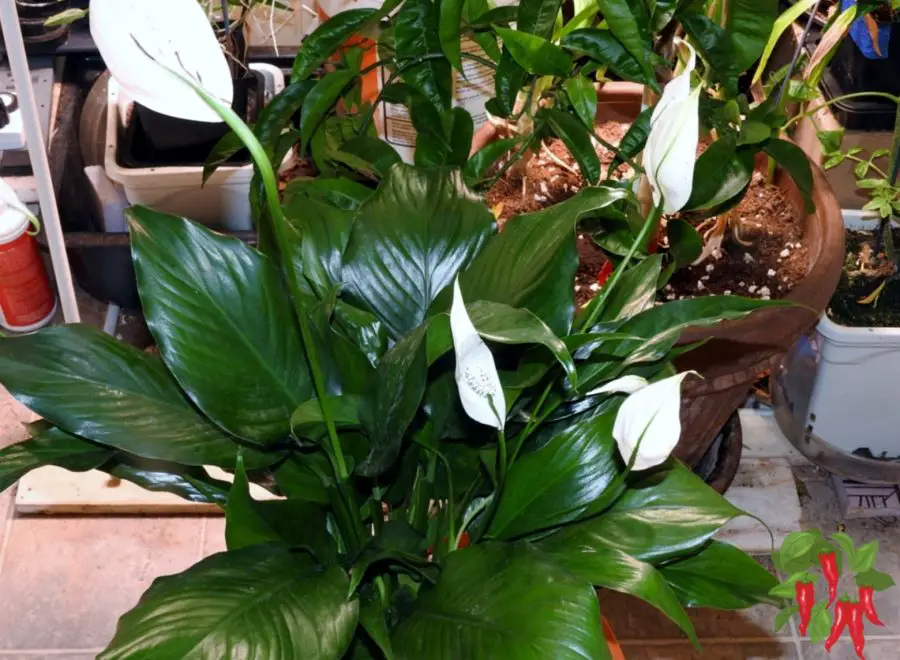
Peace Lilies are often sold covered in white blooms, but those original flowers aren’t necessarily the end of the show. A mature, healthy Peace Lily can flower again indoors when growing conditions are right.
Light is often the missing piece. Peace Lilies tolerate lower-light locations remarkably well, but a plant that survives in low light may produce mostly foliage. Providing brighter indirect light can improve your chances of seeing another round of flowers.
This makes Peace Lily a good example of why it’s important to separate low-light tolerant from best conditions for flowering. If blooms are your priority, give the plant more indirect light than the minimum it needs simply to stay healthy.
Start with my Peace Lily care guide for beginners →
Explore my complete indoor Peace Lily care guide →
Find answers to common Peace Lily care questions →
8. Begonia
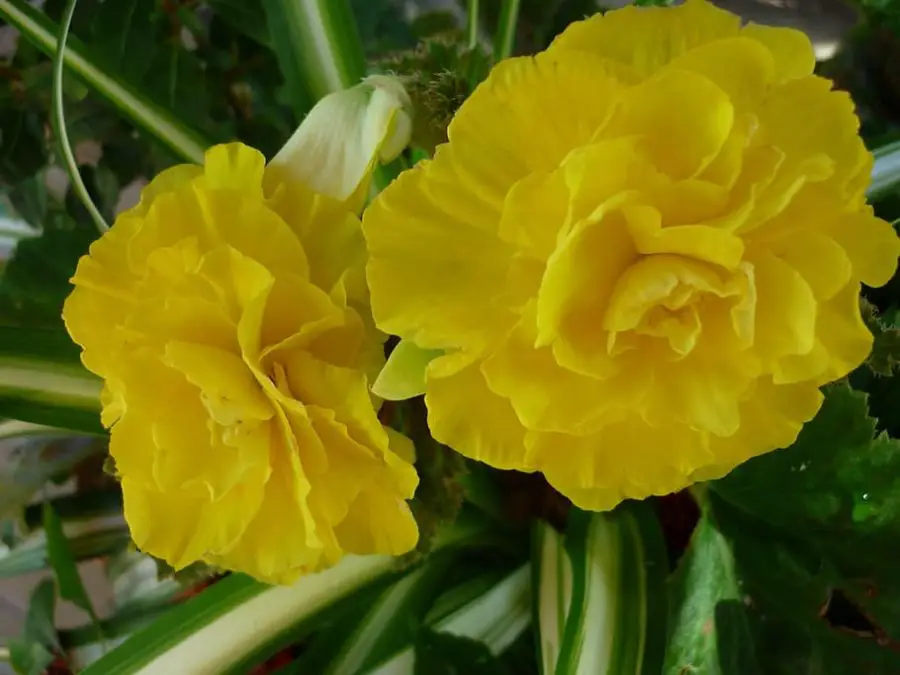
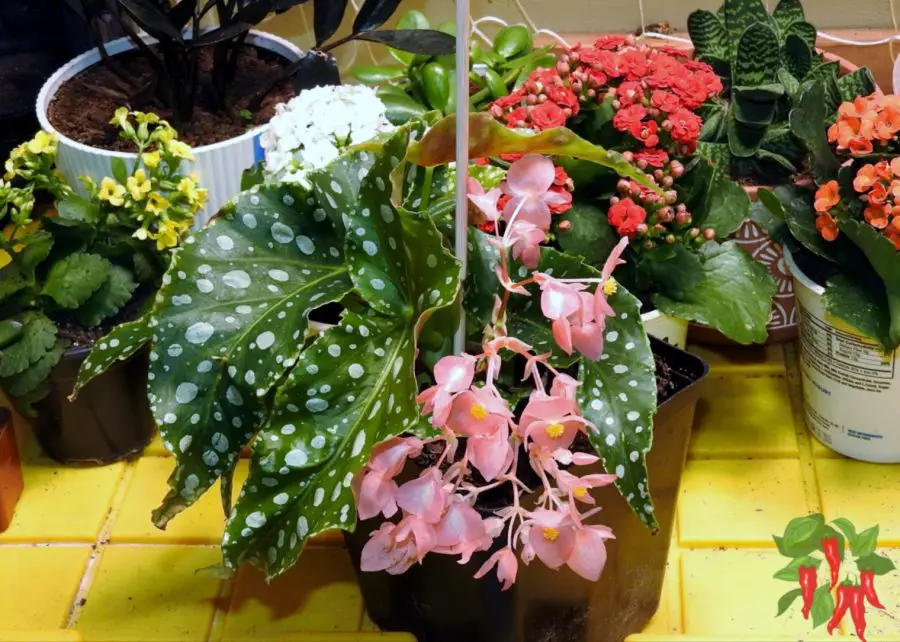
Begonias give you plenty of choices when you’re looking for indoor flowers, and their blooming habits vary considerably between types. Some begonias are grown primarily for spectacular foliage, while flowering types can produce repeated displays under good growing conditions.
Tuberous begonias are especially impressive when they’re in bloom, producing colorful flowers that can be much larger and showier than you might expect from an indoor plant.
Good light is important, but intense direct sunlight can be too much. Bright filtered light, appropriate watering, and good air circulation provide a better balance for indoor growth and flowering.
Learn how to grow Tuberous Begonias indoors →
9. Kalanchoe
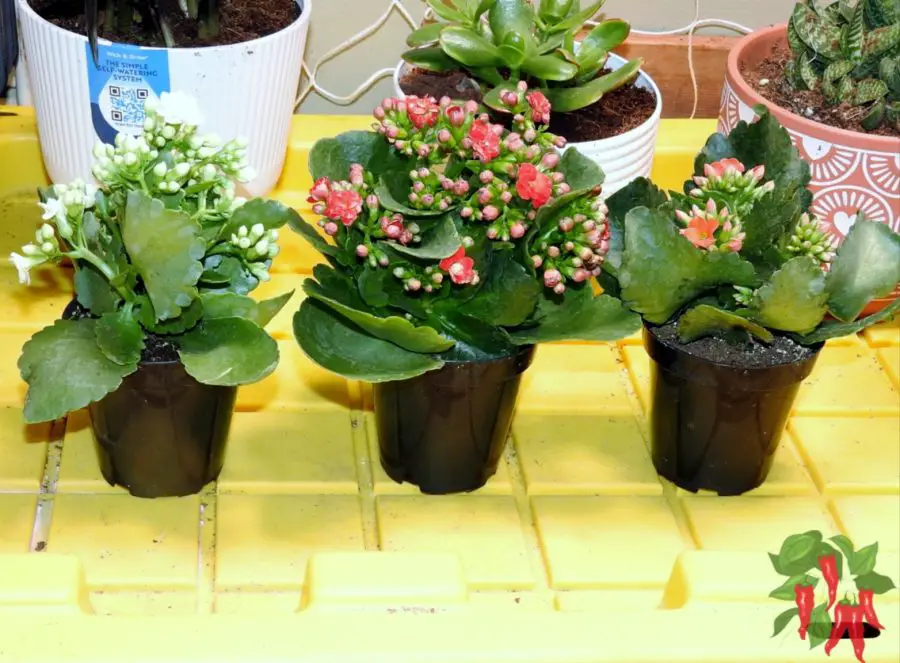
Kalanchoe, particularly Flaming Katy, is often purchased while covered in clusters of colorful flowers. The good news is that the plant isn’t finished when those original blooms fade. It can flower again, although reblooming requires a little more involvement than it does with some of the other plants on this list.
Kalanchoe is a short-day plant. Longer periods of uninterrupted darkness help trigger flower bud development. This is why a healthy Kalanchoe sitting under indoor lights late into the evening may continue growing without producing another big display of flowers.
If you’re willing to work with its natural flowering cycle, Kalanchoe rewards you with dense clusters of blooms while remaining relatively compact and easy to fit into an indoor plant collection.
Learn how to grow Flaming Katy indoors →
10. Holiday Cactus
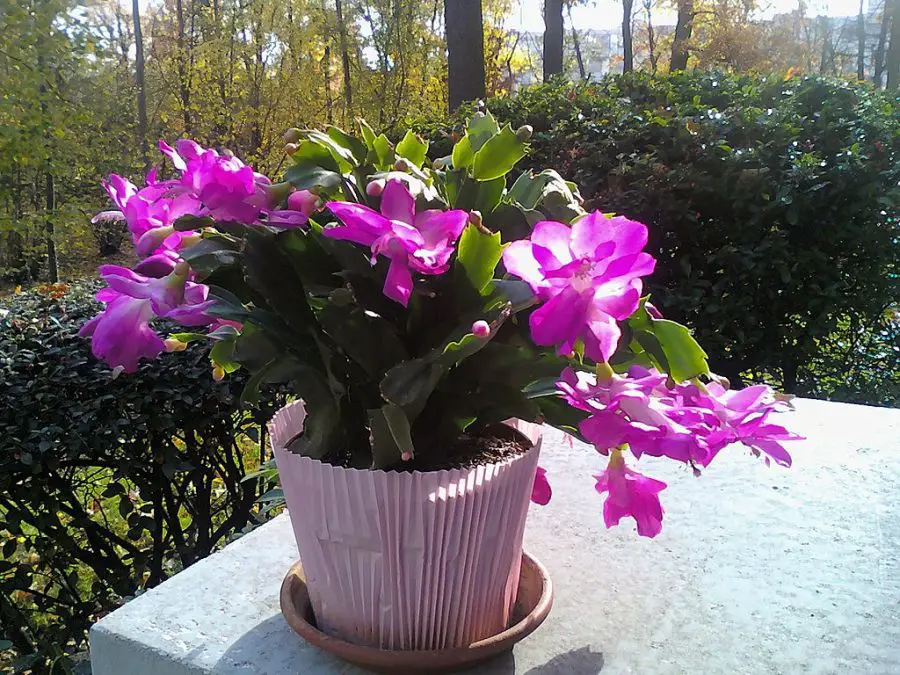
Holiday Cactus is different from the frequent bloomers near the top of this list. Rather than producing flowers continuously, it puts on a more seasonal display that can return year after year.
Changes in day length and temperature help trigger bud formation. Longer nights and somewhat cooler conditions can encourage the plant to begin its next flowering cycle.
That makes Holiday Cactus a good choice if you don’t necessarily need flowers throughout the year. Instead, you get an easy-to-grow foliage plant most of the time followed by a colorful seasonal display worth waiting for.
Learn how to grow Holiday Cactus indoors →
Which Repeat-Blooming Indoor Plant Should You Choose?
The best choice depends less on which flower you like most and more on the growing conditions you can actually provide. Start with your available light, then decide how frequently you’d like the plant to flower.
| If You Want… | Try… |
|---|---|
| Frequent flowers in a small space | African Violet |
| Long-lasting tropical color | Anthurium |
| Flowers for a very bright window | Crown of Thorns, Hibiscus, or Geranium |
| Flowers from a trailing plant | Lipstick Plant |
| A plant tolerant of moderate indoor light | Peace Lily |
| A dramatic flowering display | Hibiscus or Tuberous Begonia |
| A compact succulent with flowers | Kalanchoe |
| A dependable seasonal display | Holiday Cactus |
If repeat flowers are the main goal, I’d start with African Violet, Anthurium, Crown of Thorns, or Geranium. If you enjoy plants with a more obvious flowering season, Kalanchoe and Holiday Cactus give you something different to look forward to each year.
How to Get Indoor Plants to Flower Again
Getting a flowering houseplant to bloom again usually comes down to giving it the conditions it needs to produce flowers instead of simply keeping it alive. A plant can look perfectly healthy and still produce very few blooms.
Light is usually the first thing to check. Many flowering plants need considerably more light to bloom than they need to maintain healthy foliage. Peace Lily is a good example. It can tolerate relatively low light, but brighter indirect light gives it a much better chance of flowering again.
The same principle applies to sun-loving plants such as Hibiscus, Geranium, and Crown of Thorns. If these plants are growing but refusing to flower, increasing the available light is often a better first step than adding more fertilizer.
Give the Plant Enough Light
Match the light to the plant rather than treating all flowering houseplants the same. African Violets and Anthuriums generally prefer bright indirect light, while Hibiscus, Geraniums, and Crown of Thorns can handle much stronger light.
If you don’t have enough natural light, a grow light can help extend the number of places where you can successfully grow flowering plants indoors.
Don’t Overdo the Fertilizer
Fertilizer can support flowering, but more isn’t necessarily better. Excess fertilizer can damage roots, and too much nitrogen may encourage lots of leafy growth without improving flowering.
I prefer to concentrate first on healthy roots, appropriate light, and consistent watering. Fertilizer should support a healthy plant rather than compensate for poor growing conditions.
Understand Seasonal Bloom Triggers
Some plants won’t rebloom simply because you provide more light and fertilizer. Holiday Cactus and Kalanchoe respond to changes in day length, and temperature can also influence flowering.
This is why knowing what kind of flowering cycle your plant follows is so useful. Sometimes the plant isn’t doing anything wrong. It’s simply waiting for the environmental signals that tell it when to produce another round of flowers.
Keep the Plant Healthy Between Blooms
The period between flowering cycles matters. Continue providing appropriate light, water, and nutrition so the plant can produce healthy new growth. That new growth often supports the next round of flowers.
Remove dead flowers when appropriate, watch for pests, and avoid unnecessary stress from repeated moves, extreme temperatures, or major changes in watering.
Common Mistakes That Can Reduce Flowering
Choosing a Location That’s Too Dark
This is probably one of the easiest mistakes to make. A flowering plant may continue producing attractive leaves in inadequate light, giving you the impression that everything is fine. Flower production often declines long before the foliage looks unhealthy.
Expecting Every Plant to Bloom Continuously
Repeat blooming doesn’t mean a plant will always have flowers. African Violets may cycle through multiple rounds of blooms, while Holiday Cactus naturally puts on a much more seasonal display.
Adding More Fertilizer When Flowers Stop
A lack of flowers doesn’t automatically mean the plant needs fertilizer. Check light, temperature, watering, plant maturity, and seasonal conditions before increasing feeding.
Ignoring the Plant’s Natural Flowering Cycle
Kalanchoe and Holiday Cactus are good examples. Both can flower again, but they respond to environmental changes that help initiate bud development. Treating them exactly like an Anthurium or African Violet can lead to disappointment.
Buying for Flowers Without Considering Mature Size
The plant covered in flowers at the garden center may eventually become much larger. Hibiscus can require considerably more room than an African Violet or Kalanchoe. Think about the mature plant as well as the flowers you’re seeing today.
Frequently Asked Questions
What indoor plant flowers most often?
African Violets are among the most dependable repeat-flowering houseplants. With good light and consistent care, they can produce several flowering cycles throughout the year. Anthuriums and Crown of Thorns are also excellent choices for repeated color.
Can houseplants really flower more than once a year?
Yes. Many flowering houseplants can bloom multiple times a year. How frequently they flower depends on the species, available light, temperature, plant maturity, and overall growing conditions.
Why won’t my flowering houseplant bloom again?
Insufficient light is a common reason. The plant may have enough light to grow leaves but not enough to support flowering. Seasonal flowering cycles, incorrect temperatures, plant maturity, watering problems, and excessive fertilizer can also affect blooming.
Which flowering indoor plants stay small?
African Violets and Kalanchoe are particularly useful when space is limited. They can provide plenty of flower color without requiring the room needed by larger plants such as Hibiscus.
Which flowering houseplants are best for bright windows?
Hibiscus, Geranium, and Crown of Thorns are strong choices when you have plenty of bright light. These plants generally need more light for dependable flowering than Peace Lilies, African Violets, and many other traditional houseplants.
Do flowering houseplants need special fertilizer?
Not necessarily. Appropriate light, healthy roots, correct watering, and good overall growing conditions should come first. A suitable houseplant fertilizer can support active growth and flowering, but fertilizer alone won’t make a poorly positioned plant bloom.
Which indoor plants flower during winter?
Holiday Cactus is an obvious choice for seasonal winter flowers. African Violets and Anthuriums may also flower during winter when indoor light and growing conditions remain favorable.
Final Thoughts
You don’t have to settle for a flowering houseplant that looks spectacular at the store and never blooms again. African Violets, Anthuriums, Crown of Thorns, Hibiscus, Geraniums, Lipstick Plants, Peace Lilies, Begonias, Kalanchoe, and Holiday Cactus are all capable of giving you another round of flowers.
The important part is choosing a plant that matches your growing conditions. If you have a bright sunny window, Hibiscus, Geranium, or Crown of Thorns may be excellent choices. For smaller spaces and bright indirect light, African Violet is hard to beat. If you enjoy seasonal flowers, Kalanchoe and Holiday Cactus give you a completely different experience.
Instead of asking which flowering houseplant is best overall, start with the light and space you actually have. Choose a plant that fits those conditions, and you’ll have a much better chance of enjoying flowers more than once.
Continue Exploring Flowering Indoor Plants
References
- University of Minnesota Extension – African Violets
Information on indoor African Violet care, lighting, and their ability to bloom several times a year. - Iowa State University Extension – How Do I Care for Kalanchoe?
Information on Kalanchoe care and the short-day conditions needed to encourage reblooming. - University of Minnesota Extension – Lighting for Indoor Plants
Guidance on light requirements for flowering houseplants and how day length influences flowering. - Clemson Cooperative Extension – Peace Lily
Information on Peace Lily flowering, indoor light requirements, watering, and general care.