
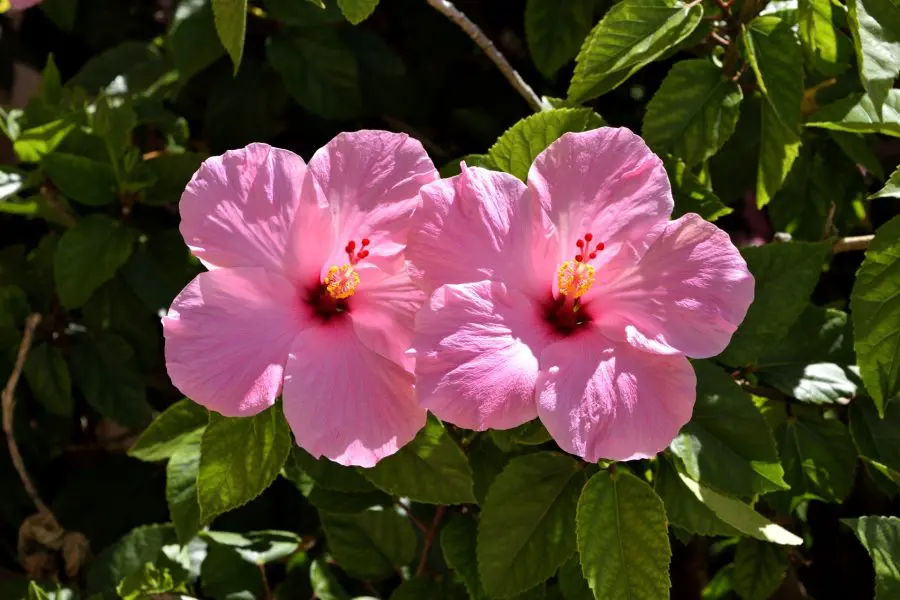
Many gardeners want to learn about Hibiscus plant care indoors because few houseplants produce flowers as large and colorful as tropical Hibiscus. With their bright blooms and lush foliage, these plants bring a tropical feel to sunrooms, bright windows, and indoor growing spaces.
While Hibiscus plants can be more demanding than some houseplants, providing enough light, moisture, and nutrients will reward you with healthy growth and spectacular flowers throughout much of the year.
What You’ll Learn
- How much sunlight indoor Hibiscus plants need
- The best watering and fertilizing practices
- How to encourage more flowers indoors
- Common Hibiscus problems and solutions
- Tips for winter care and long-term success
You Can Find Hibiscus Trees On Amazon
An Introduction To Hibiscus Plant Care Indoors
If you’re a fan of vibrant colors and stunning flowers, then you’re in for a treat.
Hibiscus plants are known for their showy blooms, and they can thrive both indoors and outdoors.
However, if you’re looking to bring these beautiful plants inside your home, you need to be aware of their specific needs.
That’s why we’ve put together this comprehensive guide to Hibiscus Plant Care Indoors.
From proper lighting to watering techniques and everything in between, we’ll cover everything you need to know to help your Hibiscus plant thrive.
Hibiscus Trees For Sale
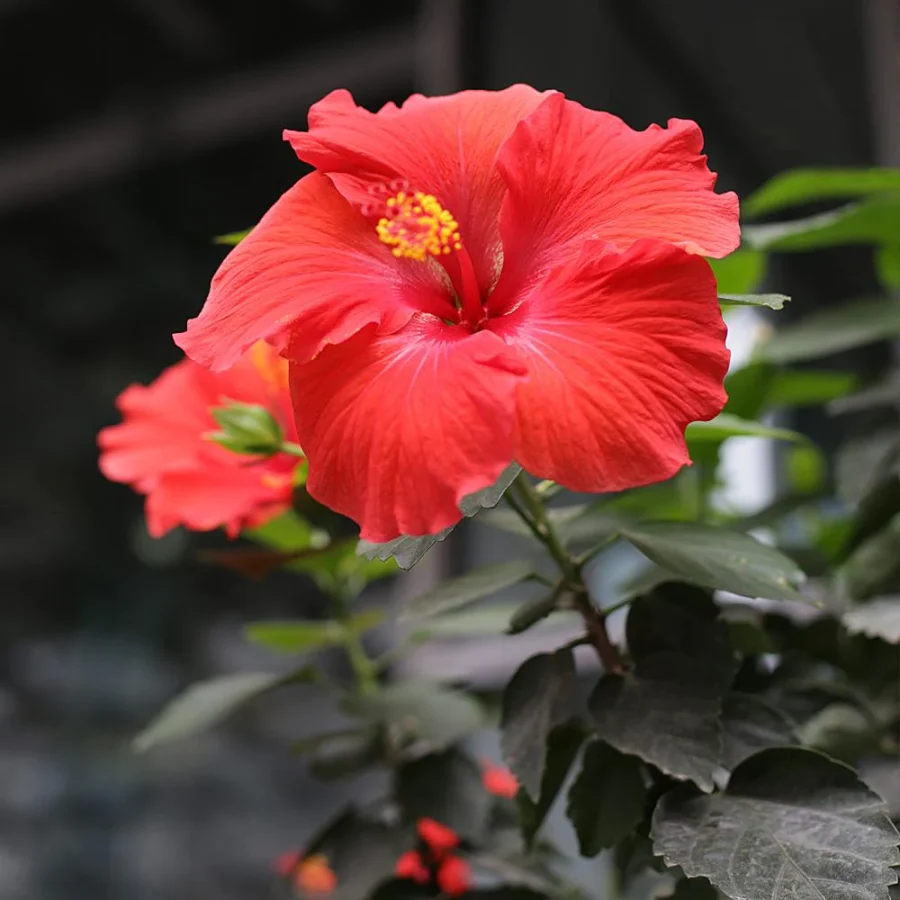
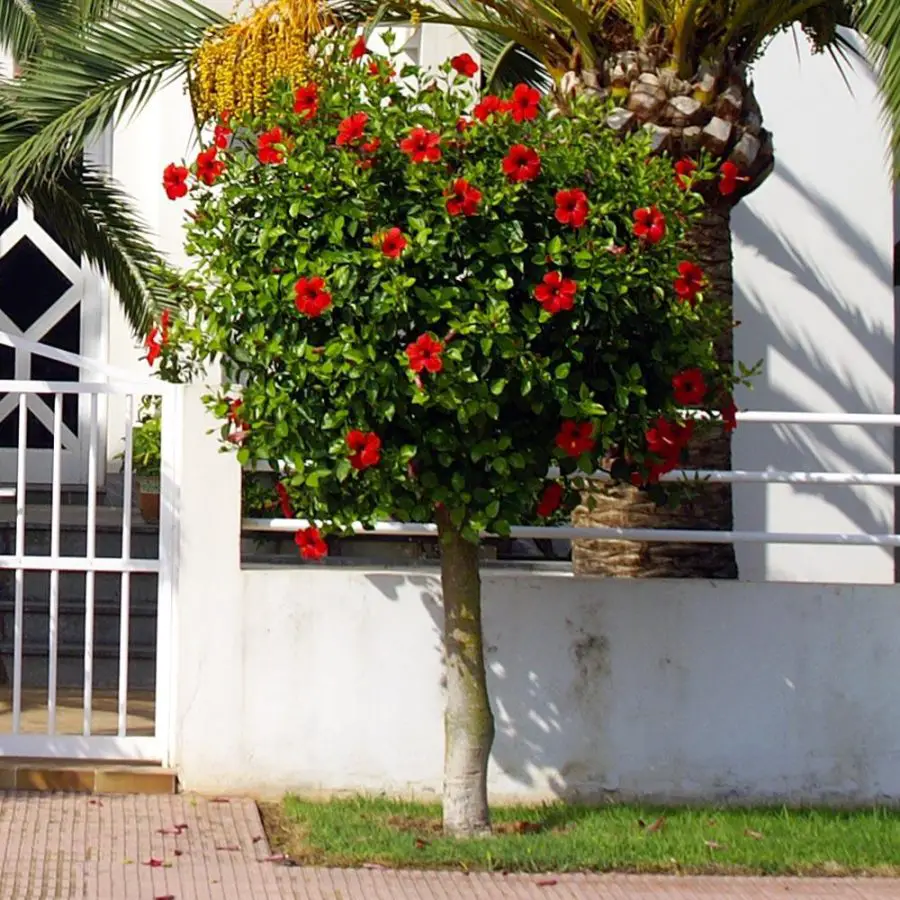
Alluring Red Flowers Flourish in All Climates
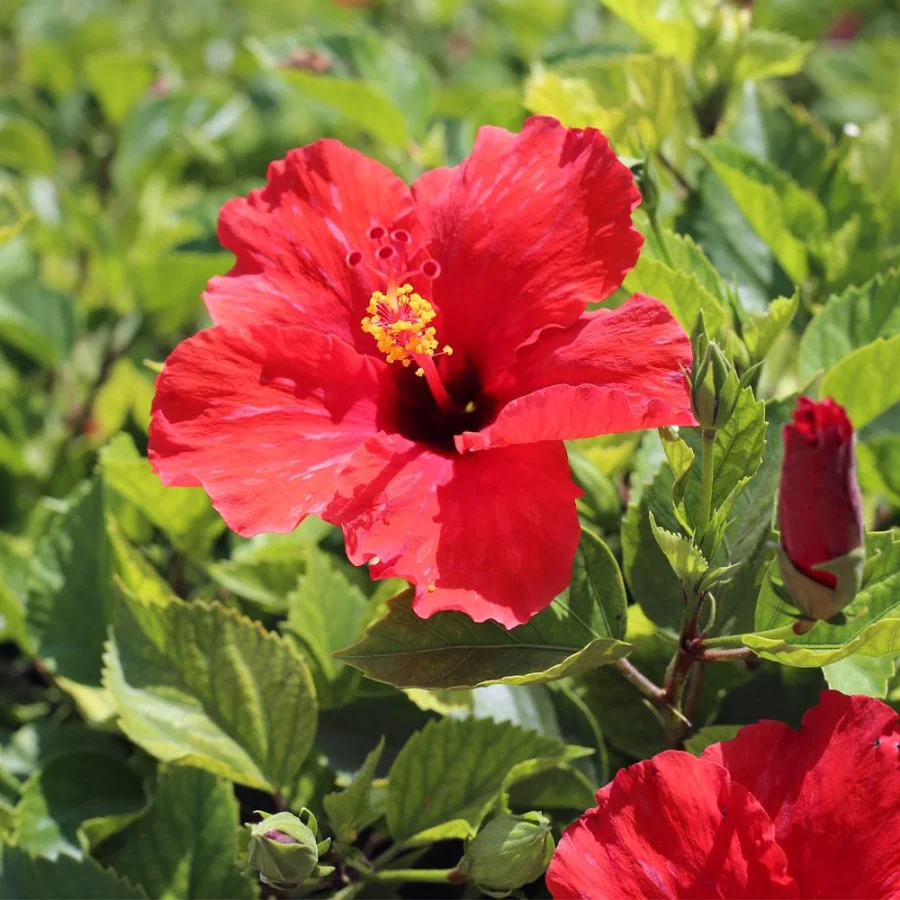
The appeal of red tropical Hibiscus trees is irresistible and you can enjoy these beautiful blooms for yourself.
From July to October, Tropical Hibiscus Trees add a splash of striking blossoms to your outdoor space.
These flowers showcase red petals complemented by even deeper red centers, creating stunning focal points.
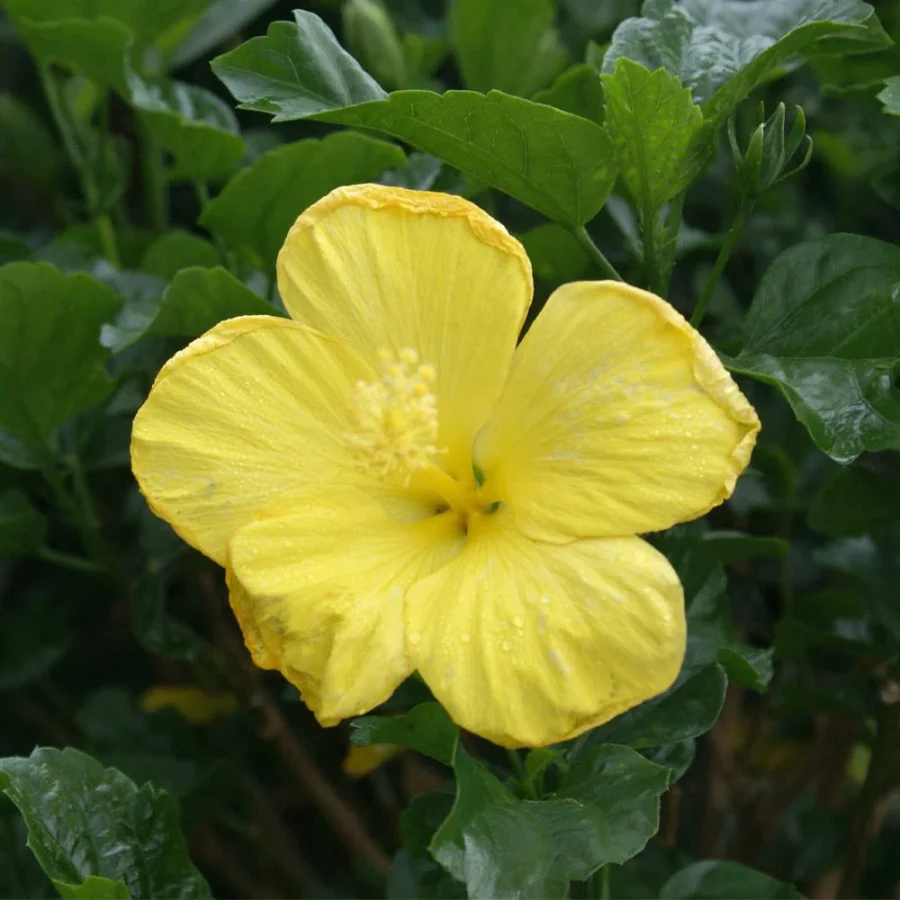
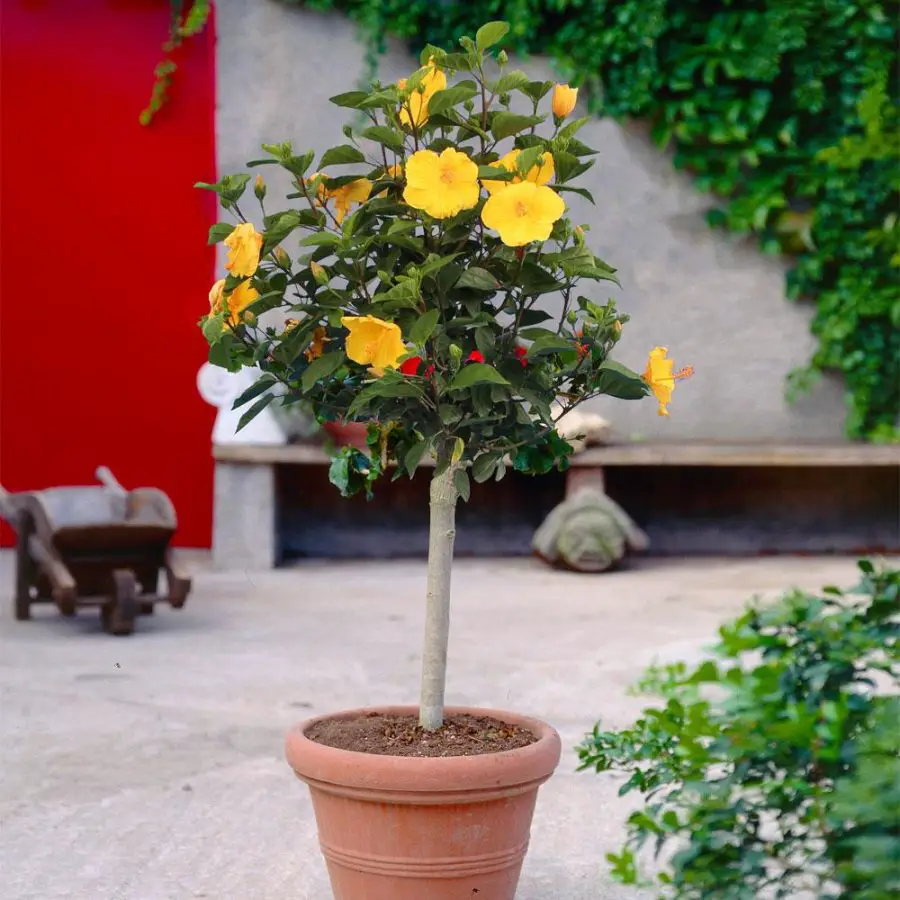
They are also available with pink or yellow flowers!
You Can Find Hibiscus Trees On Amazon
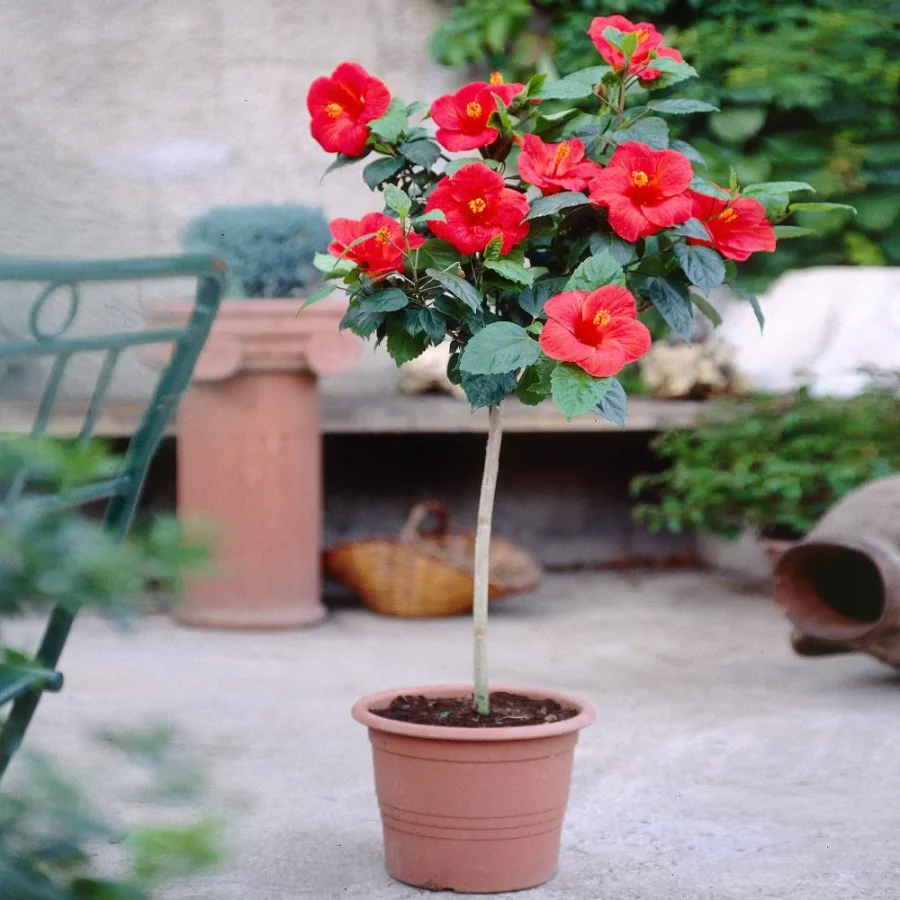
| Mature Height: | 6-8 ft. |
| Mature Width: | 2-3 ft. |
| Sunlight: | Full-Partial Sun |
| Growth Rate: | Moderate |
| Botanical Name: | Hibiscus rosa-sinensis |
| Grows Well In Zones: | 4-11 patio / 9-11 outdoors |
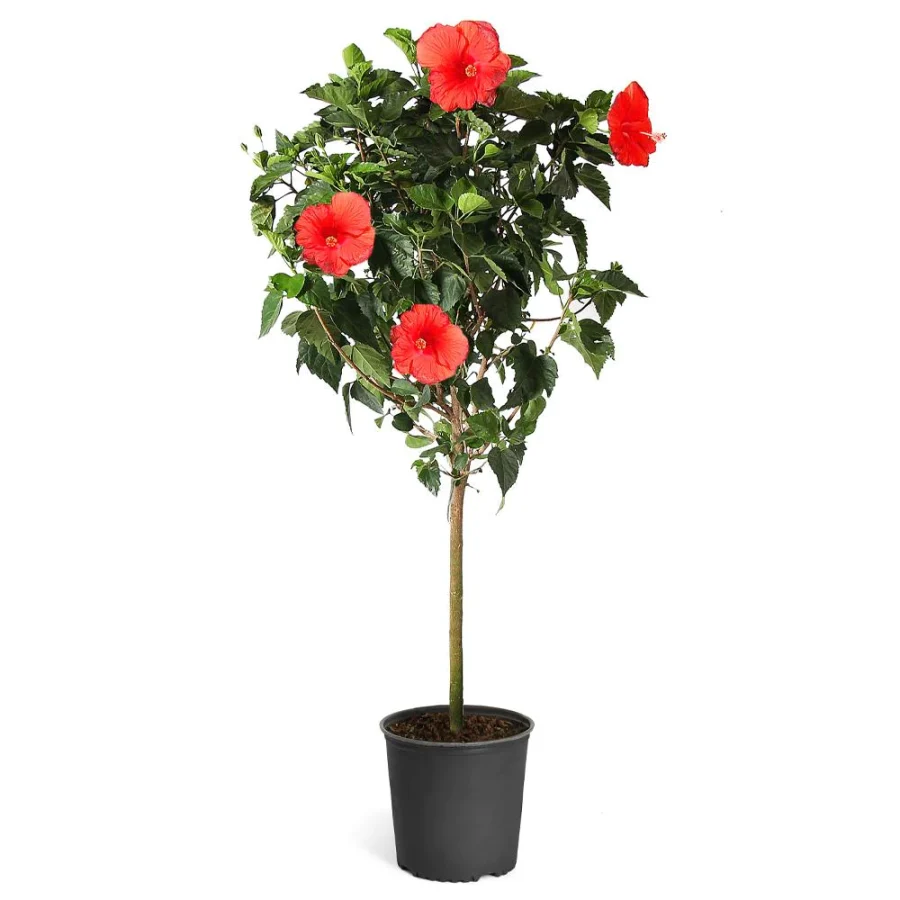
This lively red Hibiscus patio tree can thrive in any region when grown in a container.
To encourage larger blossoms, prune the branches by a third during late spring.
Both hummingbirds and butterflies are drawn to these radiant flowers, creating a spectacular display in any garden setting.

Growing Zones: 4-11 patio / 9-11 outdoors
Hibiscus Plant Overview
Hibiscus plants are known for their stunning, showy flowers and are popular as indoor plants due to their bright colors and tropical look.
These plants are native to tropical regions and are commonly found in warmer climates.
The most popular Hibiscus plant species used as indoor plants is Hibiscus rosa-sinensis, also known as Chinese Hibiscus or rose mallow.
The plant is easy to care for and will reward you with beautiful flowers if given the proper care.
Why Indoor Gardeners Love Hibiscus Plants
- Large tropical flowers in bright colors
- Long blooming season with proper care
- Excellent patio and indoor container plant
- Can be grown indoors year-round in colder climates
- Creates a tropical focal point in bright rooms
- Available in many flower colors and forms
Hibiscus Plant Care Indoors In A Nutshell
Here is a quick guide to Hibiscus plant care indoors. We will cover many of these topics in more detail later in the post.
Plant Size: When it comes to indoor Hibiscus, size matters. The plant needs ample space to grow and thrive.
Make sure to choose a pot that’s at least 2-3 inches larger than the root ball.
Keep in mind that Hibiscus can grow up to 6 feet tall, so plan accordingly.
Lighting Requirements for Indoor Hibiscus Plants
Indoor Hibiscus plants require a lot of light to produce vibrant blooms.
Ideally, they should be placed in a bright spot where they can receive at least 6 hours of direct sunlight per day.
If you don’t have a south-facing window or enough natural light, you can use grow lights to supplement the light requirements.
Watering and Soil Requirements for Indoor Hibiscus Plants
Hibiscus plants require consistently moist soil, but it’s essential to avoid overwatering, which can lead to root rot.
Water your plant when the top inch of soil is dry to the touch, and make sure your pot has adequate drainage holes.
Using well-draining soil such as coco coir is also a good idea.
Fertilizing Indoor Hibiscus Plants
Hibiscus plants are heavy feeders and require regular fertilization to produce the best blooms.
Use a balanced fertilizer with a 1:1:1 or 2:1:2 NPK ratio every two weeks during the growing season.
Slow-release fertilizers are also a good option.
Temperature and Humidity for Indoor Hibiscus Plants
Hibiscus plants prefer warm temperatures between 60-90°F (15-32°C) and high humidity levels around 60%.
Keep your plant away from drafts and sudden temperature changes.
To increase humidity levels, you can use a humidifier or place a tray of water near your plant.
Maintenance and Pruning for Indoor Hibiscus Plants
Regular maintenance and pruning are essential to keep your indoor Hibiscus plant healthy and producing vibrant blooms.
Remove any yellow leaves, spent flowers, or damaged branches regularly.
Pruning can also help encourage new growth and a bushier plant.
Repotting Indoor Hibiscus Plants
Hibiscus plants grow quickly, and you may need to repot them every year or two.
Use a pot that’s one size larger than the current pot, and make sure it has adequate drainage holes.
Use fresh potting soil and water your plant thoroughly after repotting.
Propagating Indoor Hibiscus Plants
You can propagate Hibiscus plants using stem cuttings or by seed.
Take a 6-inch cutting from the tip of a healthy stem, remove the lower leaves, and place the cutting in moist potting soil.
Keep the soil consistently moist and place the cutting in a warm spot with bright, indirect light.
Growing Hibiscus From Seed
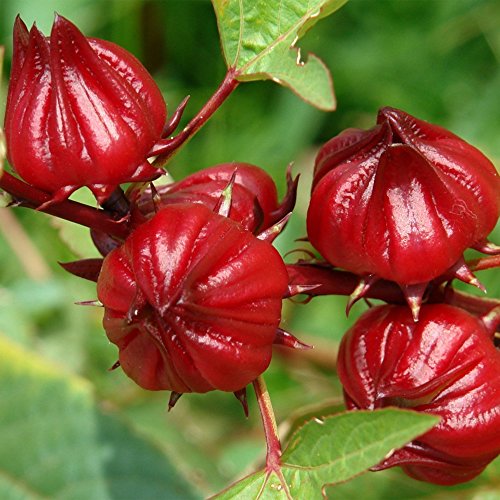
Hibiscus seeds are available on Amazon here
Planting Hibiscus from seed can be a rewarding experience, allowing you to grow your own beautiful plants from scratch. Follow these steps for successful Hibiscus seed planting:
Obtain Hibiscus seeds: You can purchase seeds from a reliable source or collect them from an existing plant once the seed pods have matured and dried.
Soak the seeds: Place the seeds in a bowl of warm water and let them soak for at least 8 hours or overnight. This helps soften the seed coat and encourages better germination.
Prepare the planting medium: Fill a seed tray or small pots with a well-draining, moist seed-starting mix.
You can use a commercially available mix or make your own by combining coco coir with 25% perlite.
Plant the seeds: Sow the seeds 1/4 inch deep in the prepared planting medium.
Gently press the seeds into the soil and cover them lightly with the mix.
Maintain proper growing conditions: Place the tray or pots in a warm, brightly lit area, with a consistent temperature of around 75°F (24°C).
Avoid direct sunlight, as it can cause the soil to dry out too quickly.
Water the seeds: Keep the soil consistently moist but not waterlogged.
You can use a spray bottle to mist the soil surface gently, ensuring even moisture without displacing the seeds.
Monitor germination: Depending on the Hibiscus variety, germination typically occurs within 2-4 weeks.
Keep an eye on the seedlings and continue to provide proper care.
Transplant seedlings: Once the seedlings have developed a few sets of true leaves, you can transplant them into larger pots or directly into your garden.
Be gentle while handling the delicate roots to avoid damage.
Place the seedlings in a well-draining soil mix and provide ample sunlight and water as they continue to grow.
Pests and Diseases for Indoor Hibiscus Plants
The most common pest for indoor Hibiscus plants is spider mites, which can be treated with insecticidal soap or neem oil.
Hibiscus plants are also susceptible to root rot, which can be prevented by ensuring adequate drainage and avoiding excess water. Yellow leaves
Growing Hibiscus Indoors vs Outdoors
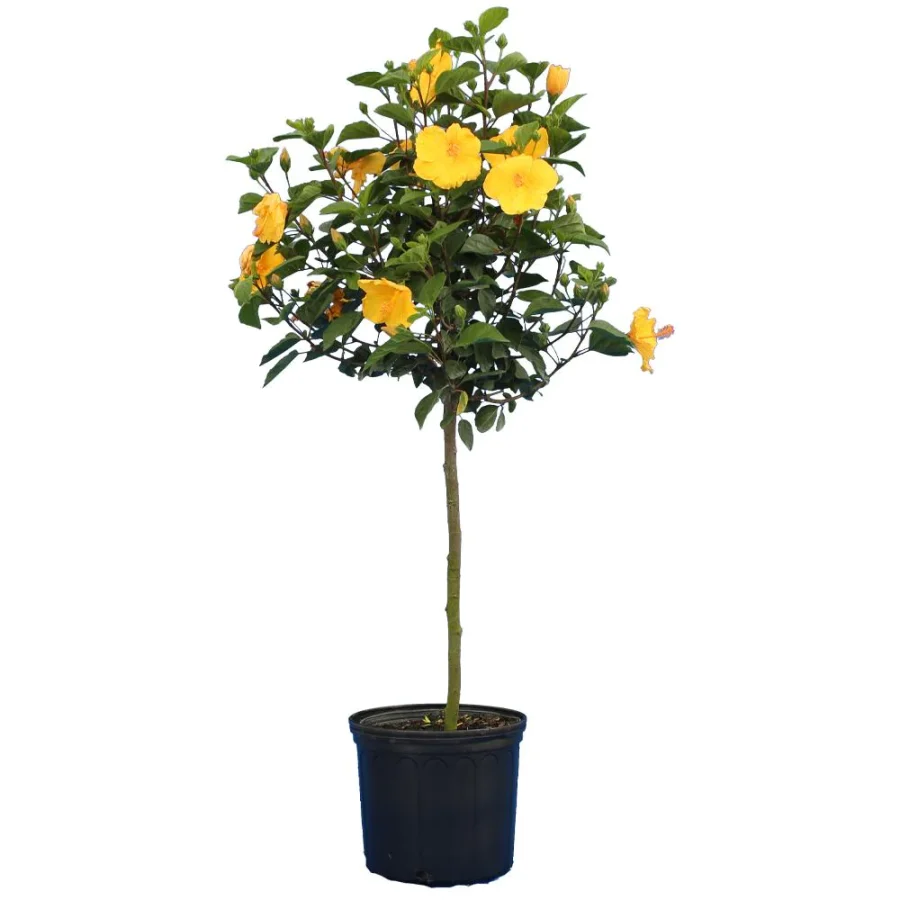
Many gardeners grow Hibiscus outdoors during the warm months and move them indoors when temperatures begin to drop. Others grow tropical Hibiscus as permanent houseplants in bright sunrooms, near large windows, or under grow lights.
Both approaches can be successful, but indoor and outdoor growing conditions create different challenges and advantages. Understanding those differences will help you decide which option works best for your climate and available space.
Key Differences Between Indoor and Outdoor Hibiscus
Outdoor Hibiscus plants typically receive more sunlight, better air circulation, and more room to grow. As a result, they often grow larger and produce more flowers during the growing season.
Indoor Hibiscus plants benefit from protection against cold weather and can be enjoyed year-round. However, they usually require extra attention to lighting, humidity, and fertilization to maintain healthy growth and consistent blooming.
Advantages of Growing Hibiscus Indoors
- Protection from frost and cold temperatures
- Enjoy tropical flowers year-round in colder climates
- Less exposure to harsh weather conditions
- Can serve as a colorful focal point indoors
- Easy to move and reposition as needed
Challenges of Indoor Hibiscus Care
- Requires very bright light for reliable flowering
- May need supplemental grow lights during winter
- Lower indoor humidity can stress plants
- Spider mites and aphids can become persistent pests
- Plants may not grow as large as outdoor specimens
Choosing the Right Hibiscus for Indoor Growing
When selecting a Hibiscus for indoor growing, look for compact or dwarf varieties that are easier to manage in containers. Consider the mature size of the plant, available light levels in your home, and whether you have space for a larger specimen as it matures.
Tropical Hibiscus varieties (Hibiscus rosa-sinensis) are generally the best choice for indoor growing because they adapt well to container culture and can produce flowers throughout much of the year when provided with enough sunlight.
Light and Temperature Requirements
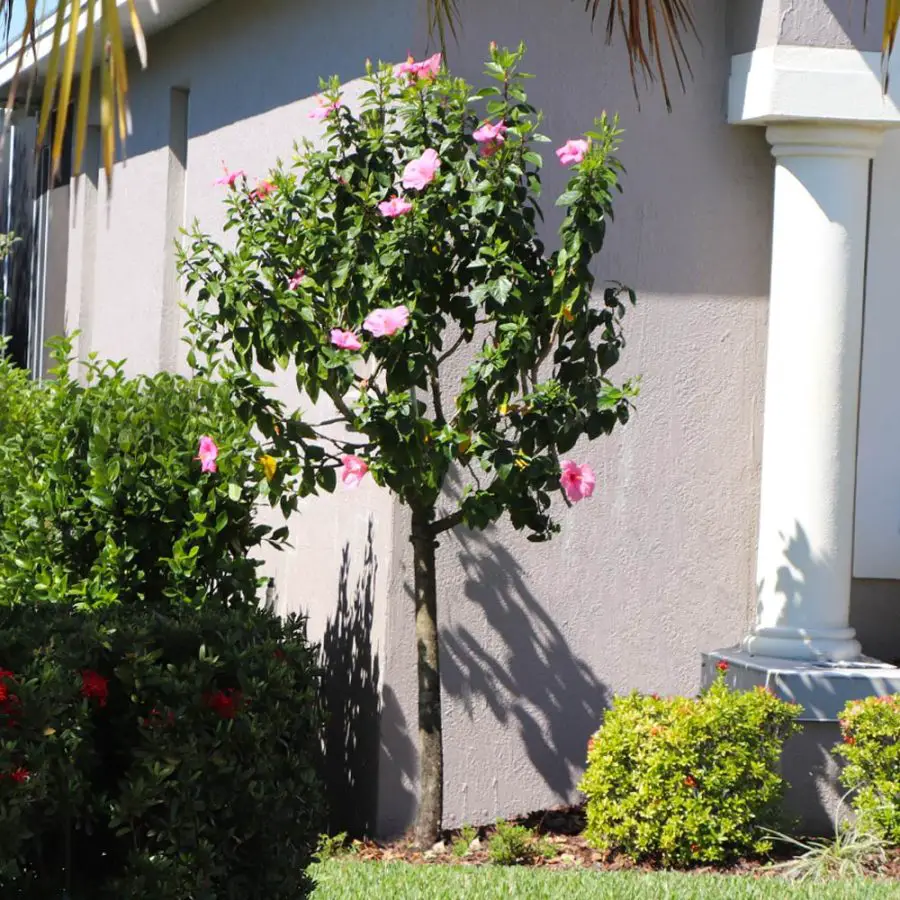
Ah, the sunshine and warmth! Who knew that Hibiscus plants were such sun-worshippers?
To keep your Hibiscus plant happy, you need to pay close attention to the light and temperature in your indoor space.
These vibrant plants are native to tropical regions, so they love soaking up the sun, but too much of a good thing can lead to disaster.
Keep reading to discover the ideal light and temperature conditions for your indoor Hibiscus plant.
Ideal light and temperature conditions for indoor Hibiscus plants
Hibiscus plants are known for their bright and showy flowers that require plenty of sunlight to thrive.
When it comes to indoor Hibiscus plants, providing the right amount of light is crucial for their growth and flowering.
Generally, Hibiscus plants require at least 6 hours of direct sunlight per day, so it’s essential to place them in a sunny window or under grow lights.
In terms of temperature, Hibiscus plants prefer warm and humid conditions.
They grow best in temperatures between 60 and 90 degrees Fahrenheit and require high humidity levels of around 50 to 60 percent.
How to provide enough light for Hibiscus plants indoors
If your indoor space doesn’t get enough natural light for your Hibiscus plant, you can supplement it with artificial lighting.
Consider using LED grow lights designed for plants and place them above the plant following the light manufacturer’s directions.
You can also rotate the plant every few weeks to ensure that all sides receive equal amounts of light.
Tips for maintaining the right temperature for Hibiscus plants
Maintaining the proper temperature and humidity levels for indoor Hibiscus plants can be challenging, especially in dry or cold climates.
You can use a humidifier to keep the air moist around your plant or mist the leaves regularly with warm water.
In colder temperatures, be sure to keep your Hibiscus plant away from drafty windows or doors.
On the other hand, in hot temperatures, you may need to provide additional shade or use a fan to keep the air moving around your plant.
With the right care and attention, your indoor Hibiscus plant can thrive in any temperature or lighting conditions.
Best Indoor Locations for Hibiscus Plants
South-Facing Windows
South-facing windows typically provide the intense sunlight Hibiscus plants need to bloom reliably indoors.
Sunrooms
Sunrooms often provide the combination of warmth, humidity, and bright light that tropical Hibiscus plants prefer.
Bright Patio Doors
Large glass doors can provide enough light for healthy growth while creating a dramatic flowering display.
Grow Light Setups
If natural sunlight is limited, full-spectrum LED grow lights can help maintain flowering and healthy growth.
Watering and Fertilizing
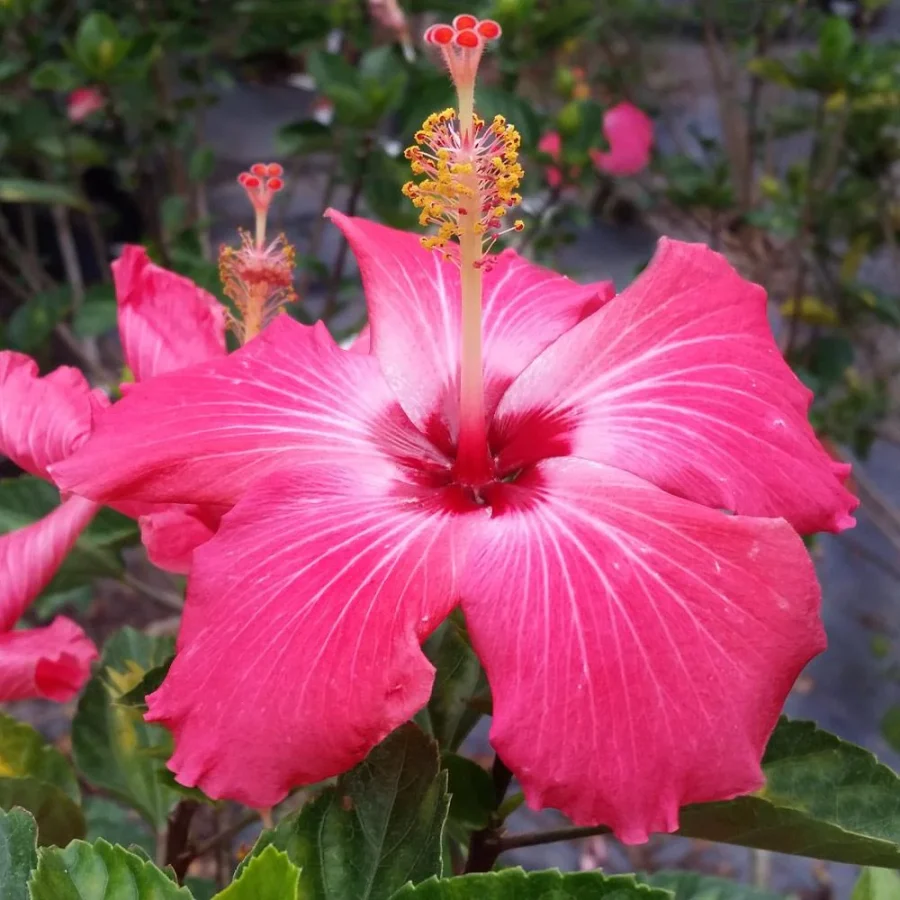
Keeping your indoor Hibiscus plant properly watered and fertilized is essential for its overall health and growth.
In this section, we’ll cover everything you need to know about watering and fertilizing your Hibiscus plant, including how much and how often to water, the best fertilizers to use, and tips for ensuring your plant gets the nutrients it needs to thrive.
So, whether you’re a seasoned plant grower or a newbie just starting out, read on to discover the secrets of proper watering and fertilizing for your indoor Hibiscus.
How to water Hibiscus plants indoors:
When it comes to watering Hibiscus plants indoors, there are a few key things to keep in mind.
First, it’s important to water the plant thoroughly but not too frequently.
This means allowing the top inch of soil to dry out before watering again.
You also want to make sure the soil has proper drainage and that you don’t let the plant sit in water.
Best fertilizers for indoor Hibiscus plants:
Hibiscus plants are heavy feeders, meaning they require a lot of nutrients to thrive.
There are several types of fertilizers that work well for indoor Hibiscus plants, including slow-release fertilizers, water-soluble fertilizers, and organic fertilizers.
Look for a fertilizer that is specifically formulated for Hibiscus plants and follow the instructions carefully.
How often to fertilize and water indoor Hibiscus plants:
The frequency of watering and fertilizing your indoor Hibiscus plant will depend on several factors, including the size of the plant, the type of soil and pot used, and the amount of light and humidity in your home.
As a general rule, you should water your Hibiscus plant once a week and fertilize it every 2-3 weeks during the growing season.
In the winter months, you can cut back on both watering and fertilizing. Keep an eye on your plant and adjust the frequency as needed.
Soil and Potting Requirements (using coco coir and perlite)
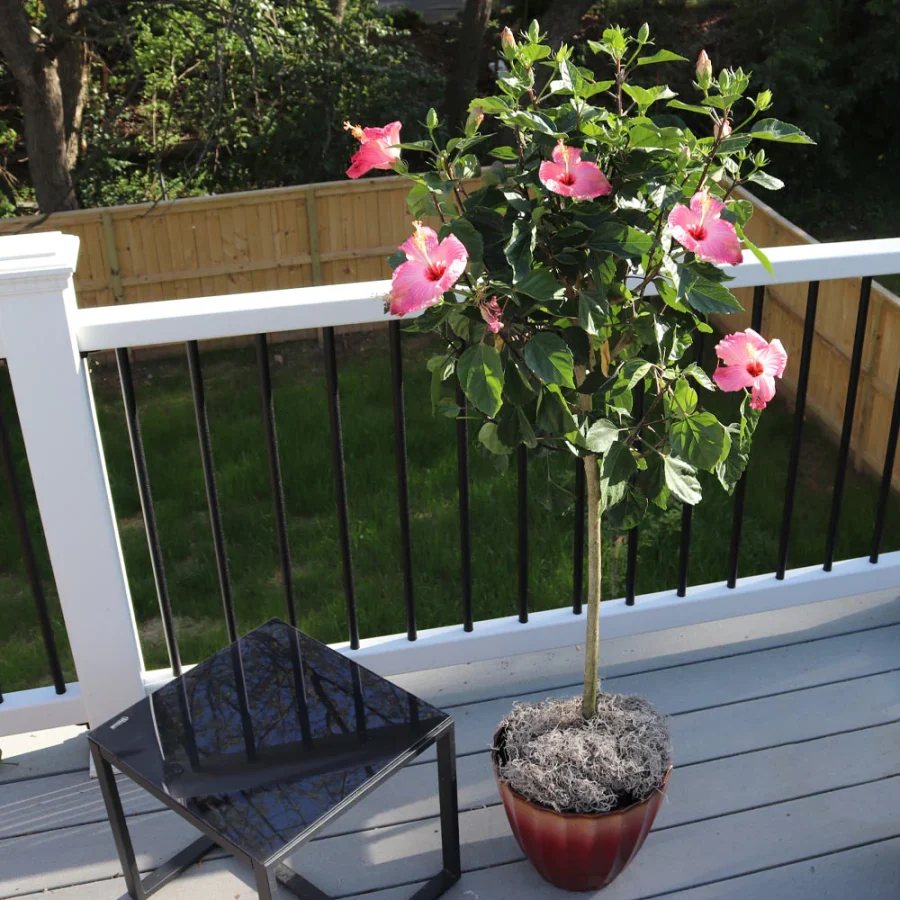
When it comes to indoor Hibiscus plants, the soil and potting requirements are crucial factors that can affect their growth and health.
Using the right soil mix and potting techniques can help ensure your Hibiscus plants thrive indoors.
One popular option for potting mix is coco coir and perlite, which provides good drainage and aeration for your Hibiscus plant.
In this section, we’ll cover everything you need to know about soil and potting requirements for indoor Hibiscus plants using coco coir and perlite.
Importance of well-draining soil for indoor Hibiscus plants
One of the most critical aspects of indoor Hibiscus plant care is providing it with the right type of soil.
Hibiscus plants thrive in well-draining soil that is moist but not soggy.
Using a soil mix that includes coco coir and perlite is an excellent way to ensure adequate drainage while still retaining enough moisture for the plant’s roots.
How to choose the right pot for indoor Hibiscus plants
The pot you choose for your indoor Hibiscus plant can make a big difference in its overall health and growth.
Choose a pot that is slightly larger than the current one, allowing room for the plant’s roots to grow.
Look for pots with good drainage holes to prevent water from accumulating at the bottom, causing root rot.
Terracotta pots are a good choice as they allow for better airflow, which helps to prevent soil from becoming too wet.
They are also heavy enough to prevent tipping once your plant gets taller.
Tips for repotting Hibiscus plants
Repotting your indoor Hibiscus plant can be a daunting task, but it is essential to do it every two to three years to provide it with fresh soil and room to grow.
• When repotting, gently remove the plant from its old pot and loosen any tangled roots.
• Place the plant in the new pot at the same depth it grew before.
• Fill it with fresh soil, making sure to leave enough space at the top for watering.
• Water the plant thoroughly after repotting and keep it in a shaded area for a few days to reduce stress.
Common Problems and Solutions
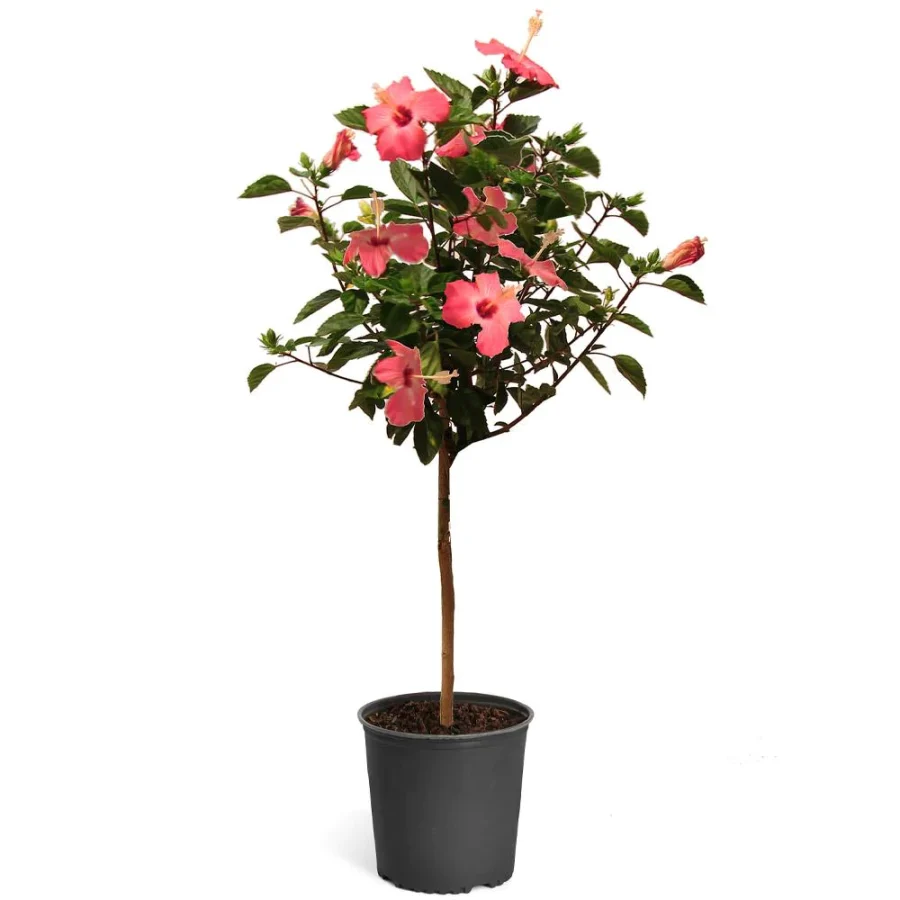
Have you noticed yellow leaves on your indoor Hibiscus plant? Or maybe you’ve seen spider mites crawling around the leaves?
As much as we love our indoor Hibiscus plants, they can sometimes face problems like pests and diseases.
But don’t worry, these issues are common and can be easily solved with proper care and attention.
In this section, we’ll discuss some of the most common problems that indoor Hibiscus plants face and provide you with tips on how to solve them.
Common Hibiscus Problems Indoors
Why Is My Hibiscus Not Blooming?
Insufficient sunlight is the most common reason indoor Hibiscus plants fail to flower. Most varieties need at least six hours of direct sun daily.
Why Are Hibiscus Buds Falling Off?
Sudden temperature changes, underwatering, overwatering, and low light levels can cause flower buds to drop before opening.
Why Are My Hibiscus Leaves Turning Yellow?
Yellow leaves can result from overwatering, nutrient deficiencies, poor drainage, or seasonal adjustments to indoor conditions.
Why Are The Leaf Edges Turning Brown?
Brown edges are often caused by dry air, inconsistent watering, or fertilizer salt buildup.
Why Is My Hibiscus Growing Tall But Not Bushy?
Insufficient pruning can lead to leggy growth. Regular pinching and pruning encourage branching and more flowers.
Common Pests and Diseases
Indoor Hibiscus plants are vulnerable to a few common pests and diseases.
Spider mites and aphids are the most common pests that affect indoor Hibiscus plants.
They feed on the sap of the plant and cause leaves to turn yellow and drop.
In addition to pests, Hibiscus plants can also be prone to root rot, which occurs when the roots of the plant are exposed to too much moisture.
Fungal diseases like powdery mildew and leaf spot can also develop if the plant is kept in humid conditions for too long.
Yellow Leaves and Leaf Drop
Yellow leaves and leaf drop are common problems that indoor Hibiscus plant owners face.
These issues can be caused by a number of factors, including overwatering, underwatering, too much or too little light, or pest infestations.
To prevent yellow leaves and leaf drop, it’s important to keep the soil moist but not soggy, provide adequate light, and inspect the plant regularly for pests.
Managing Spider Mites and Root Rot
Spider mites and root rot are two common issues that can affect indoor Hibiscus plants.
Spider mites are tiny pests that are difficult to see with the naked eye, but they can cause significant damage to the plant.
Symptoms of spider mite infestations include yellow or brown spots on leaves, webbing on the plant, and leaves that appear to be dusty.
Spider mites and aphids can be treated by spraying the plant with insecticidal soap or neem oil.
Make sure to spray the plant thoroughly including the leaf bottoms.
Root rot, on the other hand, occurs when the plant’s roots are exposed to too much moisture.
If your pot has a foul smell you probably have root rot. You may still be able to save your plant.
You want to unpot it, trim off any brown mushy roots, and plant it in fresh moist potting soil. Limit your watering in the future,
To prevent spider mites and root rot, it’s important to keep the plant in a well-draining soil mix, allow the soil to dry out slightly between waterings, and inspect the plant regularly for signs of infestation.
Propagating Hibiscus From Seed or Stem Cuttings

Propagating Hibiscus plants can be an enjoyable and rewarding gardening experience.
While Hibiscus plants are often admired for their stunning, vibrant flowers, many people may not be aware that they can be easily propagated from seeds or stem cuttings.
In this blog section, we will explore the two primary methods for Hibiscus propagation, allowing you to expand your collection of these beautiful plants or share them with friends and family.
Get ready to dive into the world of Hibiscus propagation with our step-by-step guide!
Step-by-Step Guide To Propagating From Seeds:
• Obtain Hibiscus seeds from a reliable source or collect them from an existing plant.
• Soak the seeds in warm water for at least 8 hours to soften the outer coating.
• Fill a seed tray or small pots with well-draining, moist seed-starting mix.
• Plant the seeds 1/4 inch deep and cover them lightly with the soil mix.
• Place the tray or pots in a warm, brightly lit area, maintaining a temperature of around 75°F (24°C).
• Keep the soil consistently moist but not waterlogged.
• Germination usually occurs within 2-4 weeks, depending on the variety.
• Once seedlings develop a few sets of true leaves, transplant them into larger pots or directly into the garden.
Propagating from Stem Cuttings:
• Choose a healthy, pest-free parent plant, and make a clean cut on a 4-6 inch long stem cutting, preferably from a semi-hardwood branch.
• Remove the lower leaves, leaving 2-3 sets of leaves on the top of the cutting.
• Dip the cut end of the stem in rooting hormone powder to encourage root development.
• Insert the treated end of the cutting into a pot filled with moist, well-draining soil or a mixture of peat and perlite.
• Cover the pot with a plastic bag or place it in a propagator to maintain high humidity.
• Keep the pot in a warm, well-lit area, away from direct sunlight.
• Monitor the cutting for new growth, which can take 4-8 weeks, depending on the variety and environmental conditions.
• Once roots have formed, gently transplant the new plant into a larger pot or directly into the garden.
Hibiscus Seeds For Sale

If you prefer to grow Hibiscus from seeds they are available online at Amazon.
They will take much longer to flower than buying a plant but if you’re not in a hurry they are a cheaper alternative.
Winter Care for Indoor Hibiscus Plants
Winter care is essential for indoor Hibiscus plants to survive the colder months.
With a little extra attention and care, your Hibiscus plant can thrive even during the winter season.
In this section, we will go over some important tips and tricks for ensuring the health and vitality of your indoor Hibiscus plant during the winter months.
From temperature to watering, we’ll cover everything you need to know to keep your plant healthy and vibrant all year round.
How to care for indoor Hibiscus plants during the winter months:
As temperatures drop and the days become shorter, it’s important to make adjustments to keep your indoor Hibiscus plants healthy.
You may need to move your plants to a brighter location or provide a grow light to supplement natural light levels indoors.
One of the most important things to do is to decrease watering frequency since the plant’s growth slows down during the winter.
Best practices for bringing Hibiscus plants indoors for the winter:
If you’re bringing your outdoor Hibiscus plant inside for the winter, make sure to do it before the first frost hits.
It’s best to choose a bright spot for the plant and to provide it with adequate light and humidity.
How to prevent sudden changes in temperature and light conditions:
Sudden changes in temperature and light can shock your indoor Hibiscus plant and cause yellow leaves, leaf drop, and other problems.
To prevent this, slowly adjust the plant to its new environment by gradually decreasing the amount of light and temperature changes over several weeks.
Did You Know Hibiscus Is Edible?
Hibiscus flowers are not only beautiful but also edible and offer various culinary uses.
The most well-known use of Hibiscus is in the preparation of Hibiscus tea, a popular beverage consumed worldwide for its refreshing taste and potential health benefits.
Hibiscus tea is typically made from the dried calyces of the Hibiscus sabdariffa plant, also known as roselle.
The calyces are the fleshy, red parts that enclose the flower’s seed pod.
When steeped in hot water, they release a tart, cranberry-like flavor and a deep red color.
The tea can be enjoyed hot or cold and is often sweetened with honey, sugar, or other sweeteners to balance its natural tanginess.
It may also be blended with other herbs, spices, or fruits to create a variety of unique flavors.
The tea is rich in vitamin C, antioxidants, and other nutrients that can contribute to overall health and well-being.
Hibiscus flowers can also be used in various culinary preparations. The petals can be consumed raw in salads, cooked into jams and sauces, or candied as a sweet treat.
They can also be used as an edible garnish for desserts, cocktails, and other dishes.
Hibiscus Plant Care Indoors FAQs
How often should I water an indoor Hibiscus plant?
Water when the top inch of soil begins to dry. Keep the soil consistently moist but never waterlogged.
How much sunlight does indoor Hibiscus need?
Most Hibiscus plants need at least six hours of direct sunlight daily to produce consistent blooms.
Can Hibiscus stay indoors year-round?
Yes. Tropical Hibiscus can be grown indoors year-round when provided with adequate light, warmth, and humidity.
Why is my Hibiscus dropping flower buds?
Bud drop is commonly caused by inconsistent watering, sudden temperature changes, or insufficient light.
When should I repot my Hibiscus?
Repot every one to two years or when roots begin circling the pot and growth slows.
Hibiscus Plant Care Indoors Final Thoughts

Hibiscus Plant Care Indoors Final Thoughts
Hibiscus plants bring bold color and tropical beauty to indoor growing spaces. While they require more sunlight and feeding than many common houseplants, the spectacular flowers make the extra effort worthwhile.
By providing bright light, consistent moisture, regular fertilizing, and proper winter care, you can enjoy healthy growth and beautiful blooms throughout much of the year.
Whether you’re growing a compact patio Hibiscus or a larger tropical variety, these flowering plants can become a stunning centerpiece in your indoor garden.
You Can Find Hibiscus Trees On Amazon

Want to transform your indoor space into a lush, thriving haven? These guides will help you master houseplant care with ease.
🌿 Indoor Houseplant Care Guides
- ♻️ Composting Indoors
- 🌳 Rubber Plant Care Indoors
- 🌸 Peace Lily Care Indoors
- 🧀 Swiss Cheese Plant Care
- 🎋 Indoor Bamboo Guide
- 🌱 Vertical Gardening Indoors
- 🌺 Bromeliad Care
- 🥢 Bamboo Plant Indoor Care
- ❤️ Anthurium Care Indoors
- 🌵 How to Grow Succulent Plants
- 🌿 Maidenhair Fern Indoor Care
- See all articles in our Houseplants category