
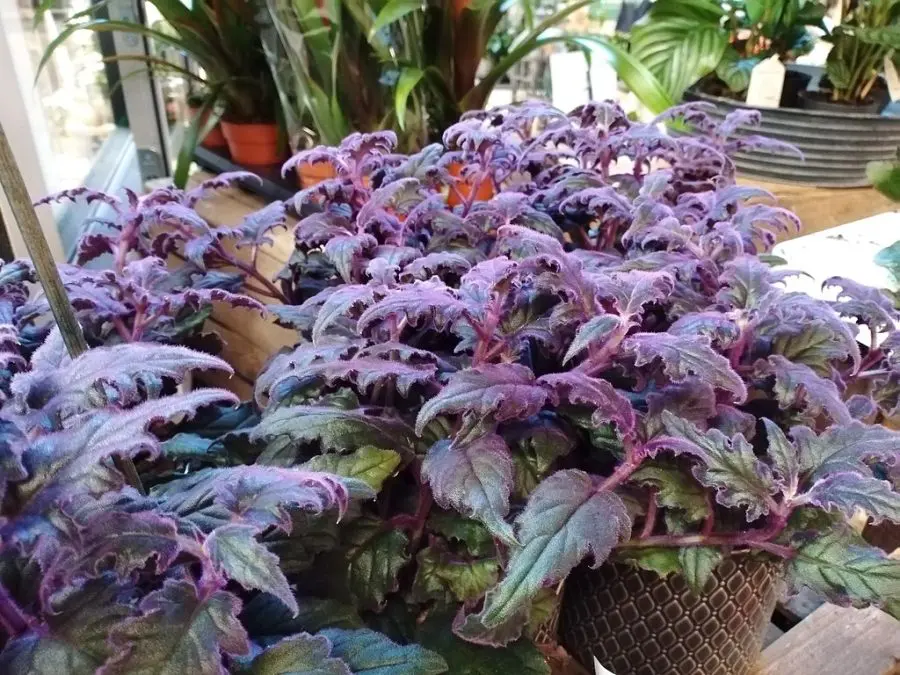
Purple Passion Plant Care is all about maintaining the vibrant purple fuzz that makes this houseplant so unique. Known botanically as Gynura aurantiaca, the Purple Passion Plant stands out from other foliage plants thanks to its velvety leaves that appear almost electric purple in bright light.
With proper lighting, consistent watering, and moderate humidity, this fast-growing houseplant can become a colorful focal point on shelves, desks, and plant stands. This guide covers everything you need to know about growing a healthy Purple Passion Plant indoors.
What You’ll Learn
- How to grow a healthy Purple Passion Plant indoors
- The best lighting conditions for vibrant purple foliage
- How often to water and fertilize your plant
- The ideal soil mix, pot, and humidity levels
- How to propagate Purple Passion Plants from stem cuttings
- Common Purple Passion Plant problems and how to fix them
- The best indoor locations to keep your plant colorful and compact
Quick Answer: Purple Passion Plant Care
Purple Passion Plants (Gynura aurantiaca) grow best in bright indirect light, evenly moist soil, temperatures between 65°F and 80°F, and moderate humidity. Water when the top inch of soil becomes dry, use a well-draining coco coir-based potting mix, fertilize every 4 to 6 weeks during active growth, and pinch stems regularly to encourage fuller growth and maintain vibrant purple foliage.
Caring for Purple Passion Plant aka Gynura aurantiaca
 Purple Passion Plant, Gynura Aurantiaca, Live, Easy to Grow
Discover the secrets of keeping your Purple Passion Plant aka Gynura aurantiaca thriving with our easy-to-follow care guide!
This plant also goes by another common name Purple Passion Plant.
With its unique velvety texture and stunning purple foliage, this plant is sure to turn heads.
But don’t let its beauty fool you – proper Purple Passion Plant Care is crucial to keeping it healthy and thriving.
Purple Passion Plant Care
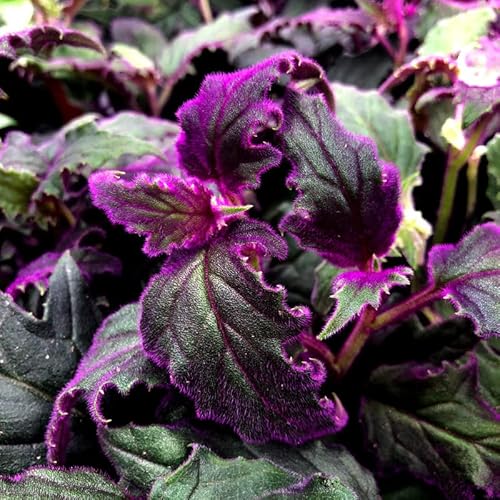
I want to share one of my personal favorites, the Purple Passion Plant (or Gynura aurantiaca, if you want to sound fancy).
With its unique purple foliage and soft, velvety texture, this plant is a true work of art.
But as with any living thing, proper care is key to keeping it healthy and vibrant.
What Is The Purple Passion Plant?

The Purple Passion Plant, also known as Gynura aurantiaca, is a unique plant that is sure to add a pop of color to any room.
Its leaves are a rich, velvety purple, and they are known for being soft and fuzzy to the touch.
This plant is native to Southeast Asia, and it loves warm, humid environments.
It’s important to note that the Purple Passion Plant is toxic to pets, so make sure to keep it out of reach of your furry friends.
According to Wikipedia: Gynura aurantiaca, called purple passion or velvet plant, is a species of flowering plant in the daisy family Asteraceae. It is native to Southeast Asia but grown in many other places as a house plant. In warm regions, it is frequently grown outdoors on patios and in gardens rather than inside buildings
Why Grow A Purple Passion Plant?
Purple Passion Plants are grown primarily for their unusual foliage. Few houseplants offer the same combination of vibrant purple color and soft velvety texture, making them excellent conversation pieces for indoor plant collections.
Unique Purple Foliage
The fuzzy hairs covering the leaves create a striking purple glow that changes intensity depending on the lighting conditions. This makes the plant stand out even among colorful tropical houseplants.
Fast Growing And Easy To Propagate
Purple Passion Plants grow quickly and root easily from stem cuttings, making them ideal for gardeners who enjoy propagating and sharing plants.
Perfect For Small Spaces
Their compact growth habit makes them excellent choices for apartments, desks, bookshelves, and plant stands where space may be limited.
Great For Indoor Plant Collections
Because their foliage is so different from common green houseplants, Purple Passion Plants add contrast, texture, and visual interest to mixed indoor plant displays.
Purple Passion Plant Care Requirements

First up, we have velvet plant care requirements. These include things like the amount of light your plant needs, how much water it requires, what type of soil it prefers, and the ideal temperature and humidity levels for your plant.
Purple Passion Plant Care Reference Guide
| Characteristic | Details |
|---|---|
| Common Name | Purple Passion Plant |
| Botanical Name | Gynura aurantiaca |
| Native Habitat | Southeast Asia |
| Plant Type | Evergreen perennial |
| Growth Pattern | Trailing or upright |
| Mature Size | 12–24 inches tall, trailing up to 3 feet |
| Watering | Water when the top inch of soil is dry; avoid overwatering |
| Light/Sun Exposure | Bright, indirect light |
| Soil Type | Well-draining potting mix |
| Soil pH | 6.0 to 7.0 |
| Temperature | 65–75°F (18–24°C); avoid below 60°F |
| Humidity | Moderate to high; mist occasionally |
| Bloom Time & Flower Color | Fall to winter; orange-yellow flowers (often removed due to odor) |
| Potential Problems | Aphids, mealybugs, powdery mildew, leggy growth |
| Repotting | Repot annually or when roots outgrow pot |
| Hardiness Zones (USDA) | 10 to 11 (typically grown indoors) |
Light Requirements
The Purple Passion Plant needs a moderate amount of light to thrive. Ideally, it should be placed in a bright, sunny spot in your home, but out of direct sunlight.
If your plant doesn’t get enough light, its leaves may start to yellow or droop.
On the other hand, if it gets too much direct sunlight, the leaves may become scorched.
So, find a happy medium and aim for 4-6 hours of indirect sunlight per day.
Best Indoor Locations For Purple Passion Plants

Choosing the right location helps maintain the rich purple coloration that makes this plant so attractive.
- East-facing windows with gentle morning sun
- Bright north-facing rooms
- A few feet back from south-facing windows
- Plant shelves with strong indirect light
- Home offices and bright living rooms
Avoid dark corners where growth becomes leggy and the purple coloration starts fading.
Watering Requirements
When it comes to watering your Purple Passion Plant, less is often more. Overwatering can cause the roots to rot and can lead to a variety of issues like yellowing leaves or fungus growth.
Aim to water your plant every 7-10 days, or when the top inch of soil feels dry to the touch.
You may need to adjust this based on the humidity levels in your home. If your plant is in a drier environment, you may need to water it more frequently.
Purple Passion Plant Soil And Potting Requirements
Purple Passion Plants grow best in a loose, well-draining soil mix that retains some moisture without becoming soggy.
A quality indoor plant mix made with coco coir, perlite, and compost works well. Coco coir helps maintain even moisture while perlite improves drainage and airflow around the roots.
Choose a pot with drainage holes to prevent excess water from collecting around the roots. Purple Passion Plants dislike waterlogged soil and may develop root rot if drainage is poor.
Repot every year or two when roots begin filling the container or growth slows noticeably.
Temperature and Humidity Requirements
The ideal temperature range for the Purple Passion Plant is between 60-80°F (15-27°C).
It can tolerate slightly cooler temperatures but avoid placing it in a drafty area.
Additionally, this plant thrives in humid environments.
If your home is dry, you can increase the humidity levels around your plant by placing a tray of water nearby or using a humidifier.
Purple Passion Plant Propagation

Alright, we’ve covered the basics of taking care of your Purple Passion Plant.
But what if you want to grow even more of these beautiful plants?
That’s where plant propagation comes in! Propagation is the process of creating new plants from an existing one.
How to Propagate the Purple Passion Plant
There are two main methods for propagating the Purple Passion Plant: stem cuttings and division.
Stem cuttings involve taking a cutting from a healthy plant and rooting it in water or soil until it grows into a new plant.
Division involves separating a plant into smaller sections and potting them separately.
Both methods can be effective, but stem cuttings are generally the easiest and most common way to propagate the Purple Passion Plant.
Taking Stem Cuttings Step-by-Step Instructions
To propagate your Purple Passion Plant using stem cuttings, follow these steps:
• Choose a healthy plant with several stems and leaves.
• Use a sharp, clean pair of scissors or garden shears to cut a stem that is at least 4-6 inches long. Make sure the stem has several leaves and is not flowering.
• Remove the lower leaves from the stem, leaving only 2-3 leaves at the top.
• Dip the cut end of the stem in rooting hormone (optional).
• Place the stem in a container filled with water or well-draining soil.
• If rooting in water, change the water every few days to prevent bacterial growth.
• If rooting in soil, keep the soil moist but not waterlogged.
• After a few weeks, you should see new roots starting to grow.
• Once the roots are at least 1-2 inches long, you can transplant the new plant into a larger pot with well-draining soil.
By following these simple steps, you can propagate your own Purple Passion Plants and share them with others!
Common Purple Passion Plant Care Problems

Even with the best care, the Purple Passion Plant can experience some common problems like pests, diseases, and environmental stress.
In this section, we’ll explore some of the most common problems that can affect your Purple Passion Plant and how to solve them.
Purple Passion Plant Care Common Problems
Despite its hardiness, the Purple Passion Plant can still experience some common problems. Here are a few to watch out for:
• Spider mites: These tiny pests can cause yellowing leaves, webbing, and overall decline in the plant’s health.
• Mealybugs: These soft, white bugs can gather in crevices of the plant and suck the sap from the leaves and stems.
• Root rot: Overwatering or poorly draining soil can lead to root rot, which can cause the plant to wilt and its leaves to turn yellow or brown.
Purple Passion Plant Care Solutions

Luckily, there are some simple solutions. Here are a few to try:
• Spider mites: To get rid of spider mites, you can spray the plant with insecticidal soap or neem oil. Be sure to also isolate the plant from others until the problem is resolved.
• Mealybugs: Mealybugs can be removed with a cotton swab dipped in rubbing alcohol or neem oil. You can also spray the plant with a solution of water and dish soap.
• Root rot: If you suspect root rot, remove the plant from its pot and inspect the roots. If they are brown and mushy, trim away the affected areas and repot the plant in fresh, well-draining soil.
By staying vigilant and addressing problems as soon as they arise, you can keep your Purple Passion Plant healthy and happy for years to come.
Purple Passion Plant Orange Flowers And Unpleasant Smell
One interesting feature of the Purple Passion Plant is its small, orange flowers that bloom periodically.
While these flowers are not the main attraction of the plant, they can add a pop of color to your space.
However, it’s worth noting that the Purple Passion Plant is not typically grown for its flowers.
Another thing to note about the Purple Passion Plant is that it has a distinctive odor.
Some people describe the smell as unpleasant or even offensive, while others don’t notice it at all.
If you’re sensitive to smells, it may be worth considering whether the Purple Passion Plant is the right choice for your home.
Of course, if you like the plant I don’t see why you can’t just pinch off any flowers it makes. It is not a heavy flower producer.
Purple Passion Plant Care Lifespan
With proper care, the Purple Passion Plant can live for several years.
However, like all plants, its lifespan can be influenced by a variety of factors, including environmental conditions and the health of the plant.
It’s not uncommon for the Purple Passion Plant to start looking a bit scrappy after a few years, but with a bit of pruning and care, it can continue to thrive for years to come.
Since it is easy to propagate you may want to consider making new replacement plants every few years.
Purple Passion Plant FAQs
How often should I water a Purple Passion Plant?
Water when the top inch of soil begins to dry. Most indoor Purple Passion Plants need watering about once per week, but frequency will vary based on temperature, humidity, and light levels.
Can Purple Passion Plants grow in low light?
They can tolerate moderate light, but bright indirect light produces the best color and healthiest growth. In low light, the purple coloration often becomes less vibrant and stems may become leggy.
Why is my Purple Passion Plant losing its purple color?
Fading color is usually caused by insufficient light. Move the plant to a brighter location with several hours of bright indirect light each day to help maintain its vibrant purple foliage.
Why do Purple Passion Plant flowers smell bad?
The small orange flowers can produce a strong odor that many gardeners find unpleasant. Most indoor growers remove the flower buds as they appear so the plant focuses its energy on foliage growth.
Are Purple Passion Plants easy to propagate?
Yes. Purple Passion Plants are among the easiest houseplants to propagate. Stem cuttings root quickly in water or moist potting mix and can produce new plants within a few weeks.
How long do Purple Passion Plants live?
Most plants remain attractive for several years. Because they grow quickly and propagate easily, many gardeners start replacement plants from cuttings every few years to keep their collection looking its best.
Are Purple Passion Plants toxic to pets?
Yes. Purple Passion Plants are considered toxic if ingested and should be kept out of reach of cats, dogs, and small children.
Purple Passion Plant Care Final Thoughts

Purple Passion Plants offer something few other houseplants can match: vibrant purple foliage with a soft, velvety texture. Their fast growth, easy propagation, and unique appearance make them excellent additions to indoor plant collections.
Provide bright indirect light, consistent moisture, and moderate humidity, and your Purple Passion Plant can remain colorful and attractive for years while providing endless opportunities for propagation.
Small Space Gardening for Apartments Made Easy
Indoor Houseplants Guide: Best Plants for Every Room
🌿 Indoor Houseplant Care Guides
- ♻️ Composting Indoors
- 🌳 Rubber Plant Care Indoors
- 🌸 Peace Lily Care Indoors
- 🧀 Swiss Cheese Plant Care
- 🎋 Indoor Bamboo Guide
- 🌱 Vertical Gardening Indoors
- 🌺 Bromeliad Care
- 🥢 Bamboo Plant Indoor Care
- ❤️ Anthurium Care Indoors
- 🌵 How to Grow Succulent Plants
- 🌿 Maidenhair Fern Indoor Care
- See all articles in our Houseplants category