
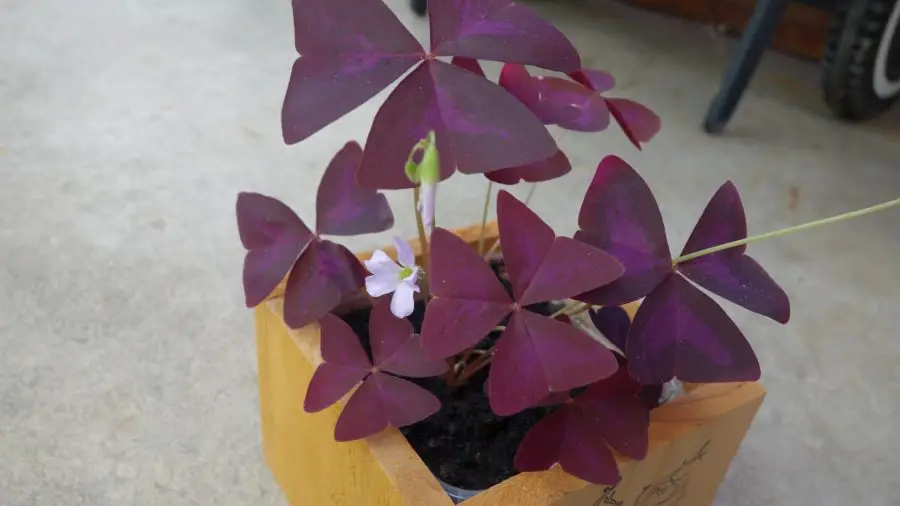
Many gardeners want to learn about Purple Shamrock plant care because Oxalis triangularis is one of the most unique houseplants you can grow. Its striking purple foliage opens during the day and folds closed at night, creating a fascinating display that quickly becomes a conversation piece.
Despite its exotic appearance, Purple Shamrock is surprisingly easy to grow indoors. With the right light, watering routine, and occasional dormancy care, this colorful plant can thrive for years while producing delicate flowers and vibrant foliage.
What You’ll Learn
- How much light Purple Shamrock plants need
- The best watering and soil practices
- How to handle dormancy and winter care
- Ways to propagate new plants from bulbs
- How to solve common Oxalis triangularis problems
The Ultimate Guide to Purple Shamrock Plant Care: Oxalis Triangularis
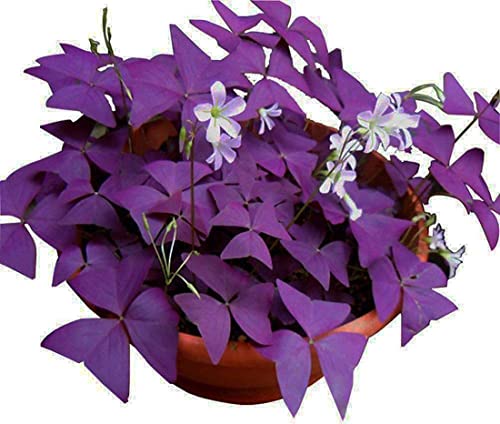
Welcome to the fascinating world of Purple Shamrock indoor care! Oxalis triangularis, with its alluring deep maroon leaves and dainty flowers, is a captivating addition to any indoor garden.
In this comprehensive guide, we’ll cover everything you need to know about nurturing this charming houseplant, from lighting and watering to propagation and pest control.
Purple Shamrock Indoor Care
The Purple Shamrock plant, scientifically known as Oxalis triangularis, is a captivating perennial native to South America.
The popular common name for this plant is false shamrock but it is also called Love Plant, and Purple Wood Sorrel.
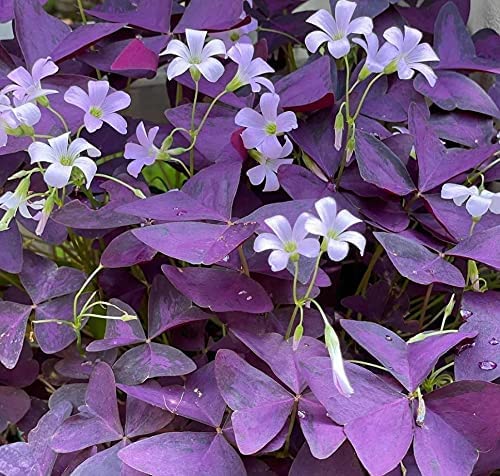
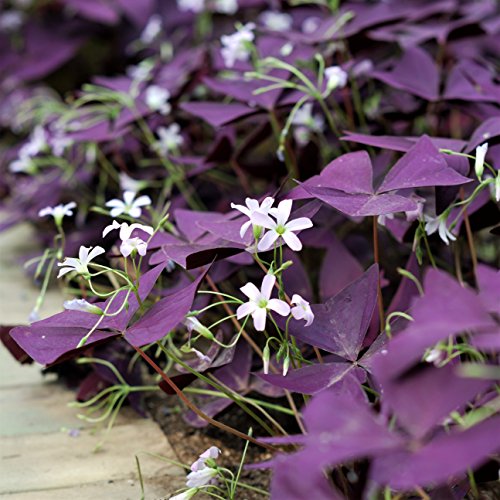
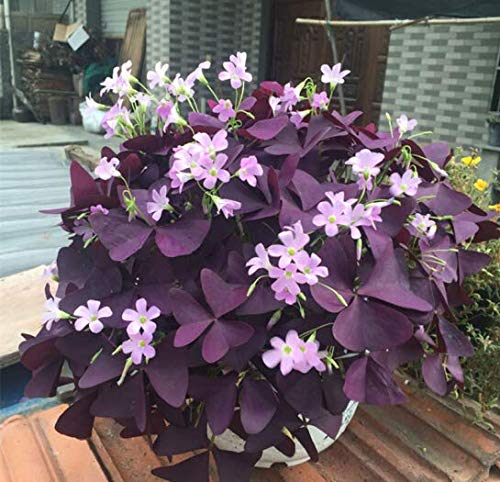
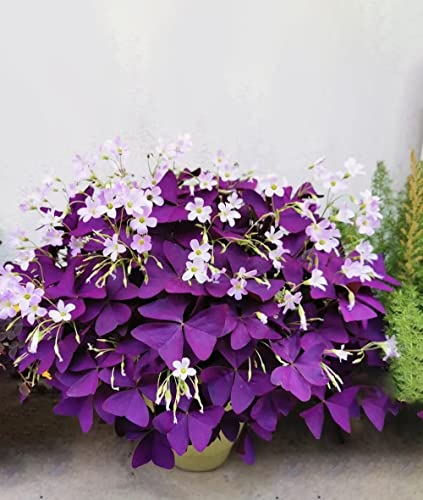
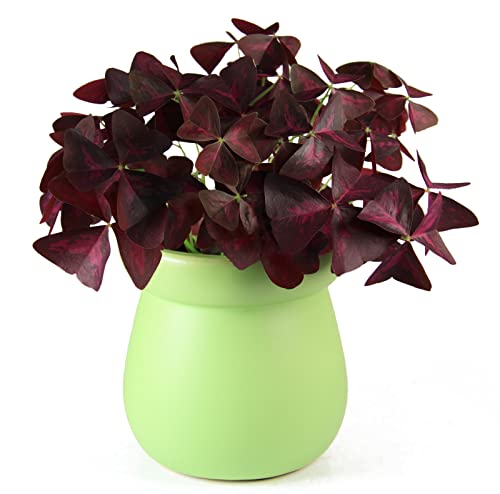
With its deep maroon, trifoliate leaves resembling a shamrock and delicate white or pale pink flowers, this plant brings a touch of elegance and charm to any space.
Hardiness Zone
Often grown as a houseplant, the Purple Shamrock can also be found outdoors in USDA climate zones 8a–11, typically thriving in partial shade.
Proper care for your Oxalis triangularis is essential to ensure its health and longevity.
By providing the right balance of lighting, watering, temperature, and soil conditions, you’ll be able to maintain the plant’s vibrant foliage and consistent blooming.
Additionally, a well-cared-for Purple Shamrock is more resistant to pests and diseases, making it a hassle-free addition to your indoor garden.
Why Purple Shamrock Plants Are So Popular

- Unique purple foliage unlike most houseplants
- Leaves open and close throughout the day
- Produces delicate white or pale pink flowers
- Easy to grow indoors
- Compact size for shelves and tabletops
- Simple propagation through bulb division
Purple Shamrock Plant Indoor Care

Caring for this stunning Oxalis triangularis is a breeze, and we’re here to guide you every step of the way.
In this section, we’ll delve into the essentials of nurturing your captivating houseplant, from providing the perfect growing conditions to addressing its unique needs.
Best Indoor Locations for Purple Shamrock Plants
Bright East-Facing Windows
East-facing windows often provide ideal morning sunlight without exposing the foliage to harsh afternoon heat.
Plant Shelves Near Windows
A shelf positioned near bright indirect light allows the foliage color to remain vibrant while protecting the leaves from scorching.
Home Offices and Desks
The compact growth habit and unusual leaf movement make Purple Shamrock an excellent desk plant.
Indoor Plant Displays
The deep purple foliage creates striking contrast when displayed alongside green tropical houseplants.
Ideal Growing Conditions: A Happy Home
To help your Purple Shamrock plant thrive indoors, it’s essential to recreate its preferred natural environment.
Oxalis triangularis enjoys bright, indirect sunlight, which can be provided through a well-lit windowsill or by using artificial grow lights.
Maintaining a cool indoor temperature of around 15 °C (59 °F) is also beneficial, although the plant can tolerate higher temperatures as long as they don’t exceed 27 °C (81 °F) for extended periods.
Watering and Feeding Requirements: Quenching Its Thirst
Purple Shamrocks appreciate consistent moisture but dislike sitting in soggy soil. To strike the right balance don’t use too much water.
Water your plant when the topsoil appears dry, ensuring that the excess water drains away.
During the growing season, you can also provide your plant with a diluted, balanced liquid fertilizer every few weeks to encourage growth and flowering.
Regular Maintenance and Pruning: Keeping It Tidy
To keep your Purple Shamrock plant looking its best, regular maintenance and pruning are crucial.
Remove any dead foliage or yellowing leaves to promote healthy growth and prevent diseases.
If the plant starts to look leggy or overgrown, you can trim it back to maintain its compact shape.
Remember to always use clean, sharp pruning shears to avoid damaging the plant.
Winter Care and Dormancy: Time to Rest
Oxalis triangularis naturally enters a period of dormancy during winter.
As the days get shorter and cooler, you may notice your plant’s growth slowing down and its leaves beginning to drop.
This is entirely normal! Reduce watering during this time, allowing the soil to dry out slightly between waterings.
You can also move your Purple Shamrock to a cooler, darker spot in your home to help it conserve energy.
Once spring arrives, your plant will awaken from dormancy, ready to resume its vibrant growth.
Purple Shamrock Bulbs

Curious about the magic of Purple Shamrock bulbs?
These little wonders hold the key to creating new Oxalis triangularis plants for your home or to share with friends and family.
In this section, we’ll uncover the secrets of working with Purple Shamrock bulbs, from planting and storing to propagating new plants.
Types of Bulbs: Tiny Treasures
Purple Shamrock bulbs, also known as corms, are the small, rounded, underground storage structures from which new Oxalis plants grow.
These bulbs contain all the necessary nutrients and energy for the plant to develop and produce its captivating maroon leaves and delicate flowers.
Proper Storage and Care: Safeguarding Potential
To ensure successful growth, it’s essential to store your Purple Shamrock bulbs properly before planting.
Keep them in a cool, dark, and dry place, such as a garage or basement, to prevent premature sprouting or rotting.
Storing the bulbs in a breathable container, like a paper bag or a cardboard box filled with peat moss, can help maintain the ideal environment and protect them until it’s time to plant.
Planting and Spacing: Giving Them Room to Grow
When you’re ready to plant your Purple Shamrock bulbs, choose a new pot with adequate drainage holes and fill it with a well-draining potting mix.
Plant the bulbs about 1-2 inches deep, with the pointed end facing upward.
Space the bulbs approximately 3-4 inches apart to ensure they have enough room to grow and develop a healthy root system.
When to Plant Bulbs: Timing Is Everything

The best time to plant Purple Shamrock bulbs indoors is during the early spring, as this aligns with the plant’s natural growth cycle.
By planting the bulbs in the spring, you’ll provide your new Oxalis triangularis plants with the optimal conditions to grow and flourish, eventually rewarding you with their alluring foliage and charming blooms.
Oxalis Triangularis Lighting

Eager to learn the secret to keeping your Purple Shamrock plant vibrant and happy? It’s all about the lighting!
In this section, we’ll explore the ins and outs of Oxalis triangularis lighting, guiding you through the best practices to ensure your plant receives the perfect amount of sunlight.
Light Requirements for Growth: Striking the Balance
Oxalis triangularis thrives in bright, indirect light.
While it appreciates plenty of light, it’s important to protect your Purple Shamrock plant from direct, harsh sunlight, which can damage its delicate leaves.
By providing the right balance of light, you’ll promote healthy growth and beautiful foliage.
How to Provide Optimal Lighting Indoors: Perfect Placement
To ensure your Purple Shamrock plant receives optimal lighting indoors, place it near a bright window with filtered sunlight, such as an east or west-facing window.
If your home doesn’t have an ideal spot with natural light, you can use sheer curtains to diffuse the sunlight or place the plant a bit further away from the window to protect it from direct rays.
Sunlight vs Artificial Lighting: Flexibility for Your Plant
While natural sunlight is ideal for Oxalis triangularis, artificial lighting can also be a viable option, especially during winter months or in homes with limited natural light.
Using grow lights or fluorescent bulbs can provide the necessary light intensity for your Purple Shamrock plant to grow and thrive.
Be sure to maintain a consistent schedule, mimicking natural daylight patterns, to avoid disrupting the plant’s growth cycle.
Effects of Harsh Sunlight on Leaves: Protecting Your Plant

Exposing your Purple Shamrock plant to harsh, direct sunlight can cause the leaves to become scorched, wilt, or even die.
The delicate foliage is particularly susceptible to sunburn, which can result in unsightly brown or bleached spots.
To maintain the health and appearance of your plant, always protect it from direct sunlight and monitor its environment for any signs of stress or damage.
Purple Shamrock Watering
Wondering how to quench your Purple Shamrock plant’s thirst without overdoing it? You’re in the right place!
In this section, we’ll dive into the art of watering your Oxalis triangularis, sharing tips and tricks to keep your plant perfectly hydrated.
Water Requirements for Optimal Growth: Finding the Sweet Spot
Your Purple Shamrock plant prefers good drainage with consistent moisture without being drenched or waterlogged.
Striking the right balance is crucial for optimal growth, as Oxalis triangularis is sensitive to both overwatering and underwatering.
A good rule of thumb is to water your plant when the topsoil appears dry, ensuring the roots receive ample hydration without becoming soggy.
How to Water the Plant Correctly: Technique Matters
To water your Purple Shamrock plant correctly, water it thoroughly, allowing the water to drain out of the bottom of the pot.
This helps to prevent root rot, a common issue caused by waterlogged soil.
After watering, empty any excess water from the saucer to ensure the plant isn’t sitting in standing water.
Signs of Overwatering and Underwatering: Reading Your Plant’s Signals
It’s essential to recognize the signs of overwatering and underwatering, as both can negatively impact your Purple Shamrock plant’s health.
Overwatered plants may display yellowing leaves, a mushy stem, or root rot, while underwatered plants often exhibit wilted or crispy leaves.
By paying close attention to these signals, you can adjust your watering routine to better suit your plant’s needs.
Importance of Well-Draining Soil: Laying the Foundation
Using well-draining soil is vital for maintaining the perfect moisture balance for your Oxalis triangularis.
A good quality potting mix with ingredients like perlite or coco coir can help to improve drainage and prevent waterlogging.
Additionally, always choose a pot with drainage holes to allow excess water to escape and protect your plant’s delicate roots.
Temperature and Humidity
Ready to create the perfect cozy environment for your Purple Shamrock plant? Let’s talk about temperature and humidity!
In this section, we’ll discuss the ideal conditions for your Oxalis triangularis to thrive, helping you strike the right balance between warmth and moisture.
Ideal Temperature Range: Comfort Zone
The Purple Shamrock plant prefers a temperature range between 15 °C (59 °F) and 27 °C (81 °F) for optimal growth.
While it can tolerate slightly higher temperatures, prolonged exposure to extremes can cause your Oxalis triangularis to enter dormancy prematurely or appear tired and stressed.
How to Maintain Proper Humidity Levels: Balanced Moisture
Oxalis triangularis enjoys moderate humidity levels, similar to the natural humidity found in most homes.
However, if you live in a particularly dry environment, consider placing a tray filled with water and pebbles beneath the plant to create extra humidity, or use a room humidifier to maintain adequate moisture levels.
Effects of Extreme Temperatures on the Plant: Staying Safe
Extreme temperatures can have negative effects on your Purple Shamrock plant.
Exposure to temperatures below 10 °C (50 °F) can cause the plant to enter dormancy or even die, while high temperatures can lead to premature dormancy or stress.
To ensure the health of your Oxalis triangularis, always protect it from temperature extremes and sudden fluctuations.
Tips for Controlling Indoor Climate: Keeping Things Comfy
To maintain the perfect indoor climate for your Purple Shamrock plant, keep it away from drafty windows, heating vents, and air conditioning units that can cause sudden temperature changes.
Monitor the temperature and humidity levels in your home, using tools like a digital thermometer and hygrometer, and make adjustments as necessary to keep your plant comfortable and thriving.
Oxalis Triangularis Soil – Coco Coir and Perlite Mix
Do you want to give your Purple Shamrock plant a happy home in the perfect soil mix?
Let’s talk about the ideal blend of coco coir and perlite for Oxalis triangularis!
In this section, we’ll delve into the benefits of this fantastic soil combination and guide you through creating the ultimate environment for your plant’s roots.
Benefits of Using Coco Coir and Perlite: A Winning Combination
Coco coir and perlite are fantastic soil amendments that provide numerous benefits for your Purple Shamrock plant.
Coco coir, derived from coconut husks, improves water retention and aeration, while perlite, a natural volcanic glass, enhances drainage and prevents soil compaction.
Together, they create a well-balanced soil environment that promotes healthy root growth and optimal plant development.
How to Create the Perfect Soil Mix: Crafting Your Blend
To make the ideal soil mix for your Oxalis triangularis, mix together equal parts of coco coir and perlite.
You can adjust the proportions based on your plant’s specific needs, but a general guideline is to use a 1:1 ratio of coco coir, and perlite.
This blend will provide your plant with the right balance of nutrients, water retention, and drainage for a happy, healthy life.
Other Soil Mix Alternatives: Exploring Your Options
While coco coir and perlite are excellent choices for your Purple Shamrock plant, there are other soil mix alternatives to consider.
Vermiculite can be used in place of or in addition to perlite for improved water retention and aeration.
Additionally, adding compost or well-aged manure can enrich the soil with beneficial nutrients and organic matter.
Importance of Proper Soil Composition: Laying the Groundwork
Proper soil composition is crucial for the overall health of your Oxalis triangularis.
A well-balanced soil mix provides the necessary nutrients, water retention, and drainage to support robust root growth and prevent common issues like root rot or nutrient deficiencies.
By investing time and care into creating the ideal soil environment, you’ll set the stage for your Purple Shamrock plant to thrive and flourish.
Purple Shamrock Plant Propagation
Ready to share the beauty of your Purple Shamrock plant with friends or expand your own collection?
Then, let’s dive into the exciting world of Oxalis triangularis propagation!
In this section, we’ll explore the various methods you can use to multiply your gorgeous Purple Shamrock plants.
Propagation Methods: Multiplying Your Beauties
There are two main methods for propagating Purple Shamrock plants: dividing the bulbs (rhizomes) and growing from seeds.
Dividing the bulbs is the most common method and produces new plants with the same characteristics as the parent plant.
Seeds are another option, but they will take longer to establish and grow into a new plant.
When to Propagate the Plant: Perfect Timing

The best time to propagate your Oxalis triangularis is during its dormancy period, typically in late fall or early winter.
This is when the plant’s growth slows down, making it less stressful for both the parent and the new plants.
However, if you notice the plant becoming overcrowded in its pot, you can also propagate it at other times of the year with extra care.
Steps for Successful Propagation: A Guided Journey
For bulb division, gently remove the plant from its pot, shake off excess soil, and carefully separate the bulbs.
Replant the divided bulbs in a well-draining soil mix, maintaining the same depth as they were previously growing.
Caring for the New Plants: Nurturing Beginnings
Treat your newly propagated Purple Shamrock plants with extra care, providing them with optimal growing conditions like indirect sunlight, proper watering, and well-draining soil.
Monitor their progress and adjust care as needed, ensuring they receive the nutrients and attention they need to grow strong and healthy.
With patience and love, your new Oxalis triangularis plants will flourish with new growth and brighten your home or garden.
Shamrock Plant Problems
As enchanting as Purple Shamrock plants can be, they may occasionally face a few challenges.
Don’t worry, we’re here to help you identify and tackle these common issues!
In this section, we’ll discuss the most common problems that can affect Oxalis triangularis, and provide you with practical solutions to keep your plant healthy and vibrant.
Common Issues and How to Address Them: Troubleshooting Tips

Some common problems faced by Purple Shamrock plants include yellowing leaves, wilting, and pests.
Yellowing leaves may indicate overwatering or inadequate lighting, while wilting can result from underwatering or extreme temperatures.
Pests like spider mites, aphids, and mealybugs may also attack your plant. To address these issues, adjust your plant’s care routine accordingly and use insecticidal soap or neem oil to manage pests.
Signs of Plant Stress: Detecting Trouble
Be vigilant for signs of stress in your Purple Shamrock plant, which can include drooping or discolored leaves, slowed growth, or a lack of flowering.
Identifying these signs early on allows you to take corrective action before any significant damage occurs.
How to Prevent Common Problems: Proactive Care
Preventing common problems starts with providing the proper care for your Oxalis triangularis.
Ensure your plant receives adequate light, well-draining soil, and a balanced watering schedule.
Regularly inspect your plant for signs of pests or disease, and take prompt action if needed.
Common Purple Shamrock Problems Indoors
Why Are My Purple Shamrock Leaves Turning Yellow?
Yellow leaves are often caused by overwatering, poor drainage, or natural dormancy beginning.
Why Is My Purple Shamrock Drooping?
Drooping can result from underwatering, excessive heat, or the plant entering its normal dormant period.
Why Are The Leaves Losing Their Purple Color?
Insufficient light can cause foliage color to fade. Move the plant to a brighter location with indirect sunlight.
Why Is My Purple Shamrock Not Flowering?
Low light, nutrient deficiencies, or recent dormancy can reduce flowering.
Why Did My Purple Shamrock Suddenly Die Back?
Many growers mistake dormancy for plant death. Purple Shamrocks naturally die back and regrow after a resting period.
Pests and Diseases

Every plant owner wants to keep their green friends free from harm, and Purple Shamrock plants are no exception.
In this section, we’ll delve into the world of pests and diseases that could potentially affect your beloved Oxalis triangularis.
We’ll discuss common culprits, how to identify them, and the best ways to keep these unwelcome guests at bay.
Common Pests and How to Treat Them: Effective Solutions
Some common pests that may infest your Purple Shamrock plant include spider mites, aphids, and mealybugs.
To treat these pests, first, try removing them with a gentle spray of water or by wiping the leaves with a damp cloth.
If the infestation persists, consider using insecticidal soap, neem oil, or a diluted rubbing alcohol solution to target the pests without harming your plant.
Diseases Affecting the Purple Shamrock: Staying Vigilant

While Oxalis triangularis is relatively resistant to diseases, it can still be affected by fungal infections like root rot, which is often caused by overwatering or poorly draining soil.
To address this issue, reduce watering frequency, improve soil drainage, or consider repotting your plant in fresh, well-draining soil.
Powdery mildew is sometimes a problem fungal disease with a white powdery coating on the leaves.
A solution of baking soda and water is a popular home remedy for this.
Preventative Measures and Treatments: Nipping Problems in the Bud
To keep your Purple Shamrock plant healthy and pest-free, implement preventative measures like regular inspection, proper watering, and good air circulation.
Ensure your plant receives the right care and promptly address any signs of distress.
In case of disease, isolate the affected plant from others and treat it with appropriate fungicides or other treatments as needed.
Organic and Chemical Pest Control Options: Choose Wisely
When dealing with pests, you can opt for organic or chemical pest control methods.
Organic options like insecticidal soap, neem oil, or beneficial insects (e.g., ladybugs) are often preferred as they tend to be less harmful to the environment and your plant.
However, in severe infestations, chemical pesticides may be necessary. Always follow the product instructions and use caution when applying any pest control products to your Purple Shamrock plant.
Purple Shamrock Plant Poisonous?

A common concern for plant enthusiasts, especially those with pets or young children, is the potential toxicity of their leafy companions.
When it comes to the Purple Shamrock plant, we’ve got you covered.
In this section, we’ll discuss the potential toxicity of Oxalis triangularis and share essential information to keep your home safe while still enjoying the beauty of this unique plant.
Toxicity Levels of the Plant: What to Know
While the Purple Shamrock plant does contain oxalic acid, which can be toxic in large amounts, the levels found in Oxalis triangularis are generally considered low.
However, it’s still important to exercise caution, especially with pets and children around.
Effects on Humans and Pets: Be Aware
If ingested in significant quantities, the Purple Shamrock plant may cause symptoms like nausea, vomiting, and diarrhea in both humans and pets.
Pets, particularly cats and dogs, may also experience symptoms such as drooling, loss of appetite, and lethargy.
Safety Precautions and First Aid Measures: Staying Prepared
To ensure the safety of your household, keep the Purple Shamrock plant out of reach of children and pets.
If you suspect ingestion, contact your local poison control center or consult a healthcare professional for humans or a veterinarian for pets.
Immediate action can help prevent more severe symptoms and complications.
How to Keep the Plant Away from Children and Pets: Plant Parenting Tips
To protect your loved ones and pets from potential harm, consider placing your Purple Shamrock plant on high shelves, hanging baskets, or in areas that are off-limits to curious little hands and paws.
Regularly check the plant’s surroundings for fallen leaves and remove them promptly to minimize any risks.
Purple Shamrock Plant Care FAQs
How often should I water a Purple Shamrock plant?
Water when the top inch of soil feels dry. Avoid keeping the soil constantly wet.
Does Purple Shamrock need direct sunlight?
No. Bright indirect light is ideal. Too much direct sun can scorch the leaves.
Why do Purple Shamrock leaves close at night?
This natural movement is called nyctinasty. The leaves close in response to changes in light levels and reopen during the day.
Can Purple Shamrock grow outdoors?
Yes. It can be grown outdoors in USDA zones 8 through 11 or used seasonally in containers.
How do you propagate Purple Shamrock plants?
The easiest method is dividing the bulbs or corms when repotting or during dormancy.
Purple Shamrock Plant Care Final Thoughts

Purple Shamrock is one of the most distinctive houseplants available, combining dramatic purple foliage with surprisingly easy care requirements. Its unusual leaf movements and delicate flowers make it a favorite among both beginner and experienced indoor gardeners.
By providing bright indirect light, well-draining soil, proper watering, and allowing for occasional dormancy, you can enjoy healthy Oxalis triangularis plants for many years.
Whether displayed on a desk, shelf, or windowsill, Purple Shamrock adds color, movement, and personality to any indoor plant collection.
Want to transform your indoor space into a lush, thriving haven? These guides will help you master houseplant care with ease.
🌿 Indoor Houseplant Care Guides
- ♻️ Composting Indoors
- 🌳 Rubber Plant Care Indoors
- 🌸 Peace Lily Care Indoors
- 🧀 Swiss Cheese Plant Care
- 🎋 Indoor Bamboo Guide
- 🌱 Vertical Gardening Indoors
- 🌺 Bromeliad Care
- 🥢 Bamboo Plant Indoor Care
- ❤️ Anthurium Care Indoors
- 🌵 How to Grow Succulent Plants
- 🌿 Maidenhair Fern Indoor Care
- See all articles in our Houseplants category