
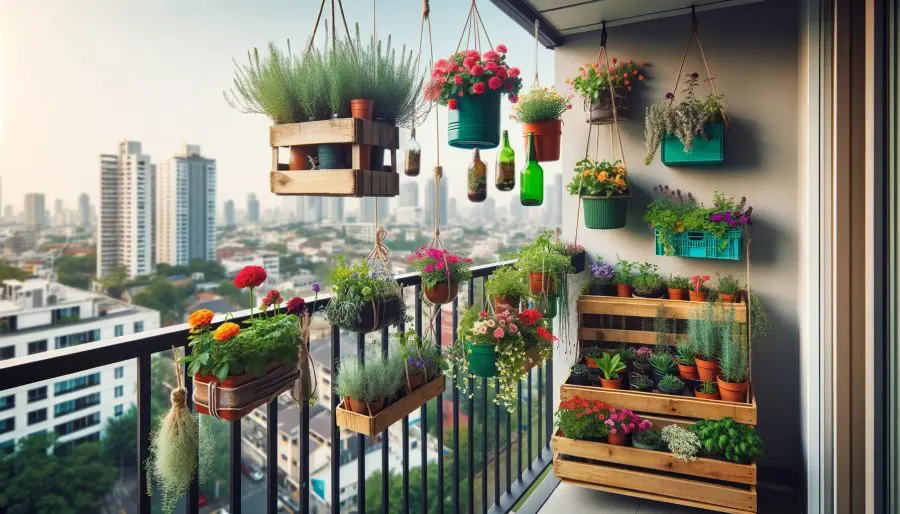
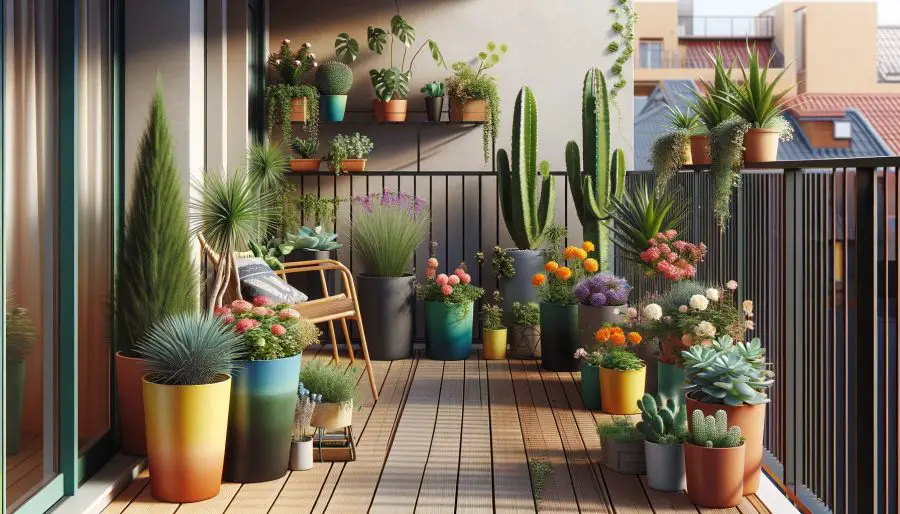
Many apartment gardeners are interested in budget balcony gardening because creating a beautiful outdoor space doesn’t have to be expensive. With a little creativity, you can grow flowers, herbs, vegetables, and privacy plants using inexpensive containers, starter plants, seeds, and repurposed materials.
Whether you’re starting your first balcony garden or looking for ways to reduce gardening costs, there are plenty of practical strategies that can help you build a thriving garden without overspending.
What You’ll Learn
- How to start a balcony garden on a budget
- Ways to save money on containers and supplies
- How to grow more plants for less money
- Simple DIY gardening projects that reduce costs
- Common mistakes that waste money in balcony gardens
21 Budget Friendly Balcony Gardening Ideas
Welcome to the world of budget friendly balcony gardening! It’s all about turning your balcony into a green paradise without emptying your wallet.
Join us as we dive into simple, creative ways to grow a thriving garden on a shoestring budget.
If you’re looking for more layout inspiration and plant ideas, see our full guide: Balcony Gardening Ideas.
Start with a Plan
Before starting your balcony garden, it’s crucial to plan. Assess your space and decide which plants you’d like to grow.
A well-thought-out plan helps you stay within budget and avoid impulsive purchases.
Quick Budget Balcony Gardening Checklist
- Start with seeds whenever possible
- Reuse containers and household items
- Grow herbs and vegetables with high grocery-store value
- Propagate plants from cuttings and divisions
- Shop end-of-season sales for supplies
- Collect rainwater when allowed
- Make compost from kitchen scraps
- Focus on low-maintenance plants
Following just a few of these strategies can dramatically reduce the cost of creating and maintaining a balcony garden.
Utilize Recycled Containers
Following just a few of these strategies can dramatically reduce the cost of creating and maintaining a balcony garden.
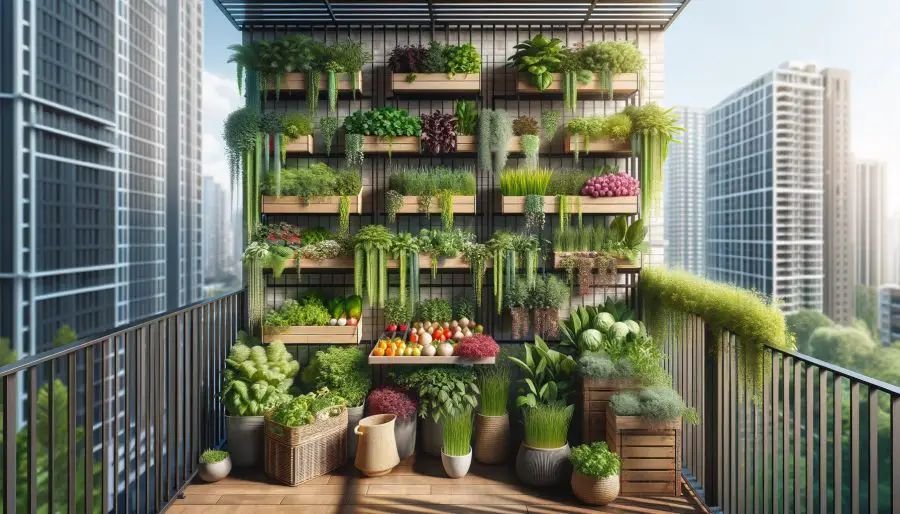
Instead of buying new planters, consider using recycled containers. Look around your home for items like plastic bottles or wooden crates.
This not only saves money but also adds a unique touch to your garden.
If you don’t have space for a vegetable garden or if your present site is too small, consider raising fresh, nutritious, homegrown vegetables in containers. A window sill, patio, balcony, or doorstep can provide sufficient space for a productive container garden. Problems with soil-borne diseases, nematodes, or poor soil can also be overcome by switching to container gardening. Virginia Tech
Opt for Seeds and Cuttings
Growing plants from seeds or cuttings is a cost-effective method. Seeds offer a wide variety and cuttings let you expand your garden for free.
With patience, these can blossom into a lush garden.
Focus on Easy-to-Grow Plants
Select plants that are easy to care for. Hardy herbs like basil and resilient flowers like marigolds are great choices.
They require minimal care and are generally more affordable.
Create Your Own Compost
Creating compost from kitchen scraps and yard waste is a sustainable way to nourish your plants.
This reduces waste and eliminates the need for expensive fertilizers.
Exchange Plants and Seeds
Join a local gardening community or online forums to exchange plants and seeds.
This is a cost-effective way to diversify your garden and connect with fellow gardeners.
Take Advantage of Sales and Discounts
Keep an eye out for sales at garden centers and nurseries. Purchasing discounted gardening tools and supplies can lead to significant savings.
DIY Garden Supplies
Many gardening supplies can be made at home. Use everyday items to create plant labels, seedling trays, and even simple trellises.
Water Wisely
Save on water bills by using a watering can instead of a hose. Collecting rainwater is another efficient and cost-saving method.
Regular Maintenance and TLC
Regularly prune and deadhead plants to promote healthy growth. Preventing diseases and removing weeds promptly can save you from incurring additional costs.
Grow More Plants for Less Money
One of the easiest ways to reduce gardening costs is to focus on propagation rather than purchasing new plants. Seeds, cuttings, divisions, seed swaps, and plant exchanges can dramatically increase the size of your balcony garden for very little investment.
Many gardeners eventually reach a point where they rarely purchase plants because they can multiply the ones they already own or trade with other growers.
Grow From Seeds
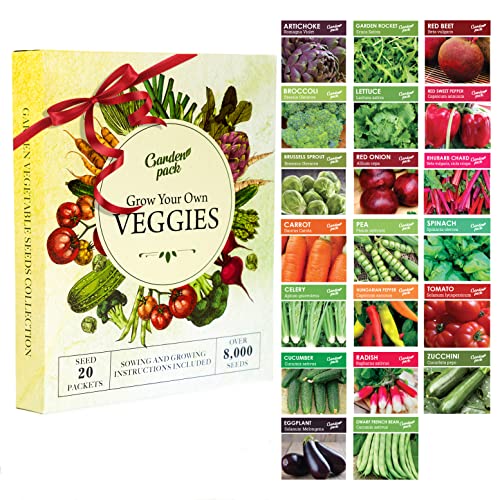
Growing vegetables, annuals, and perennials from seed is an economical choice.
For beginners, choose seeds that are easy to start and can be planted directly in the ground.
Find Used (Or Free) Tools & Equipment
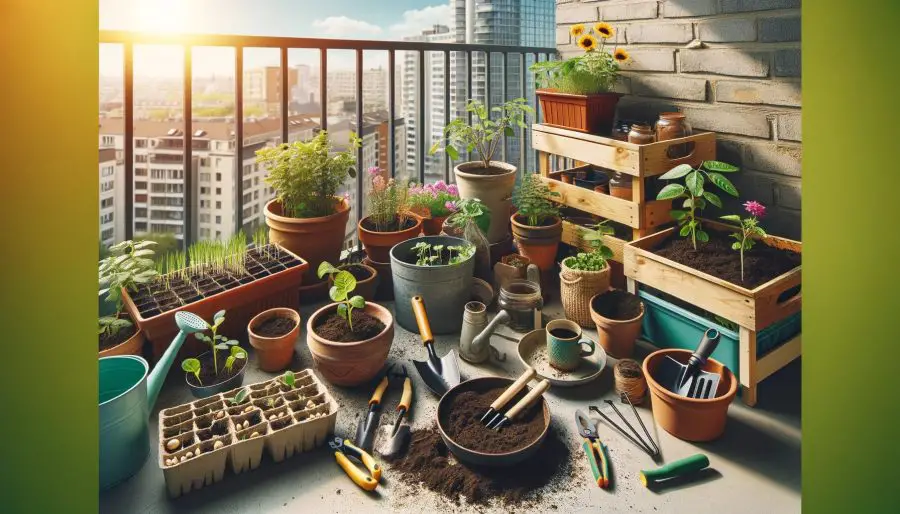
Opt for used gardening tools and equipment. Garage sales and online marketplaces are excellent sources for finding these items at a fraction of their original cost.
Collect & Save Seeds
Learning how to collect seeds from your garden is a wise move for budget gardeners.
Store excess seeds properly to use them in the coming years.
Participate In Seed Swaps
Engage in seed swaps with friends or through online communities. This is a cost-effective way to obtain a variety of seeds.
Repurpose & Upcycle
Get creative with upcycling. Use items like old containers or scrap wood to make garden beds, trellises, or plant markers.
This not only saves money but also adds a unique charm to your garden.
Don’t Throw It, Grow It!
Utilize kitchen scraps like seeds or root stalks from vegetables to grow new plants. It’s a simple yet effective method to expand your garden.
Regrowing Veggies From Kitchen Scraps
Some will and some won’t and here is a video that shows what will and won’t work.
Take Cuttings & Divisions
Propagate plants through cuttings and divisions. It’s a cost-effective way to create new beds or fill up containers.
Look For Free & Inexpensive Plants
Seek out gardeners who are willing to share or divide their surplus plants.
Farmers Markets and community sales are also good places to find budget-friendly plants.
Buy Small Starter Plants
Purchasing smaller starter plants or plugs is more economical than buying mature plants.
They take longer to grow but offer significant cost savings.
Wait For Plants To Go On Sale
Delay your plant purchases until after the initial spring rush. Garden centers often offer discounts during the summer and fall.
Shop End-Of-Season Sales
Buy gardening tools and equipment during end-of-season sales to save money.
Late summer and early fall are ideal times for these purchases.
Make Your Own Compost
DIY composting is easy and cost-effective. Repurpose materials like fencing or chicken wire to make compost bins.
Make Your Own Worm Farm
You can repurpose larger plastic storage totes with lids to create your own worm farm.
Feed them your kitchen scraps. Worm castings are a very effective organic fertilizer.
Exchange Seedlings With Friends
If you have excess seedlings, consider swapping them with friends or neighbors. This expands your garden variety without any additional costs.
Grow Organically
Organic gardening is not only budget-friendly but also healthier for your garden. Use natural remedies and organic pest deterrents to save on chemical costs.
Trade Plants
Divide and trade your perennials for new varieties. This is a great way to add diversity to your garden on a budget.
Overwinter Plants Indoors
Many annuals can actually survive indoors during the winter. This saves you from purchasing new plants each spring.
Collect Rainwater
Collecting rainwater reduces your water bill and is beneficial for your plants. DIY rain barrels are an economical option for rainwater collection.
Choose Low Maintenance Plants
Opt for native or common varieties that are low maintenance. They are generally more affordable and require less care.
Common Budget Balcony Gardening Mistakes
Buying Too Many Plants Too Soon
Many beginners spend too much money on mature plants right away. Starting with a few affordable plants and expanding gradually is usually more successful.
Using Containers Without Drainage
Repurposed containers can save money, but they still need proper drainage holes to prevent root rot.
Choosing Plants That Don’t Match Your Light Conditions
Plants that struggle in the wrong light often need replacing. Matching plants to your balcony’s sun exposure saves both time and money.
Ignoring Container Size
Small containers dry out quickly and may limit plant growth. Choosing the right container size reduces maintenance and improves results.
Overbuying Gardening Supplies
Many balcony gardens can be started with basic tools and containers. It’s often better to buy additional supplies only when you truly need them.
Saving & Using Leaves
Leaves are an excellent, free resource for mulching and composting. Collect and utilize leaves to enrich your garden soil.
Budget Balcony Gardening FAQs
What is the cheapest way to start a balcony garden?
Starting with seeds, recycled containers, and a few inexpensive supplies is usually the most affordable approach.
Which plants provide the best value for a balcony garden?
Herbs such as basil, parsley, rosemary, and thyme often provide excellent value because they are expensive to purchase repeatedly at grocery stores.
Can I create a balcony garden without buying planters?
Yes. Many gardeners successfully use buckets, wooden crates, plastic containers, and other recycled materials.
How can I get free plants for my balcony garden?
Plant swaps, cuttings from friends, divisions, community gardening groups, and seed exchanges are all great sources of free plants.
Is balcony gardening expensive to maintain?
Not necessarily. Choosing low-maintenance plants, composting, collecting rainwater, and propagating your own plants can keep costs very low.
Budget Balcony Gardening Final Thoughts

Creating a beautiful balcony garden doesn’t require a large budget. By starting with seeds, reusing materials, propagating plants, and shopping strategically, you can build an attractive and productive garden for a fraction of the cost many people expect.
The most successful budget gardeners focus on creativity and resourcefulness rather than expensive supplies. Over time, a small collection of plants can grow into a thriving balcony garden through cuttings, divisions, seed saving, and careful planning.
Whether you’re growing herbs, flowers, vegetables, or decorative plants, budget balcony gardening proves that limited space and limited funds don’t have to limit your success.