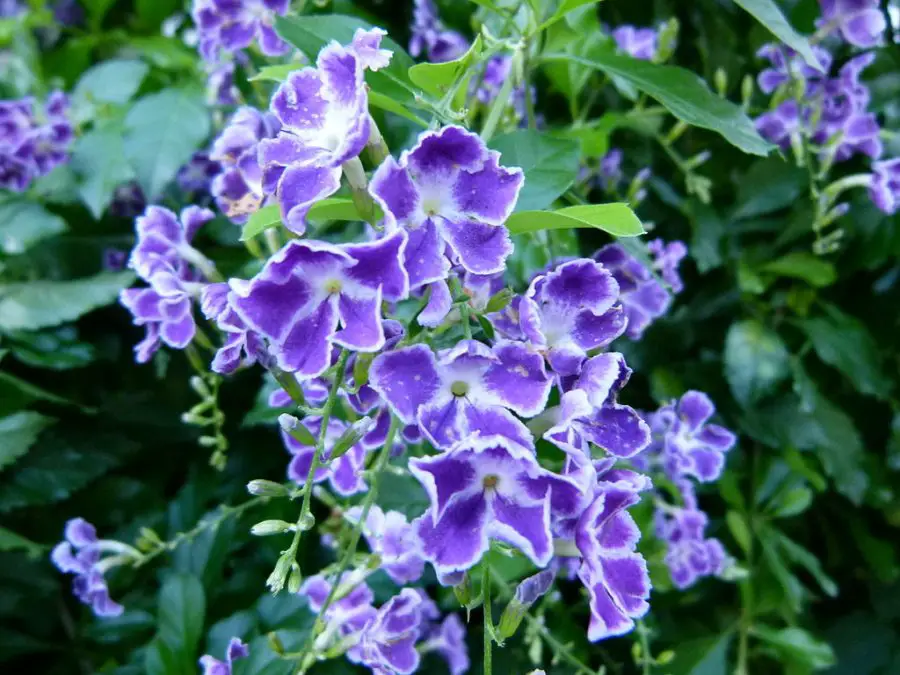
Growing Duranta in pots is one of the easiest ways to enjoy this tropical flowering shrub in small spaces, patios, balconies, or bright indoor spots. Known as Golden Dewdrop, Duranta brings colorful blooms, fast growth, and a strong tropical look without needing a large garden.
Container growing gives you more control over soil, watering, and winter protection, which makes Duranta much easier to manage in cooler climates.
This guide covers light, watering, soil, pruning, repotting, and troubleshooting so you can keep your Duranta healthy, blooming, and easy to maintain.
🌿 What You’ll Learn
-
- ☀️ How much sun Duranta needs for strong flowering
- 💧 How to water without causing root rot
- 🪴 The best soil mix using coco coir and drainage
- 🏡 The best places to keep Duranta indoors or outdoors
- ✂️ How to prune and repot for fuller growth
- 🛠️ How to fix yellow leaves, pests, and weak blooming
🌱 Quick Answer
Growing Duranta in pots works best with full sun, well-draining soil, regular watering, and light feeding during the growing season. Keep the roots from sitting wet, prune often, and repot every 1–2 years for best growth and blooms.

An Introduction To Growing Duranta in Pots
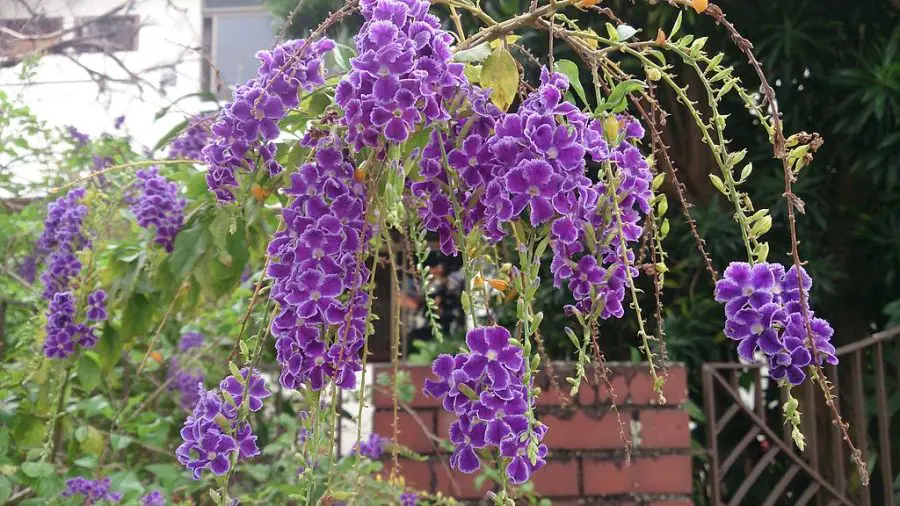
Growing Duranta in pots is the perfect way to bring the vibrant hues and tropical vibes of golden dewdrops right into your own living space or garden.
We’ll familiarize you with Duranta erecta, its captivating features, and why cultivating these lovely plants in pots is an excellent choice for urban dwellers and small-space garden enthusiasts alike.
Getting to Know Duranta erecta

This flowering shrub or small tree belongs to the verbena family Verbenaceae and is native to regions from Mexico to South America and the Caribbean. It also goes by names such as golden dewdrop, pigeon berry, and skyflower.
When grown in pots, these plants can be an enchanting addition to your indoor or outdoor space, showcasing gorgeous light blue or lavender flowers that bloom in tight clusters during the summer.
Duranta erecta is a species of flowering shrub in the verbena family Verbenaceae, native from Mexico to South America and the Caribbean. It is widely cultivated as an ornamental plant in tropical and subtropical gardens throughout the world, and has become naturalized in many places. Common names include golden dewdrop, pigeon berry, and skyflower. https://en.wikipedia.org/wiki/Duranta_erecta
Pot-Grown Duranta: Urban and Small Space Gardening
Growing Duranta in pots has become increasingly popular, especially among urban dwellers and small-space garden enthusiasts.
Cultivating these plants in containers offers numerous advantages.
Firstly, it allows you to maximize limited space by placing them on balconies, patios, or even indoors.
Secondly, pot-grown Durantas give you greater control over their growing conditions, including soil composition and moisture levels.
Lastly, for those living in cooler climates, having Duranta in pots makes it easier to move them indoors during winter, ensuring their survival and health.
Indoor Benefits of Growing Duranta in Pots

In this section, we’ll explore these advantages, ranging from aesthetic appeal to air purification and more, helping you understand why welcoming a Duranta plant into your home is a fantastic choice.
Aesthetics and Visual Appeal
One of the most compelling reasons to grow Duranta in pots indoors is their incredible aesthetic value.
The vibrant light blue or lavender flowers that adorn these plants create a stunning visual impact, making them a great addition to any room.
Additionally, their cascading clusters of flowers can provide a lively burst of color and create a focal point in your living space, brightening up even the dullest of corners.
Attracting Pollinators
While growing Duranta plants indoors may not attract as many pollinators as they would when grown outdoors, having them in your home still offers the chance of occasional visits from butterflies and hummingbirds when placed near open windows or in outdoor living spaces during warmer months.
Plant Size and Growth Rate

Curious about how big your Duranta plants can grow and how fast they’ll reach their full potential?
Join us as we explore the ins and outs of Duranta size and growth.
Typical Size When Grown in Pots
When it comes to growing Duranta in pots, you can expect a more compact size compared to those planted in the ground. This makes them an excellent potted plant.
While Duranta is a fast-growing plant and can grow up to 6 meters (20 feet) tall and spread to an equal width in their natural habitat, pot-grown Durantas usually stay within a more manageable size range of 1 to 3 meters (3 to 10 feet) in both height and width.
🌟 Tip: Duranta blooms on new growth so pruning is a great method for size control
Growth Rate and Factors Affecting It
Duranta plants are known for being a moderate to fast-growing plant, depending on various factors such as light, soil, and overall care.
In general, you can expect your potted Duranta to grow at a rate of around 30 cm (1 foot) per year, though some factors can significantly influence this pace.
Full sun, proper watering, well-drained soil, and timely fertilization all play a role in ensuring a healthy growth rate for your Duranta plants.
Light Requirements

In this section, we’ll shed some light on the optimal illumination conditions for these stunning tropical beauties.
By understanding the importance of light and how to provide just the right amount for your Duranta plants, you’ll be well on your way to cultivating a vibrant, flourishing addition to your home or garden.
Ideal Sunlight Exposure
Duranta plants are true sun-lovers, which means they thrive when exposed to ample sunlight.
Ideally, they should receive at least 6 to 8 hours of bright, direct sunlight each day.
This generous dose of sunshine not only helps them grow strong and healthy but also encourages the production of their stunning blooms.
Keep in mind that while Durantas can tolerate partial shade, too little sunlight can lead to leggy growth and fewer flowers.
Tips for Providing Adequate Light Indoors
Ensuring your indoor Duranta plants receive enough sunlight can be a bit of a challenge, but with some clever planning, it’s entirely possible.
Here are some tips to help you provide adequate light for your potted Durantas indoors:
• Place your plants near a south-facing or west-facing window, where they can receive plenty of bright, direct sunlight.
• Rotate the pot every few weeks to ensure all sides of the plant get equal exposure to sunlight, promoting even growth.
• If natural light is insufficient, consider using artificial grow lights to supplement your Duranta’s light needs.
LED or fluorescent grow lights can be an effective solution, just make sure to follow the manufacturer’s recommendations for distance and duration.
• Be mindful of seasonal changes and adjust your plant’s location accordingly. As the angle of the sun shifts throughout the year, you might need to move your Duranta to a different spot to ensure it continues receiving enough light.
🏡 Best Indoor and Outdoor Locations for Duranta
Duranta loves warmth, sunlight, and airflow. Placement makes a big difference in flowering and growth speed.
- Sunny patio: One of the best spots for heavy flowering.
- South-facing balcony: Great for containers in small spaces.
- Bright sunroom: Works well if you overwinter indoors.
- Near a west-facing window: Best indoor option for strong light.
Avoid low-light rooms. Duranta needs strong sun to stay compact and flower well.
Watering

In this section, we’ll explore the ins and outs of watering your potted Durantas, providing essential tips and insights to ensure your plants stay healthy, vibrant, and full of life.
Watering Frequency
Duranta plants prefer evenly moist soil, but it’s essential to avoid overwatering.
In general, you should water your potted Durantas when the top inch of the soil feels dry to the touch.
Depending on the size of the pot, the type of soil, and the environmental conditions, this might mean watering every few days to once a week.
Keep in mind that Durantas may require more frequent watering during hot or dry periods, while less frequent watering is needed during cooler months or periods of low light.
Overwatering and Underwatering
It’s crucial to recognize the symptoms of both overwatering and underwatering in your Duranta plants. Here are some signs to look out for:
Overwatering: Yellowing leaves, root rot, and wilting even when the soil is wet are common indicators of overwatering. Prolonged overwatering can lead to fungal infections and the decline of your plant’s overall health.
Underwatering: Wilted or drooping leaves, dry soil, and slow growth are signs that your Duranta might not be getting enough water. Prolonged underwatering can cause leaf drop and may ultimately lead to your plant’s demise.
Tips for Maintaining Proper Moisture Levels
To ensure your Duranta plants receive just the right amount of water, follow these tips:
• Use a well-draining potting mix, preferably with added perlite or coarse sand, to allow excess water to escape and prevent root rot.
• Make sure your pots have drainage holes to allow excess water to escape. If your pot doesn’t have holes, consider repotting your Duranta into one that does or add a layer of gravel at the bottom to improve drainage.
• Water your Duranta plants thoroughly, allowing the water to run through the drainage holes. This ensures that the root system receives enough moisture.
• Avoid letting your plants sit in standing water. Empty the saucer beneath the pot if water accumulates after watering.
• Adjust your watering schedule based on the season, temperature, and humidity. Durantas typically need more water during the warmer months and less during the colder ones.
Soil and Pots (Using Coco Coir)

The right soil type and pot can make all the difference when it comes to growing Duranta plants successfully. They typically grow in sandy or rocky soils with good drainage.
In this section, we’ll explore the wonderful world of coco coir – an excellent choice for potting Durantas – and discuss how to select the perfect pot to ensure your plants thrive.
By understanding the importance of proper soil composition and container selection, you’ll be well-equipped to create the perfect environment for your Duranta plants to flourish.
Advantages of Using Coco Coir as a Growing Medium
Coco coir, made from the fibrous husks of coconuts, offers several benefits as a growing medium for your Duranta plants.
Some advantages of using coco coir include:
• Excellent water retention: Coco coir can hold up to 10 times its weight in water, ensuring your Duranta plants have consistent access to moisture without the risk of waterlogged roots.
• Good aeration: The natural fibrous structure of coco coir allows for better air circulation around the roots, promoting healthy root growth and reducing the chances of root rot.
• Sustainable and eco-friendly: Coco coir is a renewable resource and an environmentally friendly alternative to peat moss, which takes thousands of years to form and is harvested from sensitive ecosystems.
Preparing the Pot and Drainage
Choosing the right pot and ensuring proper drainage is essential for the health of your Duranta plants.
Here are some tips to help you prepare the ideal potting environment:
• Select a pot that is at least 2-3 inches larger in diameter than your Duranta plant’s root ball to allow for growth.
• Make sure the pot has drainage holes to allow excess water to escape, preventing root rot and other water-related issues.
• Consider using a saucer or tray beneath the pot to catch any excess water and protect your surfaces.
Fertilizing

Feeding your Duranta plants with the right nutrients is crucial for maintaining their health and encouraging those beautiful blooms.
In this section, we’ll discuss the ins and outs of fertilizing your potted Durantas, sharing valuable tips and recommendations to ensure your plants receive the nourishment they need to truly thrive.
Recommended Fertilizer Types and Ratios
When it comes to fertilizing Duranta plants, a balanced, slow-release granular fertilizer works wonders.
Look for a general fertilizer with a ratio of 14-14-14 or similar, providing equal amounts of nitrogen (N), phosphorus (P), and potassium (K).
This balanced mix of nutrients supports healthy foliage growth, root development, and flower production.
Frequency of Application
Durantas are not heavy feeders. Fertilize your potted Durantas every 6 to 8 weeks during the growing season, typically from spring to early fall.
Remember to reduce or stop fertilizing during the winter months, as Durantas enter a period of dormancy and require fewer nutrients.
Preventing Nutrient Deficiencies and Overfertilization
To keep your Duranta plants healthy and vibrant, it’s essential to avoid nutrient deficiencies and overfertilization.
Here are some helpful tips:
• Always follow the manufacturer’s instructions on the fertilizer packaging to ensure proper application rates and techniques.
• Water your plants thoroughly before and after fertilizing to help the nutrients disperse evenly throughout the soil and prevent fertilizer burn.
• Keep an eye out for signs of nutrient deficiencies, such as yellowing leaves, stunted growth, or poor flowering. If you notice any issues, adjust your fertilizing schedule or consider using a different type of fertilizer.
• Remember that less is often more when it comes to fertilizing. Overfertilization can lead to excessive growth, reduced flowering, and even damage to your plants’ roots.
• Stick to the recommended application rates and frequencies to avoid these problems.
Temperature and Humidity

Creating the perfect environment for your Duranta plants means paying close attention to both temperature and humidity.
In this section, we’ll get into the ideal temperature and humidity conditions for growing Durantas in pots, providing useful tips to help you maintain a comfortable and nurturing atmosphere for your plants.
Ideal Temperature Range for Duranta
Duranta plants are tropical in nature and prefer warmer temperatures for optimal growth.
The ideal temperature range for these lovely plants is between 65°F (18°C) and 85°F (29°C).
While they can tolerate temperatures slightly outside this range, prolonged exposure to extreme temperatures can stress your plants and affect their growth and flowering.
Maintaining Proper Humidity Levels
Duranta plants also appreciate moderate to high humidity levels, as they’re accustomed to the tropical and subtropical humid environments of their native habitat.
Aim to maintain a humidity level of around 50-60% for your potted Durantas.
To increase humidity around your plants, you can:
• Place a tray of water filled with pebbles or marbles near your plants, allowing the water to evaporate and raise the surrounding humidity.
• Use a humidifier to increase the humidity in the room where you’re growing your Durantas.
• Group your potted Durantas together, as plants naturally release moisture through transpiration, which can help create a more humid microclimate.
Adjusting Conditions for Seasonal Changes
As seasons change, you may need to make adjustments to your Duranta plants’ environment to ensure they continue to thrive:
• During the cooler winter months, move your plants away from drafty windows or doors to protect them from cold air.
• In the heat of summer, provide some shade for your potted Durantas during the hottest part of the day, especially if they’re outdoors, to prevent heat stress and sunburn.
• Adjust your watering and fertilizing schedules in response to seasonal changes in temperature and light, as your plants may require less water and nutrients during periods of reduced growth or dormancy.
• By keeping a close eye on the temperature and humidity levels and making necessary adjustments as the seasons change, you’ll be able to create an ideal environment for your Duranta plants to flourish throughout the year.
Maintenance and Pruning

Caring for your Duranta plants involves more than just watering and feeding – maintenance and pruning play a significant role in keeping your plants looking their best.
In this section, we’ll discuss the importance of regular maintenance and share tips on how to prune your Durantas effectively for optimal growth and flowering.
When and How to Prune Duranta Plants
The best time to prune your Duranta plants is during late winter or early spring, just before the start of the new growing season.
This timing allows your plants to recover quickly and encourages new growth.
When pruning, use clean, sharp pruning shears or scissors, and follow these steps:
• Remove any dead, damaged, or crossing branches to promote air circulation and prevent disease.
• Trim back any overly long or leggy branches to maintain the desired shape and size.
• Cut branches at a 45-degree angle, about 1/4 inch above a bud or branching point to encourage new growth.
Encouraging Bushier Growth and Better Flower Production
Regular pruning not only helps maintain the appearance of your Duranta plants but also encourages bushier growth and better flower production.
By pruning back long branches and removing any weak or spindly growth, you’re stimulating your plants to produce new, stronger branches and more flowers.
Keep an eye on your Duranta’s growth throughout the season, and don’t hesitate to do some light trimming if needed to maintain its shape and encourage blooms.
Removing Dead or Diseased Branches
It’s essential to regularly inspect your Duranta plants for any signs of dead, damaged, or diseased branches.
Removing these branches as soon as possible helps prevent the spread of disease and pests, ensuring your plants stay healthy and vibrant.
If you come across any suspect branches, prune them back to healthy growth, and always sterilize your pruning tools after use to avoid spreading any pathogens to other plants.
Repotting

In this section, we’ll discuss the process of repotting your potted Durantas, providing helpful tips and guidance to ensure a smooth transition to their new home.
Signs that Your Duranta Needs Repotting
Your Duranta plants may need repotting if they’re showing any of the following signs:
- Roots growing out of the drainage holes or becoming visible at the soil surface, indicating they’ve outgrown their current pot.
- The plant appears top-heavy or unstable, causing the pot to tip over.
- Water runs straight through the pot without being absorbed, which may mean the roots have taken up most of the available soil space.
Choosing the Right Pot Size
Choose a new pot that’s 1-2 inches larger in diameter than the current pot, ensuring there’s enough room for your plant to grow without causing it to become root-bound too quickly.
Choose a pot with drainage holes to prevent waterlogged roots and ensure proper soil moisture levels.
Steps for Successful Repotting

Follow these steps to repot your Duranta plants successfully:
• Water your Duranta thoroughly a day before repotting to help loosen the root ball and reduce transplant shock.
• Carefully remove the plant from its current pot, taking care not to damage the roots.
• Gently tease apart any tangled or circling roots to encourage healthy growth.
• Fill the new pot with a high-quality potting mix, leaving enough space for the root ball. If using coco coir, remember to mix it with other soil components for optimal growth.
• Place the Duranta in the center of the pot, ensuring it sits at the same soil depth as in the previous pot.
• Add more potting mix around the root ball, firming it down gently to remove any air pockets.
• Water your newly repotted Duranta thoroughly and place it in a shady spot for a few days to help it acclimate to its new home.
• By following these repotting tips, you’ll provide your Duranta plants with the space and nutrients they need to continue growing strong and healthy
How Often To Repot
How often you need to repot your Duranta plants depends on their growth rate and size, as well as the size of the pot they’re currently in.
Generally, it’s a good idea to check your Duranta plants for signs that they may need repotting every 1 to 2 years.
Keep an eye out for the signs mentioned earlier, such as roots growing out of drainage holes or water not being absorbed properly, as these are good indicators that it’s time for a larger pot.
Propagation

In this section, we’ll explore different methods of propagating Duranta plants, offering tips and tricks to help you multiply your collection and spread the joy of these stunning flowering shrubs.
Methods of Duranta Propagation (Cuttings, Seeds)
There are two main methods for propagating Duranta plants: cuttings and seeds.
Cuttings: Propagating Duranta plants from stem cuttings is a popular method, as it’s relatively easy and produces genetically identical plants.
You can take softwood or semi-hardwood cuttings from healthy, disease-free plants during the growing season.
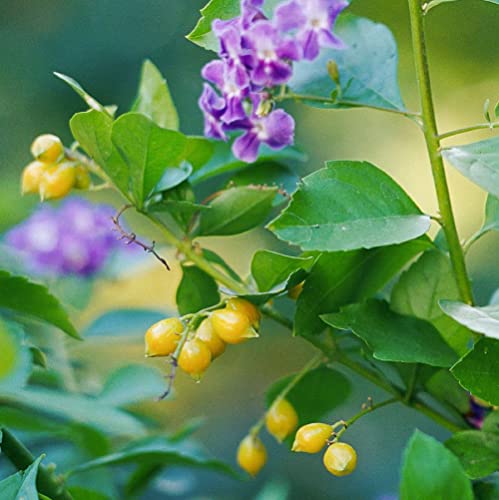
Seeds: You can also propagate Duranta plants from seeds, which can be collected from the ripe orange berries of the plant.
Keep in mind that growing Durantas from seeds may result in plants with varying characteristics compared to the parent plant.
Steps for Successful Propagation
Cuttings:
• Choose a healthy, non-flowering stem, and make a clean cut about 4-6 inches long just below a node.
• Remove the lower leaves, leaving only the top few leaves intact.
• Dip the cut end in rooting hormone (optional) to promote faster root growth.
• Plant the cutting in a small pot filled with a well-draining potting mix or a mix of perlite and peat moss.
• Keep the cutting moist and in a warm, bright spot with indirect sunlight.
• After 4-6 weeks, check for root growth by gently tugging on the cutting. If there’s resistance, roots have formed, and you can gradually acclimate the new plant to its permanent location.
Seeds:
• Harvest seeds from ripe berries, cleaning them thoroughly to remove any pulp. You can also buy Duranta seeds online.

• Sow the seeds in a well-draining seedling mix, covering them lightly with soil.
• Keep the seed tray moist and in a warm, bright spot with indirect sunlight.
• Once seedlings have grown and developed a few sets of true leaves, transplant them into individual pots and continue caring for them until they’re ready for their permanent location.
Caring for New Plants
• Keep new Duranta plants in a warm, bright spot with indirect sunlight until they’re well-established.
• Water your new plants regularly, keeping the soil evenly moist but not soggy.
• Gradually acclimate the new Duranta plants to their permanent location, taking care to protect them from harsh sunlight or extreme temperatures initially.
• Once established, follow the general care guidelines for Duranta plants, including appropriate light, watering, and fertilizing practices.
• By following these propagation tips, you’ll be well on your way to creating new Duranta plants to share with loved ones or expand your own collection of these stunning flowering shrubs.
Pests and Diseases

In this section, we’ll discuss common pests and diseases that may affect Durantas, and we’ll share some tips on how to prevent, identify, and treat these issues.
Common Pests Affecting Duranta (e.g., Aphids, Spider Mites)
Several common pests may affect Duranta plants, including:
Aphids: Tiny, sap-sucking insects that can cause distorted leaves and transmit plant diseases. Keep an eye out for clusters of aphids on the undersides of leaves or on new growth.
Spider Mites: Microscopic pests that create fine webbing and cause leaves to become speckled or discolored. They thrive in dry, dusty conditions, so maintaining proper humidity can help prevent infestations.
Diseases to Watch Out for (e.g., Leaf Spot, Root Rot)
Duranta plants can also be susceptible to certain diseases, such as:
Leaf Spot: Caused by various fungi or bacteria, leaf spot appears as small, discolored spots on leaves. Severe infections can lead to leaf drop or reduced plant vigor.
Root Rot: Typically a result of overwatering or poor drainage, root rot is a fungal disease that causes roots to become mushy and discolored, leading to overall plant decline.
Prevention and Treatment Methods
To prevent and treat pests and diseases in Duranta plants:
• Inspect your plants regularly for signs of pests or diseases, and take action promptly if any issues are detected.
• Maintain a clean growing environment by removing dead leaves, debris, and weeds that can harbor pests or disease.
• Ensure proper watering, drainage, and air circulation to minimize the risk of disease.
• Treat pest infestations with insecticidal soap, neem oil, or other appropriate insecticides. Always follow label instructions for use and application rates.
• For fungal or bacterial diseases, apply a suitable fungicide or bactericide, and consider pruning affected plant parts to prevent further spread.
• By staying vigilant and addressing any issues early on, you can keep your Duranta plants healthy and vibrant, allowing them to continue gracing your space with their captivating beauty.
🛠️ Common Problems When Growing Duranta in Pots
🟡 Yellow Leaves
Usually caused by overwatering, poor drainage, or cold stress. Check soil moisture and drainage first.
🌿 Few or No Flowers
Duranta needs strong sun. Too much shade often reduces blooms.
🍂 Leaf Drop
Sudden temperature changes, drafts, or underwatering can trigger leaf drop.
🕷️ Spider Mites
Dry indoor air can attract mites. Check undersides of leaves and rinse if needed.
🪰 Fungus Gnats
Usually caused by soil staying too wet too often.
💬 Growing Duranta in Pots FAQs
Can Duranta grow indoors?
Yes, but it needs very bright light or direct sun to bloom well indoors.
How often should I water Duranta in pots?
Water when the top inch of soil feels dry. Avoid keeping it constantly wet.
How often should I repot Duranta?
Usually every 1–2 years, depending on root growth and pot size.
Does Duranta need full sun?
For best flowering, yes. At least 6–8 hours of direct sun is ideal.
Is Duranta toxic?
Yes. The berries are considered toxic if eaten, so keep away from pets and children.
🌿 Final Thoughts: Growing Duranta in Pots
Duranta is one of those plants that rewards you fast when the basics are right. Give it enough sun, keep the soil draining well, and stay consistent with pruning and watering.
Whether you grow it on a sunny patio, balcony, or bring it indoors for winter, it adds strong tropical color and fast growth to smaller spaces.
If you want a flowering container plant that can move with the seasons, Duranta is a strong option worth trying.
Want to transform your indoor space into a lush, thriving haven? These guides will help you master houseplant care with ease.
🌿 Indoor Houseplant Care Guides
- ♻️ Composting Indoors
- 🌳 Rubber Plant Care Indoors
- 🌸 Peace Lily Care Indoors
- 🧀 Swiss Cheese Plant Care
- 🎋 Indoor Bamboo Guide
- 🌱 Vertical Gardening Indoors
- 🌺 Bromeliad Care
- 🥢 Bamboo Plant Indoor Care
- ❤️ Anthurium Care Indoors
- 🌵 How to Grow Succulent Plants
- 🌿 Maidenhair Fern Indoor Care
- See all articles in our Houseplants category