
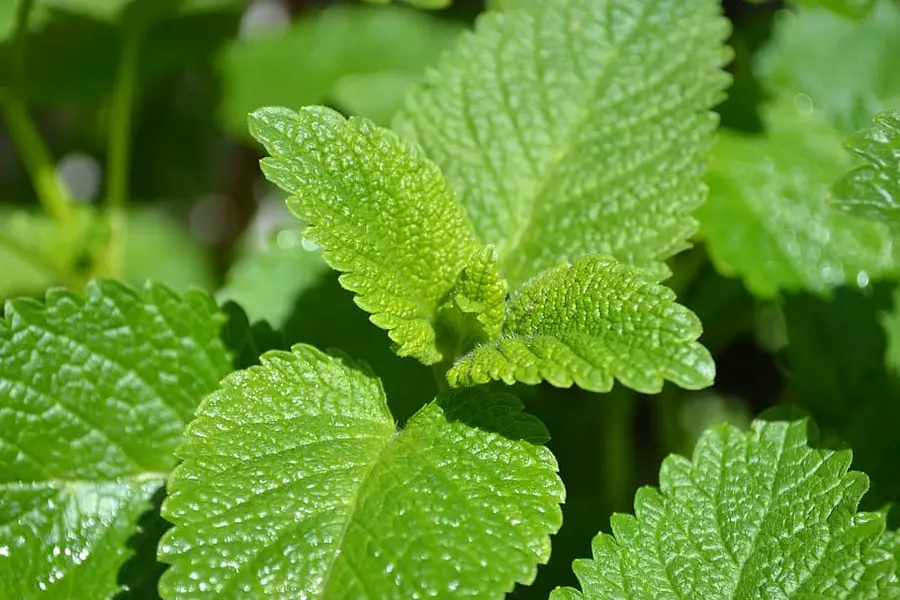
Learning how to grow lemon balm indoors is one of the easiest ways to add fresh tea herbs, calming fragrance, and fast-growing greenery to your home. This cheerful herb grows quickly, smells amazing, and fits easily into small indoor spaces.
Lemon balm is part of the mint family, which makes it forgiving, productive, and beginner-friendly. Once it settles in, it gives you a steady supply of lemony leaves for tea, cooking, and simple herbal use.
This guide will show you how to choose the right pot, give it enough light, water it correctly, and keep it growing strong indoors for months.
🌿 What You’ll Learn
- 🍋 How to choose the right pot, soil, and indoor location
- 💡 The exact light lemon balm needs to stay bushy and fragrant
- 💧 How to water without overdoing it
- ✂️ How to prune and harvest for nonstop growth
- 🪴 When to repot and how to keep roots healthy
- 🛠️ How to fix yellow leaves, weak growth, and common pests
🌱 Quick Answer
To grow lemon balm indoors, give it bright indirect light, lightly moist well-draining soil, and regular pruning. Keep it in a container with drainage, harvest often, and repot as it fills out for the healthiest growth.
How to Grow Lemon Balm Indoors 🍋

Lemon balm is one of those herbs that just feels happy to have around. It’s bright, lemony, and forgiving—perfect for beginners or anyone growing herbs in a small apartment.
Once you get the light and watering rhythm down, it becomes a reliable little plant that keeps giving you fresh leaves for tea, cooking, and calming aromatherapy.
What You’ll Learn
💡 The exact light lemon balm needs to stay bushy and fragrant
💧 Watering routines that keep roots healthy and prevent rot
✂️ How to prune and harvest for nonstop growth
🐛 Troubleshooting tips for yellowing leaves, leggy stems, and pests
🌿 What Makes Lemon Balm a Perfect Indoor Herb?

Lemon balm (Melissa officinalis) is part of the mint family, which tells you right away that it’s a sturdy plant.
It grows fast, adapts well to containers, and bounces back easily if you forget to water once or twice.
Indoors, it stays compact but produces plenty of fragrant leaves you can use in teas, desserts, syrups, or just to brighten up your space.
If you’ve ever grown herbs that seem fussy or unpredictable, you’ll appreciate how relaxed lemon balm is.
It’s the kind of herb that meets you where you’re at—even if you’re brand new to indoor gardening.
Lemon Balm Plant Care Reference Guide
| Characteristic | Details |
|---|---|
| Common Name | Lemon Balm |
| Botanical Name | Melissa officinalis |
| Plant Type | Perennial herb (mint family) |
| Light Requirements | Bright, indirect light; 6–8 hours daily or grow lights |
| Watering Needs | Keep soil lightly moist; water when top inch dries |
| Preferred Soil | Well-draining potting mix with perlite or sand |
| Temperature Range | 65–75°F indoors |
| Humidity | Average household humidity; avoid extreme dryness |
| Fertilizer | Light feeding monthly during active growth |
| Growth Habit | Bushy, compact, fast-growing |
| Mature Size Indoors | 12–18 inches tall and wide |
| Toxicity | Non-toxic to pets and humans |
| Difficulty Level | Beginner friendly |
🌞 Finding the Best Indoor Spot for Lemon Balm
If you want your lemon balm to stay full, fragrant, and growing strong, choosing the right spot indoors makes all the difference.
This herb isn’t overly picky, but it does need bright, steady light and a comfortable spot away from drafts or harsh heat.
Once you find that sweet location, you’ll notice the plant perks up, pushes new leaves faster, and stays much bushier with less effort on your part.

💡 How Much Light Lemon Balm Really Needs
- 🌤️ 6–8 hours of bright, indirect light
- 💡 Grow lights if your space is dim or it’s winter
- 🌥️ Low light signs: leggy stems, pale color, slow growth
If you rely on a small grow light, keep it about 6–12 inches above the plant and run it for 10–12 hours daily.
🏡 Best Spots in Small Apartments
- 🪟 South- or west-facing windows
- 🪴 Bright shelves or plant stands
- 🚫 Avoid drafty cold windows and harsh direct summer sunlight
🪴 Choosing the Right Pot & Soil Mix
Getting the pot and soil right gives your lemon balm the foundation it needs to thrive indoors.
This herb grows quickly, so a container with good drainage and a light, airy mix will keep the roots healthy and the plant growing steadily.
A simple setup here makes everything else—watering, pruning, and daily care—a whole lot easier.
🪵 Picking a Good Container
- 🌿 Start with a 6–8 inch pot
- 🕳️ Must have drainage holes
- 🧱 Clay pots help prevent overwatering
- 🪣 Plastic pots hold moisture longer in dry homes
🌱 The Best Indoor Soil Mix
- 🌿 High-quality potting soil (not garden soil)
- ✨ Perlite or coarse sand for drainage
- 🥥 Coco coir or peat for moisture balance
The goal is soil that stays lightly moist but never soggy.
💧 Watering Lemon Balm Indoors Without Overdoing It
Watering lemon balm can feel tricky at first, but once you learn its rhythm, it becomes one of the easiest herbs to care for.
The goal is to keep the soil lightly moist without letting it turn soggy, giving the roots enough oxygen to stay healthy and the plant enough moisture to keep producing fresh, bright leaves.
💦 How Often to Water
- ☝️ Water when the top inch feels dry
- 🌱 Droopy leaves may indicate thirst
- 🏡 Indoor heat dries soil faster in winter
🌫️ Humidity & Indoor Conditions
- 💧 Normal indoor humidity is fine
- 🌬️ Choose a spot with gentle airflow
- 🚫 Avoid frequent misting to prevent fungal issues
🌱 Starting Lemon Balm Indoors: Seeds, Cuttings, or Store-Bought?
There’s no wrong way to begin growing lemon balm indoors, and that’s part of what makes it so beginner-friendly.
Whether you’d rather start from seed, root a cutting, or bring home a ready-to-grow plant, each option settles in quickly and gives you a fresh, healthy herb to enjoy.
🌼 Growing from Seeds

- 🌱 Keep soil lightly moist
- 💡 Provide bright light right away
- ✂️ Thin seedlings for space
✂️ Growing from Cuttings
- Cut 4–6 inch stem
- Strip lower leaves
- Root in water or moist soil
- Transplant when roots reach 1–2 inches
🪴 Using Nursery Plants
- Remove plastic sleeves
- Loosen roots gently
- Repot into fresh mix
- Give bright light but soften direct sun for a week
✂️ Pruning & Harvesting for Bushier, Healthier Growth
Regular pruning is the secret to keeping lemon balm full, flavorful, and thriving indoors.
A few quick trims here and there encourage bushier growth, prevent legginess, and give you a steady supply of fresh leaves to use whenever you need them.
👍 How to Prune Lemon Balm
- ✂️ Pinch back growing tips regularly
- 🌿 Trim above leaf pairs
- ↗️ Light pruning every 1–2 weeks
🌿 How to Harvest Without Slowing Growth
- Follow the ⅓ rule
- Harvest in the morning for best flavor
- Use clean scissors
🪴 When & How to Repot Lemon Balm
Lemon balm grows faster than most people expect, and before long it can outgrow its container.
Repotting gives the roots fresh space and new soil to stretch into, helping the plant stay vigorous, healthy, and productive throughout the year.
- Roots visible through drainage holes
- Water runs straight through soil
- Plant dries out too quickly
- Growth slows unexpectedly
Choose a pot about two inches wider and refresh with new soil.
🐛 Troubleshooting Common Indoor Lemon Balm Issues
Even though lemon balm is one of the easiest herbs to grow indoors, it can still run into a few bumps along the way.
Most issues—from yellowing leaves to leggy stems—are simple to fix once you know what to look for, and a few quick adjustments usually get the plant back on track.
💛 Yellowing Leaves
- Too much water
- Poor drainage
- Not enough light
- Old or depleted soil
🐜 Pests Indoors
- Fungus gnats
- Aphids
- Spider mites
- Use sticky traps for gnats
- Rinse aphids gently
- Neem oil as a last resort
- Let soil dry slightly between waterings
🌱 Leggy, Weak Growth
- Increase light
- Prune more frequently
🌼 Herbs That Grow Well with Lemon Balm Indoors
Lemon balm fits naturally into an indoor herb collection, especially alongside plants that enjoy similar light and watering conditions.
Pairing it with the right companions makes your herb garden easier to care for and creates a fresh, fragrant mix you can use every day.
- 🍃 Mint
- 🌿 Basil
- 🌱 Chamomile
- 🍋 Lemon verbena
🧋 Easy Ways to Use Your Indoor Lemon Balm
One of the best parts of growing lemon balm indoors is how many simple, everyday ways you can use it.
Whether you’re after soothing teas, fresh flavors, or a little herbal aroma, this plant gives you plenty of options to enjoy your harvest.
- 🍵 Lemon balm tea
- 💧 Infused water
- 🍰 Desserts
- 🧴 Relaxing herbal balms
- 🌿 Cocktail garnish
💬 Lemon Balm FAQs
Can lemon balm grow indoors year-round?
Yes. With steady light and occasional pruning, lemon balm can grow indoors all year.
How much light does lemon balm need indoors?
It does best with 6–8 hours of bright light or 10–12 hours under a grow light.
How often should I water indoor lemon balm?
Water when the top inch of soil feels dry. Keep the soil lightly moist but not soggy.
Why is my lemon balm getting leggy?
Leggy growth usually means it needs stronger light or more frequent pruning.
Can I make tea from fresh lemon balm leaves?
Yes. Fresh leaves are commonly used for calming herbal tea and light citrus flavor.
Is lemon balm safe around pets?
Yes. Lemon balm is generally considered non-toxic to pets and people.
🌿 Final Thoughts: Growing Lemon Balm Indoors
Lemon balm is one of those herbs that quickly earns its place indoors. It grows fast, smells incredible, and gives you a steady supply of fresh leaves with very little effort.
Once you get the light and watering routine dialed in, it becomes one of the easiest herbs to keep going. Regular pruning keeps it full, healthy, and productive for months.
If you enjoy fresh herbal tea, calming scents, or simple kitchen herbs, lemon balm is one of the best beginner-friendly plants to grow indoors.