
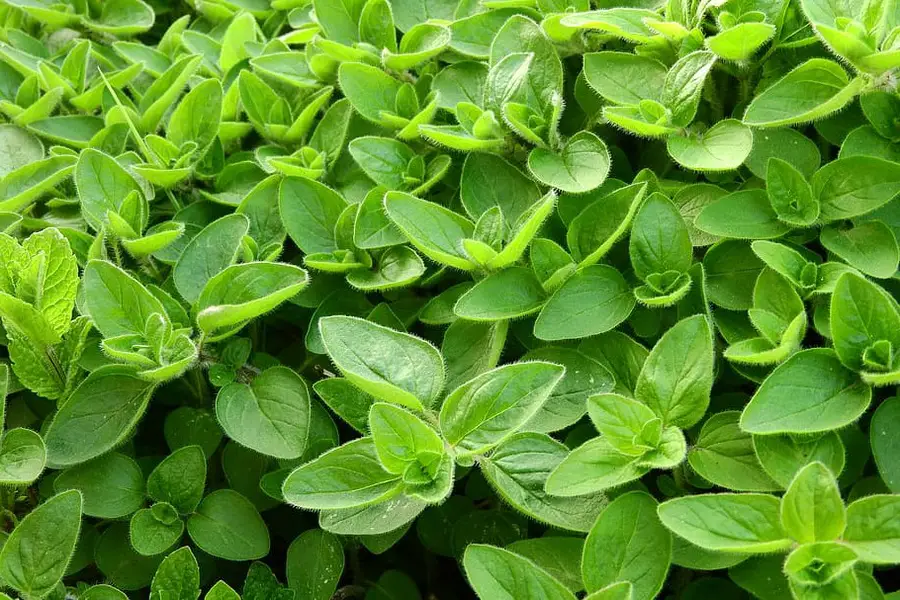
Growing marjoram indoors is one of the easiest ways to keep a fresh, fragrant herb close by for cooking year-round. With its soft, slightly sweet flavor and compact growth, marjoram fits perfectly on a sunny windowsill or under a simple grow light.
This Mediterranean herb is easygoing once you understand its basics. Give it enough light, a fast-draining pot, and a little pruning, and it can keep producing for months.
In this guide, you’ll learn how to grow marjoram indoors, harvest it properly, repot when needed, and fix the most common indoor growing problems.
What You’ll Learn About Growing Marjoram Indoors
- 🌱 How to choose the best type of marjoram for indoor growing
- ☀️ How much light marjoram really needs on a windowsill or under grow lights
- 🪴 The best potting mix, containers, and drainage setup for healthy roots
- 💧 Exactly how to water marjoram indoors (and avoid root rot)
- ✂️ Simple pruning techniques that keep plants full and bushy
- 🌿 How to harvest marjoram so it keeps producing fresh leaves
- 🐛 Common indoor problems like pests, legginess, and yellowing leaves—and how to fix them
- 🔄 When and how to repot marjoram so it keeps thriving long term
Sweet Marjoram Plant Care Reference Guide
| Characteristic | Details |
|---|---|
| Common Name | Sweet Marjoram |
| Botanical Name | Origanum majorana |
| Native Habitat | Mediterranean region; warm, sunny, well-drained hillsides |
| Plant Type | Tender perennial herb (grown as an annual or potted perennial indoors) |
| Growth Pattern | Low, bushy, mounding habit with many branching stems |
| Mature Size | 8–18 inches tall, 12–18 inches wide in containers with regular pruning |
| Watering | Allow top 1 inch of soil to dry between waterings; water thoroughly, then drain. Avoid consistently soggy soil. |
| Light/Sun Exposure | Bright light; 4–6+ hours of direct sun in a south or west window, or 10–12 hours under LED grow lights |
| Soil Type | Light, well-draining potting mix; soilless or peat/coir-based mix with added perlite or coarse sand |
| Soil pH | Slightly acidic to neutral (about 6.0–7.0) |
| Temperature | Prefers 65–75°F (18–24°C); protect from cold drafts and temperatures below ~50°F (10°C) |
| Humidity | Average household humidity is fine; avoid very stagnant, overly humid conditions around foliage |
| Bloom Time & Flower Color | Summer; small white to pale lilac flowers in clusters (often pinched off indoors to favor leaf production) |
| Potential Problems | Leggy growth from low light, root rot from overwatering, spider mites or aphids in dry indoor air, powdery mildew in poor airflow |
| Repotting | Repot every 1–2 years or when root-bound; move up one pot size and refresh with well-draining mix |
| Hardiness Zones (USDA) | Typically grown as a tender perennial in Zones 9–11; in colder zones, keep as an indoor/container herb year-round |
🌿 Why Grow Marjoram Indoors?

Marjoram is one of those herbs that quietly becomes a favorite. It’s related to oregano, but the flavor is gentler, sweeter, and more floral.
When you grow it indoors, you get fresh sprigs whenever you want them, without worrying about outdoor weather, pests, or frost.
Growing Marjoram Indoors also makes sense if you:
- 🏙️ Live in an apartment or home without garden space
- ❄️ Have cold winters that shut down your outdoor herbs
- 👩🍳 Love cooking and want fresh herbs within arm’s reach
- 🪟 Have a sunny window you’re not really using yet
Compared to some fussier herbs, marjoram is pretty forgiving—as long as you respect its top priorities: light and drainage.
🌱 Choosing the Right Marjoram for Indoor Growing

You’ll see a couple of different names when you start looking at seed packets and plant tags, so it helps to know what you’re getting.
💚 Sweet Marjoram vs. “Wild” Marjoram
When most people say “marjoram” in recipes, they mean sweet marjoram (Origanum majorana). This is the variety you want to grow indoors for soft, flavorful leaves and a compact, manageable plant. It usually stays in the 8–12 inch tall range and spreads into a low, bushy mound when you prune it regularly.
Wild marjoram is actually a type of oregano and tends to be stronger and a bit more aggressive in growth. For indoor containers, stick with sweet marjoram—especially if you’re a beginner.
🌿 Should You Start From Seeds, Starts, or Cuttings?
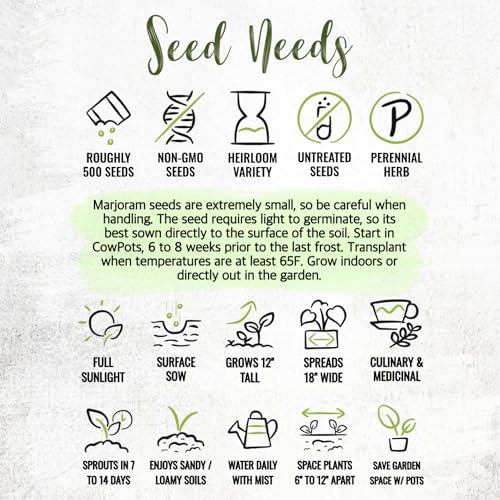
- 🌱 Seeds: Great if you enjoy the process and want multiple plants. Use a seed-starting mix and keep it slightly moist until germination.

- 🪴 Nursery starts: Easiest option. You can repot them and start harvesting much sooner.
- ✂️ Cuttings: If you have a healthy outdoor plant or a friend with one, softwood cuttings root fairly easily in moist potting mix.
If you’re brand new to indoor gardening, nursery starts are the fastest and least fussy way to get going.
☀️ Light Requirements for Growing Marjoram Indoors
Light is the number one factor that makes or breaks indoor herbs, and marjoram is no exception. This is a full-sun herb that naturally grows in hot, bright Mediterranean conditions.
🌞 How Much Light Does Marjoram Need?
Indoors, aim for:
- ☀️ At least 4–6 hours of direct sunlight in a south- or west-facing window, or
- 💡 10–12 hours under a good-quality LED grow light positioned close enough to keep the plant compact (usually 6–12 inches above the foliage).
Windows that face north are usually not bright enough for marjoram on their own. In that case, adding a grow light makes a big difference.
🕶️ Signs Your Marjoram Needs More Light
- 📏 Long, stretched stems reaching toward the window
- 🍃 Pale or yellowish new growth
- 💐 Weak fragrance and sparse foliage
If you notice any of these signs, move your plant closer to the window or supplement with a grow light. A simple clamp-on grow light over your herb shelf can transform your whole indoor setup.
🏡 Best Indoor Locations for Marjoram
Marjoram grows best where it gets strong light, warmth, and decent airflow. Placement affects both flavor and plant shape.
- South-facing windowsill: Best for strong direct light.
- West-facing kitchen window: Great for afternoon sun and easy harvesting.
- Grow light shelf: Ideal for steady winter production.
- Bright herb station near a sunny patio door: Great for airflow and warmth.
Avoid dark rooms, cold drafts, and crowded corners. Marjoram performs best when it has room to breathe and strong consistent light.
🪴 Best Pots and Soil for Indoor Marjoram

Marjoram is not picky about fancy containers, but it is picky about drainage. If its roots sit in soggy soil, you’ll end up with root rot and a sad, droopy plant.
🪟 Choosing the Right Pot Size and Type
- 🪴 Start with a pot that’s about 6 inches wide with drainage holes.
- 🧱 Terracotta or clay pots are great because they allow the soil to dry out a bit faster between waterings.
- 🧺 If you prefer plastic, just be extra careful not to overwater.
Always use a saucer under your pot to catch extra water—but don’t let the pot sit in a puddle. Empty the saucer after each watering.
🌱 The Ideal Potting Mix for Marjoram
Think “light and fluffy,” not heavy garden soil. A good mix might be:
- 🌿 2 parts high-quality, peat- or coir-based potting mix
- 🪨 1 part perlite or coarse sand for extra drainage
Most university extension resources recommend well-draining soilless mixes for indoor herbs, often with perlite added to prevent compaction.
💧 Watering Marjoram Indoors Without Overdoing It
Watering is where many beginners get tripped up. Marjoram likes things slightly on the dry side compared to thirstier herbs like basil.
💦 How Often Should You Water?
Instead of watering on a calendar schedule, use the soil as your guide:
- 👆 Stick your finger into the potting mix about an inch deep.
- 🧪 If it feels dry at that depth, it’s time to water.
- 💧 If it’s still moist, wait a day or two and test again.
When you do water, give the plant a thorough soak until water drains from the bottom of the pot. Then let the extra drain away completely.
🚫 Common Watering Mistakes
- 🧊 Watering small amounts too often “just in case”
- 🪣 Letting the pot sit in standing water in a saucer
- 📅 Watering on a strict schedule rather than checking the soil
🛟 Signs of Overwatering vs. Underwatering
- 💧 Overwatering: Yellowing leaves, wilting even when soil is wet, and a musty smell from the potting mix.
- 🌵 Underwatering: Dry, crispy leaves, stems drooping and quickly perking up after watering.
If you suspect root rot (persistent wilting + wet soil), gently slide the plant out of the pot and check the roots. Brown, mushy roots mean you may need to trim the damaged roots and repot into fresh, drier mix.
🌡️ Temperature and Humidity for Indoor Marjoram

The good news: Marjoram is pretty happy at normal household temperatures. It does best between about 65–75°F during the day and a bit cooler at night—very similar to what most indoor herb guides recommend for general indoor herb care.
- 🌡️ Avoid placing pots directly next to cold, drafty windows in winter.
- 🔥 Keep plants away from heat vents, radiators, and space heaters.
- 💨 Provide gentle air circulation (a small fan on low nearby is helpful).
Most homes have low to moderate humidity, which marjoram tolerates well. If your air is extremely dry (especially with winter heating), you can:
- 🪵 Group herbs together on a tray with pebbles and a bit of water (without letting the pots sit in the water).
- 💨 Avoid pointing hot, dry air directly at your plants.
✂️ How to Prune Marjoram for Bushy, Healthy Growth

Pruning is where the magic happens. If you just let marjoram grow without cutting, it will stretch, get leggy, and produce fewer leaves. Regular pruning keeps it compact and encourages lots of side shoots.
📏 When to Start Pruning
Once your marjoram has grown to about 4–6 inches tall and has several sets of leaves, you can start lightly pruning or harvesting. Don’t be shy—this plant responds well to pinching and trimming.
✂️ Where to Cut
- 🔎 Look for a pair of leaves along the stem.
- ✂️ Use sharp scissors or your fingers to pinch the stem just above that leaf pair.
- 🌿 New shoots will grow from the nodes where you made the cut, creating a bushier plant.
⚠️ Pruning Mistakes to Avoid
- ✂️ Removing more than one-third of the plant at once
- 🕒 Waiting too long between prunings so stems become woody and stretched
- 🧼 Using dirty scissors, which can spread disease
🌿 Harvesting Marjoram Indoors
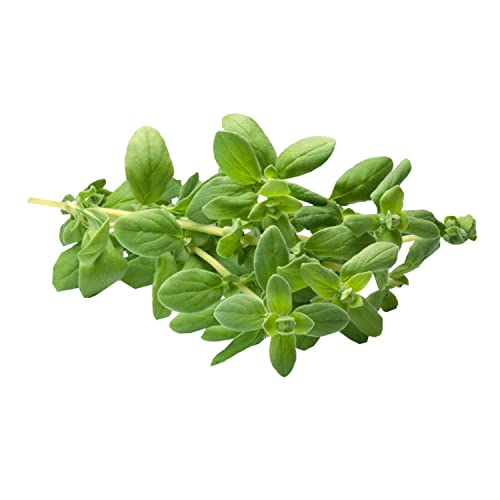
Harvesting is really just pruning with a purpose. The goal is to take what you need for cooking while leaving enough foliage for the plant to keep growing strong.
🍽️ How Much Can You Take at a Time?
- 🌿 For a small plant, harvest just a few sprigs at a time.
- 🌳 For a well-established plant, you can safely remove up to one-third of the foliage in a single harvest.
Always leave some healthy, leafy stems behind so the plant can rebound quickly.
⏰ When Is the Best Time of Day to Harvest?
Morning is ideal, after the leaves have dried from any overnight condensation but before the sun is at its strongest. Indoors, this just means choosing a time when the leaves look perky, not wilted.
🧺 Drying and Storing Your Harvest
- 🌬️ Air-dry small bundles of marjoram by hanging them upside down in a warm, dry, well-ventilated spot.
- 🧴 Once fully dry, crumble the leaves and store them in an airtight jar away from light and heat.
- ❄️ You can also freeze chopped marjoram in a little olive oil using ice cube trays.
🔄 When and How to Repot Marjoram

Over time, marjoram will fill its pot with roots and may need more room or fresh potting mix to stay productive.
📌 Signs It’s Time to Repot
- 🌀 Roots circling the inside of the pot or emerging from the drainage holes
- 💧 Soil that dries out very quickly after watering
- 📉 Slower growth even with good light and watering
🪴 Step-by-Step Repotting Guide
- 🚿 Water the plant lightly a few hours before repotting so the root ball is slightly moist.
- 🪟 Choose a new pot one size larger (for example, moving from a 6-inch to an 8-inch pot) with drainage holes.
- 🌱 Add a layer of fresh potting mix at the bottom and gently loosen the roots.
- 🧑🌾 Set the plant in the new pot at the same depth as before and fill in around the sides with fresh mix.
- 💧 Water thoroughly and let the pot drain well.
🐛 Troubleshooting Common Indoor Marjoram Problems
Even in a well-managed indoor garden, marjoram can run into a few issues. The good news is most of them are fixable once you know what to look for.
🕷️ Pests You Might See Indoors
- 🕸️ Spider mites: Fine webbing on leaves and stems, speckled or stippled foliage.
- 🐜 Aphids: Clusters of small, soft-bodied insects on new growth, often causing curling leaves.
- 🦟 Fungus gnats: Tiny black flies hovering around the soil surface, usually a sign of consistently wet mix.
For most pests, you can start by:
- 🚿 Rinsing the plant gently in the sink or shower to knock off insects
- 🧴 Using insecticidal soap or neem oil according to label directions
- 💧 Letting the top of the soil dry out more between waterings (especially for fungus gnats)
🌫️ Disease and Environmental Problems
- 🍄 Powdery mildew: White, powdery coating on leaves; improve air circulation and avoid wet foliage.
- 🌧️ Root rot: Mushy roots and wilting despite wet soil; repot into fresh, well-draining mix and adjust watering.
- 📏 Leggy growth: Not enough light; move closer to a bright window or add a grow light.
🪴 Growing Marjoram Indoors from Seeds or Cuttings
You can absolutely grow marjoram indoors from scratch if you enjoy starting plants yourself.
🌱 Starting Marjoram from Seed Indoors
- 📦 Use a fine, soilless seed-starting mix in shallow trays or small pots.
- 🌧️ Moisten the mix so it’s about as damp as a wrung-out sponge.
- 🌾 Sprinkle seeds on the surface—they’re tiny—and press them in gently.
- 🌡️ Keep them warm (around 65–70°F) and consistently slightly moist until they germinate.
- ☀️ Once seedlings are up, move them into bright light or under grow lights.
✂️ Rooting Marjoram Cuttings
- 🔪 Take a 4–6 inch cutting from a healthy, non-flowering stem.
- 🍃 Strip the leaves from the lower half of the cutting.
- 🌱 Insert the bare stem into moist potting mix or a seed-starting mix.
- 🛖 Keep humidity a bit higher (you can tent a clear plastic bag over the pot, leaving some air holes).
- 📆 In a few weeks, gently tug—if you feel resistance, roots have formed.
🌼 Herbs That Grow Well with Marjoram Indoors
Marjoram plays nicely with other sun-loving Mediterranean herbs that enjoy similar conditions.
- 🌿 Thyme
- 🌿 Oregano
- 🌿 Rosemary (with strong bright light)
- 🌿 Sage
You can group these herbs together on the same bright windowsill or under the same grow light. Just avoid potting them in the same container unless you’re confident they have very similar watering needs.
🌿 Final Thoughts: Growing Marjoram Indoors

Marjoram is one of those herbs that quietly becomes a kitchen favorite once you start growing it. It stays compact, smells amazing, and keeps producing with just a little basic care.
With strong light, good drainage, and regular pruning, you can keep fresh marjoram going indoors for months and always have flavorful leaves ready when you need them.
If you enjoy oregano, thyme, or rosemary, marjoram is an easy herb to add to your indoor garden.
🌿 Keep Growing Indoor Herbs
💬 Growing Marjoram Indoors FAQs

Can marjoram grow indoors year-round?
Yes. With enough light and proper watering, marjoram can grow indoors all year.
How much sunlight does marjoram need indoors?
Aim for 4–6 hours of direct sunlight or 10–12 hours under grow lights.
Why is my marjoram getting leggy?
Leggy growth usually means it needs stronger light or more frequent pruning.
How often should I water indoor marjoram?
Water when the top inch of soil feels dry. Let it dry slightly between waterings.
Can I grow marjoram from cuttings?
Yes. Softwood cuttings root easily in moist potting mix or water.
What herbs grow well with marjoram?
Thyme, oregano, sage, and rosemary all grow well in similar indoor conditions.