Nepenthes truncata Care: Complete Growing Guide

Nepenthes truncata Care can seem intimidating at first, but this impressive tropical pitcher plant is often easier to grow than many beginners expect. With its … Read more
Amazing Ideas That Grow
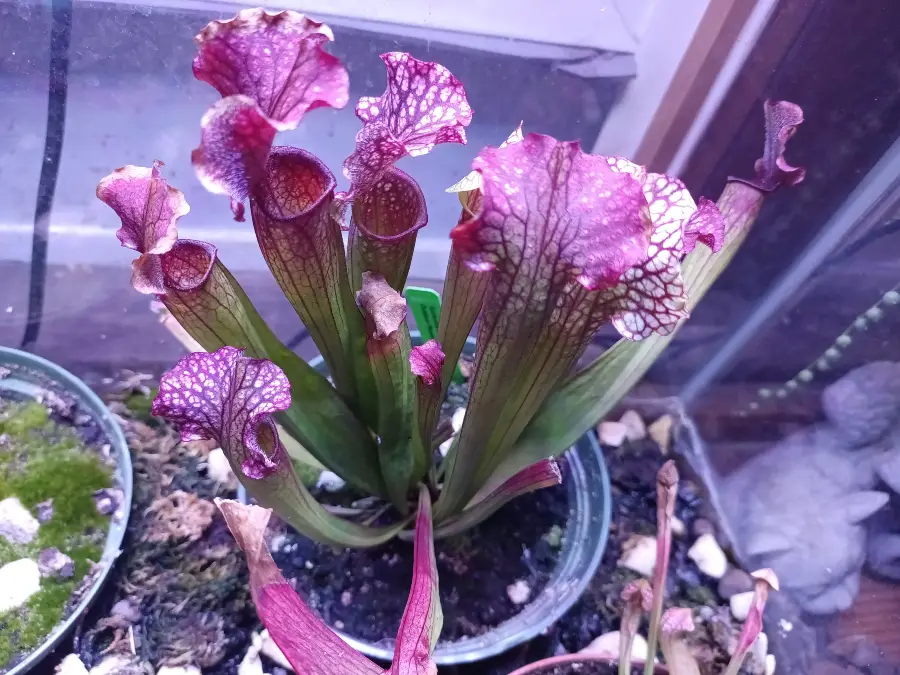
If you’re new to Carnivorous Plants, the hardest part isn’t the “feeding” — it’s getting the basics right: water quality, light, and the right growing media. Once those are dialed in, most carnivorous plants are surprisingly steady indoors.
This Carnivorous Plants category page organizes every guide on Indoor Garden Space so you can quickly find the right starting point, pick the best beginner species, and troubleshoot the common problems that trip people up in apartments and small grow spaces.
What You’ll Learn
If you want the fastest path to success, start with one of these two pages. They’ll give you the “rules of the road” so you don’t accidentally kill plants with tap water, the wrong soil, or low light.
Not every carnivorous plant is equally forgiving indoors. If you want something that adapts well to apartment conditions, start here:
These can be grown successfully, but many Sarracenia do best with strong light and often benefit from seasonal rest. If you’re growing them indoors, pay close attention to light output and water quality.
Once your plants are stable, propagation is one of the best ways to build a bigger collection without constantly buying new plants.
If you’ve noticed more content around indoor carnivorous plants lately, there’s a reason for that.
This category is becoming a bigger focus here, especially around indoor setups, terrariums, and real growing systems that actually work.
If you prefer to browse everything in one place, here’s the full list from the Carnivorous Plants category:
Water quality. Use rainwater, distilled water, or properly filtered low-mineral water. Avoid tap water unless you know it’s consistently very low in dissolved minerals.
Not usually. If light and water are correct, most carnivorous plants can grow fine without frequent feeding. Occasional feeding can help, but overfeeding can cause mold or stress.
No. Regular potting soil and fertilizer salts can burn roots and build up minerals. Use carnivorous-friendly media such as sphagnum-based mixes or peat/perlite blends designed for low nutrients.
Yes, but match plants with similar light and moisture needs. Some species do well in terrarium-style setups, while others prefer open-air conditions or seasonal changes.
Nepenthes truncata Care can seem intimidating at first, but this impressive tropical pitcher plant is often easier to grow than many beginners expect. With its … Read more

Cobra lily care can be challenging, but few carnivorous plants are as rewarding to grow. With their unusual hooded pitchers and fascinating insect-trapping ability, Darlingtonia … Read more
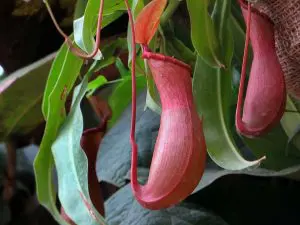
Nepenthes pitcher plant care is rewarding once you understand the tropical conditions these fascinating carnivorous plants prefer. Known for their colorful hanging pitchers, Nepenthes use … Read more
Sarracenia pitcher plant care is surprisingly simple once you understand how these fascinating carnivorous plants grow in nature. Native to North American bogs and wetlands, … Read more
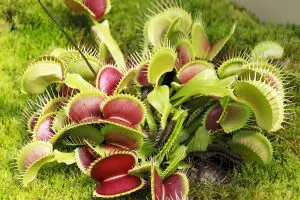
Want a Venus flytrap that actually thrives indoors? This guide walks you through the three things that matter most—strong light, clean water, and a real … Read more

Many carnivorous plant problems can be traced back to one simple issue: poor water quality. Unlike most houseplants, Venus flytraps, pitcher plants, sundews, and other … Read more
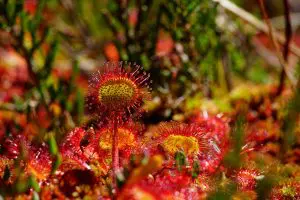
Learning how to grow sundews indoors is easier than many gardeners realize. These fascinating carnivorous plants use sticky, dew-covered tentacles to capture insects, making them … Read more
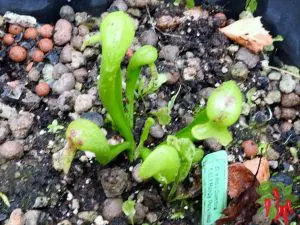
Learning how to propagate carnivorous plants is one of the best ways to expand your collection without constantly buying new plants. Many popular species, including … Read more