
Sarracenia pitcher plant care is surprisingly simple once you understand how these fascinating carnivorous plants grow in nature. Native to North American bogs and wetlands, Sarracenia species thrive in full sun, nutrient-poor soil, and consistently moist conditions.
Known for their colorful pitcher-shaped leaves that trap insects, these plants make striking additions to outdoor bog gardens, patios, and even bright indoor growing spaces. With proper light, pure water, and a winter dormancy period, Sarracenia can thrive for many years while producing impressive pitchers and flowers.
What You’ll Learn
- How to grow Sarracenia successfully indoors and outdoors
- The best soil, water, and lighting conditions
- Why dormancy is essential for long-term health
- How to propagate pitcher plants by division
- Common Sarracenia problems and solutions
- Tips for producing larger, healthier pitchers
Sarracenia Pitcher Plant Care Quick Answer
Sarracenia pitcher plants need full sun, nutrient-poor soil, mineral-free water, and a winter dormancy period. Keep the soil consistently moist and avoid fertilizers, as these carnivorous plants obtain nutrients from trapped insects.
Sarracenia Pitcher Plant Care
Embarking on the adventure of Sarracenia pitcher plant care? You’re in for a treat!
These captivating carnivorous plants, with their unique trapping mechanisms and vibrant colors, are a marvel to behold.
Let’s explore the ins and outs of nurturing these natural wonders together and dive into the captivating realm of carnivorous plants, where the Sarracenia, commonly known as the American Pitcher Plant, stands as a testament to nature’s ingenuity.
Native to the southeastern United States, these plants have evolved unique mechanisms to thrive in their environment. Let’s embark on a journey to understand their care requirements.
About the Pitcher Plant
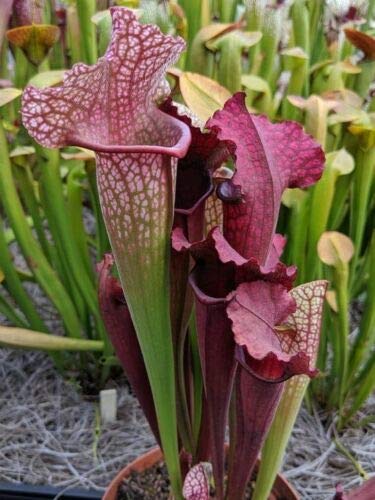
The genus Sarracenia, with its myriad species, showcases nature’s artistry in the world of carnivorous plants.
You can find Sarracenia pitcher plants and seeds on Amazon.
From their intricate trapping mechanisms to their vibrant colors, they are a marvel to behold.
Origin and Common Names:
The Sarracenia pitcher plant has its roots deeply embedded in the rich soils of the southeastern United States.
Stretching from the warm climates of Florida to the cooler regions around the Great Lakes, these plants have carved a niche for themselves in the diverse American landscape.
Commonly known by various names such as the North American Pitcher Plant, Trumpet Pitcher, and even the Huntsman’s Cup, each name reflects a facet of its intriguing nature.
Unique Characteristics:
One glance at the Sarracenia, and its most distinguishing feature becomes evident: the iconic pitcher-shaped leaves.
But these aren’t just for show. Crafted by nature’s ingenuity, these leaves are equipped with downward-pointing hairs, making them a deadly trap for unsuspecting insects.
As prey ventures into the depths of the pitcher, these hairs prevent them from climbing back out, ensuring a meal for the plant.
This adaptation not only aids in their survival in nutrient-poor soils but also adds to their mystique.
Popularity and Appeal:
The Sarracenia pitcher plant isn’t just about survival; it’s a showstopper in its own right.
Boasting vibrant, showy flowers that contrast beautifully with their green or sometimes reddish-hued pitchers, they’ve captured the hearts of plant enthusiasts worldwide.
Their unique trapping mechanism, combined with their aesthetic appeal, has made them a sought-after addition to gardens.
And for those who prefer the indoors, these plants have found their way into homes, serving as a conversation starter and a testament to nature’s wonders.
What Makes Sarracenia Different From Other Carnivorous Plants?
Unlike Venus flytraps that actively snap shut, Sarracenia species use passive pitfall traps. Insects are attracted to the colorful pitchers and nectar produced around the rim. Once inside, downward-pointing hairs make escape difficult, eventually allowing the plant to digest its prey.
This adaptation allows Sarracenia to survive in nutrient-poor bog soils where other plants often struggle.
Homegrown Pitcher Plants
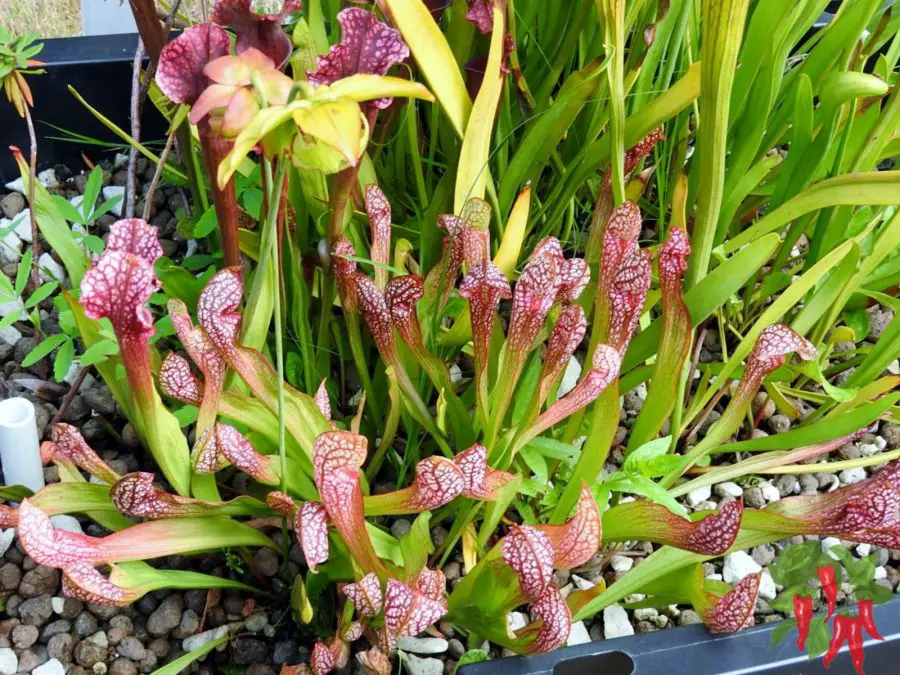
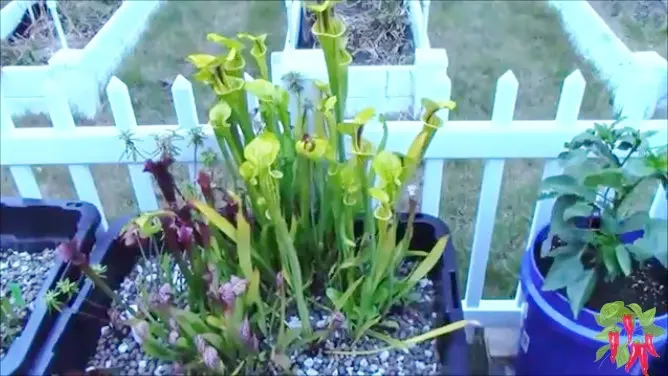
I shot a recent video of my pitcher plants. It’s a mix of different plants. If you are interested in growing Cobra Lilies I have an article about them.
Light Requirements

Sunlight is essential for the Sarracenia, ensuring vibrant colors and robust growth.
These plants, native to open wetlands, have evolved to harness the power of the sun, turning it into energy for growth and sustenance.
Importance of Sunlight:
Sunlight isn’t just a luxury for the Sarracenia pitcher plant, it’s a lifeline.
These captivating plants rely heavily on direct sunlight to fuel their photosynthesis process.
This natural mechanism is their way of converting light into energy, ensuring they remain vibrant and healthy.
Moreover, the radiant hues and patterns that make these plants so visually appealing?
Those too are a result of ample sunlight. Without sufficient rays, not only does their health wane, but their brilliant coloration can also become subdued.
Best Placement in the House:
If you’re bringing the beauty of the Sarracenia indoors, placement is key.
While they’re adaptable, they still have a penchant for the sun. The best spot in your home? A south-facing window.
This location typically offers the most hours of direct sunlight, mimicking the plant’s natural habitat.
Here, bathed in sunlight, your Sarracenia can flourish, showcasing its vibrant colors and unique shape.
It’s not just about aesthetics; this prime spot ensures the plant gets the energy it needs to thrive.
Sarracenia’s Preference: Sun or Shade?:
When it comes to the sun, the Sarracenia is a bit of a sunbather.
Predominantly, they have an insatiable craving for full sun, basking in its warmth and soaking up its rays.
This sunlight preference aids in their growth, health, and the development of their iconic pitchers.
However, every plant has its limits. In regions where the sun blazes with intense heat, especially during peak afternoon hours, a touch of shade can be a relief.
This slight reprieve prevents them from getting sunburned and ensures they continue to thrive without wilting under extreme heat.
Best Locations for Sarracenia Pitcher Plants
Outdoor Bog Gardens
Outdoor bog gardens provide the closest match to the plant’s natural habitat and often produce the largest pitchers.
Sunny Patios and Decks
Containers placed in full sun on patios or decks can produce excellent growth throughout the growing season.
South-Facing Windows
Indoor growers should use the brightest window available, preferably south-facing.
Under Grow Lights
Supplemental grow lights can help maintain strong growth when natural sunlight is limited.
Watering Needs

Water is pivotal for Sarracenia, especially during their active growing season.
These plants, accustomed to the wetlands of the southeastern United States, require consistent moisture to mimic their natural habitat and thrive.
• Keeping the Plant Wet: Using a tray method, where pots sit in a few cm of water, can mimic their natural habitat.
• Type of Water to Use: Tap water might contain minerals harmful to these plants. Distilled water, rainwater, or bottled water is preferable.
• Watering during Dormancy: While they need less water in winter, the soil should never completely dry out.
I keep my plants outdoors in 20-gallon tubs. When I water I flood the tub.
These plants are heavy drinkers and it does not stay flooded for long. During warm weather, they need topping up almost daily.
Humidity and Temperature

While adaptable, Sarracenia has specific preferences for humidity and temperature.
Originating from humid wetlands, they’ve evolved to thrive in specific conditions, making understanding their needs crucial for optimal growth.
Maintaining Humidity Levels:
They flourish in high humidity but can adjust to average home conditions with misting and using the tray method.
Ideal Temperature Ranges:
Temperatures between 70-95°F are preferred in the growing season. During winter dormancy, a cooler 35-50°F is ideal.
Feeding and Nutrient Requirements
Sarracenia’s carnivorous nature dictates their nutrient intake. Unlike most plants, they derive essential nutrients from trapped insects, making their care unique and intriguing.
Avoiding Fertilizers:
They extract nutrients from trapped insects, making fertilizers unnecessary and potentially harmful.
I once tried light fertilization and the plants definitely didn’t like it.
Natural Feeding through Insect Capture:
The pitcher-shaped leaves trap insects, which are then digested, providing essential nutrients. Despite a commonly held myth dont feed them meat or cheese as it will rot and kill the pitchers.
Repotting and Soil

The right soil mix is paramount for their health. Sarracenia, with their unique nutrient requirements, need a specific type of soil to flourish, making repotting an essential aspect of their care.
When and Why to Repot:
Every 2-3 years, repotting refreshes the soil and accommodates growth. Early spring is the best time.
I have never repotted my plants and they have been in the same totes for over 5 years.
I do top the totes up with fresh soil every year or two. They grow and spread slowly but now they do need to be thinned out.
Suitable Growing Medium:
A blend of sphagnum moss and sand is ideal. Regular potting soil can be too nutrient-rich.
My totes have a mix of coco coir, peat, and perlite and it seems to work really well.
Propagation

Propagating Sarracenia is a rewarding experience, allowing you to grow and care for more of these fascinating plants.
With the right techniques and care, you can multiply your collection and share the wonders of these carnivorous plants with others.
• Using the Rhizome: The most common method is dividing the rhizome during repotting.
• Growth Expectations: With the right conditions, you can expect to see new pitcher plants emerging in a few months.
Growth and Appearance
The Sarracenia species, with their unique pitcher-shaped leaves and vibrant colors, are a sight to behold.
Their growth patterns and appearance vary, making each species distinct and fascinating.
Speed of Growth:
Many Sarracenia species, especially those native to the Gulf Coast and northern Florida, exhibit rapid growth during the late summer months.
However, smaller plants can be slow-growing until they are fully established.
Height and Spread Varieties:
Depending on the species, some Sarracenia can grow tall like the Sarracenia flava, while others, such as the Sarracenia purpurea, are more spread out and closer to the ground.
My original plants and tallest are Sarracenia flava and hybrids of them and they can get 2 1/2 to 3 feet tall.
Flowering
One of the most captivating aspects of the Sarracenia is its flowers. These showy flowers, often appearing in early spring, add an extra layer of beauty to these already stunning plants.
Seasonal Flowering Patterns:
Most Sarracenia species bloom in early spring, showcasing their first flowers before the new pitcher growth.
Appearance and Scent:
The flowers, often held high on tall flower stalks, range from dark red-purple to bright yellow, depending on the species.
I have never detected any scent from them but that’s not something I was ever after anyway.
Sarracenia Pitcher Plant Care Indoors
While Sarracenia are native to outdoor wetland areas, they can be cultivated as an indoor plant. Proper care indoors ensures they remain healthy and continue their insect-catching prowess.
• Ideal Conditions for Indoor Growth: Ensure good air circulation and hours of direct sunlight. An unheated greenhouse or a sunny windowsill is ideal.
• Sarracenia Care Indoors: Regularly check for signs of pests, avoid tap water, and ensure they receive adequate sunlight.
• How to Care for a Pitcher Plant Indoors: Use distilled water, ensure adequate sunlight, and maintain high humidity, possibly through misting.
I am very lucky because my PNW water tests are under 30 ppm so I can actually get away with using tap water.
But most people will need to avoid using tap water.
Sarracenia Pitcher Plant Care Outdoor
Caring for Sarracenia outdoors allows them to thrive in conditions close to their native habitat.
It’s best to learn how to grow and care for pitcher plants outdoors.
From the pine flatwoods of the southeastern United States to backyard bog gardens, they can flourish with the right care.
• Ideal Outdoor Conditions: They thrive in full sun, and moist soil, and prefer a protected location away from extreme cold.
• Seasonal Adjustments: During winter dormancy, especially in areas with extreme cold, consider moving them to an unheated garage or providing some form of protection.
Why Dormancy Matters for Sarracenia – Winter Resting Cycle
Sarracenia Dormancy Quick Answer
Sarracenia pitcher plants require a winter dormancy period lasting approximately 6 to 12 weeks. Temperatures between 35°F and 50°F help the plant rest, conserve energy, and prepare for strong spring growth and flowering.
Winter dormancy is a crucial phase in the life of the Sarracenia.
As temperate plants, they require this rest period to rejuvenate and prepare for the next growing season.
• Importance of Dormancy: This period allows the plant to conserve energy, shed old leaves, and prepare for new growth in the spring.
• Signs and Care during Dormancy: Reduced growth, browning of some pitchers, and a general slowdown are typical signs.
Ensure they’re protected from extreme cold and keep the soil slightly moist.
Outdoor Care for Sarracenia in Different Zones
| USDA Hardiness Zone | Temperature Range (°F) | Recommended Sarracenia Care | Example Cities |
|---|---|---|---|
| Zone 7 | 0 to 10 | Keep outdoors | – |
| Zone 8a | 10 to 15 | Keep outdoors | Tifton, GA; Gainesville, FL |
| Zone 8b | 15 to 20 | Keep outdoors | Dallas, TX; Austin, TX; Seattle, WA; Tucson, AZ |
| Colder than Zone 7 | Varies (below 0) | Move to basement/garage | – |
| Zone 5 (purpurea only) | -10 to -20 | Keep outdoors (purpurea only) | Regions near the Great Lakes |
The Sarracenia pitcher plant, with its captivating appearance and unique insect-trapping mechanism, is a favorite among plant enthusiasts.
However, its care varies depending on the region and the specific USDA Hardiness Zone you reside in.
Here’s a guide to help you determine the best care for your Sarracenia based on your location:
Zone 7:
For those residing in Zone 7, where temperatures can dip between 0 to 10°F, Sarracenia can comfortably remain outdoors.
The plants in this zone are adapted to handle these temperatures without significant stress.
Zone 8:
Zone 8 is further divided into two sub-zones:
Zone 8a: With minimum temperatures ranging from 10 to 15 degrees F, cities like Tifton, Georgia, and Gainesville, Florida, fall into this category. Sarracenia can thrive outdoors in these conditions.
Zone 8b: This sub-zone experiences slightly warmer winters, with temperatures between 15 to 20 degrees F.
If you’re in Dallas or Austin, Texas; Seattle, Washington; or Tucson, Arizona, your Sarracenia will be quite content outdoors.
Colder Regions:
For those in regions colder than Zone 7, it’s advisable to move your Sarracenia plants indoors during the winter months.
A basement or garage, where temperatures remain above freezing but are still cool, can be an ideal spot.
This ensures the plant gets its necessary dormancy period without the risk of frost damage.
Exception – Sarracenia purpurea:
The Sarracenia purpurea is a testament to nature’s adaptability. This hardy variant can withstand the chill of winters as far north as USDA Zone 5.
With winter temperatures plunging between negative ten and negative twenty degrees Fahrenheit, it’s impressive how resilient the purpurea is.
Even in regions close to the Great Lakes, where winters can be particularly harsh, this plant stands strong, braving the cold with grace.

In Conclusion:
Understanding your region’s specific hardiness zone and the unique requirements of your Sarracenia species is crucial.
If you live in one of the milder zones I suggest keeping your pitcher plants outdoors. This avoids the dormancy problems of growing them indoors.
I live in Western Washington and north of Seattle and my plants are in above-ground totes and have experienced winters in single digits and even zero without damage.
By providing the right environment, whether outdoors or in the protective confines of a garage or basement, you ensure your pitcher plant remains healthy, vibrant, and ready to mesmerize with its beauty year after year.
Common Pitcher Plant Problems
Like all plants, Sarracenia can face challenges. Recognizing common problems and addressing them promptly ensures your plant remains healthy.
• Crispy Leaves: Often a sign of low humidity or insufficient water. Ensure the plant sits in a tray of distilled water and increase humidity.
• Fading Pitcher Markings: This can indicate insufficient sunlight. Move the plant to a sunnier location.
• Dormancy Issues: If the plant doesn’t enter dormancy, it might be receiving too much warmth or light in the winter months.
Common Sarracenia Pitcher Plant Problems
Why Are My Pitchers Turning Brown?
Older pitchers naturally die back over time, but widespread browning can indicate poor water quality or dormancy-related stress.
Why Isn’t My Plant Producing New Pitchers?
Insufficient sunlight is the most common cause of weak growth and poor pitcher production.
Why Are My Pitchers Small?
Small pitchers often result from inadequate light, overcrowding, or poor dormancy conditions.
Why Is My Sarracenia Leaning?
Plants frequently lean toward light sources when sunlight levels are insufficient.
Why Is My Plant Losing Color?
Fading coloration is usually caused by low light levels.
Winter Dormancy: A Vital Cycle for Indoor Sarracenia Plants
The rhythmic dance of nature is evident in the changing seasons, and for many plants, this cyclical transition is not just a backdrop but a vital part of their life cycle.
The Sarracenia pitcher plant, a captivating member of the carnivorous plant family, is no exception.
One of the most crucial phases in its life is the winter dormancy period.
But what does this mean for those who wish to cultivate these plants indoors?
Understanding Winter Dormancy
At its core, winter dormancy is a rest period for the Sarracenia.
As temperate plants native to regions like the southeastern United States and parts of the Great Lakes, they’ve evolved to expect and thrive during a period of reduced activity in the colder months.
During this time, the plant conserves energy, sheds old or damaged leaves, and prepares itself for the vigorous growth of spring.
This cycle is akin to animals hibernating, a time of conservation and preparation.
The Indoor Challenge
When keeping Sarracenia indoors, the challenge lies in replicating this natural dormancy cycle.
Indoor environments, with their controlled temperatures and consistent light sources, can disrupt this rhythm.
Without a proper dormancy period, the plant may become stressed, leading to stunted growth, fewer pitchers in the following season, or even a shortened lifespan.
Mimicking Nature Indoors
To ensure your indoor Sarracenia experiences dormancy:
• Light Reduction: Gradually reduce the amount of light the plant receives. If you’re using artificial lights, shorten the duration over several weeks.
• Temperature Drop: Sarracenia thrives during dormancy at cooler temperatures, ideally between 35-50°F. Consider placing them in an unheated room, garage, or even a refrigerator if necessary.
• Watering: While the plant’s water needs decrease during this time, the soil should never completely dry out. Ensure it remains slightly moist, but avoid excess water which can lead to root rot.
Some growers actually place their plants in their refrigerators to induce dormancy.
I have never done this because my plants live outdoors. But if you decide to try it make sure your plants don’t dry out.
Emerging from Dormancy
As winter ends and signs of spring emerge, it’s time to gradually reintroduce your Sarracenia to its regular conditions.
Increase light exposure, adjust watering to meet its growing needs, and move it to a warmer location.
With proper care, you’ll witness a burst of growth, with new, vibrant pitchers signaling the start of a new season.
In Conclusion
Winter dormancy isn’t just a phase; it’s a vital cycle in the life of the Sarracenia.
By understanding and respecting this period, even in an indoor setting, you ensure your pitcher plant remains healthy, vibrant, and ready to showcase its captivating beauty year after year.
Read on for more about Sarracenia’s chilling requirements.
Chilling Requirements
The concept of chilling refers to the number of cold hours a plant needs to break its dormancy.
For many temperate plants, including the Sarracenia, this chilling period is essential for their growth cycle.
Sarracenia Chilling Requirements:
Sarracenia species, being native to temperate regions, require a chilling period to ensure healthy growth and flowering in the subsequent season.
Here’s a deeper dive into their chilling needs:
Duration:
The general consensus among carnivorous plant enthusiasts and experts is that Sarracenia requires approximately 6-12 weeks of chilling to break dormancy effectively.
This duration can vary based on the specific species and the conditions in their native habitats.
Temperature Range:
The ideal temperature range for this chilling period is between 35°F (1.6°C) and 50°F (10°C).
It’s essential to ensure that the temperatures don’t drop too low, as extreme cold can damage the plant.
Conversely, temperatures that are too warm might not provide an adequate chilling effect.
Indoor Chilling:
For those keeping Sarracenia indoors, replicating this chilling period can be a challenge.
As mentioned before some growers use refrigerators to provide a controlled chilling environment.
If using this method, it’s crucial to monitor humidity levels and ensure the plant doesn’t dry out.
Another method is placing the plant in an unheated room or garage where temperatures remain within the desired range.
Significance:
The chilling period is vital for several reasons. It helps the plant conserve energy, ensures proper growth in the following season, and triggers flowering.
Without an adequate chilling period, the plant might experience stunted growth, reduced vigor, and fewer or no flowers.
Monitoring and Adjusting:
It’s essential to keep an eye on your Sarracenia during its chilling period.
If you notice any signs of distress, such as excessive browning or mold growth, you might need to adjust the conditions.
Remember, while the plant is dormant, it’s not dead and still requires some attention.
In conclusion, understanding and providing the necessary chilling period for your Sarracenia is crucial for its health and vitality.
Whether you’re a seasoned grower or a newbie, respecting this natural cycle will ensure your plant thrives year after year.
Sarracenia Pitcher Plant Care FAQs

Can Sarracenia grow indoors?
Yes, but they require very bright light and a winter dormancy period for long-term success.
Do pitcher plants need distilled water?
Distilled water, rainwater, or reverse osmosis water are recommended because mineral-rich water can damage the roots.
How often should I water Sarracenia?
Keep the soil consistently moist during active growth. Many growers use the tray method to maintain moisture.
Do Sarracenia need to be fed?
No. Outdoor plants usually catch enough insects naturally. Indoor plants may occasionally catch small insects on their own.
Can Sarracenia survive freezing temperatures?
Many species tolerate light freezes, but prolonged extreme cold may require protection depending on your growing zone.
Sarracenia Pitcher Plant Care Final Thoughts
Sarracenia pitcher plants are among the most rewarding carnivorous plants you can grow. Their colorful pitchers, impressive insect-trapping abilities, and striking flowers make them standout additions to any collection.
Providing full sun, pure water, nutrient-poor soil, and a proper winter dormancy period will prevent most common problems and encourage vigorous growth year after year.
Whether grown in a backyard bog garden, patio container, or bright indoor setup, Sarracenia offers a fascinating glimpse into one of nature’s most remarkable plant adaptations.