
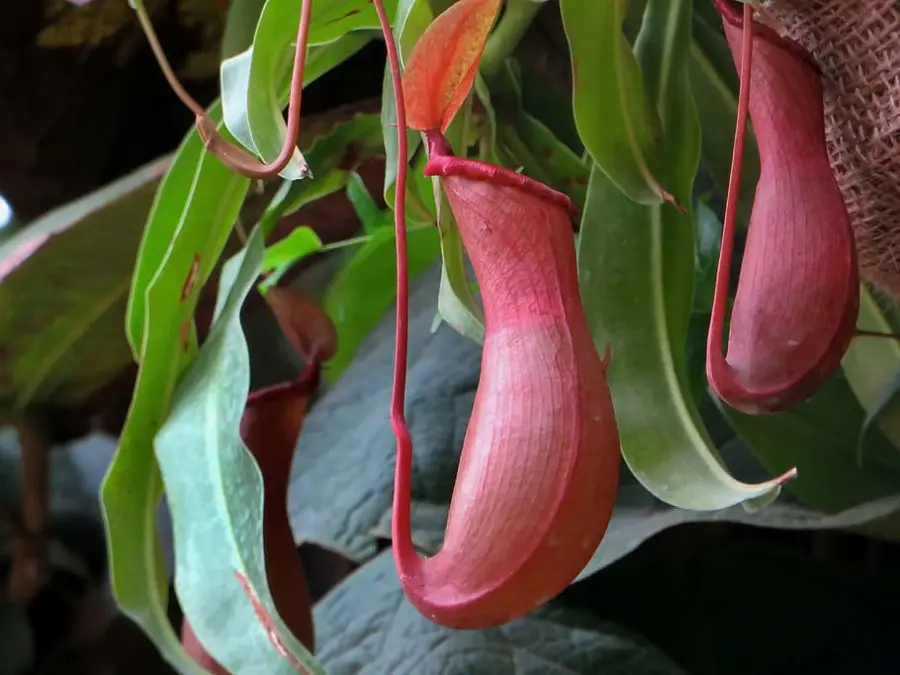
Nepenthes pitcher plant care is rewarding once you understand the tropical conditions these fascinating carnivorous plants prefer. Known for their colorful hanging pitchers, Nepenthes use modified leaves to trap insects, allowing them to thrive in nutrient-poor environments where many other plants struggle.
Native to Southeast Asia, Nepenthes species grow in a wide range of habitats, from steamy lowland jungles to cool mountain forests. Providing the right combination of light, humidity, water, and temperature will help your plant produce healthy pitchers and vigorous growth indoors.
Whether you’re growing your first tropical pitcher plant or expanding a carnivorous plant collection, understanding its natural habitat is the key to long-term success.
What You’ll Learn
- How to grow Nepenthes pitcher plants indoors
- The best humidity, temperature, and lighting conditions
- How to water and feed Nepenthes properly
- Recommended soil mixes and pot types
- How to propagate Nepenthes plants
- Common pitcher plant problems and solutions
Nepenthes Pitcher Plant Care Quick Answer
Nepenthes pitcher plants grow best in bright indirect light, high humidity, consistently moist soil, and warm temperatures. Use distilled, rainwater, or reverse osmosis water and avoid letting the soil dry out completely.
Nepenthes Pitcher Plant Care

Ever been captivated by the unique allure of the Nepenthes pitcher plant? You’re not alone!
Our comprehensive guide on Nepenthes pitcher plant care is here to help you turn that fascination into a thriving green companion.
Let’s embark on this botanical journey together!
Nepenthes, commonly known as pitcher plants, are a captivating genus of carnivorous plants.
Their unique pitcher-shaped leaves have fascinated botanists and plant enthusiasts alike. T
his guide delves into the essentials of Nepenthes pitcher plant care, ensuring your plant thrives whether indoors or outdoors.
Origin and Natural Habitat

Nepenthes species predominantly hail from Southeast Asia, with diverse habitats ranging from steamy jungles to cool mountainous regions.
Native Regions
Nepenthes are indigenous to areas like Borneo, Sumatra, and the Philippines.
These regions offer a glimpse into the plant’s natural habitat and care requirements.
Elevation-Based Habitats
Depending on the altitude, Nepenthes are categorized as Lowland, Highland, or Intermediate.
Each category has its unique care needs, influenced by its natural environment.
Temperature Requirements
Understanding the temperature preferences of Nepenthes is crucial for their care, especially when considering their elevation-based habitats.
Highland Species
Highland Nepenthes thrive in cooler temperatures.
Daytime readings hover between 75-83°F, while nighttime temperatures drop to 55-60°F, showcasing their Nepenthes temperature tolerance.
Lowland Species
In contrast, lowland species prefer consistently warm conditions, with temperatures rarely dipping below 70°F.
Their ideal range lies between 70-90°F.
Intermediate Species
Intermediate Nepenthes strike a balance between their highland and lowland counterparts.
They flourish with daytime temperatures of 80-85°F and cooler nights in the 60s°F.
Understanding Nepenthes Species and Their Diversity

Nepenthes boasts a vast array of species, each with its unique characteristics.
Overview of Nepenthes Species
With over 170 known species, the diversity within this genus is astounding. Each species has its unique care requirements, influenced by its natural habitat.
Diversity in Habitats
From steamy jungles to cool mountains, Nepenthes have adapted to a range of environments. Recognizing these habitats can guide care routines.
Cross-Fertile Nature and Hybridization
Hybridization is common in Nepenthes, leading to unique and captivating varieties. Understanding this can enhance cultivation and breeding efforts.
Nepenthes (/nɪˈpɛnθiːz/) is a genus of carnivorous plants, also known as tropical pitcher plants, or monkey cups, in the monotypic family Nepenthaceae. The genus includes about 170 species,[4] and numerous natural and many cultivated hybrids.
They are mostly liana-forming plants of the Old World tropics, ranging from South China, Indonesia, Malaysia, and the Philippines; westward to Madagascar (two species) and the Seychelles (one); southward to Australia (four) and New Caledonia (one); and northward to India (one) and Sri Lanka (one).
The greatest diversity occurs on Borneo, Sumatra, and the Philippines, with many endemic species. Many are plants of hot, humid, lowland areas, but the majority are tropical montane plants, receiving warm days but cool to cold, humid nights year round.
A few are considered tropical alpine, with cool days and nights near freezing. The name “monkey cups” refers to the fact that monkeys were once thought to drink rainwater from the pitchers. According to Wikipedia
Best Nepenthes Species for Beginners
Nepenthes ventricosa
One of the easiest species to grow indoors, Nepenthes ventricosa tolerates a range of conditions and produces attractive pitchers.
Nepenthes sanguinea
A vigorous grower with colorful pitchers that adapts well to indoor environments.
Nepenthes truncata
Known for its massive pitchers and heart-shaped leaves, this species is a favorite among collectors.
Common Hybrids
Many commercial hybrids combine attractive pitchers with easier care requirements, making them excellent choices for beginners.
Humidity Needs

Humidity plays a pivotal role in Nepenthes pitcher plant care, especially when cultivating them indoors.
When it comes to Nepenthes pitcher plant care, humidity isn’t just a preference, it’s a necessity.
These plants hail from regions where moist air is the norm. Understanding their humidity needs is crucial to replicating their natural environment and ensuring they flourish.
Let’s delve into the specifics and see how to get it just right!
Importance of Humidity

Nepenthes thrive in a humidity range of 70-80%. This moisture level mimics their natural habitat, ensuring optimal growth and pitcher formation.
Acclimation to Lower Humidity
While they prefer higher humidity, Nepenthes can acclimate to levels as low as 50-65%.
This adaptability, often termed ‘hard growing,’ makes them resilient to environmental fluctuations, especially when considering Nepenthes care indoors.
Tips for maintaining humidity
Maintaining the right humidity for your Nepenthes pitcher plant can be a breeze with a few clever tools.
Ever thought of using a terrarium or an empty fish tank? These enclosed spaces naturally trap moisture, creating a mini tropical haven for your plant.
Place your plant inside, and you’ll see it revel in the consistent humidity.
If you’re looking for simpler methods, the tray method is a classic. Just place your plant pot on a tray filled with water and pebbles. As the water evaporates, it boosts the surrounding humidity.
You might consider using a small humidifier near your plants if your air is very dry.
And of course, there’s the good old misting technique. A gentle spritz of water on the plant leaves every now and then can work wonders.
With these methods in your arsenal, your nepenthes will be basking in the perfect humidity in no time!
Light Requirements

Let there be light! But wait, how much is just right?
Shining a light on the right conditions for your Nepenthes pitcher plant is essential for its vibrant growth.
Just as we need the right amount of sunlight to feel energized, these unique plants have their own sweet spot when it comes to lighting.
Whether it’s the dappled sunlight of their native habitats or the controlled glow of indoor lights, understanding their preferences is key.
Let’s delve into the nuances of light requirements and ensure our nepenthes thrive in their luminous haven.
Natural Light Preferences
Bright, indirect light is the sweet spot for these plants. While they can tolerate some direct morning sun, prolonged exposure can be detrimental.
Grow Lights
For indoor enthusiasts, T5 and LED fixtures are recommended. These lights replicate the natural light spectrum, ensuring the plant receives adequate illumination without the risk of burning.
Best Indoor Locations for Nepenthes Pitcher Plants
Bright East-Facing Windows
Morning sun and bright indirect light provide ideal growing conditions for many Nepenthes species.
Plant Shelves With Grow Lights
Supplemental lighting helps maintain pitcher production during darker months.
Terrariums and Greenhouses
Enclosed growing environments make humidity management much easier.
Bright Bathrooms
Bathrooms with good natural light often provide the humidity Nepenthes appreciate.
Watering and Water Quality
 Water plays a starring role in the world of Nepenthes pitcher plant care.
It’s not just about how often you water, but also what kind of water you use.
Think of it like giving your plant a refreshing drink; the quality matters.
From frequency to purity, let’s unravel the ins and outs of watering, ensuring our nepenthes get the best sip every time.
Watering is a nuanced aspect of Nepenthes pitcher plant care, with quality being as crucial as quantity.
Watering Frequency
The soil should feel like a moist sponge, neither too wet nor too dry.
This balance ensures the plant remains hydrated without the risk of root rot.
Water Quality
While some Nepenthes can tolerate some tap water, distilled or Reverse osmosis water is ideal.
The purity of the water, free from salts and minerals, promotes healthier growth.
Soil and Potting
Getting the soil and potting right is a cornerstone of successful nepenthes pitcher plant care.
The right soil mix ensures proper drainage, nutrient retention, and root support, while the choice of pot can influence growth and overall health.
It’s a blend of science and care that sets the stage for a flourishing plant.
The right soil mix can make a significant difference in Nepenthes care, especially when considering their unique root requirements.
Let’s delve into the specifics of soil composition and pot selection for our beloved Nepenthes.
Preferred Soil Mixtures
A blend of coconut coir, bark, sphagnum moss, perlite, and lava rock is often recommended.
This mix ensures good drainage while retaining adequate moisture, essential for Nepenthes soil health.
Pot Types and Sizes
Plastic pots and net baskets are the go-to choices for Nepenthes. The size of the pot should correlate with the plant’s size, ensuring it has ample room to grow without becoming root-bound.
Feeding and Fertilizing
Nepenthes, being carnivorous, have unique feeding requirements. Understanding these can significantly impact their health and growth.
Feeding and fertilizing your Nepenthes pitcher plant is a bit like setting the dinner table for a special guest.
These plants have unique nutritional needs, and meeting them can lead to lush growth and vibrant pitchers.
While they’re naturally equipped to catch their meals, sometimes they appreciate a little boost.
Let’s explore the best ways to nourish our nepenthes, ensuring they’re well-fed and thriving.
Natural Feeding
In the wild, Nepenthes derive nutrients from insects like gnats, flies, crickets, and grasshoppers.
If you’re growing your Nepenthes pitcher plant outdoors, they’ll often catch their prey.
However, for those grown indoors, occasional feeding can be beneficial.
You may have heard of feeding them meat or cheese. Please dont. They cant digest this and it can rot and kill the trap.
You can buy insect food like crickets or other live bugs at your pet store it’s usually sold for reptiles.
Fertilizing
Fertilizing your Nepenthes pitcher plant is all about giving it that extra nutritional boost.
While these plants are adept at drawing nutrients from their prey, a little supplemental feeding can enhance their growth and vitality.
It’s essential to get it right, though.
Too much or the wrong kind can do more harm than good.
Let’s dive into the world of fertilizers and discover how to nourish our nepenthes effectively and safely.
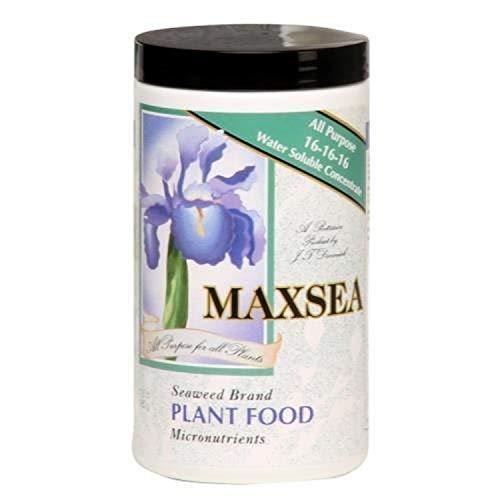
While they can thrive without added fertilizers, a diluted solution of Maxsea can be beneficial. This provides them with essential nutrients, enhancing their growth and pitcher formation.
Apply it at about 1/10th strength as a foliar feed once a month.
Discovering Nepenthes truncata: The Perfect Pitcher Plant for Beginners

Nepenthes truncata is often hailed as a gem in the world of carnivorous plants, especially for those just dipping their toes into the hobby.
Native to the Philippines, this particular species boasts impressive, large pitchers that are both captivating and robust.
What makes it a favorite among beginners is its resilience.
It also boasts large heart-shaped leaves while most Nepenthes leaves tend to be strap-like.
Unlike some of its more finicky relatives, the Nepenthes truncata is more forgiving of minor care missteps, making it an ideal choice for those still learning the ropes.
Its ability to adapt to a variety of conditions, combined with its stunning visual appeal, positions the Nepenthes truncata as a must-have for novice enthusiasts eager to explore the fascinating world of pitcher plants.
Acclimating New Plants

Bringing home a new Nepenthes pitcher plant is exciting, but it’s also a time of adjustment for your green companion.
Just like we take a moment to settle into a new environment, these plants need a period to acclimate to their new surroundings.
From light levels to humidity, ensuring a smooth transition can set the stage for healthy growth and beautiful pitchers.
Let’s walk through the steps to help our new nepenthes feel right at home.
Bringing a new Nepenthes home requires a period of acclimation to ensure it adjusts to its new environment.
Inspection and Hydration
When you first bring your Nepenthes pitcher plant home, it’s essential to give it a thorough once-over.
Carefully inspect the leaves, stems, and soil for any signs of stress, discoloration, or unwelcome pests. This initial check ensures you’re not introducing any issues into your plant collection.
After the inspection, it’s hydration time. Even if the soil feels damp, give your plant a good watering.
his helps it recover from any potential transplant shock and ensures it starts its new journey on a hydrated note.
Remember, a well-moistened plant is better equipped to adapt to its new environment.
Gradual Light Introduction

Imagine moving from a dimly lit room to the bright outdoors suddenly. It would be quite a shock, right?
The same goes for your Nepenthes. If it’s been growing in a shaded nursery environment, a sudden exposure to bright light can be stressful.
To ensure a smooth transition, introduce your plant to its new light conditions gradually.
Start by placing it in a shaded spot and then, over a week or two, gradually move it to its final brighter location.
This step-by-step approach allows the plant to adjust its internal processes, ensuring it acclimates without any undue stress.
Propagation: A Deep Dive into Multiplying Your Nepenthes Collection
Propagation is not just a botanical exercise; it’s a journey of growth and discovery.
Whether you’re looking to expand your Nepenthes collection or share a piece of your green haven with fellow enthusiasts, understanding the art of propagation is key.
Propagation Techniques
Diving into the world of Nepenthes propagation, two methods stand out: cuttings and layering.
Cuttings: This method involves taking a healthy stem cutting from a mature plant, preferably with a few leaves attached.
Once you’ve got your cutting, place it in a suitable growing medium, ensuring the nodes (where leaves attach to the stem) are buried.
With the right humidity and warmth, roots will start to develop from these nodes.
Layering: Also known as air layering, this technique involves inducing a stem, while still attached to the parent plant, to produce roots.
A small upward cut is made on the stem, and then it’s wrapped in moist sphagnum moss and plastic.
Over time, roots develop at the cut site. Once a healthy root system is established, the new plant can be separated and potted.
Germinating Nepenthes Seeds

Starting Nepenthes from seeds is a rewarding experience, albeit a bit challenging.
Seed Collection:
If you have a flowering Nepenthes, you can try your hand at pollination to produce seeds.
Once the seed pods mature and dry, they’re ready to be harvested. Some online retailers like Amazon also sell seeds but some species are fairly expensive.
Planting:
Nepenthes seeds are tiny and require a fine, well-draining medium. I recommend using coco coir as a seed-germinating medium.
Sprinkle the seeds on the surface, ensuring they’re not buried. Press them gently into the coco coir.
Conditions:
These seeds need high humidity and consistent warmth to germinate.
Placing the pot in a plastic bag or a mini greenhouse can help maintain these conditions.
With patience, you’ll see tiny green sprouts emerging, signaling the start of a new plant’s journey.
Nurturing Seedlings

The journey from a tiny sprout to a robust plant requires care and attention.
• Environment: Young Nepenthes are particularly sensitive to their surroundings. They thrive in high humidity and consistent temperatures. Consider using a propagation mat to provide gentle warmth.
• Watering: Seedlings prefer a consistently moist environment. However, avoid waterlogged conditions. A gentle misting can help maintain surface moisture without disturbing the delicate roots.
• Growth Monitoring: As the seedlings grow, keep an eye out for any signs of stress or disease. Regularly check the soil moisture and adjust lighting if needed. With the right care, these young plants will gradually mature, ready to produce their iconic pitchers.
Common Challenges and Solutions in Nepenthes Care

Every plant enthusiast faces challenges. Recognizing and addressing them ensures your Nepenthes remain healthy.
Pitcher Formation Issues
Inadequate light, humidity, or feeding can hinder pitcher formation. Adjusting these factors can resolve the issue.
Pests and Diseases
Regular inspection can help identify pests like aphids or diseases like fungal infections early on. Prompt treatment can prevent further damage.
Environmental Stress
Nepenthes are sensitive to sudden changes in their environment. Gradual adjustments and monitoring can prevent stress-related issues.
Common Nepenthes Pitcher Plant Problems
Why Isn’t My Plant Producing Pitchers?
Insufficient humidity and inadequate light are the most common causes of poor pitcher production.
Why Are The Pitchers Turning Brown?
Older pitchers naturally die off, but low humidity and environmental stress can cause premature browning.
Why Are The Leaves Yellowing?
Yellow leaves may indicate overwatering, poor drainage, or unsuitable water quality.
Why Is My Nepenthes Growing Slowly?
Slow growth can result from low humidity, insufficient warmth, or inadequate light levels.
Why Are New Pitchers Small?
Small pitchers often indicate the plant needs more light or higher humidity.
FAQs

Nepenthes Pitcher Plant Care FAQs
Can Nepenthes grow indoors year-round?
Yes. Many Nepenthes species adapt very well to indoor growing when humidity and light requirements are met.
Do Nepenthes need distilled water?
Distilled water, rainwater, or reverse osmosis water are recommended because they contain very few dissolved minerals.
How often should I water Nepenthes?
Keep the growing medium consistently moist but never waterlogged.
Should I fill Nepenthes pitchers with water?
Healthy pitchers produce their own digestive fluid. Adding water is usually unnecessary.
What is the easiest Nepenthes for beginners?
Nepenthes ventricosa and many common hybrids are excellent beginner-friendly choices.
Nepenthes Pitcher Plant Care Final Thoughts

Nepenthes pitcher plants are among the most fascinating carnivorous plants available to indoor gardeners. Their colorful pitchers, climbing growth habit, and unique insect-trapping abilities make them standout additions to any plant collection.
Providing bright indirect light, high humidity, clean water, and a suitable growing medium will prevent most common problems and encourage healthy pitcher production.
With patience and consistent care, your Nepenthes can reward you with spectacular pitchers and years of growth, bringing a small piece of the tropical rainforest into your home.