
Carnivorous plants are some of the coolest plants you can grow in a small space — but they’re also the most misunderstood. This guide, Carnivorous Plants (Indoor vs Outdoor Guide), is here to help you pick the right type for your home and avoid the classic mistakes that kill them fast (tap water, weak light, and the wrong “soil”).
One important truth up front: not every carnivorous plant is an indoor plant. Some, like Sarracenia pitcher plants (and often Venus flytraps), naturally want a cold winter dormancy period and strong outdoor sun. If you try to keep them warm indoors year-round, they usually decline over time.
If you want the full beginner system (light, water, potting, feeding, pests), start with your pillar and then come back here to choose a plant type: Carnivorous Plant Care: Complete Beginner’s Guide.
What You’ll Learn
• Which carnivorous plants actually work indoors (and which ones belong outside)
• The 3 non-negotiables: strong light, low-mineral water, and the right potting media
• Why Sarracenia pitcher plants need dormancy and usually aren’t true indoor plants
• A simple “choose your plant” guide: Nepenthes vs sundews vs butterworts
• Quick troubleshooting for dying traps, blackening leaves, algae, and pests
Start Here: Pick the Right Carnivorous Plant for Your Space
If you only remember one thing, remember this: carnivorous plants split into two big groups — the ones that can live indoors year-round, and the ones that really want outdoor seasons.
Best choices for indoor growing
- Nepenthes (tropical pitcher plants): Great indoors with bright light and decent humidity. No cold dormancy required.
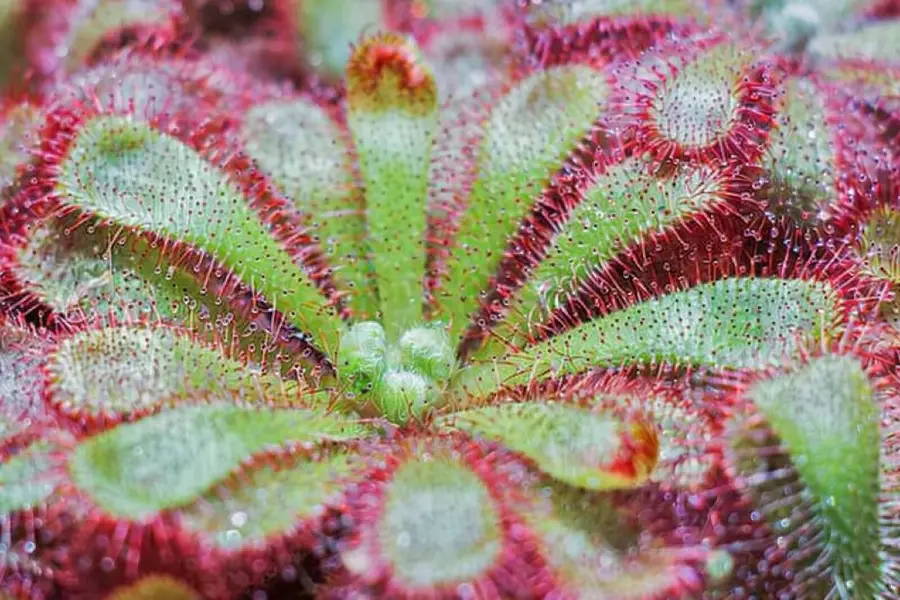
- Tropical sundews (Drosera): Many stay compact, love bright windows or grow lights, and are excellent for fungus gnat control.
- Butterworts (Pinguicula): Compact, beginner-friendly, and great in small apartments.
- Bladderworts (Utricularia): Underrated indoor option; small and unique, but they like consistent moisture.
Plants that usually do better outdoors (dormancy + full sun)
- Sarracenia (American pitcher plants): Need strong sun and a winter dormancy period; they’re commonly grown outside or in cold greenhouses.
- Venus flytrap (Dionaea): Often performs best with outdoor sun and a dormancy season rather than warm indoor conditions year-round.
- Temperate sundews: Some species also follow seasonal dormancy patterns.
If your home has limited light, you can still grow carnivorous plants — but you’ll get better results by choosing the “indoor group” above and treating them like high-light container plants.
The 3 Non-Negotiables (This Is Where Most People Lose Them)
1) Water: Use low-mineral water
Most carnivorous plants evolved in nutrient-poor bog environments. That means mineral-heavy tap water can build up in the pot and slowly wreck the roots. Distilled, reverse osmosis, or clean rainwater is the safe play for most beginners.
2) Light: Bright window is good, but strong light is better
Carnivorous plants aren’t “low light terrarium plants” by default. They’re typically high-light plants. If traps are small, pale, or not forming well, light is usually the issue.
3) Media: No regular potting soil
Most carnivorous plants want low-nutrient media (often sphagnum-based mixes, sand/perlite blends, or other specialized combinations). Regular potting soil is too rich and can burn them over time.
Coco coir works well as long as it’s buffered to remove any salts.
Indoor-Friendly Plant Types (Quick Setup Notes)
Nepenthes (Tropical Pitcher Plants)
Nepenthes are a top “apartment carnivore” because they don’t need cold dormancy. They like bright light, evenly moist media (not swampy), and benefit from steadier humidity. If you can keep one happy in a bright window, it’s a showpiece plant.
Tropical Sundews (Drosera)
If you want something that stays smaller and still looks wild, tropical sundews are hard to beat. They do best with strong light and consistent moisture, and they’re one of the best “small space” tools for fungus gnats.
Butterworts (Pinguicula)
Butterworts are compact and very apartment-friendly. They’re great if you want a carnivorous plant that looks tidy and doesn’t take over a shelf.
Important Note: Dormancy Plants Are a Different Game
This is where Sarracenia matters. Sarracenia pitcher plants go dormant in fall/winter and typically need that seasonal rest to thrive long-term. Indoors, that’s hard to provide without a cold space, cold greenhouse, or a true dormancy setup.
If your goal is “grow it indoors on a windowsill,” don’t start with Sarracenia. Start with Nepenthes, tropical sundews, or butterworts. Save Sarracenia for outdoor containers, a balcony bog pot, or a cold greenhouse approach.
Start With the Complete Care System
If you’re brand new, begin with the full foundational guide before diving into individual plant types:
- Carnivorous Plant Care: Complete Beginner’s Guide (Pillar)
- Carnivorous Plant Care: 7 Tips and Tricks for Beginners
- Water Quality for Carnivorous Plants: The Best Types
- How to Propagate Carnivorous Plants: 9 Tips and Tricks
Best Indoor Carnivorous Plants
If your goal is year-round indoor growing, these are your strongest starting points:
- 6 Best Indoor Carnivorous Plants for Beginners
- Nepenthes Pitcher Plant Care: 11 Easy Tips and Tricks
- Nepenthes truncata Care: 13 Tips and Tricks
- Growing Butterworts Indoors: 5 Best Pinguicula Growth Tips
- How to Grow Sundews Indoors: 7 Easy Tips and Tricks
- Bladderworts Are the Forgotten Carnivorous Plants
Dormancy & Outdoor-Oriented Carnivorous Plants
These plants often require strong outdoor sun and a winter dormancy period. They’re not ideal as year-round warm indoor plants:
- Sarracenia Pitcher Plant Care: 15 Growth Hacks
- How to Grow Venus Fly Trap
- What to Feed Your Venus Fly Trap
- Cobra Lily Care: Darlingtonia Growth Hacks
Specialty & Advanced Carnivorous Plants
Related Indoor Plant Guides
- Indoor Houseplants Guide: Best Plants for Every Room
- Best Indoor Houseplants for Beginners
- Sensitive Plant Care Indoors
- Self Watering Planters: Start Here
Where Terrariums Fit (Later, Not Now)
Some carnivorous plants can work in terrarium-style setups, but it’s easy to overdo it — too wet, too stagnant, not enough light. For now, think of this hub as your “choose the right plant + get the fundamentals right” page.
Terrariums will become a separate expansion later because they are more specialized. I do keep several terrariums with carnivorous plants.
If you want the full beginner care system in one place, here’s the pillar again: Carnivorous Plant Care: Complete Beginner’s Guide.
Carnivorous Plants: Start Here FAQ
Are carnivorous plants good indoor plants?
Some are excellent indoor plants, especially Nepenthes, tropical sundews, butterworts, and bladderworts. Others (like Sarracenia) often do better outdoors because they need strong sun and a winter dormancy period.
Do Sarracenia pitcher plants need dormancy?
Yes, Sarracenia pitcher plants naturally go dormant in fall and winter. Indoors, that dormancy is difficult to provide, which is why they typically aren’t ideal as year-round indoor plants.
What is the best carnivorous plant for beginners indoors?
Nepenthes and tropical sundews are great beginner choices for indoor setups because they can grow year-round indoors with bright light and proper water.
Can I use tap water for carnivorous plants?
Most beginners should avoid it. Mineral-heavy water can build up and stress roots. Distilled, reverse osmosis, or clean rainwater is typically safer.
Where should I start if I landed on /carnivorous-plants/ first?
Start with the complete beginner guide, then come back here to choose the right plant type for your space: Carnivorous Plant Care: Complete Beginner’s Guide.