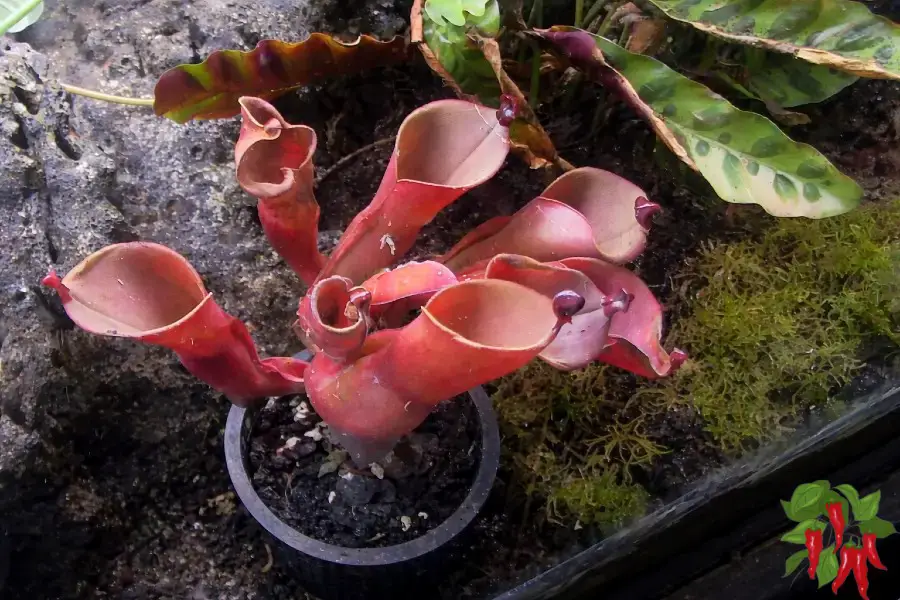
I wanted to take a minute and talk about why I’m focusing on indoor carnivorous plants and where things are heading here, and why you’re going to start seeing more content around indoor carnivorous plants.
You’re going to see more:
- Indoor carnivorous plant setups like this Nepenthes terrarium setup
- Nepenthes and terrarium builds
- Real-world growing systems
- What works (and what doesn’t) indoors
This isn’t something I decided overnight. It’s been building for a while.
The truth is, I’ve always followed what actually interests me when it comes to growing. And right now, carnivorous plants—especially indoors—are what I keep coming back to.
🌿 Why Carnivorous Plants?
For one thing, they’re just more interesting to me.
They’re not passive plants. They respond to their environment in very visible ways. Light, humidity, airflow, water quality—it all matters, and when you get it right, you see it immediately.
That kind of growing is what I enjoy. It’s more hands-on, more system-based, and honestly more rewarding than just keeping something alive on a shelf.
I’m hoping you’ll find them just as interesting, and maybe even give them a try yourself.
🏡 A Small Push in That Direction
There’s also been a bit of a real-world nudge in this direction.
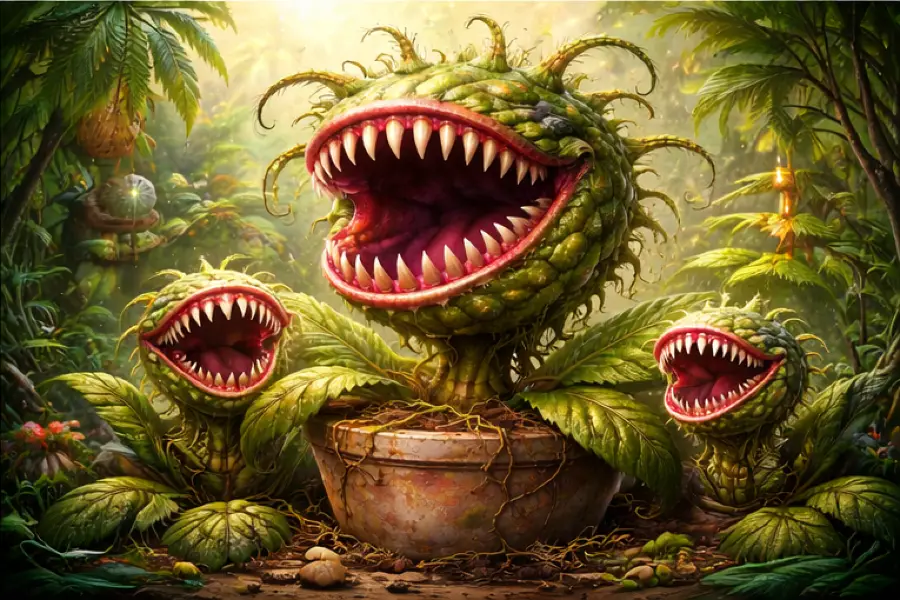
I used to have outdoor tubs with Sarracenia and Darlingtonia Cobra lilies, but recently my apartment was bought by a new landlord, and they don’t want those setups out front.
So I’m passing those plants along to a friend.
I’m not upset about it. If anything, it just reinforces what I was already doing.
I had already started focusing more on indoor carnivorous plants before that happened. This just pushed me a little further in that direction.
🌱 This Is Just How I Grow
I’ve been growing plants for as long as I can remember—probably since I was five years old.
And one thing that’s always stayed the same is this: I follow what I’m interested in.
I don’t chase trends, and I don’t write about something just because it might get clicks.
Everything here comes from what I’m actually doing, testing, and learning as I go.
That’s not going to change.
🔄 What This Means for the Site
You’re going to see more:
-
- Indoor carnivorous plant setups
- Nepenthes and terrarium builds
- Real-world growing systems
- What works (and what doesn’t) indoors
That doesn’t mean the existing content is going anywhere.
All the houseplant, citrus, and indoor growing content is still here—and I still grow plenty of those plants myself.
But space is limited, and at some point you have to decide what you want to focus on.
For me, that’s whatever keeps me interested enough to keep growing and experimenting.
Another part of this shift is simply space. I still grow houseplants and other indoor plants, but there’s only so much room to work with.
As I bring in more carnivorous plants and build out these setups, something has to give. So over time, a lot of my space is naturally being taken over by the plants that interest me the most right now.
🌿 Why I’m Focusing on Indoor Carnivorous Plants
If I had to sum it up simply, focusing on indoor carnivorous plants just fits how I like to grow.
These plants aren’t something you can ignore and expect good results. They respond directly to their environment, which means everything matters—light, water quality, airflow, and how the setup is built.
That’s what keeps it interesting for me. It’s not just about keeping a plant alive. It’s about building a system that works and then watching how the plants respond over time.
I’ve grown a lot of different things over the years—vegetables, houseplants, citrus—but carnivorous plants bring all of that together in one place. You’re managing conditions, not just watering a pot.
And indoors, you have even more control. You can adjust light, airflow, and moisture in ways you just can’t outdoors. That makes it easier to experiment, improve, and actually learn what works.
So this shift isn’t really a change for me—it’s more like a natural step toward something that holds my attention longer and gives me more to work with as a grower.
🌟 Final Thoughts
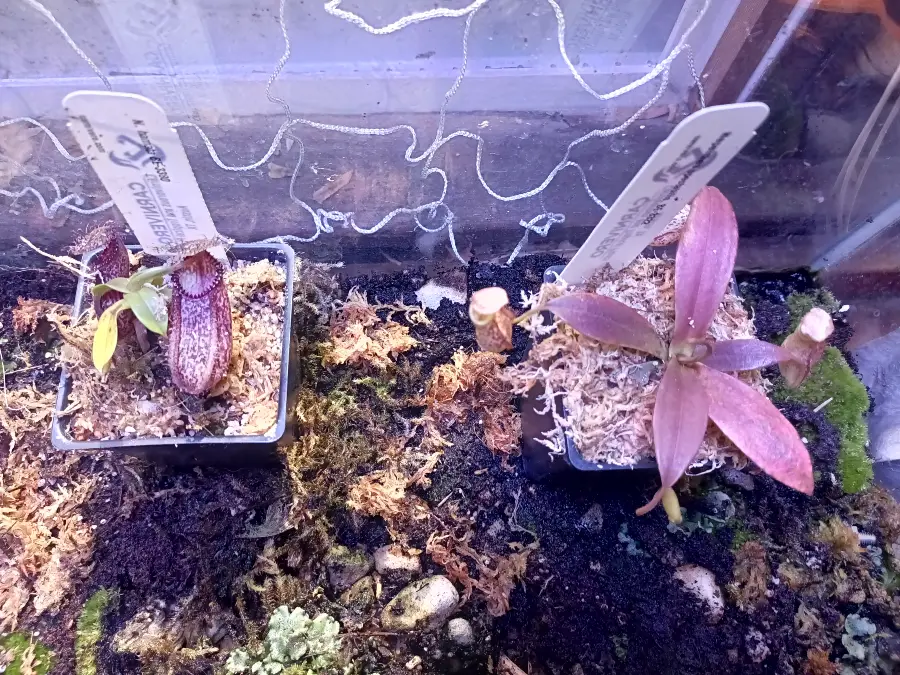
This shift isn’t about starting over—it’s just a natural progression.
I’m going to keep building setups, trying new plants, and sharing what actually works.
If that sounds like something you’re interested in, I’m glad you’re here.
If that sounds like something you’re interested in, I’m glad you’re here and you can start with: Carnivorous Plants: Start Here.
And if you’ve been following along for a while, I appreciate you sticking with me as things evolve.
Carnivorous Plant Care: Complete Beginner’s Guide
Stay green.