
Table of Contents
How to Grow Venus Flytrap Indoors Quick Answer
Grow Venus flytraps indoors using strong direct light or grow lights, mineral-free water, nutrient-poor soil, and a winter dormancy period. Most indoor failures are caused by insufficient light, tap water, or skipped dormancy.
If you’ve ever bought a Venus flytrap, brought it home, and watched it slowly fall apart on a windowsill… you’re not alone. Most “indoor flytrap failures” aren’t because you did something crazy. It’s usually one of a few simple problems: not enough light, minerals in the water, or no plan for dormancy.
This post is How to Grow Venus Flytrap Indoors: Simple Care That Works—and I’m keeping it focused on what works in real homes. Not greenhouse setups. Not perfect coastal bog conditions. Just the stuff you can realistically do in a normal house or apartment.
And yes, if you’re here because you searched that exact phrase how-to-grow-venus-flytrap, you’re in the right spot.
What You’ll Learn
- Why Venus flytraps struggle indoors (and what “bright window” really means)
- The three non-negotiables: Light, Water, Dormancy
- How to set up a flytrap indoors without gimmicks (tray method, soil, pot, airflow)
- What a healthy flytrap looks like—and what warning signs to catch early
A quick note before we dive in: a Venus flytrap isn’t a “terrarium plant” in the classic sealed-jar sense. People try that, it looks cool for a week, then traps go black and the plant slowly checks out. Flytraps like humidity, but they also want airflow and ridiculously strong light. You can absolutely grow them indoors—you just have to build the setup around what the plant actually needs.
You can buy Venus Fly Trap plants and seeds on Amazon
What Is a Venus Flytrap?
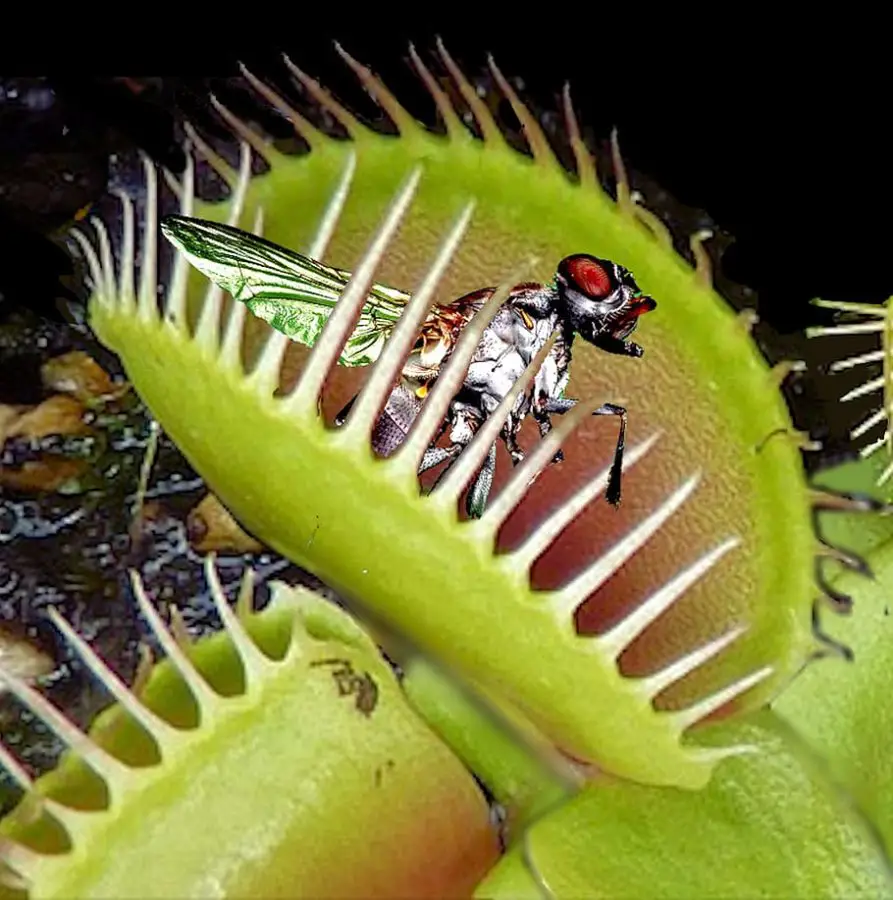
The Venus flytrap (Dionaea muscipula) is one of the most famous carnivorous plants on Earth for a reason: it doesn’t just “trap bugs.” It reacts. It counts touches. It closes fast. Then it digests slowly. It’s basically the plant world’s version of a mousetrap with a stomach.
In the wild, Venus flytraps are native to nutrient-poor wetlands in North and South Carolina. That matters because it explains almost everything about their care: they evolved in acidic, soggy, low-mineral conditions where normal plants struggle.
They didn’t become carnivorous because they wanted protein shakes. They did it because the soil offers almost no usable nutrition, so insects became the workaround.
The Venus flytrap (Dionaea muscipula) is a carnivorous plant native to subtropical wetlands on the East Coast of the United States in North Carolina and South Carolina. It catches its prey—chiefly insects and arachnids—with a trapping structure formed by the terminal portion of each of the plant’s leaves…
— Wikipedia
Indoors, that same biology is what trips people up. Most houseplants can “make do” with average tap water and bright indirect light. Venus flytraps are the opposite: they’re picky about minerals, and they’re light-hungry like a tomato plant. If you treat one like a pothos, it’ll sulk… then decline.
You can buy Venus Flytrap plants and seeds on Amazon
Venus Flytrap Plant Care Reference Guide
| Characteristic | Details |
|---|---|
| Common Name | Venus Flytrap |
| Botanical Name | Dionaea muscipula |
| Native Habitat | Wetlands of North and South Carolina, USA |
| Plant Type | Carnivorous perennial |
| Growth Pattern | Clumping rosette |
| Mature Size | 3–6 inches tall, 6–12 inches spread |
| Watering | Keep soil consistently moist with distilled or rainwater; never let it dry out |
| Light/Sun Exposure | Full sun outdoors or strong direct light indoors (4–6 hours minimum, more is better) |
| Soil Type | Nutrient-poor peat moss + sand/perlite mix |
| Soil pH | 4.5–5.5 (acidic) |
| Temperature | 70–95°F (21–35°C) growing season; cool dormancy at 40–50°F (4–10°C) |
| Humidity | 50–70% preferred (but airflow matters) |
| Bloom Time & Flower Color | Spring to early summer; small white flowers on tall stalks |
| Potential Problems | Mineral buildup, insufficient light, skipped dormancy, blackened traps, crown rot |
| Repotting | Every 1–2 years in fresh peat/sand mix |
| Hardiness Zones (USDA) | 5–9 (requires dormancy period) |
Why Venus Flytraps Fail Indoors (And It’s Usually Not Your Fault)

Here’s the thing nobody tells you when you grab a flytrap at a garden center: most of them are basically “set up to fail” indoors. They’re sold in tiny plastic pots, often in generic peat that’s already mineral-loaded, and they sit under store lights that look bright but aren’t strong enough to power real growth long-term.
Then you bring it home, stick it near a window, and the plant does what flytraps do when they’re stressed: traps darken, growth slows, and it starts recycling older leaves to survive. That’s when people panic and start doing the two worst things:
- They trigger the traps for fun (which burns energy and shortens trap life).
- They “help” with fertilizer (which can flat-out kill the roots).
If your flytrap looks rough right now, I’m not here to scold you. I’m here to get it turned around. Most indoor flytraps can recover if the crown is still firm and you fix the big three.
The 3 Indoor Non-Negotiables: Light, Water, Dormancy
You’ll see a hundred “tips and tricks” online, but indoor Venus flytrap success comes down to three simple requirements. When people say flytraps are hard, what they really mean is: they’re unforgiving when one of these is wrong.
1) Light: A Bright Window Is Often Not Enough
Venus flytraps are full-sun plants. Outdoors, they’re used to blazing light all day. Indoors, “bright” is deceptive. Your eyes adjust. The plant can’t. A flytrap can limp along for a while in mediocre light, but it won’t thrive. It won’t color up. It won’t build strong traps. And it won’t have the energy reserves it needs to handle dormancy well.
A quick reality check: if you can comfortably read a book by that window all day without turning lights on, it still might not be enough for a flytrap. What you want indoors is either:
- Several hours of direct sun (south-facing is best in the northern hemisphere)
- Or a strong grow light setup close to the plant
We’ll go deep on indoor lighting in Part 2, because this is the #1 reason people fail. But for now, just remember: if your flytrap stays mostly green, makes small traps, and grows slowly, it’s almost always a light issue.
2) Water: Minerals Are the Silent Killer
Flytraps don’t want “clean water” in the normal sense. They want low-mineral water. The minerals and additives in most tap water build up in the soil over time. That buildup damages roots, stresses the plant, and can cause traps to blacken early. Sometimes it looks like “random decline.” It’s not random. It’s accumulation.
For most people, the safe choices are:
- Distilled water
- Rainwater (collected cleanly)
- Reverse osmosis (RO)
If you’re curious about your own tap water, this is where your other post fits perfectly: Water Quality for Carnivorous Plants: The Best Types.
One more indoor detail that matters: flytraps like constantly moist soil, but they do not like stagnant, sour conditions. That’s why the tray method works—moist, oxygenated medium, and the plant drinks as needed.
3) Dormancy: The Thing Most “Indoor Guides” Skip
This is the big one. Venus flytraps are not tropical houseplants. They’re temperate perennials. In nature, they experience a seasonal cycle. In winter, growth slows, traps die back, and the plant rests. That rest isn’t optional long-term. It’s part of the flytrap’s life cycle.
Indoors, dormancy is where people get stuck because they don’t have a “natural winter” in their living room. The good news is: you can create a dormancy plan even in an apartment. It just has to be intentional.
In Part 3, I’ll give you multiple dormancy options (cool room, garage, fridge method), how long it should last, and what to watch for so you don’t rot the plant while it’s sleeping.
Indoor Venus Flytrap Setup: The Simple Version That Works
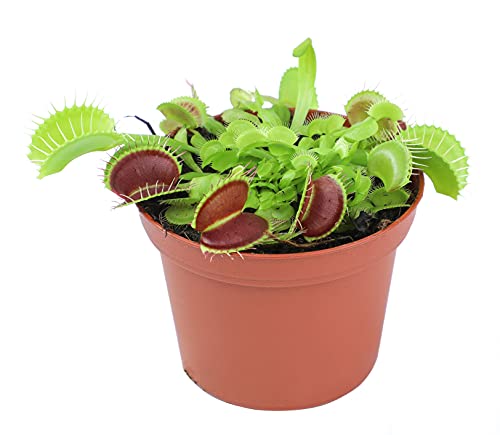
If you want the quick, practical setup that works for most indoor growers, here it is. We’ll fine-tune details later, but this will get you 80% of the way there.
Pick the Right Pot (And Skip the “Cute” Containers)
Flytraps don’t need a massive pot, but they do need:
- Drainage holes (non-negotiable)
- A little depth (their roots aren’t huge, but they like cool, moist medium)
- Plastic is fine (it doesn’t leach minerals; glazed ceramic can be okay too)
Avoid unglazed terracotta. It can leach minerals and salts into the soil over time. It’s not that it instantly kills the plant—it’s that it slowly stacks the deck against you.
Use Carnivorous Soil (Not “Houseplant Soil”)
This is where beginners accidentally poison the plant with kindness. Regular potting soil has fertilizer. Compost has nutrients. “Moisture control mix” has additives. Flytraps want none of that.
A safe, simple mix is:
- 50/50 peat moss + perlite
- or long-fiber sphagnum + perlite (especially good for beginners)
In Part 2 I’ll give exact “recipes” and what to avoid (including the wrong sands), but for now: if it says “feeds for 6 months,” it’s the wrong soil.
Use the Tray Method Indoors
The tray method is simple and it fits indoor life. You put the pot in a shallow tray, keep a small amount of distilled/RO/rainwater in the tray, and the plant wicks up what it needs. The soil stays evenly moist, which flytraps love.
The mistake is keeping the tray deep like a bathtub year-round. Indoors, especially in winter, too much standing water can turn the soil sour. A shallow tray is the move.
Give It Real Light (Window or Grow Light)
If you have a truly sunny south-facing window, you can try it there. But if you live in a darker region, have trees outside, or you’re dealing with winter light… grow lights are often the difference between “survives” and “thrives.”
And just so it’s clear: a flytrap sitting three feet back from a window is basically in shade. Put it right at the glass if you’re going the window route.
What a Healthy Indoor Venus Flytrap Looks Like
This helps more than people think, because a lot of beginners assume “green = healthy.” With flytraps, color and structure tell you a lot.
- Firm crown (the center of the plant isn’t mushy)
- New traps forming regularly during the growing season
- Good trap size (not tiny, weak little mouths)
- Some red coloring inside traps when light is strong (varies by cultivar)
A few black traps here and there aren’t an emergency. Traps aren’t permanent—they’re like leaves with a job. Old traps die off naturally. The red flag is when new growth is small, pale, and the plant is steadily shrinking.
Common Indoor Mistakes (So You Can Skip the Pain)
Let’s save you a bunch of frustration. These are the mistakes I see constantly with indoor flytraps:
- Using tap water because “it’s fine for my other plants”
- Not enough light (most common, by far)
- Planting in potting soil or mixes with fertilizer
- Triggering traps for fun (it’s like making your plant do push-ups for entertainment)
- Sealing it in a jar with no airflow
- No dormancy plan (the slow-burn killer)
If you fix those, you’re already ahead of most “beginner care” advice online.
Indoor Link Path (So You Can Keep Reading)
If you want to go deeper right now, these two posts pair perfectly with this guide:
- What to Feed Your Venus Flytrap (simple, safe feeding that won’t rot traps)
- Water Quality for Carnivorous Plants (the distilled vs RO vs rainwater breakdown)
Up next, we’ll build the indoor setup properly: the best soil mix, tray method details, lighting reality (including why most windows fail), and how to get strong traps and good color indoors without babying the plant to death.
Getting Started With a Venus Flytrap
Before you do anything fancy, get the basics stable. Indoors, a flytrap does best when you treat it like a tiny bog plant: wet roots, clean water, and bright light.
The Venus flytrap (Dionaea muscipula) is a carnivorous plant native to subtropical wetlands on the East Coast of the United States in North Carolina and South Carolina… From Wikipedia.
Pot + tray method (simple and reliable)
Use a pot with drainage holes, then set it in a shallow tray. Keep about 1/2 inch to 1 inch of distilled/rain/RO water in the tray during active growth. Let the tray go nearly empty, then refill. The soil stays evenly moist without turning into a swamp.
If you’re building a tank-style setup instead, use this guide: Terrarium Tanks for Carnivorous Plants: Complete Setup Guide
Choosing a container (what actually matters)
Flytraps don’t need a huge pot, but they do like consistent moisture and cooler roots. A deeper pot can help buffer heat and drying, especially under strong lights.
Good choices: plastic pots, glazed ceramic with drainage, or any inert container that doesn’t leach minerals. Avoid unglazed terra cotta if you can — it can slowly wick and deposit minerals.
Planting and repotting
The “bulb” people talk about is really a rhizome. When you repot (usually every 12–24 months), gently remove old mix, trim dead roots, and replant so the white rhizome sits just below the surface with the crown at soil level.
Best timing is late winter or early spring — right as it’s waking up.
How to Grow Venus Flytrap Indoors (Step-by-Step)

Step 1: Put it in nutrient-poor flytrap soil (peat + perlite/sand).
Step 2: Use only distilled/rain/RO water and keep it evenly moist.
Step 3: Give it strong light — more than you think.
Step 4: Don’t mess with the traps for fun (seriously).
Step 5: Respect dormancy in winter so it doesn’t burn out.

Feeding (keep it boring and you’ll win)
Indoors, a flytrap might not catch much on its own. That’s fine.
Rule: one small insect every 2–3 weeks is plenty (during active growth). No hamburger. No cheese. No “fish food.”
Feeding guide: What to Feed Your Venus Fly Trap
The biggest mistake: triggering traps for entertainment
Every trap only closes a limited number of times before it dies back. Triggering it over and over drains the plant for no payoff. If you want it to live long-term, let it do its job on its own.
Growing Venus Flytrap From Seeds (What to Expect)

Growing from seed is fun, but it’s slow. If you want the “cool traps now” experience, buy a plant. If you want the full life cycle and don’t mind waiting, seed is a good rabbit hole.
Seeds like warmth, humidity, and bright light. Keep the surface moist, don’t bury the seeds deeply, and be patient.

Propagating Venus Flytraps (The Easy Way)
The most reliable method is division. If your plant starts clumping and producing “pups,” you can separate them during dormancy or early spring.
Division (best method)
When: late winter / early spring.
How: unpot, rinse soil off gently, separate pups with roots attached, repot into fresh mix, water with distilled/rain/RO.
Leaf cuttings (works, but picky)
Leaf cuttings can work if you keep humidity high and avoid mold. It’s more finicky than division, but it’s a fun experiment if you like plant projects.
Related: How to Propagate Carnivorous Plants
Indoor Soil, Water & Container Setup (The Technical Details That Matter)
Now we move past the basics and dial this in properly. If Part 1 was the foundation, this is where we build something that actually lasts. Most indoor Venus flytrap problems don’t show up immediately — they build slowly over months. That’s why getting the setup right from the beginning matters.
The Best Soil Mix for Indoor Venus Flytraps
This is non-negotiable territory. Venus flytraps evolved in extremely nutrient-poor, acidic bog soil. If you give them anything rich or compost-based, the roots will suffer.
Safe indoor mix options:
- 50% peat moss + 50% perlite
- Long-fiber sphagnum moss + perlite
- Peat + silica sand (NOT play sand, not beach sand)
Avoid anything labeled:
- “Feeds up to 6 months”
- “Moisture control”
- “Enriched”
Those words mean fertilizer is present — and fertilizer is root burn for flytraps.
When mixing soil, rinse peat and perlite with distilled or RO water first. This removes excess dust and reduces initial mineral load. It’s a small step that makes a difference long term.
Understanding the Tray Method (Properly)
The tray method gets mentioned everywhere, but rarely explained well. Here’s how it actually works indoors:
- Place your pot in a shallow tray.
- Keep about ½–1 inch of distilled/RO/rainwater in the tray.
- Allow the soil to wick moisture upward naturally.
During peak growing season (spring and summer), the tray can stay lightly filled. During winter or dormancy, reduce water depth. The soil should remain moist — not swampy.
If your soil smells sour, stays dark and compacted, or the plant crown softens, you’re likely keeping it too wet indoors.
Mineral Damage: What It Looks Like Before It’s Too Late
Mineral buildup is one of the most misunderstood indoor flytrap killers. It doesn’t happen overnight. It accumulates.
Signs of mineral damage:
- Traps blacken prematurely
- New growth is smaller each cycle
- White crust forms on soil surface
- Roots appear brown instead of firm and white
If you suspect mineral damage, repot immediately in fresh medium and switch water sources. This is one of those moments where acting quickly saves the plant.
Indoor Lighting: The Hard Truth Most Guides Avoid
Let’s talk honestly. Most homes do not provide enough natural light for a Venus flytrap to thrive year-round.
Even south-facing windows can struggle in winter or in cloudy regions. Light intensity drops dramatically indoors compared to outdoor sun.
What Strong Indoor Light Means
Venus flytraps need roughly 12–14 hours of strong light daily during the growing season. Outdoors, that’s easy. Indoors, it usually means:
- A quality LED grow light
- Positioned 6–12 inches above the plant
- On a timer for consistency
If your flytrap stays green with no red interior color (for red cultivars) and traps remain small, it’s almost always light intensity.
A plant grown under strong light will produce thicker leaves, larger traps, and stronger coloration.
Best Indoor Locations for Venus Flytraps
South-Facing Windows
A bright south-facing window provides the strongest natural light available indoors and is often the best location for a Venus flytrap.
Under LED Grow Lights
Grow lights provide consistent light levels year-round and often produce healthier traps than window growing alone.
Sunny Plant Shelves
Plant shelves near bright windows work well when combined with supplemental lighting.
Cool Winter Locations
During dormancy, move plants to a cool room, garage, or other protected area that allows winter rest.
Airflow: Why Sealed Terrariums Often Fail
Venus flytraps like humidity — but they don’t like stagnant air. This is where many “Instagram terrarium builds” fall apart long term.
In a sealed environment:
- Fungal growth increases
- Soil stays overly saturated
- Air exchange is limited
If you grow in a tank setup, ensure ventilation. A partially open top or small airflow gap prevents crown rot and fungal issues.
Flytraps are not tropical Nepenthes. They tolerate humidity but don’t require jungle-level enclosure.
Feeding Indoors: Do You Actually Need To?
Indoors, your flytrap may not catch many insects naturally. That’s okay. They can survive through photosynthesis alone for quite some time.
If you choose to feed:
- Feed one trap at a time
- Use small live insects (gnats, ants, small flies)
- Avoid overfeeding
Each trap can only close a few times before dying naturally. Overfeeding stresses the plant and shortens trap lifespan.
For a deeper breakdown, visit What to Feed Your Venus Flytrap.
Repotting Indoors (Step-by-Step)
Repot every 12–24 months. Even if the plant isn’t root-bound, the soil degrades over time.
Repotting steps:
- Prepare fresh carnivorous soil mix.
- Gently remove the plant from its pot.
- Rinse roots lightly with distilled water.
- Place plant at same depth in fresh mix.
- Water thoroughly with distilled water.
Repotting is best done during late winter dormancy or early spring before heavy growth begins.
Flowering Indoors: Should You Let It Bloom?
When a Venus flytrap flowers, it sends up a tall stalk. While the white blooms are interesting, flowering drains energy.
If your plant is small or recently stressed, cut the flower stalk early. Mature, healthy plants can handle flowering — but beginners often benefit from removing it.
Trap Lifespan & Energy Cycles
Each trap has a limited lifespan. After 3–4 successful closures, it naturally dies back. This is normal.
The plant continuously produces new traps during active growth. A healthy flytrap replaces old traps steadily.
If new traps are smaller than old ones, that’s usually light or mineral stress. If the center crown softens, that’s moisture or rot related.
In Part 3, we’ll tackle the most overlooked piece of indoor success: dormancy strategy. We’ll also break down black trap diagnosis, crown rot warning signs, and how to multiply your plant safely without weakening it.
Dormancy: The Indoor Strategy Most Growers Get Wrong
If there’s one topic that separates long-term success from short-term survival, it’s dormancy. Venus flytraps are temperate perennials. That means they are biologically programmed to rest every year. Skipping dormancy doesn’t usually kill a plant immediately — it weakens it slowly over 1–3 years until it collapses.
Indoors, dormancy doesn’t happen automatically. Your house stays warm. Lights stay on. The plant doesn’t get the environmental signals it expects. So you have to create a plan.
What Dormancy Looks Like
- Growth slows dramatically
- Traps become smaller and closer to the soil
- Older traps blacken naturally
- Overall plant appears less active
This is normal. Dormancy is not death. It’s a reset.
Three Indoor Dormancy Options
1) Cool Room Method
If you have a room that naturally drops into the 40–50°F (4–10°C) range during winter, you’re in luck. A cold sunroom, enclosed porch, or unheated basement can work perfectly.
Reduce watering slightly (keep soil moist, not soaked). Light can be reduced during dormancy — the plant isn’t actively growing.
2) Garage Dormancy
In many regions, a garage stays cool enough without freezing solid. Monitor temperatures. You want cold, but not repeated deep freezes.
This method is simple and effective if climate allows.
3) Refrigerator Method (Controlled Dormancy)
This method sounds extreme, but it works well for apartment growers. In late fall:
- Trim dead traps.
- Place the plant (bare-root or potted) in a breathable bag.
- Store in fridge at ~40°F.
- Check monthly for mold.
After 3–4 months, remove and reintroduce to light gradually.
It may look rough coming out — that’s normal. Growth resumes in spring.
What Happens If You Skip Dormancy?
Plants forced to grow year-round under warm indoor conditions eventually decline. You may notice:
- Weaker traps each year
- Reduced vigor
- Shortened lifespan
Dormancy is not optional for long-term indoor success.
Troubleshooting Black Traps
Black traps are one of the most common panic triggers for beginners. Here’s how to diagnose them:
Normal Blackening
- Older traps dying naturally
- Post-digestion decline
Problem Blackening
- Entire plant declining rapidly
- New traps also blackening
- Soil smells sour
Problem blackening usually points to mineral buildup, poor light, or crown rot.
Crown Rot: The Silent Killer
If the center of the plant feels soft or mushy, that’s crown rot. It’s often caused by stagnant soil combined with cool temperatures.
Immediate action is required:
- Unpot the plant
- Trim away affected tissue
- Repot in fresh medium
Multiplying Your Venus Flytrap
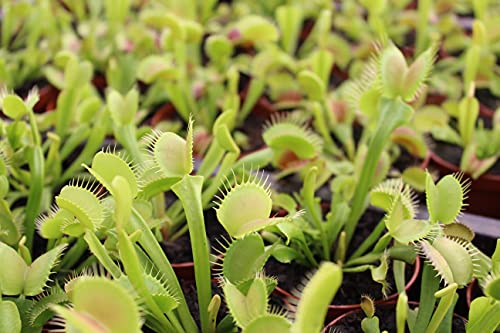
Healthy Venus flytraps produce offshoots (often called pups). These can be divided during dormancy or early spring.
Gently separate the rhizome, ensuring each section has roots attached. Repot into fresh carnivorous mix.
Division is safer and faster than seed growing for most indoor growers.
Growing from Seed Indoors: A Reality Check
Yes, you can grow from seed. But understand this: from seed to mature plant can take 4–5 years under ideal conditions.
Seed growing requires:
- High humidity
- Bright light
- Patience
Most beginners are better off buying a healthy established plant.
Indoor vs Outdoor Comparison
| Factor | Indoor | Outdoor |
|---|---|---|
| Light | Often requires grow lights | Full natural sun |
| Water | Distilled/RO required | Rainwater often sufficient |
| Dormancy | Must be simulated | Occurs naturally |
| Feeding | Manual optional | Natural insect capture |
Conservation & Responsible Sourcing
Wild Venus flytrap populations have declined due to habitat loss. Always purchase nursery-grown plants. Never collect from the wild.
Responsible sourcing ensures these plants remain available for future generations.
Growing Venus Flytraps in Terrariums: What Actually Works
Venus flytraps are often pictured inside glass terrariums, but this is where many beginners get into trouble.
Unlike tropical carnivorous plants such as Nepenthes, Venus flytraps are temperate bog plants. They tolerate humidity — but they also require airflow and a proper dormancy period.
When Terrariums Can Work
- Open-top glass containers
- Excellent air circulation
- Strong overhead grow lighting
- Carefully managed moisture levels
When Terrariums Fail
- Sealed lids with no ventilation
- Constant saturated soil
- No winter dormancy plan
If you plan to grow Venus flytraps in a terrarium setup, treat the enclosure as a controlled environment — not a sealed display case.
For full builds, substrate layering tips, and ventilation strategies, explore our Terrarium Gardening Guides.
How to Grow Venus Flytrap Indoors Final Thoughts

Growing Venus flytraps indoors is easier than many people think once you understand their natural habitat. These plants are not difficult, but they are very specific about light, water quality, soil, and dormancy.
Provide strong light, use mineral-free water, avoid fertilizers, and give the plant a winter rest period. When those needs are met, Venus flytraps can thrive indoors for many years while producing healthy traps and steady growth.
Whether you’re growing your first carnivorous plant or expanding an existing collection, a well-cared-for Venus flytrap remains one of the most fascinating plants you can grow indoors.
Continue Exploring Carnivorous Plants
How to Grow Venus Flytrap Indoors FAQs
Can Venus flytraps grow indoors year-round?
Yes, provided they receive strong light, mineral-free water, and a proper dormancy period each winter.
How much light does a Venus flytrap need indoors?
Most Venus flytraps need several hours of direct sun or 12 to 14 hours under a quality grow light.
Can I water a Venus flytrap with tap water?
Tap water should be avoided unless testing confirms very low mineral content. Distilled, rainwater, or reverse osmosis water are safer options.
Do Venus flytraps need to be fed indoors?
Occasional insects can help, but healthy plants can survive without regular feeding when light conditions are adequate.
Why are my Venus flytrap traps turning black?
Old traps naturally die over time, but widespread blackening may indicate poor light, mineral buildup, overwatering, or dormancy changes.
Educational & Scientific References
The following university and botanical institution resources provide science-based information on Venus flytrap biology, habitat, soil requirements, dormancy, and long-term care. These references support the growing methods outlined in this guide.
- North Carolina State University Extension – Dionaea muscipula
Native habitat details, soil and water sensitivity, and ecological background from the plant’s home state.
https://plants.ces.ncsu.edu/plants/dionaea-muscipula/ - Arkansas Cooperative Extension Service – Venus Flytrap Overview
University extension profile covering plant characteristics, natural history, and cultivation basics.
https://www.uaex.uada.edu/yard-garden/resource-library/plant-week/venus-flytrap-2-24-06.aspx - Iowa State University Extension – Carnivorous Plant Care FAQ
Extension guidance on soil, watering, and environmental conditions for carnivorous plants including Venus flytraps.
https://yardandgarden.extension.iastate.edu/faq/how-does-one-care-venus-flytrap - Penn State Extension – Carnivorous Plants
Overview of carnivorous plant ecology and cultivation considerations from a university extension program.
https://extension.psu.edu/carnivorous-plants - New York Botanical Garden – Venus Flytrap Care Guide
Botanical institution reference covering light, soil, watering, and dormancy practices.
https://libguides.nybg.org/c.php?g=654975&p=4597429 - International Carnivorous Plant Society – Dionaea Growing Checklist
Specialist society guide detailing best practices for watering, soil mix, lighting, and dormancy cycles.
https://www.carnivorousplants.org/grow/guides/DionaeaChecklist
These educational resources reinforce the core principles discussed in this guide: mineral-free water, nutrient-poor soil, strong light, and a proper winter dormancy period.