
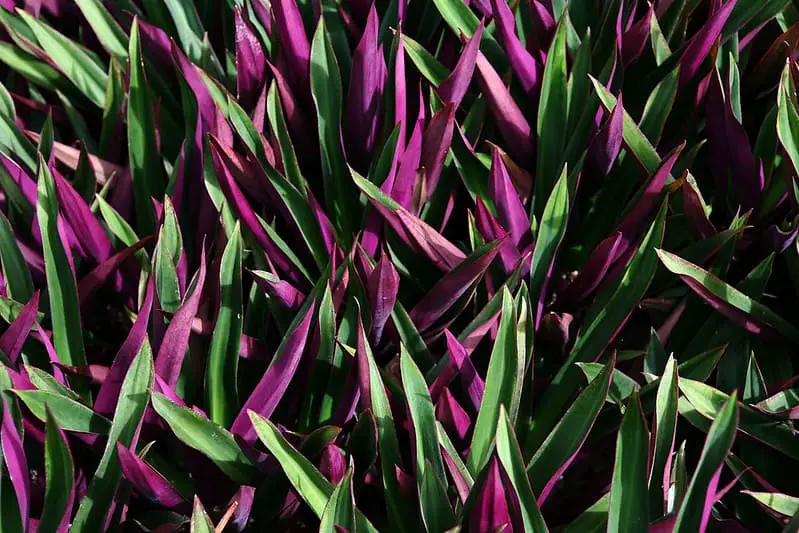
Oyster Plant care indoors is simple once you understand its light, watering, and soil needs. Known as Tradescantia spathacea and often called Moses-in-the-Cradle, this colorful houseplant stands out with deep green leaves and rich purple undersides.
Its compact growth habit makes it a great fit for shelves, desks, and small indoor spaces. It’s also fairly forgiving, making it a good choice for beginners who want a plant with bold color and easy care.
In this guide, you’ll learn how to grow Oyster Plant indoors, including light, watering, soil, propagation, and how to fix common problems before they become serious.
What You’ll Learn 🌿
- ☀️ How much light Oyster Plants need indoors
- 💧 How often to water without overwatering
- 🪴 The best soil and pot setup for healthy roots
- 🌫️ How humidity affects growth and leaf health
- 🌱 Easy ways to propagate by offsets or division
- ⚠️ Common Oyster Plant problems and how to fix them
Quick Answer 🌿
Oyster Plants grow best indoors in bright indirect light, loose well-draining soil, and pots with drainage holes. Water when the top inch of soil dries out, keep temperatures warm, and avoid letting the roots stay wet.
Oyster Plant Care Indoors (Tradescantia spathacea)


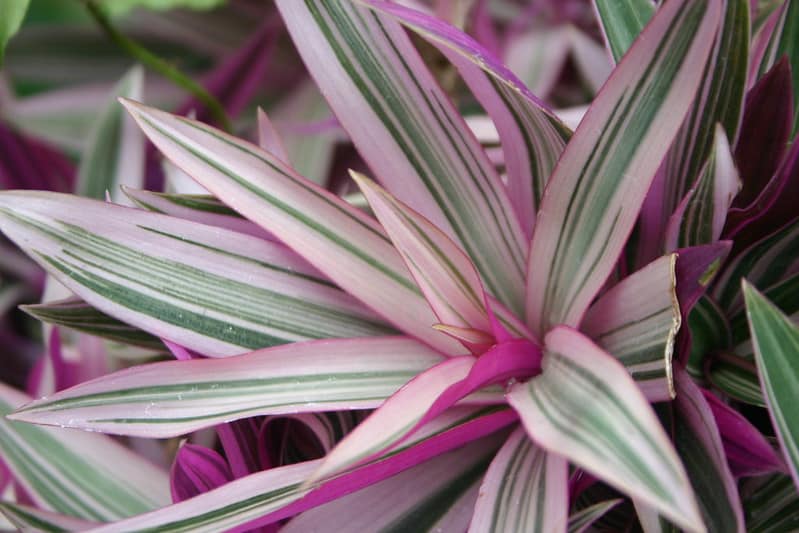
The leaves of the oyster plant are fleshy and canoe-shaped. They are green on top and purple underneath. The flowers of the oyster plant are small and white, and they bloom in clusters.

Oyster Plants can reach a height of up to two feet, but they are typically much smaller when grown indoors.
When growing Oyster Plants indoors, choose a spot that receives bright, indirect light.
Oyster Plants can tolerate some direct sun, but too much sun will cause the leaves to fade and turn brown.
If your plant is not getting enough light, the leaves will become pale and limp.
Oyster Plants prefer a well-draining potting mix. You can use a commercial potting mix, or you can make your own by mixing equal parts peat moss, perlite, and vermiculite.
Water your oyster plant regularly, keeping the soil moist but not soggy. Allow the top inch of soil to dry out between waterings.
Oyster Plants are tolerant of a wide range of humidity levels, but they prefer higher humidity. They will benefit from occasional misting.
Fertilize your oyster plant once a month during the growing season with a water-soluble fertilizer. Reduce or eliminate fertilization during the winter months.
Oyster Plants are relatively pest and disease-resistant, but they can be susceptible to mealybugs, scale, and spider mites.
Watch for signs of pests, such as stippling on the leaves or webbing around the stems.
If you notice any problems, treat your plant with neem oil. You can also try using insecticidal soap for these pests
In A Hurry? Oyster Plant Care Quick Guide
If you are thinking of adding an oyster plant to your home, here are a few quick tips for oyster plant care:
- Oyster Plants prefer bright, indirect sunlight. However, too much direct sunlight will cause the leaves to fade or burn.
- Oyster Plants require moist soil, but they should never be allowed to sit in water.
- Allow the top layer of soil to dry out before watering again. If the leaves start to droop, that is an indication that the plant needs more water.
- Oyster Plants are relatively low-maintenance plants, but they will benefit from occasional fertilization. Use a balanced fertilizer once every 2-3 months during the growing season.
By following these simple tips, you can keep your oyster plant healthy and attractive for many years to come.
Oyster Plant Soil Requirements

Oyster Plants prefer well-drained soil. Use coco coir or peat moss amended with perlite or buy a commercial potting mix.
The plant does not like to sit in wet soil, as this can lead to root rot.
You can add fertilizer for your plant once a month using a balanced fertilizer or compost tea.
Oyster Plant Light Requirements

The Oyster Plant prefers bright, indirect light. If you cannot provide bright light, the plant will do fine in lower light conditions, but it will grow slower and produce fewer flowers.
Best Indoor Locations For Oyster Plant
East-Facing Windows
Great for bright morning light without harsh afternoon sun.
Bright Bathrooms
A strong option because the added humidity helps keep foliage healthy.
Shelves Near Windows
Perfect for showing off the colorful purple undersides of the leaves.
Bright Offices
A good fit for desks or side tables with filtered light.
Oyster Plant Temperature Needs

The Oyster Plant is a tropical plant and prefers warm temperatures of 55-80°. It will do well in most homes, but if your home is on the cooler side, you can try placing the plant near a south-facing window.
Oyster Plant Propagation
Propagation: Oyster Plants create side shoots with babies that can be removed and rooted in a separate pot once they reach about 4 inches.
They can also be propagated by division. This works really well when the pot starts getting crowded.
Simply use a sharp knife and cut the root ball into sections that each have a stem and some leaves attached and repot them.
They can be grown from seed but this is much slower.
Oyster Plant Pests & Diseases
Oyster Plants are relatively pest-free, but they can be susceptible to spider mites, mealybugs, and scale.
If you see any pests on your plant, you can remove as many of them by hand as you can and treat the plant with insecticidal soap.
Root Rot In Oyster Plants
Oyster Plants are not susceptible to many diseases, but they can be affected by root rot if they are allowed to sit in wet soil.
If you see that the leaves of your plant are wilting or turning yellow, it is a sign that the roots may be rotting.
To save the plant, remove it from its pot and replant it in dry, well-drained soil.
Root rot is the number one killer of Oyster Plants, but by following these tips, you can keep your plant healthy and thriving.
When it comes to watering, the key is to let the soil dry out completely between waterings.
This plant does not like wet feet and will start to show signs of stress if it is constantly sitting in moist soil.
Water your plant thoroughly, then allow the top inch or two of soil to dry out before watering again.
Humidity For Tradescantia Spathacea

The oyster plant does best in high humidity, so it’s a good idea to mist it regularly or set it on a pebble tray. If the leaves start to turn brown and crisp, the air is too dry.
Fertilizing The Oyster Plant

Oyster Plants are not heavy feeders, so they don’t need a lot of fertilizer.
Once a month during the growing season is sufficient. You can stop fertilizing altogether in the winter.
Pruning Oyster Plants
You can prune your oyster plant to keep it compact and bushy, or you can let it grow leggier.
Most pruning consists of removing leaves that are dying back.
Repotting Tips

When potting an oyster plant, use a pot that is only slightly larger than the root ball.
These plants don’t like to be disturbed, so they won’t need repotting very often.
Use a well-draining potting mix and water regularly. Coco coir makes an excellent potting medium that is well draining and provides good aeration.
Oyster Plant Problems
If your oyster plant starts to yellow or the leaves start to drop, it’s probably getting too much water. Yellowing leaves can also be a sign of insufficient light.
Why Are My Oyster Plant’s Leaves Turning Brown?
If you notice your oyster plant’s leaves turning brown, it is likely due to one of the following reasons
- too much direct sunlight
- too much water
- insect infestation
If you think your oyster plant is getting too much water, try letting the soil dry out a bit before watering again.
Oyster Plants need bright, indirect light to thrive. Move your plant to a dimmer spot and see if the leaves start to green up.
If you see small bugs on your plant, it may be infested with aphids, spider mites, or mealybugs.
These pests can be controlled with insecticidal soap or neem oil.
Why Are My Oyster Plant’s Leaf Tips Turning Brown?
If you notice the tips of your oyster plant’s leaves turning brown, it is likely due to too much fertilizer.
Over time fertilizer salts can build up in your potting mix. You can try flushing out your plant with water to get rid of excess salts.
My Oyster Plant Leaves Have Tiny White Spots On Them
Spider mites can cause leaves to show white spots. Check the underside of leaves for these tiny bugs and look for signs of webbing.
Most pests can be treated with insecticidal soap or neem oil. It is important to have complete coverage when spraying because they must make direct contact with the pests to work.
Are Oyster Plants Toxic To Pets?
Oyster Plants are not toxic to pets or humans. But the sap from the leaves can cause skin irritation in some animals.
It is always best to place any plant where pets or young children cant easily access them even if they are not known to be toxic.
Oyster Plant FAQs
How often should I water Oyster Plant?
Water when the top inch of soil feels dry. Avoid letting it stay soggy.
Can Oyster Plant grow in low light?
It can survive in lower light, but growth will slow and colors may fade.
Is Oyster Plant easy to propagate?
Yes. Offsets and division are the easiest and fastest methods.
Why are my Oyster Plant leaves turning brown?
Brown leaves can be caused by too much sun, overwatering, or pest issues.
Is Oyster Plant toxic to pets?
The sap can cause irritation, so it’s best to keep it out of reach of pets and children.
Final Thoughts: Oyster Plant Care Indoors
Oyster Plant is one of those easy houseplants that brings a lot of color without a lot of work. Its green and purple foliage makes it stand out, especially in smaller indoor spaces.
The biggest keys are bright indirect light, good drainage, and letting the soil dry slightly between watering. Once you get that balance right, it becomes a very reliable plant.
If you want a low-maintenance houseplant with bold color and easy propagation, Oyster Plant is a great choice.
Want to transform your indoor space into a lush, thriving haven? These guides will help you master houseplant care with ease.
🌿 Indoor Houseplant Care Guides
- ♻️ Composting Indoors
- 🌳 Rubber Plant Care Indoors
- 🌸 Peace Lily Care Indoors
- 🧀 Swiss Cheese Plant Care
- 🎋 Indoor Bamboo Guide
- 🌱 Vertical Gardening Indoors
- 🌺 Bromeliad Care
- 🥢 Bamboo Plant Indoor Care
- ❤️ Anthurium Care Indoors
- 🌵 How to Grow Succulent Plants
- 🌿 Maidenhair Fern Indoor Care
- See all articles in our Houseplants category