
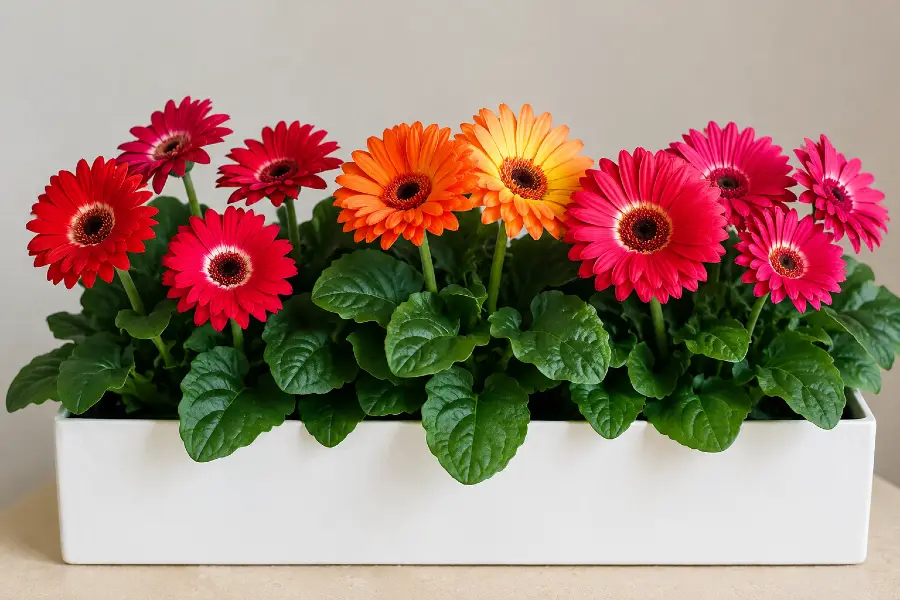
Gerbera Daisy Care Indoors allows you to enjoy colorful blooms long after outdoor flowers have faded. Known for their bright daisy-like flowers and wide range of colors, Gerbera Daisies can make excellent indoor plants when provided with the right light, watering routine, and growing conditions.
Also known as Barberton Daisy or Transvaal Daisy, these cheerful flowering plants are popular for windowsills, sunrooms, and bright indoor spaces. Their long-lasting blooms add vibrant color to homes throughout much of the year.
This guide covers everything you need to know about Gerbera Daisy Care Indoors, including light requirements, watering, fertilizing, repotting, propagation, and troubleshooting common problems.
What You’ll Learn
- How much light indoor Gerbera Daisies need
- The best watering routine for healthy blooms
- Ideal soil and fertilizer choices
- How to keep Gerbera Daisies flowering longer
- When and how to repot plants
- Common problems and practical solutions
Quick Answer: Gerbera Daisy Care Indoors
Gerbera Daisy Care Indoors involves growing plants in bright indirect light, watering when the top inch of soil becomes dry, using well-draining soil, and fertilizing regularly during the growing season. Removing spent flowers and maintaining moderate humidity will help encourage continued blooming.
Introduction to Gerbera Daisy Care Indoors

Gerbera Daisies, also known as African daisies, are native to South Africa and were first described by J.D. Hooker in Curtis’s Botanical Magazine in 1889.
The scientific name of the most popular species of Gerbera is Gerbera jamesonii, and it is a stemless, clump-forming, tender perennial.
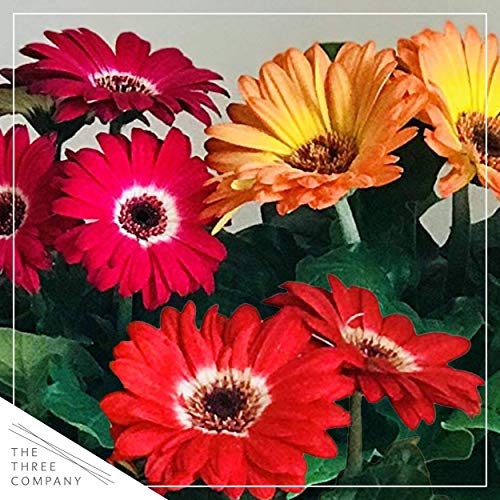
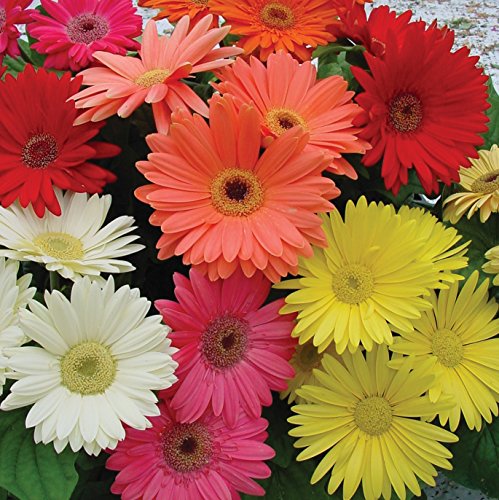
Gerbera Daisies come in a range of colors, including white, yellow, orange, pink, and red. Gerbera flowers are also widely used as cut flowers and are popular in floral arrangements.
Why Grow Gerbera Daisies Indoors?
Gerbera Daisies are grown indoors primarily for their bright flowers and long blooming season. Their colorful blooms can brighten windowsills, sunrooms, offices, and other indoor spaces.
- Colorful Flowers: Available in shades of red, orange, yellow, pink, and white.
- Long Blooming Period: Healthy plants can produce flowers for months.
- Container Friendly: Well suited to indoor pots and planters.
- Compact Growth: Easy to fit into most indoor growing spaces.
Gerbera Daisy plant size
Gerbera Daisies can grow up to 18-24 inches tall, with a spread of 12-18 inches.
When grown indoors, their size can be somewhat smaller, depending on the size of the pot and the growing conditions.
It’s important to keep in mind the ultimate size of your Gerbera Daisy plant when selecting a pot and deciding where to place it in your home.
With enough space and proper care, your Gerbera Daisy can grow into a beautiful and vibrant addition to your indoor space.
Are Transvaal and Barberton and Gerbera the Same Plant?
Transvaal Daisy, Barberton Daisy, and Gerbera are all different names for the same plant species, Gerbera jamesonii.
These Gerbera plants are all native to South Africa and are commonly referred to as the Gerbera Daisies.
How to Care for Gerbera Daisy Plants
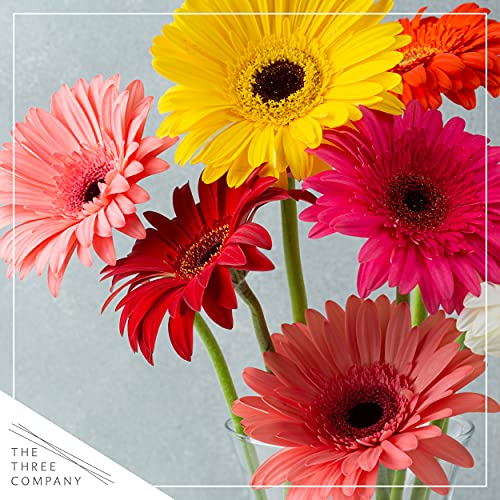
If you’re looking to grow Gerbera Daisies indoors, proper care is key to keeping these beautiful flowers healthy and thriving.
In this section, we’ll cover the basics of Gerbera Daisy care, including how to choose the right pot and soil, as well as how much light and water your plants need.
Growing Gerbera Daisy in Pots Indoors
Selecting the right pot for Gerbera Daisy:
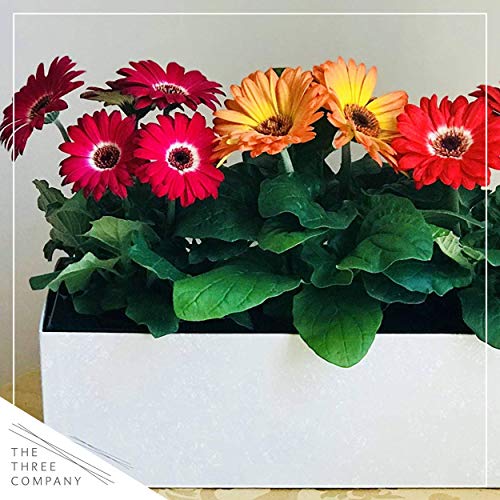
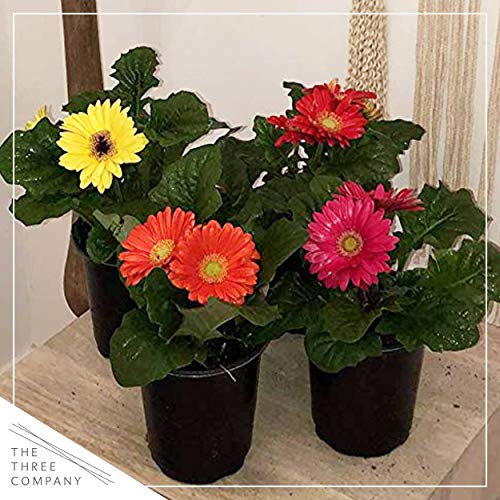
When selecting a pot for your Gerbera Daisy, choose one that is at least 6-8 inches deep and has drainage holes in the bottom.
Avoid pots that are too large, as this can lead to overwatering and root rot.
Choosing the right location for the pot:
Gerbera Daisies require bright, indirect sunlight to thrive.
Choose a location near a window that receives plenty of natural light, but avoid placing your plant in direct sunlight, as this can scorch the leaves and flowers.
Gerbera Daisy light requirements
Gerbera Daisies require bright, indirect sunlight to grow and bloom.
Ideally, they should receive at least 6 hours of bright light each day.
If your plant isn’t getting enough light, it may become leggy and produce fewer flowers.
To ensure your Gerbera Daisy is getting enough light, consider using grow lights or moving it to a sunnier location for the best results.
Best Indoor Locations for Gerbera Daisies
Choosing the right location is one of the most important factors for keeping Gerbera Daisies blooming indoors.
- East-Facing Windows: Gentle morning sun and bright light work well.
- South-Facing Windows: Excellent when light is filtered during the hottest part of the day.
- Sunrooms: Often provide ideal flowering conditions.
- Grow Light Setups: Helpful during winter or in darker homes.
Avoid dark corners and low-light rooms, which typically reduce flowering and encourage leggy growth.
Gerbera Daisy watering requirements
Gerbera Daisies prefer moist, but well-draining soil.
Water your plant when the top inch of the soil surface feels dry to the touch, and be sure not to overwater, as this can lead to root rot.
It’s also important to water from the base of the plant rather than from above, as wet leaves can attract fungal diseases.
Gerbera Daisy Soil
Gerbera Daisies prefer well-drained soil that is rich in organic matter.
Coco coir is an excellent choice for growing Gerbera Daisies, as it is lightweight and provides good drainage while retaining soil moisture.
When planting your Gerbera Daisy, be sure to plant it at the same level it was in its previous pot, and avoid burying the stem or crown of the plant.
With the right soil and watering habits, your Gerbera Daisy will be well on its way to producing beautiful, long-lasting blooms.
Gerbera Daisy in Pots

Growing Gerbera Daisies in pots can be a great way to add some color and beauty to your indoor space.
In this section, we’ll cover the basics of growing Gerbera Daisies in pots, including the right pot size, fertilizing, and the ideal temperature and humidity conditions for these plants.
Gerbera Daisy pot size
When it comes to selecting a pot for your Gerbera Daisy, size matters.
Too small of a pot can lead to overcrowding and root rot, while a pot that is too large can lead to overwatering and other issues.
A pot that is at least 6-8 inches deep and wide enough to accommodate the root ball of your Gerbera Daisy is a good choice.
Be sure to select a pot with drainage holes in the bottom to allow excess water to escape.
Gerbera Daisy fertilizer
Gerbera Daisies require regular fertilization to grow and bloom properly.
A water-soluble fertilizer formulated for flowering plants can be applied every two weeks during the growing season.
Be sure to follow the instructions on the fertilizer package carefully to avoid overfertilizing, which can lead to burned leaves and other problems.
If you are growing in coco coir using a calmag supplement is a good idea in addition to your regular fertilizer.
Gerbera Daisy temperature and humidity
Gerbera Daisies prefer moderate temperatures and high humidity.
Ideal daytime temperatures for these plants are between 60-75°F, with nighttime temperatures around 50-60°F.
Cool temperatures below 40 degrees can be harmful.
High humidity can be achieved by placing a tray of water near your Gerbera Daisy or by using a humidifier.
Be sure to avoid placing your Gerbera Daisy near drafts or air conditioning vents, as this can cause stress and damage to the plant.
With the right pot size, fertilizer, and temperature and humidity conditions, your Gerbera Daisy can thrive and produce beautiful blooms year-round.
Gerbera Daisy Maintenance and Pruning
Proper maintenance and pruning are key to keeping your Gerbera Daisy healthy and looking its best.
In this section, we’ll cover the basics of Gerbera Daisy maintenance, including how to prune your plant for optimal growth and how to keep it blooming for as long as possible.
Gerbera Daisies are relatively low-maintenance plants, but they do require some attention to keep them looking their best.
Regular pruning can help promote new growth and encourage your plant to produce more flowers.
Be sure to remove any dead foliage and spent flowers as soon as possible to prevent the spread of disease and to keep your plant looking tidy.
With a little bit of care and attention, your Gerbera Daisy can continue to produce beautiful blooms for years to come.
Gerbera Daisy pruning
Pruning is an essential part of Gerbera Daisy care, as it helps promote new growth and encourages the plant to produce more flowers.
To prune your Gerbera Daisy, simply snip off any dead foliage or spent flowers with a pair of sharp, clean scissors or pruning shears.
Be sure to cut just above the base of the plant to avoid damaging the crown.
Regular pruning can help keep your Gerbera Daisy looking neat and tidy and can also help prevent the spread of disease.
How to keep Gerbera Daisies blooming
Gerbera Daisies are known for their beautiful, colorful blooms, but in order to keep them blooming for as long as possible, it’s important to provide them with proper care.
In addition to regular pruning, be sure to provide your Gerbera Daisy with plenty of bright, indirect light and water it regularly to keep the soil moist but not waterlogged.
Deadheading or removing spent blooms will redirect your plant to make more flowers instead of producing seeds.
Fertilizing your plant every two weeks with a water-soluble fertilizer formulated for flowering plants can also help promote healthy growth and long-lasting blooms.
Do Gerbera Daisies come back every year?
Gerbera Daisies are tender perennials, which means they can come back year after year in warmer climates.
However, in colder climates, they are often grown as annuals or as indoor plants.
To encourage your Gerbera Daisy to come back year after year, be sure to provide it with proper care and protection during the winter months.
This may include moving it indoors or covering it with a protective layer of mulch.
With proper care, your Gerbera Daisy can continue to produce beautiful blooms year after year.
Gerbera Daisy Care Outdoors
While Gerbera Daisies are often grown as indoor plants, they can also thrive outdoors in the right conditions.
In this section, we’ll cover the basics of caring for Gerbera Daisies outdoors, including how to care for them in pots and how to grow them in garden beds.
Gerbera Daisies are popular garden plants, thanks to their beautiful, colorful blooms and easy-care nature.
Whether you’re growing them in pots on a patio or in a garden bed, there are a few key things to keep in mind to help your plants thrive.
From selecting the right location to providing proper watering and fertilization, taking good care of your Gerbera Daisies can help ensure they produce beautiful blooms all season long.
How to care for Gerbera Daisies in pots outside
Growing Gerbera Daisies in pots outdoors can be a great way to add color and interest to your patio, balcony, or garden.
To care for your Gerbera Daisies in pots, be sure to select a pot that’s large enough to accommodate the plant’s root ball and has good drainage.
Choose a sunny spot that receives full morning sun and afternoon shade to protect the plant from the hottest part of the day.
Water your Gerbera Daisy regularly, keeping the soil moist but not waterlogged, and fertilize it every two weeks with a water-soluble fertilizer formulated for flowering plants.
You would provide the same care for your outdoor Gerbera if it is growing in garden beds.
To keep your Gerbera Daisy blooming all season long, be sure to remove any dead foliage or spent flowers as soon as possible to promote new growth.
USDA Hardiness Zones
Gerbera Daisies are tender perennials that grow year-round in USDA Zones 8-10, but you can enjoy them year-round indoors.
If they are in pots bring them indoors before the last frost.
Growing Gerbera Daisy From Seeds
Growing Gerbera Daisies from seeds can be a fun and rewarding experience.
Here’s how to grow Gerbera from seeds step by step:
• To sow Gerbera Daisy seeds, start by filling seedling trays or small pots with a well-draining potting mix.
• Sow the seeds on top of the soil and lightly cover them with a thin layer of soil.
• Water the soil lightly to keep it moist but not waterlogged, and place the tray or pots in a warm, bright location.
• Germination can take anywhere from one to three weeks.
• Once the seedlings have developed several true leaves, they can be transplanted into larger pots or into garden beds.
• Be sure to choose a location with well-draining soil and full sun in the morning and afternoon shade in the hottest part of the day.
• Water the plants regularly, and fertilize them every two weeks with a water-soluble fertilizer formulated for flowering plants.
With proper care and attention, your Gerbera Daisy seedlings can grow into mature plants that produce beautiful, colorful blooms.
Gerbera Daisy Repotting
As your Gerbera Daisy grows into a mature plant, you may find that it needs to be repotted into a larger pot to accommodate its expanding root system.
Repotting can be a bit intimidating for some gardeners, but with a little know-how, it’s easy to do.
In this section, we’ll cover the basics of repotting Gerbera Daisies, including when to do it, how to do it, and what to watch out for.
By following these simple tips, you can ensure that your Gerbera Daisy stays healthy and happy for years to come.
As your Gerbera Daisy grows, you’ll need to keep an eye on its root system and repot it into a larger container as needed.
Repotting at the right time can ensure that your plant stays healthy and continues to grow strong.
In this section, we’ll cover when to repot and how to do it step by step.
When to repot
It’s best to repot your Gerbera Daisy when it has outgrown its current container or when its roots have become pot-bound.
Signs that your plant needs repotting include roots growing out of the drainage hole, slow growth, and water running straight through the pot without being absorbed.
Generally, Gerbera Daisies should be repotted every year or two, depending on their growth rate and the size of the pot.
Repotting step by step
• To repot your Gerbera Daisy, start by selecting a container that’s 2-4 inches larger in diameter than the current one.
• Fill the new pot with a well-draining potting mix and create a small hole in the center.
• Gently remove the plant from its current pot by tipping it upside down and tapping the bottom of the pot.
• Carefully loosen any roots that have grown tightly around the root ball, and remove any dead or damaged roots.
• Place the plant in the center of the new pot, making sure the soil level is the same as it was in the old pot.
• Fill in around the root ball with fresh potting mix, pressing it down gently to remove any air pockets.
• Water the plant thoroughly and place it in a bright, sunny location.
• Be sure to keep the soil evenly moist for the first few weeks to help the plant adjust to its new home.
By following these simple steps, you can ensure that your Gerbera Daisy stays healthy and happy in its new container.
With proper care and attention, your plant will continue to produce beautiful, colorful blooms for years to come.
Gerbera Daisy Propagation

If you love your Gerbera Daisy plant and want to share it with others, or simply want to expand your collection, propagation is a great way to do so.
In this section, we’ll cover the basics of Gerbera Daisy propagation, including when and how to propagate, and the different methods you can use.
With a little bit of patience and some tender loving care, you can easily propagate your Gerbera Daisy and watch it grow into a beautiful new plant.
Propagation Methods
There are three main methods of propagating Gerbera Daisies: division, cuttings, and seed propagation.
Division:
This method involves separating an established plant into smaller sections, each with its own root system.
To do this, carefully dig up the plant and gently separate the root ball into sections, making sure each section has enough roots and foliage to survive on its own.
Plant each section in its own pot or in the garden.
Cuttings:
This method involves taking a stem cutting from the parent plant and rooting it to form a new plant.
To do this, use a clean, sharp pair of scissors or pruning shears to cut a stem that is 3-4 inches long, just below a leaf node.
Remove the leaves from the bottom half of the stem, leaving only a few leaves at the top.
Dip the cut end of the stem in rooting hormone and plant it in a moist cutting mix.
Keep the cutting moist and in a warm, bright location until roots form.
Seed Propagation:
This method involves starting new plants from seed. To do this, sow the Gerbera seeds directly into a seed-starting mix, cover them with a thin layer of soil, and keep them moist.
Give them a little water with a spray bottle to keep the soil moist but don’t overdo it.
You can cover the seedlings with clear plastic until they start to sprout but take it off as soon as they do to prevent damping off.
Germination usually takes 7-14 days. Once the seedlings have several leaves, transplant them into individual pots or into the garden.
Step-by-Step Instructions
Regardless of the propagation method you choose, here are some general guidelines to follow:
• Start with a healthy parent plant. Choose a plant that is disease-free and has no signs of stress or damage.
• Choose your propagation method. Depending on the method you choose, you may need to gather additional materials such as a rooting hormone or seed-starting mix.
• Prepare your soil or cutting mix. If you’re using a cutting or seed-starting mix, follow the instructions on the package to prepare it. Make sure it’s moist but not soaking wet.
• Take your cutting or sow your seeds. For cuttings, use a clean, sharp pair of scissors or pruning shears to cut a stem that is 3-4 inches long, just below a leaf node.
Remove the leaves from the bottom half of the stem, leaving only a few leaves at the top.
Dip the cut end of the stem in rooting hormone and plant it in your cutting mix.
For seed propagation, sow your seeds directly into the seed-starting mix.
• Provide the right environment. Depending on the propagation method you choose, you may need to provide additional warmth, humidity, or light to encourage growth.
• Monitor and care for your new plants. Keep an eye on your cuttings or seedlings, and make sure they stay moist and healthy.
Once they’re established, you can transplant them to a larger pot or into your garden.
By following these simple steps and giving your Gerbera Daisy the proper care and attention, you can successfully propagate your plant and enjoy its beautiful blooms for years to come.
Gerbera Daisy Problems
Gerbera Daisies are beautiful and relatively easy to care for, but they are not immune to problems.
Several issues can arise that affect their growth, appearance, and overall health.
In this section, we will discuss some common Gerbera Daisy problems and how to identify and treat them.
By being aware of these issues and taking the necessary steps to address them, you can keep your Gerbera Daisies thriving and blooming beautifully.
Common Problems
Fungal Diseases – Gerbera Daisies may be susceptible to fungal diseases like powdery mildew and root rot.
Powdery mildew can appear as a white or grayish powder on the leaves and stems, while root rot can cause the roots to decay, leading to wilting and yellowing of the foliage.
To prevent these diseases, it is essential to provide good air circulation, avoid overwatering, and maintain proper drainage.
Pest Infestations – Gerbera Daisies may be affected by various pests such as spider mites, fungus gnats, and thrips.
Spider mites and thrips can cause damage by feeding on the leaves and stems, while fungus gnats can infest the soil and feed on the roots.
These pests can weaken the plant and make it more susceptible to diseases.
To control pests, it may be necessary to use insecticidal soap, neem oil, or other pest control products.
Wilting or Drooping – Gerbera Daisies may wilt or droop due to overwatering or improper drainage.
When the roots are exposed to too much water or standing water, they can become waterlogged and begin to rot.
To prevent wilting or drooping, make sure the soil has adequate drainage and allow the top inch of soil to dry out before watering again.
More On Gerbera Daisy Pests and Diseases
Pests – Gerbera Daisies may be affected by various pests such as spider mites, thrips, and aphids.
Spider mites and thrips can cause damage by feeding on the leaves and stems, while aphids can suck sap from the plant, leading to yellowing and distortion of the leaves.
These pests can weaken the plant and make it more susceptible to diseases.
Fungal Diseases – Gerbera Daisies may be susceptible to various fungal diseases like powdery mildew, leaf spot, and root rot.
Powdery mildew can appear as a white or grayish powder on the leaves and stems, while leaf spot can cause brown spots on the foliage.
Root rot can cause the roots to decay, leading to wilting and yellowing of the foliage.
To prevent these diseases, it is essential to provide good air circulation, avoid overwatering, and maintain proper drainage.
To address these issues, it is crucial to identify the problem and take the appropriate steps to treat it.
In some cases, it may be necessary to prune affected leaves or flowers, remove the infected soil, or apply pest control products or fungicides.
It is also important to take preventive measures, such as maintaining good hygiene, providing proper growing conditions, and regularly inspecting the plant for signs of pests or diseases.
With proper care and attention, Gerbera Daisies can thrive and bloom beautifully.
Common Indoor Gerbera Daisy Problems
Yellow Leaves
Overwatering and poor drainage are among the most common causes of yellow foliage.
Few or No Flowers
Insufficient light is usually responsible when healthy plants stop blooming.
Drooping Flowers
Drooping blooms may result from underwatering, root problems, or heat stress.
Powdery Mildew
Poor air circulation and excessive moisture around foliage can encourage fungal growth.
Spider Mites
Dry indoor air can attract spider mites, particularly during winter heating season.
Gerbera Daisy Care Indoors FAQs

How long do Gerbera Daisies live indoors?
With proper care, Gerbera Daisies often live two to three years indoors and may bloom repeatedly during that time.
Can Gerbera Daisies stay indoors year-round?
Yes. Many gardeners successfully grow Gerbera Daisies indoors throughout the year when adequate light is available.
How often should I water a Gerbera Daisy?
Water when the top inch of soil becomes dry. Avoid keeping the soil constantly wet.
Why is my Gerbera Daisy drooping?
Drooping can result from underwatering, overwatering, root problems, heat stress, or insufficient light.
How do I keep Gerbera Daisies blooming?
Provide bright light, regular fertilizer, proper watering, and remove spent flowers promptly.
Do Gerbera Daisies come back every year?
They are tender perennials and can return each year in warm climates or when grown indoors with proper care.
Gerbera Daisy Care Indoors Final Thoughts
Gerbera Daisy Care Indoors: Final Thoughts
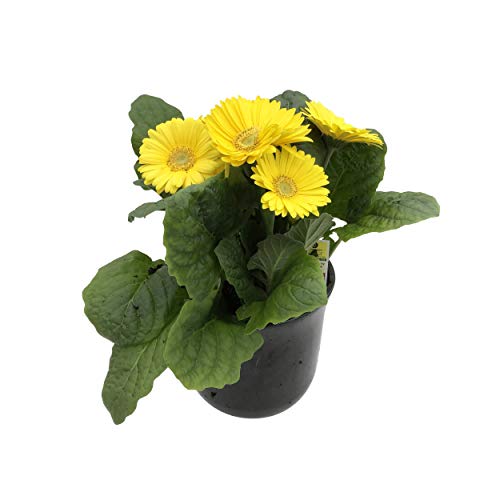
Gerbera Daisies are among the most colorful flowering plants you can grow indoors. Their bright blooms, compact size, and long flowering season make them excellent choices for sunny windows and indoor containers.
Providing bright light, well-draining soil, consistent watering, and regular feeding will help keep your plants healthy and productive.
With proper Gerbera Daisy Care Indoors, you can enjoy vibrant flowers and continuous color throughout much of the year.
Continue Exploring Flowering Houseplants
🌿 Indoor Houseplant Care Guides
- ♻️ Composting Indoors
- 🌳 Rubber Plant Care Indoors
- 🌸 Peace Lily Care Indoors
- 🧀 Swiss Cheese Plant Care
- 🎋 Indoor Bamboo Guide
- 🌱 Vertical Gardening Indoors
- 🌺 Bromeliad Care
- 🥢 Bamboo Plant Indoor Care
- ❤️ Anthurium Care Indoors
- 🌵 How to Grow Succulent Plants
- 🌿 Maidenhair Fern Indoor Care
- See all articles in our Houseplants category