
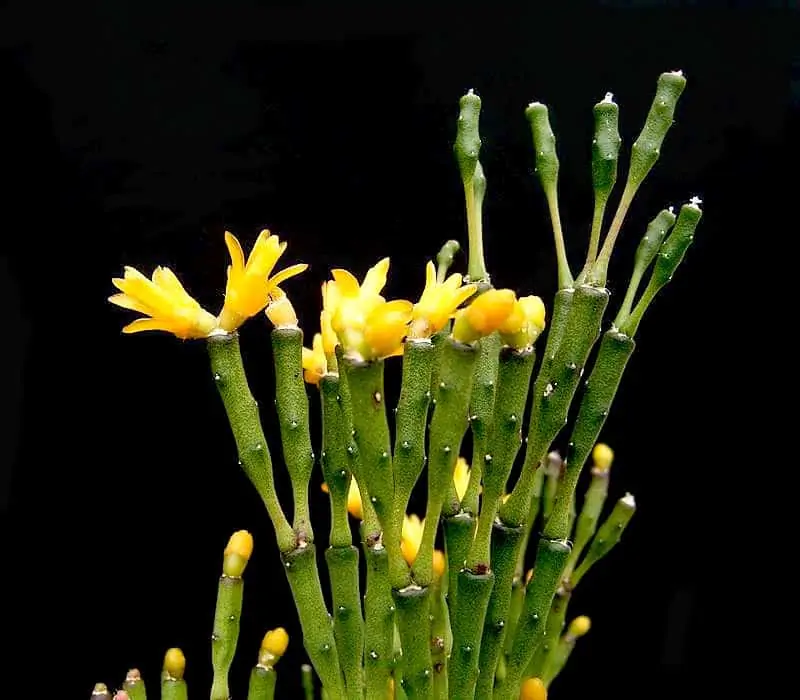
The Dancing Bones cactus is one of those houseplants that always gets attention. With its strange bottle-shaped stems and wild branching habit, it almost looks like green coral spilling over the pot.
If you want something unusual but easy to grow, Dancing Bones cactus care is pretty simple once you understand one thing: this is not a desert cactus. It naturally grows in humid forests as an epiphyte, so its care is a little different from your typical cactus.
What You’ll Learn 🌵
- How much light Dancing Bones cactus needs indoors
- The best watering routine for healthy growth
- Why coco coir works so well for this plant
- How to propagate and prune it
- How to fix common growing problems
Quick Answer
Dancing Bones cactus grows best in bright indirect light, moderate humidity, and a fast-draining growing mix like coco coir. Water when the growing medium dries out, feed lightly during active growth, and avoid harsh direct sun.
Quick Answer 🌵
Dancing Bones cactus grows best in bright indirect light, moderate humidity, and a fast-draining mix like coco coir. Water when the growing medium dries out, feed monthly in spring and summer, and avoid harsh direct sun. Since it’s an epiphytic cactus, it likes a little more moisture than desert cacti.
What Is A Dancing Bones Cactus?
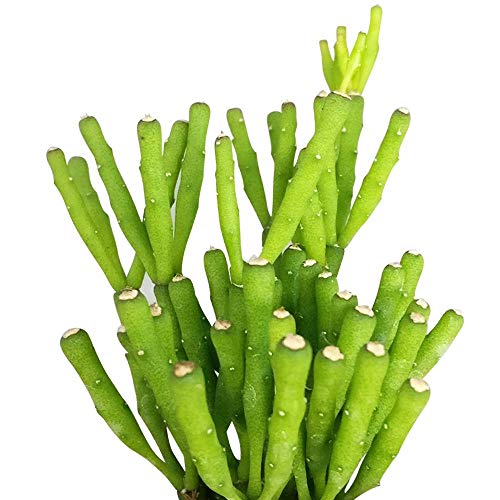

Dancing Bones Hatiora Salicornioides
Hatiora salicornioides, the bottle cactus, dancing-bones, drunkard’s-dream, or spice cactus, is a species of flowering plant in the cactus family.
A member of the tribe Rhipsalideae, it often grows as an epiphyte. It is native to eastern Brazil. It is sometimes grown both indoors and outdoors as an ornamental. Hatiora salicornioides – Wikipedia
Dancing Bones Cactus Care

Dancing Bones is an attractive houseplant that is also pretty easy to care for.
As a houseplant, this cactus prefers bright indirect light indoors, a moderate temperature, and of course because it is a cactus it doesn’t need a lot of water.
However, Dancing Bones is not a desert cactus. It is an epiphyte that grows in a rainforest on trees so it does appreciate some moisture and humidity.
Although it is a cactus there aren’t any thorns on this plant so you won’t get pricked handling it.
Starting upright as it gains height it starts to sprawl out. It can grow up to 3 feet tall as it sprawls.
So here is how to take care of Dancing Bones cactus:
Dancing Bones Cactus Lighting
Hatiora salicornioides, commonly known as Dancing Bones cactus, is a popular choice for indoor gardens.
These hardy plants are relatively easy to care for, and they make a striking addition to any room.
One of the most important aspects of caring for Hatiora salicornioides is providing the right kind of lighting.
These plants prefer bright, indirect light. They can tolerate some morning sun but too much direct sunlight can scorch their leaves, so it’s best to err on the side of caution.
If your cactus isn’t getting enough light, it will start to stretch out and become leggy.
Dancing Bones Cactus Watering
Native to Brazil, this cactus is relatively easy to care for and makes an interesting addition to any indoor or outdoor garden.
When it comes to watering, Hatiora salicornioides is similar to most other succulents in that it does not need a lot of water.
This does not mean letting it go dry for long periods is a good idea.
It is a cactus that grows in the jungle and not the desert and so it appreciates regular watering when dry.
But too much water can also be detrimental to the plant so finding the right balance is important.
Allow the soil to dry out completely before watering, and then water deeply until the water drains out of the bottom of the pot.
Dancing Bones Cactus Soil
Most information claims Dancing Bones Cacti prefer well-draining, sandy soils. But these plants are epiphytes that grow on trees.
It is unlikely these plants have ever seen a grain of sand in their natural environment.
I think it is recommended because it is fast draining but there are other growing mediums that are also fast draining.
I don’t use peat because of environmental concerns but I do use coco coir which is a renewable and superior growth medium.
Coco coir holds water well but also allows good air infiltration. It drains fast and roots love growing in it.
I use it on all my indoor plants no matter what kind they are. You can add perlite to it to promote faster dry down time if you wish.
I think coco coir and perlite in a 60/40 ratio is a much better choice than succulent or cactus soils.
You don’t even need the perlite. Coco is lighter than other potting mixes and can be reused.
Dancing Bones Cactus Fertilizer
Dancing Bones cactus is not a heavy feeder, but regular light feeding during spring and summer helps encourage fuller growth and better flowering.
Use a balanced liquid fertilizer at half strength once a month during active growth. Because this plant is an epiphyte, it naturally gets small amounts of nutrients over time rather than heavy feedings all at once.
Stop fertilizing in fall and winter when growth slows down.
Dancing Bones Cactus Repotting
This plant likes to stay slightly rootbound, so it does not need frequent repotting. Usually every two to three years is enough.
Choose a pot with drainage holes and only go up one size. Oversized pots hold too much moisture and can increase the risk of root rot.
Because the stems can become top-heavy and sprawling, a heavier pot can help keep the plant stable.
Dancing Bones Cactus Propagation

This cactus gets its name from its unique appearance because the stems are segmented and resemble the bones of a skeleton.
The Dancing Bones plant is also known for its ability to propagate easily.
Cuttings can be taken from the main stem and rooted in soil. The cactus will typically start to grow new roots within a few weeks.
Dancing Bones Cactus Pruning
Dancing Bones cactus can become unruly over time. The plant has a sprawling growth habit as it matures.
It can get 2-3 feet tall and around if you let it but you can prune it back to a more manageable size if you want to.
So it is totally fine for the Dancing Bones cactus to be pruned to keep it compact and prevent it from getting too leggy.
When pruning, it is important to use sharp, clean shears to avoid damaging the plant.
Cuttings from this pruning can be taken from the tips of the stems and rooted in growing media.
Best Indoor Locations For Dancing Bones Cactus
This cactus does best where it gets bright filtered light and decent airflow.
East-facing windows
Morning sun is gentle and works great for steady growth.
Bright shelves near windows
Perfect for showing off the trailing stems while keeping light levels strong.
Bathrooms with natural light
The extra humidity can mimic its rainforest origins.
Hanging baskets
One of the best ways to grow it once stems start cascading over the edge.
Common Dancing Bones Cactus Problems
Wrinkled stems
Usually means the plant is too dry. Water thoroughly and check your watering routine.
Soft mushy stems
This often points to overwatering or poor drainage. Let the mix dry more between waterings.
Leggy stretched growth
Not enough light. Move it closer to a bright window.
No flowers
Low light or too much nitrogen can reduce blooming. Bright indirect light usually fixes this.
Stem drop
Sudden temperature swings or dry stress can cause segments to drop.
Is Dancing Bones Cactus Toxic?
Hatiora salicornioides, also known as Dancing Bones Cactus, is a beautiful and unique plant that is native to Brazil.
The cactus gets its name from its skeleton-like appearance, and it is often used as an ornamental plant.
However, some people may wonder if Hatiora salicornioides is toxic. The answer is that the plant is not toxic to humans or animals.
However, it is important to note that the plant does contain small amounts of saponins, which can cause irritation if they come into contact with the skin.
Therefore, it is best to wear gloves when handling the plant. Overall, Hatiora salicornioides is a safe and beautiful addition to any home or garden.
Dancing Bones Cactus FAQs
How often should I water Dancing Bones cactus?
Water when the growing medium dries out. This is usually every 7 to 14 days depending on your indoor conditions.
Is Dancing Bones cactus a succulent?
Yes. It stores water in its segmented stems, but because it is an epiphyte it appreciates more moisture than desert succulents.
Can Dancing Bones cactus grow in low light?
It can survive in lower light, but growth will slow and stems may stretch. Bright indirect light is best.
Is Dancing Bones cactus pet safe?
It is generally considered non-toxic, but chewing any plant can still cause mild stomach upset.
Why is my Dancing Bones cactus turning yellow?
Yellowing usually means overwatering, poor drainage, or too much direct sunlight.
Want to transform your indoor space into a lush, thriving haven? These guides will help you master houseplant care with ease.
Dancing Bones Cactus Care Final Thoughts
Dancing Bones cactus is one of those plants that proves easy care does not have to be boring. Its strange segmented stems, trailing growth, and bright yellow blooms make it one of the more unusual cacti you can grow indoors.
Give it bright filtered light, let the growing mix dry between waterings, and avoid treating it like a desert cactus. Once you understand its rainforest roots, it becomes a very easy and rewarding houseplant.
🌿 Indoor Houseplant Care Guides
- ♻️ Composting Indoors
- 🌳 Rubber Plant Care Indoors
- 🌸 Peace Lily Care Indoors
- 🧀 Swiss Cheese Plant Care
- 🎋 Indoor Bamboo Guide
- 🌱 Vertical Gardening Indoors
- 🌺 Bromeliad Care
- 🥢 Bamboo Plant Indoor Care
- ❤️ Anthurium Care Indoors
- 🌵 How to Grow Succulent Plants
- 🌿 Maidenhair Fern Indoor Care
- See all articles in our Houseplants category